Photo credit: TFB TV/YouTube
Some guns do not seem special until you try to buy another one. They sit in safes for years, show up in old photos, get traded toward something newer, or leave during a stretch when cash matters more than nostalgia. At the time, selling one feels harmless because you assume another clean example will always be around.
Then the market changes. Production ends, quality shifts, collectors wake up, used racks dry up, and suddenly the gun that once felt common starts looking like a mistake you cannot easily undo. These firearms are harder to replace now because the right examples have become scarce, expensive, or simply different from what is being made today.
Winchester 9422
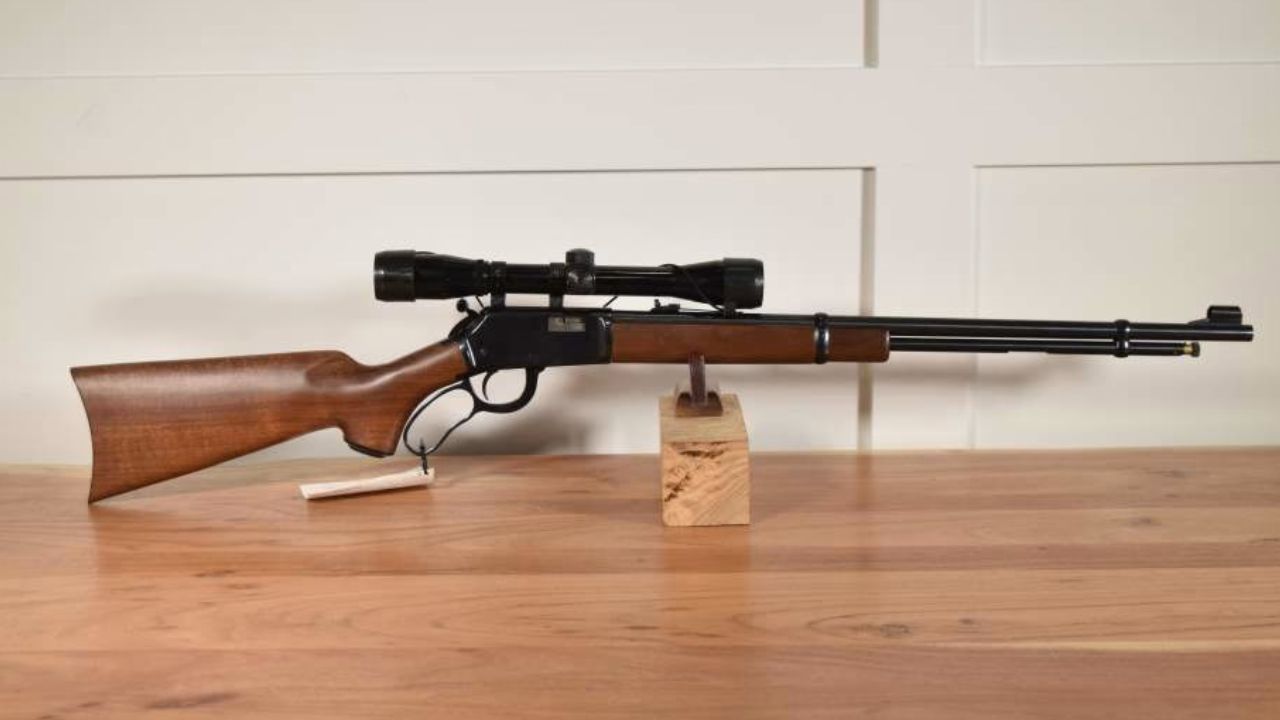
The Winchester 9422 used to feel like a nice .22 lever gun, not some hard-to-find prize. A lot of owners treated them as handy plinkers, squirrel rifles, or family guns that could be replaced later without much pain.
That later part is where people got burned. Clean 9422 rifles have become expensive because they combine Winchester appeal, smooth handling, rimfire usefulness, and discontinued production. New lever-action .22s are still available, but they do not scratch the same itch for many shooters. If you sold a nice 9422 years ago, replacing it now usually means paying far more for one that may not be as clean as the one you let go.
Marlin 336 JM-Stamped
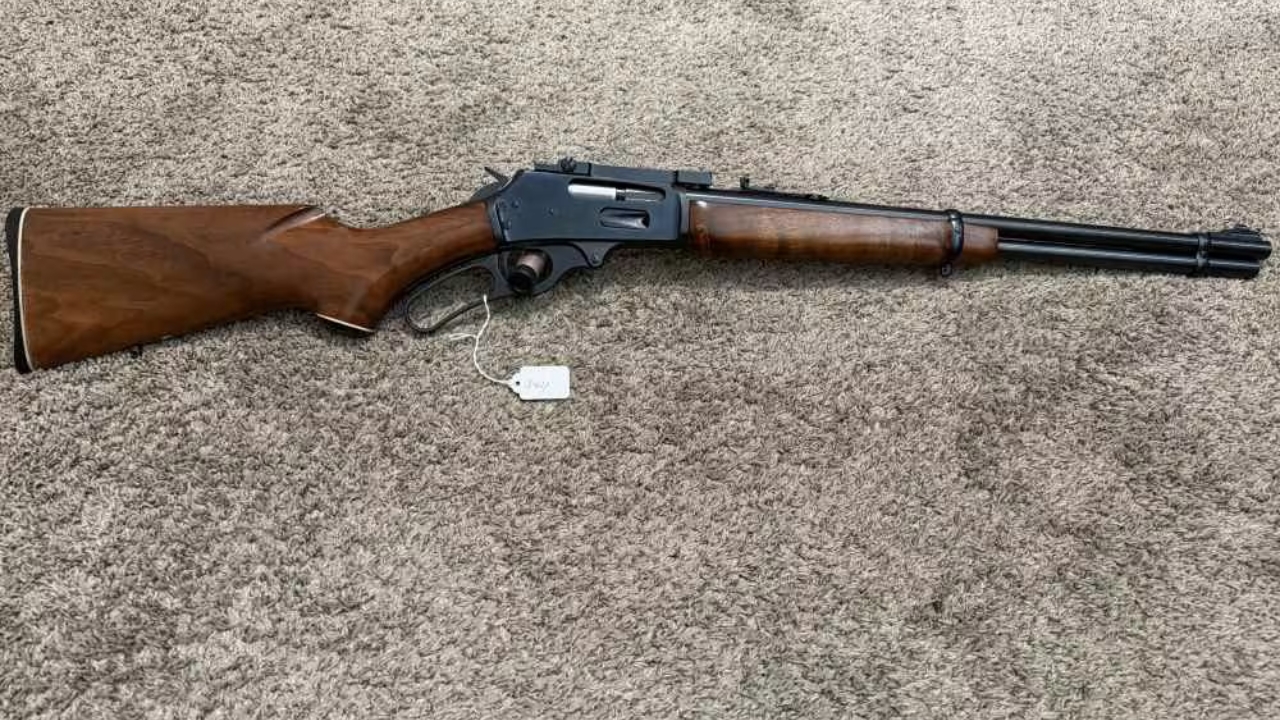
The Marlin 336 was everywhere for decades, which is exactly why people underestimated it. A .30-30 lever gun with a JM stamp did not seem rare when gun shops and deer camps were full of them.
Now clean older Marlins get attention fast. Buyers like the fit, finish, side-eject receiver, simple scope mounting, and classic handling. The newer Ruger-made Marlins are good rifles, but they have also made older JM-stamped guns feel more collectible to people who want the original North Haven-era feel. A beat-up 336 is still findable. A clean one in the right chambering at an easy price is a different story.
Browning Hi-Power

The Browning Hi-Power was respected for years, but plenty of shooters still traded them away when polymer pistols took over. More capacity, lighter weight, rails, optics cuts, and cheaper magazines made the old Hi-Power feel easier to part with.
Then production ended, prices climbed, and people remembered how good the pistol feels in the hand. Belgian-made examples, clean later Brownings, and desirable variants are not as casual to replace as they once were. New clones and updated versions exist, but they are not the same thing as finding a real Browning-marked Hi-Power in good shape. That difference matters to buyers who want the original feel.
Smith & Wesson Model 19

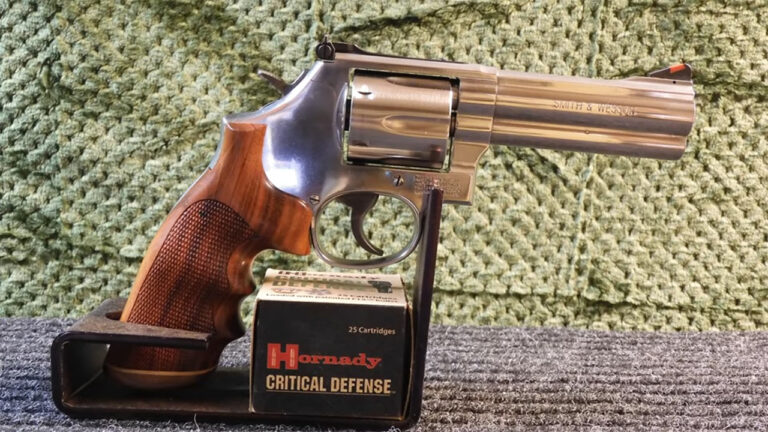
The Smith & Wesson Model 19 was once simply a great .357 Magnum revolver. It was not treated like some delicate treasure by everyone who owned one. Many were carried, shot, holstered, traded, and used like working guns.
That history is exactly why clean examples are harder to replace. Good bluing, tight lockup, pinned-and-recessed features on earlier guns, and classic K-frame balance all matter now. The Model 19 has a feel that newer revolvers do not always duplicate, even when the new guns are good. If you want a clean older one today, you are usually competing with collectors and shooters who already know what they are looking at.
Remington 870 Wingmaster

The Remington 870 Wingmaster spent so long being normal that people forgot how good it was. Smooth action, polished finish, walnut furniture, and field reliability were once just expected from a quality pump shotgun.
Replacing one now can be frustrating because not every modern pump gun feels like an older Wingmaster. Clean 12-gauge and 20-gauge examples still show up, but the best ones are not sitting around cheap like they used to. Hunters and shotgun people know the difference between an older Wingmaster and a rougher utility pump. That makes the nice ones move fast, especially if they have not been cut, abused, or modified badly.
Colt Detective Special
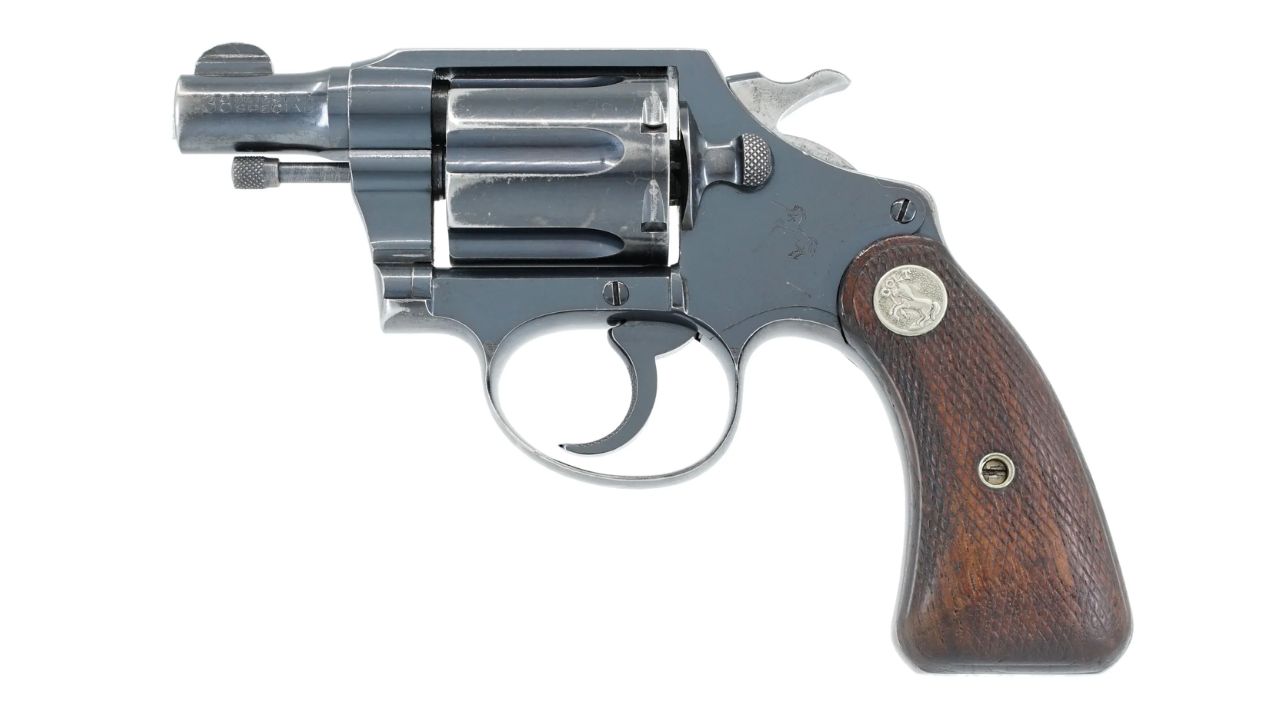
The Colt Detective Special was once just an old snub-nose to a lot of owners. When small semi-autos started offering more capacity and easier reloads, many of these Colts were traded away without much regret.
That regret came later. Six-shot compact Colts with clean finish, good timing, and original grips are much harder to casually replace now. The Detective Special has old-school carry appeal, real Colt collector interest, and a smoother feel than many modern small revolvers. You can still buy a new defensive handgun easily. Finding a clean Detective Special that has not been shot loose or priced like a collector piece is another matter.
Ruger 10/22 International
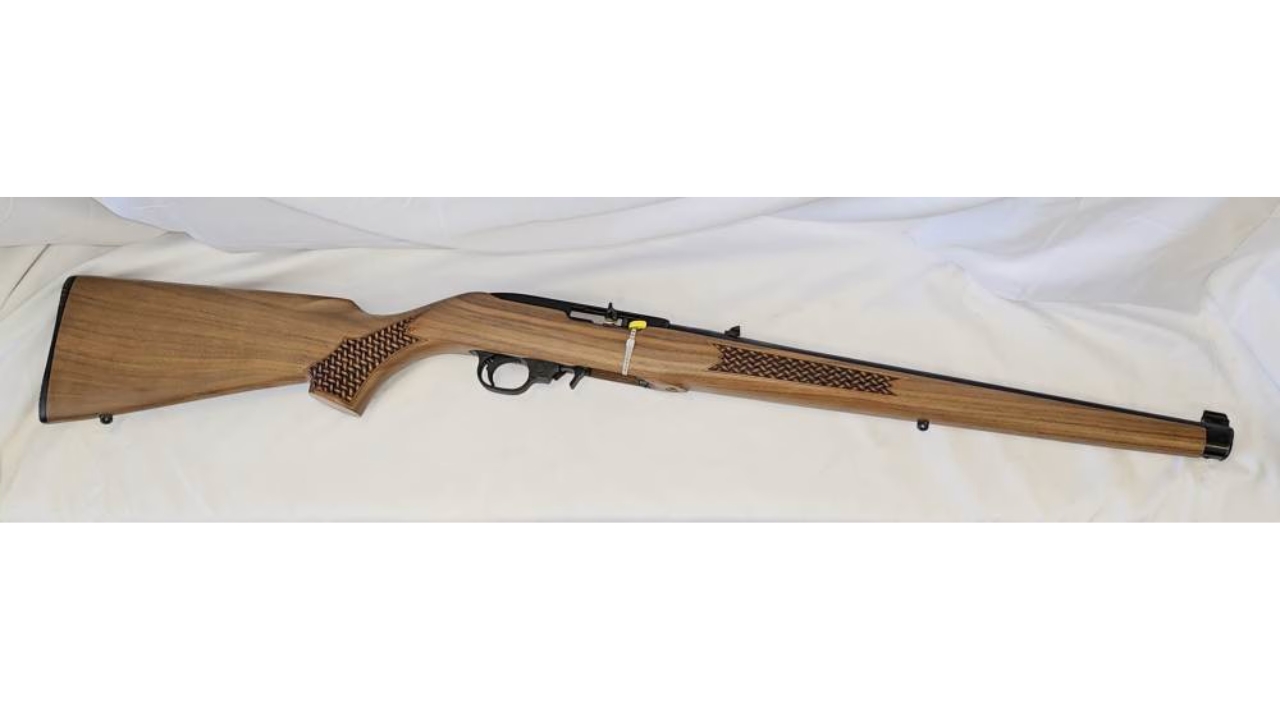
The Ruger 10/22 International looked like a neat variation more than a future headache to replace. It had the full-length Mannlicher-style stock, familiar 10/22 action, and enough character to stand apart from the standard carbine.
That combination aged well. Regular 10/22 rifles are everywhere, but the International has a different pull. It is still useful, still easy to feed, and still has that classic stocked-to-the-muzzle look that makes it feel more special than most rimfire autos. When people sold them like ordinary used .22s, they did not always realize they were letting go of one of the more memorable factory 10/22 variants.
Colt Series 70 Government Model

The Colt Series 70 Government Model is one of those pistols people wish they had not treated like just another 1911. For years, some owners traded them toward newer pistols with rails, night sights, checkering, or higher-capacity designs.
Now clean Series 70 Colts have a different kind of pull. They represent a simpler 1911 era, with classic lines and the right name on the slide. New Colt 1911s exist, and plenty of excellent 1911s are being made, but a clean older Series 70 has a feel and collector appeal that cannot be replaced by buying whatever is currently in stock. That is why letting one go can sting.
Ruger No. 1
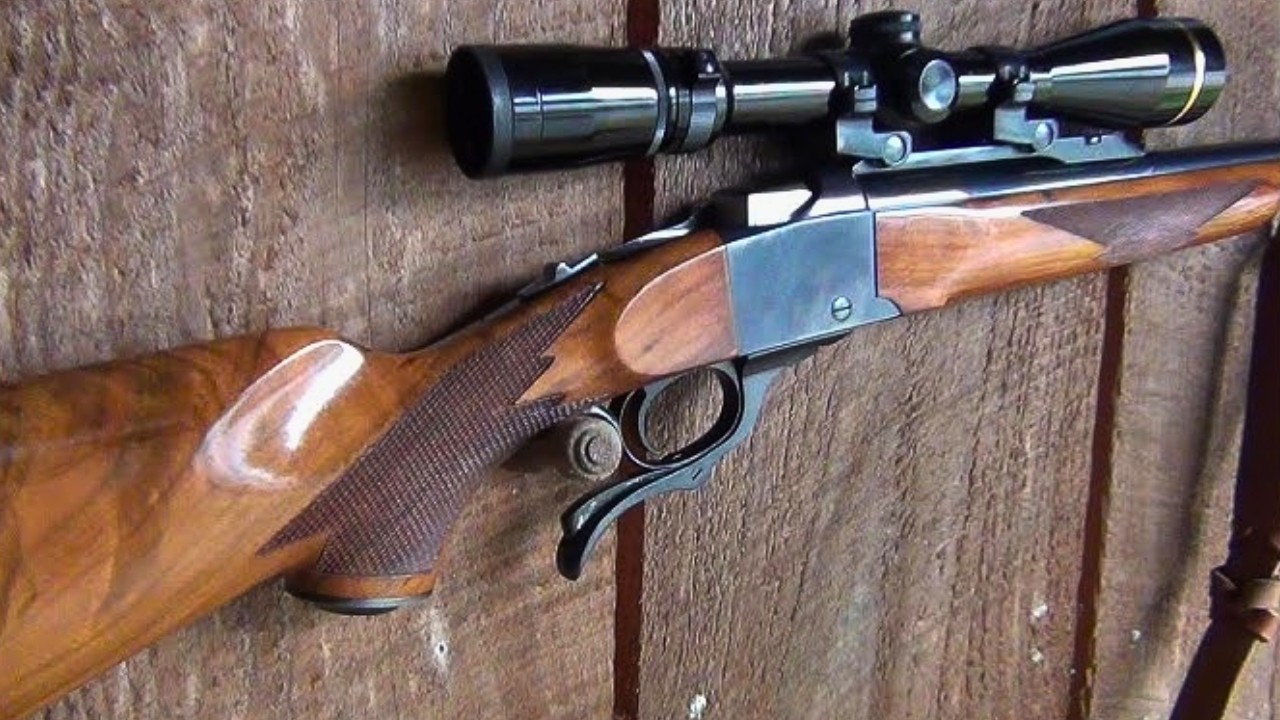
The Ruger No. 1 has always appealed to a certain kind of rifleman. A falling-block single-shot rifle is not the most practical choice for everyone, which kept some buyers from appreciating it when they had the chance.
Now certain No. 1 rifles are much harder to find in desirable chamberings and clean condition. The rifle has class, strength, and a level of old-school charm that stands apart from modern bolt guns. You do not buy one because you need fast follow-up shots. You buy one because it makes a hunt feel deliberate. That kind of rifle does not get easier to replace when production becomes limited and collectors start watching.
Marlin 1894

The Marlin 1894 is a perfect example of a gun people underestimated until pistol-caliber lever guns got hot again. A .357 Magnum, .44 Magnum, or .45 Colt lever gun once seemed like a fun extra rifle, not something you would struggle to replace later.
Now everyone seems to want handy lever guns for deer woods, hogs, suppressors, ranch use, or just plain range fun. Older Marlin 1894 rifles, especially JM-stamped examples, have become much more desirable. The right one carries easily, shoots affordably depending on caliber, and pairs well with a revolver. Letting one go before the lever-gun wave came back is the kind of mistake people remember.
Smith & Wesson Model 686 Pre-Lock
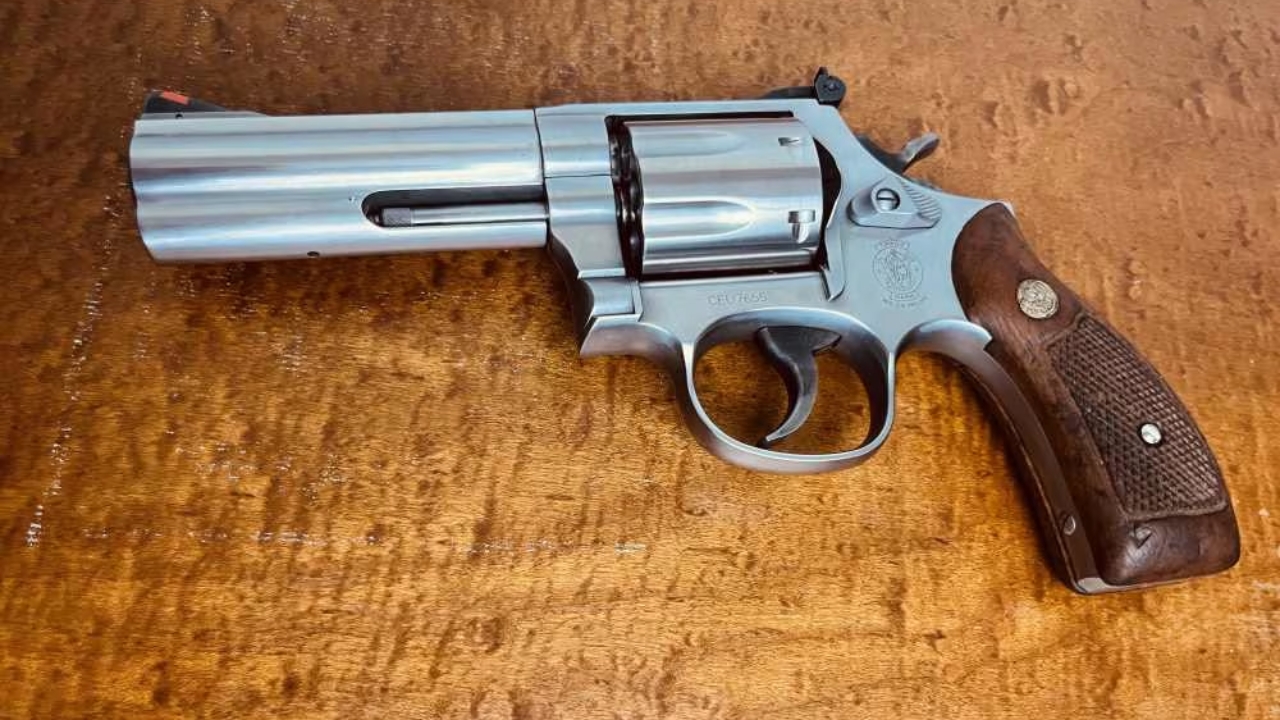
The Smith & Wesson Model 686 is still around, but pre-lock examples have their own following. That matters because a lot of shooters prefer the older look, feel, and lack of internal lock, even if newer guns work just fine.
A clean pre-lock 686 is not as easy to stumble into as it once was. The four-inch and six-inch models especially have strong appeal because they work as range guns, field guns, home-defense revolvers, and general-purpose .357s. People who sold them back when revolvers felt less fashionable often discovered later that replacing one meant paying serious money. A good 686 never really went out of style. The market just caught up.
Winchester Model 70 Classic

The Winchester Model 70 Classic has become harder to replace because it sits in a very specific sweet spot. It brought controlled-round-feed appeal back to the Model 70 line and gave hunters a rifle that felt connected to Winchester’s best reputation.
Good examples in desirable chamberings are not as easy to find cheap anymore. Hunters who like them tend to keep them, and buyers looking for traditional field rifles know what they represent. A newer rifle may be lighter, cheaper, or more weatherproof, but it may not have the same feel. If you sold a clean Model 70 Classic because you thought all bolt guns were basically interchangeable, replacing it now can be painful.
Browning Auto-5
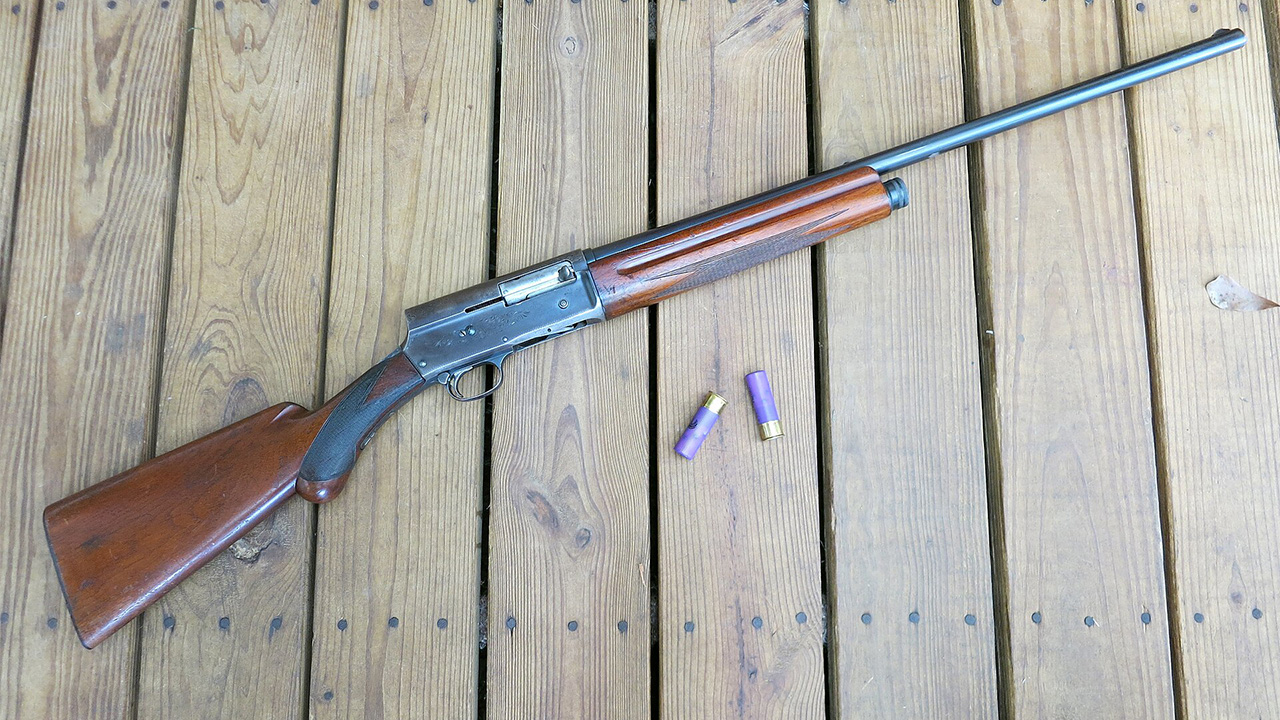
The Browning Auto-5 is one of those shotguns people either understood early or learned to miss later. It was heavy, unusual, and old-fashioned compared with newer gas and inertia guns. That made it easier for some owners to trade away.
But the Auto-5 has a personality newer shotguns rarely match. The long-recoil action, humpback receiver, field history, and unmistakable look give it serious staying power. Clean Belgian-made examples, desirable gauges, and well-kept hunting guns are not sitting around unnoticed like they once did. If you want one now, you are buying into history as much as function, and history has a way of getting expensive.
Ruger Blackhawk Convertible

The Ruger Blackhawk Convertible used to seem like a practical single-action revolver with a bonus cylinder. A .357 Magnum with a 9mm cylinder or a .45 Colt with a .45 ACP cylinder was useful, but not everyone treated that versatility as special.
Now good examples are much easier to appreciate. Ammo flexibility matters, single-action revolvers have loyal fans, and older Rugers have a reputation for strength and usefulness. The convertible models let one revolver cover more ground, which feels smarter as ammunition prices and availability shift. You can still find Blackhawks, but finding the right convertible model in clean shape at yesterday’s prices is not realistic.
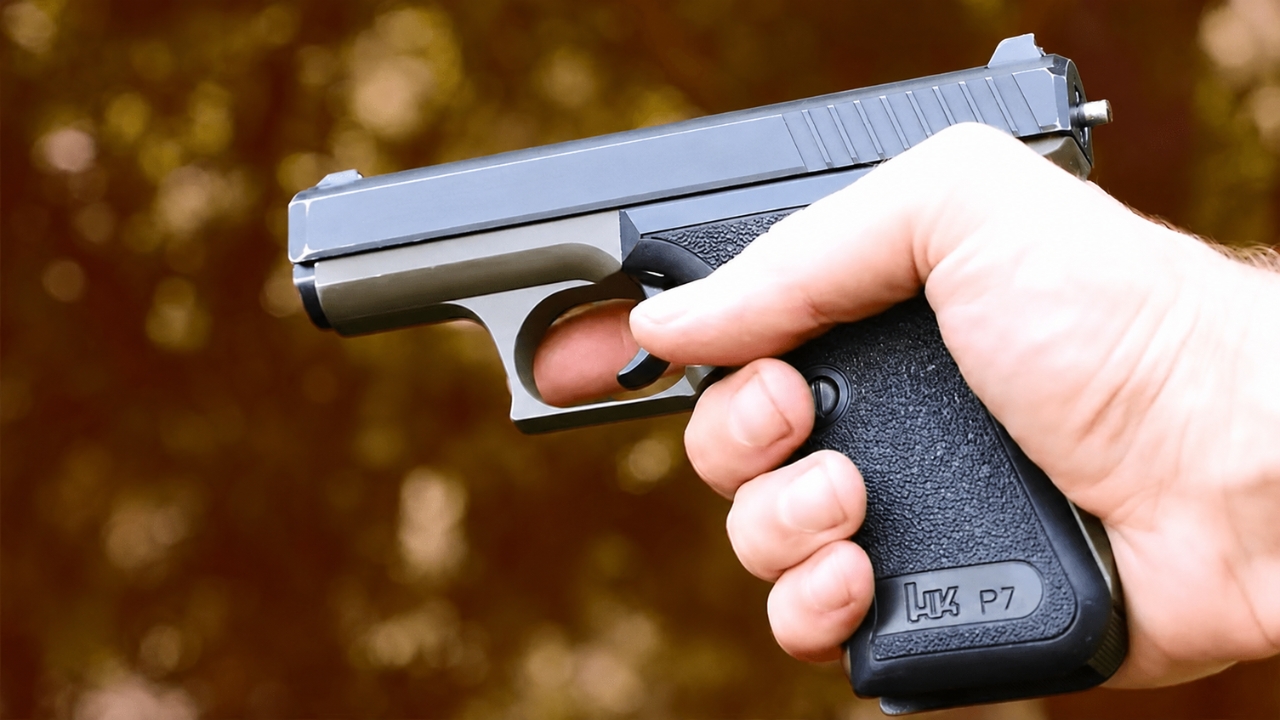
Heckler & Koch P7
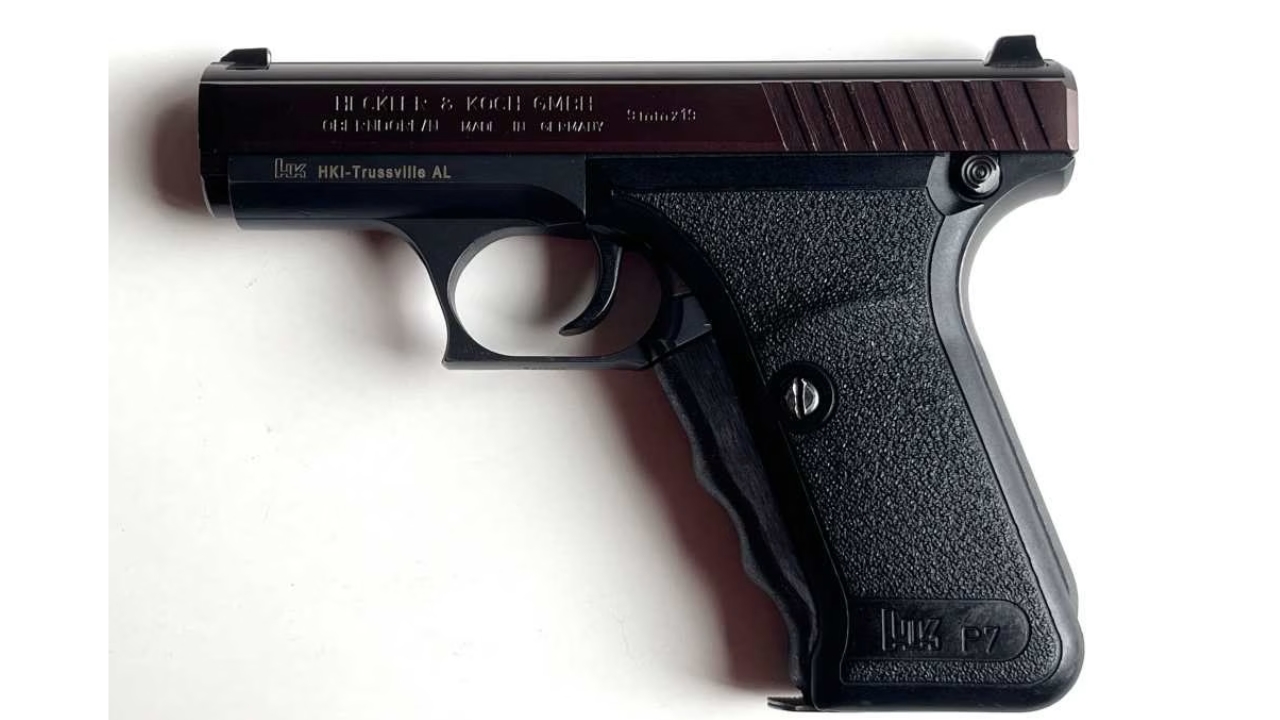
The HK P7 is one of the clearest examples of a handgun that got harder to replace once people fully understood it. The squeeze-cocker design, fixed barrel, low bore axis, and compact metal-frame build made it unlike almost anything else.
For years, some shooters saw it as strange, expensive, or too different from normal carry pistols. Now clean P7s command serious attention because nothing else really replaces the experience. It is not just another discontinued handgun. It is a genuinely unusual design that HK is not cranking out for the modern market. If you sold one before the collector demand took off, buying it back now can feel like punishment.
Like The Avid Outdoorsman’s content? Be sure to follow us.
Here’s more from us: