Photo credit: Beth Fitzpatrick/Pexels.com
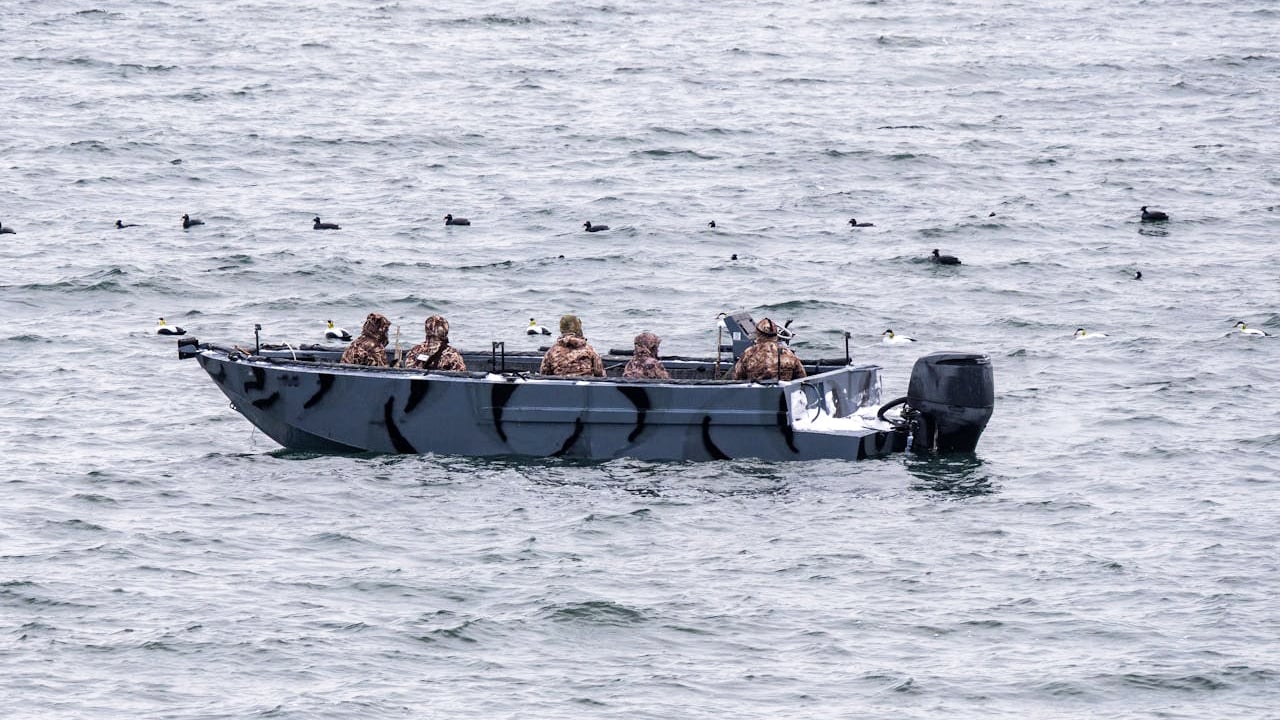
A group of goose hunters said they thought they were doing things the right way. They were hunting from a boat, staying off private land, and trying to keep themselves in the water where they believed they had legal access.
Then a landowner called the police.
In a Reddit post, one of the hunters explained that they were hunting from a boat when the situation turned into a trespassing dispute. From their point of view, they had not walked onto anyone’s private land. They had not dragged the boat onto shore. They were on the water.
But during the hunt, the boat motor touched the bottom.
That detail became the center of the whole argument.
According to the poster, police told them that because the motor had touched the lake bottom, they were trespassing. That was the part the hunters could not understand. In their minds, there is a big difference between walking onto private shore and having a motor bump bottom while operating a boat in shallow water.
Anyone who has hunted or fished shallow water knows how easily that can happen. Mud flats, sandbars, silted-in coves, flooded fields, backwater sloughs, and changing water levels can all put the bottom closer than it looks. A prop, skeg, push pole, anchor, decoy weight, or even a dog’s foot can touch bottom without the people in the boat thinking they have “entered” someone’s land.
But water-access laws are not always that simple.
In some states, the public may have the right to float on navigable water, but the land under the water can still be privately owned. In other places, navigability, ordinary high-water marks, lakebed ownership, marsh access, and riparian rights all get tangled together. That can leave hunters in a legal mess even when they never step onto dry ground.
The hunters were trying to figure out whether the officer’s interpretation made sense. If the boat floated into the area legally, could they be accused of trespassing because the motor touched bottom? What about an anchor? What about decoy weights? What about a push pole? Where does floating end and trespass begin?
That is what made the situation feel so absurd to many readers. The hunters were not accused of parking on someone’s lawn or climbing over a fence. The complaint came down to contact with the lake bottom during a waterfowl hunt.
Still, the landowner clearly believed the hunters were somewhere they had no right to be. That part should not be ignored. Waterfront and wetland property disputes get ugly because property owners often feel like hunters are using loopholes to sit right against their land, shoot birds over their shoreline, retrieve birds near their property, or disturb an area they consider private.
From the hunters’ side, though, the water was the access. If the water was legally huntable, they did not see why a shallow motor bump should turn them into trespassers.
That is why commenters kept pushing them toward the game warden or state wildlife agency instead of relying only on a responding officer. Police may handle trespassing calls, but waterfowl access law can be very specific. A conservation officer who deals with hunters, boats, and water rights may have a better understanding of where the legal line actually sits.
The post also showed how important it is for waterfowl hunters to know access rules before the hunt, not after the police show up. A map app may show property lines. A boat may float. A spot may look like open water. But none of that automatically answers whether you can hunt, anchor, run a motor, place decoys, retrieve birds, or touch bottom there.
That is especially true on private lakes, reservoirs, marshes, flooded fields, and waters with mixed ownership. One wrong assumption can turn a good goose hunt into a roadside conversation with police.
The hunters were not looking for drama. They were trying to understand whether they had actually crossed a legal line or whether the landowner and police were stretching trespass law beyond reason. Either way, the day was no longer about geese. It became about who controls the water, the bottom, and the space between them.
Commenters mostly told the hunters to get a clear answer from the state wildlife agency or a game warden, not from guesses online. Several said water access law varies too much by state for anyone to answer confidently without knowing the exact location and the type of water involved.
A lot of people focused on the difference between floating and touching bottom. Some said if the law treats the submerged land as private, then anchoring, standing, poling, or letting the motor rest on bottom could create a trespass issue even if the boat arrived by water. Others thought that sounded unreasonable and said the officer may have misunderstood the rule.
Several commenters told them to document everything: the launch point, the route taken, GPS location, water level, and exactly where the encounter happened. If they planned to return, they needed a written answer or at least a clear conversation with the local conservation officer first.
A few people warned that even if the hunters believed they were right, arguing with police or landowners in the moment was a bad idea. Waterfowl disputes can escalate quickly, especially when firearms, boats, dogs, and private property are all involved.
The practical advice was simple: don’t go back until the rules are clear. If the water is legally huntable, they need to know how to prove it. If touching bottom really does create a trespassing problem there, they need to find that out before the next hunt.