Photo credit: Triggered!/YouTube
Some guns earn their place in the safe because they’re tied to history, craftsmanship, or nostalgia—not because they’re suited for hard use. You know the type: rifles and shotguns that look incredible, hold stories, and spark conversations, but fall short the moment you drag them through thick brush or run them in the cold. They’re wonderful to own, and you’re glad they survived long enough for you to appreciate them, but taking them into the woods feels more like a risk than a reward.
When accuracy shifts, parts are scarce, or the design doesn’t match modern expectations, you realize these guns deserve preservation, not punishment.
Winchester Model 71
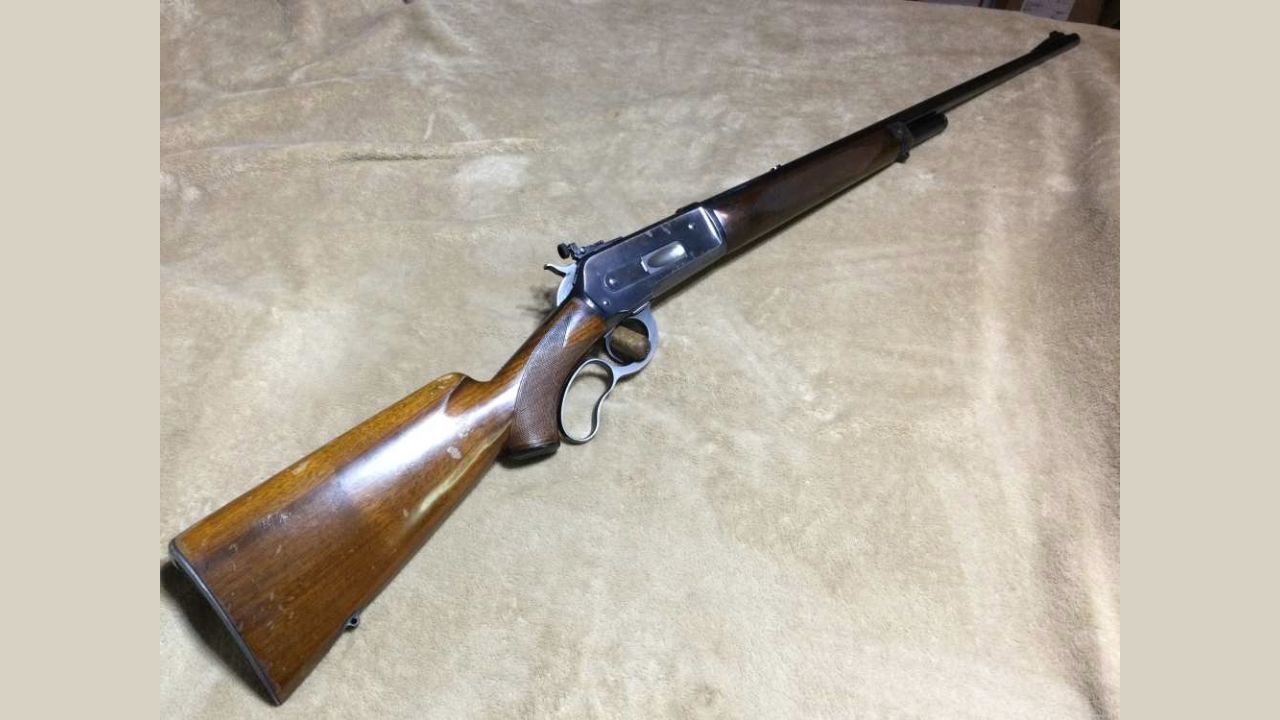
The Model 71 is one of the finest lever guns ever built, but it’s also a rifle you hesitate to scratch up. Its smooth action and classic lines make it a collector’s prize, and the .348 Winchester it’s chambered in is effective but increasingly uncommon. Parts and ammunition aren’t easy to track down, which turns every field session into a scavenger hunt.
While the rifle performs well, the cost of maintaining it isn’t practical for modern hunting seasons. You appreciate the craftsmanship every time you pick it up, but you know it belongs in a rack where it can be admired, not battered through wet cedar thickets.
Colt Python (older generations)

Older Pythons have incredible triggers and outstanding accuracy, but their value has climbed so high that taking one into the field feels reckless. These revolvers were hand-fitted with tight tolerances, which makes them smooth but also more sensitive to dirt, debris, and temperature swings.
Replacement parts are expensive, and not every gunsmith is comfortable working on them. You can shoot them well, but carrying one for everyday field use means risking finish wear and mechanical stress on a revolver that’s better suited for careful stewardship. A modern production model is easier to use than a classic that’s become an investment.
Winchester Model 1886 (originals)
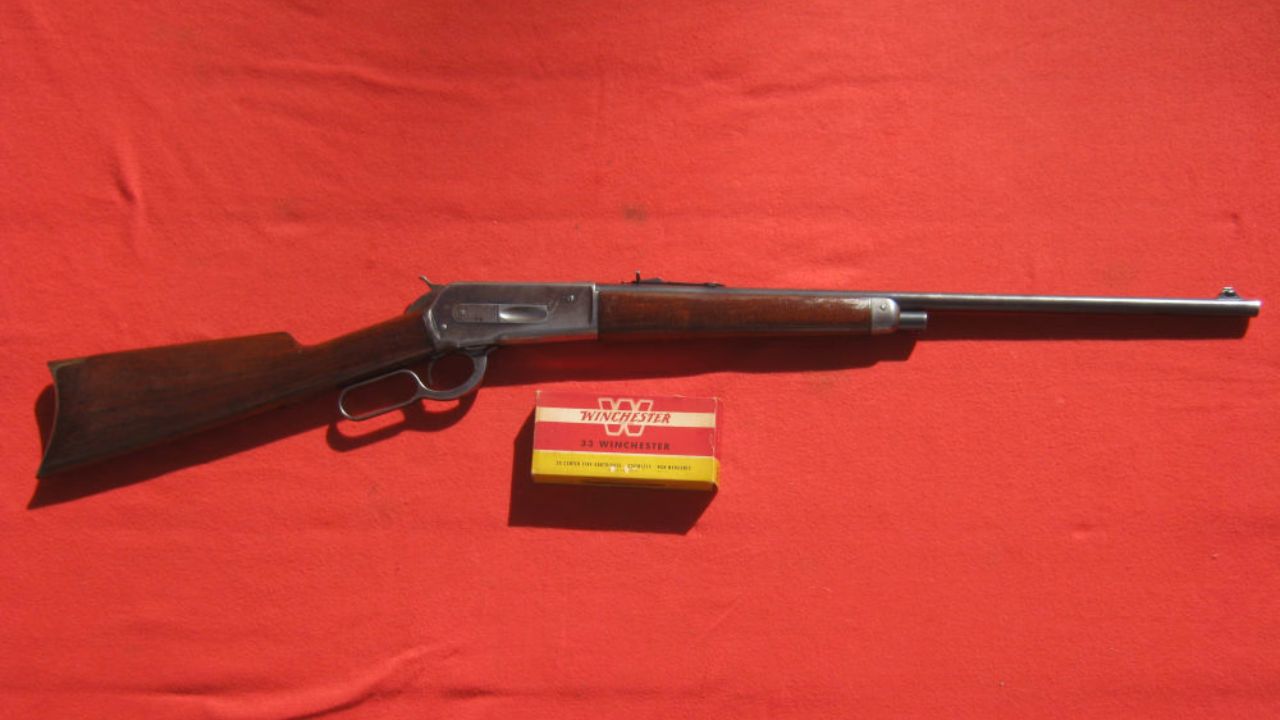
An original 1886 carries real history, and you feel it the moment you cycle the action. The problem is that decades-old rifles aren’t built for the rough demands of modern hunting. Heat-treated parts varied from era to era, and internal wear can be unpredictable.
Collectors appreciate these rifles for what they are, but taking one into the field invites issues you can’t fix with off-the-shelf components. The action may still run well, but the cost of a repair—or even a minor scratch—makes you think twice. They deserve light handling and thoughtful preservation, not long days in steep country.
Marlin 39A (older variants)
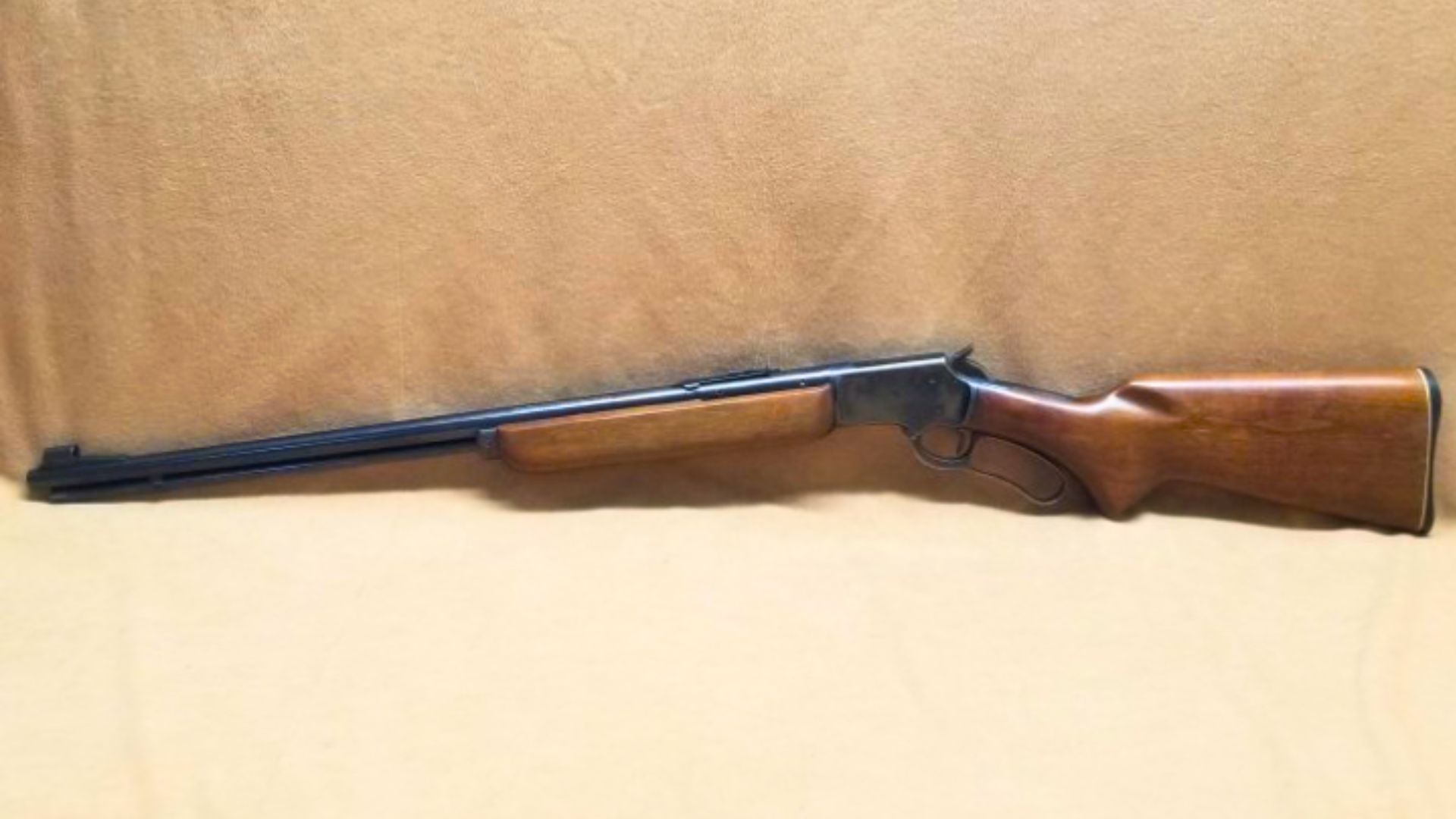
The older 39A rifles are beautifully built .22s with actions that feel smoother than many centerfire rifles today. The issue isn’t accuracy or reliability—it’s scarcity. Vintage models are no longer cheap, and parts for specific production years can be hard to find.
Using one in the field exposes it to moisture and impacts that could mark up walnut stocks or wear down irreplaceable components. While it’s a joy to shoot and perfect for slow-paced plinking, an older 39A is far better off as a safe-kept heirloom than as a truck rifle bouncing around behind a seat.
Browning Auto-5 (Belgian production)
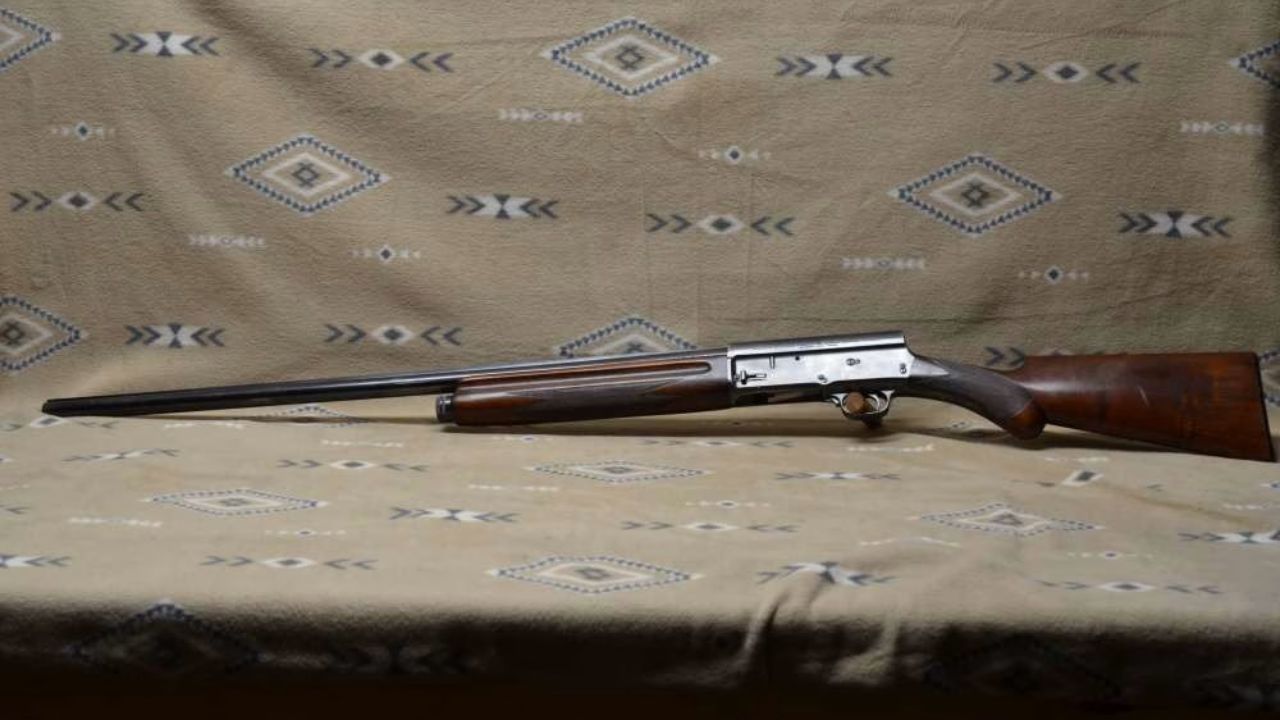
The Belgian-made Auto-5 carries a reputation for durability, but those classic models aren’t something you want to beat through cattails anymore. Replacement parts for early serial ranges are limited, and finding a competent gunsmith is getting harder.
The long-recoil system runs well, but decades of use can lead to timing issues, cracked stocks, or worn friction rings. Each outing adds wear you can never undo. While the gun can still perform, it makes far more sense as a preserved example of shotgun history than something to haul through muddy creek bottoms.
Savage Model 99 (pre-mill versions)

Early Model 99s have some of the nicest lever-gun actions ever made, but originality matters for collectors. Once you scratch a forearm or wear down bluing, the value drops quickly. And internal parts for earlier production runs aren’t always easy to source.
Carrying one in the field also puts stress on its rotary magazine system, which can get temperamental in older rifles. You can still hunt with them, sure, but the practical move is keeping them out of hard weather and saving the mileage for modern rifles designed to take abuse.
Colt Woodsman

The Woodsman might be one of the finest .22 pistols ever created, but it’s also a model where small parts matter—and many of those parts aren’t around anymore. The trigger is crisp, the balance is excellent, and the gun shoots beautifully, but running one hard means risking wear on mechanisms that few people can service today.
Collectors prize early-series Woodsmans, especially those with original finish. That alone is enough to keep them out of rough field conditions. They still outperform many new rimfire pistols, but their best place is the safe, not the stump line.
Springfield Model 1903 (early low-number rifles)
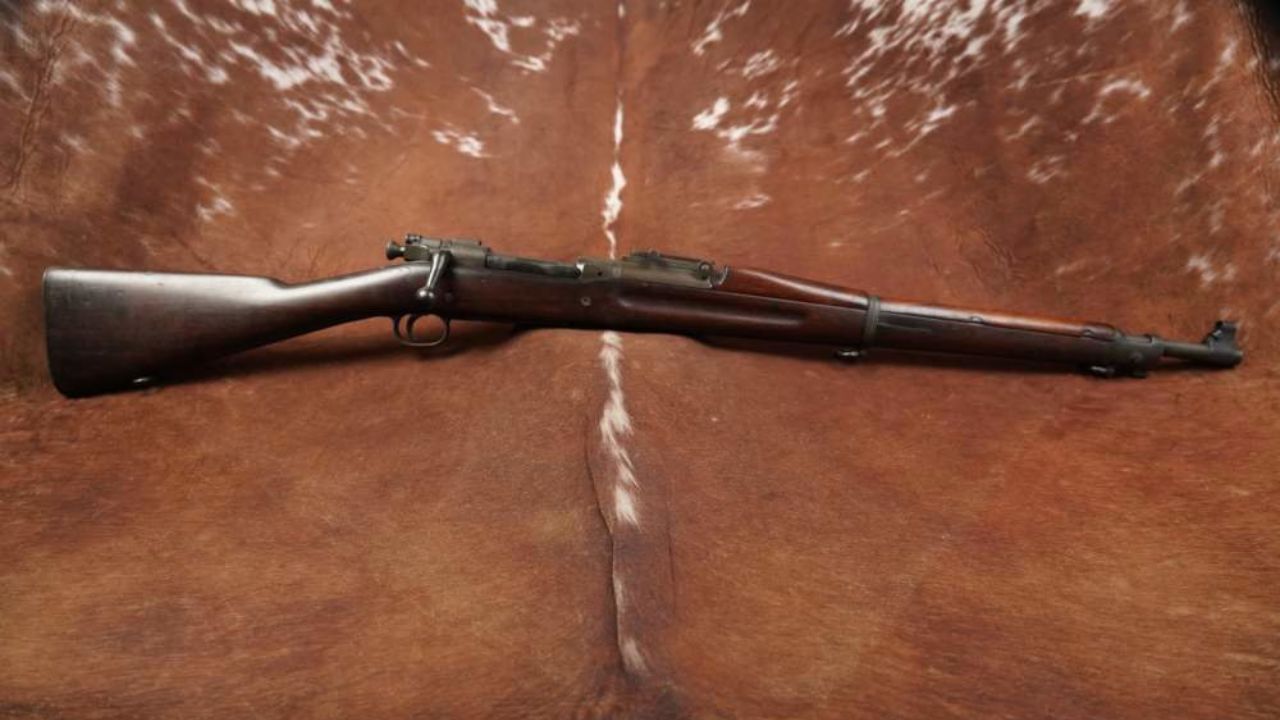
Low-number 1903s carry historical importance, but they’re known for questionable heat treatment in early production. While many function without issue, the uncertainty makes them poor choices for active field use. You don’t want to risk a rifle that may have structural inconsistencies baked into its origin.
Collectors treat these rifles with respect, keeping them cleaned and preserved rather than pushing them through heavy recoil cycles or harsh weather. They’re incredible artifacts, but they’re not the rifles you want to take when you’re hiking ridge lines or chasing deer through rain-soaked cover.
Ruger No. 1 (early heavy-engraved models)
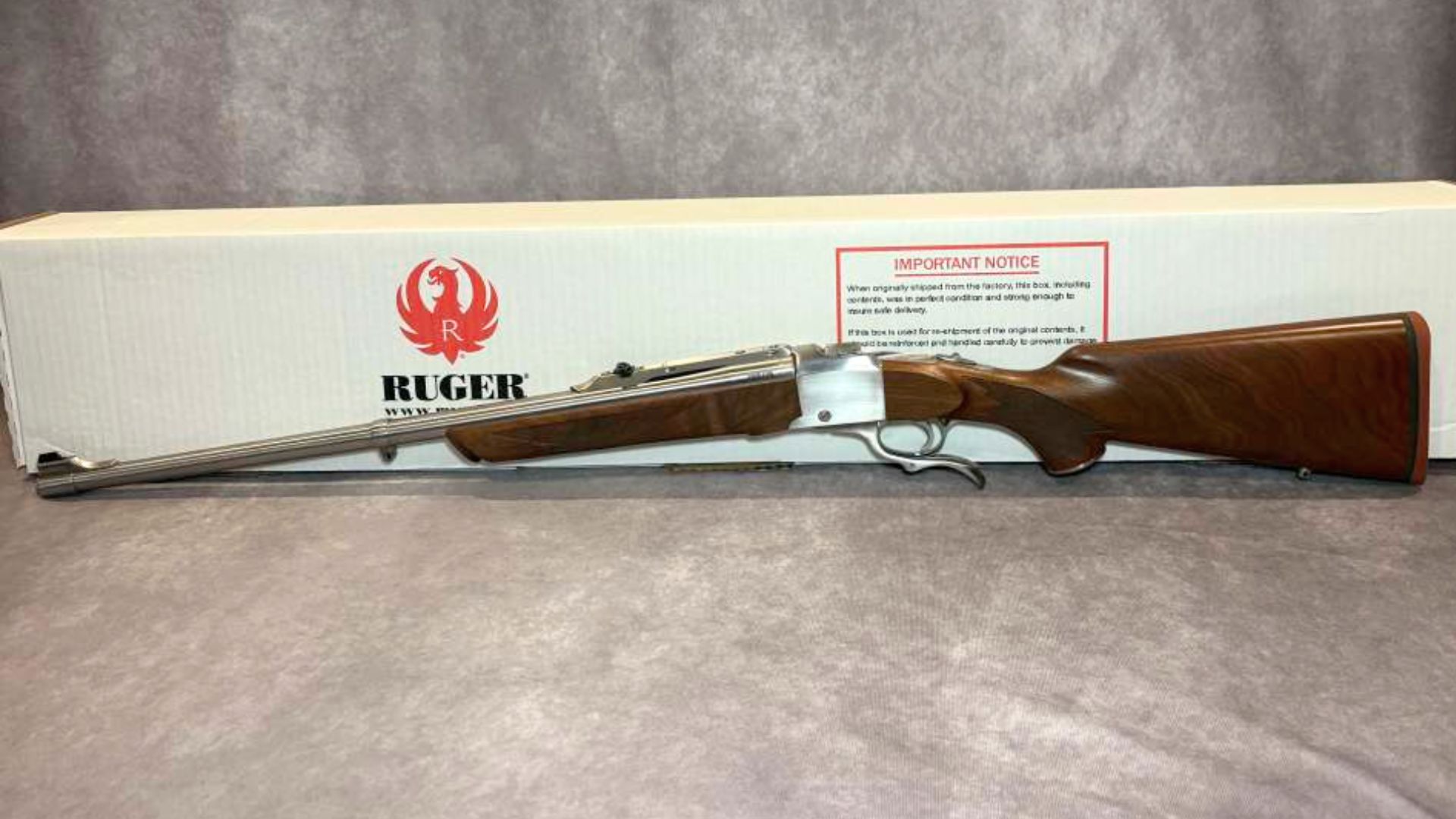
The No. 1 is still made today, but early engraved examples are works of art more than tools. Their walnut stocks and detailed metalwork turn them into display pieces that deserve controlled environments. Hard recoil, temperature swings, or bumps against a pack frame risk marks you can’t repair.
Mechanically, they still run well, but the value of engraved versions makes regular field carry feel irresponsible. You appreciate them for their accuracy and balance, but the wiser move is hunting with a standard model and saving the collectibles for careful handling.
Smith & Wesson Model 27 (pre-lock)

Pre-lock Model 27s with deep bluing and checkered top straps are stunning revolvers. They shoot beautifully, and you can still run magnum loads with confidence, but the finish alone makes you rethink taking them anywhere near gravel, snow, or rain.
Their value keeps climbing, and holster wear is immediate. While they can perform in the field, the cost of cosmetic or mechanical damage is too high. They belong in a place where their craftsmanship can be appreciated, not chipped or dulled by everyday carry conditions.
Remington Model 14
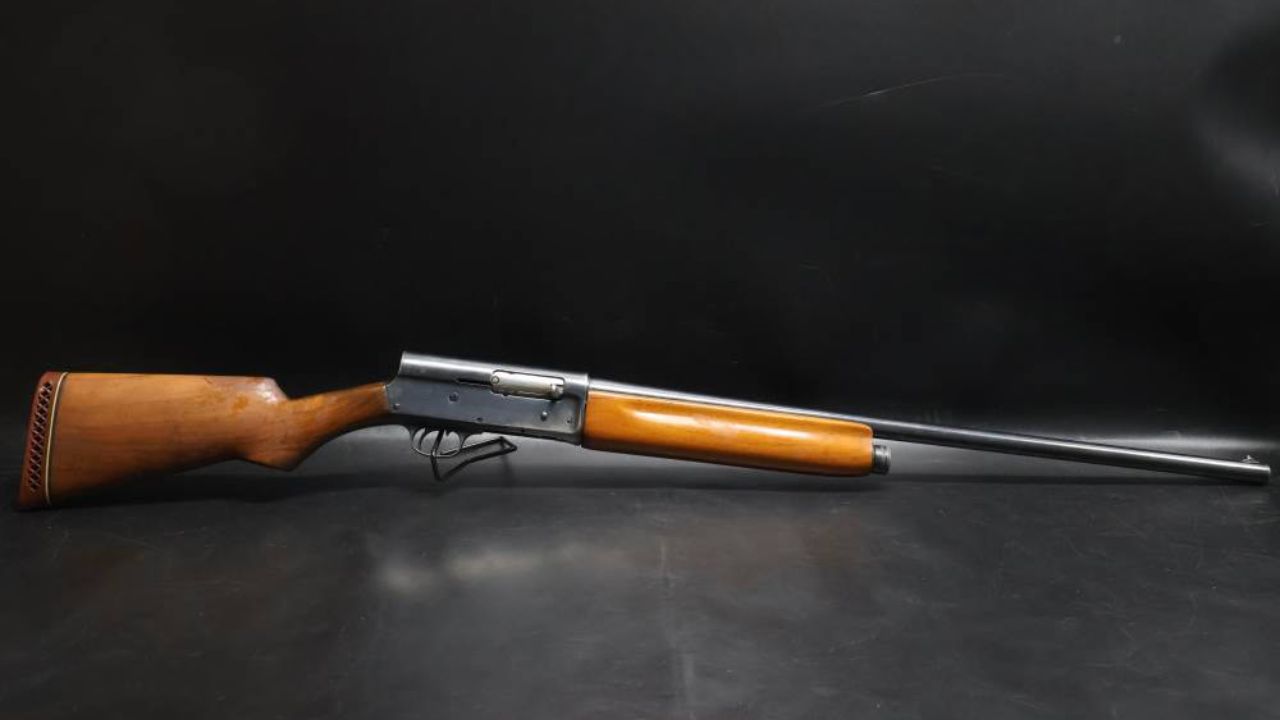
The Model 14’s spiral magazine is one of the more unique designs ever produced, but sourcing parts for these old rifles is a challenge. Timing issues can arise with age, and a broken component means dealing with gunsmiths who may have limited experience with the platform.
In the field, their accuracy tends to drift as wear accumulates, and the rifles weren’t designed with today’s rough-use expectations. They’re fascinating pieces of early American engineering, but they’re better suited for display or slow, clean range sessions than hard hunts.
FN Browning Trombone
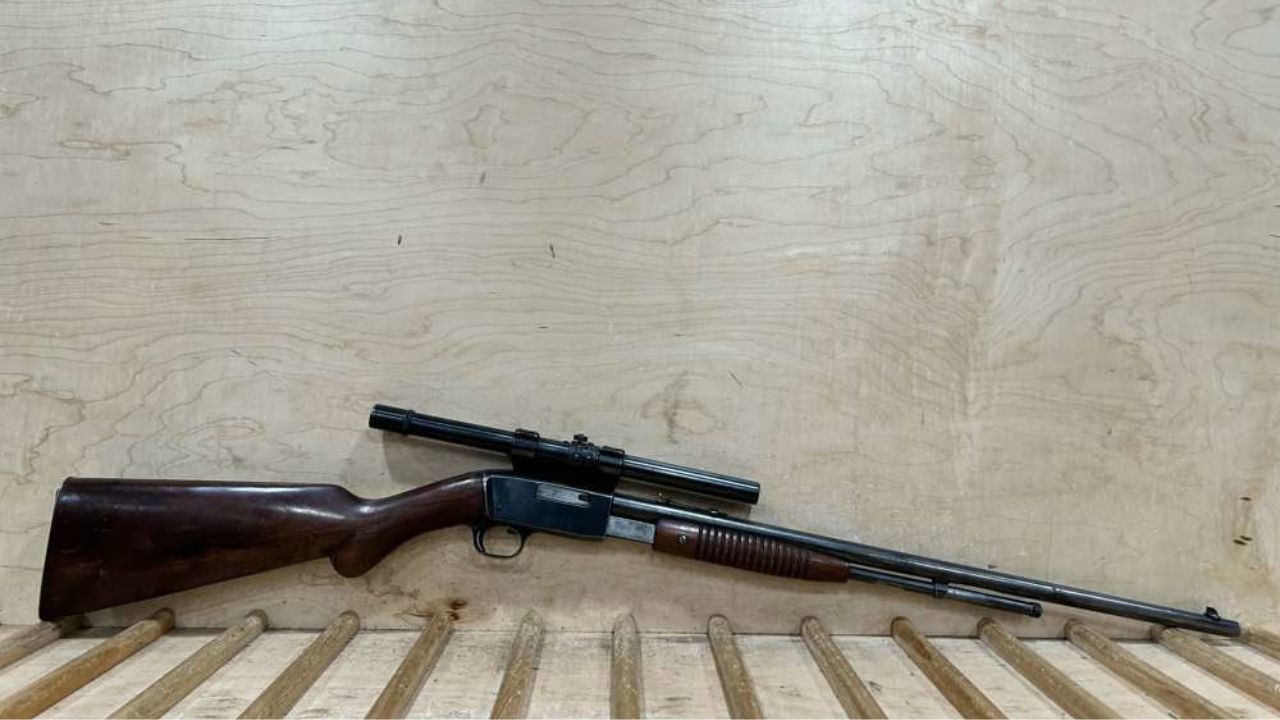
The Trombone .22 is lightweight, accurate, and fun—but it’s also fragile. Early models had issues with cracked receivers and worn pump tracks, and replacement parts are nearly nonexistent.
Because of the design’s sensitivity to wear, taking one into dense underbrush or rough terrain risks long-term damage. It’s a rifle you enjoy gently, appreciating its smooth pump stroke and heritage, not something to run through squirrel woods when modern .22s can take the hits instead.
Winchester Model 52 (original sporting versions)
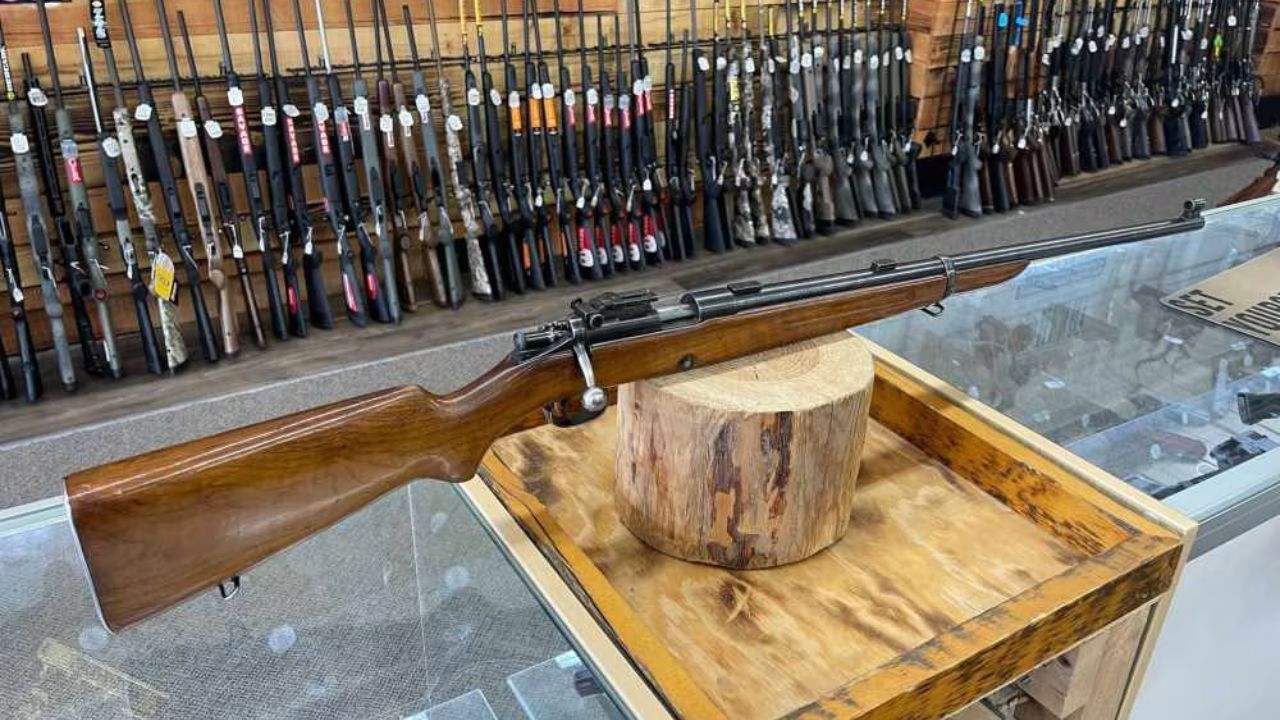
The Model 52 is one of the most respected rimfire rifles ever made, but early sporting variants have become too valuable to risk in the weather. These rifles have target-grade precision and outstanding triggers, but moisture and knocks can damage rare wood and finish in ways that can’t be reversed.
Collectors chase untouched examples, which means taking one on a rainy hunt can cost you more than any deer is worth. They shoot spectacularly, but these days they’re safer at the range under ideal conditions.
Colt Lightning Rifle (originals)
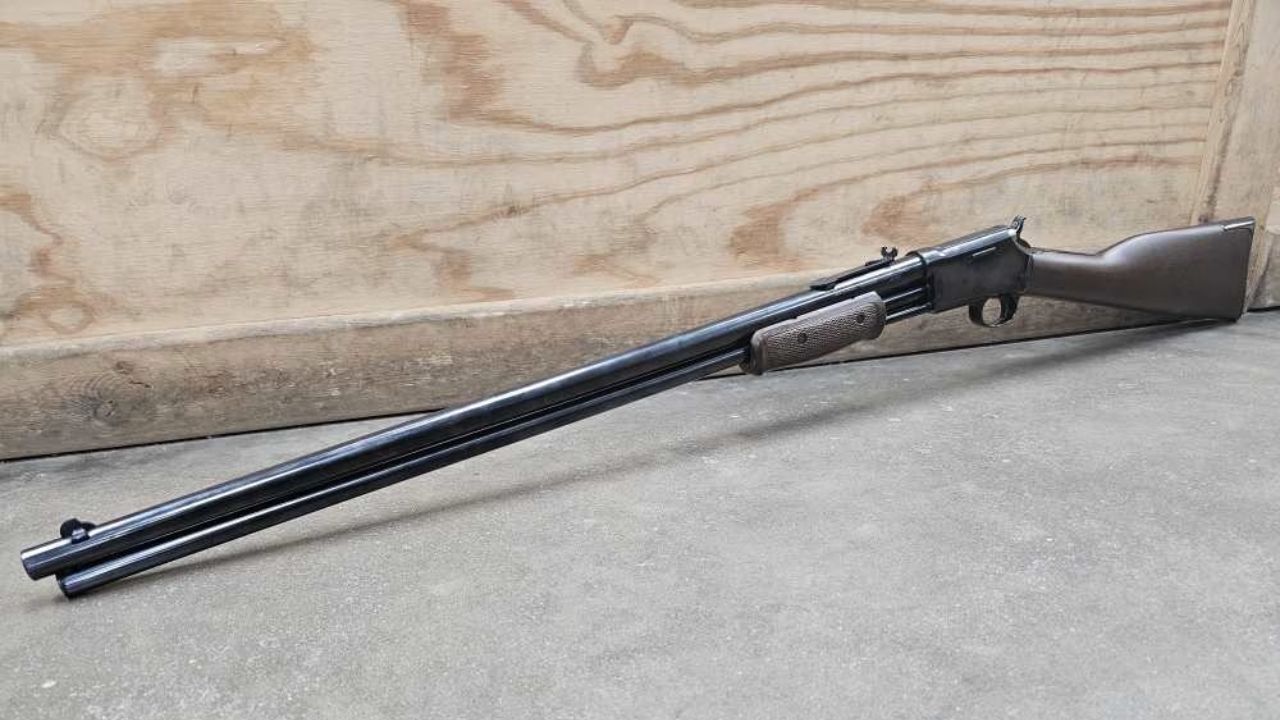
Original Lightning rifles are fascinating pump-action centerfires, but their mechanisms are known for being finicky. Many gunsmiths won’t touch them, and parts are scarce when timing issues show up—which they often do with age.
Using one in the field risks damaging components that can’t easily be replaced. While the rifles carry real historical charm, they’re more suited for careful display and limited use than the rugged demands of modern hunting weather.
Browning Superposed (early Belgian models)
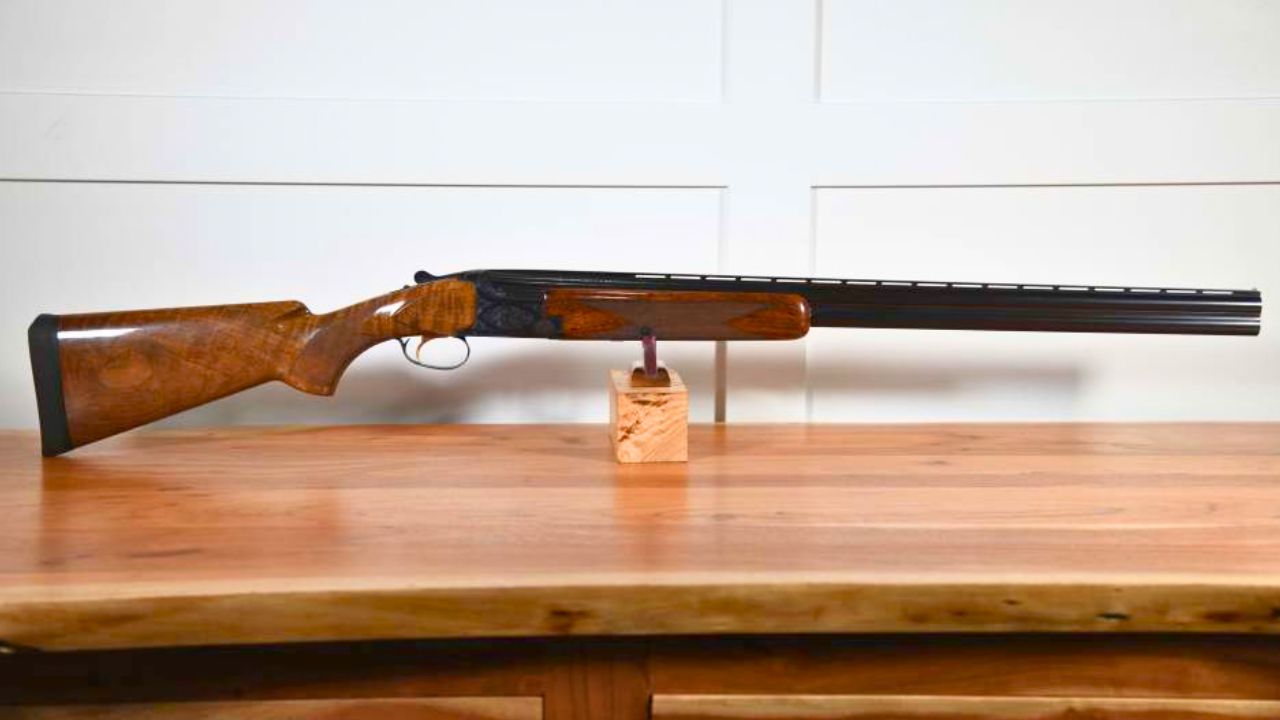
Early Belgian Superposed shotguns have incredible craftsmanship, and many are engraved or stocked with high-grade walnut. These are shotguns you admire, not beat through wet corn rows. Moisture damage, dents, and scratches quickly affect value, and sourcing original-match parts isn’t simple.
They still shoot well and handle beautifully, but the financial and historical value makes regular hard use a questionable decision. A modern over-under will do the same job without risking a piece of sporting history.
Like The Avid Outdoorsman’s content? Be sure to follow us.
Here’s more from us: