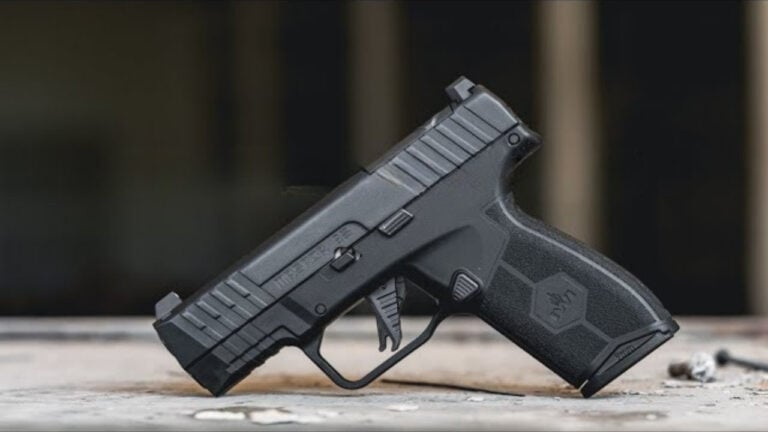
Photo credit: Alexandr Grant/Shutterstock.com
Teaching someone to shoot for the first time sets the foundation for everything they’ll learn later. If you start them on the wrong handgun, you’re almost guaranteeing flinching, frustration, and bad habits that take months to undo. A beginner needs something that’s easy to control, predictable, and forgiving when their grip or stance isn’t perfect.
The handguns below do the opposite. They’re snappy, heavy, awkward, complicated, or unreliable enough that a new shooter will spend more time fighting the gun than learning how to shoot. When you’re showing someone the ropes, you want tools that build confidence — not hinder it.
Glock 43

The Glock 43 seems like a simple choice for a new shooter because it’s small and light, but that’s exactly what makes it a poor training gun. The thin grip and short frame give beginners very little to hold onto, and the recoil feels sharper than most expect. That extra snap makes them anticipate the shot, leading to flinching before they’ve even settled into good habits.
The short sight radius also magnifies their mistakes, which can be discouraging when they’re just trying to hit paper. While the 43 is a capable carry gun, it’s simply too unforgiving for someone still figuring out their grip and trigger press.
Smith & Wesson Airweight .38
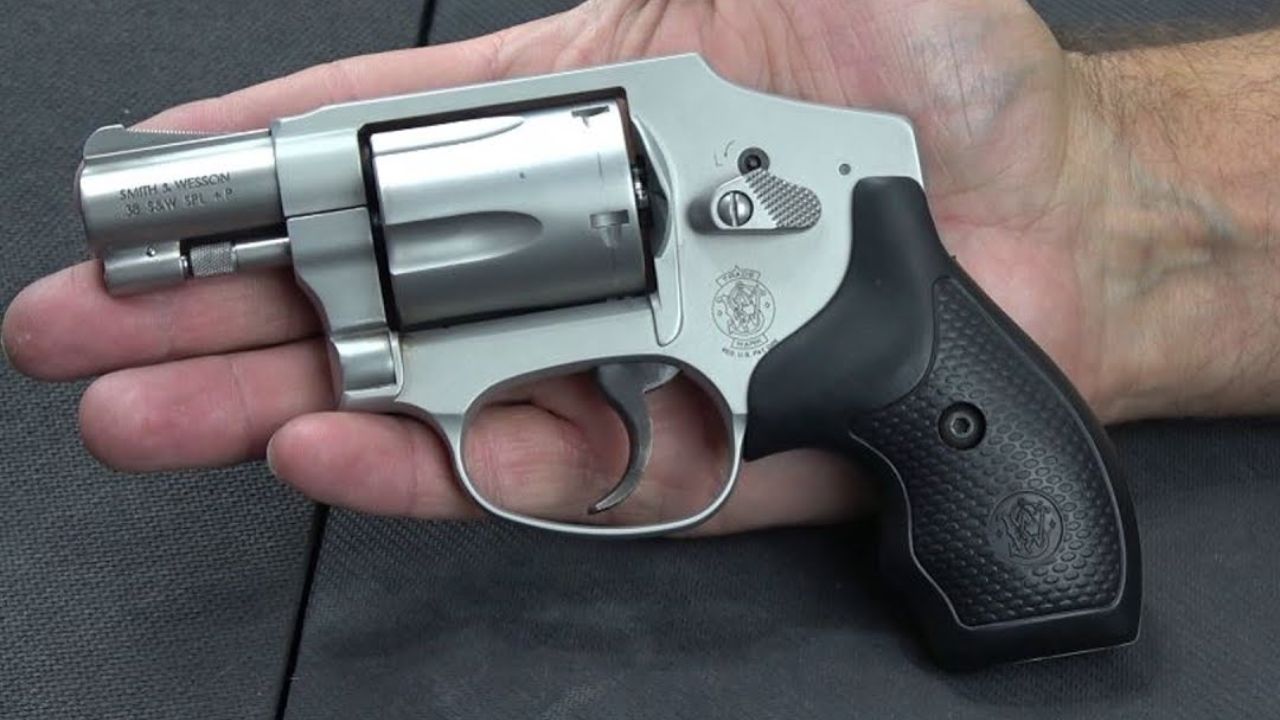
Few handguns punish beginners like an Airweight snub-nose. The recoil is abrupt, the grip is tiny, and the sights are modest at best. New shooters often struggle to keep the muzzle steady, and every shot feels louder and harder than they expect. That combination pushes them into bad habits quickly.
The long double-action trigger pull is another hurdle. It requires steady pressure that most new shooters haven’t yet developed. Instead of gaining confidence, they end up wrestling the trigger and jerking through the break. These revolvers have their place, but teaching beginners is not one of them.
Ruger LCP

The Ruger LCP is one of the most difficult pistols for a beginner to learn on. Its tiny size makes it hard to grip securely, and the recoil feels snappy enough to intimidate inexperienced shooters. Add in the short sight radius and small controls, and you’ve got a recipe for frustration.
Most new shooters struggle with accuracy because the gun doesn’t offer enough stability. Instead of learning smooth trigger control and steady sight alignment, they’re stuck trying to simply keep the gun from twisting in their hand. It’s a reliable pocket pistol, but it’s a terrible teaching tool.
KelTec PF9
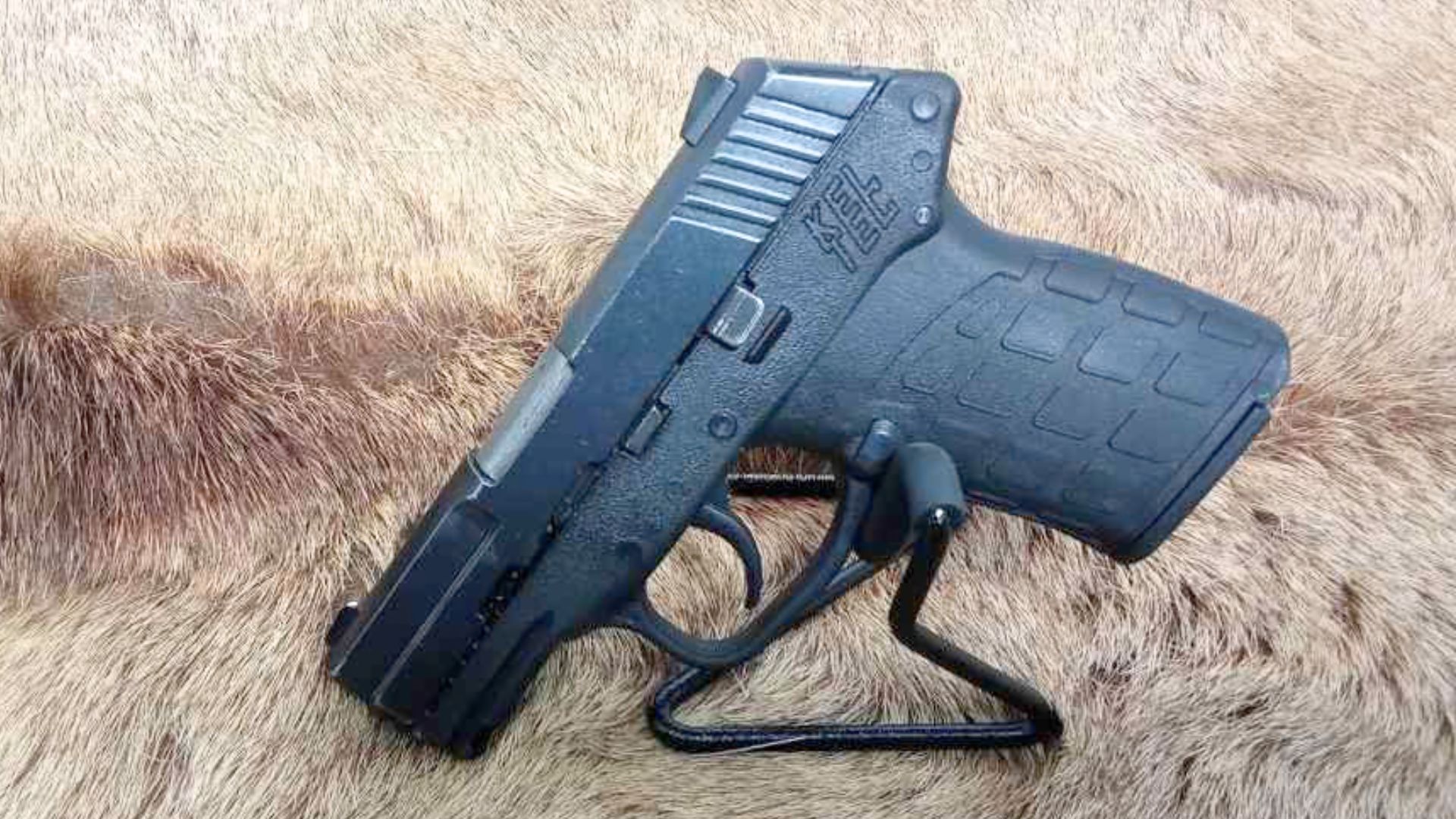
The PF9 has long been known for its harsh recoil and lightweight frame, and that makes it a tough choice for anyone still learning to shoot. Beginners often struggle to maintain control during rapid fire because the gun jumps more than expected. Even experienced shooters find it snappy.
The trigger has a long, heavy pull that encourages flinching, and the grip doesn’t offer enough surface area for a secure hold. New shooters need something predictable and steady, not a pistol that feels like it wants to leave their hand. The PF9 simply doesn’t do them any favors.
Glock 20 (10mm)
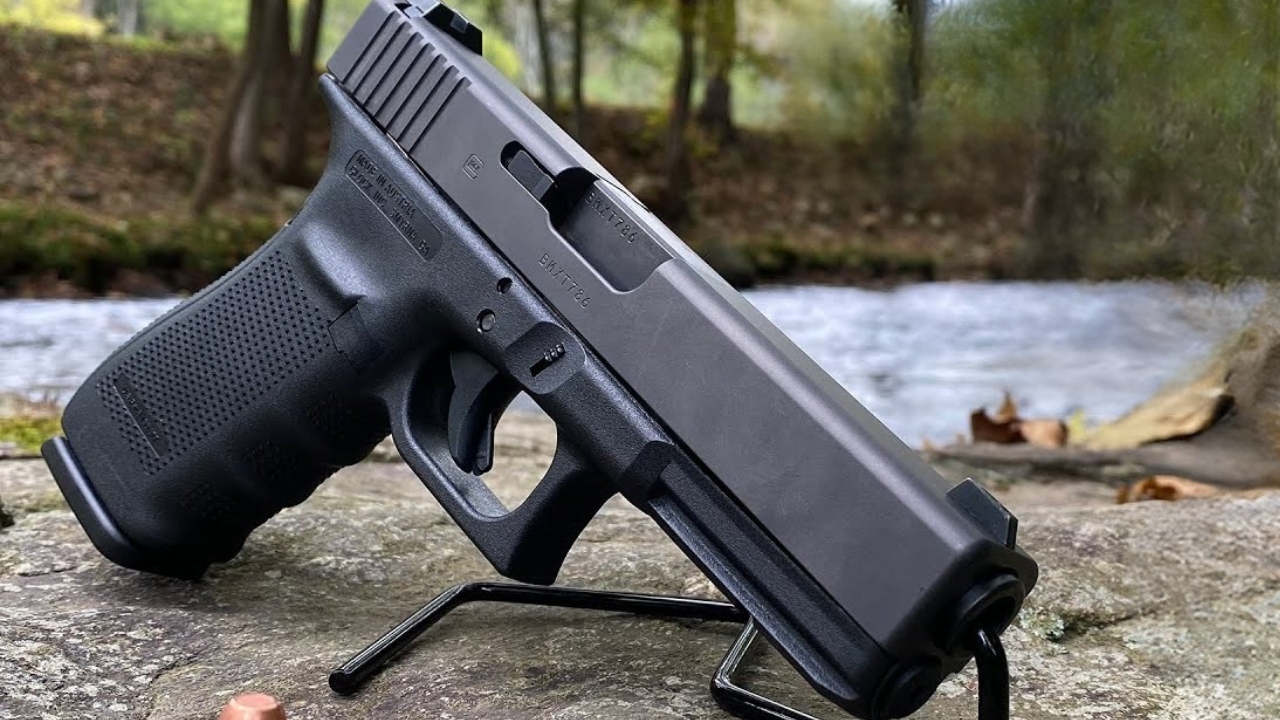
The Glock 20 is a powerhouse, and that’s the problem. The 10mm round produces enough recoil to overwhelm a beginner instantly. Instead of focusing on fundamentals, they’re usually worried about managing the blast and keeping the muzzle steady. That distraction slows their learning and erodes confidence.
The large frame also makes it tough for smaller hands to reach the controls. Teaching someone to shoot should start with comfort and control, not with trying to handle one of the hardest-kicking semi-autos on the market. Save the 10mm for later — way later.
Taurus Judge

The Taurus Judge looks approachable because it’s large and easy to hold, but it’s far from beginner-friendly. Firing .410 shells from a handgun creates recoil that many new shooters struggle to manage. The report is loud and startling, and the muzzle rise is significant enough to disrupt their focus.
Accuracy is another issue. The Judge isn’t designed for precision, and that makes beginners think they’re doing something wrong even when the gun is the real problem. If you’re training someone, you want a tool that rewards proper technique — not one that masks it.
Desert Eagle .50 AE

Nobody should hand a Desert Eagle to a beginner unless they enjoy scaring them off the sport entirely. The weight, recoil, and muzzle blast are overwhelming. A new shooter can’t learn the basics when their entire focus is on bracing for impact.
Even experienced shooters acknowledge the learning curve. The large grip, heavy slide, and sheer size make it unwieldy, especially for someone with smaller hands. It’s a novelty gun, not a teaching tool, and using it for training almost guarantees bad habits and lost confidence.
CZ-82 (With Heavy Surplus Ammo)

The CZ-82 itself is a capable pistol, but many beginners encounter it with surplus 9×18 ammo that hits harder than expected. The recoil and muzzle pop surprise new shooters, and the shorter sight radius makes accuracy challenging. That combination leads to discouragement instead of progress.
The double-action trigger pull can also be heavy for smaller or inexperienced hands. While the gun has its strengths, it demands a level of familiarity and confidence that beginners simply don’t possess yet. It’s better suited for experienced shooters who appreciate its quirks.
Walther PPK (.380)

The PPK looks friendly thanks to its size and Hollywood fame, but it’s one of the snappiest .380 pistols out there. The straight blowback design produces more recoil than new shooters expect, and the small grip doesn’t offer much leverage. Many beginners end up with sore hands and shaky confidence.
The heavy double-action trigger adds another challenge, making accurate first shots difficult. New shooters need predictable, easy-to-manage controls, and the PPK doesn’t provide that. It’s better admired as a classic than used as a training pistol.
Makarov PM
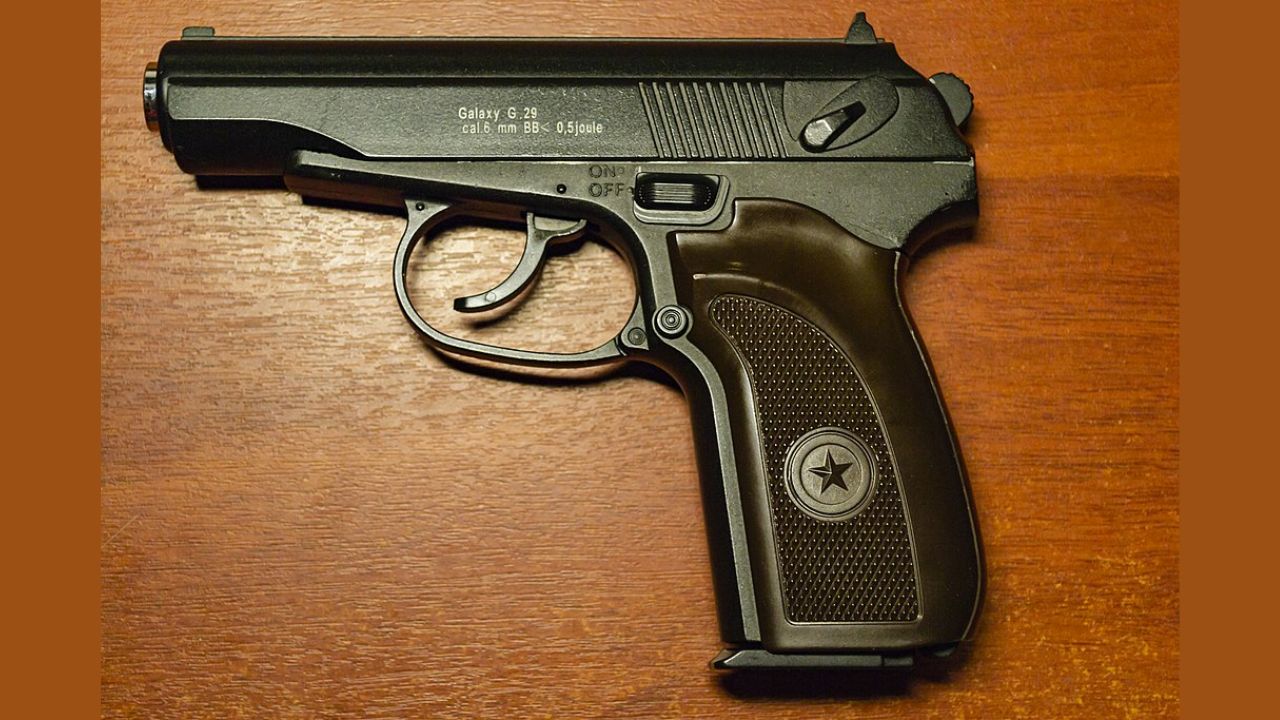
The Makarov is reliable, but that doesn’t make it beginner-friendly. The recoil feels sharper than most modern compact pistols, and the blowback action amplifies the muzzle rise. New shooters often struggle to control it, which leads to rushed or inaccurate shots.
The DA trigger can be heavy, especially for smaller hands, and the safety placement isn’t intuitive for someone just learning. While it’s a historic and dependable design, it’s not the kind of pistol that helps build strong fundamentals in a brand-new shooter.
Bond Arms Derringer
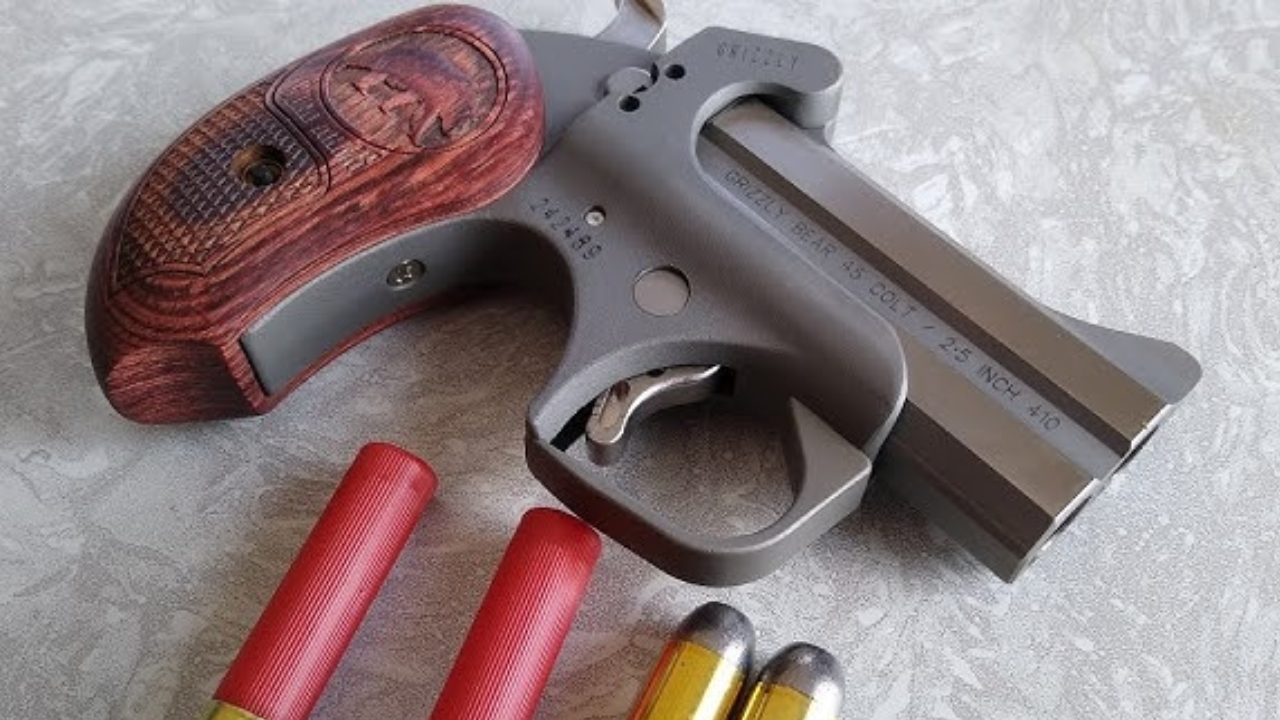
Derringers are some of the worst choices for teaching beginners. The tiny grip gives them almost nothing to hold onto, and the recoil is surprisingly stout for such small guns. The stiff break-open design and heavy trigger pull only add to the difficulty.
Most new shooters can’t maintain a steady sight picture because the gun’s size works against them. Instead of learning smooth, repeatable mechanics, they’re fighting a tool that requires significant hand strength and technique. It’s a niche firearm, not a starting point.
Glock 29 (10mm)

Like the Glock 20, the 29 uses the same hard-hitting 10mm cartridge but packs it into a much smaller frame. That combination is unforgiving for beginners. The recoil is abrupt and difficult to manage, and the short grip doesn’t help with control.
New shooters often flinch after the first shot because the recoil arrives faster than they can anticipate. A training pistol should encourage calm, deliberate mechanics — not force someone into tense, reactive shooting. The 29 excels in experienced hands, not beginner ones.
Ruger Super Redhawk Alaskan (.454 Casull)

The Alaskan is a powerhouse meant for specific defensive situations, not teaching fundamentals. The recoil is extreme, even for seasoned shooters, and the muzzle blast is enough to rattle anyone standing nearby. Handing this to a beginner is a guaranteed way to intimidate them.
It also encourages a death-grip style hold that later becomes difficult to unlearn. Beginners should develop smooth, controlled mechanics, not brace for punishing recoil. This revolver is impressive, but it belongs nowhere near a first-time shooter.
Beretta Tomcat (.32)

The Tomcat has a unique tip-up design, but its blowback action creates more recoil than beginners expect from a .32. The grip is small, the sights are tiny, and the frame can feel cramped for new shooters still learning proper hand placement.
Accuracy becomes a challenge instead of a lesson, and the long DA pull only makes things harder. While the Tomcat can serve well for certain users, it simply doesn’t offer the stability or ease of use that a beginner needs.
KelTec P3AT

The P3AT is lightweight to the point of being harsh. The recoil feels sharp, especially for inexperienced shooters, and the grip doesn’t offer enough width for solid control. New shooters often struggle to keep the gun steady, which leads to shaky fundamentals.
The sights are minimal and hard to use, especially for someone still learning alignment and focus. While the P3AT works as a deep concealment tool, it’s a poor platform for building confidence in the fundamentals of pistol shooting.
Like The Avid Outdoorsman’s content? Be sure to follow us.
Here’s more from us: