Photo credit: RelentlessImages/Shutterstock.com
Some rifles make you feel ten feet tall at the range and small as a mouse when you’re staring at an elk across a canyon. They might group tight on paper, but when it’s cold, windy, and your heart’s pounding, their shortcomings show fast. Poor ergonomics, heavy triggers, fussy accuracy, and overcomplicated setups are all it takes to send your shot over a 700-pound animal. Elk are big targets, but they don’t forgive bad hits, and the wrong rifle can make a clean miss feel inevitable. The truth is, not every gun that looks good in the store belongs on a mountain. Here are the rifles that make missing elk-sized targets a lot easier than it should be.
Remington 770

The Remington 770 was marketed as an affordable elk rifle, but it proved that cheap and capable rarely go hand in hand. Its bolt feels gritty, the trigger breaks unpredictably, and the included scope packages often won’t hold zero for long. Combine that with rough bedding and thin barrels, and you’re fighting your gear before the hunt even starts.
Elk hunts demand confidence in your rifle, and the 770 inspires none. The inconsistent accuracy and awkward feel make it easy to miss even broadside shots at moderate range. It’s a rifle built for budgets, not big bulls.
Mossberg Patriot

The Mossberg Patriot looks the part—light, affordable, and available in elk calibers—but it’s notorious for inconsistent accuracy. The lightweight barrel heats fast, and the factory trigger often feels spongy under stress. At the bench, it can stack a few good shots, but groups open dramatically once the barrel warms or conditions change.
Many hunters love its looks and price, but few are impressed after missing at 300 yards on a bull they thought was in the bag. The Patriot can work, but only if you’re lucky enough to find one that likes the load you feed it.
Savage Axis (first generation)

The original Savage Axis was built to hit a price point, not a target at 400 yards. Its heavy trigger, flimsy stock, and rough bolt made precision difficult, especially in field positions. The accuracy potential was there, but you had to fight the rifle to get it.
Elk hunters found out fast that when your crosshairs are on the shoulder, but your trigger feels like a dead branch, clean shots are rare. Later Axis models improved dramatically, but those early versions earned a reputation for more misses than meat.
Ruger American Compact

The Ruger American Compact is handy, portable, and great for tight woods—but it’s a poor match for elk hunting. Its short barrel and light frame make it loud, jumpy, and hard to keep steady off a rest. The muzzle blast alone can jolt you into a flinch.
Even with good ammo, it’s tough to shoot well at distance. Elk rarely give you 100-yard shots in perfect calm, and this rifle’s lightweight build makes consistent hits past 250 yards a challenge. It’s fine for deer, but a little rifle feels small when you’re staring at a bull across an open basin.
Remington 710

The 710 was supposed to bring new hunters into the field, but it quickly became infamous for missing the mark—literally. The plastic bolt sleeve and rough cycling made follow-ups awkward, and the package scopes were often cheap enough to lose zero after a few bumps.
Even when everything worked, the rifle’s trigger and inconsistent bedding made precision tough. It was an entry-level rifle that earned a reputation for leaving elk unscathed. You can find them cheap today for a reason—most hunters shot them once and moved on.
Winchester XPR (early models)

The Winchester XPR line eventually got things right, but the early rifles were plagued by rough bolts, uneven triggers, and stocks that flexed under pressure. A rifle that won’t shoot consistently from a bipod or rest doesn’t belong in elk camp.
Those first models could group decently one day and scatter rounds the next, especially in cold conditions. Hunters expecting Winchester’s legacy accuracy found themselves scratching their heads after missing clean shots. It’s an example of how a rifle can have the right name but the wrong execution.
Browning AB3

The Browning AB3 was introduced as a budget version of the A-Bolt, but the savings came with tradeoffs. Its trigger is inconsistent, the stock feels hollow, and the recoil impulse can be harsh in magnum calibers. That combination makes for flinching and missed shots in the mountains.
Many hunters wanted a “poor man’s Browning” and found one that felt like it belonged back at the range. It’ll hit paper all day at 100 yards, but when it’s cold, your pack’s digging into your shoulder, and you’ve got a steep downhill shot, it’s far too easy to pull that shot off target.
Remington Model 742 Woodsmaster
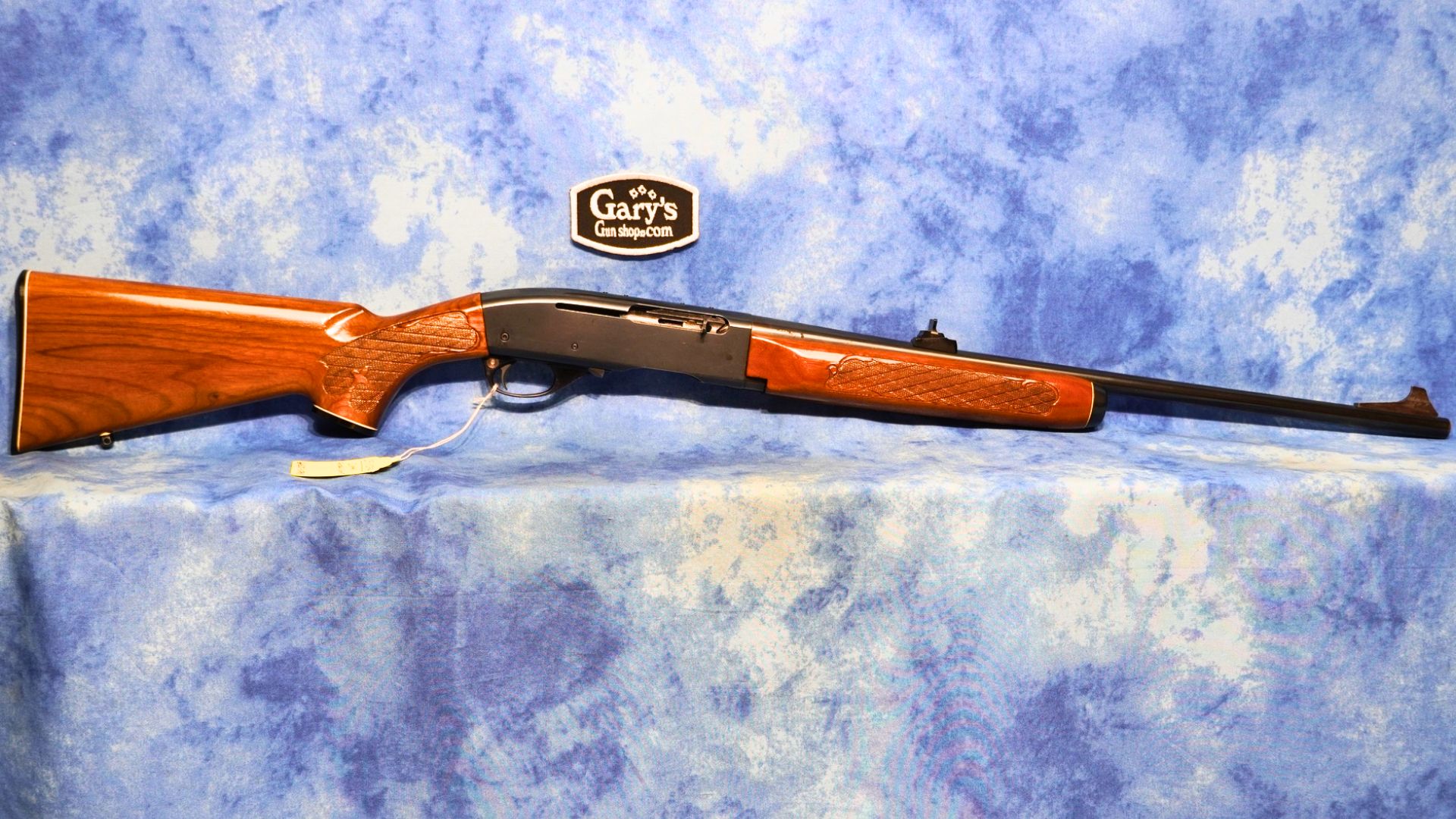
The 742 was a classic semi-auto for deer drives, but it’s a poor fit for elk hunting. Accuracy fades as the action wears, and many rifles won’t cycle reliably after years of use. Even when they do, they’re rarely precise enough for clean long-range hits.
The Woodsmaster’s trigger is heavy and vague, and its bolt rail design is prone to wear that causes jams. Many hunters carried them west and left disappointed. In elk country, reliability and precision matter—and the 742 offers neither after a few seasons.
Ruger Mini-30

The Ruger Mini-30 handles well and feels like a brush gun, but it’s not built for long-range elk hunting. Its accuracy hovers around “minute of coyote,” and that’s being generous. Even with tuned ammo, it struggles to group under three inches at 100 yards.
Combine that with the moderate power of the 7.62×39 cartridge, and you’ve got a rifle that can wound more than it kills on elk-sized targets. It’s a fun gun for hogs and short-range deer, but when the stakes are high, it’s not the tool for the job.
Marlin X7
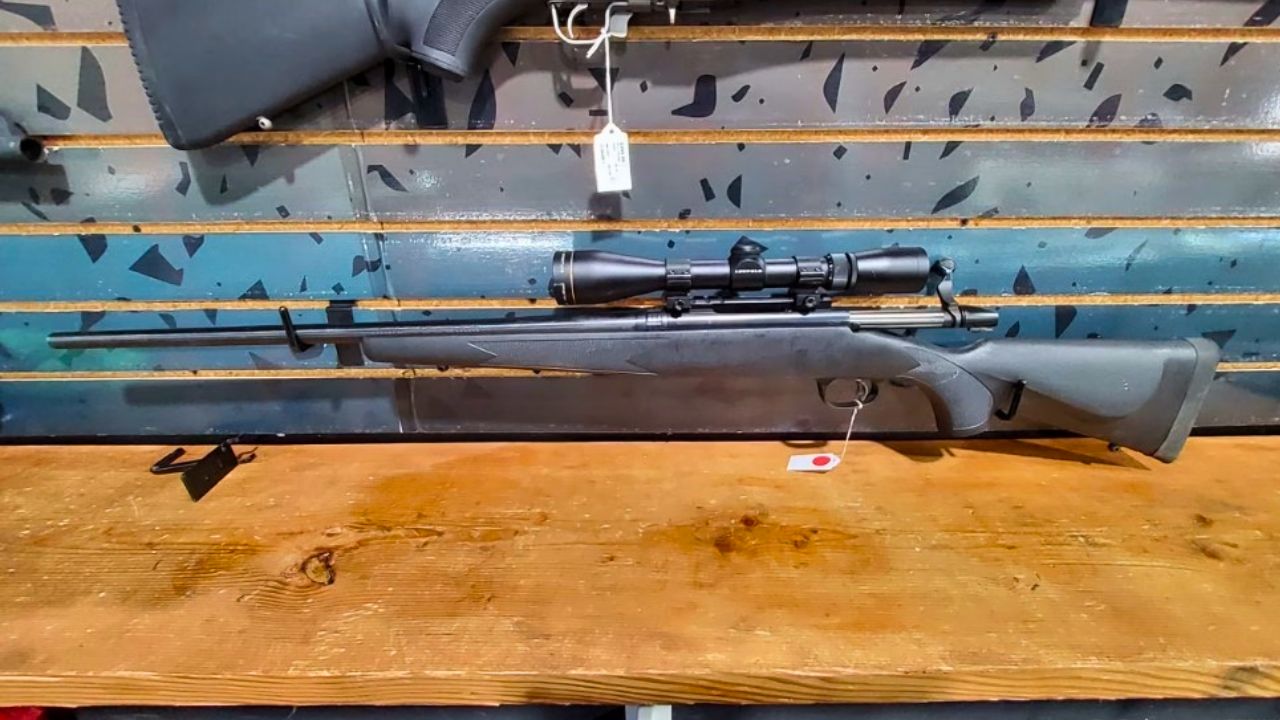
The Marlin X7 was affordable, lightweight, and surprisingly accurate for its class—until it wasn’t. Its ultralight design makes it hard to hold steady offhand, and recoil in bigger calibers like .30-06 is snappy enough to make shooters flinch.
In calm conditions, it’s a fine rifle, but elk country rarely offers calm. The combination of light weight and budget glass means missed shots when you’re winded or cold. It’s not a bad rifle—it’s just not one that forgives mistakes at distance.
CVA Cascade

The CVA Cascade tried to compete with mid-tier bolt guns, but early examples showed inconsistent grouping. Some shot great; others sprayed bullets like a smoothbore. The heavy trigger and stock design don’t help when you’re trying to settle in for a steady shot at range.
For elk, where most shots fall between 200 and 400 yards, that inconsistency is costly. Hunters who expected precision often found themselves walking empty-handed, blaming wind or nerves when the rifle itself was the weak link.
Weatherby Vanguard Synthetic (early production)

Weatherby’s Vanguard rifles are usually solid performers, but those early synthetic-stock models left something to be desired. The hollow stock amplified recoil and noise, making them uncomfortable to shoot and easy to flinch behind.
They’re accurate rifles when bedded properly, but straight out of the box, they could be unpredictable. A rifle that’s too loud, too jumpy, and too light in the mountains has a way of turning confident hunters into hesitant ones.
Savage 110 Lightweight Storm

Savage rifles have long been known for accuracy, but the Lightweight Storm pushed things too far. The reduced weight makes it easy to carry—and hard to shoot well. Chambered in powerful calibers, it bucks off target after every shot.
That snappy recoil and thin barrel make for wandering groups once it heats up. Hunters who thought they’d found the ultimate mountain rifle often discovered it was great for the hike and terrible for the shot. Elk demand control, and this rifle sacrifices too much of it for convenience.
Thompson/Center Compass
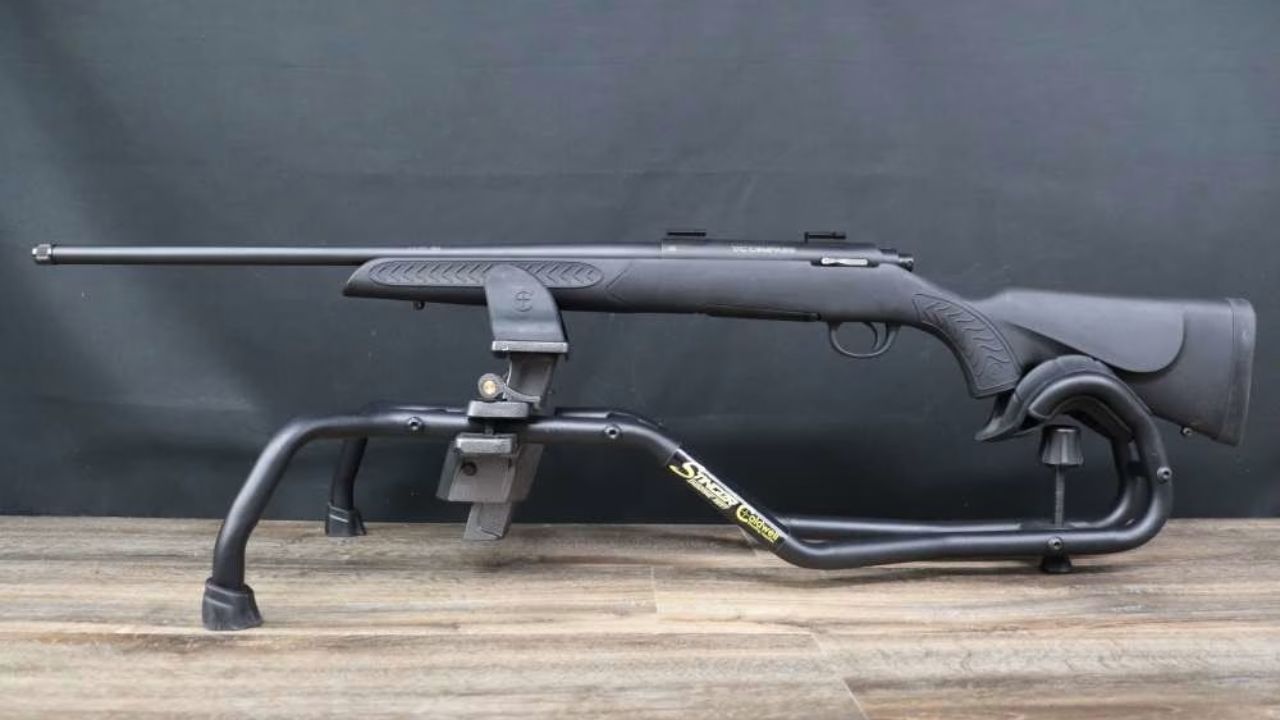
The T/C Compass entered the market as a budget-friendly bolt gun, and while it’s decent for deer, it doesn’t hold up for elk. The heavy, uneven trigger and plastic stock make it tough to shoot accurately from field positions.
Its light build amplifies recoil in larger calibers, and that shakes confidence quickly. It’s a fine rifle for the range, but when you’re tired, breathing hard, and trying to hold steady at 300 yards, it’s easy to see why so many elk-sized targets walked away untouched.
Winchester Model 70 Featherweight (in magnum calibers)

The Featherweight is a classic, but putting magnum power into a light rifle creates a recipe for misses. Recoil is sharp, muzzle jump is extreme, and even seasoned shooters struggle to recover their sight picture.
In mountain calibers like .300 Win Mag, it’s punishing enough to ruin confidence. Elk rifles should feel steady and controllable, not like a firecracker in your hands. The Featherweight’s elegance turns into punishment when power outpaces comfort, and that’s when elk start walking free.
Like The Avid Outdoorsman’s content? Be sure to follow us.
Here’s more from us:
The worst deer rifles money can buy
Sidearms That Belong in the Safe — Not Your Belt
*This article was developed with AI-powered tools and has been carefully reviewed by our editors.