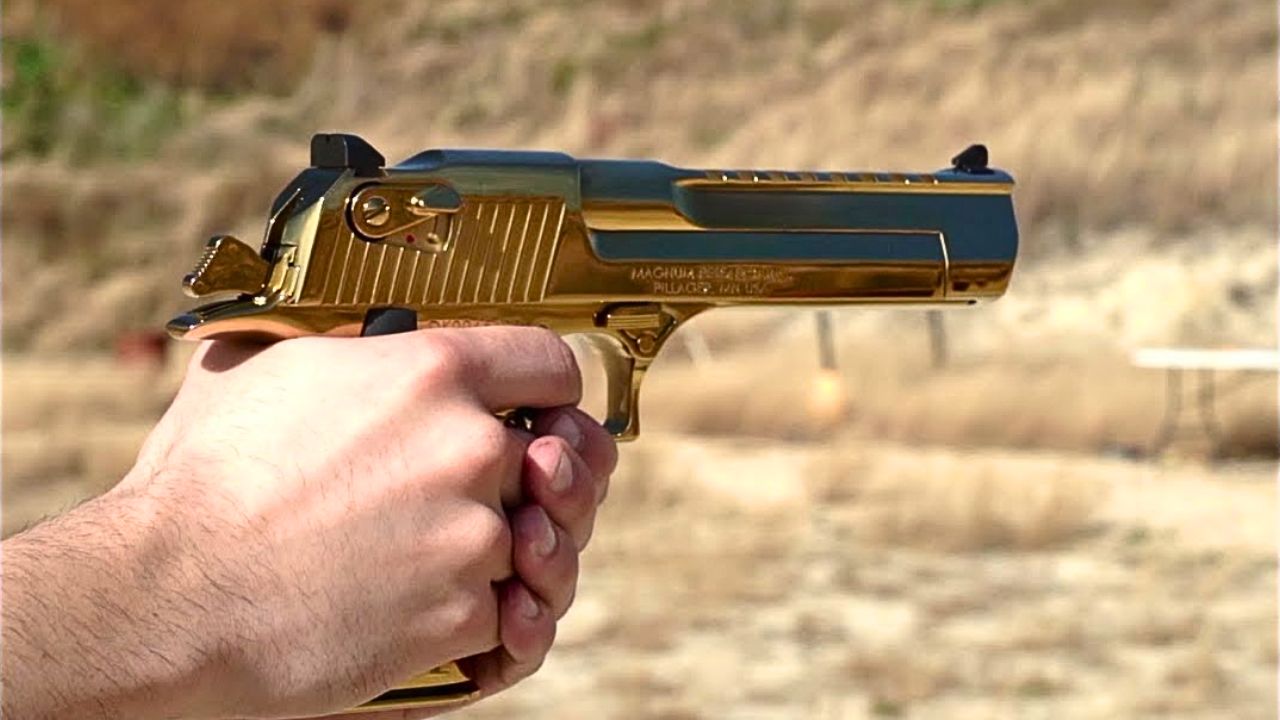
Photo credit: Texas Plinking/YouTube
Range officers see more beginner mistakes than most shooters will the entire time they own firearms. They watch the jams, the flinching, the confusion over controls, and the frustration that comes from guns that either demand too much or deliver too little. That’s why certain models get quiet warnings whenever a new shooter walks up with one.
What’s funny is that some of these same guns shine once a shooter has experience under their belt. They’re accurate, capable, or reliable enough—when handled by someone who understands their quirks. But in the hands of a first-timer, they’re the fastest path to bad habits, malfunctions, and lost confidence. Here are the ones ROs try to steer beginners away from until those shooters eventually come back ready to run them properly.
Desert Eagle .50 AE

The Desert Eagle draws attention, but it’s one of the last guns a new shooter should start with. Its sheer weight throws off grip fundamentals, and the heavy slide movement amplifies any wrist movement. Beginners often struggle to keep the muzzle level, which leads to cycling issues and inconsistent hits.
Once you have experience, the platform becomes a fun and surprising tack driver. But that only happens after you build the strength and recoil management needed to keep the pistol flat. Experienced shooters who’ve put in the time appreciate it. First-timers walk away shaking their hands and wondering what went wrong.
Smith & Wesson 329PD
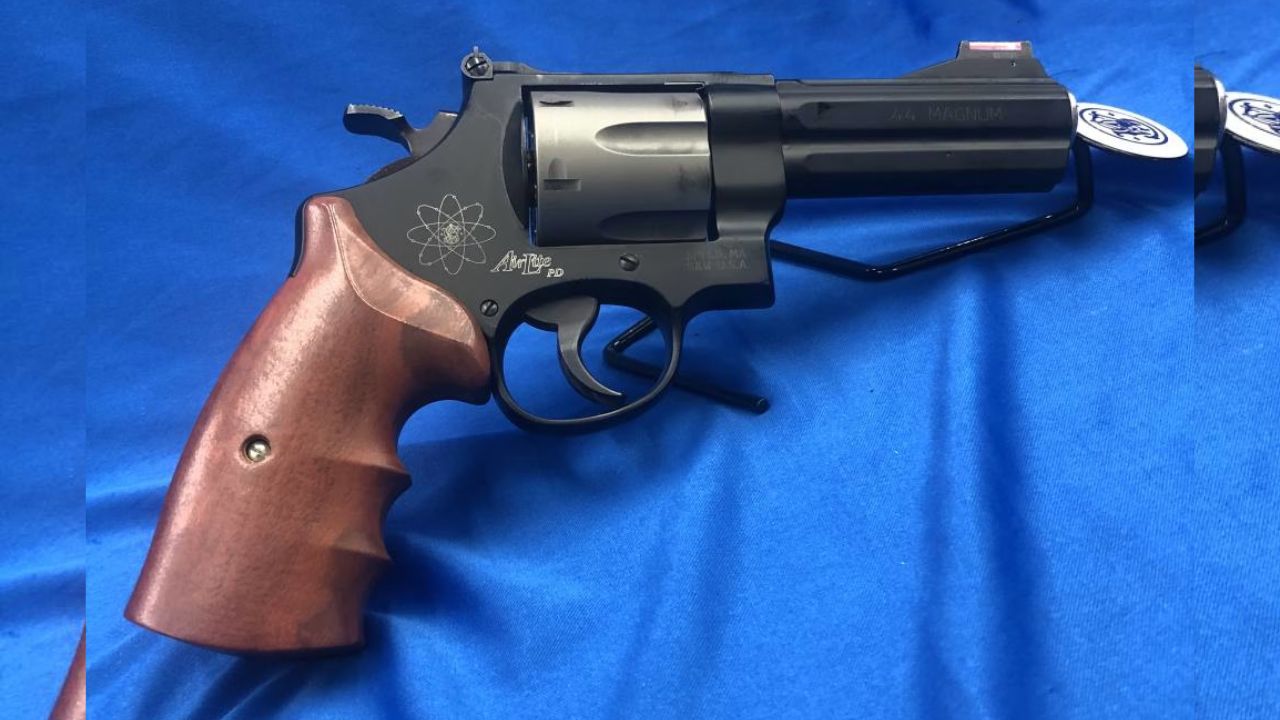
The 329PD is famously light for a .44 Magnum revolver, and that’s exactly why range officers warn new shooters away from it. The recoil is sharp, abrupt, and has a way of teaching bad habits instantly. A beginner will start flinching within a cylinder or two, sometimes without even realizing it.
For seasoned shooters, the gun makes sense as a lightweight backcountry sidearm. It’s built for hikers, anglers, and hunters—not people just learning to shoot. With skill, the recoil becomes manageable, but it never becomes pleasant. New shooters often decide they “hate revolvers” after trying this one too early.
Ruger LCR in .357 Magnum

The Ruger LCR is a great defensive tool, but loading it with .357 Magnum for a beginner is a recipe for trouble. The gun is too light to soak up the recoil, and the narrow grip doesn’t do newcomers any favors. Most first-timers struggle to keep the muzzle steady and end up jerking the trigger.
Later on, when someone has solid fundamentals and understands recoil timing, the LCR becomes an easy-to-carry, dependable revolver. But early on, it teaches anticipation instead of accuracy. Range officers see it happen constantly and step in before a new shooter picks up bad habits they’ll fight for years.
KelTec PF9
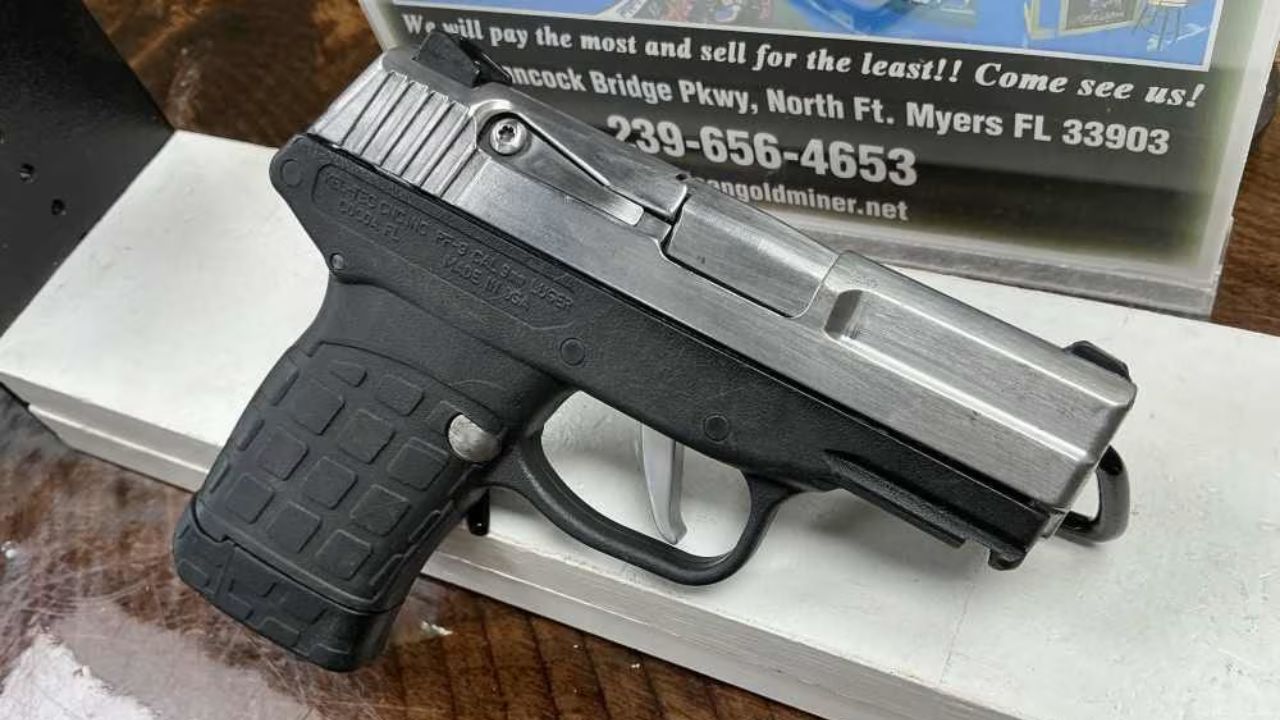
The KelTec PF9 is thin, light, and carries well, but range officers know it isn’t a beginner-friendly pistol. The recoil impulse is snappy, and the long trigger pull throws off anyone who hasn’t spent time working on consistent finger placement. Malfunctions are common when someone doesn’t grip the gun firmly.
Experienced shooters often circle back to the PF9 because it’s easy to conceal and works fine once you know how to handle it. But beginners rarely get past the initial frustration. For a first range trip, there are far better choices that let someone focus on learning rather than fighting the gun.
Glock 43

The Glock 43 is reliable and proven, but it’s also small, light, and easy to limp-wrist if someone doesn’t have a firm grip. New shooters often struggle with the narrow grip and the increased felt recoil compared to larger 9mms. That leads to malfunctions that aren’t the gun’s fault.
Once a shooter understands grip pressure, thumb placement, and recoil control, the G43 suddenly behaves exactly the way it should. That’s why so many experienced carriers trust it daily. But until someone has those fundamentals locked down, it’s a gun that magnifies mistakes instead of hiding them.
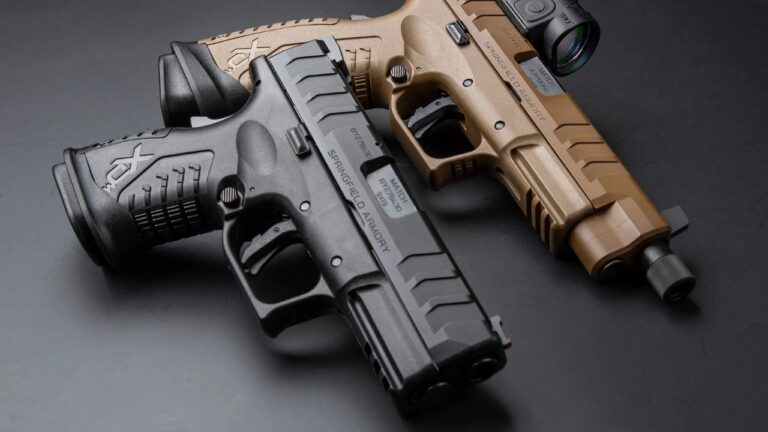
Springfield XD-S 9mm
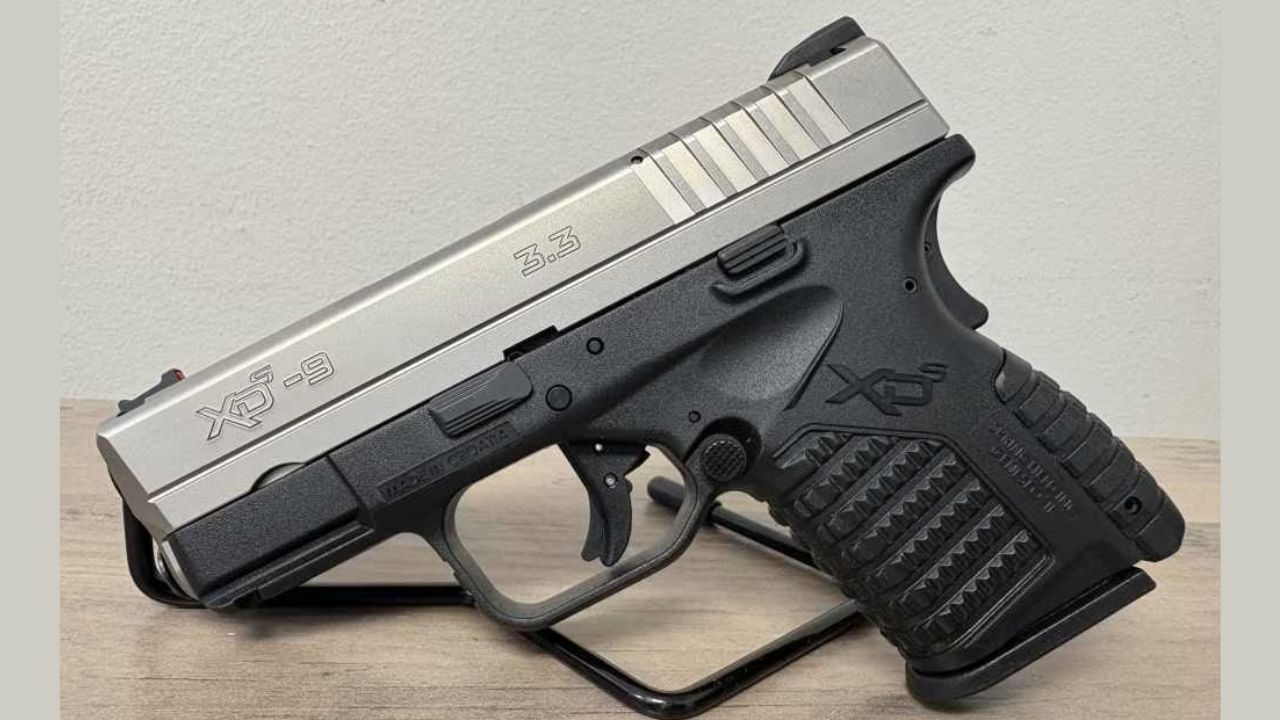
The Springfield XD-S has a reputation for being reliable, but the single-stack design comes with sharp recoil for its size. New shooters often slap the trigger because the break feels different from striker guns they’ve tried before. The combination of trigger feel and recoil makes shots scatter fast.
With experience, the XD-S becomes a capable and compact carry pistol that rewards good technique. Its slim profile makes it easy to conceal, and the ergonomics feel great once you’ve built confidence. But it’s never the gun you want to hand someone learning stance and grip for the first time.
Walther PPK

The Walther PPK may be iconic, but range officers know it’s not friendly to beginners. The blowback design gives it surprisingly stout recoil for a .380, and the DA/SA trigger setup confuses new shooters right away. Many struggle through the heavy first pull and end up flinching before the shot breaks.
Later, when shooters understand trigger staging and recoil anticipation, the PPK becomes enjoyable. It’s accurate at close range and built well. But if someone tries it too early, it leaves them thinking .380 is harsher than it really is and that DA/SA guns are unmanageable.
Taurus PT709 Slim

The PT709 is compact and affordable, but its trigger has a mushy break that new shooters find difficult to predict. That unpredictability turns steady shots into guesswork, especially for people still learning to control sight movement.
Skilled shooters can run the PT709 smoothly because they anticipate the break and understand how to hold the gun firmly enough to avoid feeding issues. But for beginners, it feels inconsistent and harsh. Range officers see the same reaction every time: frustration, scattered shots, and a quick switch back to a midsize pistol.
SIG Sauer P365 SAS

The P365 SAS is sleek and snag-free, but its flush fiber-optic “gutter” sight system is not friendly to new shooters. Beginners need clear sight pictures, and the SAS forces them to align the slide in a way that feels foreign. That leads to shots drifting low or left until they understand the system.
Experienced shooters enjoy how smooth it is to draw and how cleanly it carries. Once you’ve mastered sight tracking, the SAS becomes quick and intuitive. But beginners need conventional sights, not something this specialized.
Kahr PM9

The Kahr PM9 has a smooth but long trigger pull that throws off people new to shooting. Beginners tend to pull through quickly, which drags the muzzle off target. Combined with the small frame and noticeable recoil, accuracy becomes difficult for anyone without solid fundamentals.
Once you learn proper trigger prep and grip strength, the PM9 becomes a surprisingly accurate little pistol. Many experienced carriers appreciate how flat it shoots for its size. But that skill takes practice—and beginners don’t have the foundation to run it confidently.
Bond Arms Derringer
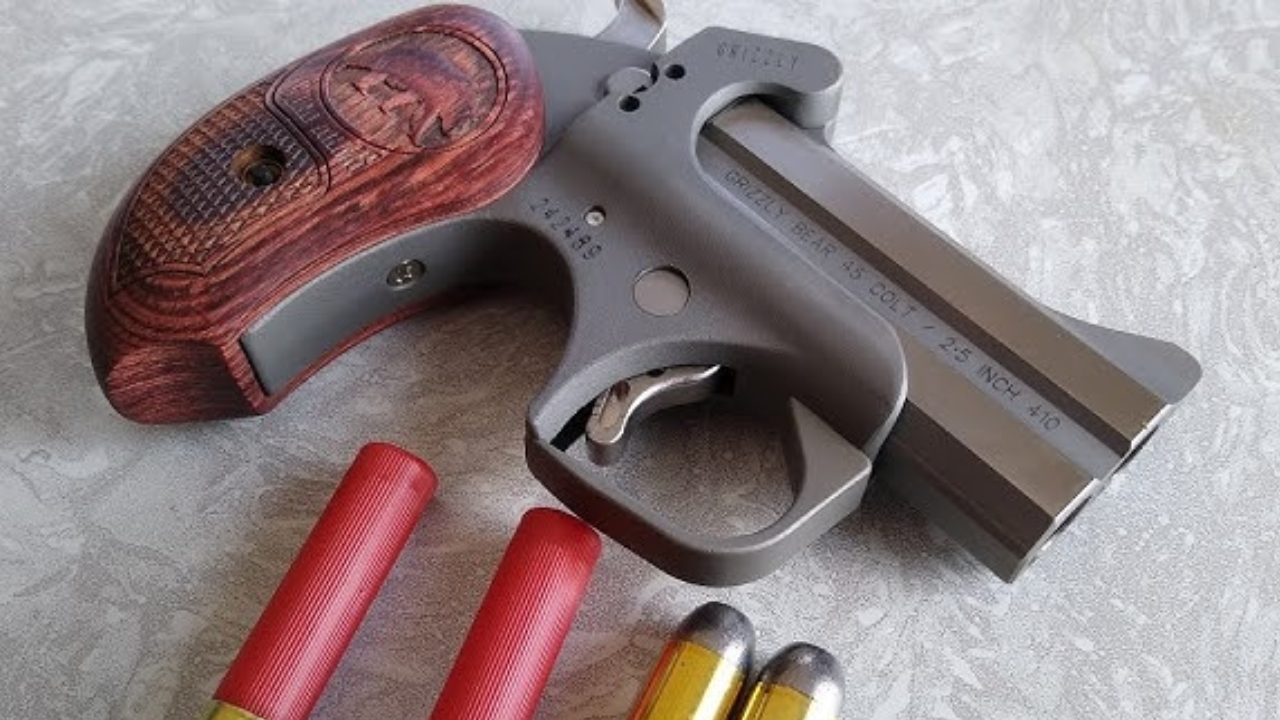
Bond Arms Derringers have their place, but range officers keep them out of beginners’ hands for a reason. The recoil is severe with anything hotter than mild .38 Spl loads, and the single-action firing system requires careful handling. New shooters often struggle with the heavy trigger and awkward grip.
Experienced shooters tend to experiment with them for novelty or deep concealment roles. But they only become “fun” after you’ve built confidence and control. As a learning tool, they’re more trouble than they’re worth.
KelTec PMR30
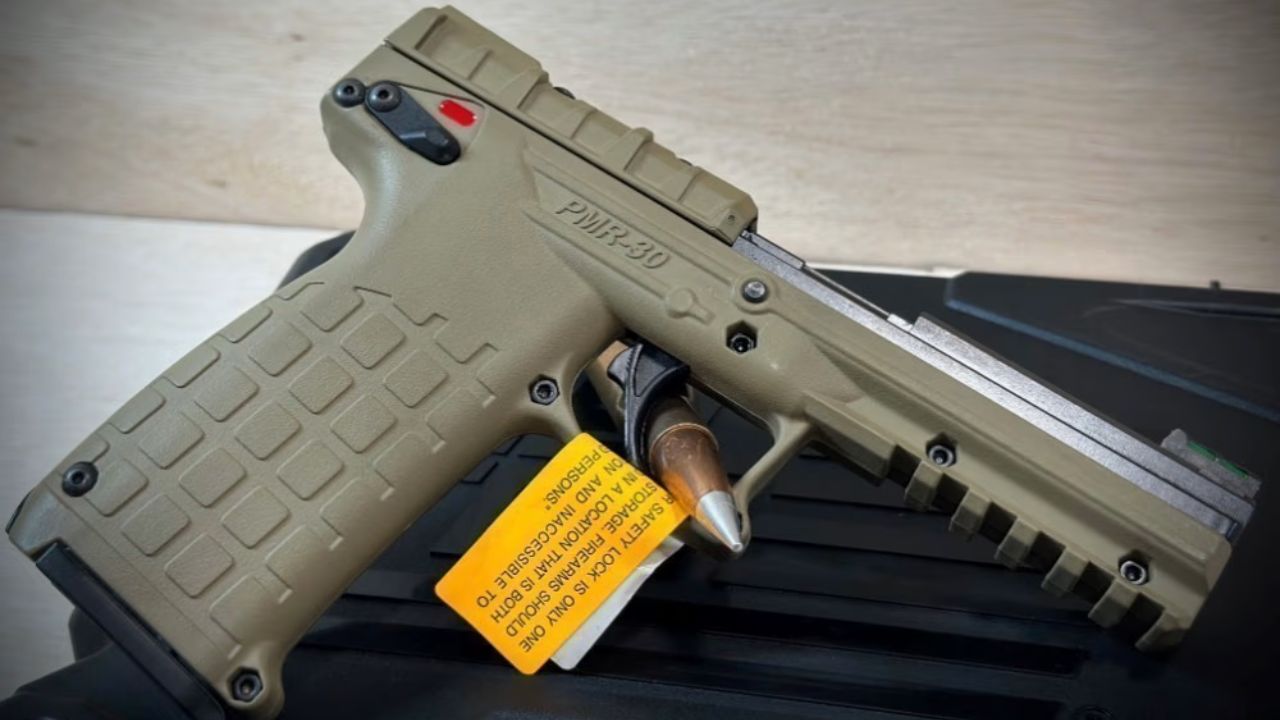
The PMR30 is lightweight and fires .22 Magnum, but the controls, magazine quirks, and muzzle blast overwhelm beginners. The trigger is light, and the gun’s balance makes it easy to dip the muzzle on the break. New shooters often can’t manage the sudden bark from such a light pistol.
In practiced hands, the PMR30 becomes a fast, enjoyable plinker. But beginners struggle to understand how something with low recoil can still be hard to manage. Range officers keep them focused on simpler rimfires until they’re ready.
CZ-82

The CZ-82 is built like a tank, but its blowback design gives it a sharp recoil impulse for 9×18 Makarov. New shooters fight the DA trigger and struggle with the old-school military sights. Feeding issues also pop up when the grip isn’t consistent.
With experience, the CZ-82 reveals itself as a surprisingly accurate, durable pistol. But it’s a gun that expects consistency from the shooter, and beginners aren’t there yet. Range officers know it takes patience and skill to appreciate.
Beretta Tomcat (.32 ACP)

The Tomcat is compact and easy to load, but it has a history of cracked frames when run with hotter ammo. New shooters don’t know how to choose the right loads, and the snappy blowback recoil feels harsher than expected from a .32.
Experienced shooters enjoy the tip-up barrel and the classic feel, but they know to stay within its limits. Beginners don’t, which is why ROs steer them toward sturdier options that handle mistakes better.
Glock 27

The Glock 27 is powerful for its size, and that’s exactly why range officers avoid handing it to new shooters. The .40 S&W recoil in such a small frame creates immediate anticipation and makes follow-up shots erratic.
With solid technique and grip pressure, the G27 becomes a practical, capable carry pistol. Many experienced shooters appreciate the power-to-size balance. But beginners lose confidence fast running it, and ROs prefer they build fundamentals on something less punishing.
Like The Avid Outdoorsman’s content? Subscribe to our newsletter so you never miss an article.
Here’s more from us: