Photo credit: Olde English Outfitters/YouTube
Some sidearms fade out not because they’re rare or collectible, but because shooters with real time behind a trigger eventually move on from them. Once you’ve carried a pistol through long training days, rough weather, or thousands of rounds fired, you learn quickly which guns hold up and which ones ask for more attention than they’re worth.
A lot of these models look good on paper, feel fine in the hand, or show up in old marketing campaigns that still echo around gun counters. But when it comes to daily carry, reliability, durability, and shootability win every time. These are the pistols most experienced carriers have quietly retired for good.
Smith & Wesson Sigma Series

The Sigma earned its reputation the hard way. The frame felt fine, and it offered an affordable way into a striker-fired pistol, but the trigger was notoriously heavy and gritty. Experienced shooters never warmed to it because that trigger made accurate strings tough under pressure. Even after practice, it felt like work just getting clean breaks.
The Sigma also suffered from early reliability hiccups, especially with lower-powered ammo. While some shooters made it run, many realized there were far better options for not much more money. Today it mostly sits in safes or pawn shop cases, not in holsters.
Taurus PT92 (older production)
The PT92 has its fans, but earlier models weren’t built to the same standards as modern versions. The looser tolerances and occasional parts wear made them unpredictable as long-term carry guns. You might get one that runs flawlessly, or you might get one that struggles with consistent feeding.
It’s a gun that looks and feels substantial, but many experienced shooters moved on after seeing the long-term maintenance it required. For range use, it’s still fun. For daily carry, most folks eventually prefer something with a stronger track record and easier parts support.
KelTec PF-9
The PF-9 was popular because it was extremely slim and lightweight, but those features came with trade-offs. Recoil felt snappy, making rapid follow-up shots difficult for most shooters. The long, heavy trigger also made accuracy under stress a real challenge.
Reliability varied from gun to gun, with many owners reporting failures to feed or extract after extended use. If you’ve been carrying for years, you likely want something that holds up without constant tinkering. That’s why the PF-9 rarely gets chosen by seasoned carriers anymore.
Ruger P89

The P89 is a tank, which sounds good until you carry it all day. Its size and weight make it tiring on the belt, and the thick grip doesn’t fit everyone’s hands. While it’s reliable, it’s slow to run compared to modern designs—longer trigger reach, bulkier controls, and dated ergonomics.
Experienced carriers eventually choose something that manages recoil well without feeling like a brick. The P89 still runs forever, but that doesn’t make it a practical everyday sidearm today.
Beretta Px4 Storm Subcompact
The rotating barrel design works well in the full-size guns, but the subcompact PX4s never saw the same reputation. They’re chunky for their capacity, and the unique operation adds complexity for concealed carry. Reloads and manipulation feel awkward compared to more straightforward striker-fired options.
Many shooters found the double-action trigger harder to master in a small package. Over time, people gravitated toward pistols that were easier to shoot well and required less retraining. The PX4 Subcompact became more of a curiosity than a go-to.
Springfield XD Subcompact (older models)
Older XD subcompact models had a heavy slide and blocky profile that didn’t carry as comfortably as newer designs. The high bore axis also made muzzle flip noticeable, especially during fast strings. That alone pushed many experienced shooters toward other pistols with flatter recoil.
Reliability was generally good, but the trigger had a long reset that slowed down accurate shooting. For people who train often, that’s a deal-breaker. Modern handguns offer better triggers, slimmer frames, and smoother shooting characteristics.
Walther PPK (modern production)

The PPK is iconic, but nostalgia only carries it so far. Modern shooters quickly notice its sharp recoil for its size, limited capacity, and the tendency for slide bite if your grip isn’t perfect. More importantly, feeding issues with hollow points show up often unless the ammo matches the gun very closely.
Experienced carriers love the feel of the steel frame but rarely stick with it because newer pistols offer more reliability, better triggers, and safer designs. The PPK still has charm, but charm doesn’t make it a dependable everyday carry choice.
Bersa Thunder .380
The Bersa Thunder .380 has always been an affordable entry, but after enough range time, many shooters bump into reliability swings depending on magazines and ammunition. Its blowback design also produces more recoil than people expect in a small-caliber pistol.
While it’s accurate and comfortable for slower fire, it doesn’t excel in fast-paced drills. Experienced carriers often leave it behind once they try more modern .380s that offer stronger performance and fewer compromises.
SCCY CPX-1
The SCCY CPX-1 is widely available and budget-friendly, but the real-world performance keeps it off serious carry lists. Its trigger is long and unpredictable, and many examples develop light primer strikes or extraction problems under high round counts.
Some people get solid performance out of them, but consistency is the problem. Experience teaches you to value predictability above all else. That’s where the CPX-1 falls short, and why you rarely see it in the holsters of seasoned shooters.
Smith & Wesson Bodyguard .380 (pre-M2.0)
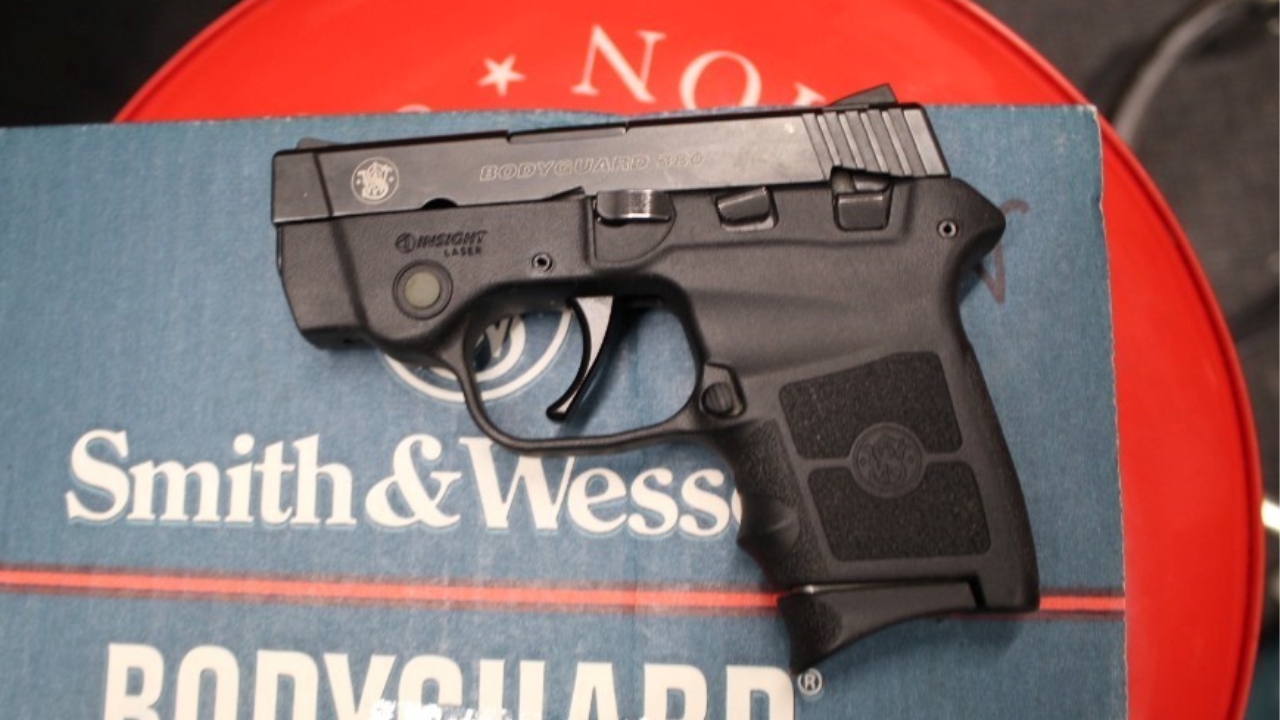
Before the M2.0 improvements, the Bodyguard .380 suffered from a rough trigger and finicky feeding habits with certain hollow points. Its tiny controls made manipulation difficult under stress, and the recoil impulse felt sharper than expected.
Most experienced carriers moved on once they realized how much effort it took to shoot the gun well. Newer micro pistols deliver more capacity, easier shooting, and better reliability across ammo types.
Taurus G2C (first generation)
The G2C gained popularity for budget reasons, but early versions had inconsistent reliability. Feed ramp polishing, magazine tuning, and frequent cleaning were common recommendations. That alone tells you what experienced shooters think.
Even if you can make one run smoothly, the trigger and reset slow down fast, accurate shooting. Many shooters upgraded after enough time on the range showed that “good enough” doesn’t hold up under pressure.
KelTec P3AT
The P3AT was one of the early ultra-light .380s, but the design shows its age today. The sights are minimal, the trigger is long, and recoil is snappy for such a small gun. Reliability can vary depending on ammunition and grip technique.
Once smaller pistols with better reliability hit the market, experienced carriers moved on. It served a purpose when choices were limited, but today it’s overshadowed in every category that matters for defensive carry.
Hi-Point C9

The C9 can run well with maintenance, but its bulk, heavy slide, and stiff controls make it not ideal for concealed carry. It’s also ammunition-sensitive in many individual guns, especially with hollow points.
Shooters with experience value efficiency—lighter weight, smoother triggers, easier manipulation. The C9 asks you to compromise on all of that. It’s fine for a range beater or glovebox gun, but not something seasoned carriers rely on daily.
Ruger LC9 (original)
The original LC9 had a long, revolver-like trigger that many shooters struggled to master. While it’s slim and easy to carry, the stiff pull and long reset make rapid, accurate shooting more difficult than with modern micro-compacts.
Reliability was decent, but the gun felt dated quickly once newer designs offered better triggers and higher capacity in similar footprints. Most experienced carriers who owned an LC9 eventually upgraded and didn’t look back.
SIG Sauer P250
The modular concept was ahead of its time, but the double-action-only trigger held the P250 back. It was smooth but long, and mastering it took more work than many shooters wanted to invest. Under stress, that slow trigger cycle puts you at a disadvantage.
As SIG moved to the P320 platform, most shooters followed the shift. Today, the P250 rarely shows up in carry rotations because other pistols deliver better speed, easier accuracy, and stronger aftermarket support.
Like The Avid Outdoorsman’s content? Subscribe to our newsletter so you never miss an article.
Here’s more from us: