Photo credit: Atlantic Firearms
Some firearms earn a reputation so strong that buyers stop judging the gun in front of them. The name alone becomes enough. A pistol may still benefit from a military contract signed decades ago. A rifle may be protected by nostalgia, even after quality changes. A shotgun may keep selling because people remember what earlier generations of the model could do.
The problem is that reputations can outlive the products that created them. Manufacturing changes, inconsistent quality control, outdated ergonomics, and stronger competition can turn a once-great firearm into an ordinary or disappointing one. These 20 guns are not necessarily useless, but their current reality often falls short of the reputation that continues selling them.
Kimber Custom II

The Kimber Custom II became one of the most recognizable production 1911s in America. For years, it was marketed as a step above entry-level pistols, offering attractive finishes, upgraded sights, and features that once required custom work. The Kimber name came to represent a premium 1911 that ordinary buyers could find in almost any large gun store.
That reputation became harder to maintain as owners reported inconsistent reliability, premature finish wear, and a need for magazine or extractor tuning. Some Custom II pistols run perfectly, but others require far more break-in and attention than buyers expect at the price. The 1911 market also became much stronger, with Springfield Armory, Colt, Ruger, and several imported brands offering dependable alternatives. Kimber still sells on appearance and name recognition, but experienced buyers are less willing to assume every pistol will deliver premium performance.
Remington Model 700

The Remington Model 700 built its reputation as one of America’s great bolt-action rifles. It became common in deer camps, police sniper programs, military applications, and custom rifle shops. Its round receiver and enormous aftermarket made it easy to improve, while older rifles often delivered excellent accuracy and smooth operation.
The reputation took serious damage as later production quality became inconsistent. Rough actions, uneven finishes, cheap stocks, and public controversy involving the trigger system changed how buyers viewed the rifle. The Model 700 footprint remains extremely important, but many shooters now prefer rifles from Tikka, Bergara, or custom manufacturers that use the same pattern while offering better factory execution. The Model 700 name still carries history, yet buyers no longer assume a new Remington will match the quality of the older rifles that built the legend.
Colt Python
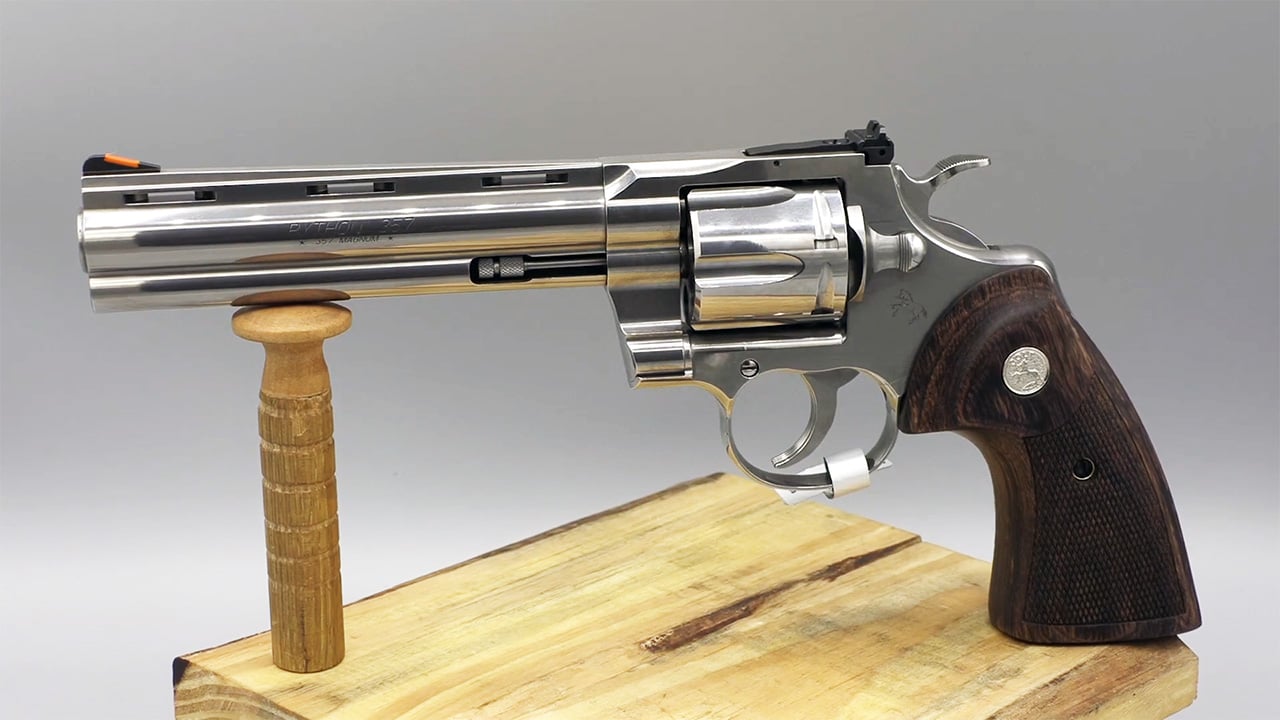
The original Colt Python earned its reputation through polished finishes, careful fitting, and one of the smoothest revolver actions available from a major manufacturer. It became known as a premium .357 Magnum long before collector prices and television appearances turned it into a cultural icon.
The modern Python is strong, attractive, and accurate, but it is no longer the hand-fitted revolver that created the original reputation. Current production methods make the gun more durable in some ways, yet buyers often expect a level of trigger refinement and craftsmanship that does not always separate it from less expensive Smith & Wesson or Ruger revolvers. Early concerns surrounding small production issues also weakened confidence during the relaunch. The Python remains desirable, but much of what owners pay for is the name and visual connection to the old gun rather than a dramatic performance advantage.
Marlin Model 336

The Marlin 336 became one of the most trusted deer rifles in America. Older examples were known for solid construction, smooth actions, and a side-ejecting receiver that made scope mounting easy. Generations of hunters carried them in .30-30 Winchester and .35 Remington.
The rifle’s reputation suffered badly after production changed ownership and moved to a different facility. Some later rifles showed poor wood-to-metal fit, rough actions, crooked sights, and uneven machining. Those problems created the “Remlin” reputation and made buyers search specifically for older JM-marked guns. Current Ruger-produced Marlins appear much better built, but the years of inconsistent quality damaged trust that had taken decades to earn. The 336 name remains powerful, though experienced buyers now pay close attention to exactly when and where a rifle was made.
Smith & Wesson Model 29

The Model 29 became famous as the revolver associated with the .44 Magnum. Its large N-frame, polished finish, and pop-culture status helped create the image of the ultimate powerful handgun. Hunters and outdoorsmen also gave it a legitimate field reputation long before many buyers wanted one simply because of its fame.
Modern owners sometimes discover that the Model 29 is not the indestructible hand cannon its reputation suggests. Heavy magnum use can be harder on the action than many buyers expect, especially in older examples. The polished finish and collector appeal may also make owners reluctant to carry it in rough conditions. Ruger and Freedom Arms revolvers often provide greater strength for continuous heavy-load use. The Model 29 remains a classic, but its reputation for unlimited toughness is larger than the practical reality.
SIG Sauer P320

The P320 built its reputation through modularity, military adoption, and the promise of a modern service pistol that could be changed to fit nearly any role. Its removable fire-control unit allowed owners to swap grip frames, slides, and calibers while keeping the same serialized component.
The platform’s reputation became increasingly difficult to defend as safety controversies, lawsuits, product updates, and conflicting explanations accumulated. Many P320 pistols perform reliably, and the modular design remains useful, but confidence matters enormously in a defensive handgun. Some experienced shooters also find the high bore axis, trigger feel, and top-heavy balance less impressive than the marketing suggests. The P320 remains successful, yet military adoption no longer automatically ends arguments about whether it is the best choice for civilian or duty use.
Springfield Armory XD
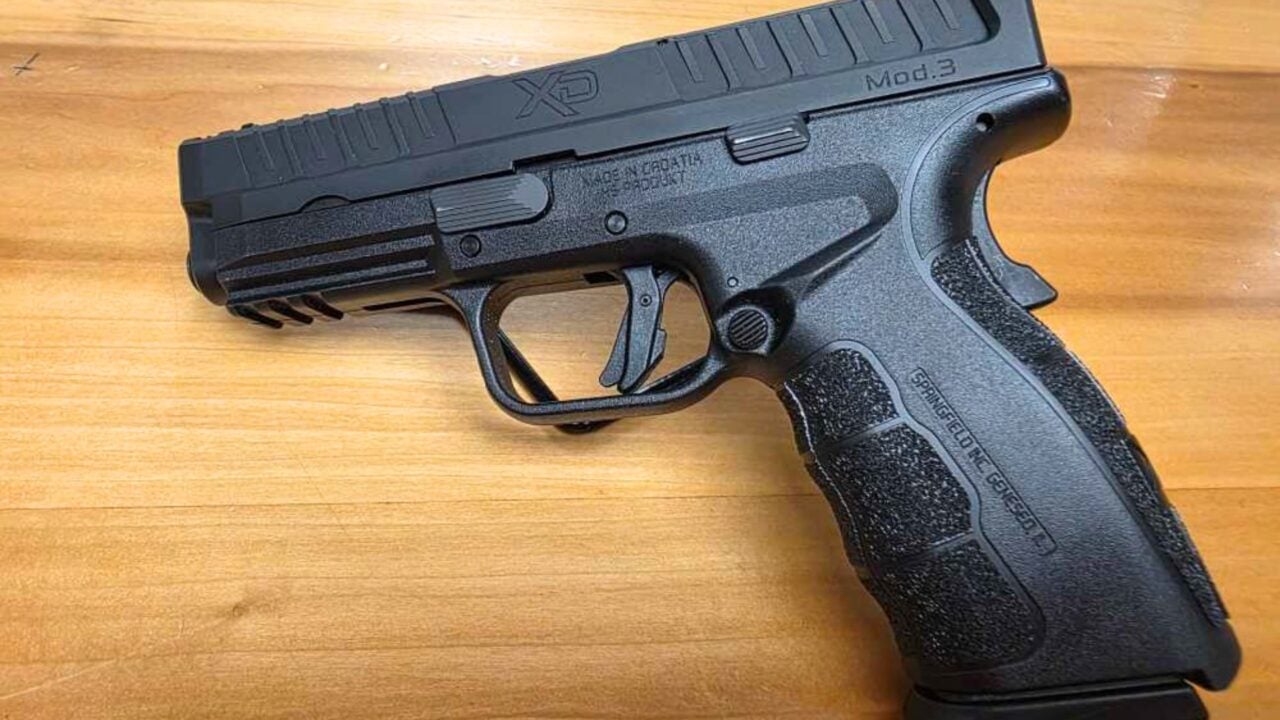
The Springfield XD built a strong early reputation by offering a polymer striker-fired pistol with a grip safety, loaded-chamber indicator, and comfortable grip angle. It became one of the most visible alternatives to Glock and gained a large following among defensive handgun buyers.
Over time, the platform began to feel bulky and dated. The slide sits high, the grip safety adds another part without providing a clear advantage for everyone, and the aftermarket never reached Glock levels. Newer pistols from Walther, CZ, Smith & Wesson, and SIG Sauer often offer better triggers, lower-feeling recoil, and stronger optic support. The XD can still be dependable, but the reputation it built during the early polymer-pistol market has not kept pace with how much the competition improved.
Beretta 92FS

The Beretta 92FS earned its reputation through military service, law enforcement use, and decades of dependable operation. Its open-slide design and substantial metal frame make it smooth shooting, while its appearance became almost universally recognizable.
The standard 92FS increasingly struggles to maintain that reputation against newer versions of its own platform. The grip is large, the slide-mounted safety is awkward for many shooters, and the basic trigger and sights feel dated. Beretta’s 92X and performance models show how much better the design can be with modern controls and factory upgrades. That creates an uncomfortable comparison for the traditional 92FS. It remains reliable and pleasant, but its legendary status often hides how much work or money is needed to make it feel current.
Heckler & Koch USP

The HK USP built a nearly untouchable reputation for durability. It was engineered to survive hard military and police use, handle powerful cartridges, and continue functioning in conditions that would challenge ordinary service pistols.
The reputation remains partly deserved, but the pistol now feels far less exceptional in actual use. Its grip is large and blocky, the bore axis is high, and the double-action trigger can be heavy. Proprietary accessory rails on older versions complicate light mounting, while magazines and replacement parts are expensive. Modern pistols can provide excellent reliability with better ergonomics and lower cost. The USP is still tough, but toughness alone is no longer enough to justify every compromise attached to the design.
Mossberg 500

The Mossberg 500 earned its reputation as an affordable, durable, and adaptable pump shotgun. It became common in hunting fields, police vehicles, homes, and military service. Its tang safety and easy barrel changes helped it stand apart from competing designs.
The current reputation sometimes hides the cost-cutting visible on certain models. Plastic safety buttons, basic furniture, and rougher actions can make newer examples feel less substantial than older guns. The design remains dependable, but the market now offers improved versions such as the Mossberg 590 and strong alternatives from Benelli and Beretta. The 500 still performs its basic role well, yet some buyers expecting an indestructible military-grade shotgun discover they purchased a budget sporting platform that may need upgrades.
Remington 870 Express

The Remington 870 built one of the strongest reputations in shotgun history. Older Wingmaster and Police models were smooth, durable, and capable of surviving decades of hard use. The basic action became a standard for hunters, police officers, and homeowners.
The cheaper Express line damaged that reputation. Rough chambers, weak finishes, rust concerns, and inconsistent machining became common complaints during later production years. Some new guns required polishing before they extracted shells smoothly. The 870 design itself remained excellent, but buyers could no longer assume every gun bearing the name matched the quality of earlier models. Current production may improve, yet the reputation now depends heavily on whether someone is discussing an older Wingmaster, a Police Magnum, or a rough late-production Express.
Winchester Model 70

The Winchester Model 70 earned the nickname “Rifleman’s Rifle” through its controlled-feed action, excellent handling, and high-quality pre-1964 production. Those early rifles became benchmarks for American hunting rifle design.
The reputation suffered after Winchester changed the design in 1964 to reduce manufacturing costs. Later rifles eventually regained controlled-round feeding and improved quality, but the Model 70 name became divided into eras that buyers judge very differently. A new Model 70 can still be an excellent rifle, yet the name alone does not guarantee the same craftsmanship associated with the pre-1964 guns. Much of the reputation belongs to rifles built generations ago, and modern production must constantly compete with its own history.
Glock 19
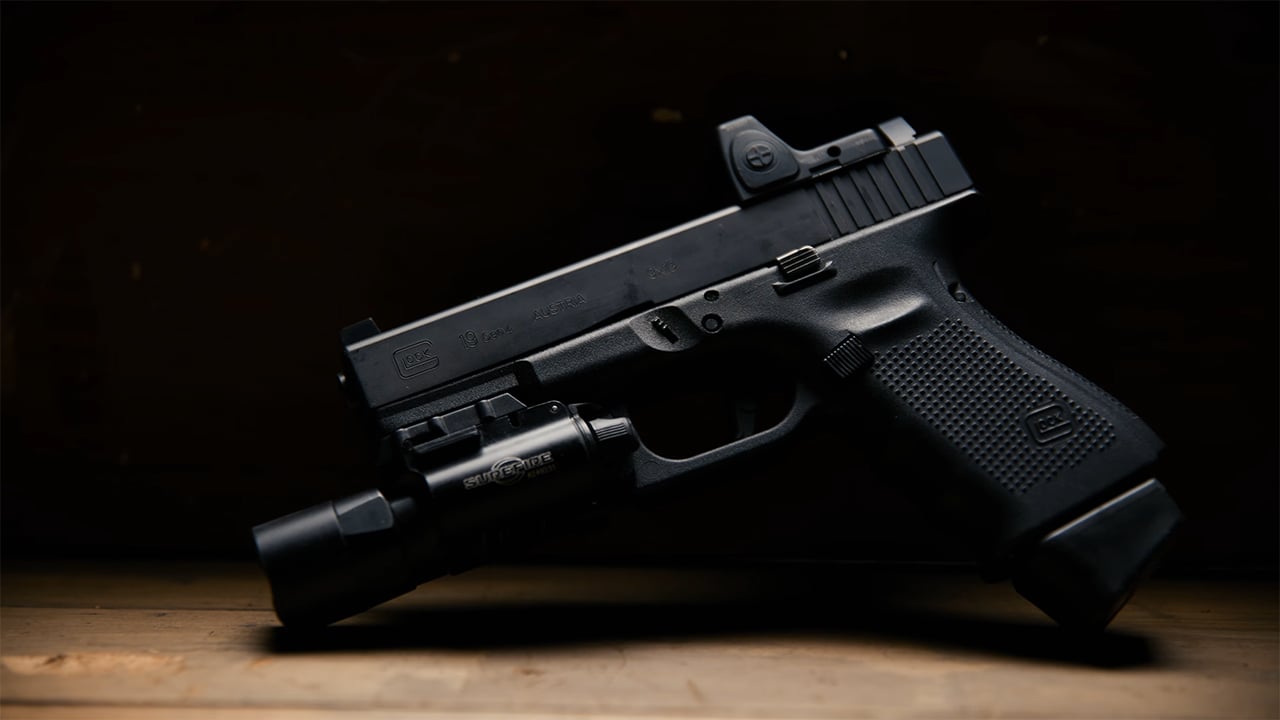
The Glock 19 built its reputation as the do-everything compact handgun. It is large enough for duty or home defense, small enough for concealed carry, and supported by an unmatched supply of magazines, parts, and holsters.
The gun remains extremely practical, but its reputation has grown larger than its actual advantages. Factory sights are still often replaced, the trigger is average, and the grip shape does not fit everyone. Modern pistols from Walther, Smith & Wesson, CZ, and HK may offer better ergonomics and triggers right out of the box. The Glock 19 remains reliable and easy to support, yet it is no longer automatically the best-shooting or best-value compact pistol. Its reputation now rests as much on familiarity and ecosystem as raw performance.
Ruger Mini-14
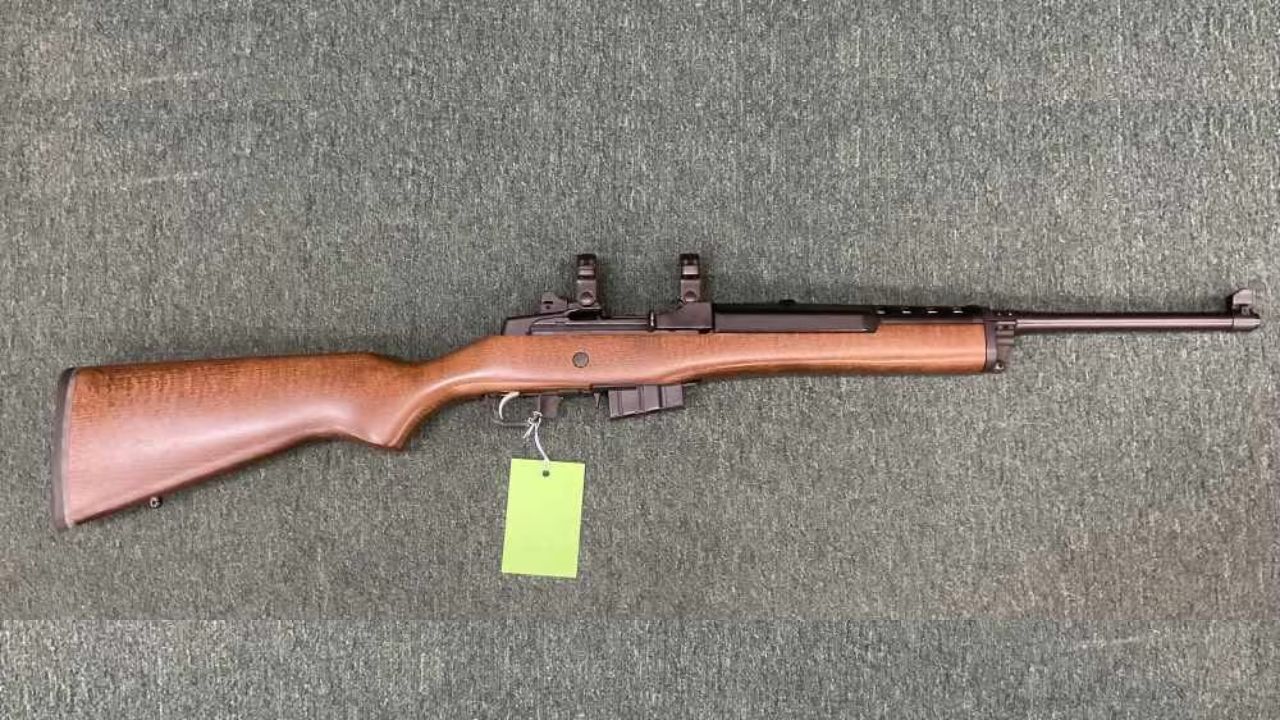
The Ruger Mini-14 built its reputation as a reliable, handy semi-automatic rifle with traditional styling. Ranchers, police agencies, and recreational shooters appreciated its compact handling and resemblance to the M14.
Older rifles became infamous for mediocre accuracy once barrels heated, and the reputation for rugged usefulness could not completely hide that weakness. Newer Mini-14s generally shoot better, but the rifle remains expensive compared with entry-level AR-15s that offer better accuracy, easier optics mounting, and enormous parts support. The Mini-14 still has a role for shooters who prefer its appearance and handling. Its reputation as a serious alternative to the AR platform, however, is harder to maintain when price and performance are compared directly.
Taurus PT92
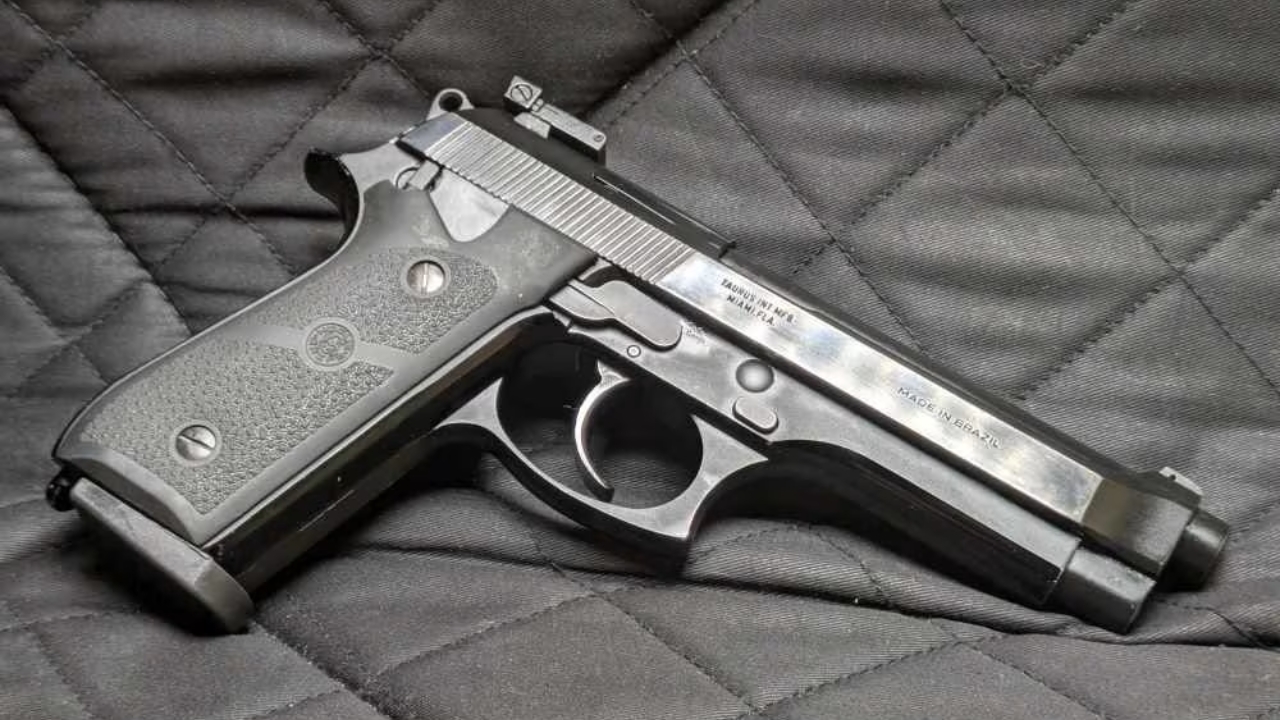
The Taurus PT92 built a reputation as an affordable alternative to the Beretta 92. Its frame-mounted safety actually appealed to many shooters who disliked Beretta’s slide-mounted control, and early Brazilian production benefited from machinery and design connections to Beretta.
The reputation became harder to maintain as Taurus quality control varied across years and production runs. Some PT92 pistols are durable, accurate, and excellent values. Others show rough finishing, inconsistent triggers, or parts fit that does not match the Beretta standard. The pistol continues to benefit from memories of inexpensive examples that ran for decades. New buyers must judge the individual gun rather than relying on the model’s old reputation for delivering Beretta performance at a bargain price.
Browning A5
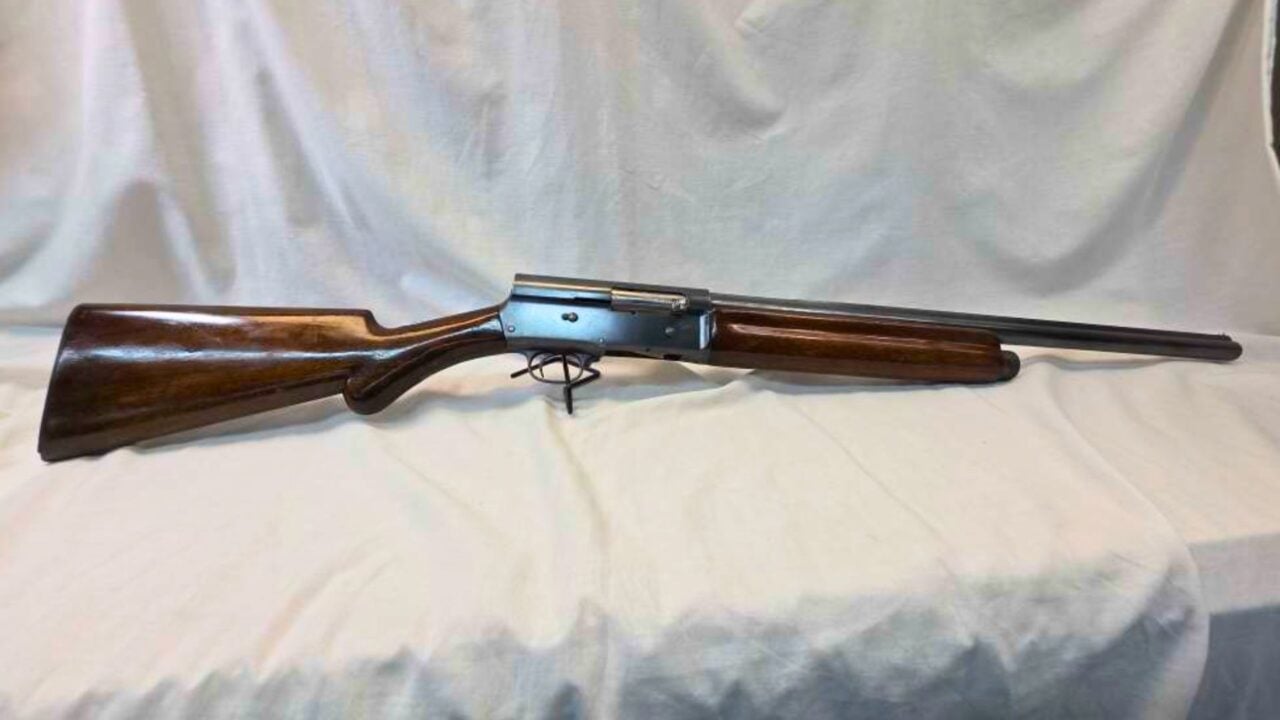
The original Browning Auto-5 earned a legendary reputation through its long-recoil action, durability, and nearly century-long production history. It became one of the most important sporting shotguns ever made.
The modern Browning A5 uses a completely different inertia-style operating system. It retains the humpback profile and famous name, but mechanically it is not the gun that created the reputation. The new A5 can be light, reliable, and excellent in the field, yet buyers attracted by Auto-5 history may expect a direct continuation that does not exist. Browning successfully preserved the appearance and branding, but the current gun must stand on its own rather than borrowing too heavily from the legend of its predecessor.
Colt M4 Carbine
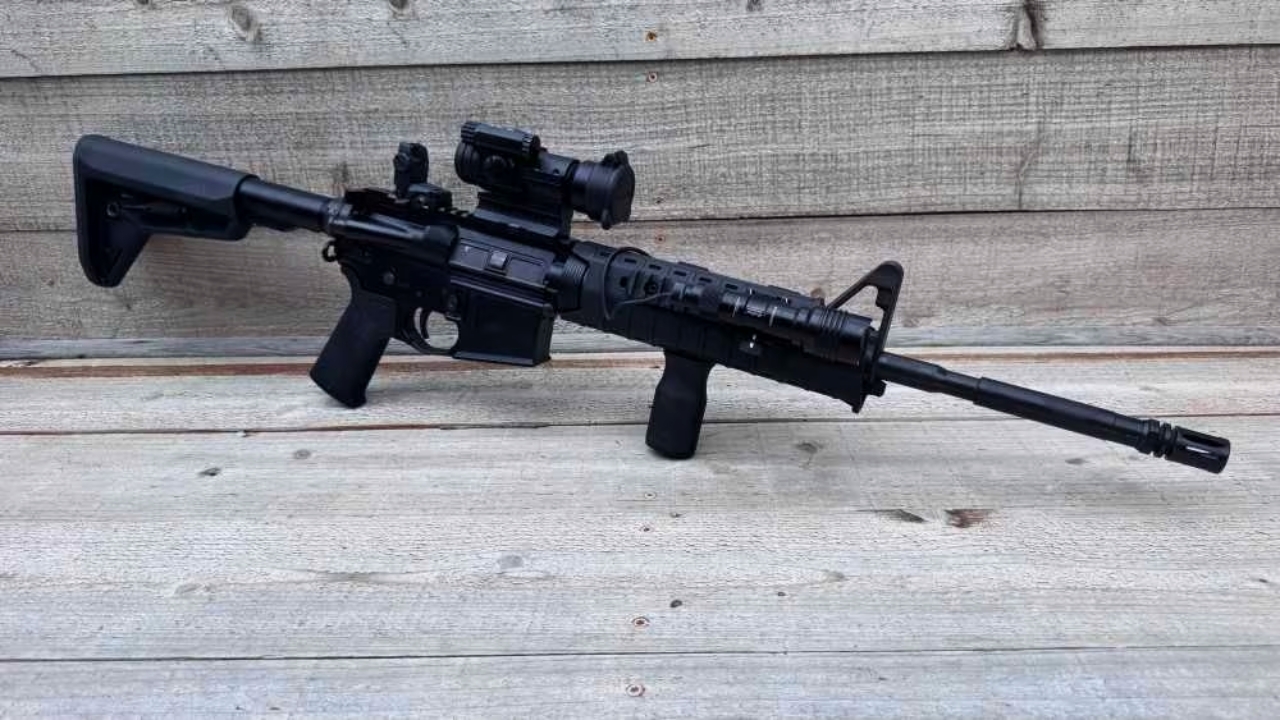
The Colt M4 name carries enormous military credibility. Civilian buyers often assume a Colt-branded AR-pattern rifle must automatically represent the gold standard because of the company’s government contracts and connection to the military M4.
The civilian market eventually passed Colt in several important areas. Other manufacturers began offering better triggers, free-float handguards, improved furniture, ambidextrous controls, and stronger factory configurations at similar or lower prices. Colt rifles remain dependable, but they often feel basic compared with modern competition. The brand still sells heavily on military association, even though civilian buyers can now purchase rifles with more useful features without sacrificing reliability.
Benelli Super Black Eagle

The Super Black Eagle built a tremendous reputation among waterfowl hunters. Its inertia-driven action, ability to handle heavy magnum shells, and performance in rough weather made it one of the most desirable hunting shotguns of its generation.
The reputation can create unrealistic expectations. Inertia guns still require proper mounting and sufficient load energy, and they may recoil more sharply than gas-operated competitors. Some owners also experience cycling issues with light loads or when the gun is not shouldered firmly. Beretta, Browning, and other manufacturers now offer softer-shooting alternatives that perform extremely well in harsh conditions. The Super Black Eagle remains a strong shotgun, but it is not immune to ammunition, technique, or maintenance issues simply because of its name.
Weatherby Mark V

The Weatherby Mark V built its reputation around strength, speed, and premium hunting performance. Its multi-lug action and association with high-velocity Weatherby cartridges gave it an image tied to serious international hunting and long-range power.
Modern hunters increasingly question whether the premium is worth it. Weatherby ammunition can be expensive, magnum recoil is substantial, and many less costly rifles now deliver equal or better practical accuracy. The Mark V remains beautifully made and mechanically strong, but its reputation was built during an era when velocity and exotic chamberings carried more prestige. Today, many hunters prefer efficient cartridges, suppressors, and rifles that are easier to practice with. The Mark V still has status, though its performance advantage is no longer as clear.
Savage 110

The Savage 110 built its reputation by delivering excellent accuracy at prices ordinary hunters could afford. The barrel-nut system allowed consistent headspacing, while the AccuTrigger later gave Savage a major advantage over competitors with heavy factory triggers.
The rifle’s reputation for accuracy remains strong, but the rest of the package has not always kept up. Some models use flexible stocks, cheap-feeling magazines, and actions that feel rough beside Tikka or Bergara rifles. Savage also produced so many versions that the lineup became confusing, with quality and features varying widely. A good 110 can shoot exceptionally well, but buyers increasingly expect a rifle to offer smooth operation, solid furniture, and reliable feeding in addition to small groups. Accuracy alone no longer protects the platform from criticism.
Like The Avid Outdoorsman’s content? Subscribe to our newsletter so you never miss an article.
Here’s more from us: