Photo credit: Tenacious Trilobite/YouTube
A firearm can feel perfect at the gun counter and completely different once live ammunition enters the picture. The grip that seemed comfortable may start biting the hand. The lightweight frame that made the gun easy to carry may produce more recoil than expected. A clever feature can become annoying after only a few magazines.
Not every owner regrets these guns, and several have loyal followings. The problem is that each creates expectations it may not meet once the first range session begins. Some are painful to shoot, some are frustratingly unreliable, and others simply leave buyers wondering why they did not choose the more practical gun sitting beside it in the display case.
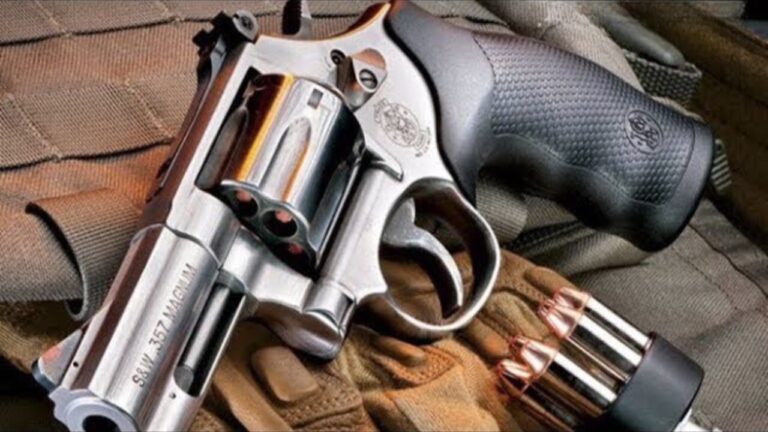
Smith & Wesson Model 340 PD
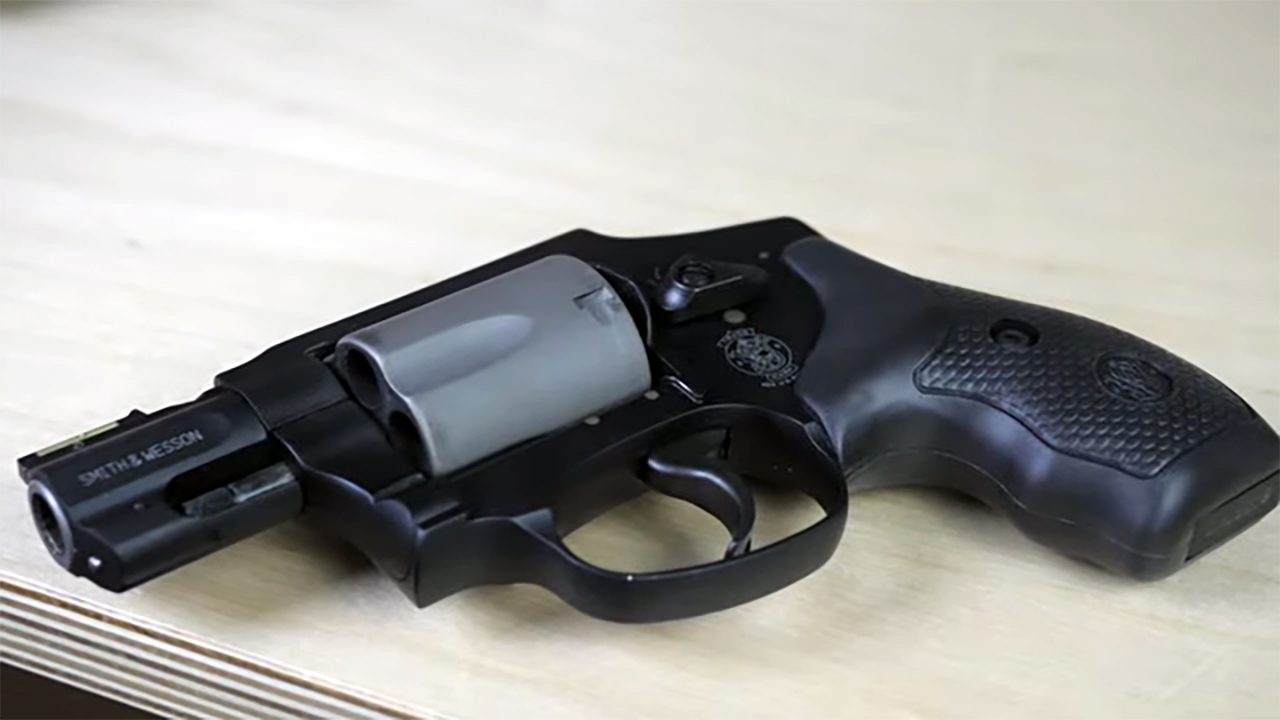
The Smith & Wesson Model 340 PD is extremely easy to want when someone first picks it up. Its scandium-alloy frame and titanium cylinder make it unbelievably light for a revolver chambered in .357 Magnum. It disappears into a pocket, carries comfortably all day, and appears to offer serious power without the weight of a steel revolver.
The first cylinder of full-power .357 Magnum ammunition can destroy that excitement. Recoil is violent, the muzzle blast is severe, and the tiny grip gives the shooter very little leverage. Many owners immediately switch to .38 Special loads, which makes the expensive magnum-rated construction feel unnecessary. The 340 PD is an outstanding carry gun for experienced shooters who understand the tradeoff. Buyers expecting a lightweight revolver that remains pleasant to practice with often regret the purchase before the first box of ammunition is gone.
Glock 29
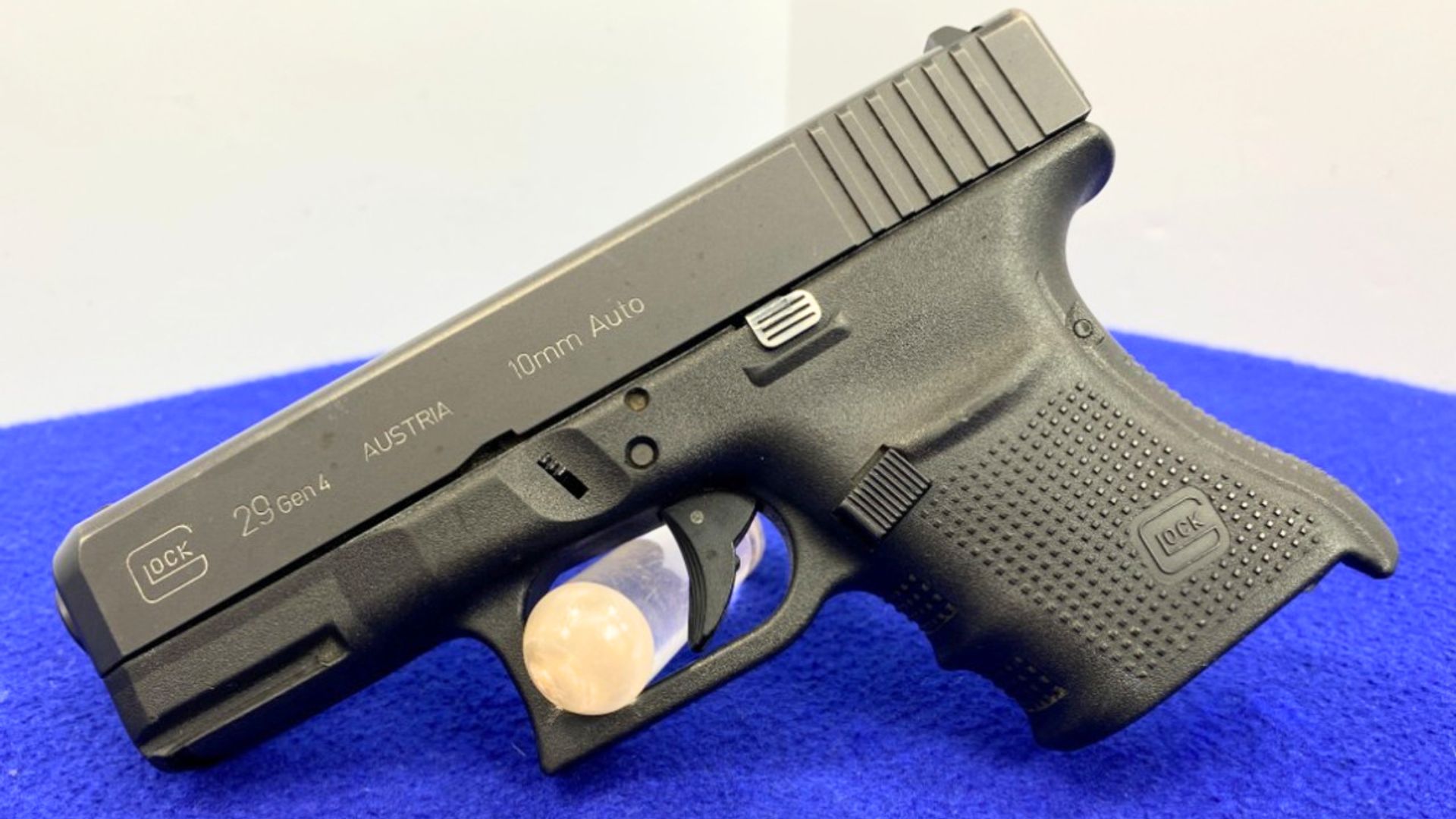
The Glock 29 promises full-power 10mm Auto performance in a compact pistol that can still be concealed. It accepts larger Glock 20 magazines, carries a serious cartridge, and has the durability associated with the Glock name. For hikers and outdoorsmen, it can look like the perfect compromise between power and portability.
At the range, the short grip and powerful cartridge make that compromise much harder to appreciate. Recoil is abrupt, the thick frame can feel awkward, and the compact dimensions leave little room for the support hand. Adding a grip extension makes the pistol easier to control but also reduces its concealment advantage. Some factory 10mm loads are mild enough to handle comfortably, while true full-power ammunition exposes how demanding the gun can be. Many owners eventually wish they had purchased the larger Glock 20, which is easier to shoot and makes better use of the cartridge.
Ruger LCP

The original Ruger LCP became one of the most popular pocket pistols in America because it is incredibly easy to carry. It is thin, light, affordable, and small enough to fit into clothing that would never hide a conventional handgun. At the store, those qualities can make it seem like the ideal concealed-carry solution.
The first range trip reminds owners that a pistol designed around carrying comfort rarely provides shooting comfort. The grip is tiny, the sights are minimal, and recoil feels sharper than many people expect from .380 ACP. The long trigger and short sight radius make accurate shooting difficult beyond very close distances. It can serve as a deep-concealment gun, but it is not enjoyable enough to encourage frequent practice. Many buyers leave the range wishing they had chosen a slightly larger pistol that they could shoot with greater confidence.
Taurus 856 Ultralite
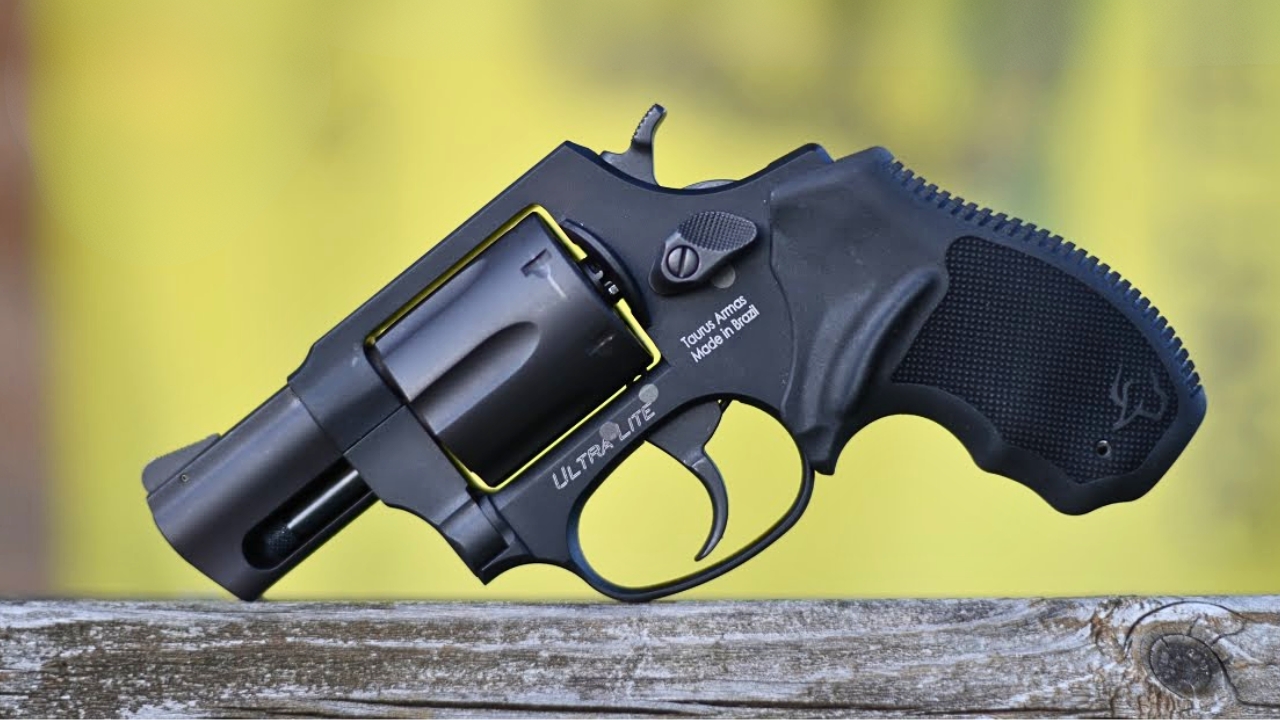
The Taurus 856 Ultralite gives buyers six rounds of .38 Special in a compact revolver that weighs less than many steel-framed competitors. Its price is attractive, the extra round is appealing, and the simple double-action design makes it look like a practical defensive handgun.
The lightweight frame creates more recoil than inexperienced buyers expect, especially with defensive +P ammunition. The small factory grip can allow the trigger guard to strike the middle finger, while the heavy double-action pull makes accurate shooting difficult without practice. Quality can also vary enough that timing, extraction, and trigger feel should be checked carefully. A good 856 Ultralite can be useful, but buyers expecting the mild shooting experience of a full-size .38 revolver may find the first range session unexpectedly harsh and frustrating.
KelTec PF-9
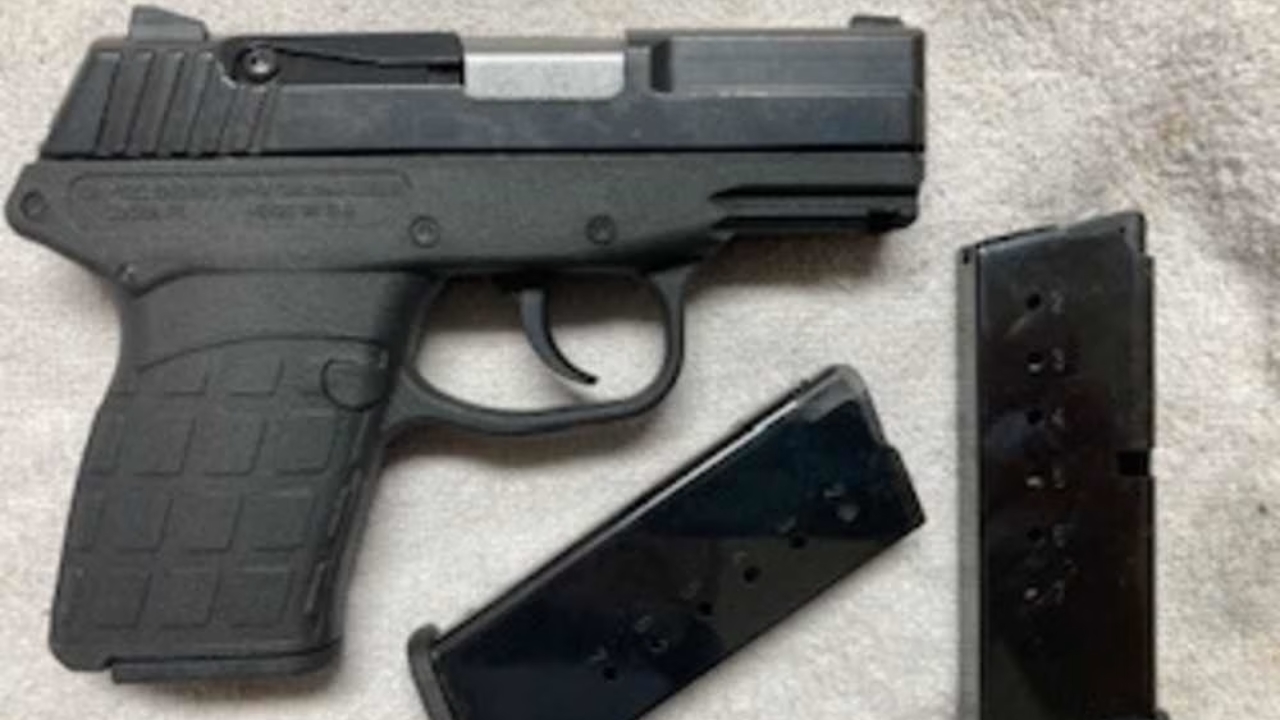
The KelTec PF-9 gained attention by placing 9mm power into one of the thinnest and lightest pistols of its era. It was inexpensive, easy to conceal, and chambered in a cartridge most buyers considered more capable than .380 ACP. The feature list made it especially attractive to people buying their first dedicated carry gun.
Its low weight and narrow grip produce sharp recoil, and the long trigger makes accurate shooting more difficult than the compact size suggests. Some examples run reliably, while others require ammunition experimentation, polishing, or factory service. The gun also feels inexpensive in the hand and can become uncomfortable after only a few magazines. Owners often realize that saving money and weight created a pistol they do not enjoy practicing with. Many eventually replace it with a Shield, Glock, SIG Sauer, or Ruger that costs more but inspires far greater confidence.
Magnum Research BFR .45-70
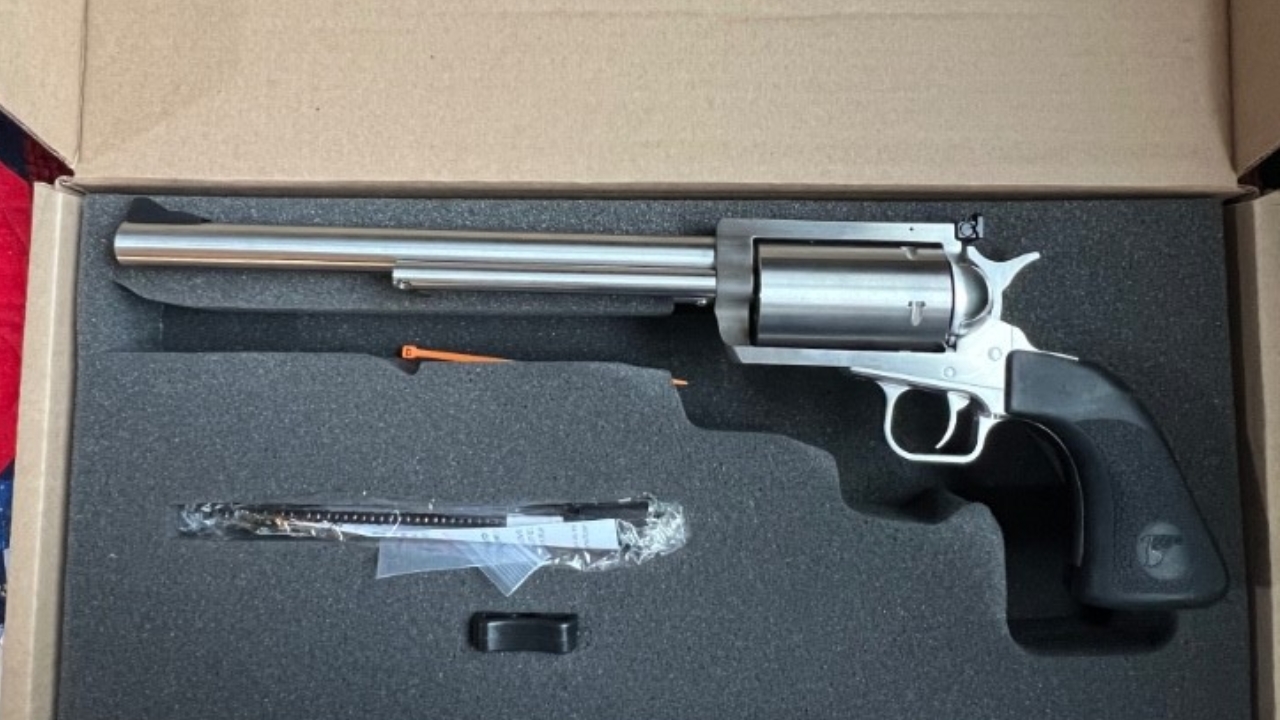
The Magnum Research BFR chambered in .45-70 Government is the kind of revolver that creates immediate excitement. It fires a rifle cartridge, has enormous proportions, and offers the kind of power that guarantees attention at any range. Buyers often imagine a thrilling handgun-hunting experience and impressive fireballs.
The first few shots can reveal how specialized the revolver really is. It is extremely heavy, difficult to hold steadily without support, and capable of producing punishing recoil with strong loads. Ammunition is expensive, and the single-action loading process slows range sessions considerably. The gun is capable in the hands of an experienced handgun hunter, but most owners will never need its power. Buyers who purchased it mainly for the novelty often discover that it is more enjoyable to show people than to fire repeatedly.
Bond Arms Snake Slayer
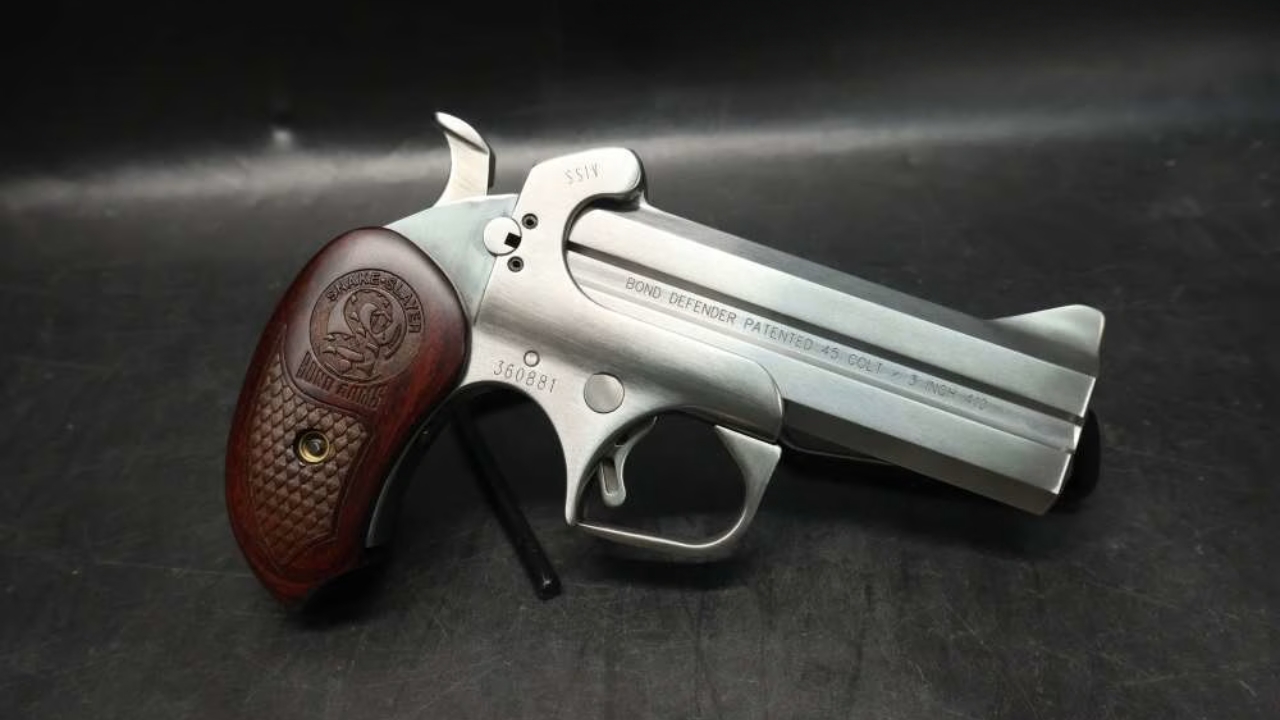
The Bond Arms Snake Slayer looks like a rugged modern interpretation of the classic derringer. Its stainless-steel construction feels substantial, interchangeable barrels add versatility, and chamberings such as .45 Colt and .410 shotshell give it a reputation for serious close-range power.
The first range trip often exposes the cost of squeezing those cartridges into such a small platform. The grip provides limited leverage, the trigger can be difficult to press correctly, and recoil becomes unpleasant quickly. The gun holds only two rounds and requires a slow manual reload. Shotshell performance is also more limited than many owners expect from the short rifled barrels. The Snake Slayer is beautifully built and can serve a narrow trail or pest-control role, but buyers expecting a compact powerhouse may leave the range wishing they had bought a small revolver instead.
North American Arms .22 Magnum Mini-Revolver

The North American Arms Mini-Revolver is almost impossible to resist when someone sees how small it is. It can fit into a tiny pocket, weighs almost nothing, and gives the owner a functioning revolver in a package smaller than many folding knives. The .22 Magnum chambering adds another layer of perceived capability.
Shooting it well is much harder than owning it. The tiny grip barely gives the fingers anything to hold, the sights are minimal, and cocking the hammer between shots slows the process. The muzzle blast is surprisingly sharp, while practical accuracy drops quickly as distance increases. It can serve as an extremely specialized backup gun, but it is not an easy defensive pistol or relaxing plinker. Many buyers love the concept until they realize how difficult it is to manipulate and shoot with confidence.
Springfield Armory Hellcat
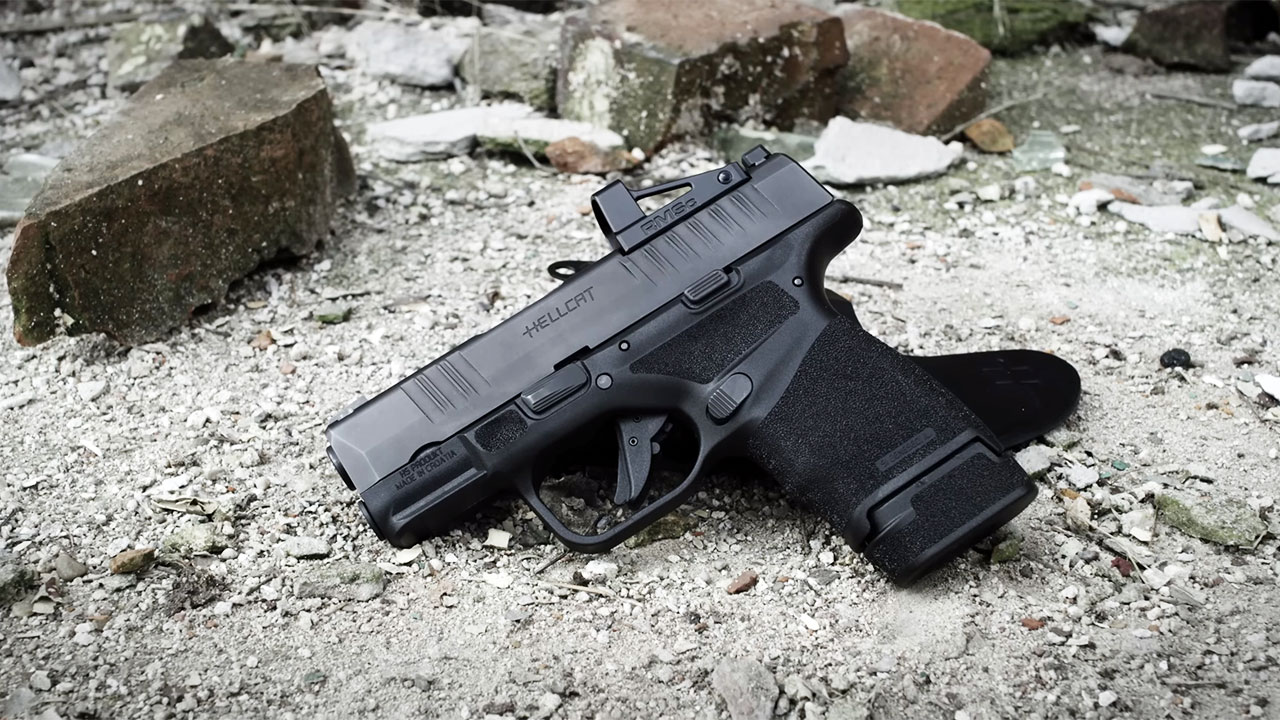
The Springfield Hellcat attracts buyers with excellent capacity, useful sights, aggressive grip texture, and dimensions small enough for easy concealed carry. At the counter, it feels like a serious defensive pistol that provides almost everything a larger gun can offer.
The first range session can be a surprise. The Hellcat has a sharp, quick recoil impulse that some shooters find harsher than competing micro-compacts. The short grip and light slide demand a firm two-handed hold, and longer shooting sessions can become tiring. It remains accurate and reliable for many owners, but it does not hide the physical cost of squeezing 9mm performance into such a small frame. Buyers who value shootability more than minimal dimensions often wish they had chosen the Hellcat Pro, Shield Plus, or a compact pistol with more weight.
Kimber Micro 9

The Kimber Micro 9 has the kind of appearance that sells guns quickly. Its metal frame, exposed hammer, attractive finishes, and miniature 1911-style controls make it feel more refined than an ordinary polymer carry pistol. It can look like the perfect combination of traditional craftsmanship and modern concealment.
At the range, the light frame and small grip create a sharp recoil impulse. The thumb safety and single-action trigger also demand consistent handling, yet many buyers choose the pistol primarily because of its appearance rather than familiarity with the system. Some examples run extremely well, while others can be sensitive to magazines or ammunition. The gun is expensive enough that owners expect a polished experience from the first shot. When it feels snappy or suffers an early malfunction, regret can arrive very quickly.
Smith & Wesson Model 500

The Smith & Wesson Model 500 is often purchased for one reason: it is among the most powerful production revolvers available. Its massive X-frame, huge cartridges, and intimidating appearance make it a bucket-list gun for many enthusiasts.
The first range trip makes the practical limitations impossible to ignore. Even with the revolver’s substantial weight and muzzle brake, recoil and blast are severe. Ammunition can cost several dollars per round, and repeated shooting becomes physically exhausting. The gun is too large for ordinary carry and offers far more power than most hunters or outdoorsmen need. It remains an impressive engineering achievement and a capable hunting revolver, but many casual buyers soon realize they would have enjoyed a .44 Magnum far more and shot it much more often.
Walther P22
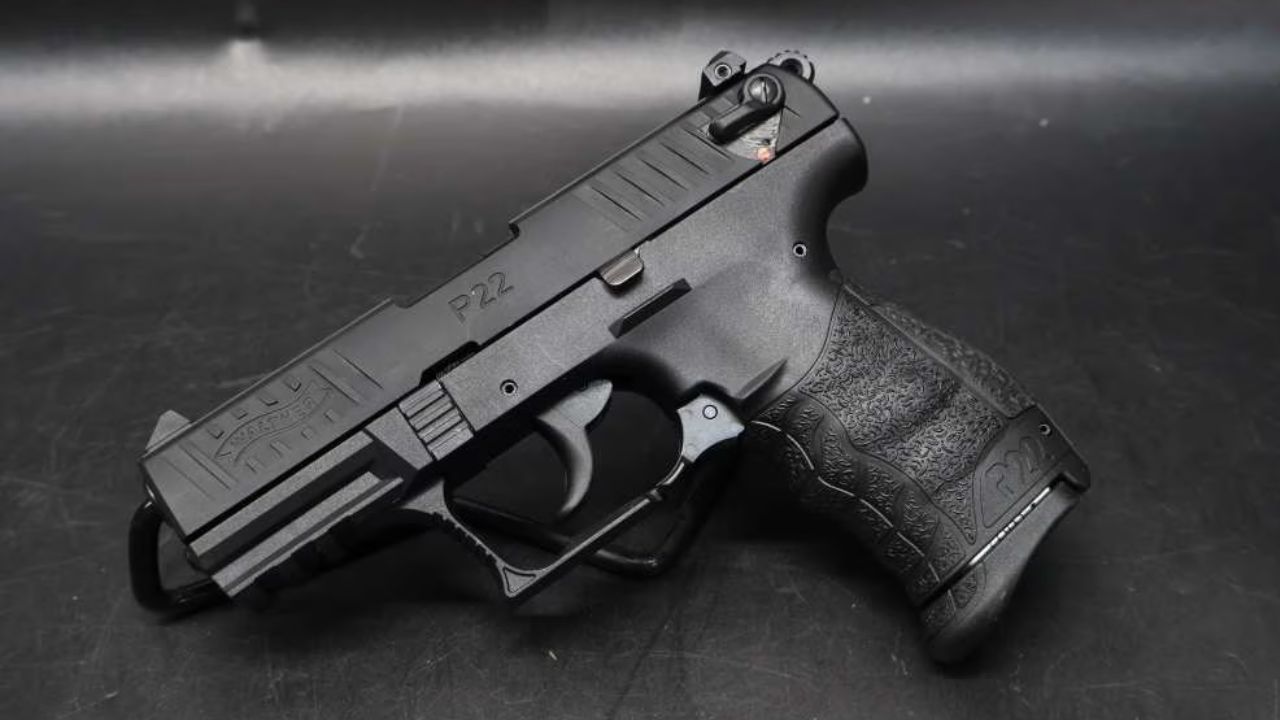
The Walther P22 attracts new shooters because it looks like a modern defensive pistol rather than a traditional rimfire target gun. Its compact dimensions, interchangeable backstrap, and familiar controls make it seem ideal for inexpensive practice and casual plinking.
The first range trip can turn into an ammunition test. Some examples run well with high-velocity loads, while others suffer failures to feed, extract, or cycle consistently. The small grip and short sight radius also limit how useful it is as a serious target pistol. Owners who expected Walther quality may be disappointed when a Ruger Mark IV, Browning Buck Mark, or Taurus TX22 operates more consistently. A reliable P22 can be fun, but too many buyers spend their first session diagnosing the gun instead of enjoying it.
DoubleTap Tactical Pocket Pistol
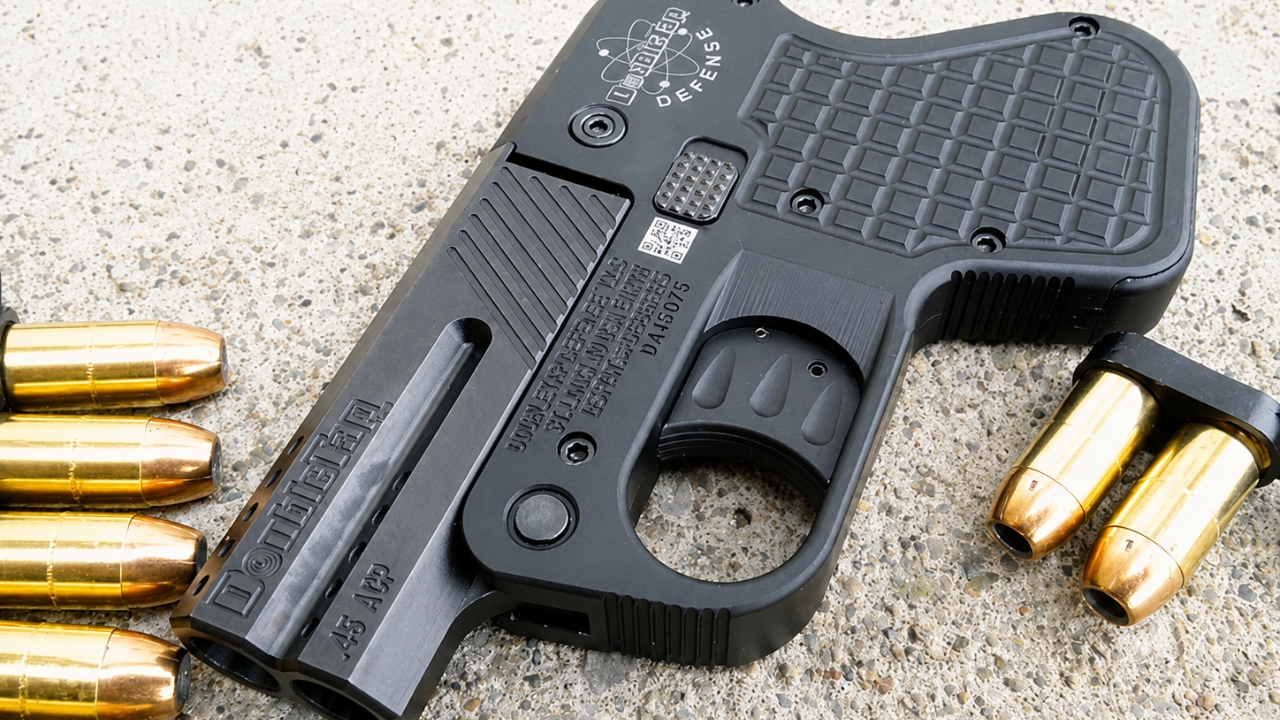
The DoubleTap Tactical Pocket Pistol appears to solve the challenge of carrying a powerful handgun in the smallest possible space. Its flat two-shot design can chamber cartridges such as 9mm or .45 ACP and is thin enough to hide almost anywhere.
That thinness makes the gun extremely difficult to shoot comfortably. The grip offers almost no cushioning or leverage, the trigger is heavy, and recoil travels directly into the hand. Two shots provide little room for error, and reloading is much slower than replacing a magazine. Owners often discover that the pistol is so unpleasant that they do not want to practice with it. A defensive gun that discourages training loses much of its value. Many buyers leave the first range trip wishing they had accepted a slightly larger pistol with greater capacity and much better control.
Mossberg Shockwave
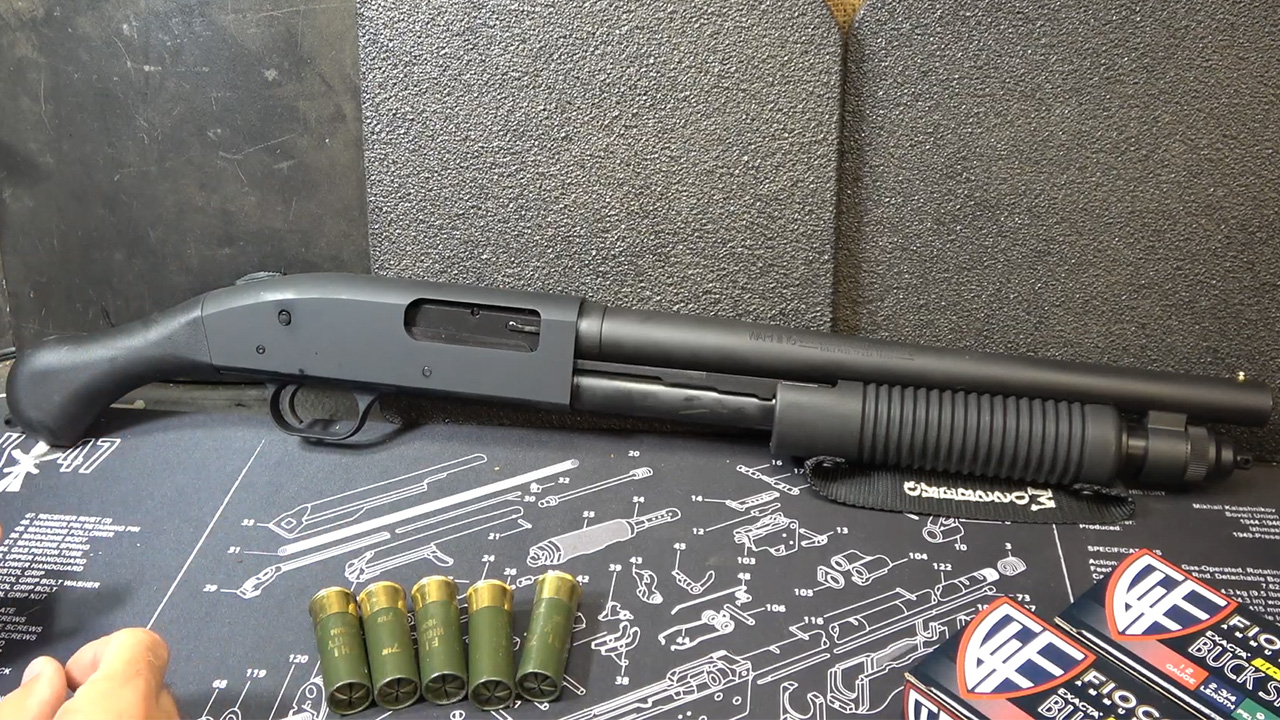
The Mossberg Shockwave became extremely popular because it offers a compact firearm built around the proven Mossberg 590 action. Its short barrel and bird’s-head grip give it a dramatic appearance without placing it into the same legal category as a traditional short-barreled shotgun under federal law, provided it remains in its approved configuration.
The shooting experience is more awkward than many buyers expect. Without a shoulder stock, controlling recoil and aiming consistently require specialized technique. Firing from the hip may look natural, but it makes accurate shot placement difficult. Raising the gun to eye level can expose the shooter to painful recoil if the grip is not managed correctly. The Shockwave can be useful with proper training, but buyers expecting a compact shotgun that handles like something seen in a movie often wish they had purchased a conventional stocked 18-inch pump instead.
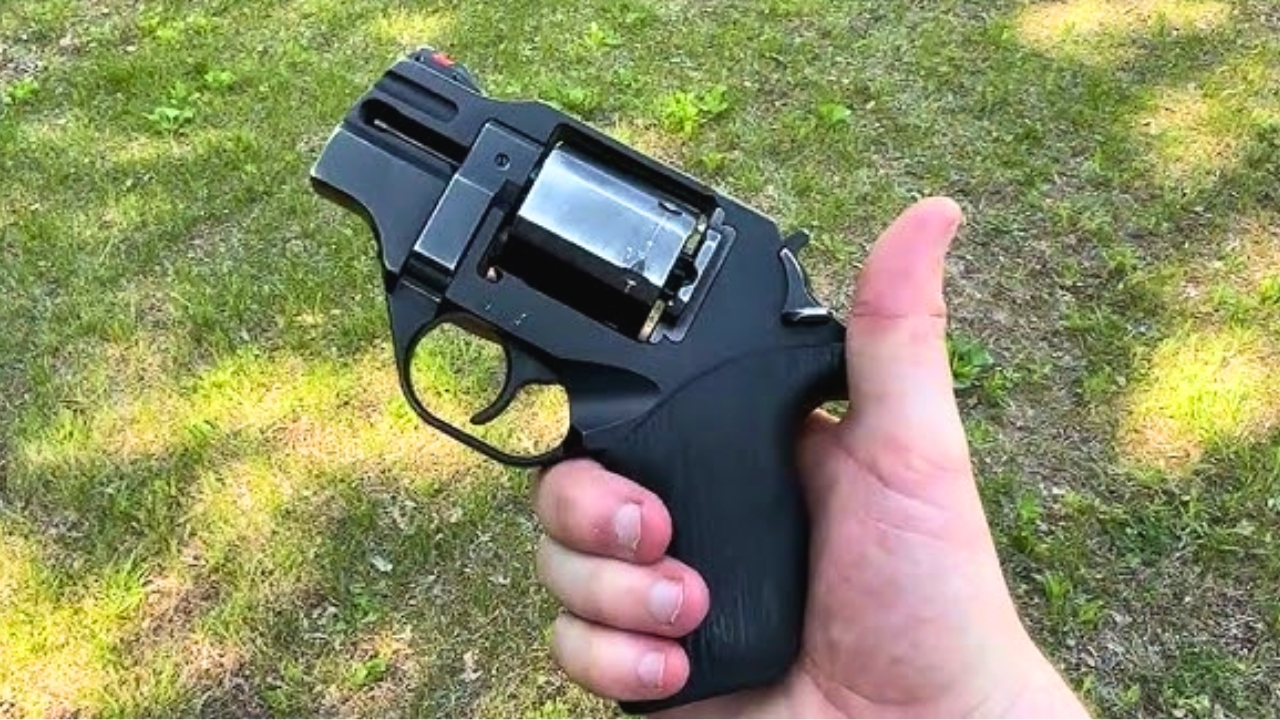
Chiappa Rhino 20DS
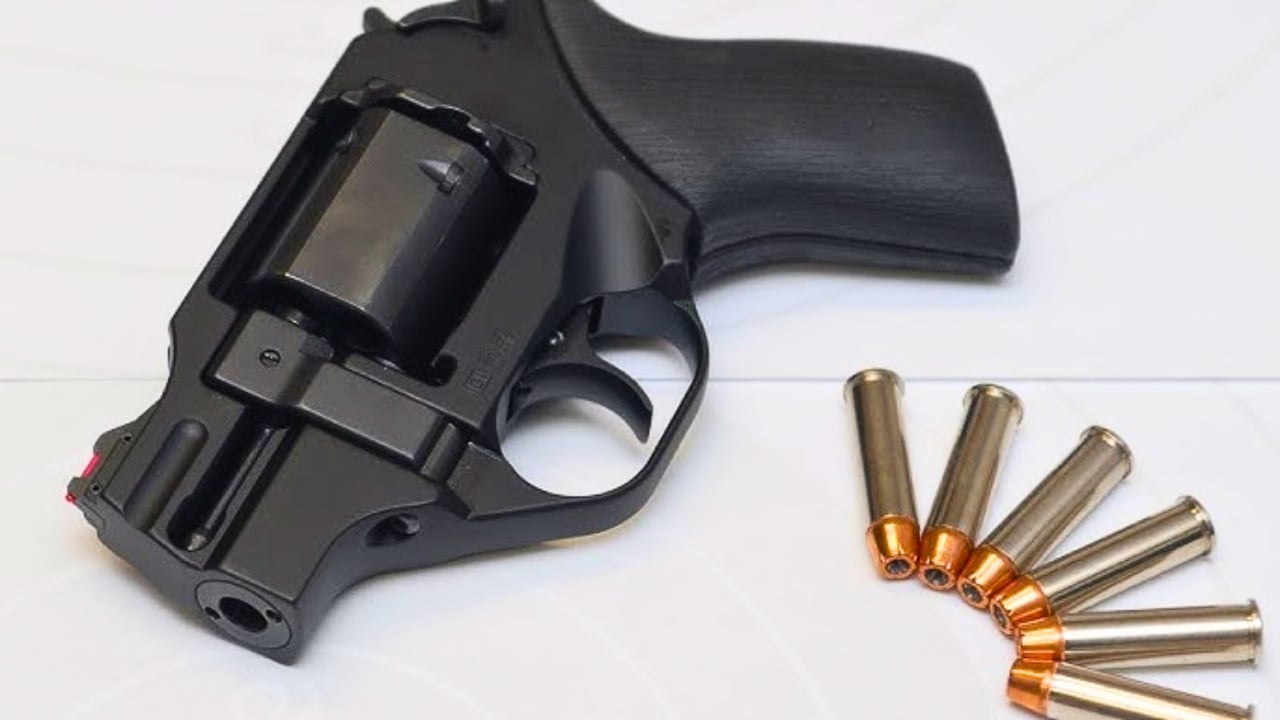
The Chiappa Rhino 20DS looks like one of the most advanced compact revolvers available. Its barrel aligns with the bottom chamber of the cylinder, lowering the bore and directing recoil more directly into the hand. The flat-sided cylinder and futuristic frame make it stand apart from every conventional snub nose.
The unusual design creates an equally unusual shooting experience. The trigger and cocking system feel different from traditional revolvers, the grip shape does not suit everyone, and the short barrel still produces considerable blast with .357 Magnum ammunition. Service, holsters, and replacement parts are also harder to find. The low bore does reduce muzzle rise, but that does not automatically make the tiny Rhino comfortable or intuitive. Buyers attracted to the engineering may leave the range wishing they had chosen a simpler Model 60, SP101, or K6S.
Ruger American Compact .45 ACP
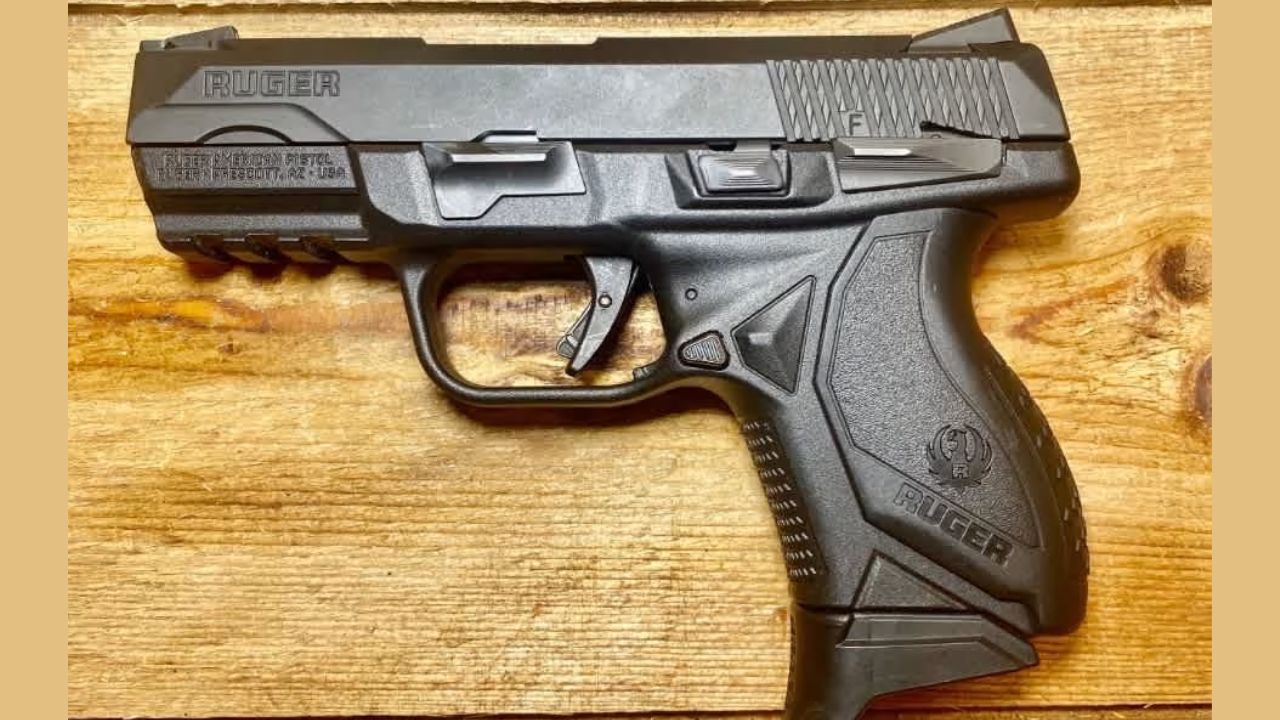
The Ruger American Compact in .45 ACP sounds like a rugged defensive pistol that combines a respected American brand, a powerful cartridge, and a compact frame. Its modular grip system and overbuilt construction suggest it should be an excellent hard-use handgun.
At the range, many shooters find it bulky and awkward despite the compact label. The grip is thick, the slide is heavy, and the pistol feels large for its magazine capacity. Recoil is manageable, but the trigger and overall balance rarely stand out beside competing .45 pistols. The aftermarket is also limited, making holsters, magazines, and replacement sights less convenient to source. Owners often realize that a Glock 30, M&P45 Compact, or full-size .45 would have delivered a more established and better-supported package.
Charter Arms Bulldog

The Charter Arms Bulldog has a legendary reputation as a compact .44 Special revolver. It is much lighter and easier to carry than a full-size .44 Magnum, while the large-caliber cartridge gives it obvious defensive and field appeal.
The first shots reveal how much recoil a lightweight revolver can generate even with standard-pressure .44 Special ammunition. The grip is small, the trigger can feel rough, and the sights are basic. Fit and finish also vary enough that some buyers encounter extraction, timing, or cylinder issues. The Bulldog remains one of the few affordable revolvers filling its particular role, but it is not a gentle big-bore carry gun. Owners expecting the mild push associated with heavy full-size .44 revolvers may be surprised by how sharp and difficult the compact Bulldog feels.
Heritage Rough Rider 16-Inch
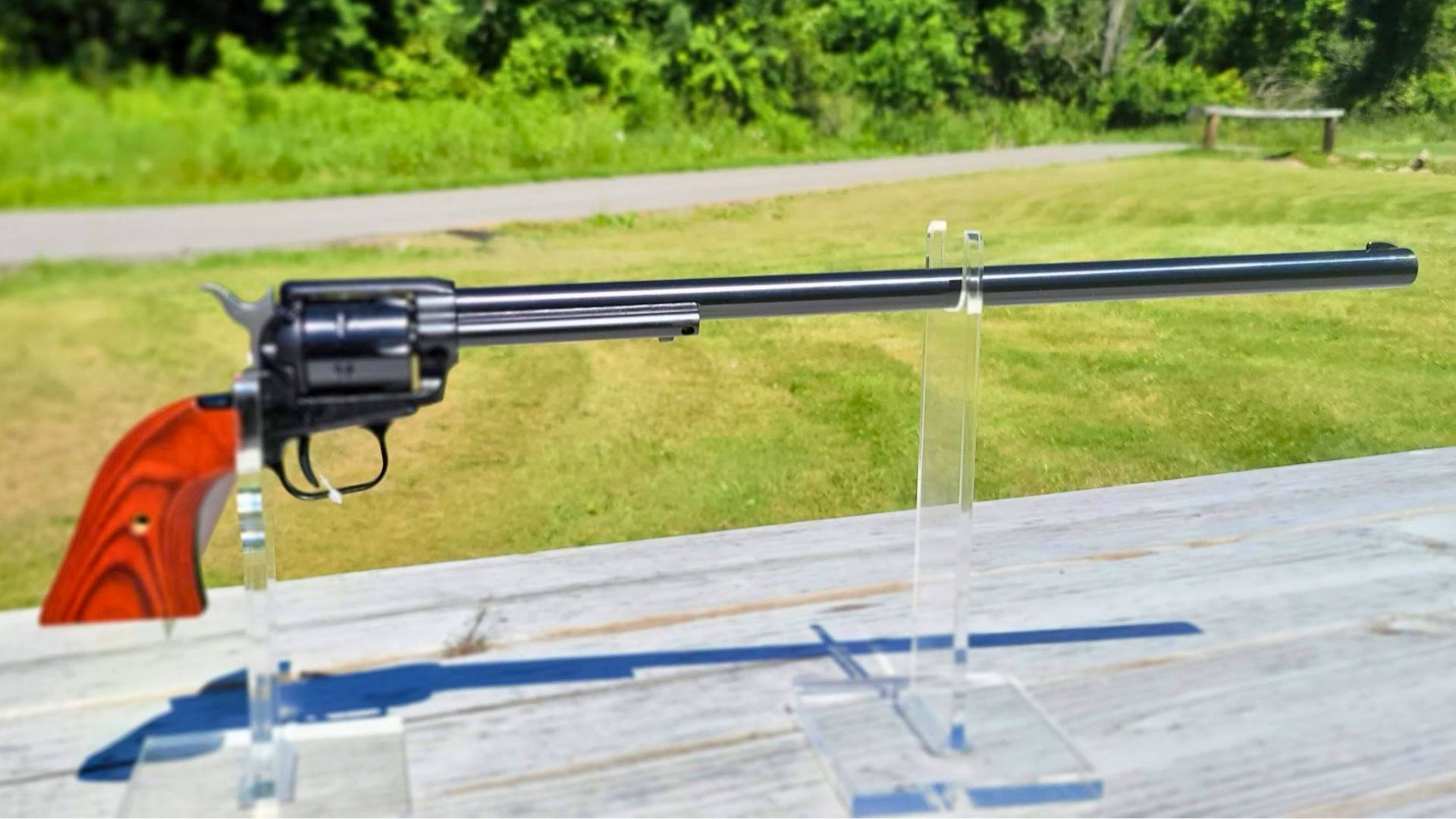
The 16-inch Heritage Rough Rider attracts buyers because it is absurd, inexpensive, and impossible to overlook. The extremely long barrel creates a dramatic appearance, adds sight radius, and turns an ordinary budget .22 revolver into a conversation piece.
The novelty can wear off during the first range session. The gun is muzzle-heavy, awkward to transport, slow to draw from any practical holster, and no more useful than a basic rimfire revolver for most shooting. The inexpensive sights and trigger also limit the precision buyers may expect from the long barrel. It remains entertaining and makes a memorable range toy, but many owners discover they would have used a normal Rough Rider or a .22 rifle far more often.
Savage 110 Ultralite in .300 Winchester Magnum

The Savage 110 Ultralite attracts hunters who want magnum performance without carrying a heavy rifle through steep terrain. Its carbon-wrapped barrel and lightweight construction make it sound ideal for western hunts where every ounce matters.
The first bench session can make the downside obvious. A lightweight rifle chambered in .300 Winchester Magnum produces substantial recoil, muzzle blast, and movement. The thin stock and low overall mass can make it difficult to shoot consistent groups, especially before the hunter learns proper technique. It may carry beautifully, but practicing enough to become confident can be unpleasant. Buyers who choose the magnum because it sounds versatile often wish they had selected a milder cartridge or a heavier rifle that was easier to shoot accurately.
Century Arms RAS47

The Century Arms RAS47 attracted buyers by offering an American-made AK-pattern rifle at a time when imported options were becoming more expensive. It had familiar styling, broad magazine compatibility, and a price that made the AK platform accessible to new owners.
The first range trip may not expose every issue, but early signs of rough operation, canted components, or poor fit can begin the regret. More serious concerns developed around bolt, carrier, and trunnion wear in some rifles, damaging confidence in a platform purchased largely for durability. Even owners whose rifles functioned correctly had to live with a terrible reputation and weak resale value. Many eventually wished they had spent more on a WASR-10, Zastava, or another AK with a stronger record for long-term service.
Like The Avid Outdoorsman’s content? Subscribe to our newsletter so you never miss an article.
Here’s more from us: