Photo credit: Loftis/GunBroker
I’m going to write a clean Outdoor Life–style intro, then 15 true H2 sections (125–150 words each, 2+ paragraphs) on duty pistols that can be pickier with low-powered or inconsistent “cheap” range ammo—no links, no numbering, no dividers.
Cheap practice ammo is a mixed bag. Sometimes it’s great. Sometimes it’s underpowered, inconsistent, extra dirty, or loaded with bullets that have weird profiles and hard primers. A true duty pistol is built to run, but it still relies on a certain amount of slide speed and consistent ignition. When the ammo’s on the ragged edge, you start seeing patterns—short-stroking, failures to lock back, sluggish ejection, or light strikes that magically disappear when you switch brands.
This isn’t about blaming the gun for every hiccup. A lot of “my pistol hates cheap ammo” is really “my pistol hates weak ammo, dry rails, and filthy mags all happening at once.” Still, some duty pistols and common configurations show up more often in those conversations—usually because they’re sprung a little stiff, fit a little tight, or run best when you don’t ask them to digest the sketchiest bargain bin loads.
SIG Sauer P320 (full-size and compact)

The P320 is widely issued and generally runs well, but it can be less forgiving with truly soft practice ammo. When the load is underpowered, you’ll see classic short-stroke behavior—weak ejection, occasional failures to fully return to battery, and sometimes failures to lock back. It’s not that the gun is fragile. It’s that it likes a certain amount of slide speed to stay boring and consistent.
The other factor is how dirty cheap ammo can be. Fouling builds, friction increases, and suddenly that marginal load is even more marginal. You can usually “fix” the problem with better ammo, a light lubrication, and magazines that aren’t packed with range dust. If your P320 runs everything except the weakest stuff, that’s a pretty normal story.
SIG Sauer P226
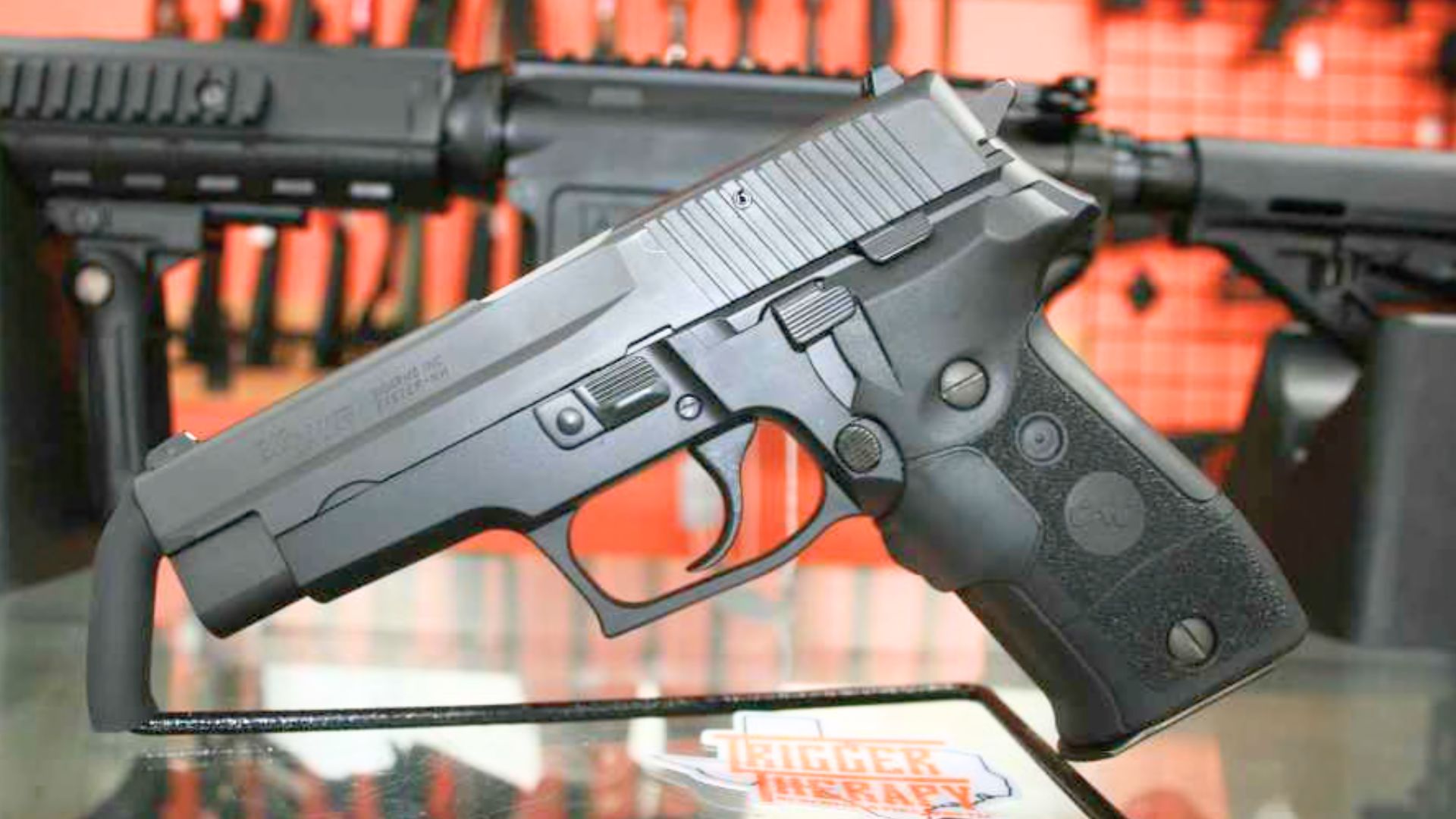
The P226 has a reputation for running hard, but it’s also a full-size pistol with a stout recoil system in many configurations. When cheap ammo is soft, you can run into sluggish cycling—especially if the gun is dry or heat-soaked. The symptoms often look like weak ejection and inconsistent slide lock on the last round.
Another issue with bargain ammo is inconsistency. A P226 will eat a lot, but when you get loads with big velocity swings, you’ll see your ejection pattern scatter and your reliability get a little less predictable. The fix is rarely dramatic: keep it lightly lubricated, run clean mags, and accept that some bulk loads are built for price, not consistency. The P226 usually behaves the moment the ammo does.
Beretta 92FS / M9
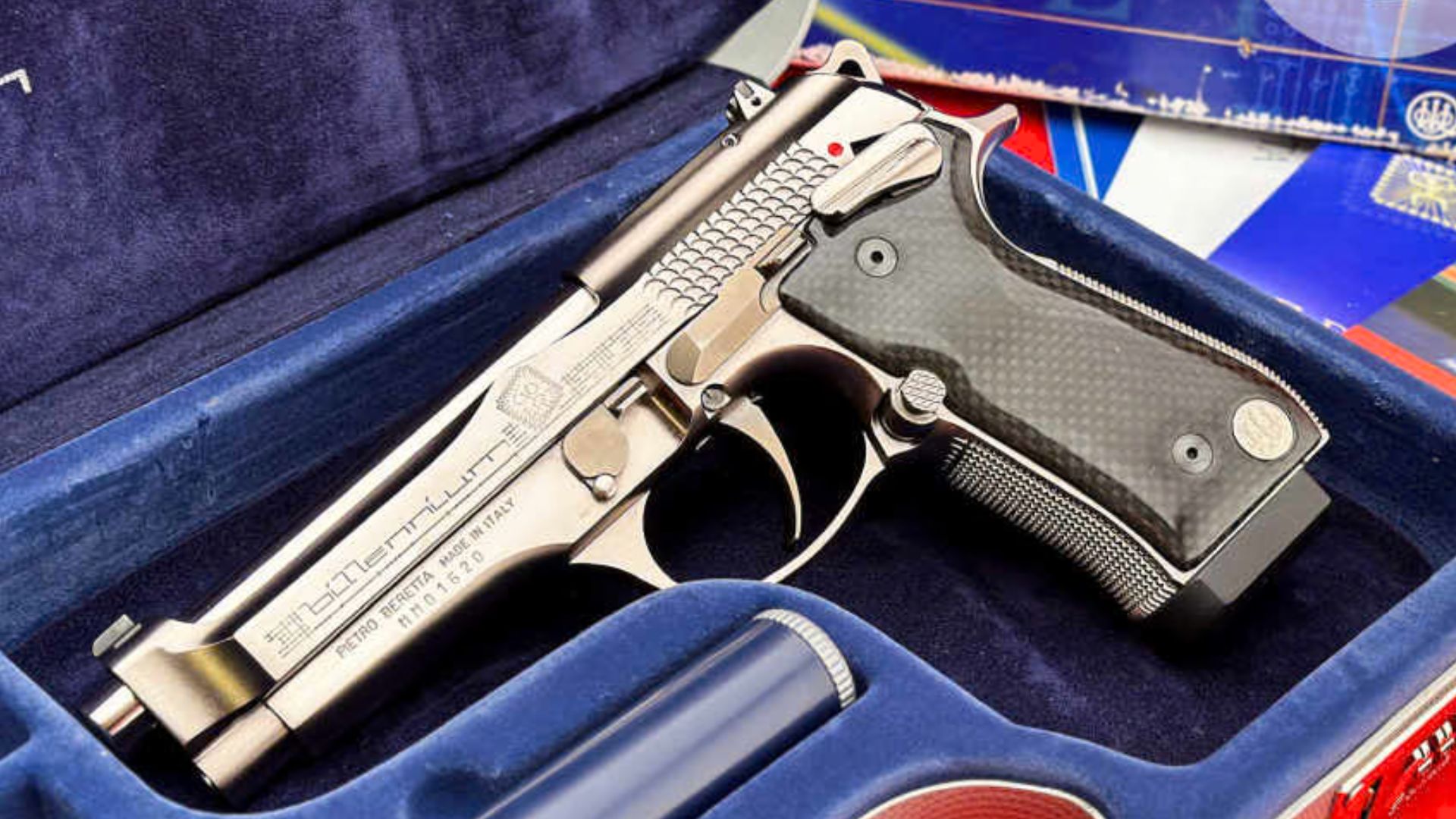
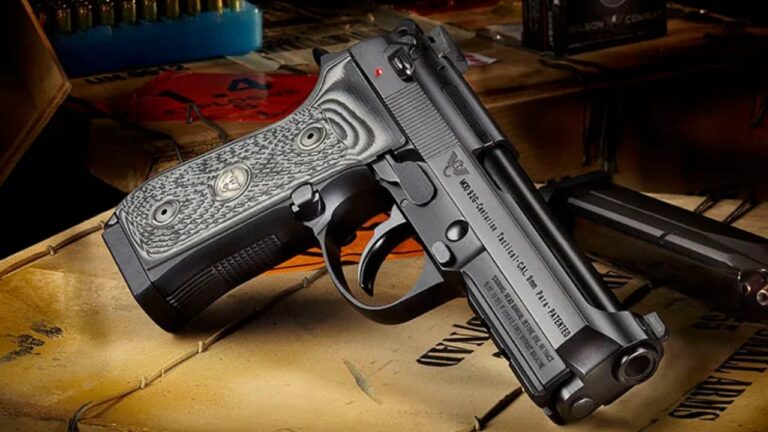
The Beretta 92 series is famously reliable, but it can still show frustration with low-powered, dirty range ammo—especially when the gun is dry and the magazines are tired. Weak loads can produce soft ejection, inconsistent slide lock, and the occasional feed hiccup that feels random until you switch ammo and it disappears.
A lot of the “92 hates cheap ammo” stories are magazine stories. Cheap ammo plus gritty mags plus old springs is a perfect recipe for sluggish feeding. The open-slide design keeps the gun running through some mess, but it also lets dust and crud migrate around more easily when you’re shooting dirty bulk loads. Keep good mags in the rotation and the pistol tends to stop being picky.
HK VP9
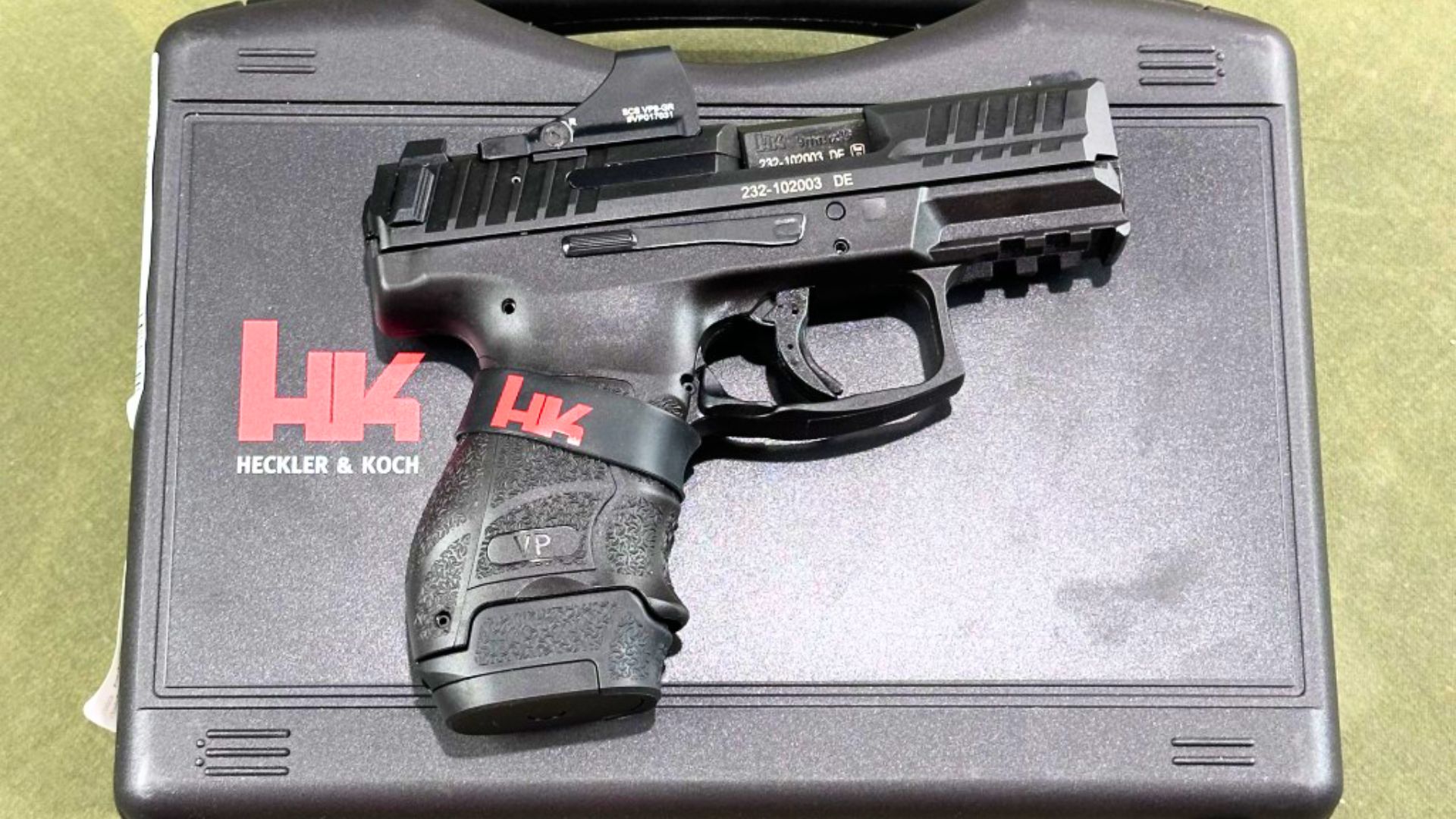
The VP9 is a modern duty pistol and usually very dependable, but it can feel a little less happy with weak practice ammo in certain guns—especially when everything is new and tight. When the load is soft, you may see failures to lock back or a sluggish cycle that shows up as occasional feeding weirdness.
Cheap ammo also tends to be smokier and dirtier, and striker-fired pistols can get cranky faster when the gun is bone-dry. The VP9’s slide and recoil system like to run with enough energy to be consistent. If you’re shooting bargain loads and seeing intermittent issues, it’s often not the gun “disliking” cheap ammo as much as it’s telling you the load is right on the edge. Better ammo usually makes the problem vanish immediately.
HK P30
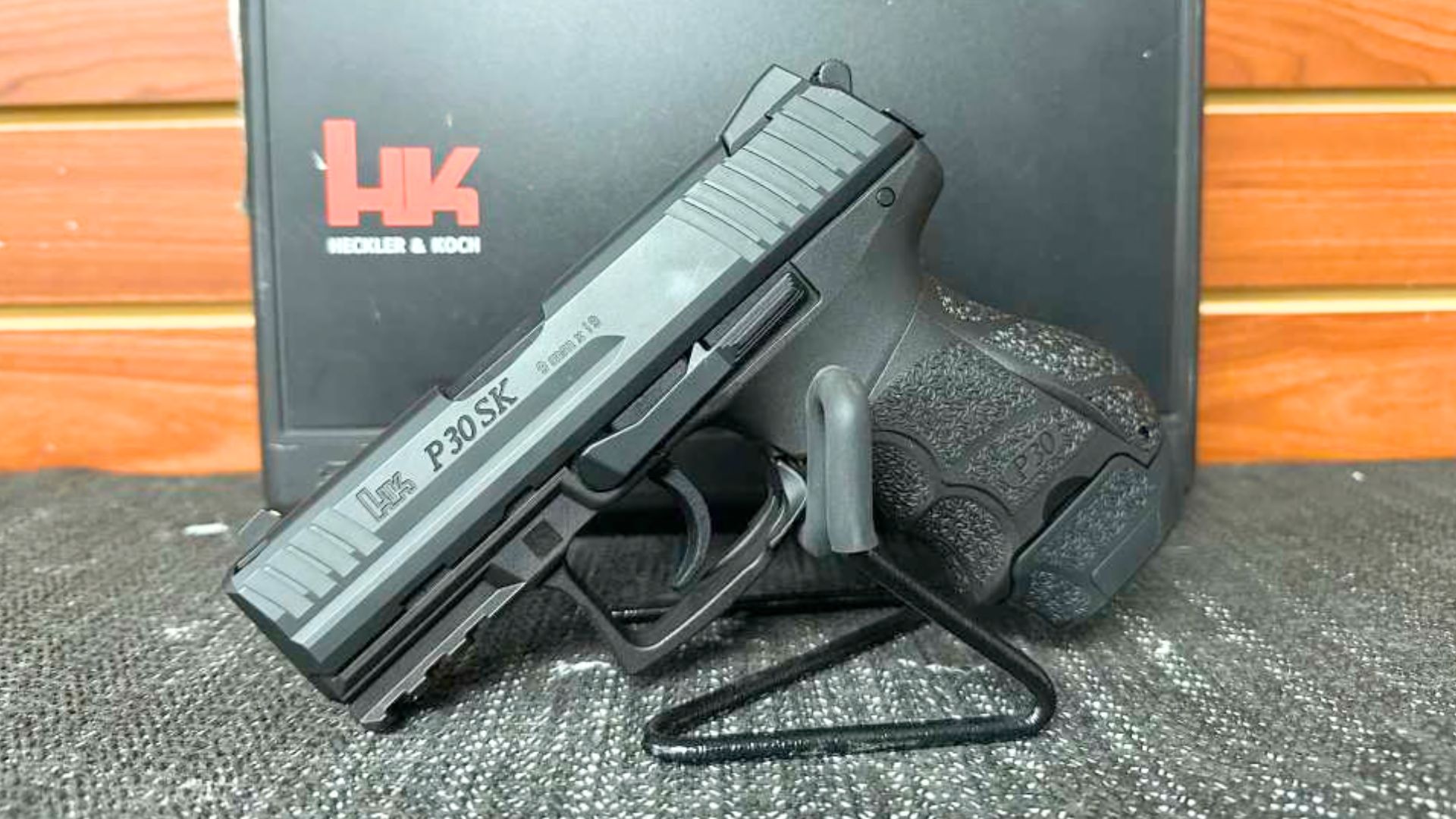
The P30 is another pistol with a strong reputation, and it’s also often sprung like a duty gun should be. That can mean it prefers ammo that isn’t anemic. With the softest bulk loads, you might see occasional failures to lock back or a cycle that feels less authoritative, especially if the gun is dirty or dry.
What catches people is that the P30 will run great for a while, then start showing small issues as fouling builds from cheap ammo. Dirty powder increases friction, and suddenly the margin disappears. A light lubrication and clean mags make a bigger difference than people expect. The P30 isn’t fragile. It’s just a duty pistol that’s tuned to run with duty-level reliability, and duty-level reliability assumes the ammo is at least reasonably consistent.
Walther PDP

The PDP is popular for good reason, but it’s also a pistol that can be more sensitive to ammo extremes depending on how it’s set up. With very soft practice ammo, you may see weaker ejection and occasional failures to lock back. Those are classic signs that the slide isn’t getting quite enough energy to complete the cycle consistently.
Cheap ammo can also bring harder primers and inconsistent ignition into the mix. When a pistol is running fast and you’re shooting volume, those little inconsistencies show up. The PDP is usually happiest when you keep it lightly lubricated and feed it decent training ammo. If you insist on the cheapest bulk loads, you can end up spending your range time diagnosing issues that are really just low-powered rounds trying to do a job they weren’t built for.
CZ P-10 C

The P-10 C is a solid duty-capable pistol, but with bargain ammo you may see failures to lock back or inconsistent ejection if the load is soft. The gun has a firm recoil feel, and like many striker pistols, it tends to reward ammo that generates consistent slide speed.
Cheap practice ammo also tends to be dirtier, and once the gun starts getting dry and fouled, the cycle slows a touch. That’s where a borderline load turns into a malfunction. Most shooters who run P-10s hard learn a simple truth: the pistol isn’t picky, but it doesn’t like being starved. Give it ammo that meets a reasonable power level and it usually becomes boring again.
FN 509

The FN 509 was built as a duty pistol, and part of that personality is firm springing. That’s great for durability and control, but it can make the gun less forgiving with truly weak practice ammo. The common signs are failures to lock back and occasional short-stroke behavior when the pistol is dry or dirty.
Cheap ammo can also be inconsistent, and the 509 will show you that with ejection pattern changes and a feel that varies shot to shot. If you’re running the 509 in dusty conditions, dirty bulk loads can accelerate the problem because fouling builds quickly. The pistol will usually run the moment you use better training ammo, or you keep it lubricated and stop asking it to cycle on the weakest loads you can find.
Springfield XD-M Elite
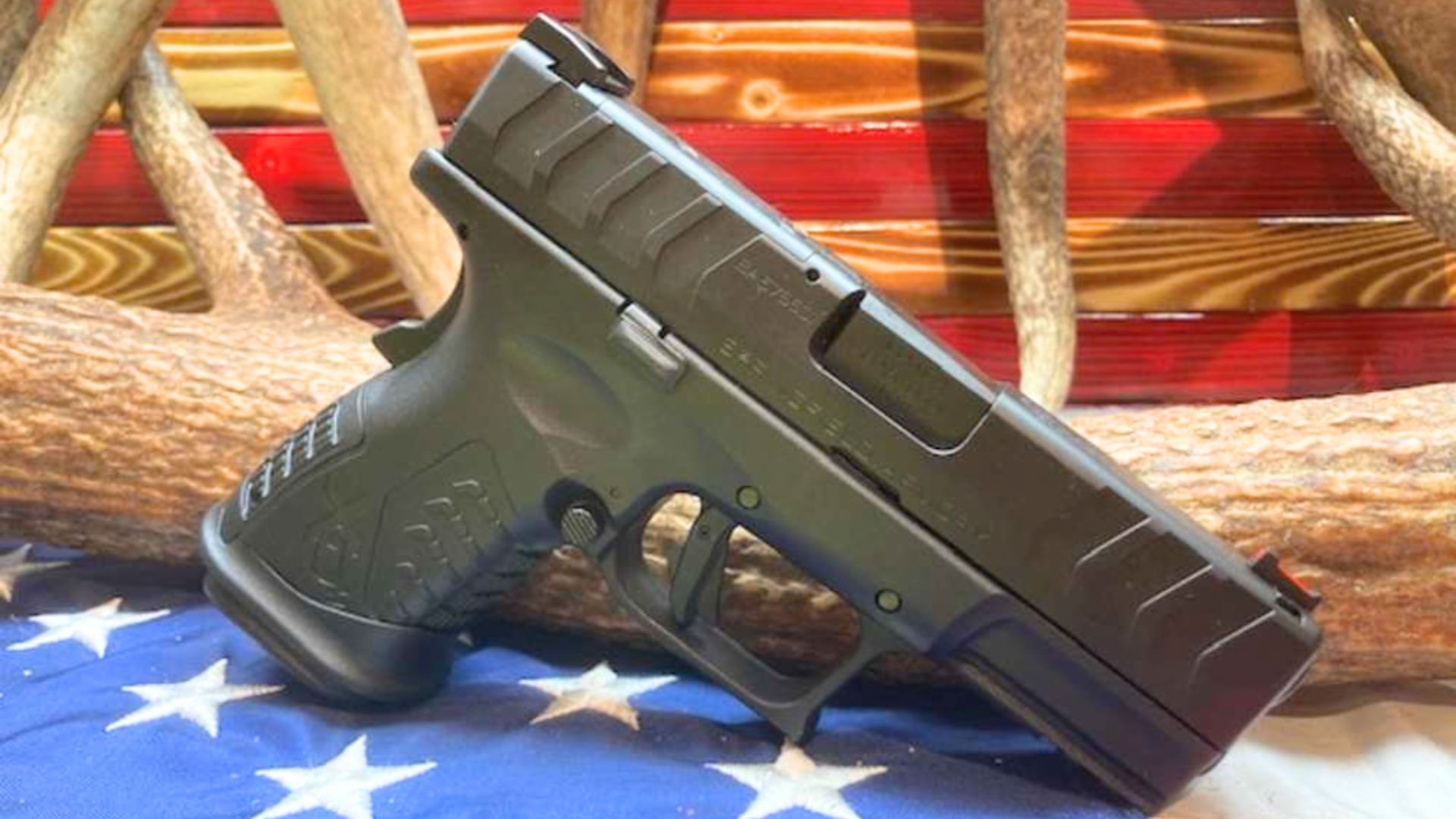
The XD-M line has a loyal following, but it can show sensitivity to bargain ammo when the loads are soft or the powder is extra dirty. A common complaint is inconsistent slide lock or occasional feeding issues late in a long session, when fouling has built up and everything is running slower.
Cheap ammo can also bring rougher case dimensions and inconsistent crimp into play. Most duty pistols will swallow some of that, but any pistol can start to stumble when the ammo is working against it. The XD-M Elite generally runs well with decent training ammo. If it’s choking on the cheapest stuff, it’s often telling you the load is marginal and the gun is getting dirty faster than your typical range routine accounts for.
Smith & Wesson M&P 2.0 (9mm)
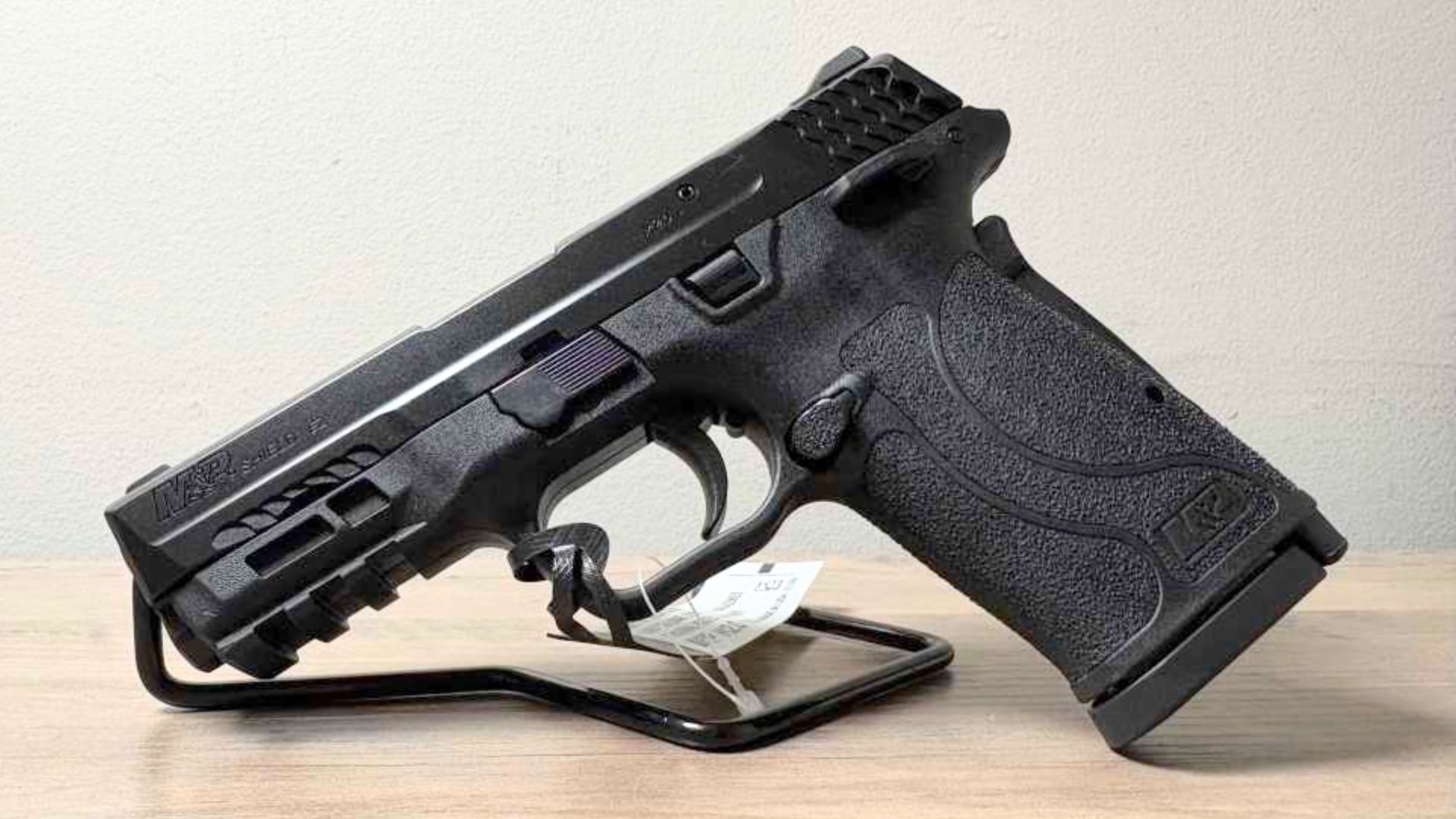
The M&P 2.0 is widely trusted and typically eats just about anything, but it can still show annoyance with bargain ammo that’s soft or inconsistent. The most common signs aren’t dramatic stoppages—they’re subtle issues like weak ejection, inconsistent lock back, and a cycle that feels less snappy than normal.
A lot of those issues show up when the pistol is run dry for long strings with dirty ammo. Cheap powder builds grime, friction rises, and the slide loses a little speed. That’s when marginal loads stop being “fine” and start being “iffy.” The M&P usually doesn’t need babying, but like any duty pistol, it runs best when you keep the rails lightly lubricated and you don’t expect bargain-basement ammo to behave like match-grade training rounds.
Glock 17 (Gen 5)

Glocks have a “runs everything” reputation, and most of the time they deserve it. Still, cheap practice ammo can cause problems that look like a Glock issue but are really an ammo issue—especially with weak loads. The Glock 17 will usually cycle, but you may see occasional failures to lock back or an ejection pattern that turns erratic when the ammo is inconsistent.
Hard primers can also show up in bargain loads. A Glock will generally ignite them, but when you start seeing random light strike complaints, it’s worth remembering some cheap ammo uses tougher primers and less consistent components. The Glock 17 will keep doing its job, but it can’t create power that isn’t there. When you feed it better training ammo, it usually goes right back to being boring.
Glock 19 (Gen 5)

The Glock 19 is a do-everything pistol, but the compact slide and recoil system can be a little less forgiving with very soft ammo than a full-size gun. Cheap practice loads that barely meet power thresholds can produce weak ejection or occasional lock-back failures, especially as the gun gets dirty.
Another reality is that cheap ammo can be inconsistent in overall length and crimp. That can affect feeding smoothness, particularly when magazines are dusty or springs are tired. Most of the time the fix is simple: swap to decent training ammo and the “problem” disappears. The Glock 19 isn’t picky in normal terms. It just doesn’t love being forced to run on ammo that feels like it was built to be “good enough” on paper.
Ruger American Pistol
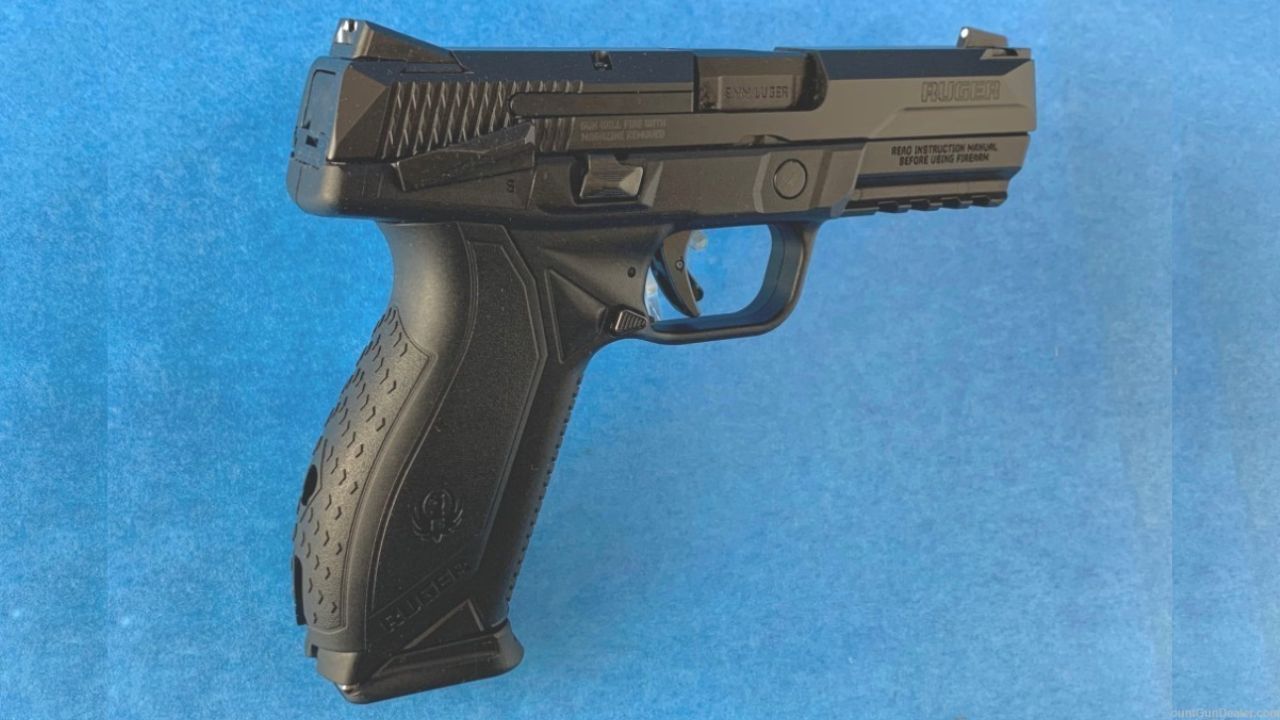
The Ruger American Pistol is underrated, and it can run well, but cheap ammo can expose the same issues you’ll see in other duty pistols: soft loads that short-stroke and dirty loads that build grime quickly. When things go sideways, it often looks like sluggish cycling and inconsistent lock back.
The other piece is magazine condition. Cheap ammo tends to be shot in high volume, which means your magazines get dusty, your follower gets gritty, and suddenly feeding isn’t as clean as it was at the start of the day. The pistol gets blamed, but the whole system is now dirty. With decent ammo and clean mags, the Ruger American usually behaves. With bottom-shelf bulk ammo and a dry gun, it can start acting like it’s “picky.”
IWI Masada

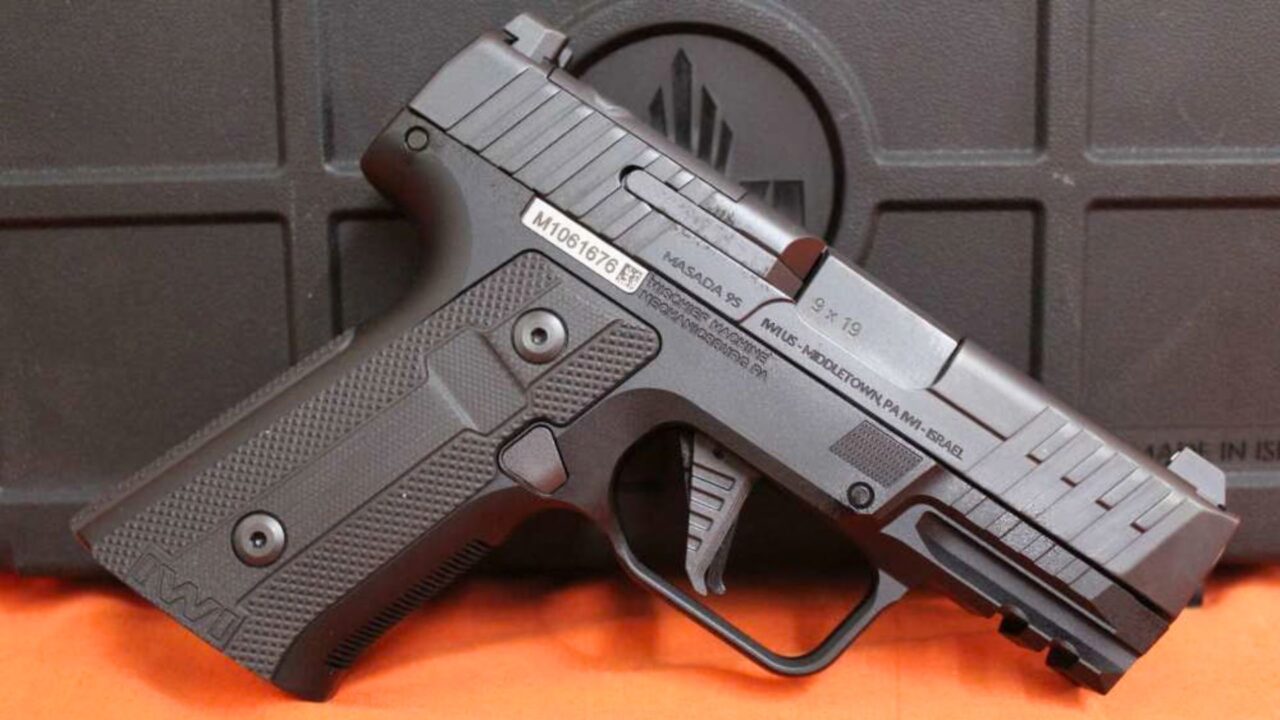
The Masada is built to be a duty-capable striker gun, and most examples run reliably. Where cheap practice ammo can bite you is in the margins—soft loads that don’t drive the slide with authority or inconsistent loads that produce erratic ejection and occasional lock-back issues. Those aren’t unique to the Masada, but they’re common “cheap ammo” symptoms.
Dirty bulk ammo also accelerates friction, and striker-fired pistols often prefer a little lubrication when you’re doing long sessions. If you run the Masada dry and feed it the softest bargain loads you can find, it can start to feel less confident. Most of the time, changing ammo solves it immediately, which tells you what you need to know. The pistol will run, but it likes ammo that’s at least consistently loaded.
Staccato P (2011-style)

A 2011 like the Staccato P is built for performance, and it’s generally very reliable with quality ammunition. Cheap practice ammo can introduce variables that high-end guns are less interested in tolerating—soft loads, inconsistent overall length, rough case dimensions, and dirty powder that turns the gun gritty faster than expected.
When a Staccato stumbles, it often shows up as a failure to return to battery or a feeding hesitation that feels surprising given the price tag. That’s usually not because the pistol is fragile. It’s because a tighter, higher-performance system expects decent ammo and good magazines. If you feed it bargain ammo and run it dry, you’re stacking the deck against it. With consistent training ammo and clean mags, it usually runs like you expected it to.
1911 duty-style guns (tighter production models)
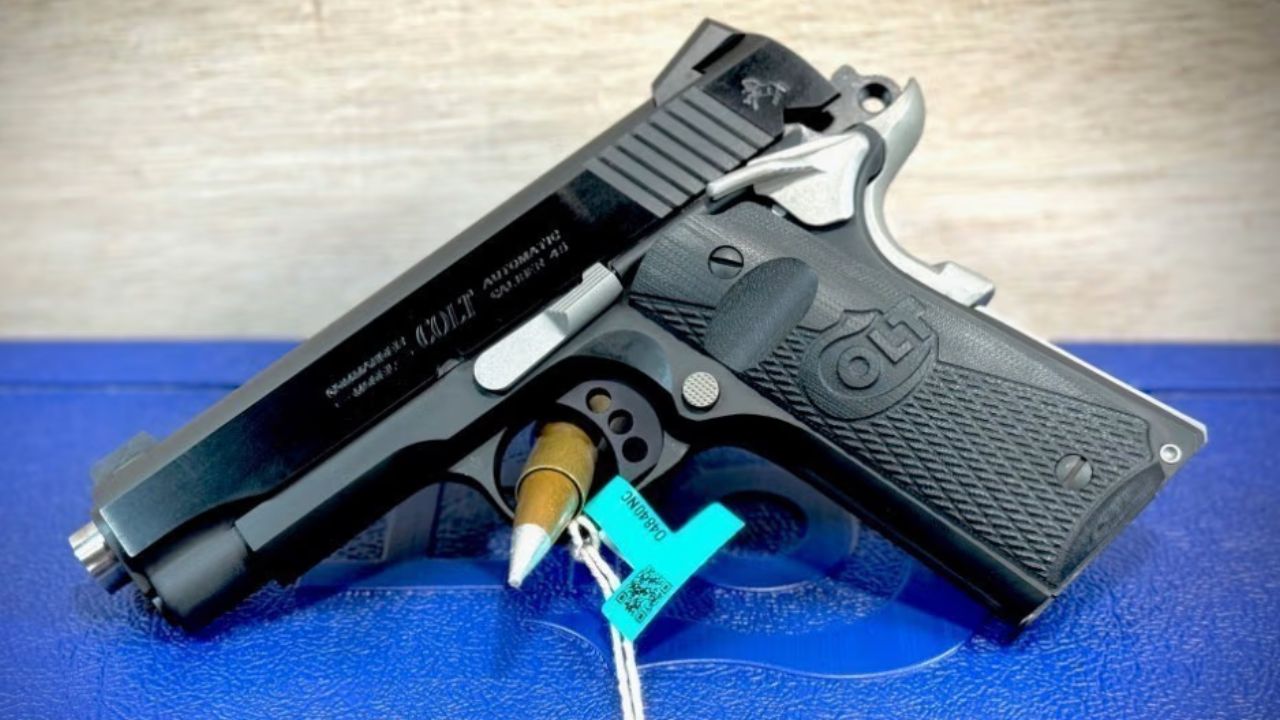
Some 1911s marketed as duty-ready are genuinely dependable, but cheap ammo can still create problems faster than it does in looser polymer pistols. Underpowered loads can reduce slide speed, and dirty powder can add friction right where a 1911 doesn’t want it—rails, barrel fit, and the last bit of return to battery.
Cheap ammo also brings bullet profiles that a 1911 might not love, especially in guns that are tuned around certain magazines and certain feed geometry. The result is predictable: a pistol that runs fine on decent ball and quality hollow points, then starts acting stubborn on bargain stuff that’s smoky and inconsistent. A good 1911 can be a great duty pistol, but it’s also a gun that rewards you for using consistent ammo and keeping it lubricated.
Like The Avid Outdoorsman’s content? Subscribe to our newsletter so you never miss an article.
Here’s more from us: