Photo credit: UK Home Office, CC BY 4.0, Wiki Commons
Canada’s “buyback” story has always had one giant problem that nobody in government wants to say out loud: it’s not a neat little customer-service program. It’s a nationwide logistics and enforcement knot tied to a political grenade. That’s why a leaked recording reportedly hit so hard this week — because it sounded like the public safety minister was admitting the quiet part, then trying to un-say it once the clip escaped into the wild. The outrage isn’t just “gotcha politics.” It’s that the buyback has been sold as simple and inevitable for years, while the public-facing timeline keeps sliding and the real-world “how” keeps getting messier.
What the leaked audio actually suggested — and why it blew up
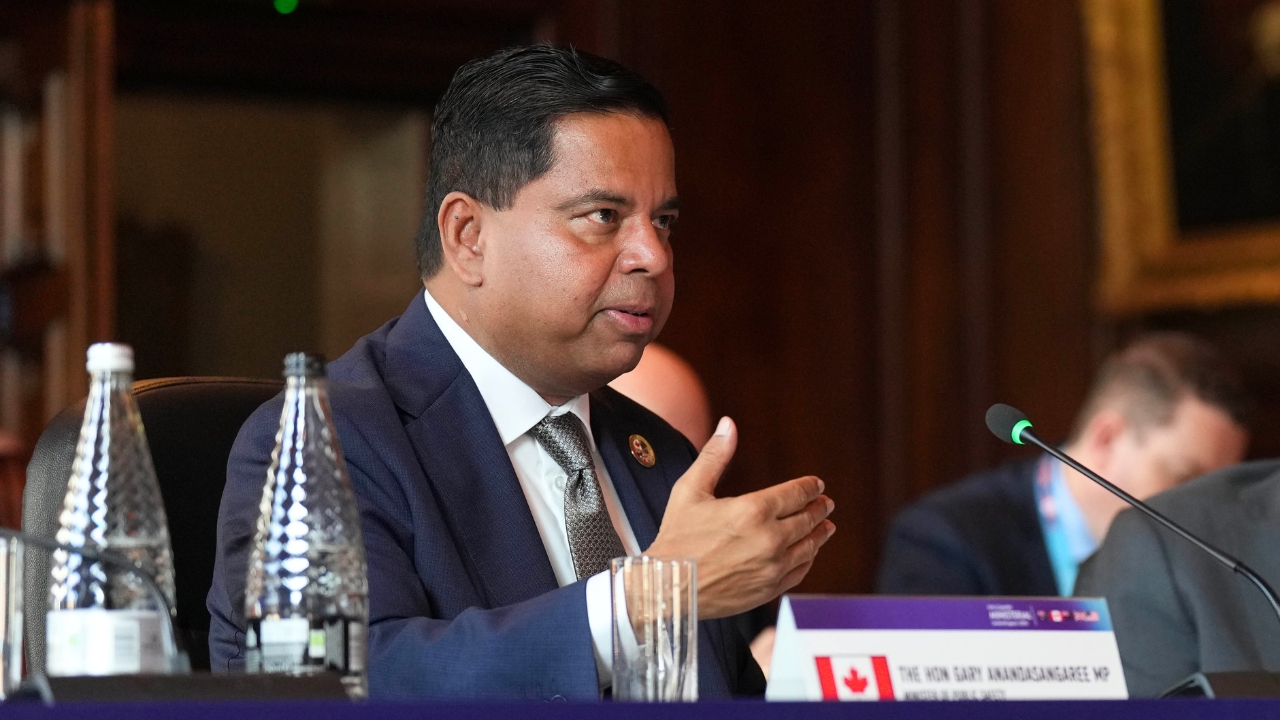
Reporting around the recording describes the minister (Gary Anandasangaree) speaking candidly about the buyback’s friction points — including doubts about how it gets carried out at the ground level and what happens when compliance depends on agencies that are already stretched. Global News’ account frames the audio as a moment where the minister sounded far less confident than official messaging, and the clip spread because it matched what critics have been saying: the program is complicated, expensive, and politically radioactive once you leave the press release. Then comes the predictable second act — clarification, context, and backtracking — because in a file like this, your “off the record” tone is the story.
The buyback details that make “easy enforcement” a fantasy
Here’s what the government’s own program page says in plain terms: thousands of makes/models were prohibited starting in May 2020; businesses had a collection phase that closed April 30, 2025; businesses are expected to see the program re-open in early 2026 for additional claims; and individuals are tied to an amnesty that expires October 30, 2026. That’s a lot of moving parts, and it’s not just “mail it in and get a check.” There are declarations, eligibility lists, compensation rules, shipping/destruction procedures, and the unglamorous reality that “voluntary program” language lives right next to “compliance with the law is not.” That contrast is exactly why any candid comment about enforceability lights the fuse.
Why he’s backtracking — and what happens next
When a minister publicly sells momentum (“national launch,” “keeping communities safe,” “program is ready”), then a leak makes it sound like the inside conversation is more like “this is a headache,” you don’t need a conspiracy to explain the cleanup. You just need politics. The government has also been pushing related firearms file work while admitting other pieces are delayed — like the long-promised marking regulations getting deferred again. Put that together and you get the same pattern: big promises, shifting implementation, and then a scramble to control the narrative once the public hears a less-scripted version of the truth. That’s why this clip matters: not because one politician said something spicy, but because it drags the buyback back into the “is this even workable?” lane right when the program is supposed to move deeper into the individual-owner phase.
The U.S. takeaway gun owners should actually care about
Even if you don’t live in Canada, the lesson is useful: confiscation-style programs don’t fail only because of court fights. They fail because the real world is made of people, paperwork, budgets, and enforcement bandwidth — and every one of those has limits. When a government tells you a massive firearm removal program is “straightforward,” the most honest signal is what they do next: do they publish clear rules, hit milestones on time, and keep costs transparent? Or do they keep extending deadlines and issuing “preparatory time” explanations? That’s what U.S. gun owners should watch in our own fights — because the policy battle isn’t just law; it’s implementation, and implementation is where slogans go to die.
Like The Avid Outdoorsman’s content? Be sure to follow us.
Here’s more from us: