Photo credit: WPixz/Shutterstock.com
You’ve been there. First mag runs fine—maybe even smooth. You’re feeling good, thinking you found a winner. Then the second magazine starts coughing. Stove pipes, failures to feed, weird trigger resets. That’s the moment the honeymoon ends. Some guns are built tight, others are under-sprung, and a few just have design quirks that show up once things warm up or get a little dirty. Whether it’s poor QC, bad mags, or an action that only likes specific ammo, you’re stuck clearing malfunctions when you should be shooting. The guns listed below are known for getting through that first magazine like champs—then falling apart when you start to actually run them. If you’ve owned one, you know. If you’re shopping, here’s your heads-up.
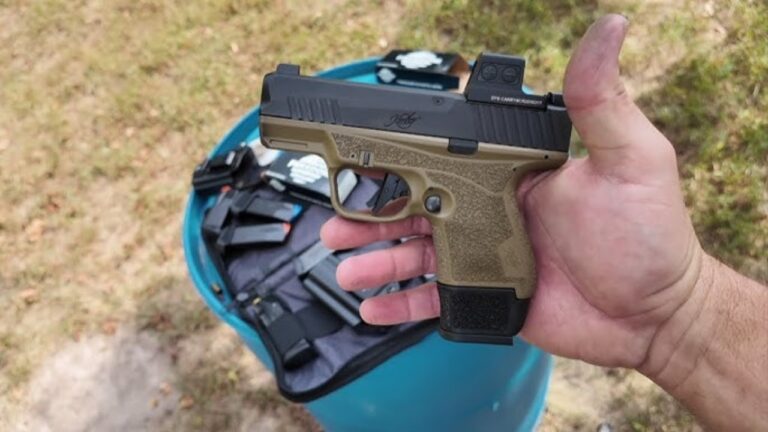
Kimber Micro 9
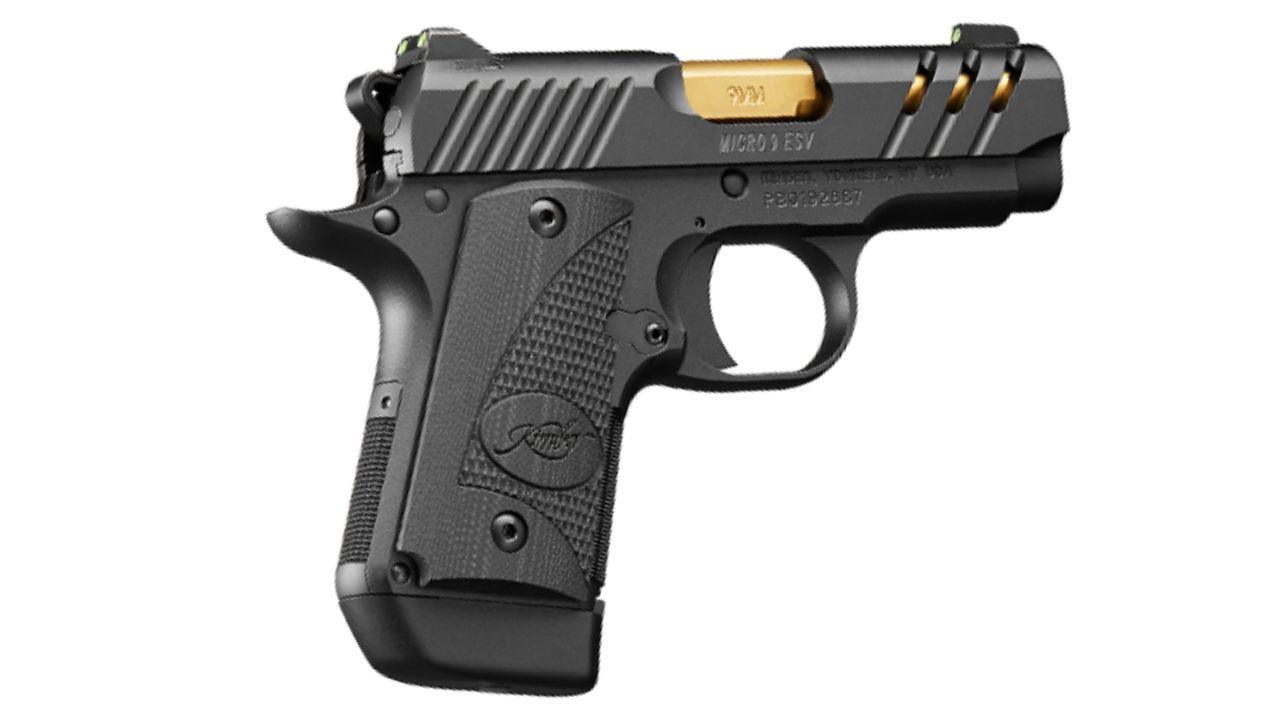
The Kimber Micro 9 looks great in the case and feels solid when you chamber that first mag. But once the slide gets hot or the lube starts to thin out, this little single-stack starts having issues. A lot of owners report smooth sailing through the first magazine and then feeding problems right after—especially with defensive hollow points. You’ll see nose-dives, incomplete chambering, or failures to lock back.
It’s usually a mix of tight tolerances, weak mag springs, and the way Kimber tunes their recoil spring system. If the gun’s not broken in just right, it tends to hiccup once it warms up. It’s not uncommon for folks to burn through boxes of ammo trying to figure out which loads the gun actually likes. For a carry pistol, that inconsistency after mag one is enough to make you reconsider the purchase. There are other micros that feed better under pressure.
Taurus PT709 Slim
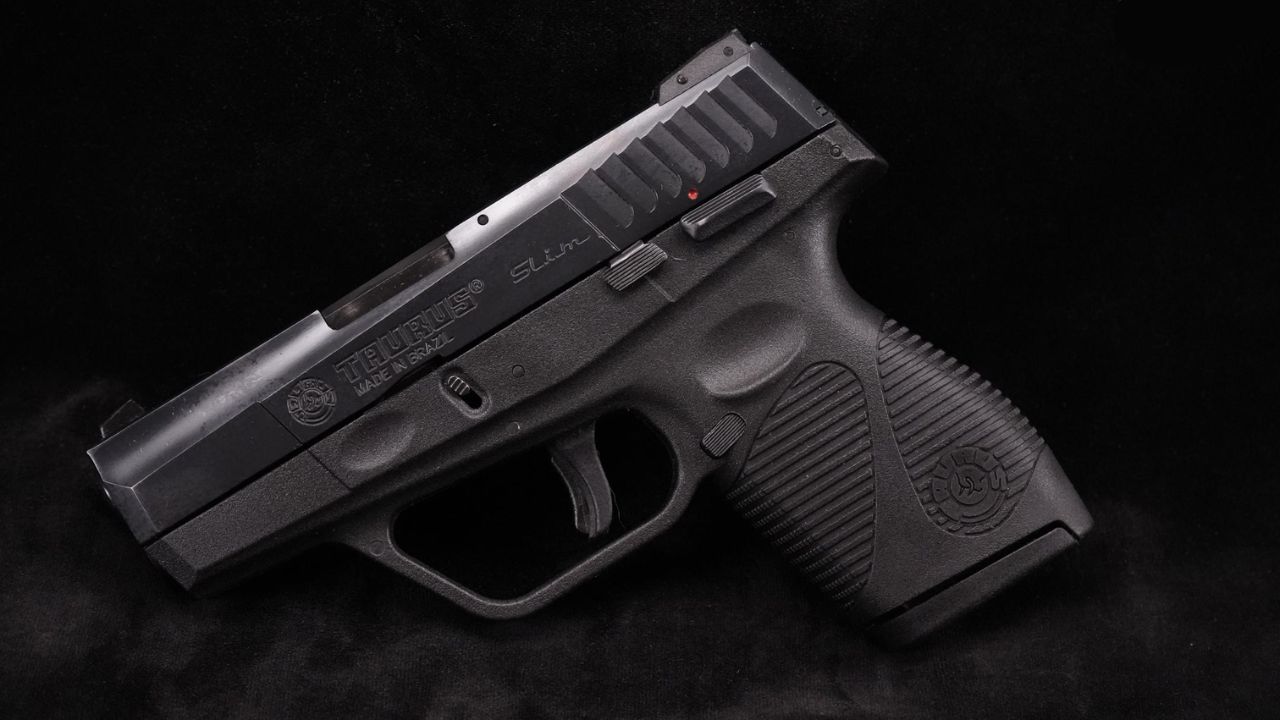
The PT709 Slim is compact, affordable, and lightweight—but it has a reputation for reliability that drops off quickly once you get past the first mag. Many shooters report that it runs fine out of the gate, then starts struggling with feeding and ejection issues on the second or third reload. You’ll see nosedives, double feeds, and the occasional failure to return to battery.
Some of it comes down to inconsistent magazines. Others blame the internal extractor and the way the feed ramp is cut. Either way, it’s frustrating when a pistol seems to work fine—until it doesn’t. For a gun designed for daily carry, that kind of unpredictability after the first magazine isn’t something you want to mess with. Even with careful cleaning and ammo selection, it’s not unusual for the PT709 to behave fine at first and then fall apart once the gun warms up or gets a little dirty.
Remington R51

The Remington R51 was hyped as a modern update to a classic design, but it quickly gained a reputation for choking hard—often right after the first mag. You might load it up and run through that first eight rounds just fine. Then everything unravels. Malfunctions kick in once the gun heats up or when you start seeing slight variations in slide velocity. Failures to feed, return to battery issues, and weird trigger behavior all start showing up.
The hesitation-lock system is part of the problem. It’s sensitive to ammo type, lubrication, and how firm your grip is. On top of that, early production models had poor tolerances and rough internals. Even if the first mag feels okay, once carbon builds up or tolerances shift from heat, the pistol starts choking. A few shooters had luck after multiple trips back to the factory, but for most folks, the first-gen R51 earned its spot as a one-mag wonder.
Kahr CW380

The Kahr CW380 is sleek, slim, and surprisingly accurate—but its reliability can be hit-or-miss once you get past that first magazine. The first mag usually runs clean thanks to tight spring tension and a fully clean feed ramp. But right after that, you’ll often see failures to feed or failure to eject, especially with underpowered ammo. The short slide and lightweight frame mean it doesn’t have much margin for error.
This pistol is also extremely sensitive to limp-wristing and likes to be run with a firm grip and full-power loads. Combine that with a long break-in period and fussy mag springs, and you’ve got a recipe for post-magazine-one problems. It’s a pistol that requires attention—something you might not have time to give when things get serious. Some folks love it and get theirs running well, but many more give up after realizing it just doesn’t stay consistent once you get past the warm-up rounds.
Kel-Tec P11
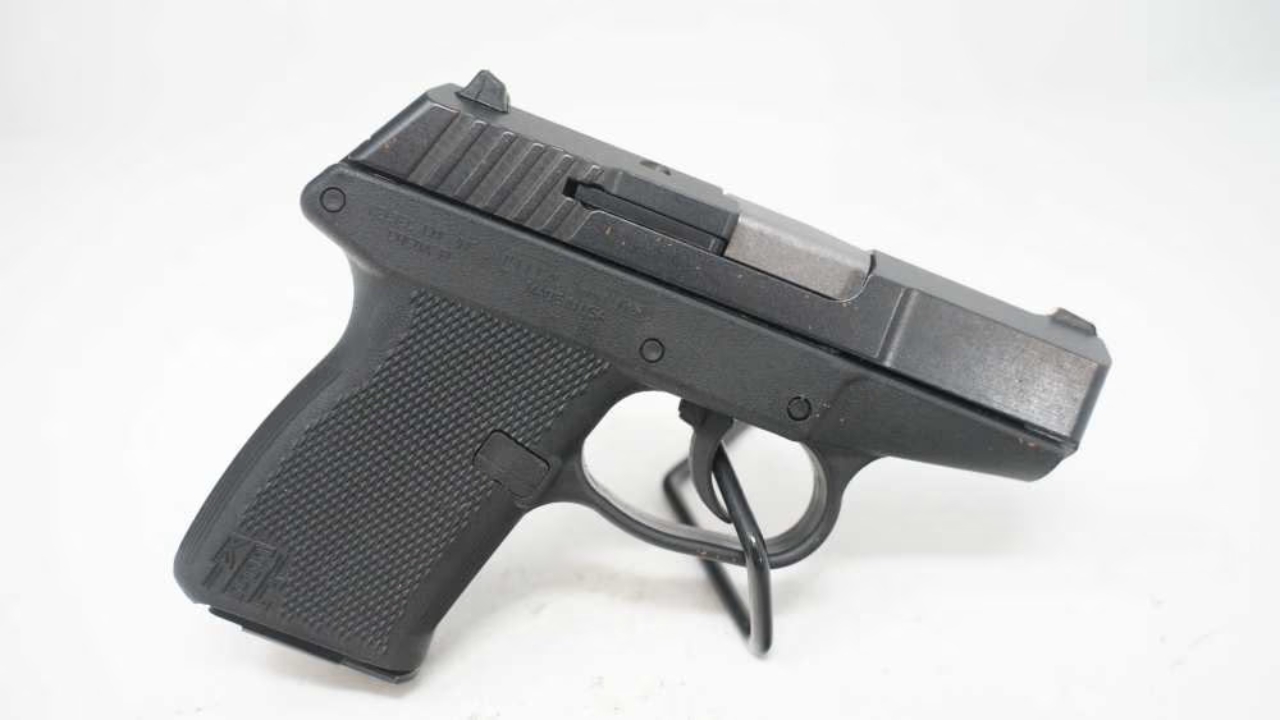
The Kel-Tec P11 is known for its budget-friendly appeal and small form factor, but it also has a reputation for being reliable—up to a point. That first magazine might feed just fine. The trigger’s long, but it resets, and the slide cycles cleanly. Then the issues start. After that first run, things get sticky. Failure to feed becomes common, the slide may not lock back, and you can start to feel a sluggish return to battery.
The recoil spring tension, magazine inconsistencies, and gritty action all seem to compound once the gun heats up or gets a little bit fouled. Combine that with a heavy, spongy trigger and you’re dealing with a pistol that makes follow-up shots feel like a chore. It’s usable, but only if you’re okay with clearing stoppages every other magazine. For self-defense, that kind of performance inspires zero confidence. The P11 is proof that a gun can work—until it really matters.
Smith & Wesson SD9 VE

The SD9 VE gets praise for being a solid budget alternative to a Glock, and that first magazine often supports the hype. But when you load up the second mag, the cracks start to show. Feeding issues, light primer strikes, and sluggish slide movement are all reported—especially with lower-end bulk ammo. The striker-fired setup seems to do fine when clean and cold but falls off fast once things start moving.
Some shooters blame the factory trigger, which can be inconsistent enough to cause reset issues. Others point to weak extractor tension and cheap mags that don’t always play nice. Either way, you get a pistol that runs smooth when everything is ideal, then stumbles once the gun heats up or gets dirty. For range work, you can work around it. But if you’re carrying it, that second magazine failure could mean everything.
Zastava EZ9
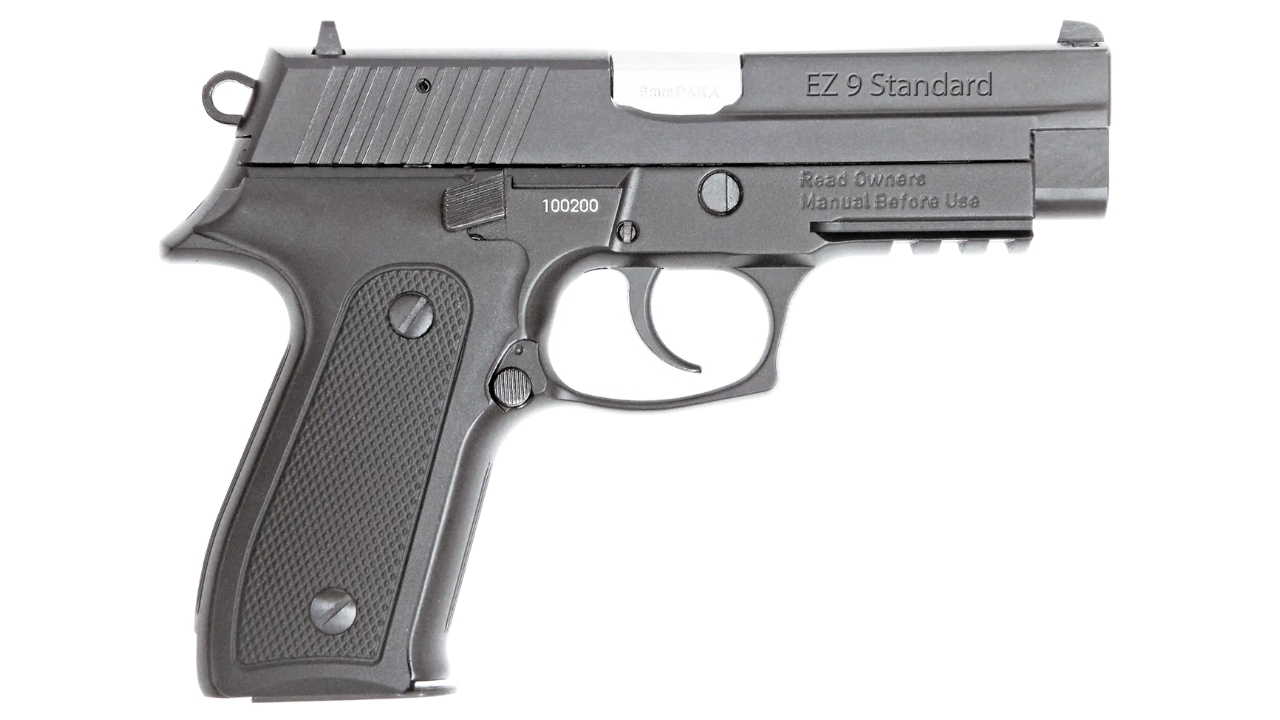
The Zastava EZ9 is a beefy, hammer-fired pistol with military styling and some unique ergonomics. And while it can feel rock-solid at first, especially during your initial mag, reliability starts to drop when you run it harder. Feeding issues crop up after the first reload. Slide velocity seems inconsistent, and a few shooters report failure to lock back on an empty mag after the second or third run.
This isn’t a bad gun by design—it’s more that the factory mags and recoil springs don’t always play well together. When things are clean and cold, it’ll give you confidence. Once the slide heats up and the springs start to lose tension, everything gets mushy. You’ll find yourself riding the slide forward or smacking the mag to seat it properly. It’s a tough pistol to love if you’re running multiple mags in training or carry situations.
AMT Backup (.380)

The AMT Backup in .380 ACP is about as bare-bones as it gets, and while it’s tough and compact, it’s also known for choking up after the first magazine. The blowback design combined with tight internals means that once the gun gets warm, tolerances shift. What ran fine for seven rounds turns into a jam-fest on the next seven. FTFs, stovepipes, and light strikes are all common.
There’s very little forgiveness in this platform. Dirty ammo, slightly underpowered loads, or even dry lube can cause issues. The AMT Backup was never known for its smoothness, and it behaves more like a pocket revolver that’s missing a couple cylinders. It’s okay as a last-ditch gun, but if you’re looking for consistency after that first mag, you’ll be disappointed. Most folks who’ve shot one know: after the first cycle, you’re rolling the dice.
SCCY CPX-2

The SCCY CPX-2 comes in at a very budget-friendly price point, and at first glance it seems to work just fine. That first mag goes smoothly, the action feels decent, and the slide returns clean. Then the second mag shows you what you’re really working with. Misfeeds, double feeds, and failures to lock back are all too common. The long, heavy trigger also adds to the struggle when the pistol gets warm.
Part of the issue is inconsistent mag spring tension. The factory magazines sometimes fail to feed rounds under pressure, and the polymer frame doesn’t help with consistency. Add in the heavy double-action pull and you’ll feel your accuracy and confidence drop right along with the slide speed. You can train around some of these flaws, but if your gun doesn’t make it through two mags clean, that’s a problem. For many, the CPX-2 becomes a backup to the backup.
Beretta Pico

The Beretta Pico is compact, sleek, and a soft shooter—on the first mag. After that, its flaws start to show. It’s a very tight gun, and once it gets even slightly dirty or heated, it doesn’t cycle as smoothly. You’ll start seeing failures to eject, inconsistent slide lock, and occasional failure to feed with hollow points. The recoil spring is extremely stiff, and while that helps with felt recoil, it slows things down as fouling builds.
For shooters with strong hands and perfect form, the Pico might hold up. But for most folks, by the time you’re on mag two or three, you’re spending more time diagnosing malfunctions than shooting. Combine that with the lack of available aftermarket support, and you’ve got a pistol that performs decently once, then falls off a cliff. If your idea of reliable means “works after 15 rounds,” you might get by—but don’t expect it to run clean through a whole range day.
Jimenez JA Nine

The Jimenez JA Nine runs fine for exactly one magazine—if you’re lucky. After that, the slide starts dragging, ejection gets inconsistent, and you’ll probably have to tap-rack every other round. It’s heavy for what it is, with a clunky slide and soft metal internals that wear quickly. The first magazine may lull you into thinking it’s functional, but don’t trust it beyond that.
Feed ramps aren’t polished, mags are rough, and the blowback system is as crude as it gets. It’s a range novelty at best, not something to rely on for serious use. You’ll go into the second mag with hope, and come out clearing a stovepipe with your pinky. If there’s a gun that defines “runs until it doesn’t,” it’s this one. You don’t fix it—you just stop shooting it.
*This article was developed with AI-powered tools and has been carefully reviewed by our editors.