Photo credit: Lucky Gunner Ammo/YouTube
Some pistols earn a good reputation and keep riding it long after the market moves on. That does not mean they were never good. A lot of them absolutely were. The problem is that gun people get attached to old advice and repeat it long after better triggers, better capacity, better sights, better reliability, or just better overall value have shown up. What was a smart recommendation ten or fifteen years ago is not always a smart recommendation now.
That is where this list comes from. These are the pistols people still push because they remember when they were the answer, not because they have honestly compared them to what is available today. Some are still decent. Some still have loyal fans. But all of them get recommended more out of habit than because they are still the strongest option in their lane. Here are 15 pistols people keep praising because they have not really updated their thinking in years.
Glock 26 Gen 3

The Glock 26 built its reputation honestly. It was compact, reliable, and one of the better answers for concealed carry back when truly shootable subcompacts were harder to find. A lot of experienced shooters still recommend it almost automatically because it worked for them when the market looked very different. That history matters, but it should not end the conversation.
The problem is that the carry world moved on. Newer micro-compacts give buyers more capacity in slimmer packages without feeling nearly as compromised as older subcompact double-stacks once did. The Glock 26 is still a serviceable pistol, but people who recommend it like nothing has changed are usually leaning on old loyalty. It is not the obvious answer it used to be, and pretending otherwise feels stuck in a different era.
Smith & Wesson Shield 1.0

The original Shield was a huge deal when it hit. It was slim, dependable, easy to carry, and one of the best single-stack carry pistols of its time. That is exactly why so many people still talk about it like it is the default recommendation for somebody wanting a simple defensive handgun. They remember how strong it looked compared to what was around back then.
Today, that advice feels dated. Capacity expectations changed, triggers improved across the market, and newer pistols now offer better overall packages without being harder to carry. The old Shield still works, but it gets recommended with the same enthusiasm it got years ago, and that is where the advice starts to slip. It is not that the pistol became bad. It is that the standard moved, and a lot of people never moved with it.
Ruger LC9
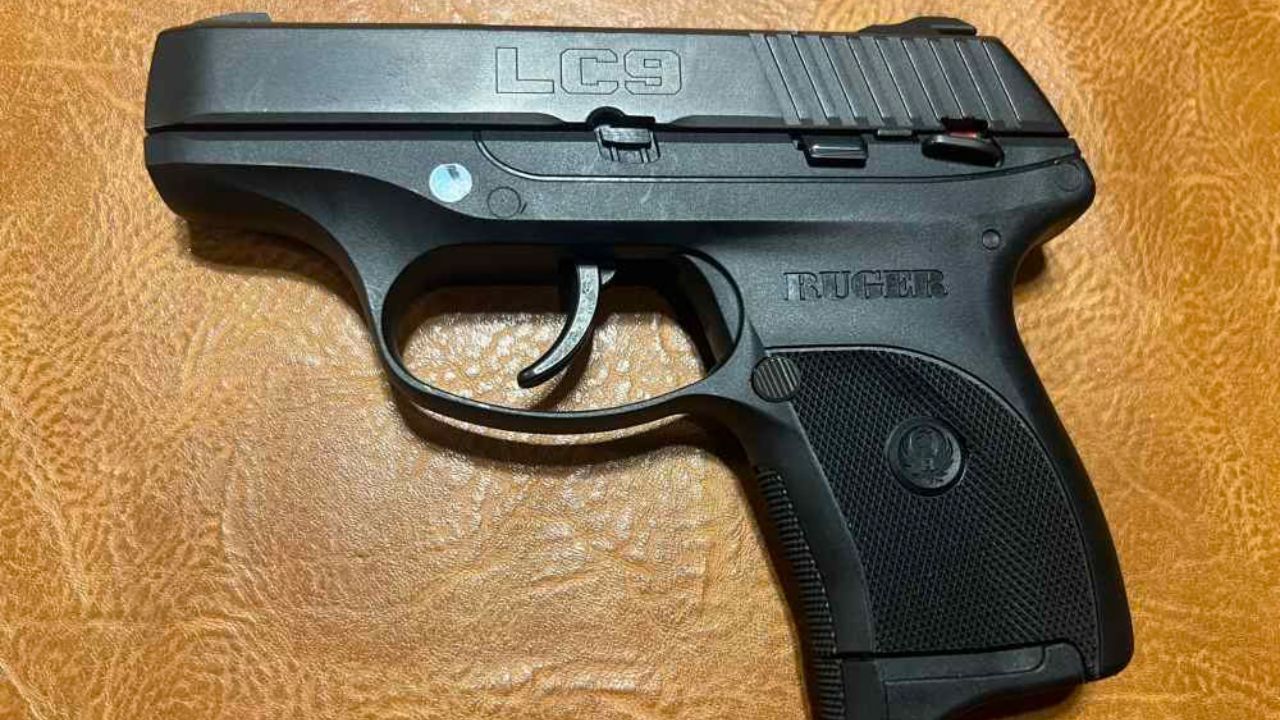
The LC9 still gets brought up by people who remember when slim carry guns were a much rougher category. At the time, it looked practical, easy to hide, and affordable enough to make a lot of sense. People who bought one and carried one often still defend it because it filled a real need when better choices were not nearly as common.
That does not make it a strong recommendation now. The trigger, the overall shooting feel, and the dated carry experience stand out much more when you compare it to newer options. A lot of shooters recommending the LC9 are really recommending their own memory of finally finding a thin carry gun that worked for them. That is not the same thing as honestly comparing it to what a buyer can get today.
Springfield XD Sub-Compact

There was a time when the XD subcompact lineup looked like a serious answer for people who wanted a carry pistol that still felt substantial in the hand. It had brand momentum, decent capacity for the time, and enough owners willing to defend it that the recommendation stuck around. That reputation still lingers in certain circles.
The trouble is that the pistol now feels like a recommendation frozen in time. The market moved toward better triggers, better optics readiness, slimmer overall packages, and more refined shooting characteristics in guns of similar size. The XD subcompact is not useless, but people who still recommend it like it is a top-tier modern carry answer usually sound like they stopped paying attention years ago.
Beretta Nano

The Nano was one of those pistols that got recommended heavily because people were excited to see Beretta enter the slim carry market in a more serious way. Brand loyalty did a lot of work, and some owners still talk about it like it deserves a spot in every carry conversation. That usually says more about how long ago they formed that opinion than about where the pistol stands now.
Compared to newer carry guns, the Nano feels dated in all the obvious ways. It is not especially exciting to shoot, does not bring standout capacity, and no longer feels like an answer ahead of the curve. It feels like a snapshot from an earlier carry era that some people never stopped defending. That is fine for nostalgia. It is weak advice for a new buyer asking what actually makes sense now.
Kahr CW9
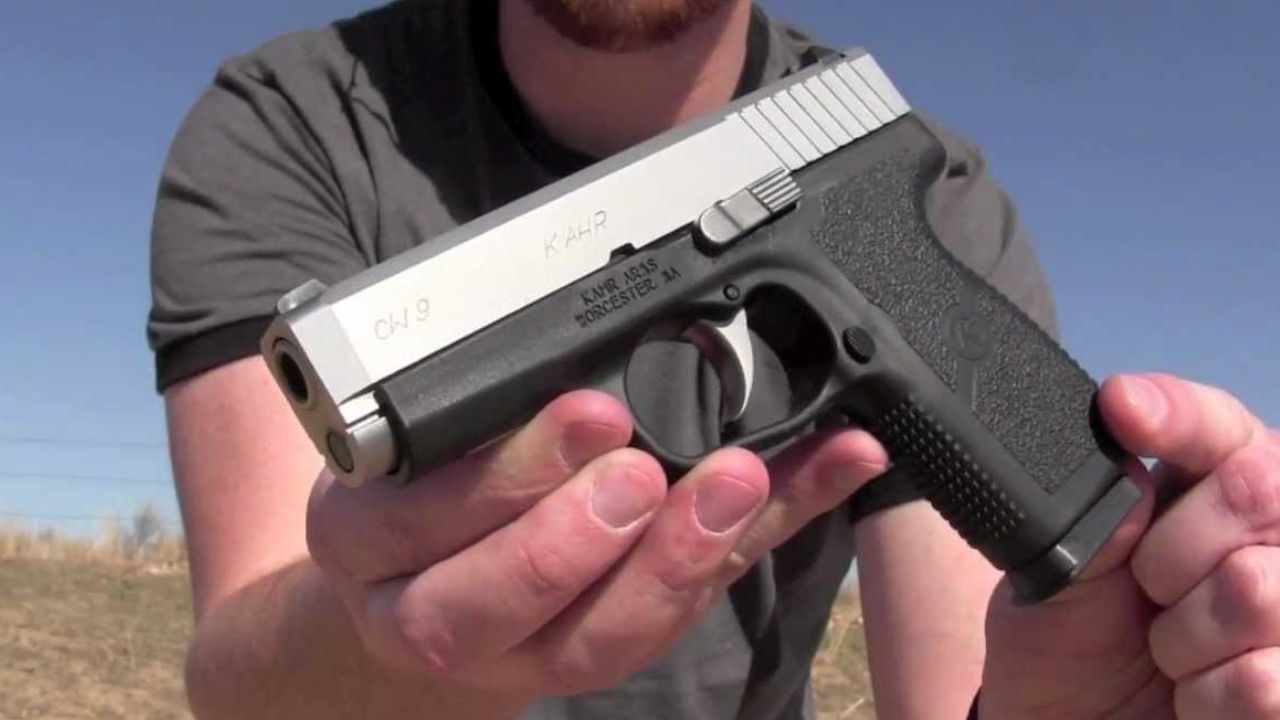
The CW9 got its following by being thin, easy to conceal, and smoother to carry than a lot of the chunky older alternatives. For a while, that was enough. Shooters who spent time with one often still recommend it because they remember it as a practical upgrade over what they had before. That is a powerful kind of loyalty.
The issue is that thin and practical are no longer rare qualities. The modern carry market is full of pistols that equal or beat the CW9 while offering better capacity, better support, and a more forgiving shooting experience. Recommending it now without that context usually sounds like advice that never got refreshed. The gun is not some disaster. It is just no longer the standout some people still think it is.
Walther PPS M1
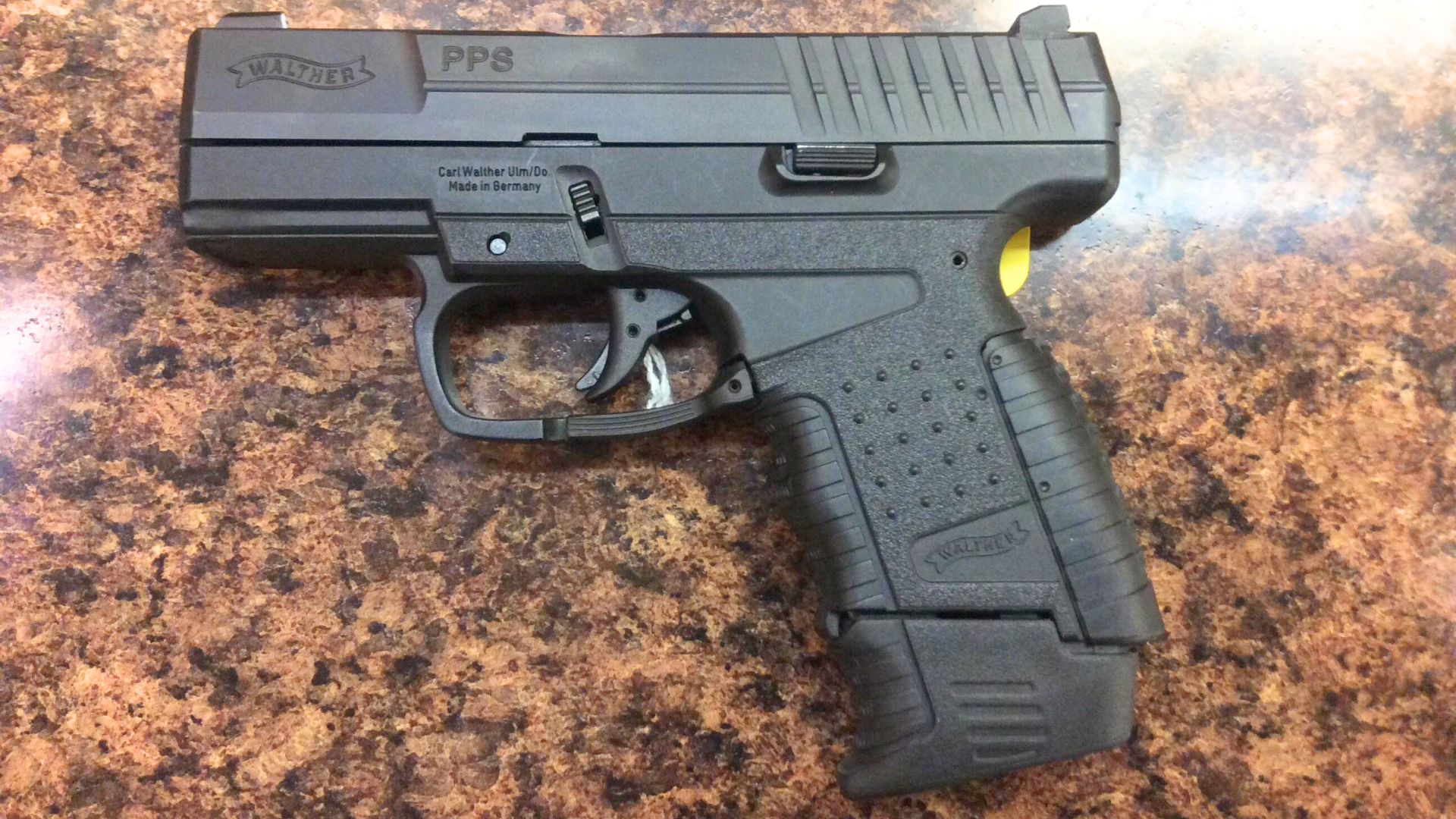
The first PPS deserved the respect it got when it arrived. It was slim, easy to carry, and genuinely ahead of some rivals in overall feel. A lot of longtime concealed-carry people still mention it with the kind of certainty that comes from remembering when it really was one of the better choices on the shelf. That part is fair.
What is less fair is acting like it still sits in that same spot. Carry pistols have changed a lot since then. Capacity, texture, sights, optics cuts, and the whole expectation of what a slim carry gun should deliver have moved upward. The PPS M1 still works, but it gets recommended from memory more than from current comparison. That is the difference between respectable and truly current.
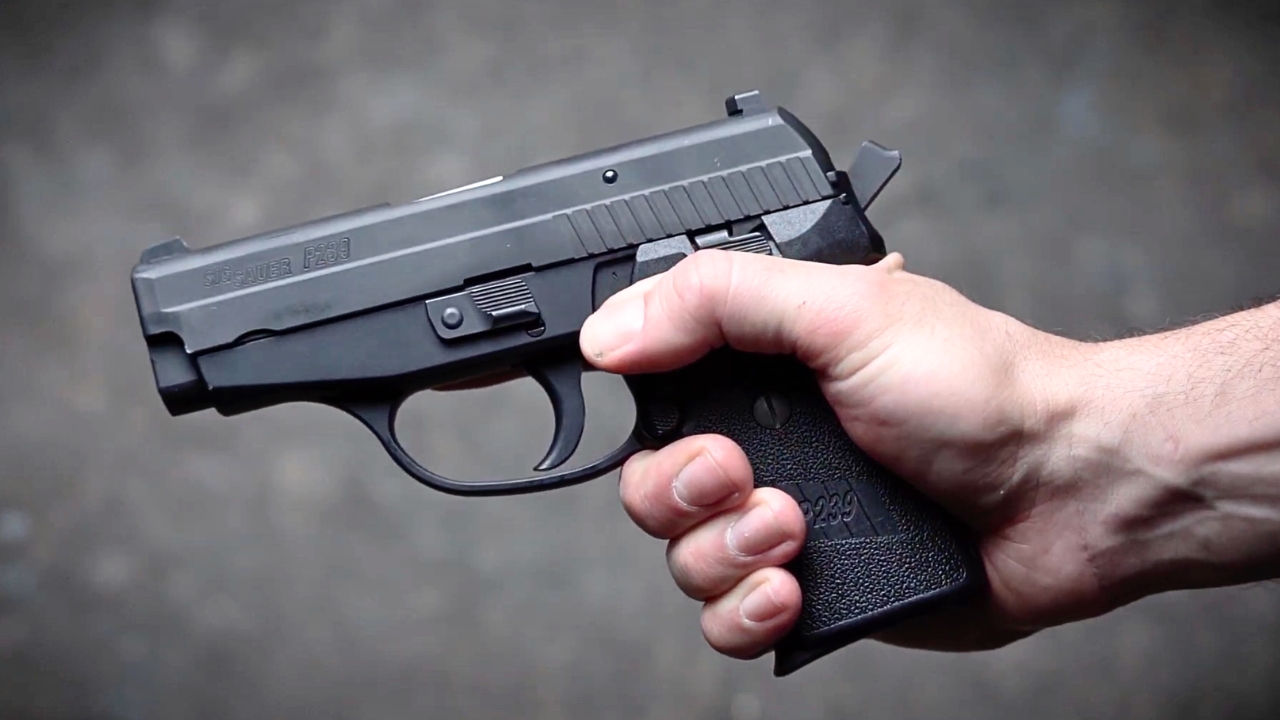
SIG Sauer P239

The P239 still gets praised by people who love older single-stack metal-frame pistols, and there are real reasons for that. It feels solid, shoots well for its size, and carries a kind of old-school SIG confidence that a lot of shooters still admire. The problem is not that it was ever a bad pistol. The problem is that some people never stopped recommending it like the market stood still around it.
For a modern buyer, it is hard to justify as an automatic answer. It is heavier than many current carry choices, lower in capacity, and not exactly living in the same support ecosystem as more modern options. People who still push it as if it remains a go-to carry recommendation are usually stuck on how good it felt back then, not on how it stacks up today.
Beretta 84FS Cheetah

The Beretta 84FS remains one of those pistols older shooters love recommending because it is classy, soft-shooting, and tied to a time when .380s were often much harder to enjoy. That fondness still drives a lot of advice. People remember it being nicer than many of its rivals and keep speaking about it like that still settles the matter.
The market is much different now. There are more practical .380 choices, lighter choices, and often easier-to-carry choices that do not ask buyers to commit to a larger, older format just to stay in that caliber. The 84FS still has charm, but charm and current relevance are not the same thing. A lot of recommendations for it come from affection that never got updated.
Colt Mustang

The Mustang gets recommended by people who still think of it as the neat little pocket .380 that helped define the category for a lot of shooters. It is small, recognizable, and tied to a name that still carries weight with certain buyers. For people who remember when pocket pistols were rougher across the board, the Mustang can still feel like a premium answer.
But the pocket-pistol market has changed a lot. Modern options often bring better sights, better reliability reputations, stronger support, and more practical day-to-day ownership. The Mustang still gets talked about like it automatically belongs near the top of the list, and that usually sounds like old habit talking. It is an important pistol. That does not mean it is still the smartest recommendation.
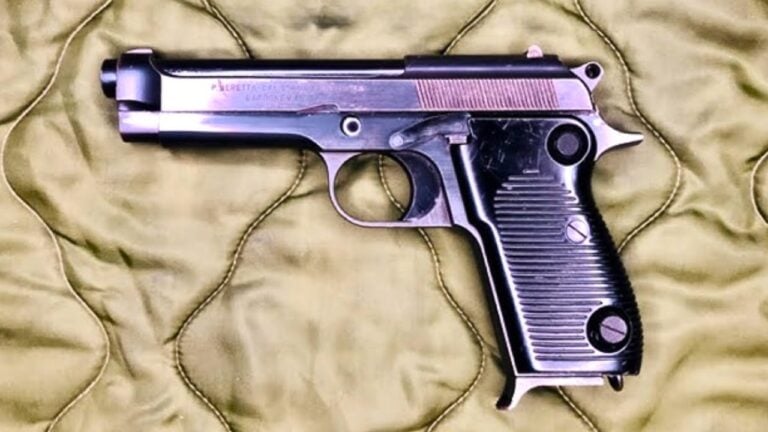
Springfield XD-S
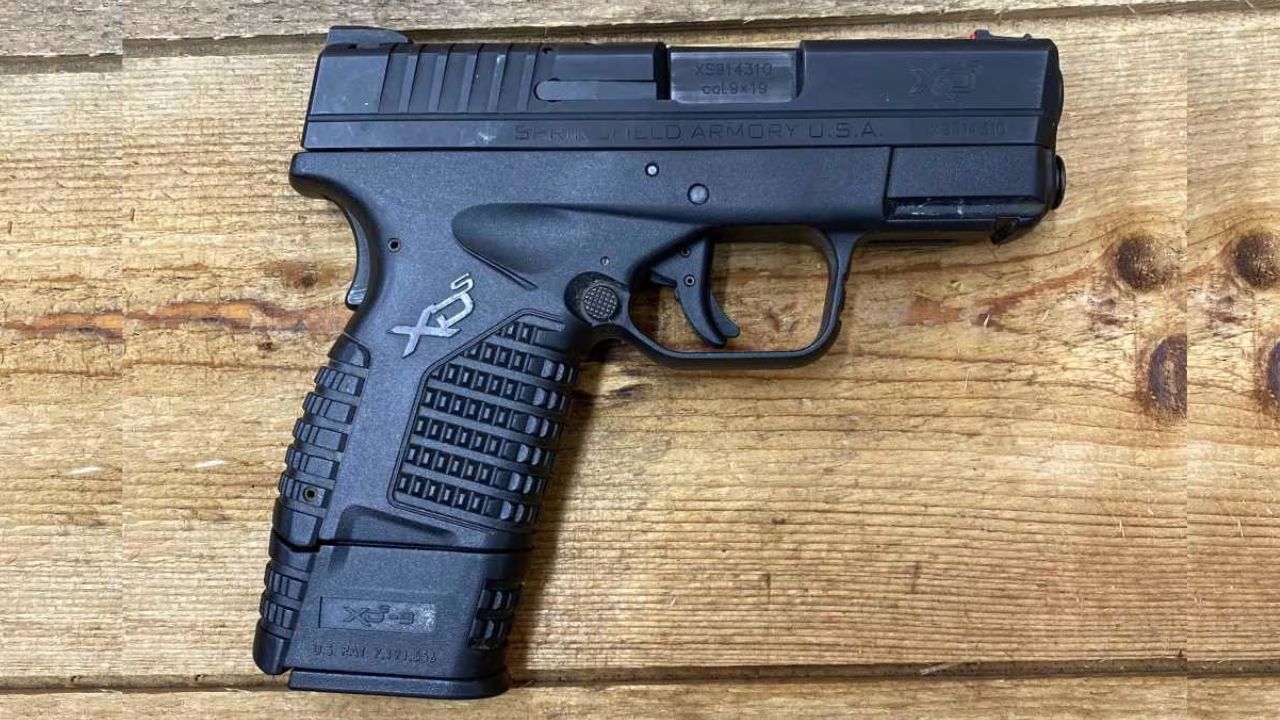
The XD-S got recommended hard because it arrived during that phase when people were desperate for thin carry guns that still felt credible as defensive pistols. It was compact, reasonably easy to conceal, and gained a lot of loyal defenders quickly. Some of those defenders still recommend it with almost no hesitation.
The issue is that the carry category matured. The XD-S no longer feels like an obvious front-runner once you compare it against newer pistols with better capacity, more refined handling, and more modern feature sets. It is still hanging around in old recommendation patterns because it used to fill a major gap. That gap is smaller now, and the advice should have changed with it.
Smith & Wesson Bodyguard .380 (original)

The original Bodyguard .380 still gets pushed by people who are stuck in the era when laser-equipped pocket pistols felt like a major leap forward. It was tiny, brand-backed, and looked like a practical answer for deep concealment. That stuck in a lot of shooters’ minds, and some of them never really updated the script after newer pocket pistols came along.
Compared with more current .380 carry guns, the original Bodyguard often feels like yesterday’s compromise. The trigger and overall shooting experience are not especially inspiring, and the category around it got much better. Yet people still bring it up like it is a default answer, which tells you the recommendation is running on memory more than current comparison.
Walther PK380
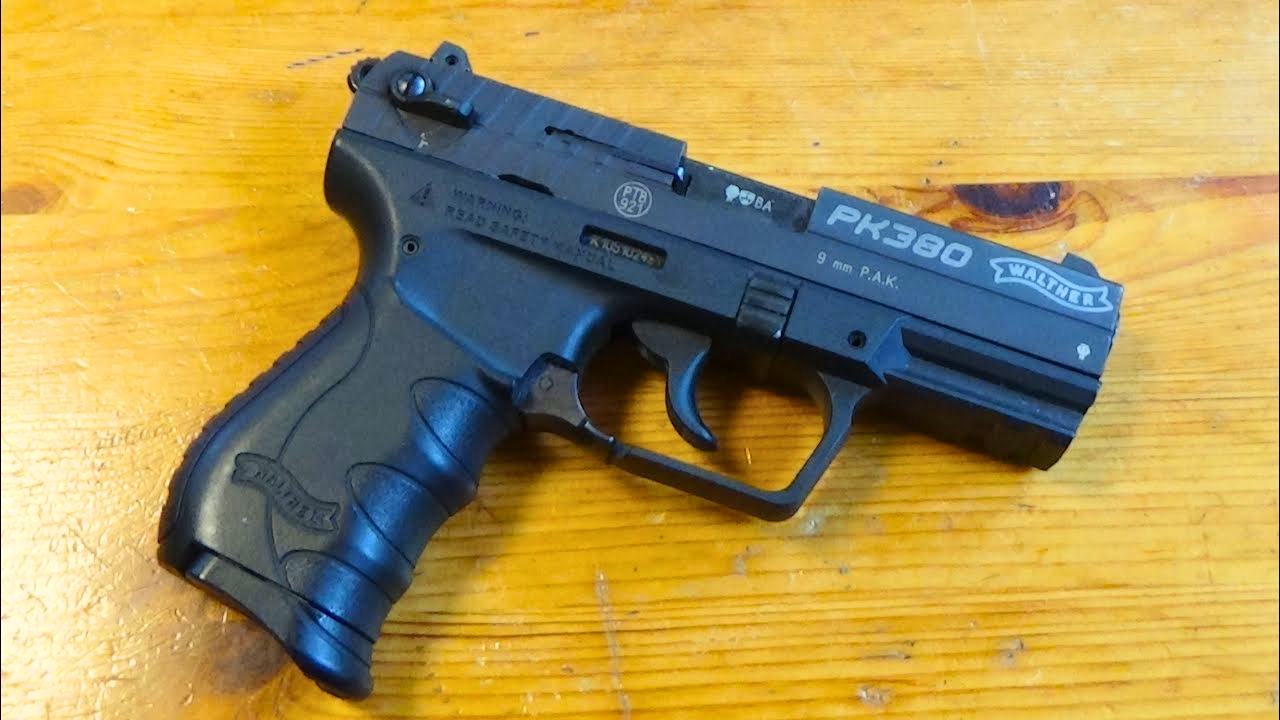
The PK380 has long been recommended to newer or recoil-sensitive shooters because it is easy to rack and softer in personality than some other pistols in its general space. That recommendation became almost automatic in certain groups, especially among people who built their whole carry advice around a few older standbys and never really moved on.
The problem is that “easy to handle” no longer belongs to this pistol alone, and the overall package does not look nearly as convincing once you stack it against newer offerings. It still gets recommended because people remember why it stood out at the time. They just do not always revisit whether it still deserves that same place now. In a lot of cases, it does not.
Ruger SR9c

The SR9c had a real moment. It offered a compact format, decent capacity for the time, and a name that made budget-conscious buyers feel like they found a practical answer. Shooters who bought one then often remember it fondly, and that memory turns into recommendations that keep getting repeated even after the pistol stopped feeling especially current.
That is where the advice starts sounding stale. The SR9c no longer stands out in a category full of more modern carry pistols that offer stronger features and more refined overall performance. People recommending it today are often really recommending an era when it felt like one of the better values around. That is not the same thing as saying it still leads the field now.
Glock 43

The Glock 43 still gets recommended like it is the default slim carry pistol, and that alone tells you how many opinions have not been refreshed. It made perfect sense when it arrived. It was simple, familiar, easy to carry, and gave Glock loyalists a truly slim single-stack option. For a while, that was enough to keep it near the top of almost every list.
Now it often feels like people are recommending the logo and the memory of what the 43 represented. Capacity has moved on, and buyers no longer need to settle for a thinner pistol that gives up so much in return. The Glock 43 is not some terrible gun, but it absolutely gets recommended on autopilot by people who have not kept up with how much better the category got around it.
Bersa Thunder .380

The Thunder .380 still has a strong following because it earned a reputation as a budget-friendly, approachable pistol that many owners genuinely enjoyed. That reputation stuck hard, and a lot of shooters still recommend it as if it remains the obvious affordable answer for somebody wanting a simple handgun they can actually shoot comfortably.
The problem is that the market no longer needs to rely on older budget standbys the same way it once did. There are simply more choices now, and many of them fit current carry or range expectations better. The Bersa is still defendable in a narrow sense, but it gets pushed far more often than it should by people who formed their opinion a long time ago and never really checked back in.
Like The Avid Outdoorsman’s content? Subscribe to our newsletter so you never miss an article.
Here’s more from us: