Photo credit: SPN Firearms/YouTube
Just because you paid top dollar doesn’t mean you’re getting top-tier durability. Some guns come with a premium price tag but fall short when it’s time to hold up under pressure. You’ve got rifles and pistols out there that look great, feel fancy, and promise tight tolerances—but the moment you get them dirty or run them hard, something gives. If you’re spending more, you should be getting more. These models have a habit of proving otherwise.
Kimber 1911s

Kimber 1911s look sharp and come with a reputation that suggests high quality, but they’re known for reliability issues straight out of the box. Feeding problems, slide lock failures, and picky ammo tolerance have frustrated more than a few buyers.
For the money, you’d expect smooth cycling and dependable accuracy without having to tinker or break them in forever. Instead, you might find yourself wondering why a pistol that costs well over a grand needs a gunsmith tune-up to run right.
Remington R51

The Remington R51 hit the market with a sleek design and a ton of hype, but it fell apart fast—literally and figuratively. The early models were plagued with jamming, misfeeds, and problems with the locking breech system.
Remington pulled it and re-released a second-gen version, but trust never really bounced back. Even after the fixes, you’re still rolling the dice. It was marketed as a premium carry pistol, but most folks found out it couldn’t handle regular use without issues.
FN SCAR 17S

The SCAR 17S is a heavy hitter price-wise, but it’s not immune to issues. The reciprocating charging handle, while manageable, has drawn plenty of complaints, especially when it smacks knuckles or gear under recoil.
Then there’s the bolt wear. Some users have reported premature lug cracks or chipped locking surfaces after moderate use—something you shouldn’t be dealing with on a rifle that runs well north of $3,000. It’ll shoot great when it works, but you expect more from a gun in this class.
HK VP9
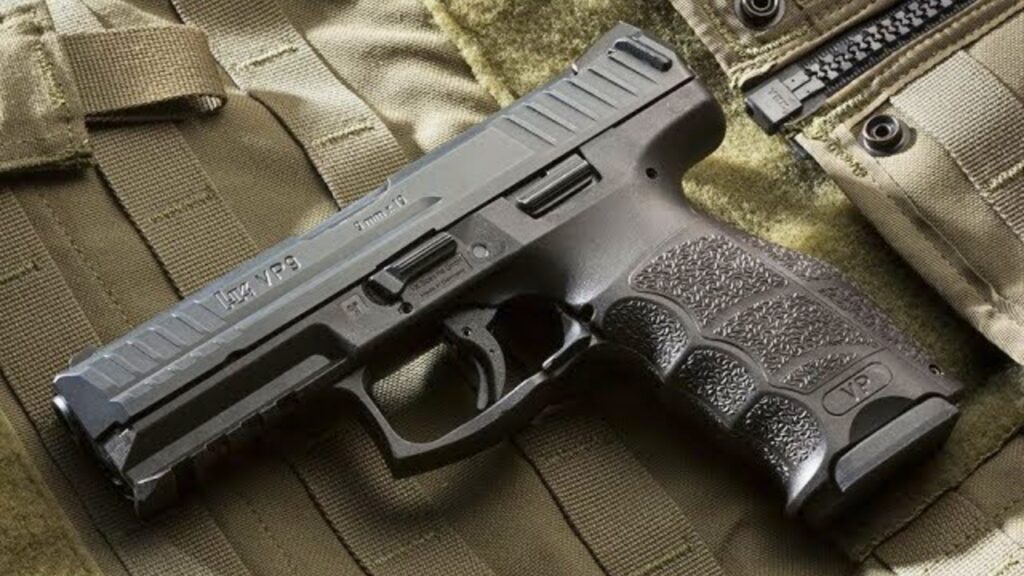
The VP9 is known for a great trigger and excellent ergonomics, but it’s had its share of wear issues. Extractor failures and striker problems have come up more than once, especially after extended use.
HK built its name on durability, so seeing these kinds of failures in a $700+ pistol is disappointing. You’ll still find folks who swear by them, but if you’re running yours hard, don’t be surprised if you end up hunting down replacement parts earlier than expected.
Sig Sauer P320

The P320 has had a long and bumpy ride. From the early drop safety controversy to issues with aftermarket compatibility and broken striker assemblies, it’s clear that price doesn’t always equal polish.
For a striker-fired pistol that can creep close to $1,000 depending on the model, you’d expect more out of the box. Some units run fine, but others seem to have constant hiccups. It’s popular, sure—but so are complaints from those who run theirs daily.
Colt Python (Modern)

When Colt brought back the Python, it looked like a solid move—classic styling, modern machining. But early batches had timing problems, rough triggers, and cylinder alignment issues that shouldn’t be present on a $1,500 revolver.
You’d expect modern CNC to tighten things up, not introduce more play. Some newer ones have improved, but if you bought in early, there’s a good chance you had to send yours back or fix things that should’ve been perfect out of the case.
Desert Tech MDR
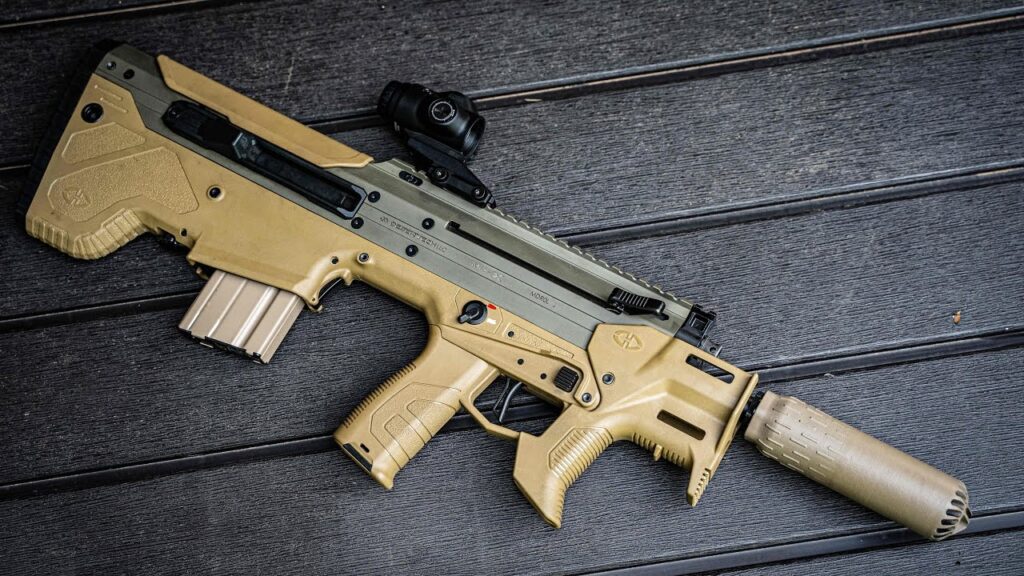
The MDR came with a hefty price tag and a lot of promise: bullpup design, modular barrels, and ambi controls. But reports of ejection problems, feeding failures, and poor gas system tuning started rolling in fast.
Even after updates and recalls, many users still deal with inconsistent performance—especially in the .308 models. If you’re spending over two grand on a rifle that’s supposed to be future-ready, it shouldn’t need half a dozen tweaks to work like it’s supposed to.
Beretta 92X Performance
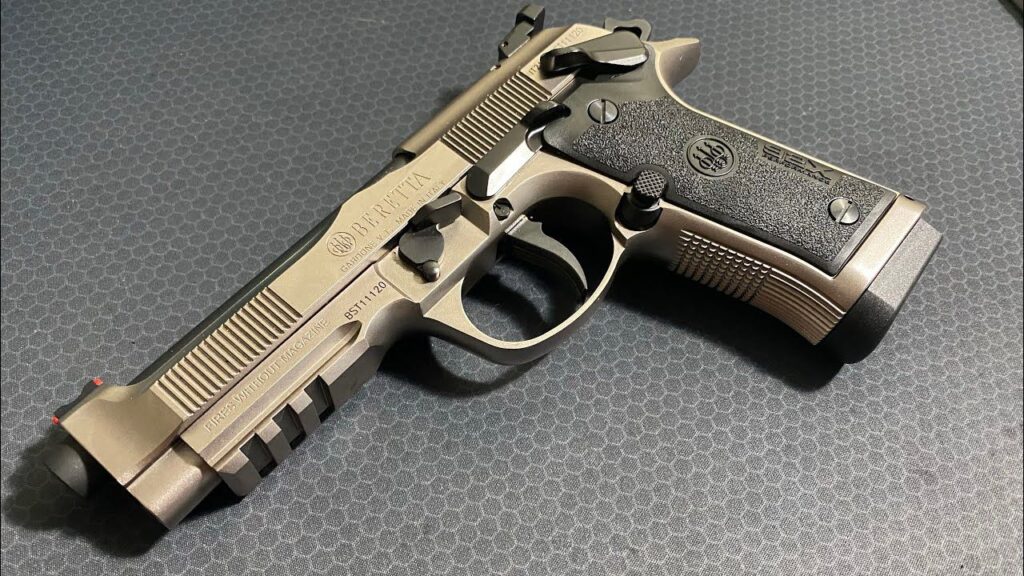
The 92X Performance looks like a competition-ready beast, but it hasn’t been immune to issues. Some shooters have seen cracked locking blocks and trigger group wear early on—despite the gun’s high-end positioning.
It’s heavier than the standard M9 series and tuned for speed, but the extra bulk doesn’t seem to help longevity. It’ll shoot fast and flat for a while, but the maintenance demands come quicker than you’d expect from a pistol this pricey.
Springfield SAINT Edge

The SAINT Edge tries to land in the premium AR space, but it doesn’t always live up to the tag. Some builds have shown poor QC, like loose barrel nuts or poor staking on the gas key—issues that shouldn’t happen on a rifle in this range.
You’re looking at a gun that competes with top-tier ARs, yet it occasionally feels like it skipped final inspection. That’s not what you want when you’re trusting a rifle to hold up under serious use.
Barrett REC7
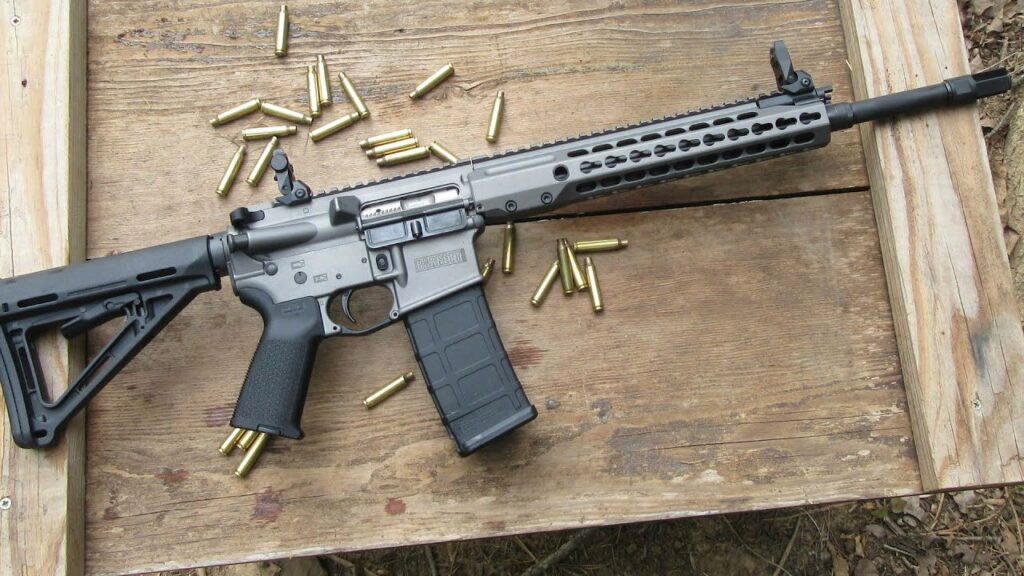
The REC7 is a beast on paper—monolithic upper, piston-driven, built like a tank. But early production models had issues with parts wear, inconsistent accuracy, and cycling problems with certain ammo.
It’s one of those rifles that looks like it should handle abuse without blinking, but several users found that performance didn’t quite match the $2,500+ price tag. Later versions may have cleaned some of that up, but plenty of first-gen owners were left disappointed.
*This article was developed with AI-powered tools and has been carefully reviewed by our editors.