Photo credit: Rattanapon Ninlapoom/Shutterstock.com
A good rifle will stack shots when you do your part. A “patterning” rifle does the opposite: the group grows into a loose cluster, then turns into a scatter that makes you start blaming the wind, the scope, the rest, and your coffee. Most of the time, it’s not one fatal flaw. It’s small problems stacking up—thin barrels that heat fast, flexible stocks that change pressure, loose handguards that touch the barrel, rough triggers that yank shots, and ammo that varies more than you think.
Some rifles also carry built-in accuracy limits. That doesn’t mean they’re useless. Plenty of them are reliable, handy, and effective inside their lane. The issue is when you expect tidy groups and the rifle keeps giving you “good enough” patterns instead.
These are models that are known for inconsistent grouping in common real-world setups, either because of how they’re built or how they’re typically used. If you own one, you can often tighten things up, but you’re starting behind the curve.
Ruger Mini-14 (older thin-barrel models)

Older Mini-14s have a long reputation for turning groups into patterns as the barrel warms. The thin barrel and gas system can make the point of impact walk during longer strings, and the platform often reacts strongly to small changes in ammo. One load might look decent, then the next box turns the target into a peppered mess.
You can still make a Mini-14 work within its comfort zone. Keep strings short, let it cool, and don’t chase tiny groups like it’s a heavy-barrel bolt gun. Many shooters see improvement with better sights or optics mounts, solid torque on the hardware, and ammo the rifle actually likes. Even then, plenty of older Minis land in the “minute of coyote” category instead of “one-hole” bragging rights.
Ruger Mini-30 (early production)

The Mini-30 adds another layer of frustration because 7.62×39 ammo can vary a lot, and early rifles developed a reputation for being picky. When you mix variable ammo, a lightweight barrel, and a semi-auto system, you can end up with a rifle that prints a different story every range trip. It’s not rare to see a group start tight and then wander.
A Mini-30 can still be a useful woods rifle, but it rewards discipline. Zero it with the ammo you plan to hunt with and stick to that load. Pay attention to consistent shooting position and grip, because this platform can be sensitive to how you hold it. If you expect bolt-gun groups, you’ll spend a lot of time staring at targets and shaking your head.
Century Arms WASR-10

A WASR-10 is often bought for reliability and price, not for tiny groups, and that’s where expectations collide with reality. AK-pattern rifles can shoot well enough for practical use, but many WASRs show inconsistent grouping thanks to ammo variability, typical barrel and sight alignment quirks, and the general tolerances of the platform. You can get a respectable group, then the next string opens up.
The setup people run doesn’t help. Steel-case ammo is common, optics mounts vary, and many shooters hammer through mags and wonder why the group looks like birdshot. Slow down, confirm your mount is solid, and accept that this rifle’s lane is practical accuracy. If you need consistent precision at distance, a different platform makes more sense than trying to force a WASR into a role it wasn’t built to own.
Norinco SKS

The SKS is dependable and handy, but plenty of them “pattern” when you try to wring precision out of a military carbine. The triggers are often heavy, the sights are basic, and the rifles you see today can have unknown history—worn bores, mismatched parts, or decades of storage grime. Add steel-case ammo into the mix and you get groups that can be all over the map.
You can tighten an SKS up, but it takes realistic goals. Clean the rifle thoroughly, check the crown, and run consistent ammo. Keep your shooting slow, because heat and recoil rhythm matter more than most people think. The SKS shines as a rugged brush rifle and range toy, not as a precision trainer. If you treat it like a practical carbine and stop chasing one-inch groups, it becomes a lot more enjoyable.
Kel-Tec SU-16
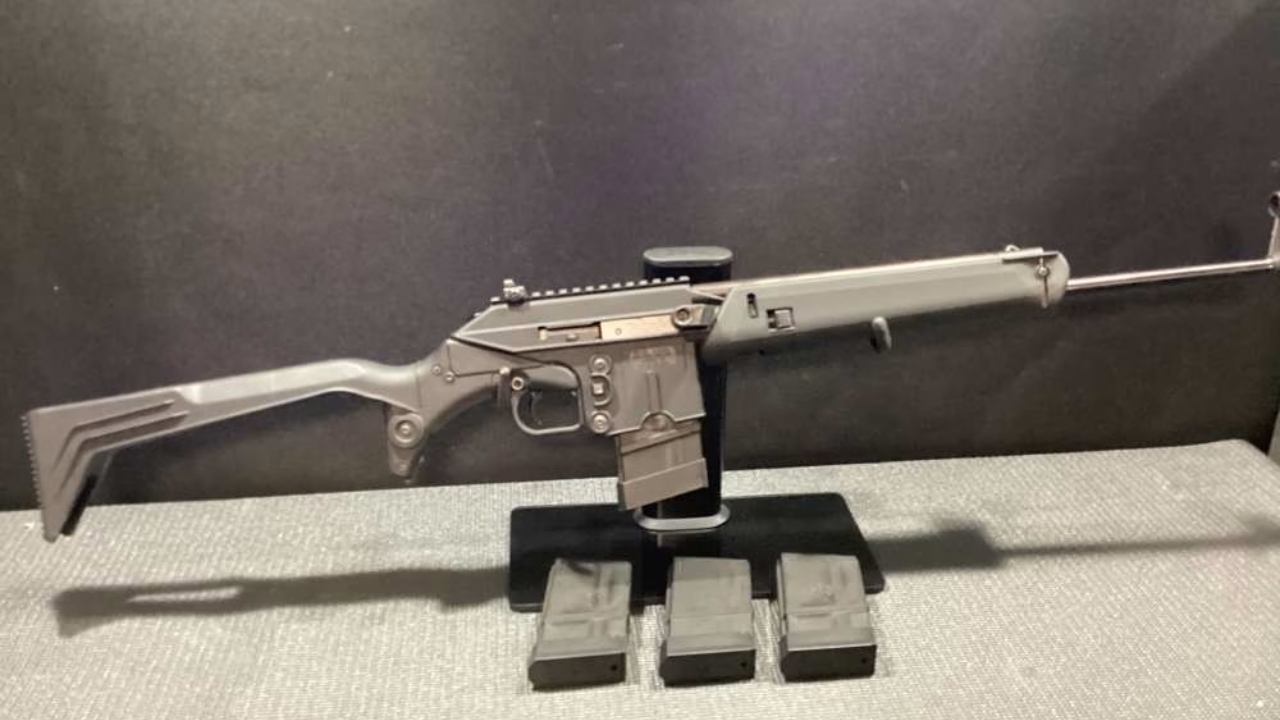
The SU-16 earns its keep as a lightweight, packable 5.56 rifle, but that same lightweight design can work against tight groups. The polymer-heavy construction, the way the fore-end can flex, and the thin barrel profile often lead to inconsistent pressure and shifting point of impact. It’s the kind of rifle that can give you a promising first group, then open up once things warm or you change how you support it.
To get the best out of an SU-16, you shoot it like what it is: a handy utility carbine. Use a stable rest that supports the rifle consistently, keep strings short, and don’t expect it to behave like a free-floated AR with a match barrel. Many owners find a “good enough” load and leave it there. Push beyond that, and you often end up chasing patterns instead of building confidence.
Ruger 10/22 Takedown

The 10/22 platform can be very accurate, but the Takedown version adds a joint in the middle of the rifle, and that joint can introduce variability. If the fit isn’t consistent, or the barrel tension changes slightly between assemblies, your zero and group size can shift. It’s not always dramatic, but it shows up when you’re trying to shoot small groups instead of soda cans.
A Takedown can still be a great field rifle. The key is repeatability: assemble it the same way every time, keep the mating surfaces clean, and confirm zero after travel if precision matters. Many shooters also learn to avoid hard pressure on the barrel or fore-end when shooting from rests. Treat it as a pack rifle that hits what it needs to hit, and you’ll be happier than trying to turn it into a benchrest rimfire.
Henry AR-7 Survival Rifle

The AR-7 is built around portability and storage, not precision, and the accuracy often reflects that. The barrel attachment system and lightweight construction can lead to groups that look more like a pattern than a tidy cluster, especially past typical plinking distances. Add a stiff trigger and basic sights, and you’re working uphill before the first shot breaks.
Where the AR-7 makes sense is close-range utility. It’s a pack gun for small game and casual shooting, and it does that job when you keep your expectations in line. Shoot it off a consistent support, keep your ammo consistent, and don’t rush the trigger. Some rifles will surprise you, but many will not. If you buy it expecting “one ragged hole,” you’ll spend more time disappointed than impressed.
Auto-Ordnance M1 Carbine
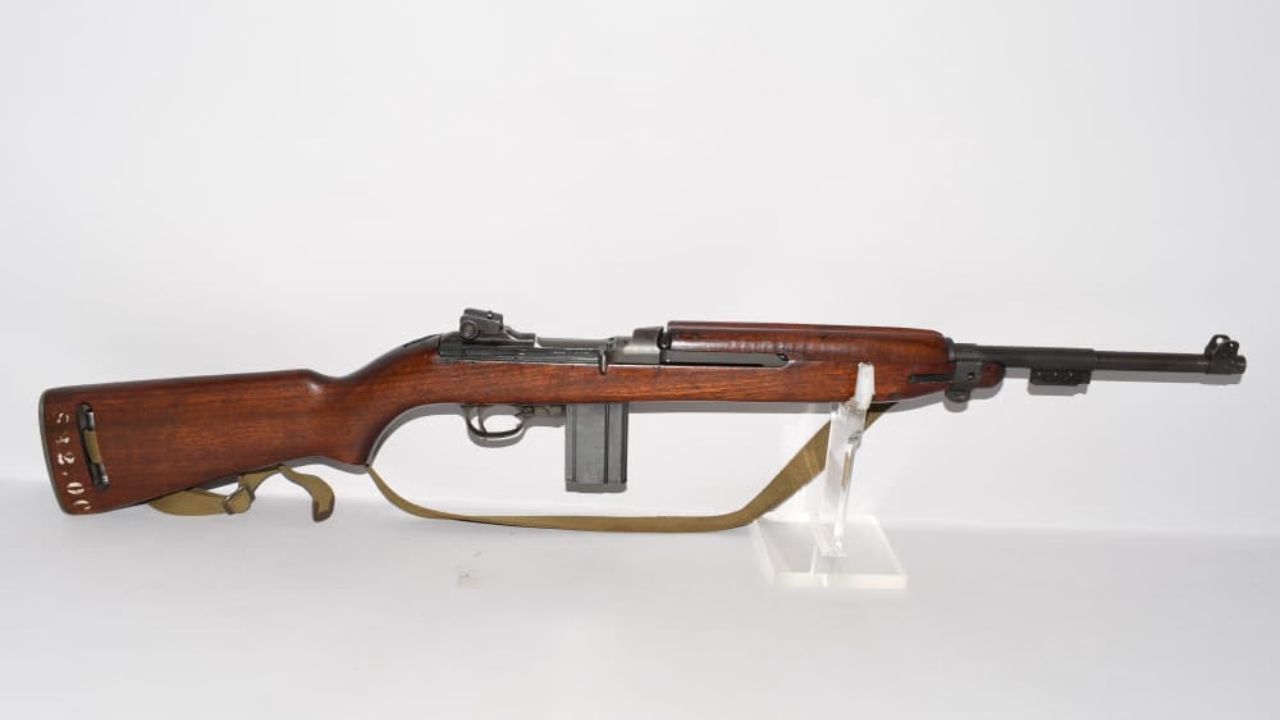
The M1 Carbine is a classic, but it was never intended to be a precision rifle. Many modern commercial versions, including Auto-Ordnance examples, can be perfectly serviceable while still printing groups that look wide compared to what you’re used to with bolt guns. The short sight radius, carbine-length barrel, and typical ammo choice all lean toward practical accuracy rather than small clusters.
You can still get solid performance inside the carbine’s lane. Use quality ammunition, confirm that the sights are tight and centered, and shoot with a consistent cheek weld. Some carbines do better with specific loads, and some are content with “combat accurate.” The mistake is treating it like a modern precision carbine and getting mad when it won’t cooperate. When you view it as a fast-handling historical shooter with realistic accuracy limits, the patterns stop feeling personal.
Remington 742 Woodsmaster

The 742 has filled freezers for decades, but it’s also famous for being inconsistent on paper once you start chasing groups. The semi-auto design, fore-end pressure, and barrel heating can turn a promising first group into a wandering mess. Plenty of shooters see that “first shot is fine” behavior, then the rifle starts stringing or opening up as you keep shooting.
A well-maintained 742 can still be a good hunting rifle, especially if you keep the role narrow. Confirm the rifle is mechanically sound, use ammo it feeds smoothly, and zero it with a cold barrel. Then stop treating it like a range rifle. The 742’s reputation comes from people trying to shoot long strings and expecting bolt-gun consistency. Treat it like a one-or-two-shot hunting tool and it often behaves far better than it does during bench sessions.
Remington 7400

The 7400 followed the same general path as the 742—useful hunting rifles that can frustrate you on the bench. Many will group acceptably for woods ranges, then turn into patterns when you lean on them with longer strings. The platform’s sensitivity to heat and the way the fore-end interacts with the barrel can cause point of impact shifts that feel random if you’re not watching for it.
If you own a 7400, the smartest move is to build your confidence around realistic shooting. Confirm function, confirm cold-bore zero, and practice the shots you’ll actually take in the field. Keep the rifle clean and the mounting hardware tight, because small looseness becomes big frustration fast. The 7400 can do its job well, but it rarely rewards the guy who wants to shoot five slow groups and brag about measurements.
Remington Model 770
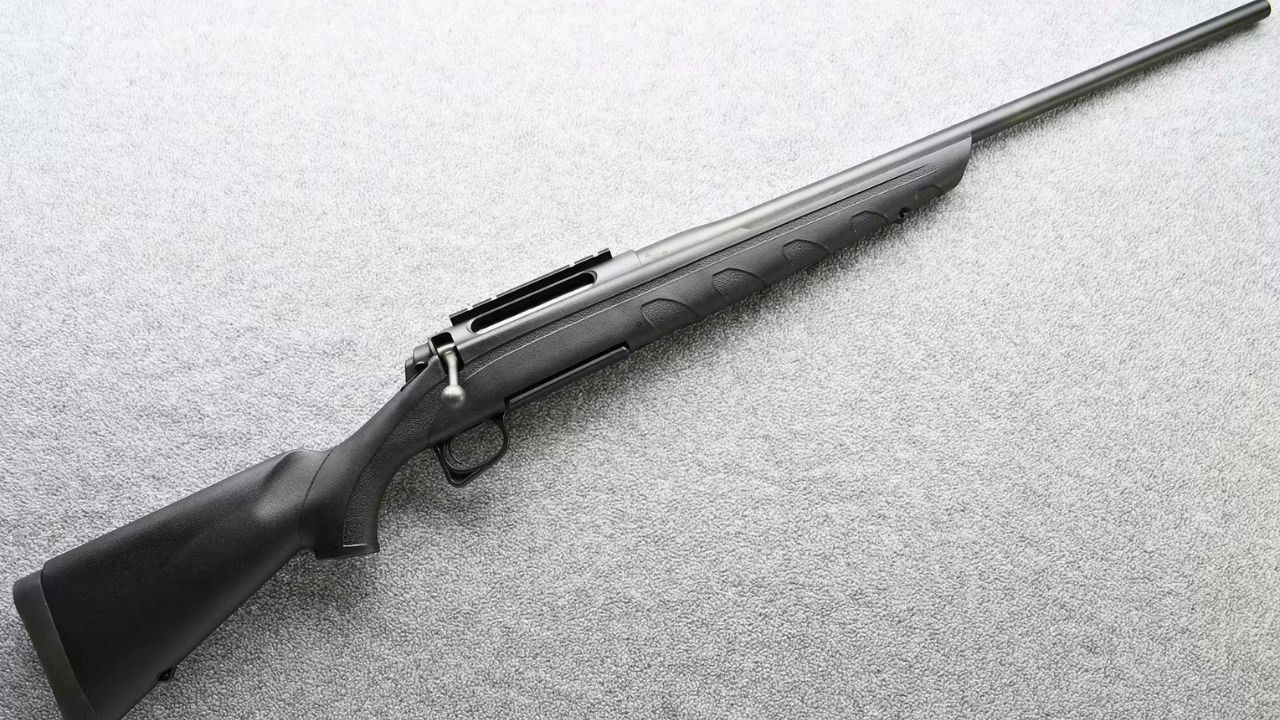
The 770 earned its reputation because consistency varies rifle to rifle, and many feel rough enough to make good shooting harder than it needs to be. Heavy triggers, flexible stocks, and bargain-package optics setups often stack together. The result is a rifle that might print an okay group once, then spread shots into a loose pattern when you try to repeat it.
Some 770s can be made workable with attention to fundamentals. Ditch questionable optics, use solid rings and bases, and feed it ammo that actually agrees with the barrel. Focus on clean trigger press and consistent support, because these rifles tend to magnify shooter input. Even with that effort, the 770 is rarely a platform that inspires confidence at the bench. It’s often a “good enough for deer” rifle that gets asked to do more than it was built to deliver.
Mossberg 715T

The 715T looks the part, but its reputation for inconsistent accuracy comes from how it’s built and how it’s commonly set up. The furniture and rail-heavy approach can introduce wobble and shifting feel, and the trigger and overall rigidity aren’t typically in the same league as better .22 trainers. On paper, that can turn into groups that open up even when you think you’re doing everything right.
A 715T can still be fun for casual shooting, but it rarely rewards careful group work. Keep expectations practical, use ammo it cycles consistently, and pay attention to any play in the sights or optic mounting. A lot of “bad grouping” with this rifle is the system flexing and the shooter fighting the trigger. It can be made serviceable for plinking, yet it’s not the rimfire you grab when you want to measure groups and feel proud.
Marlin 1895 Guide Gun
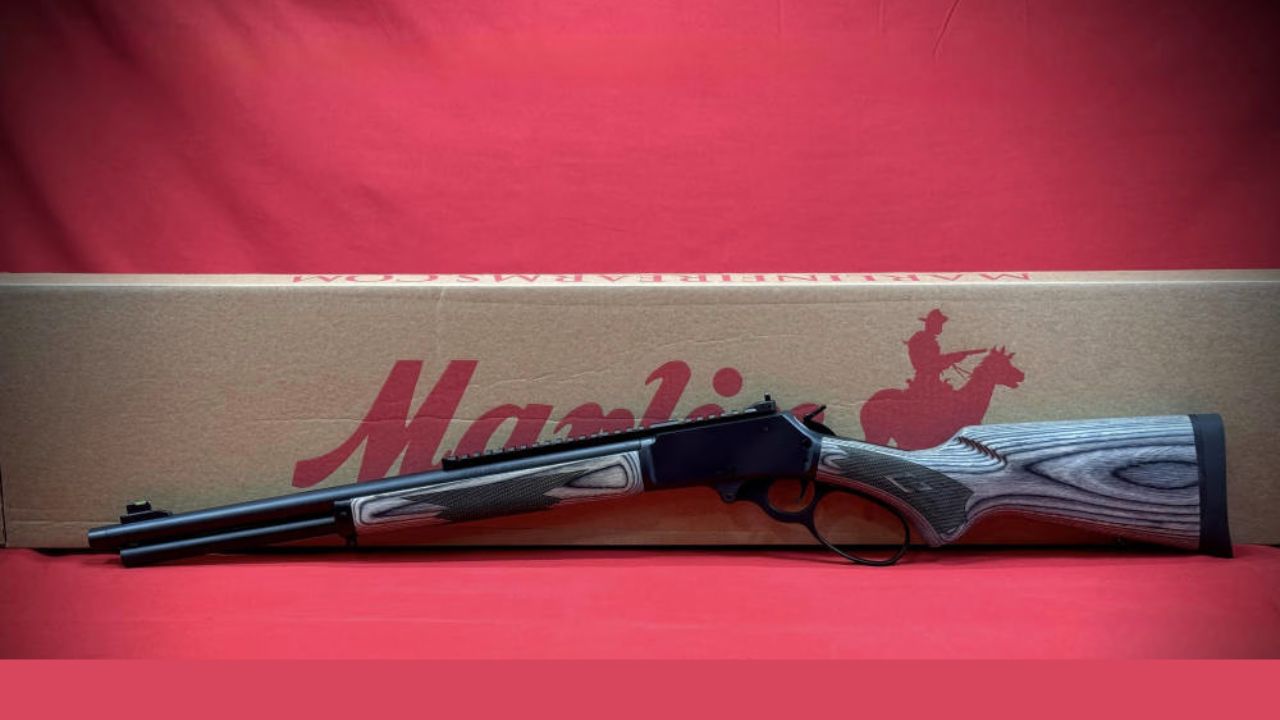
A Guide Gun is built for close-range authority, and many of them aren’t thrilled when you try to bench them like a precision rifle. Heavy recoil, a short barrel, and typical lever-gun fore-end and magazine-tube influences can create groups that look more like patterns, especially if you’re shooting stout loads. It’s also common to see point of impact shift as the rifle warms and you change how you hold it.
You can still get a Guide Gun dialed for hunting. Pick one load and stick with it, because .45-70 can vary wildly across bullet weights and power levels. Mount your optic correctly and keep magnification reasonable, then practice the shots you’ll take in the field. The rifle is at its best inside sane distances, where the group size matters less than fast handling and reliable hits.
Winchester Model 94

The Model 94 is one of the most beloved deer rifles ever, and it’s also one of the easiest to misunderstand at the range. Many will not print tight benchrest groups because of the design, the typical sights, and how the barrel and magazine setup can influence consistency. Add a century of wear on some examples and you’re often looking at “good enough” patterns rather than clean little clusters.
You get the most out of a 94 by shooting it like a hunting rifle, not a target rifle. Use consistent ammo, confirm your sights are tight, and practice from field positions where the rifle shines. Keep your expectations tied to real-world ranges. A Model 94 that holds a few inches at 100 yards can still be deadly on deer in the woods. The mistake is trying to force it into a precision role and getting angry when it refuses.
Marlin 1894 (pistol-caliber versions)

Pistol-caliber lever guns can be accurate, but the Marlin 1894 often lives in a world of wide ammo variation. .357, .44 Magnum, and .45 Colt loads can differ greatly in velocity, bullet style, and how they behave in a carbine barrel. That alone can turn group work into a guessing game. Add the lever-gun realities—fore-end pressure and magazine-tube influence—and some rifles print patterns when you start mixing loads.
The path to better groups is consistency. Pick one load, confirm it shoots well, and stop swapping ammo every few shots. Keep your rest technique consistent, because hard pressure on the fore-end can change point of impact. Many 1894s will tighten up when you treat them like a practical short-range rifle and stop trying to make them act like a heavy bolt gun. Within their lane, they can be excellent.
Ruger American Ranch (7.62×39 versions)

The American Ranch in 7.62×39 is a handy concept, but it can be an unpredictable grouping experience depending on ammo and magazines. The cartridge itself varies a lot across common steel-case loads, and the platform often gets shot with “whatever’s available.” That combo can produce groups that look more like patterns, especially when you switch brands or bullet styles without re-zeroing.
A Ranch rifle can still be very useful when you settle it down. Run consistent ammunition, verify the action screws are torqued correctly, and make sure your optic mounting is solid. Many shooters also see the biggest gains by slowing down and shooting three-shot groups instead of long strings. With the right load, some rifles do quite well. With random ammo and rushed shooting, the target often tells a messy story that feels worse than the rifle actually is.
Like The Avid Outdoorsman’s content? Be sure to follow us.
Here’s more from us: