
There are guns that feel like a perfect match the second you pick them up. Great grip angle. Clean lines. Points naturally. You dry fire it once and think, “Yep—this is the one.” Then you get to the range and it turns into a whole different experience: snappy recoil, a trigger that feels worse under live fire, sights you can’t track, or a grip that starts chewing you up by magazine two.
Smith & Wesson 340PD
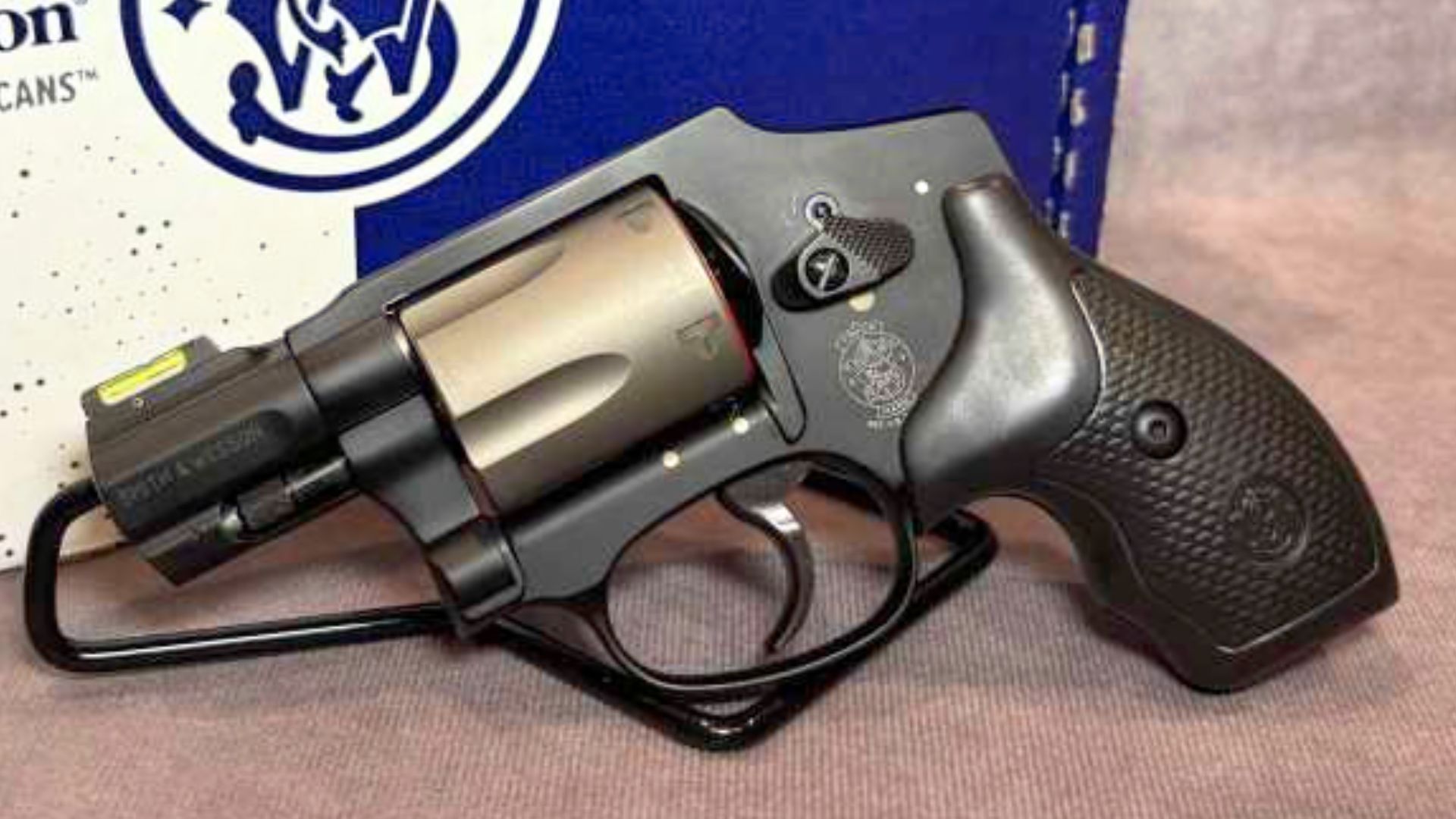
In the store, the 340PD feels like the ultimate “always gun.” It’s crazy light, disappears in a pocket, and it’s built like a serious tool. On the line, it reminds you real quick that ultra-lightweight + magnum potential is a mean combo. Even with .38s, a lot of shooters find it jumps hard and makes them flinch.
The other reality is that snubs don’t give you much forgiveness. Short sight radius, heavy trigger, and a grip that can feel punishing if it doesn’t fit your hand. The 340PD can be a great carry choice for the right person, but plenty of people shoot it once, hate it, and quietly stop practicing with it—which is exactly how a “smart carry purchase” turns into a safe queen.
Ruger LCR .357

The LCR feels slick in the hand and the trigger can feel surprisingly smooth for a small revolver. It also feels light enough that people get excited about carrying it daily without thinking twice. Then you shoot it, and the recoil feels sharp and jumpy—especially with hotter loads—and your hands start getting tired fast.
What catches people off guard is how much grip and trigger management matters on these little guns. The LCR can be very shootable with the right setup and expectations, but many buyers walk in thinking “revolver equals easy,” and walk out realizing “snub equals work.” If you don’t enjoy shooting it, you won’t train with it, and that’s why it ends up being one of those “felt perfect in the store” guns.
Smith & Wesson 642

A J-frame feels like a classic answer in the gun shop. Simple. Light. No fuss. It sits in the hand well and it feels like something you could carry for the next twenty years. Then you hit the line and discover the truth: snubs are not beginner-friendly, and they’re not “easy mode” just because they’re revolvers.
The trigger is heavy, the sights are minimal, and the recoil makes the gun move more than people expect. You’ll see it in the target too—wide groups unless you slow way down. A lot of folks buy a 442/642 with great intentions and then realize they don’t want to put in the reps required to shoot it confidently. It’s a legit tool, but it’s not a free lunch.
Walther PPK
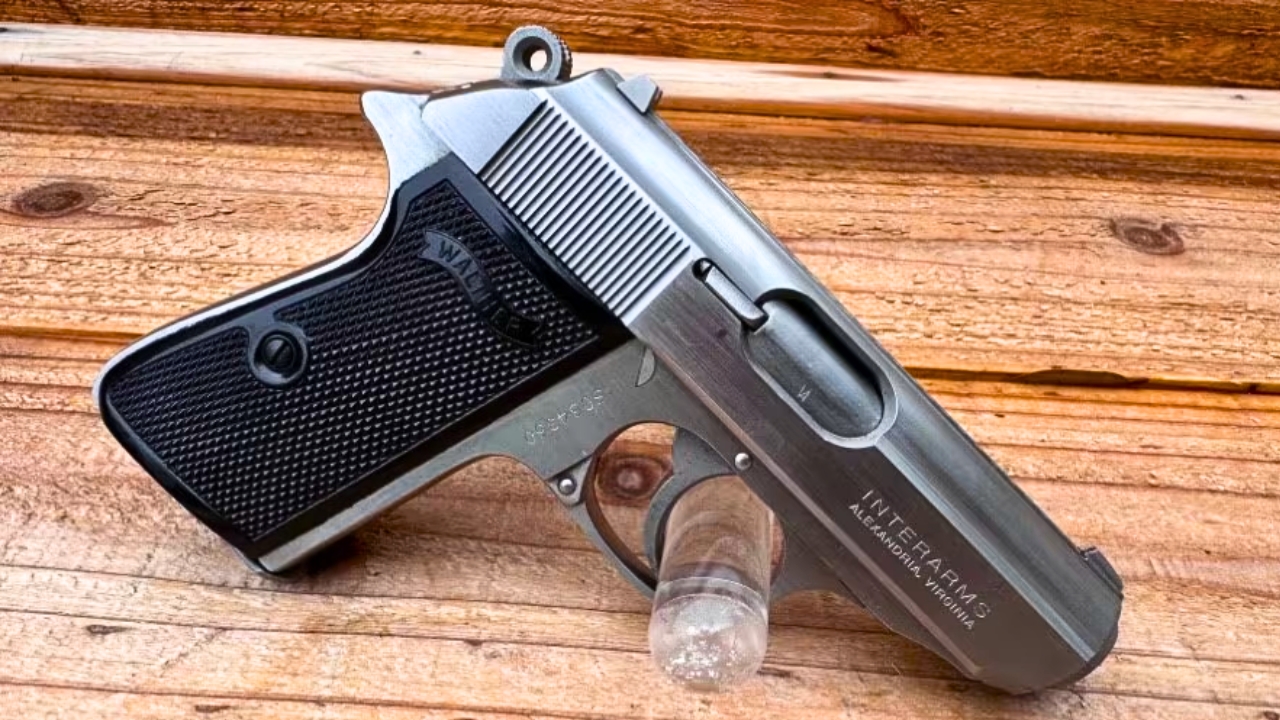
In the shop, the PPK feels classy. Slim. Solid. It points well and it just has that “this is a real carry gun” vibe. On the line, a lot of shooters learn why so many people describe it as unpleasant. The blowback recoil impulse can feel sharp, and the slide/hammer area can punish hands if you don’t grip it a certain way.
Then there’s the trigger situation. Some shooters love it, some struggle with it—especially when they’re trying to shoot fast and clean. The PPK can be carried and it can work, but it’s one of those guns that sells itself on looks and feel first… and then makes you earn it when you actually start shooting strings and trying to keep groups tight.
Kimber Micro 9
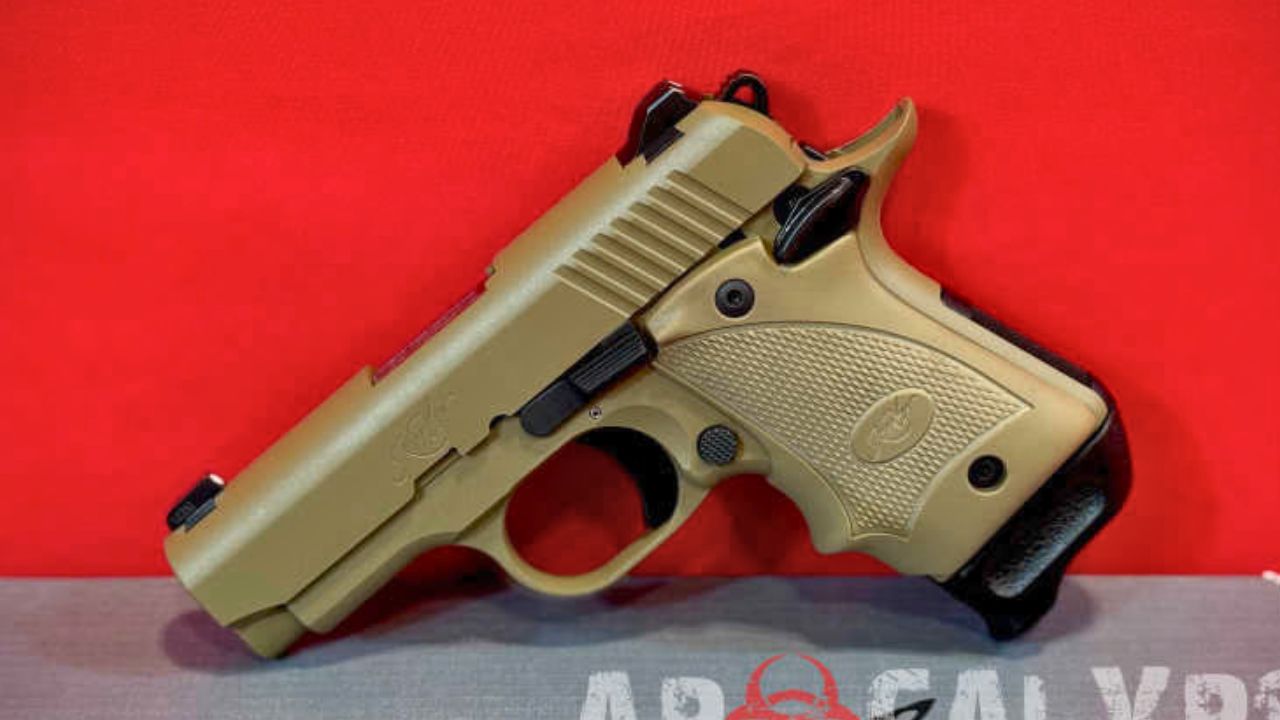
The Micro 9 looks like a perfect carry pistol: small, good-looking, good in the hand, and it feels like a “premium” option. The disappointment often shows up under live fire when you realize tiny 9s can be snappy, and small 1911-ish guns can be pickier and less forgiving than people expect.
A lot of shooters also discover they don’t like how it behaves once they start shooting faster. The grip is small, the gun moves, and it can punish sloppy technique. Some people love them and run them fine. But many buy it because it feels amazing at the counter, then they realize it’s not the relaxing range pistol they imagined. It’s a carry-sized gun that demands carry-sized expectations.
Springfield XD-S .45

In the store, the XD-S .45 feels like a power move: “I’ll carry a .45 in something slim.” It sits in the hand okay and it looks like it solves a problem. On the line, it can feel like it’s trying to tear itself out of your grip. Small .45s tend to be sharp, and the gun’s movement can make it hard to stay consistent.
That’s where disappointment hits: your groups open up, follow-up shots feel slow, and your hands start getting beat up. People love the idea of a slim .45 until they’re actually shooting it for more than one magazine. It’s not that it can’t work. It’s that a lot of folks buy it on concept, then realize their real-world skill and comfort are better served by something more controllable.
Glock 27

The Glock 27 feels like a compact workhorse in the store. It’s a Glock, it’s small, it’s a familiar setup, and people think “I’m getting more power in a little package.” On the line, the .40 impulse in a short gun can be rude. It snaps, it shifts, and it can make shooters start milking the grip or snatching the trigger.
A lot of guys buy a G27 and then quietly move to a 9mm after they see what their targets look like when they speed up. You can shoot it well if you’ve got the reps and you’re honest about technique. But for many shooters, it’s the gun that taught them “controllability is king.” It feels great in the hand—until it starts bouncing around under recoil.
Beretta Nano

The Nano feels like a clean, snag-free carry pistol when you handle it. Smooth sides, compact profile, and it seems like a no-drama option. On the line, plenty of shooters find it doesn’t “settle” the way they want. The grip can feel small, the sights can feel less forgiving, and it’s easy to shoot it worse than you expected unless your fundamentals are locked in.
The Nano’s whole identity is deep concealment, and deep concealment often costs you shootability. That’s where disappointment comes from—people expect a “normal” pistol experience because it’s a 9mm, then realize it behaves like a small carry gun. If you don’t like training with it, you don’t train with it. And that’s how these end up getting traded.
Kahr PM9

The PM9 feels slim, solid, and easy to conceal—exactly what a lot of folks want. In the store it often wins on “this feels like it’ll disappear.” On the line, some shooters struggle with the long, smooth trigger stroke and the fact that small, thin pistols don’t forgive sloppy grip or sloppy press.
What usually disappoints people is how much concentration it takes to shoot tight groups quickly. It’s not a bad gun. It’s a gun that makes you do your job. If you’re expecting a short, crisp striker-style feel, you might walk away thinking, “Why is this harder than it should be?” That mismatch between expectation and live-fire experience is why Kahrs get bought with excitement and then sold after a few range trips.
Taurus Judge

In the store, the Judge sells itself fast. It’s different, it looks tough, and people like the idea of a revolver that can do multiple roles. On the line, the reality can feel clunky. The grip can be awkward for some hands, recoil can be surprisingly unpleasant depending on loads, and the gun often doesn’t deliver the clean shooting experience people imagine.
The other issue is practical use. Once the novelty wears off, many owners realize it’s a big revolver to carry and a weird one to train with. If your goal is actually becoming confident with what you carry, a Judge can feel like a detour. That’s why it’s one of those “felt amazing at the counter” guns that sometimes turns into “I don’t even take it out much anymore.”
Desert Eagle

Everybody smiles when they pick up a Desert Eagle in the store. It’s a monster, it’s iconic, and it feels like you’re holding a movie prop that actually works. On the line, it’s a different story. Weight helps, but recoil, blast, and the sheer drama of shooting it can turn “this is awesome” into “I’m done after one mag.”
A lot of buyers don’t realize it’s not a casual range gun. It’s expensive to feed, it’s loud, and it demands attention. The fun is real, but the novelty can fade fast if you’re trying to actually train or shoot for groups. It’s the definition of “cool purchase” that people love to own… and don’t love to shoot regularly.
FN 509 Tactical

The 509 Tactical looks like a ready-to-go fighting pistol: threaded barrel, optic-ready, and a serious vibe. In the store it feels like you’re buying capability. On the line, some shooters discover that “tactical” setups can make a gun feel tall, bulky, and harder to run clean—especially once you add an optic and a light and the gun starts feeling top-heavy.
The disappointment isn’t always reliability. It’s shootability and comfort. Some shooters just never get it to feel “natural” in speed work, and the extra mass hanging off the front changes how the gun returns. If you bought it thinking it would instantly improve your performance, the target will humble you. It’s a solid platform, but it can feel worse than expected if the setup isn’t dialed.
1911 Officer/Compact models (3″–3.5″)

In the shop, compact 1911s feel like the perfect answer: classic ergonomics, slim profile, and a trigger that feels great on dry fire. On the line, many compact 1911s become drama queens. Short-slide 1911s can be less forgiving, and little parts and timing matter more as you shrink the design.
Even when they run, a lot of shooters find the recoil impulse and the way the gun cycles feels different than a full-size 1911. It can feel snappy and less stable, and your accuracy at speed can suffer. A good one can be great. But plenty of buyers pick up a compact 1911 because it feels amazing in-hand, then realize they prefer carrying something that’s more boring and consistent.
Ultra-light .44 Mag revolvers (S&W 329PD as the poster child)
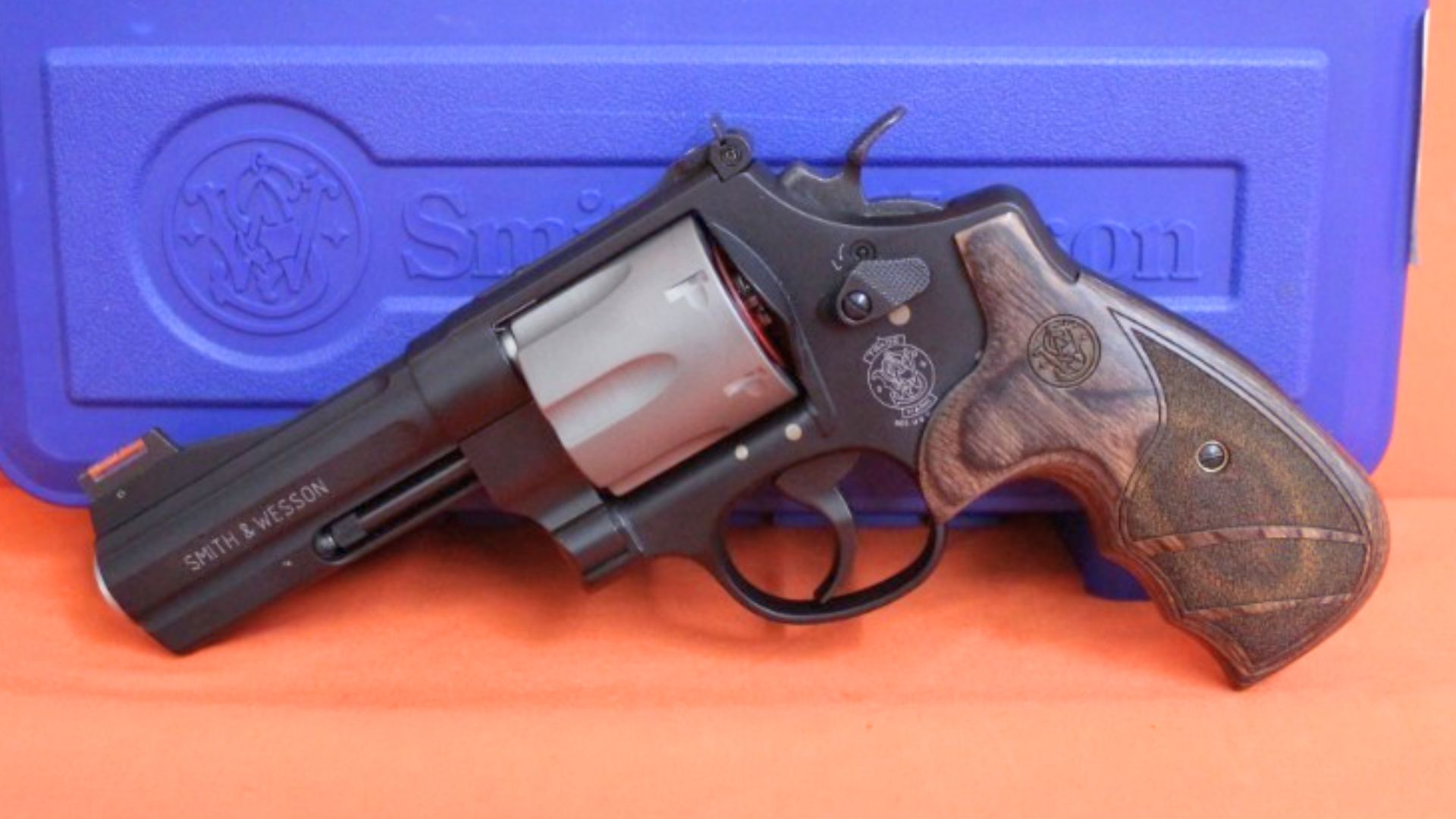
In the store, an ultra-light .44 Mag revolver feels like a miracle: “I can carry this big bore without it dragging my pants down.” On the line, it can feel like punishment. Even with lighter loads, the recoil can be brutal, and with magnums it can be downright disrespectful. It’s the kind of gun that can make good shooters flinch in a hurry.
The disappointment is predictable: people buy it for “just in case” wilderness carry, shoot it once or twice, then avoid it. That’s a problem, because familiarity matters. If you’re going to carry a gun for serious use, you need to be able to run it confidently. These ultralights are a specific tool for a specific role—and they’re not a great choice for people who want a pleasant range experience.
Micro .380s in general (LCP-size class)

Tiny .380s feel like the smartest idea in the store because they vanish in a pocket and they’re easy to keep on you. The moment you start shooting them, a lot of people realize why they don’t enjoy training with them. Small grip, tiny sights, snappy impulse, and less forgiveness. Your hands get tired, your groups get wide, and you start treating it like a “carry-only” gun instead of a gun you practice with.
And that’s the trap. A pistol you don’t practice with becomes a pistol you don’t trust. Micro .380s have a role, and they can save lives. But for many shooters, the store experience sells them on convenience while the range experience teaches them the cost.
Like The Avid Outdoorsman’s content? Be sure to follow us.
Here’s more from us:


