Photo credit: NRApubs/YouTube
Some guns are dependable for years. Others seem like they’re on a timer. You take care of them, shoot them reasonably, and still, things start falling apart the moment the warranty runs out. Whether it’s brittle internals, poor QC, or cheap materials behind the scenes, certain models don’t hold up long-term. It’s frustrating when a gun feels solid at first but starts misbehaving right when support is no longer free.
Here are the firearms known for giving up the ghost not long after the warranty clock runs out.
Remington 597
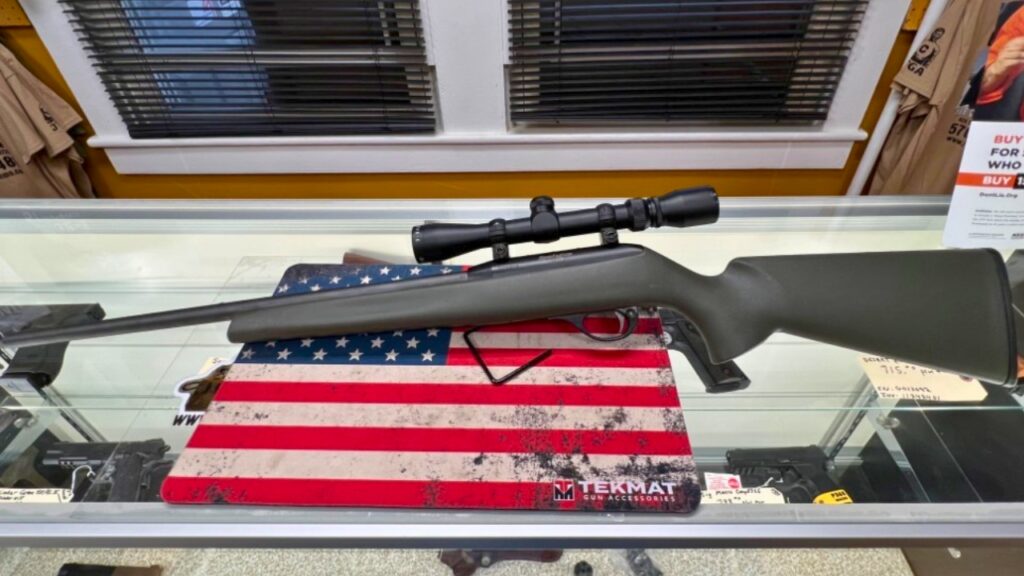
The Remington 597 had potential on paper, but long-term use tells a different story. Extractor and magazine issues pop up often—and you’ll usually hit that wall right outside the warranty period. Feed issues become more common, and the factory mags don’t help.
If you’ve made it through the first few hundred rounds clean, that doesn’t mean you’re in the clear. Small parts wear out faster than they should, and aftermarket fixes can turn into a money pit.
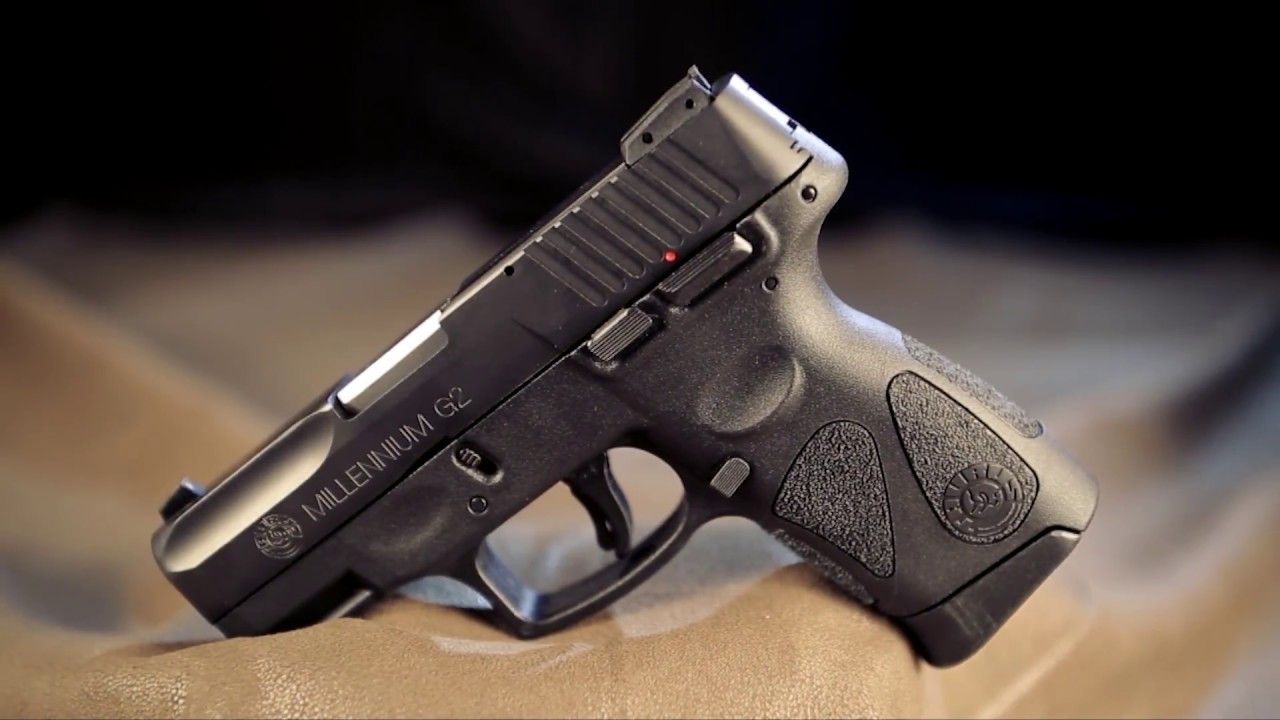
Taurus PT111 Millennium G2

This one ran surprisingly well early on, especially for the price. But once the round count creeps up and the warranty’s behind you, issues start showing. Firing pin failures and slide wear aren’t uncommon with steady use.
Plenty of folks have had good experiences with them—until they didn’t. Support isn’t terrible, but if you’re out of warranty, expect to pay out of pocket for a gun that might not be worth keeping long-term.
KelTec Sub2000
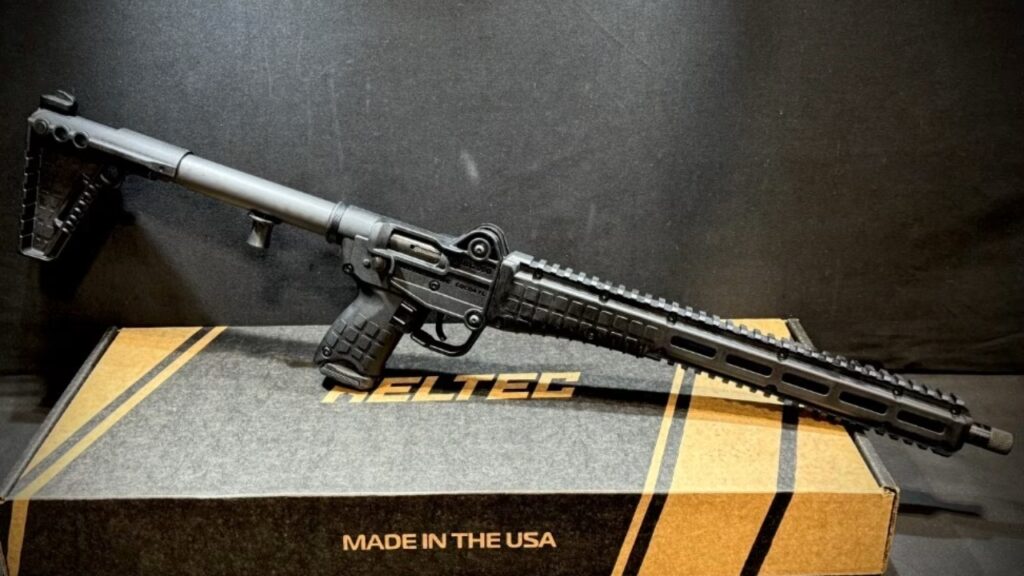
The concept behind the Sub2000 is smart, but execution hasn’t always held up. Hinges, pivot pins, and even polymer components start showing wear after moderate use. And those wear points tend to give out right around the end of coverage.
You’ll also start noticing tolerance issues that mess with your zero and feeding. If you’re hard on your gear or shoot frequently, this isn’t a platform that ages well without effort.
Remington R51
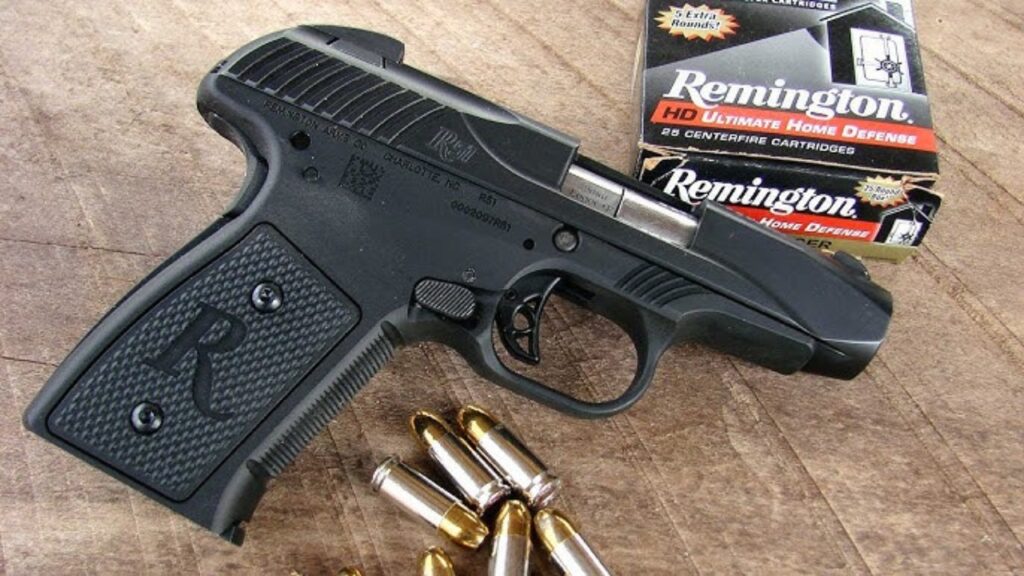
Even after its relaunch, the R51 has never shaken off its problems. Feed issues, rough cycling, and inconsistent tolerances have plagued it. If you get a decent one, count yourself lucky. Most don’t stay that way.
By the time many shooters put enough rounds through to fully trust or critique it, the warranty is long gone—and the cost to get it running right again usually isn’t worth it.
Walther CCP M1

The CCP M1 had a unique gas-delayed blowback system that sounded promising but led to issues. Disassembly was a hassle, but the real problems came with wear—especially in the striker assembly and internal seals.
Failures to fire and inconsistent cycling tend to ramp up over time. It’s not always immediate, but if it’s going to go south, it often happens after the warranty window closes. The M2 version fixed some of it, but not all.
Mossberg 715T
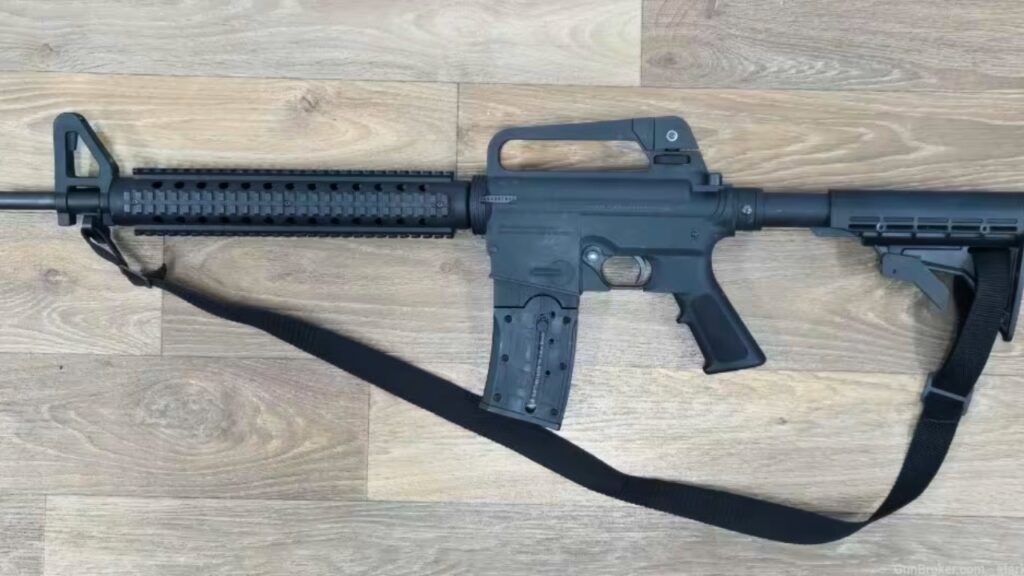
This .22 rifle looks tactical but is built on a fragile platform. The internals are based on the Mossberg 702 Plinkster, and it shows. Feeding problems, mag alignment issues, and cheap polymer components start creeping in with moderate use.
These aren’t built to last. If you plan to shoot regularly, expect to see the weak points emerge right after the return window is no longer your safety net. Repairs often cost more than the rifle’s worth.
Springfield XD-E
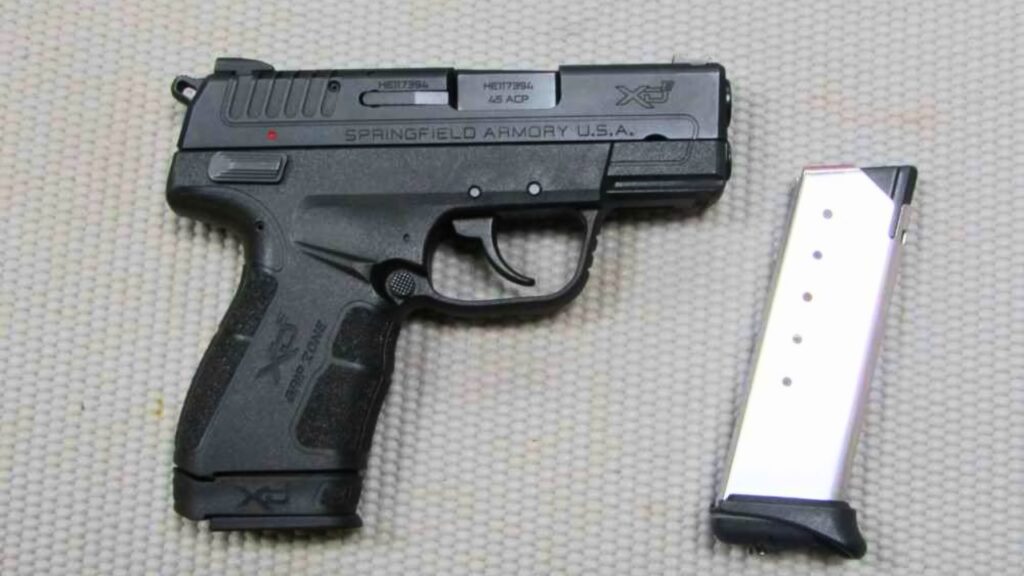
The XD-E’s hammer-fired setup made it stand out from the rest of the XD line, but that novelty wore off fast. Reports of decocker issues and trigger return problems tend to come up after extended use—and usually after support is limited.
Some units run fine, but it’s a roll of the dice. Once the honeymoon period wears off, reliability doesn’t always hold. That can leave you debating whether it’s worth chasing repairs or cutting your losses.
ATI Omni Hybrid
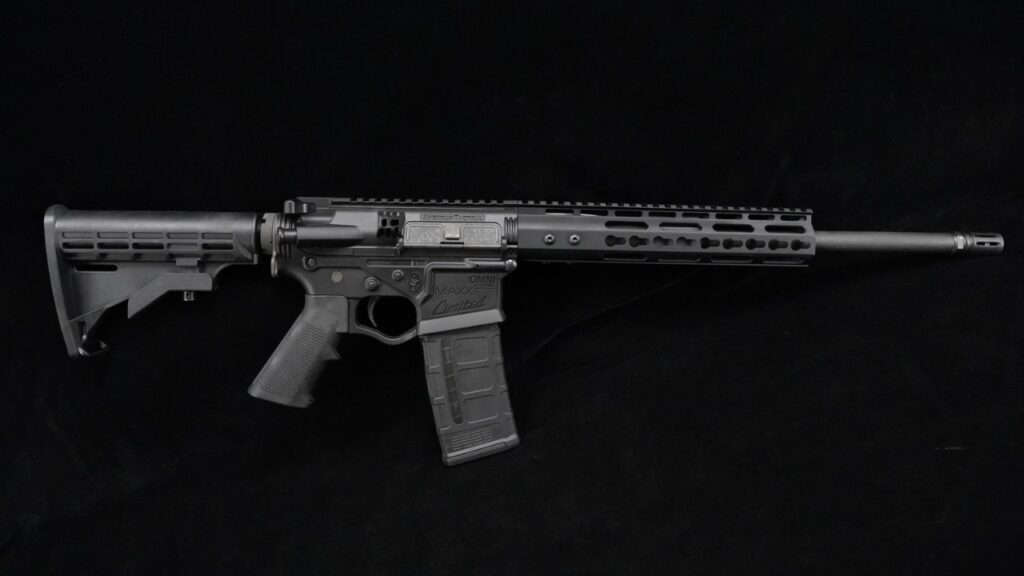
This AR-style rifle uses a polymer lower with a metal insert, which helps save weight—but also makes it prone to stress fractures over time. Shooters have reported cracks near the buffer tube and magwell, especially after the warranty runs out.
You might not notice anything until you’ve cycled a few thousand rounds. But once those weak points start to show, there’s not much you can do to reinforce them. It’s a lightweight setup that doesn’t hold up.
SCCY CPX Series
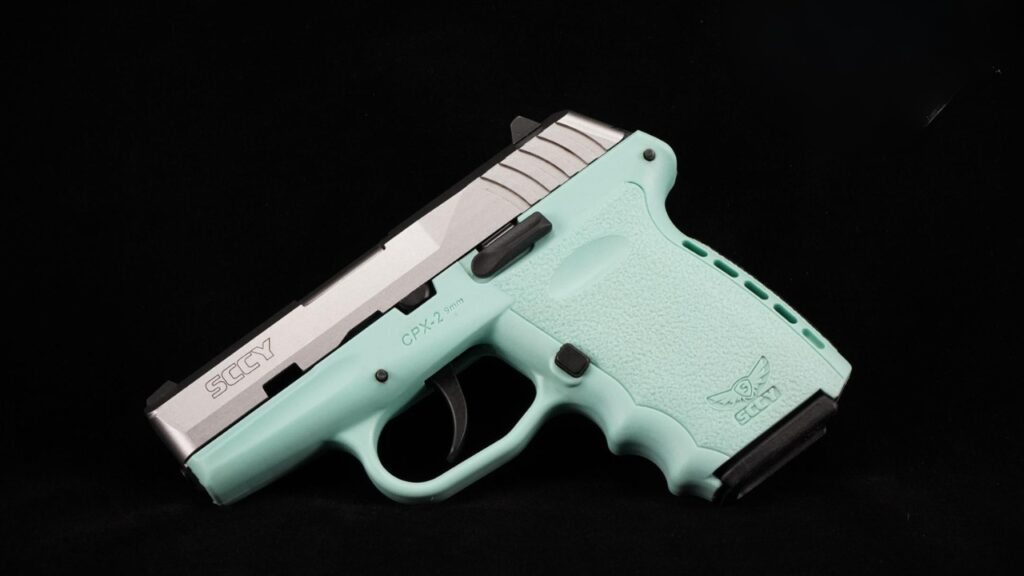
SCCY pistols are cheap, and that’s the draw—but they’ve also been known to develop problems after limited use. Trigger springs, firing pins, and extractor tension tend to wear out faster than expected.
The company has a lifetime warranty, but getting work done often takes time and effort. If you’re already outside of warranty coverage or bought secondhand, you might be left with a pistol that’s more trouble than it’s worth.
Bushmaster Carbon 15
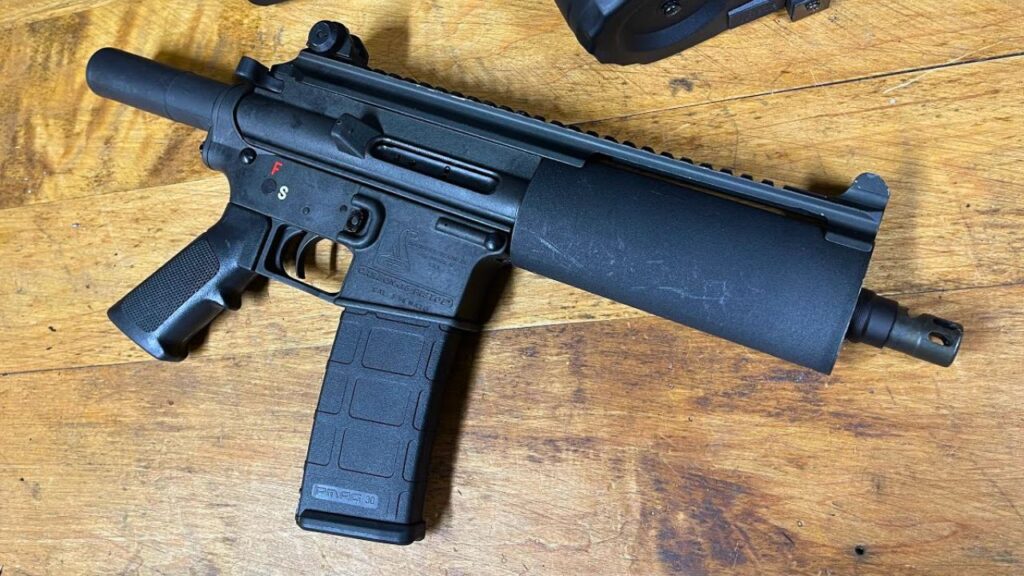
The lightweight carbon fiber concept was interesting, but the execution fell flat. Tolerance issues and cracking in the upper and lower receivers became common with even moderate use.
It’ll usually hold together for light range work, but once you put it through serious use—or even bump it around in the truck—it starts to wear out fast. And when it fails, it tends to be outside of support coverage.
*This article was developed with AI-powered tools and has been carefully reviewed by our editors.