Photo credit: Savage Arms
You know the sting of watching a rifle that should be honest with you—then it isn’t. You clean it, you check mounts, you swap ammo, and the POI still wanders. That kind of inconsistency usually traces back to a few repeatable causes: poor bedding, cheap stocks that flex, mismatched parts, or early-production assembly issues.
This version swaps the rifles from the last draft and calls out different models shooters name when accuracy gets flaky. I’m not trashing brands — I’m telling you what people in the field actually ran into and what to watch for. Treat these notes like a checklist: if you own one of these, test carefully, don’t assume out-of-the-box precision, and know the fixes before you trust it on game or paper.
Remington 783

If you’ve handled a Remington 783, you’ve probably noticed it’s aimed squarely at budget hunters. That makes it attractive, but it also means corners got cut where accuracy lives. A lot of owners report inconsistent bedding and a pressed-in barrel fit that lets pressure points develop as the barrel heats up. In practical terms you’ll see a cold-bore group that looks decent, then the next strings wandering unpredictably. Folks chasing consistency often find the action-to-stock mating is the weak link; a single torque pattern or a sling tug can change point of impact. Some rifles respond very well to a glass- or pillar-bed and a careful torque regimen; others don’t want to play nice and eventually get traded. The honest path is to test the gun with the ammo you plan to use and be prepared to treat the bedding if you want reliable repeatability.
Savage 11/110

Savage’s 110 lineage stretches back decades, and some of the newer, budget-focused 11/110 variants aimed at value shoppers have a mixed accuracy story. The actions and barrels are fine on paper, but a handful of owners report variability caused by inconsistent action bedding and lightweight aftermarket-ish stocks that flex. That means your shot groups can walk between strings even when the scope and rest are rock-solid. A common fix is the same one you’d apply elsewhere: proper bedding, solid pillars, and consistent torque. Some shooters also find barrel harmonics react strongly to certain handloads, so carefully testing several bullets and seating depths can tame the problem. The takeaway is simple — the base platform can be good, but if you expect factory sub-MOA out of a value package without bedding or load work, you’ll likely be disappointed.
Ruger American

The Ruger American platform has made a name for itself, but early production runs of the standard American series produced enough reports of wandering POI that shooters learned to be suspicious. The core complaint centers on stocks that flex under sling or bipod pressure and on inconsistent headspace/fitment tolerances in early batches. You might get three rounds clustered tight and then the fourth walk off in a way that makes you re-check everything. The good news is Ruger tightened tolerances in later runs, and many of these rifles respond well to simple bedding or a heavier forend. If you bought one used or from an early run, don’t assume it’s problem-free — test at least a dozen rounds with your hunting load, and if you see walking impacts, consider bedding and re-torquing the action screws to a consistent spec.
Mossberg 4×4

Mossberg’s affordable bolt guns — whether early Patriot variants or some of the branded 4×4-style models — have occasionally shown accuracy inconsistency in the field. The pattern is familiar: factory stocks that don’t fully float the barrel, uneven barrel channels, and action screws that don’t give a repeatable seating pressure. That combination lets minute changes in how you rest or sling the rifle alter the point of impact. Hunters who depend on a dead-nuts first-shot zero can be surprised. Many owners report the rifle shoots acceptably after a bedding job and consistent torqueing, but out of the box you shouldn’t assume paper-punching precision. Test before relying on it; if it walks, bedding the action or swapping to a stiffer stock usually fixes the issue.
Ruger American Predator / Compact precision variants

The Predator and compact flavors of some Ruger American models aimed at varmint work or compact hunting are light and handy — until they’re not. Because manufacturers push weight and length compromises, some of these shorter-barreled, light-stock variants are sensitive to heat and barrel harmonics. In practice you’ll see seemingly random flyers after a few shots as the barrel warms or if you change your hold. This is exacerbated by short, thin barrels that don’t damp harmonics well. Tuning with heavier-contour barrels or experimenting with handloads that hit the rifle’s sweet spot can help; otherwise, you may find consistent point-of-impact only after bedding and careful load development. Don’t assume compact means accurate out of the box — these rifles sometimes demand more attention if you want repeatable precision.
Savage Axis II

The Axis II rescued the Axis name with better triggers and fit, but certain batches still show the classic budget-rifle accuracy traps: action-to-stock mismatches and cheap synthetic stocks that shift. Shooters report good groups on one day, then scattered impacts the next after the rifle’s been handled or the barrel warms. The fix is the same pattern we’ve seen: when you have inconsistent contact between action and stock, pressure points change and the barrel harmonics alter. For many Axis II owners, a modest bedding job or a set of guide pillars converts the rifle from a frustrating scattergun into a dependable hunting tool. The important part is testing your rifle with the loads you’ll use in the field before you trust it on game.
Marlin 336

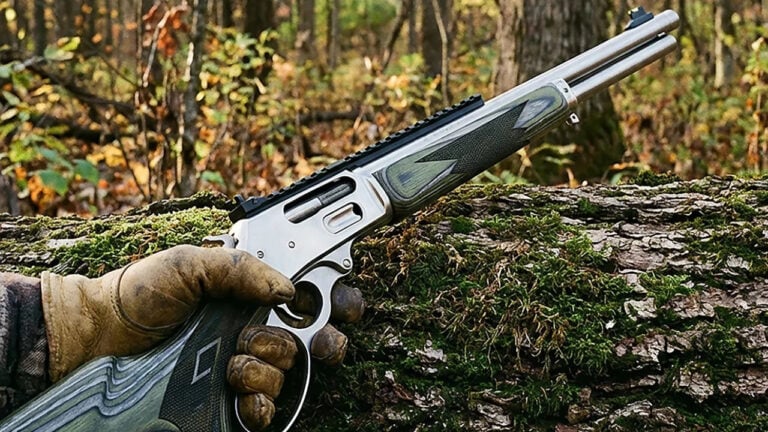
The Marlin 336 is a beloved legacy design, and most examples behave well, but recent production runs of modern iterations sometimes show variability stemming from stock fit and barrel bedding differences. A shooter might get superb groups out of a freshly cleaned barrel and then see impacts walk off after a string of shots. Unlike obvious mechanical failures, this is the subtle interplay between barrel heating and imperfect stock contact. Many owners pin the issue to action bedding and inconsistent inletting. A proper gunsmith can often get a 336 to behave with bedding work or a replacement stock, but out of the box you may be chasing torque specs and load selection to restore consistent POI.
Howa 1500

Howa’s 1500 actions are generally solid, but budget-stocked variants and some factory setups can show inconsistent zero if the bedding and torque are left to chance. Reports typically describe crisp cold-bore groups followed by wandering impacts as the barrel heats or as the forend pressure shifts. Because Howa actions respond well to careful bedding and correct torque, these rifles are fixable — they’re not inherently flaky — but they reward owners who spend a little time dialing in bedding and load development. Try several bullets and seating depths; if the rifle walks, address the stock-to-action interface before you blame the barrel.
Tikka T3

Tikka T3 rifles have an excellent reputation overall, but like any platform, there are outliers — especially used or early examples that experienced poor assembly or stock wear. In some instances owners find that warpage in lower-grade stocks or a loose recoil lug interface allows point of impact to drift between strings. These are uncommon, but when they occur they’re maddening because the Tikka action and barrel are otherwise dependable. The remedy is straightforward: inspect the bedding, verify torque specs, and consider replacing a compromised stock. The T3 usually rewards the patient owner; the few that wander usually do so because of stock or fit issues rather than barrel defects.
CZ 557

The CZ 557 is a fine action, but a minority of shooters note inconsistent accuracy in certain chamberings or early production runs, often due to mismatched barrel harmonics and stock fit. You might get a rifle that shoots laser-tight groups with one bullet, then won’t print the same group with another even at the same velocity. That sensitivity points at a rifle that needs load development to find its sweet spot, and sometimes minor bedding adjustments to stabilize harmonics. Unlike cheap guns that won’t improve, the 557 often responds well to methodical testing. If you’re chasing repeatable precision, do your homework on loads and check action bedding before you decide the rifle is at fault.
Thompson/Center Venture

Thompson/Center’s Venture is marketed as an affordable hunting rifle, but a segment of owners report POI wandering that traces back to assembly tolerances and stock flex. The barrels and actions are capable, but inconsistent bedding and variable torque from the factory can let the rifle move as it heats or as pressure on the forend shifts. That produces the “one string tight, the next string random” problem most hunters hate. Many Ventures run fine after a bedding job and consistent torque routine; some owners see immediate improvement after installing pillars. The design isn’t broken, but the factory cost-saving choices mean you should test before trusting it on game.
Like The Avid Outdoorsman’s content? Be sure to follow us.
Here’s more from us:
The worst deer rifles money can buy
Sidearms That Belong in the Safe — Not Your Belt
*This article was developed with AI-powered tools and has been carefully reviewed by our editors.