Photo credit: Voha Star/YouTube
Hunters don’t judge rifles by glossy ads or gun shop chatter—they judge them by what happens after a season spent climbing stands, slipping through wet timber, and squeezing off shots with cold hands. Some rifles settle in and feel like they were built for your style of hunting.
Others start showing cracks the moment you put them to real use. Maybe the action binds when it shouldn’t, the accuracy wanders, or the rifle handles recoil in a way that builds a bad habit by December. These are the rifles many hunters buy once, take afield, and never take again because the real-world performance doesn’t match the promise.
Remington 783

The Remington 783 entered the market as an affordable bolt gun, but many hunters discovered its limits quickly. The action often feels rough, especially when chambering rounds in cold weather. That can slow you down when you’re trying to stay quiet or cycle a follow-up shot without fumbling. Some rifles shoot well, but others show accuracy shifts once the barrel heats, making it tough to trust past the first shot.
The synthetic stock also flexes more than most hunters expect, which can shift your point of impact depending on how you rest it. Add in inconsistent triggers from rifle to rifle, and a lot of buyers end up replacing it after a single season with something that inspires more confidence.
Marlin XS7

The Marlin XS7 gained a bit of early buzz for its price point, but its lightweight stock and thin barrel didn’t always hold up in the field. Many hunters reported groups opening up as the barrel warmed during practice sessions, which didn’t translate well to real hunting situations. The rifle carries nicely, but shooting stability suffers when the stock flexes on a bipod or rest.
While the trigger is adjustable, it varies widely between rifles, and not everyone wants a project gun before fall arrives. Most of the hunters who tried the XS7 for deer season eventually learned that minor flaws become big annoyances once the real hunting begins.
Winchester Model 70 Featherweight (Modern Production)

The Featherweight name appeals to hunters covering ground, but the modern versions can be a mixed bag. Recoil feels sharper than expected due to the lighter build, especially in .270 and .30-06. That leads some shooters to develop flinches by mid-season.
The accuracy is generally acceptable, but the light barrel heats fast, and the point of impact can shift during extended practice. Hunters who bought one expecting a soft-shooting classic often realize it’s not as forgiving as the older models and move on after a season of trying to make it work.
Ruger American Predator (Early Green-Stock Runs)

The American Predator earned a strong reputation over time, but the early green-stock versions had noticeable flex that affected consistency. Some hunters saw accuracy changes depending on how the rifle was rested, which doesn’t inspire confidence when you’re lining up on a deer in low light.
The action is reliable, but it doesn’t have the smoothness hunters expect from something used all season. Many hunters who took one afield during its first production years found themselves frustrated by wandering point of impact and traded it in before winter ended.
Mossberg Patriot Walnut
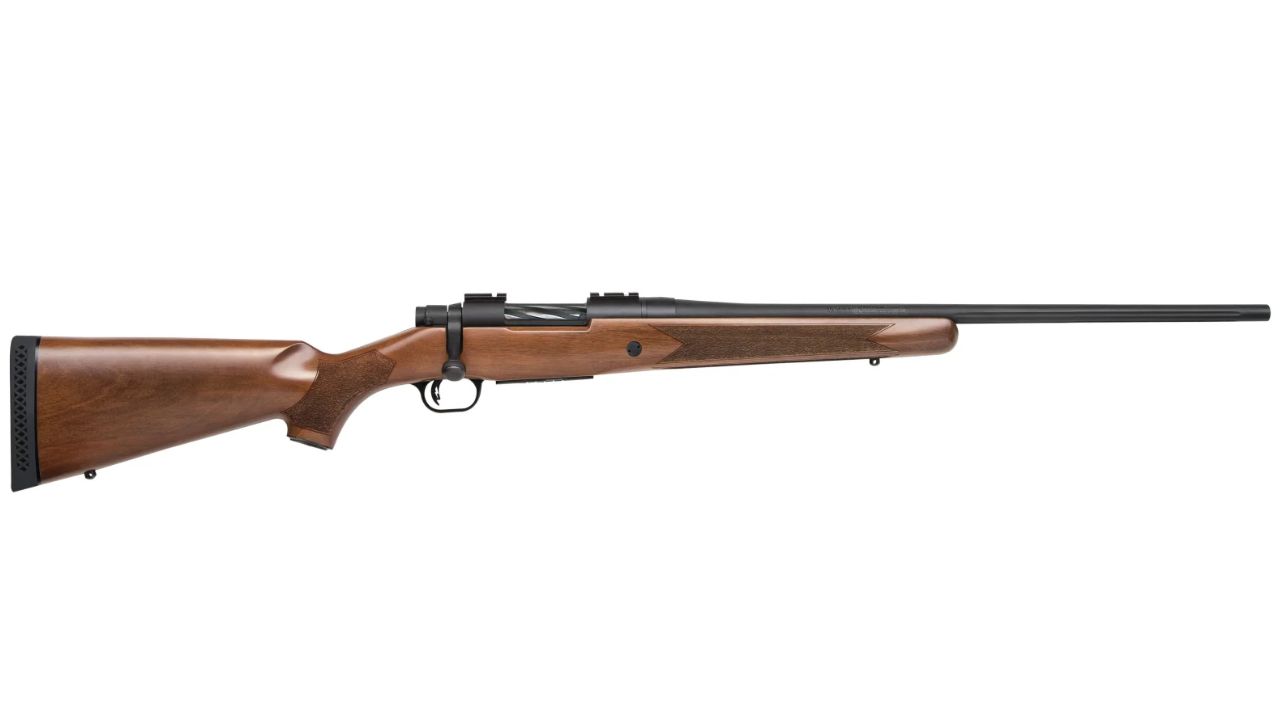
The Mossberg Patriot Walnut looks great on the rack with its traditional wood stock, but that stock can swell slightly in wet or cold weather. Once that happens, accuracy becomes inconsistent, sometimes widening groups noticeably. Hunters expecting stability in late-season rain often find themselves fighting the rifle more than shooting it.
The recoil pad is firmer than many expect, especially in .30-06 or .300 Win. Mag., and that adds to shooter fatigue. While it’s an attractive gun, its field performance doesn’t always match the polish, leading many to move on quickly.
Remington 750 Woodsmaster

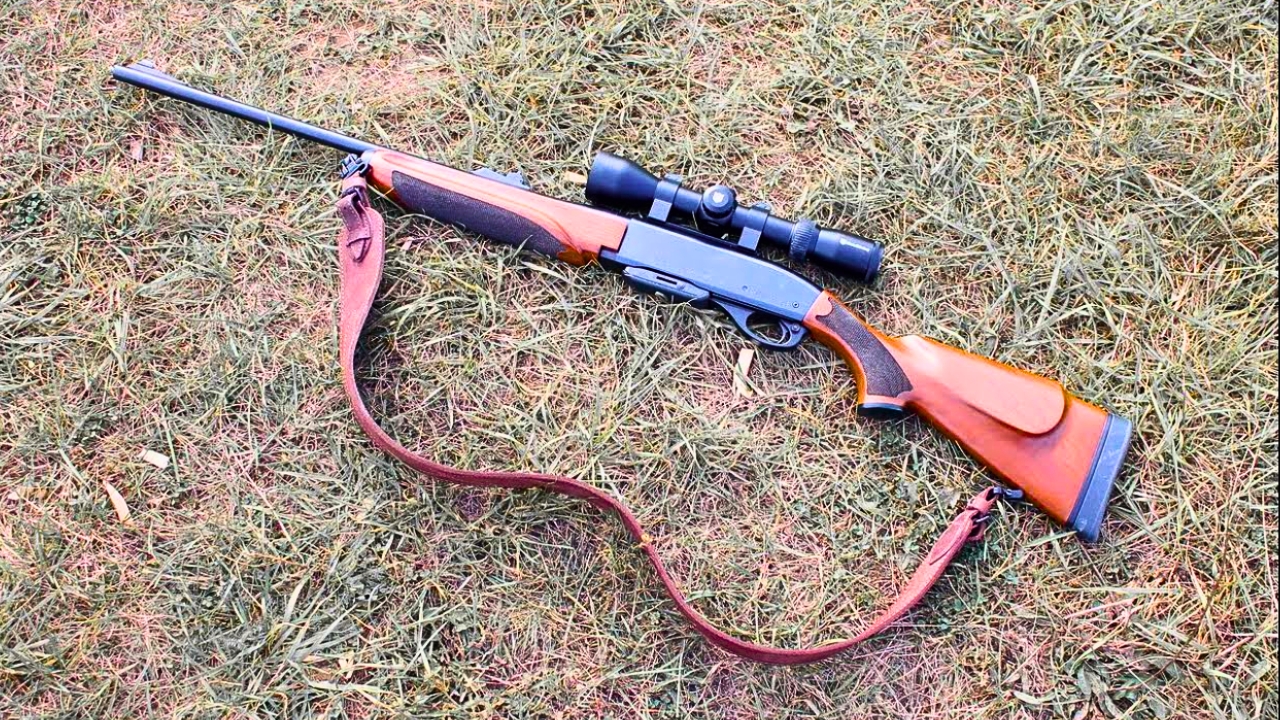
Semi-auto hunters often gravitate toward the Remington 750, but the platform proved finicky for many people. Feeding and extraction issues show up more often than they should, especially in cold weather or with heavier loads.
Accuracy is rarely impressive, and some rifles struggle to maintain consistent performance beyond moderate distances. Hunters who hoped for a fast-handling semi-auto for thick woods often end up fighting malfunctions and inconsistent groups, prompting them to retire it after a single season.
Savage 110 Apex Hunter XP

The rifle itself is capable, but the package optics frequently let hunters down. The included scope often loses zero under recoil or temperature changes, which leads to missed shots that get blamed on the rifle. Once trust is gone, most hunters move on.
Even with the rifle removed from the package setup, the lightweight synthetic stock doesn’t always provide the stability you want on offhand shots. Hunters buying it as a “ready-to-go” setup often regret not investing in higher-quality glass from the beginning.
Thompson/Center Venture

The Venture was meant to be a step up from budget rifles, but many owners experienced inconsistent accuracy across different loads. Some rifles grouped well, while others struggled to settle on a dependable combination.
Several hunters also reported stiff bolt lift in cold weather, making it tougher to cycle quickly. Those small frustrations add up during a long season. Many hunters who bought one expecting a mid-tier performer eventually replaced it after realizing reliability wasn’t always predictable.
Rossi Bolt-Action Models (RB Series)

Rossi attempted to enter the bolt-rifle market with budget options, but feedback was mixed at best. Trigger pull was often heavy, and accuracy varied so widely from rifle to rifle that hunters struggled to trust them.
The lightweight build also translated into unpleasant recoil in common deer calibers. Many hunters who picked one up for a bargain learned quickly that some savings aren’t worth it when you’re depending on your rifle for clean shots in the field.
Weatherby Vanguard Weatherguard

While the Vanguard action is respected, the Weatherguard trim level brings extra weight that not all hunters enjoy hauling. The longer barrels on some models feel unwieldy in tight woods or when climbing into stands.
Accuracy is typically fine, but the balance isn’t ideal for quick shots or offhand opportunities. Many hunters realized after a season of use that the rifle performed better on the bench than it did in the brush and decided to downsize to something more nimble.
Browning BAR ShortTrac (Synthetic)

The BAR has a long and respected history, but the ShortTrac synthetic versions can feel front-heavy for some hunters. That throws off balance during quick shots in the woods, especially when shooting offhand at moving deer.
The gas system requires more cleaning than most hunters expect, and accuracy tends to drift once fouling builds. Hunters who aren’t meticulous about maintenance often end up frustrated by mid-season performance changes and eventually trade the rifle for something more straightforward.
Bergara B-14 Ridge (Heavy Recoil Calibers)

The Ridge is well-built, but when chambered in heavier calibers like .300 Win. Mag. or .450 Bushmaster, it becomes more than many hunters want to handle. The weight doesn’t quite tame the recoil, and long shooting sessions before season reveal how punishing it can be.
While accuracy is solid, the overall shooting comfort isn’t ideal for those who want a rifle they can practice with regularly. Many hunters who bought one for versatility end up shelving it after a season and picking something that’s easier to shoot well.
Christensen Arms Mesa (Early Runs)

Early runs of the Mesa had inconsistency issues with barrels and stock bedding. Some rifles shot incredibly well, while others showed erratic accuracy. For hunters expecting a premium rifle experience, that inconsistency led to disappointment.
The lightweight build also amplifies recoil in mid and large calibers. Hunters who spend most of their time in real field positions instead of benches often found the rifle harder to shoot well than expected and chose to move on after a single season.
Howa Hogue-Stocked Models

The Hogue overmolded stock feels great in the hand, but it flexes more than most hunters realize. When shooting from improvised rests, the forend can press against the barrel and shift point of impact.
While the action is dependable, hunters who need reliable accuracy in varied field positions often grow frustrated. After a season of unpredictable results, many swap to rifles with more rigid stocks that provide consistent performance.
Traditions Outfitter G2 (Centerfire Versions)

The single-shot Outfitter G2 seems like a simple, no-fuss deer gun, but the extremely light weight makes recoil surprisingly sharp, even in moderate calibers. Many hunters find themselves flinching after extended practice.
The break-action design is fine for casual shooting, but it’s slow for follow-up shots in the field. Once hunters experience those limitations during deer season, the rifle usually ends up back in the safe as they move to platforms better suited for real-world hunting needs.
Like The Avid Outdoorsman’s content? Be sure to follow us.
Here’s more from us:
The worst deer rifles money can buy
Sidearms That Belong in the Safe — Not Your Belt
*This article was developed with AI-powered tools and has been carefully reviewed by our editors.