Photo credit: Ballistik/YouTube
A “budget” pistol can be a smart buy—until the real bill shows up in little chunks. It starts with an extra magazine or two. Then you realize the factory sights are hard to live with, the recoil spring feels tired sooner than you expected, or the gun only runs the way you want with certain mags and certain small parts kept fresh. None of that is scandalous. It’s normal ownership stuff.
The problem is when the pistol’s low sticker price depends on you spending more afterward to make it feel complete. Proprietary magazines, hard-to-find small parts, discontinued support, and “upgrade it or hate it” ergonomics can turn a bargain into a slow leak on your wallet. These are the pistols that often do that—where the checkout price is only the beginning.
Kel-Tec PF-9

The PF-9 sells because it’s thin, light, and usually priced to move. Then reality sets in: most owners end up buying extra magazines right away, and those mags aren’t always the cheap, common kind you can find anywhere. When you’re carrying a slim pistol, you also tend to want a couple spares that actually run, which can turn into trial-and-error spending.
The other nickel-and-dime side is maintenance parts. Light, snappy pistols live hard lives, and shooters often stay ahead of recoil springs and small wear items to keep function consistent. Add holster shopping—because small guns ride differently on different bodies—and it’s easy to spend a lot after you thought you were “done.” The PF-9 can serve you well, but it’s rarely a one-and-finished purchase.
Kel-Tec P-11

The P-11’s appeal is the same story: compact, affordable, and functional. Where it gets expensive is in the “make it feel right” category. Many owners end up buying more mags than they planned because the gun is a lot more enjoyable when you have enough magazines to train without constantly loading.
You can also burn money chasing comfort. The trigger feel and the way the gun recoils push people into grip sleeves, baseplates, and small add-ons that make practice less of a chore. None of those parts cost much alone, but they stack up fast. And if you’re the type who wants carry gear to match the pistol, holsters and mag carriers can cost more than you expected on a gun you bought for its low entry price.
Kel-Tec P-3AT

Pocket pistols look cheap until you outfit them like you actually plan to carry and train with them. The P-3AT often starts with “I’ll grab one magazine,” then becomes “I need two more, and I want at least one that I know is reliable.” Pocket guns also live in lint and sweat, which nudges you toward replacing small wear parts and springs on a schedule.
Then there’s the comfort tax. The P-3AT is light, and light can feel sharp. A lot of owners end up buying extensions, grip sleeves, or different floorplates to get a better hold. Add pocket holsters—often more than one until you find the right shape—and your “budget” gun starts to look less budget. The pistol can do its job, but it rarely stays a low-cost package once you treat it like a daily carry tool.
Taurus G2C

The G2C is a common choice for a first carry pistol because it’s affordable and available everywhere. The follow-up spending usually starts with magazines. Many owners want at least a couple extras, and that’s where the bargain price begins to blur. You also run into holster shopping fast because the G2C sits in that middle zone where fit and comfort vary wildly by holster design.
The other slow drain is “making it yours.” People often replace small items like sights or add-ons to improve how the pistol handles for them. Even when the gun runs fine, it’s easy to keep tinkering because the base gun was cheap enough to justify “a little more.” That spending creeps up. If you buy a G2C, you can keep it economical, but it takes discipline not to turn it into a parts-and-accessories project.
SCCY CPX-2

SCCY pistols can be a reasonable entry-level option, but the ownership costs tend to show up in the same places: magazines, carry gear, and small upgrades to make range time smoother. Extra mags are often the first surprise, especially if you want to practice the way you carry. Buying a couple spares can feel like a big percentage of what you paid for the pistol.
Then comes the “comfort and confidence” spending. Many owners chase holsters that actually fit well, plus small add-ons that improve grip and control. If you ever need service, shipping and downtime can also feel like part of the price, even when the fix itself is covered. The CPX-2 can work, but it’s a pistol that often ends up costing more in supporting gear than buyers assume when they first see the sticker.
Diamondback DB9

The DB9’s whole pitch is “tiny 9mm for not much money,” and that’s exactly why it can nickel-and-dime you. Micro pistols often demand more experimentation with magazines and ammunition to find what the gun likes best. Even when yours is cooperative, many owners still buy extra mags and different baseplates to get a usable grip.
The other hidden cost is the replacement cycle. Small, light pistols tend to wear springs faster than heavier guns, and people who shoot them regularly often stay ahead of recoil springs and small parts to keep function consistent. Add the reality that tiny pistols are harder to shoot well, so you end up practicing more than you expected—meaning more wear, more cleaning, more parts. The DB9 can be carried easily, but it’s not always cheap to keep dialed in.
Phoenix Arms HP22A

The HP22A looks like a bargain .22 until you actually try to run it as a trainer. Rimfire guns live and die by magazines and ammo, and owners often end up buying extra mags and testing different loads to find something that cycles consistently. That’s money you didn’t plan to spend on a pistol you bought to save money.
Then you discover the maintenance side. Dirty .22 ammo leaves residue everywhere, and the HP22A’s small size makes cleaning feel like detail work. Many owners end up replacing small springs or keeping extra parts on hand because the gun is inexpensive enough to treat like a “keep it going” project. You can have fun with one, but when a cheap .22 requires extra mags, extra ammo testing, and extra maintenance attention, the savings disappear faster than you expect.
Walther P22

The P22 is popular because it’s compact and fun, but it can become a budget trap if you’re not careful. Many owners wind up buying more than one type of .22 ammo to find what runs best, and that experimentation costs money—especially if you’re burning through boxes during troubleshooting. Extra magazines also become part of the deal if you want to train with any rhythm.
Cleaning can turn into another cost center. Rimfires foul quickly, and the P22 often rewards staying on top of it. Owners sometimes keep spare small parts and springs around because the gun sees a lot of casual range use, which means lots of rounds and lots of grime. The pistol can be enjoyable, but it’s not always the cheap trainer people imagine once you factor in ammo pickiness, magazines, and maintenance habits.
SIG Sauer Mosquito

The Mosquito has long been known as an ammo-sensitive rimfire pistol, and that sensitivity is what makes it expensive over time. You buy it as a “cheap to shoot” trainer, then you discover it prefers certain loads. Next thing you know, you’re spending more on higher-velocity ammo and buying extra magazines to see which ones behave best.
Owners also tend to spend time and money on maintenance supplies because the gun runs better when it’s kept clean and properly lubricated. That’s rimfire life, but the Mosquito can make it feel amplified. If you’re trying to mirror your centerfire practice with a .22, you’ll also shoot it a lot—meaning more fouling, more wear, and more small costs stacked over months. The Mosquito can be made to run well, but it’s rarely a “buy it once and forget it” budget trainer.
Ruger LCP

The LCP’s sticker price is often attractive, but pocket carry adds costs fast. The first hit is magazines. Most owners want at least one spare, and then another for practice. Pocket pistols also punish the wrong holster, so you’re likely to try more than one pocket holster before you settle on a setup that stays put and draws clean.
The second hit is comfort and control. The LCP’s small grip pushes many shooters toward extensions or different baseplates, especially if you want consistent range time. Pocket guns also live in lint and sweat, so you tend to clean them more carefully and keep an eye on springs and small wear items. None of these purchases are huge by themselves. Together, they turn a cheap pistol into a fully supported carry system that costs noticeably more than the initial tag.
Bersa Thunder .380

The Thunder .380 is a classic budget carry choice, and it can be a solid one. The “nickel-and-dime” part often comes from sourcing extra magazines and carry gear. Bersa mags aren’t always as common on shelves as the big polymer names, so you can spend more time—and more money—getting the spares you want.
Owners also tend to spend on usability upgrades. The pistol carries well, but many people chase holsters that ride comfortably and conceal cleanly, and that can take a few tries. Then there’s the reality of older-style controls and design: you may find yourself buying different grips, baseplates, or small accessories to make it fit your hand and your carry style. The Bersa can be a great value, but the supporting parts can add up more than buyers expect.
Rock Island Armory GI 1911

Budget 1911s are famous for one thing: they make you want to “fix” them. A GI-style Rock Island can run well, but a lot of owners end up buying better magazines almost immediately because 1911 reliability often rides on magazine quality. That’s an extra cost that shows up early if you plan to shoot the pistol with any seriousness.
Then the upgrades start creeping in. Many shooters replace sights because GI sights can be hard to use well, and once you start swapping parts, it’s easy to keep going—grips, springs, small internals, and eventually a holster and mag pouches because you’re carrying a full-size gun. None of that is required to own the pistol, but it’s common. The bargain 1911 becomes a “build” without you meaning for it to.
Tisas 1911A1 / Service-style models

Tisas 1911s have built a strong following as affordable entry points, but they can still nickel-and-dime you in typical 1911 ways. Many owners quickly buy better magazines and a spare recoil spring setup because they plan to shoot the gun a lot and want consistent function. A 1911 is also a platform where shooters tend to replace small parts proactively, even when nothing is broken.
The other cost is usability. Service-style sights and controls can push you toward upgrades, especially if you’re used to modern pistols. Even if you leave the internals alone, you may end up buying grips, sights, and carry gear that fits a full-size steel pistol. That’s not a knock on Tisas. It’s the reality that “cheap 1911” often becomes “1911 with a shopping list,” and that list rarely stays short.
S&W SD9VE
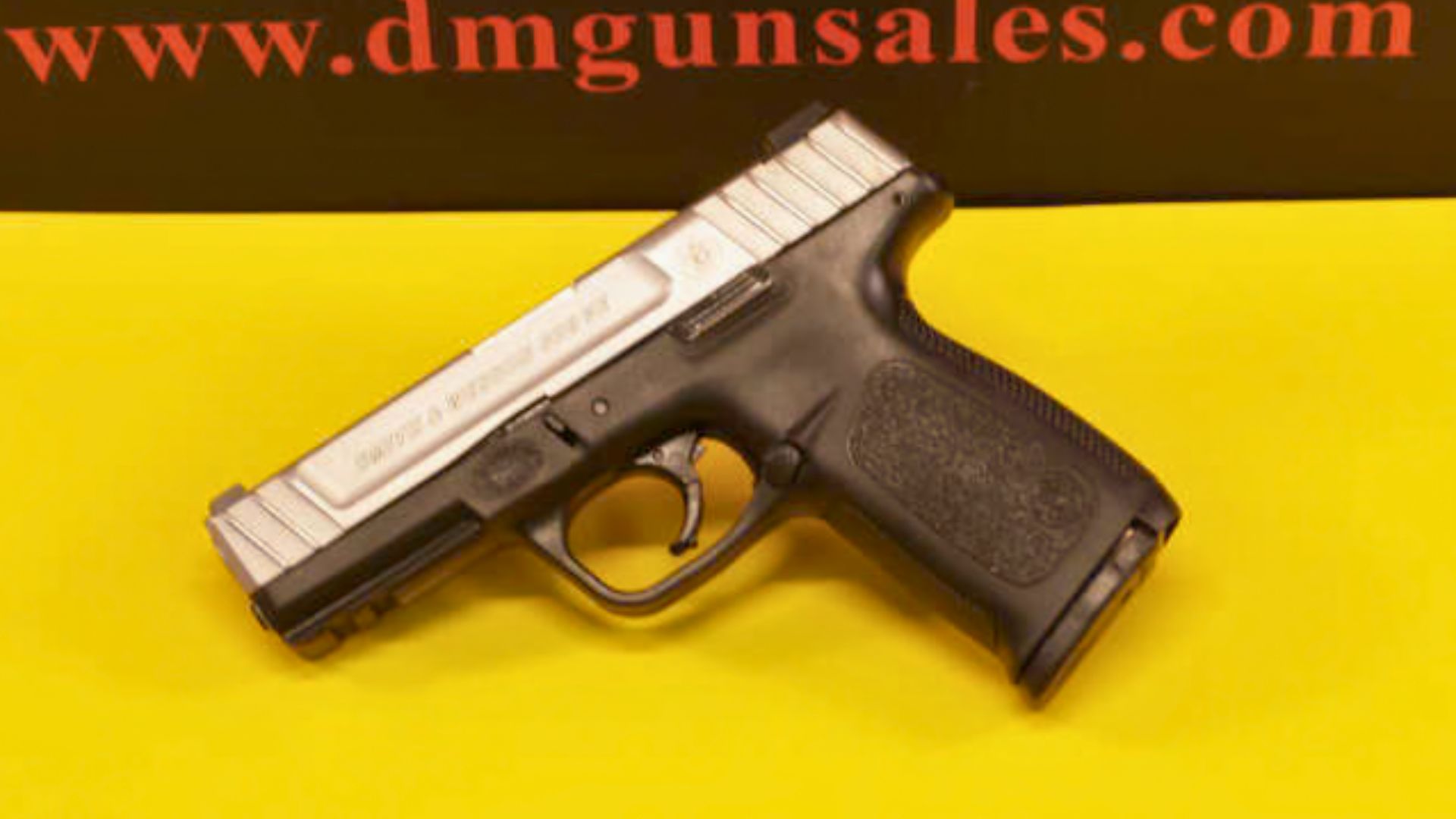
The SD9VE is one of those pistols that many people buy because it’s affordable and familiar enough. The hidden cost is that owners often spend money to make it feel more refined—especially on sights and trigger-related improvements. You can run it stock, but a lot of shooters choose not to, and that’s where the budget math starts shifting.
Magazines and holsters also add up. The SD line is common, but it doesn’t have the same universal aftermarket pull as the biggest duty pistols, so you can end up trying a few holsters before you find one that carries the way you want. Then you add spare mags for training and carry. The SD9VE can be a good value if you keep it basic, but it’s also a pistol that tempts owners into spending “a little more” until the bargain is less impressive.
Ruger SR9c

The SR9c was a solid compact, and plenty of people still like them. The issue is the used-market reality: discontinued pistols can nickel-and-dime you with magazines and small parts availability. When a gun isn’t in current production, spare mags often become more expensive or harder to find locally, which turns a simple “grab two more” purchase into a hunt.
That hunt matters because magazines are the lifeblood of training. If you can’t easily buy spares, you either pay more or you practice less. The same goes for certain small parts and accessories—holsters, night sights, and other items can be less common than what you’ll find for current mainstream models. None of this makes the SR9c a bad pistol. It means the real cost of ownership can rise over time because the support ecosystem gets thinner as years pass.
Taurus PT709 Slim

The PT709 Slim has been a popular “thin and affordable” choice for a long time, and that thinness comes with the usual add-on costs. Many owners want extra magazines right away, and depending on what’s available in your area, those mags can be more of a specialty purchase than a grab-anywhere item.
The pistol also sits in that zone where people often experiment with carry setups. Thin pistols can carry beautifully or annoy you all day depending on holster design, belt, and ride height, so it’s common to buy more than one holster before you’re satisfied. Then there’s the maintenance side: compact guns get shot, carried, and cleaned often, and owners who rely on them tend to keep an eye on springs and small wear items. The PT709 can do its job, but it’s easy for the “cheap” pistol to accumulate a pricey support kit.
Like The Avid Outdoorsman’s content? Subscribe to our newsletter so you never miss an article.
Here’s more from us: