Photo credit: NTX Outdoors/YouTube
When a rifle won’t hold zero, it’ll make you start second-guessing everything—ammo, optics, even your own trigger press. Most of the time, the problem isn’t “mystery gremlins.” It’s something moving: a stock that flexes, action screws that settle, a scope base that walks under recoil, a handguard that changes pressure when you load a bipod, or a gas system that shifts point of impact as it heats. That’s why you can chase your tail swapping rings, scopes, and loads and still end up right back where you started.
Below are rifles that are notorious for being sensitive to setup. Plenty of them can be made to behave, but you’ve got to treat them like what they are—designs where small changes in tension, contact, and heat can move your point of impact more than you’d ever expect.
Ruger Mini-14 (180–197 series)

Older Mini-14s can be a special kind of frustrating because the rifle may run all day, yet your groups and zero seem to drift as the barrel heats. The early “pencil” barrels are light, and the system up front can change how the barrel vibrates as temperature climbs. You’ll see a nice group, then a string that starts walking, and suddenly you’re chasing clicks.
If you’re stuck with one, focus on consistency. Keep torque on the scope mount hardware uniform, avoid loading the rifle hard against a rest, and don’t rezero on a hot barrel if you hunt with a cold one. A barrel stabilizer or newer factory configuration helps, but the real win is shooting it the same way every time.
Springfield Armory M1A Standard
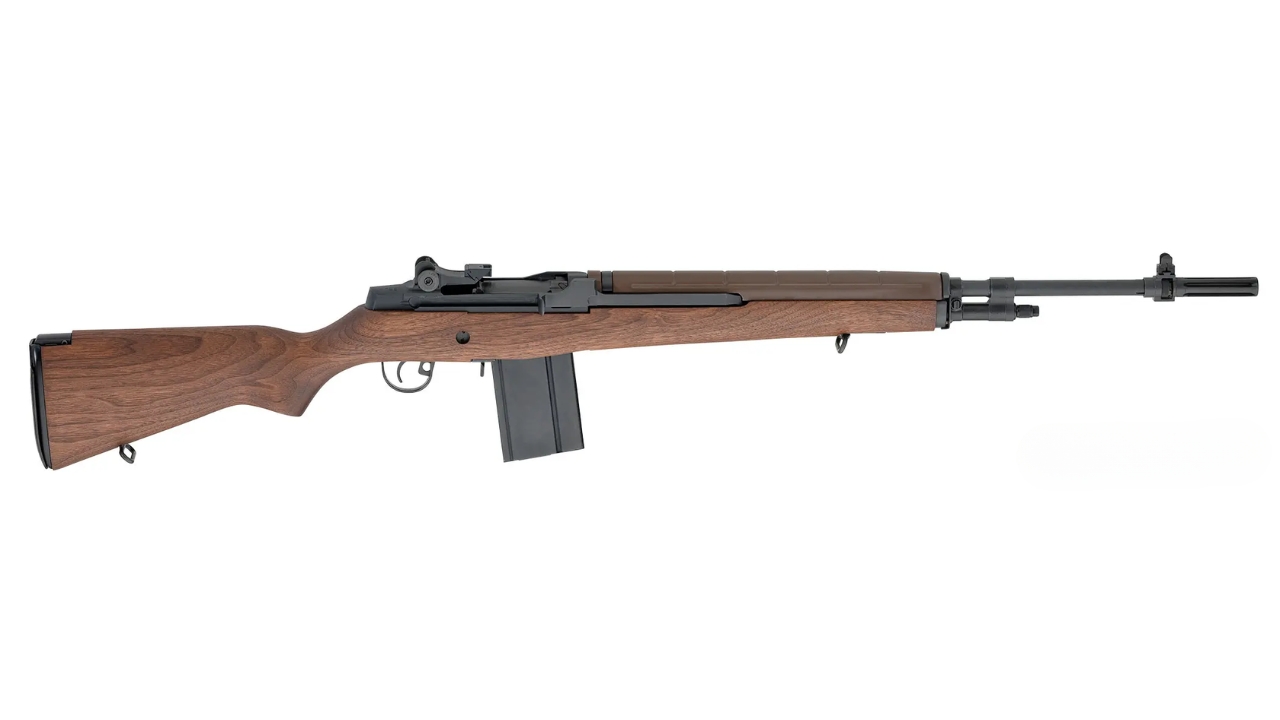
An M1A can hold a fine zero, but it’s sensitive to stock fit and how the action locks into the stock. If that relationship changes even a little—humidity swelling a wood stock, an action that isn’t bedding the same way shot to shot, or a front band that isn’t repeating—your zero can move. Add in a scope mount hanging off the receiver, and you’ve got more chances for shift.
The fix is boring, but it works. Make sure the mount is a known-good design, torqued correctly, and not bottoming screws. Keep the gas system tight and consistent. If you want real stability, bedding the action and running a rigid stock setup is usually what turns an M1A from “moody” into dependable.
Ruger No. 1B
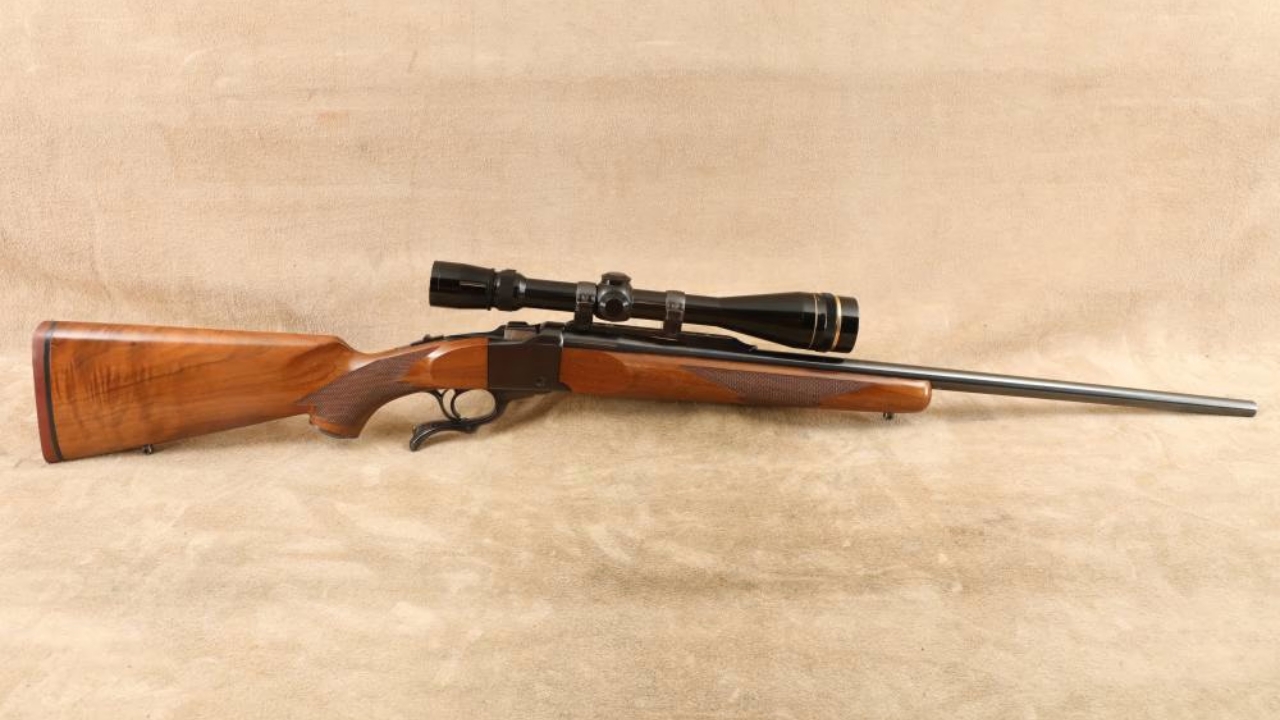
The Ruger No. 1 is famous for class and also for being picky about fore-end pressure. That fore-end hanger setup can change how the barrel behaves depending on screw tension, humidity, or even how the rifle is rested. You can swear nothing changed, then shoot a group that lands in a different zip code than last week.
To keep it from wandering, treat fore-end screw tension like a load component and keep it identical. Don’t clamp the fore-end on hard rests; support it the same way every time. Many No. 1 owners end up tuning the hanger or using bedding tricks to stabilize the fore-end’s relationship to the receiver. When you get it right, it’ll feel like you finally put the rifle on a leash.
H&R Handi-Rifle (SB2)

Break-action rifles like the Handi-Rifle can be deceptively tough to keep locked down. The hinge and latch system has to return to the same place every time, and tiny changes in lockup can shift point of impact. Add a fore-end that can press on the barrel differently depending on screw tension, and the rifle can start printing in new places between range trips.
You tame it by controlling variables. Keep the fore-end screw tension consistent, and don’t use the fore-end as a hard “lever” on bags or a bipod. Make sure the scope base screws are clean and properly torqued, because a break-action’s recoil impulse can work hardware loose over time. When lockup is worn, no optic upgrade fixes it—mechanical consistency is the whole game.
Remington Model 742 Woodsmaster
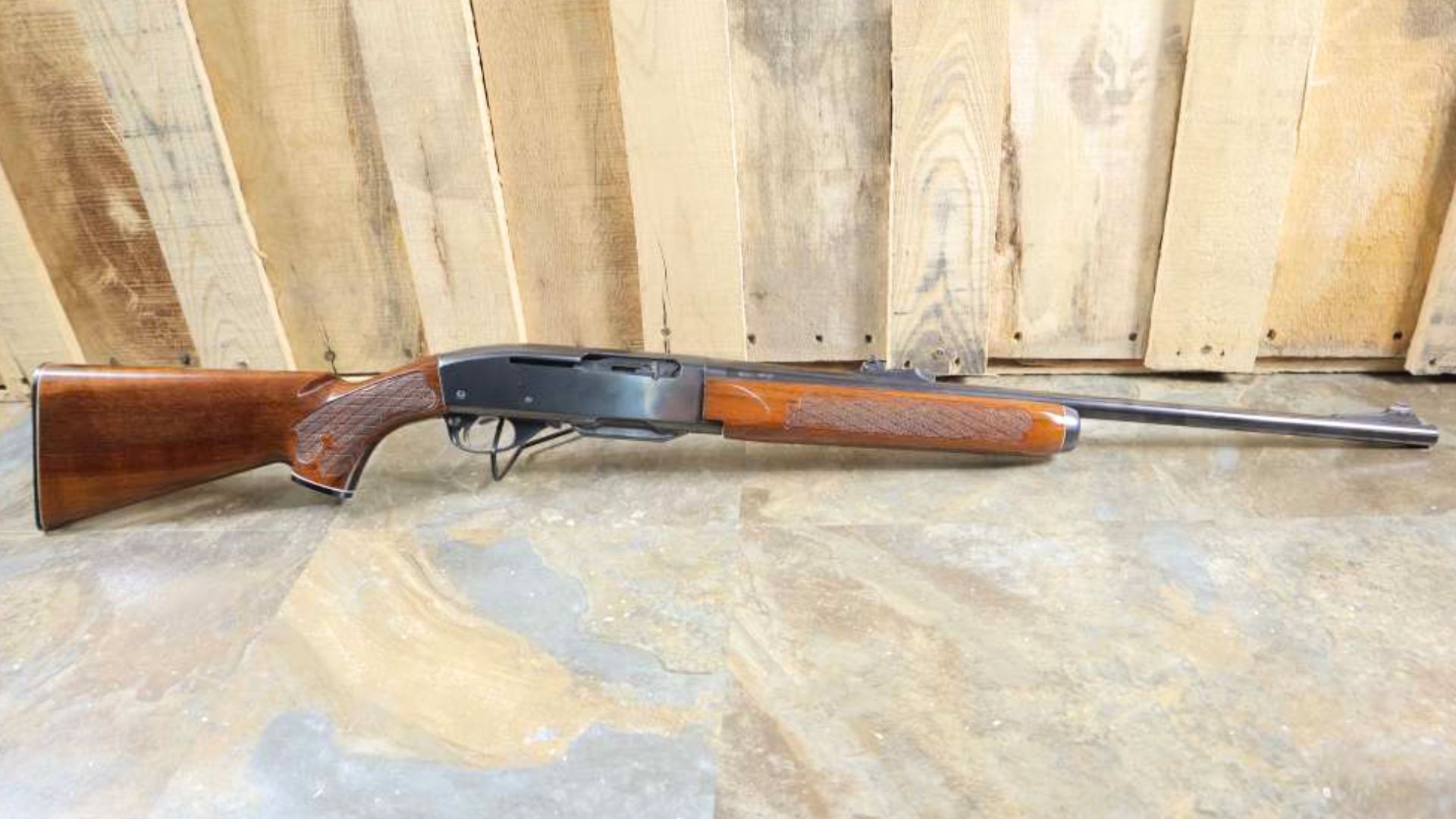
The 742 is a classic deer rifle, but it’s not a platform built around target repeatability. The semi-auto action, barrel-to-receiver relationship, and how the forend rides the system can all influence point of impact. As parts wear, the rifle can become more sensitive to how it’s held and how the barrel heats during a string.
If you’re trying to keep one on zero, keep expectations realistic and your setup tight. Use quality scope bases and rings, apply threadlocker where appropriate, and verify torque periodically. Avoid long shot strings that heat the barrel and gas system. The 742 can still be a woods rifle you trust, but it rewards a “cold barrel, steady cadence” approach far more than bench-style volume shooting.
Remington 770

The 770 has a reputation for inconsistency, and a lot of it comes down to flex and hardware quality. A stock that moves under sling or bipod pressure and marginal scope package components can create a cycle where you think the scope is failing, swap it, and still see drift. You can tighten everything and still feel like the rifle never settles.
To give yourself a fighting chance, ditch the weakest link first: the factory optics and rings. Use a solid one-piece base or proven two-piece bases, quality rings, and consistent torque. Pay attention to action screw tension and stock contact points. If the stock is the culprit, an upgrade to a stiffer stock often does more than another trip through the scope cabinet.
Savage Axis II XP

Axis rifles can shoot well, but the XP “combo” setup can be the land of mystery shifts if you don’t verify every fastener. The factory-mounted scope and rings aren’t always installed with the same care you’d put into your own build, and the stock can flex enough to change pressure on the action or barrel when you shoot off a rest.
If your zero won’t stay put, start with the basics: pull the scope, inspect bases and rings, clean threads, and torque to spec. Then check action screws and confirm the barrel isn’t being pushed sideways by the forend. The Axis often calms down when it’s treated like a blank slate instead of a ready-to-hunt package. Once the foundation is solid, load work actually starts meaning something.
Mossberg Patriot (factory scoped combos)

The Patriot has put plenty of deer in freezers, but the scoped combo versions can be notorious for “wandering” when the mounting system isn’t rock-solid. Light rifles also react more to inconsistent shoulder pressure and how you load a rest, which can trick you into chasing a mechanical problem that’s part setup, part shooter interface.
Lock it down with better rings and a better base, then verify everything stays tight after a few boxes of ammo. Pay attention to how the stock contacts the barrel channel—some Patriots benefit from ensuring the barrel isn’t being pressured by a flexible forend. Keep your bench technique consistent and don’t over-muscle the rifle into the bags. With a stable mount and repeatable hold, many Patriots stop acting unpredictable.
Ruger 10/22 Carbine

A 10/22 seems like it should be carefree, but the barrel band and how the stock pulls on the barrel can move point of impact more than most people expect. Temperature and humidity changes can also alter how that wood or synthetic stock presses on the barrel. You’ll see it as a zero shift that makes you question your optic, even though the rifle is doing exactly what its setup allows.
The cure is to remove pressure variables. Many shooters ditch the barrel band, free the barrel from contact, and make sure the action screw is consistent. If you keep the band, keep its tension the same and avoid using the forend as a hard rest point. A 10/22 can be boringly repeatable, but it usually takes a little effort to get there.
Marlin 1895 Guide Gun

The Guide Gun is a hammer, and heavy recoil has a way of exposing every weak screw and shifting contact point. Many of these rifles also have magazine tube and barrel band relationships that can change slightly as the rifle heats or as screws loosen. That can move point of impact enough to make you swear the rifle has a mind of its own.
If you want it to hold zero, treat every screw like it’s trying to escape. Verify base screws, ring screws, and any band or tube fasteners are clean, torqued, and secured appropriately. Keep the forend pressure consistent and don’t crank hard on a sling that yanks the barrel assembly. When everything is tight and repeatable, a Guide Gun can stay honest—but it won’t forgive sloppy hardware.
Winchester Model 94 Trapper

A compact Model 94 carries like a dream, but it can be sensitive to forend pressure and barrel/magazine tube tension. Between barrel bands, wood movement, and how the rifle is supported, you can see point-of-impact changes that look like a “zero problem” when it’s really a consistency problem. It’s also easy to disturb your own hold with a light, lively lever gun.
To keep it steady, sight it in the same way you’ll shoot it—same rest location, same sling use, same cadence. Keep barrel band screws and any sight hardware tight. If you’re running a receiver sight, make sure its mounting screws are secure and not creeping under recoil. These rifles can be dependable, but they want you to treat them like hunting tools, not benchrest projects.
WASR-10

A WASR-10 can run forever, but keeping a precise zero depends heavily on your optic mounting solution. Side rail mounts vary, tolerances vary, and some mounts repeat poorly when removed or even when bumped. Add a handguard that can shift pressure on the barrel or gas tube area, and your point of impact can move enough to ruin your confidence.
If you want stability, pick a reputable side mount that locks up the same way every time and stop removing it. Confirm the mount hardware is tight and not peening or wearing into a new “seat.” If you’re using an Ultimak-style gas tube rail, confirm it’s installed correctly and stays torqued, because heat cycles can loosen marginal setups. The rifle isn’t always the issue—the mount often is.
Norinco SKS (Type 56)

The SKS is another rifle where “runs great” and “holds a tight zero” don’t always travel together. The gas tube and handguard assembly can have play, and some rifles shift as parts heat and settle during strings. Many shooters also mount optics in ways that aren’t truly rigid or repeatable, which turns every range trip into a new adventure.
A stable zero starts with leaving the original system alone or committing to a proven mount that doesn’t wobble. If you’re using a receiver cover mount, that’s often the source of the problem. Keep the rifle’s support point consistent and don’t clamp down on the handguard area when shooting off bags. With irons or a truly rigid mount, many SKS rifles settle down, but they demand a disciplined setup.
Colt LE6920

A standard LE6920 with non-free-float handguards can shift point of impact based on how you load a sling, a bipod, or even your support hand. The barrel itself may be fine, but the handguard pressure changes the system enough to move hits. It feels like a rifle that won’t stay zeroed, when it’s really a rifle responding to changing external input.
To keep your zero honest, zero it in the configuration you’ll actually use and keep your support method consistent. If you want a real solution, free-float the barrel with a quality rail and stop letting handguard pressure influence barrel harmonics. Confirm your optic mount is torqued and not creeping on the rail. Once the barrel is isolated, the LE6920 usually becomes far more predictable.
Ruger American Predator
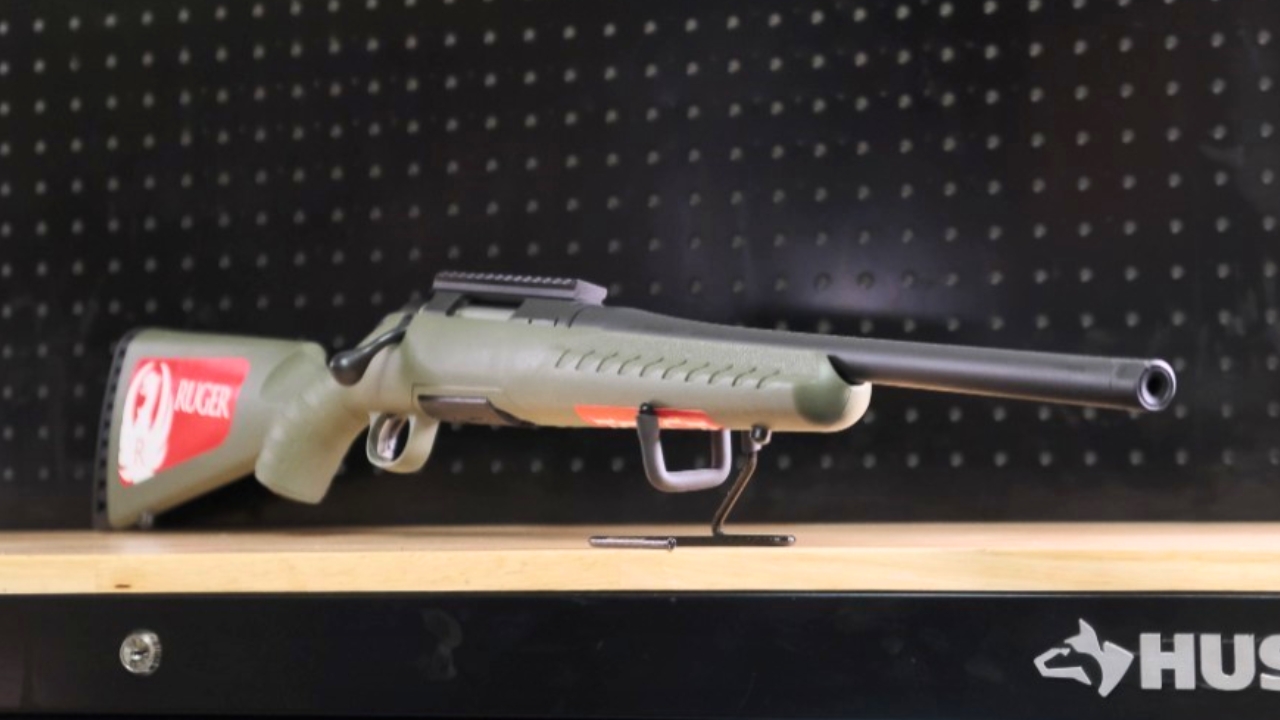
The American Predator can shoot, but the factory synthetic stock can flex enough to create inconsistent barrel contact—especially if you load a bipod or rest the rifle hard. That changing pressure can shift point of impact between sessions, and you’ll chase it with different ammo thinking the barrel “doesn’t like” anything.
The fix is stiffness and consistency. Verify action screw torque, check the barrel channel for contact, and pay attention to how you’re supporting the rifle on the bench. Many shooters see the biggest improvement from a better stock or chassis that eliminates forend flex and stabilizes bedding. Once the stock stops acting like a tuning fork, the rifle usually stops acting unpredictable and starts holding a zero you can trust.
Ruger M77 Mark II Ultralight

Ultralight rifles are built to carry, and that comes with thin barrels and light stocks that can be sensitive to heat and pressure. With the M77 Mark II Ultralight, it’s common to see point of impact move as the barrel warms, or to see shifts when the forend presses differently depending on how you rest it. It’s not that the rifle can’t shoot—it’s that it reacts quickly to small changes.
To make it behave, shoot it like a hunting rifle: cold-barrel confirmation and slow cadence. Keep your rest point consistent and avoid hard pressure on the forend. Confirm action screws are torqued and the barrel channel isn’t contacting under load. These rifles can be deadly in the field, but they punish rushed bench work and inconsistent support more than heavier guns do.
Like The Avid Outdoorsman’s content? Be sure to follow us.
Here’s more from us: