Photo credit: Elliott Delp/YouTube
Some firearms get handed a reputation before they’ve really earned much of anything. A big brand name, a flashy launch, or enough online noise can make a gun sound proven long before real shooters have had time to test it hard. Other guns take the slower path. They win people over through years of use, bad weather, hard range time, hunting seasons, carry miles, and plain old reliability when excuses would have been easy.
Those are the guns that build their reputation the hard way. They don’t rely on hype to stay respected. They stay in the conversation because enough people have used them enough to know what they can do. These are 15 firearms that earned their standing through performance, durability, and the kind of trust that only comes from time.
Remington 870 Wingmaster
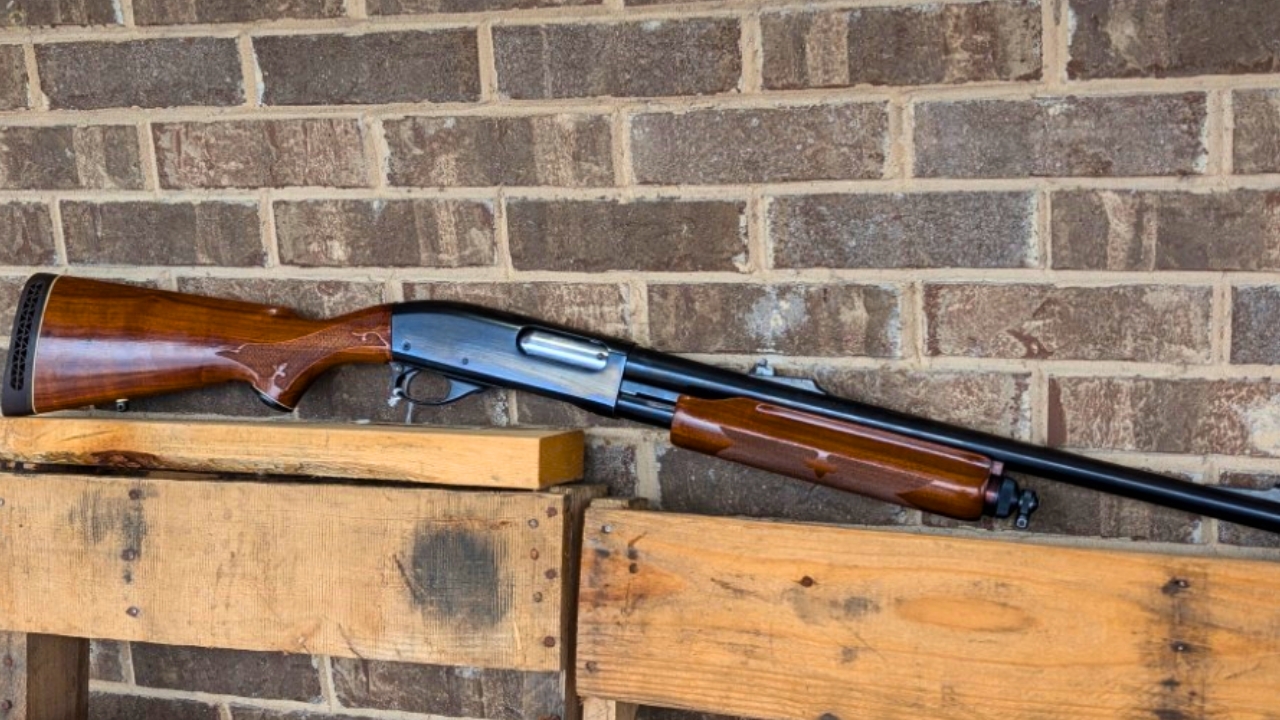
The 870 Wingmaster built its reputation the hard way because it had to live as a working shotgun in countless hands for decades. Bird hunters, deer hunters, homeowners, and law enforcement all used them hard enough to find weaknesses fast if they were there. Instead, the gun kept earning loyalty by cycling smoothly, carrying well, and staying dependable in the kind of ordinary use that exposes bad designs.
That’s why people still speak well of a good Wingmaster. It wasn’t built up by trend-driven excitement. It was built up by years of real handling in fields, marshes, and back doors. A shotgun that survives that many seasons in that many roles without losing respect has done the work the honest way.
Ruger GP100

The Ruger GP100 earned its reputation because it never had to rely on being delicate, collectible, or especially glamorous. Shooters respected it because it could take heavy use, digest real magnum shooting, and stay trustworthy without asking the owner to baby it. That is the sort of revolver reputation that only gets built through hard use over time.
A lot of handguns sound impressive when they’re new. The GP100 became impressive because it kept doing the same hard job over and over without much complaint. It proved to shooters that strength and reliability still matter more than polish once the round count gets high enough.
Winchester Model 70
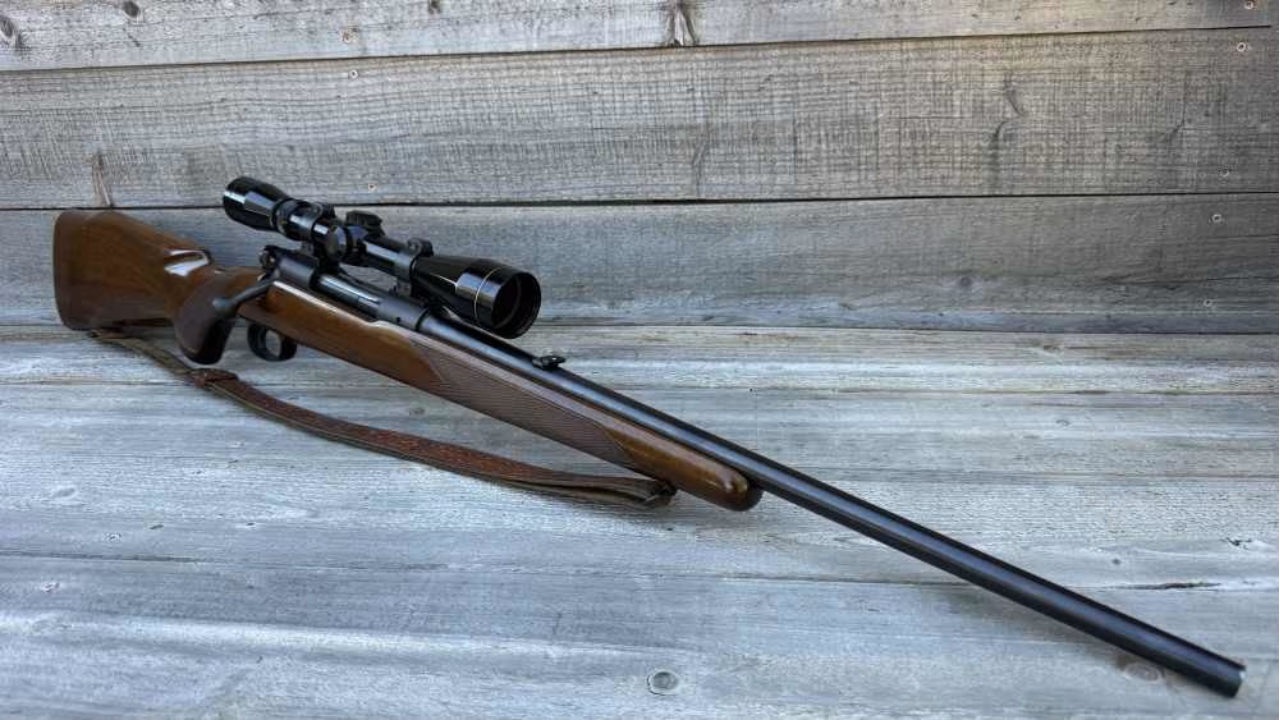
The Winchester Model 70 built its standing in hunting camps, mountain weather, and long seasons, not in marketing copy. Hunters trusted it because it fed well, carried confidence, and kept proving itself in the field where missed chances and bad conditions quickly make a rifle’s weak points obvious. A rifle does not earn that kind of respect by accident.
That long-term trust is what gives the Model 70 its staying power. It became the kind of rifle hunters wanted at their side when conditions stopped being comfortable. Guns that earn that kind of loyalty from people who depend on them in the field usually built their reputation honestly.
Glock 17

The Glock 17 had plenty of skeptics early on, which is exactly why its reputation had to be built the hard way. It wasn’t going to win over traditionalists through charm, blued steel, or classic styling. It had to prove itself through reliability, endurance, simplicity, and broad real-world use by people who needed a handgun that simply worked.
That proof added up year after year. What started as suspicion eventually became trust, and then became one of the clearest examples of a pistol earning its place through results. The Glock 17 didn’t talk its way into respect. It outlasted criticism until the criticism got tired.
Marlin 336

The Marlin 336 built its reputation in the sort of deer country where rifles actually get carried instead of merely discussed. Hunters trusted it because it was handy, dependable, and fast where real woods shots tend to happen. It didn’t need to dominate long-range fantasies to matter. It had to perform in thick cover and ordinary seasons, and it did.
That is why the 336 still carries weight with experienced hunters. It wasn’t sold as magic. It became respected because it kept proving useful where a lot of real hunting still happens. Rifles that win people over in the woods instead of in the showroom usually built their name the right way.
Smith & Wesson 5906

The 5906 built its reputation through service, hard use, and a long stretch of being trusted by people who were not buying handguns for image. It had to function as a duty pistol, survive heavy range use, and stay dependable in the hands of people who did not have much interest in making excuses for equipment. That is the sort of environment that reveals a pistol quickly.
Instead of fading out, the 5906 built a following through toughness and practicality. It did not need to be stylish to earn respect. It needed to work, and it kept doing that long enough that the market eventually had to recognize what a lot of shooters had already learned firsthand.
Benelli M2

The Benelli M2 built its reputation in wet fields, cold blinds, and long hunting seasons where unreliable semi-autos get exposed without mercy. Waterfowl and upland hunters tend to be very direct about what works and what doesn’t, and the M2 earned loyalty by functioning in the kind of real hunting conditions that break weaker shotguns emotionally and mechanically.
That kind of reputation can’t be faked for long. Hunters keep bringing the M2 back into the field because it proved itself in hard conditions, not because it looked impressive on a rack. A field gun that earns trust there has built its name the hard way by definition.
CZ 75

The CZ 75 built its reputation by outshooting a lot of people’s expectations. It wasn’t always the flashy favorite in American handgun culture, and it spent years being appreciated more by shooters who actually used one than by people repeating secondhand opinions. Once people spent time behind it, the grip, the balance, and the general shootability started making a strong case.
That kind of following tends to be durable because it forms through experience. The CZ 75 didn’t need a giant hype machine to stay respected. It had enough real-world shooting merit that word-of-mouth and time did the heavy lifting instead. That is usually the more honest way for a pistol to become a classic.
Mossberg 500
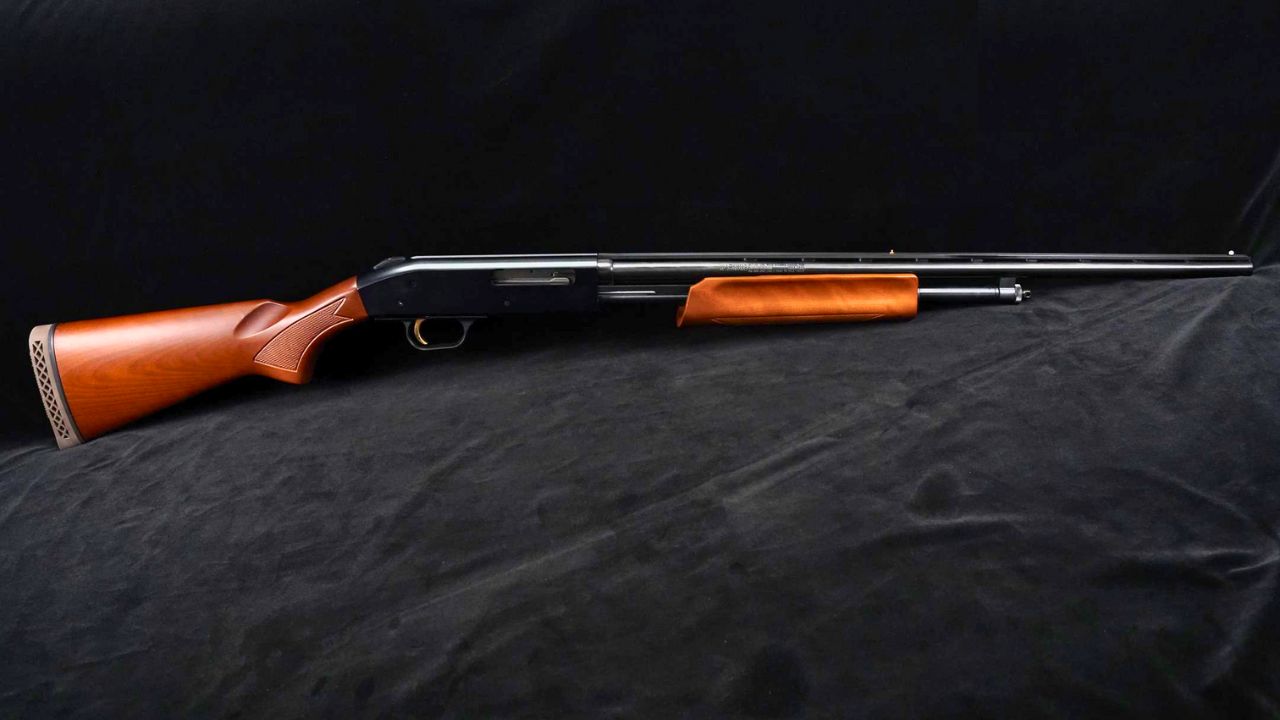
The Mossberg 500 earned its reputation by being one of the most practical pump shotguns in the country for a very long time. It has lived in duck blinds, behind doors, in patrol cars, and in the hands of everyday owners who simply needed a shotgun that would keep working. That kind of broad use leaves no room for weak performance to hide.
Its reputation comes from surviving all of that while staying affordable, serviceable, and dependable. It didn’t need prestige to matter. It needed utility. Firearms that become trusted by that many different kinds of users usually earned their place through real work, and the Mossberg 500 absolutely did.
Tikka T3x Lite
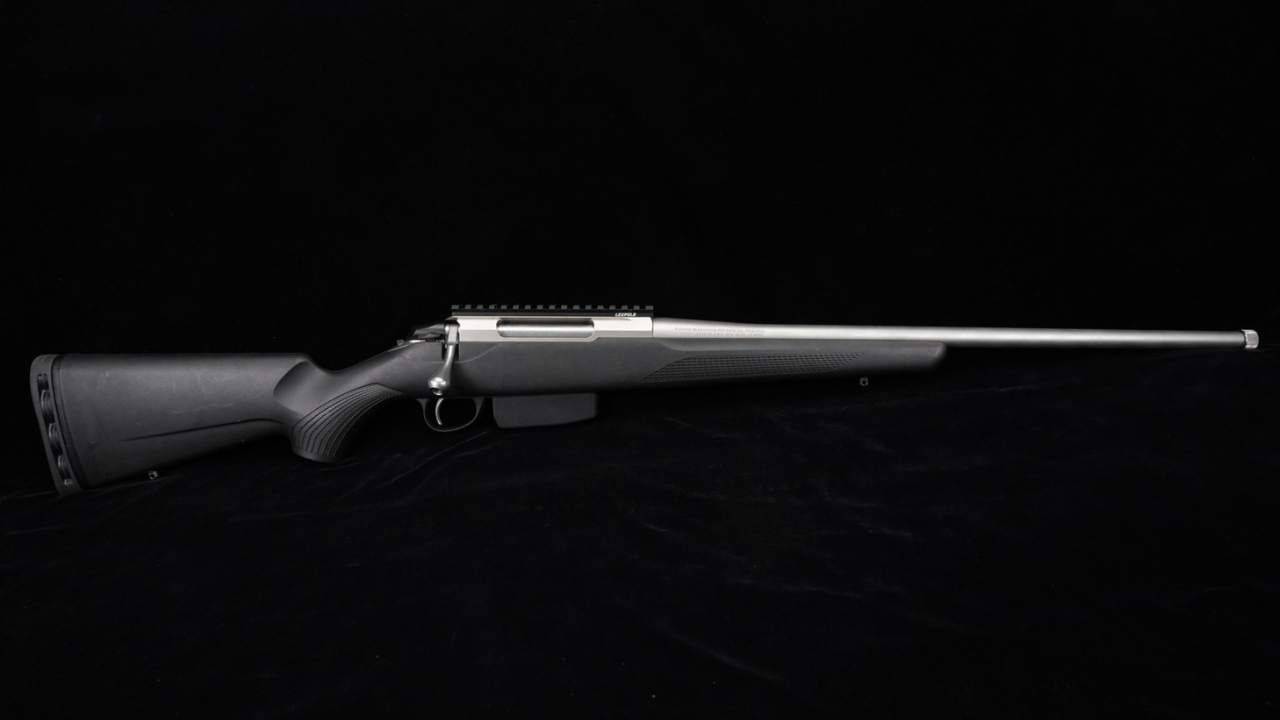
The Tikka T3x Lite built its reputation because hunters kept discovering that it delivered real field accuracy and carry comfort without a lot of unnecessary drama. It didn’t arrive with the kind of romance some classic rifles had, but it built trust where modern hunting rifles have to build it now, by being carried into rough country and still performing when the shot finally comes.
That made the reputation feel earned rather than inherited. A rifle like this becomes respected when enough hunters spend enough time with it and come away with the same conclusion: it’s just a good, honest field rifle. That sort of consensus, built over seasons instead of hype, is the hard way.
Smith & Wesson Model 66

The Model 66 earned its place by being a practical K-frame .357 that shooters could actually live with. It had to survive the demands of law enforcement, personal defense, range use, and the expectations that come with carrying the Smith & Wesson name. It wasn’t enough for it to be pretty. It had to work well enough to stay trusted.
That is where its reputation came from. Shooters learned over time that it handled well, pointed naturally, and remained one of the revolvers that got the balance right. Firearms that hold onto respect across multiple roles usually didn’t get there through image alone. The Model 66 didn’t.
Ruger 10/22

The 10/22 built its reputation by staying useful for just about everybody. New shooters learned on them, small-game hunters trusted them, tinkerers modified them, and ordinary owners kept them because they simply worked. That kind of broad and repeated use is one of the hardest tests any firearm can face because it has to satisfy people with very different goals.
It passed that test by being dependable, easy to maintain, and easy to live with. A rimfire rifle doesn’t stay this respected for this long unless it proved itself over and over again. The 10/22 did, which is exactly why it remains one of the best examples of a reputation built through use.
Beretta 92FS

The Beretta 92FS built its name through long service, heavy training use, and the kind of full-size shootability that keeps rewarding people who actually spend time on the range. It had to survive criticism, generational shifts, and a lot of changing opinions about what a serious service pistol should look like. The reason it’s still here is simple: it kept working.
That matters because plenty of handguns arrive with excitement and leave with excuses. The 92FS had enough real performance behind it to survive the noise. It became respected the hard way, by continuing to prove that a pistol can still matter when its strongest qualities show up in actual use instead of in slogans.
Browning Auto-5
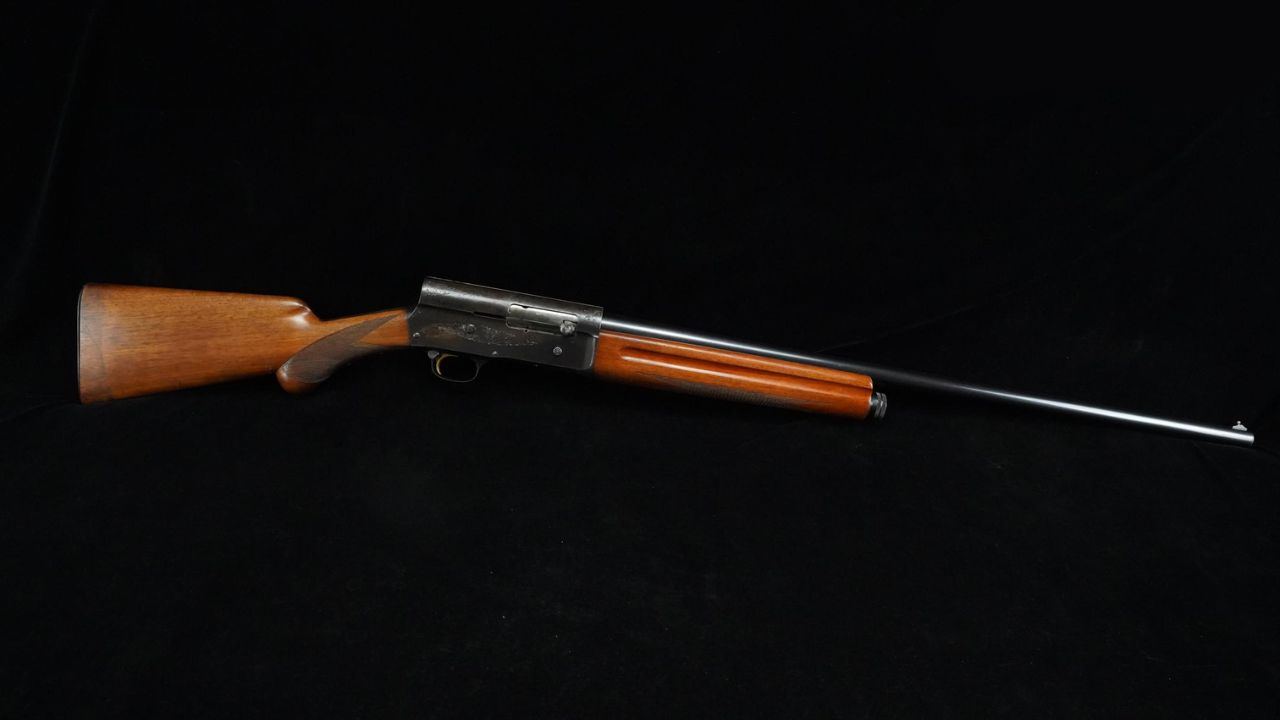
The Browning Auto-5 built its reputation over a very long stretch of field use and trust. Hunters kept carrying them because they worked, not because they were trying to impress anybody. Generations of owners put those shotguns through enough real shooting that any weakness would have become impossible to ignore. Instead, the Auto-5 kept earning its place season after season.
That sort of staying power says everything. A shotgun that remains admired after decades of hard use has done more than survive. It has convinced enough real users that it deserves respect. The Auto-5 built its standing in a very old-fashioned way, by continuing to do the work.
Colt Government Model 1911
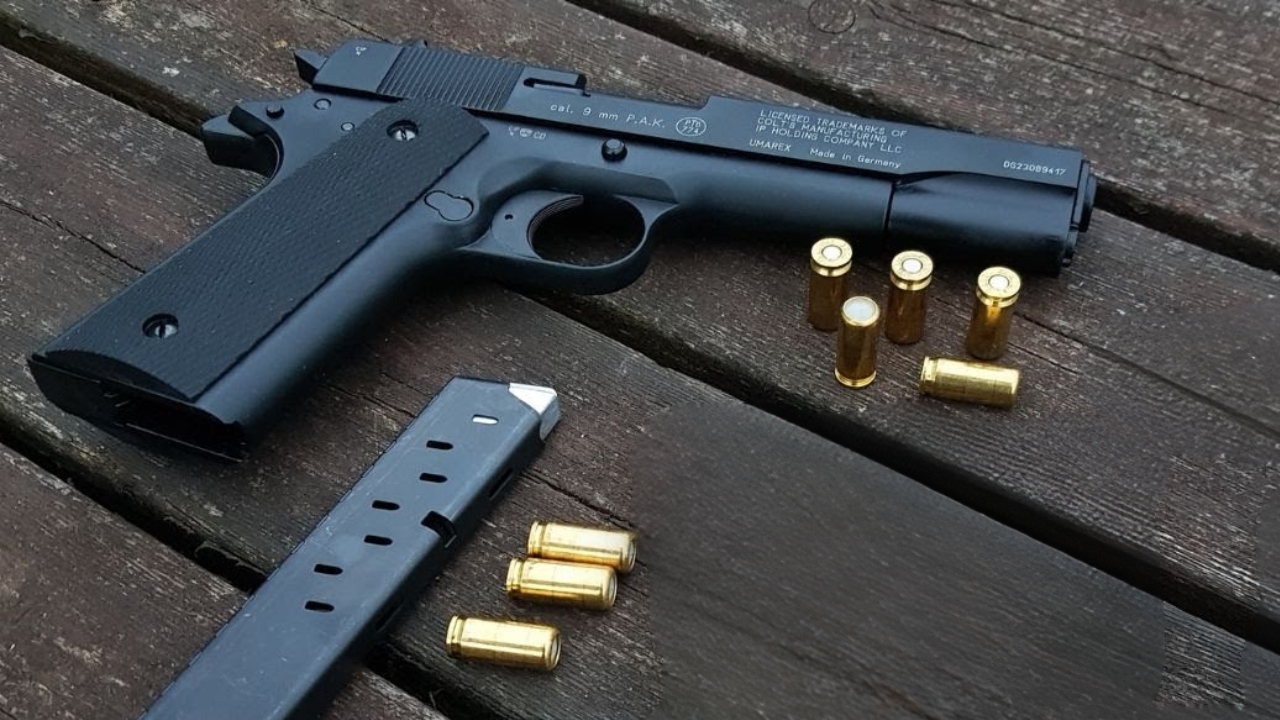
The Government Model 1911 built its reputation the hard way because it had to survive actual service, actual carry, and actual long-term use in a way very few pistol designs ever have. It wasn’t respected because it looked important. It became important because it kept proving effective in the hands of shooters who depended on it.
That history still matters because it was built on function before it became legend. A good Government Model continues to remind people why the platform stayed alive for so long. Firearms that survive not just one era but multiple generations usually didn’t get there by talking their way in. They got there by working.
Remington 700
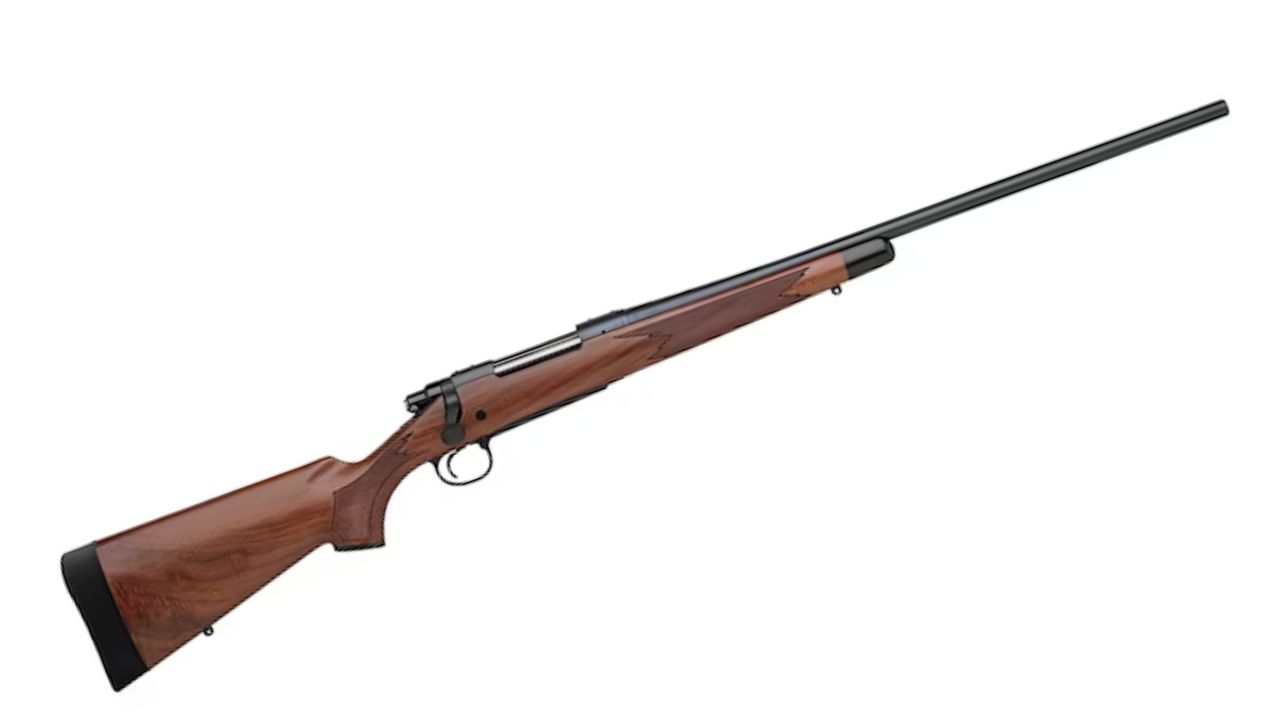
The Remington 700 built its reputation through decades of hunting use, long-range use, and the kind of broad familiarity that only comes when a rifle has been trusted by countless shooters for serious purposes. That sort of exposure can destroy a weak design quickly. Instead, the 700 became one of the rifles people kept turning to because it did enough things right for enough people over enough time.
That is why it still carries weight. Its name wasn’t built in a vacuum. It was built through repeated real-world use by hunters, shooters, and riflemen who kept finding reasons to stay with it. That is about as hard-earned a reputation as a rifle can get.
Like The Avid Outdoorsman’s content? Subscribe to our newsletter so you never miss an article.
Here’s more from us: