Photo credit: LK Arms/GunBroker
There are firearms that challenge you to be a better shooter, and then there are those that flat-out work against you. Some guns are designed or chambered in such a way that the recoil impulse, trigger characteristics, or ergonomics practically force you to anticipate the shot. Instead of focusing on your target, you find yourself tensing up, blinking, or jerking the trigger — all symptoms of flinching. These aren’t guns that make you inaccurate because you lack skill; they’re guns that set you up for failure from the start.
A firearm that induces flinch isn’t worth your time if your goal is confidence and accuracy. Whether it’s excessive recoil, poor design, or an awkward grip, these guns make range sessions more about surviving than improving. Here’s a breakdown of the models that punish the shooter more than they ever bother the target.
Desert Eagle .50 AE

The Desert Eagle in .50 AE is a bucket-list gun for many, but it’s notorious for punishing shooters instead of targets. At over four pounds loaded, the weight helps tame some recoil, but that massive cartridge still delivers an abrupt, violent snap that jars you every time the trigger breaks. Most shooters start anticipating the blast before they finish the first magazine, leading to flinches so pronounced you can see them from across the firing line.
It’s not that the Desert Eagle isn’t accurate; in fact, it can be, if you can keep your composure. The problem is that very few people can. The size of the grip also makes it awkward for average hands, adding to the tendency to shift your hold under recoil. Unless you’ve got the strength, training, and patience, you’ll find yourself fighting the gun instead of shooting smoothly.
Smith & Wesson Model 500

The S&W 500 is famous for being one of the most powerful production revolvers ever made, and it delivers exactly what it promises: brutal recoil. In lighter configurations, especially with shorter barrels, the blast is enough to make even seasoned shooters blink before squeezing the trigger. Instead of watching sights, people tense up, close their eyes, and yank — all classic signs of flinch.
It’s marketed for big-game defense and extreme hunting, but unless you’re in grizzly country, you’re more likely to develop bad shooting habits than actually use that horsepower. The muzzle rise and concussive blast exaggerate every tiny mistake in technique. Even shooters who can muscle through find their sessions short-lived because of fatigue. It’s a revolver that dominates you more than you control it.
Ruger Super Blackhawk .44 Magnum

The Super Blackhawk is a single-action revolver that delivers .44 Magnum power in a classic package. While it’s reliable and accurate on paper, in practice the heavy recoil makes it a flinch factory for anyone who isn’t accustomed to magnum revolvers. The plow-handle grip design lets the gun roll back in your hand, which can feel unpredictable and intimidating if you aren’t ready for it.
Instead of steady practice, most shooters start anticipating the jump after a few cylinders. You end up focusing on how the recoil feels instead of how your sights align. The .44 Magnum cartridge is already more than most people need, and paired with the single-action format, it teaches bad habits faster than it teaches marksmanship. It’s a gun that can be mastered, but it’s not friendly to average shooters.
Kel-Tec PF-9

Unlike the magnum revolvers, the Kel-Tec PF-9 manages to cause flinching with a totally different recipe. It’s a tiny, lightweight 9mm pistol with a sharp recoil impulse and a long, gritty trigger. Every squeeze feels like a chore, and when it finally breaks, the snap is abrupt and uncomfortable. Even though the cartridge is mild compared to magnums, the way the PF-9 delivers it makes shooters want to flinch away from the next shot.
Because of its small size, there’s very little surface to grip firmly, so the pistol feels like it’s twisting out of your hand under recoil. For new shooters, this turns every trigger pull into an anticipated event rather than a controlled action. Instead of building confidence, the PF-9 makes you dread pulling the trigger again, and that dread shows in your groups.
Walther PPK .380 ACP

The Walther PPK looks like an easy-to-shoot pistol on the outside. It’s small, sleek, and chambered in .380 ACP, which isn’t a hard-hitting caliber. But in practice, the straight-blowback action and heavy steel frame create a sharp, snappy recoil that’s out of proportion to its size. Add in a heavy double-action trigger pull, and you’ve got a pistol that makes you brace harder than you should.
Shooters often underestimate it because of its James Bond pedigree, then quickly realize it’s not a pleasant pistol for extended practice. The recoil comes back into the web of your hand like a hammer, which makes anticipation worse the longer you shoot. Instead of reinforcing good habits, the PPK can train flinch faster than larger, softer-shooting pistols in the same caliber.
Charter Arms Bulldog .44 Special

The Bulldog is lightweight and compact for a revolver chambered in .44 Special. That design makes it carry-friendly but brutal in practice. The short barrel and light frame produce a bark and recoil snap that surprise even seasoned shooters. Instead of steady recovery, you’re left bracing hard before every shot, which turns into flinching quickly.
Its reputation as a self-defense revolver is valid in close-range scenarios, but it’s not the kind of gun you’ll want to train with often. The recoil impulse is sharp and unpleasant, magnified by the lack of weight in the frame. Instead of becoming second nature, every trigger press feels like a challenge. For many, this means developing bad habits rather than building skill.
FN Five-seveN

The FN Five-seveN is unique, with its 5.7x28mm cartridge and lightweight polymer frame. On paper, it seems like a soft shooter, but in reality, the blast and muzzle flash make shooters tense before firing. The recoil isn’t heavy, but it’s quick and snappy, combined with a loud report that exaggerates anticipation. Many first-time shooters of the Five-seveN develop a subconscious flinch even though the cartridge isn’t punishing.
Because the pistol itself is so light, the energy it does produce comes back abruptly, making the gun feel harder to manage than you’d expect. This disconnect between appearance and performance is what gets shooters. They expect mild and easy, then get rattled by the blast, which triggers poor technique. It’s not as harsh as a magnum revolver, but it’s deceptive enough to cause problems.
Glock 36
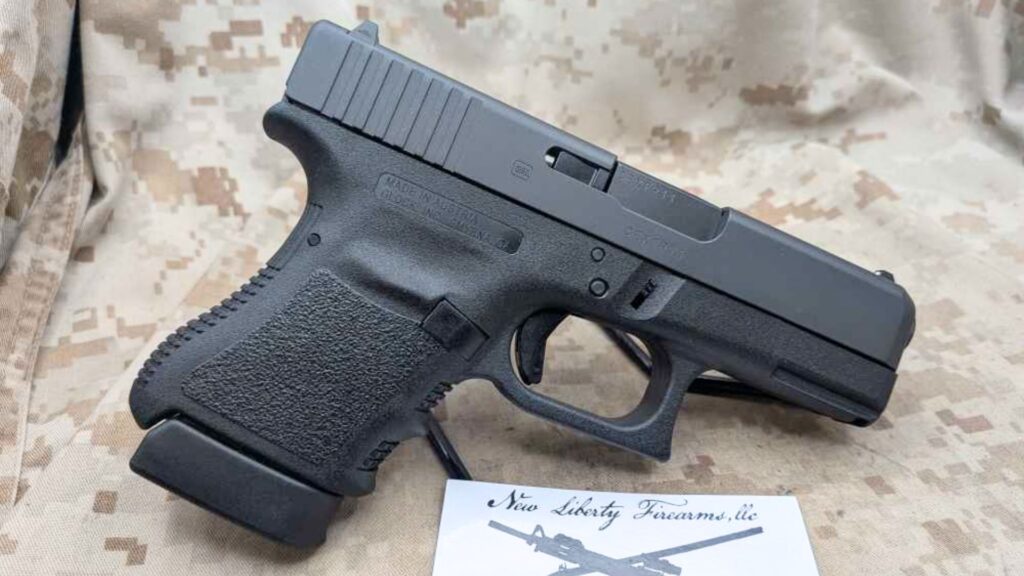
The Glock 36 is a slim, compact .45 ACP designed for concealed carry. While it’s lighter and smaller than the Glock 21, that design also means it transfers more recoil into your hand. Shooters often find the grip short and narrow, which makes controlling the muzzle flip difficult. After a few magazines, anticipation creeps in, and you find yourself blinking or jerking the trigger.
Unlike other Glock models, the 36 demands more effort to control consistently. The .45 ACP cartridge is manageable in full-size pistols, but in this slim configuration it feels harsh. Instead of reinforcing smooth follow-through, it teaches shooters to brace harder than they should, which encourages flinch. If you want a .45 carry gun, you’re often better off with a slightly larger frame that balances better.
Rossi R971 .357 Magnum

The Rossi R971 is a budget-friendly .357 Magnum revolver, and while it delivers the advertised power, it does so in a way that feels unforgiving. The recoil impulse is sharp, the grips are often ill-fitting, and the finish doesn’t absorb much of the shock. That combination encourages flinching almost immediately, especially when shooting full-house magnum loads.
Cheaper revolvers like the R971 can also have inconsistent triggers, which magnifies the problem. When you’re already bracing for recoil and the trigger pull feels unpredictable, your body reacts with preemptive tension. Instead of smooth trigger presses, you’re fighting nerves and mechanics at the same time. That’s a recipe for poor accuracy and frustration at the range.
Taurus PT740 Slim

The PT740 Slim was Taurus’s attempt at a lightweight .40 S&W concealed carry pistol. The idea made sense — slim, portable firepower — but the execution led to a flinch-inducing shooter. The combination of a snappy caliber and a featherweight frame means the recoil comes straight back into your hand with a surprising bite. After a few rounds, most shooters start anticipating that snap and begin flinching.
The small grip doesn’t help, offering limited control over the recoil impulse. What should be a controllable defensive pistol ends up being one that discourages extended practice. If you’re constantly bracing, you won’t get the repetition needed to build confidence. That’s why many owners eventually move on to heavier, more balanced .40 pistols.
Makarov PM

The Makarov PM is another pistol that looks mild on the surface, but the straight-blowback action in 9x18mm Makarov is harsher than you’d expect. The recoil snaps quickly, and the small grip provides little leverage to manage it. Shooters often flinch from the combination of noise, recoil, and muzzle flip, even though the cartridge itself isn’t that powerful.
Add in the long double-action trigger pull, and the Makarov can feel like a chore to fire accurately. You’re already fighting anticipation, then working through a heavy pull that makes flinching even more likely. It’s a reliable, historic design, but it doesn’t make for comfortable or confidence-building practice. The flinch factor is real, and it sticks with shooters longer than it should.
Thompson/Center Contender in .45-70

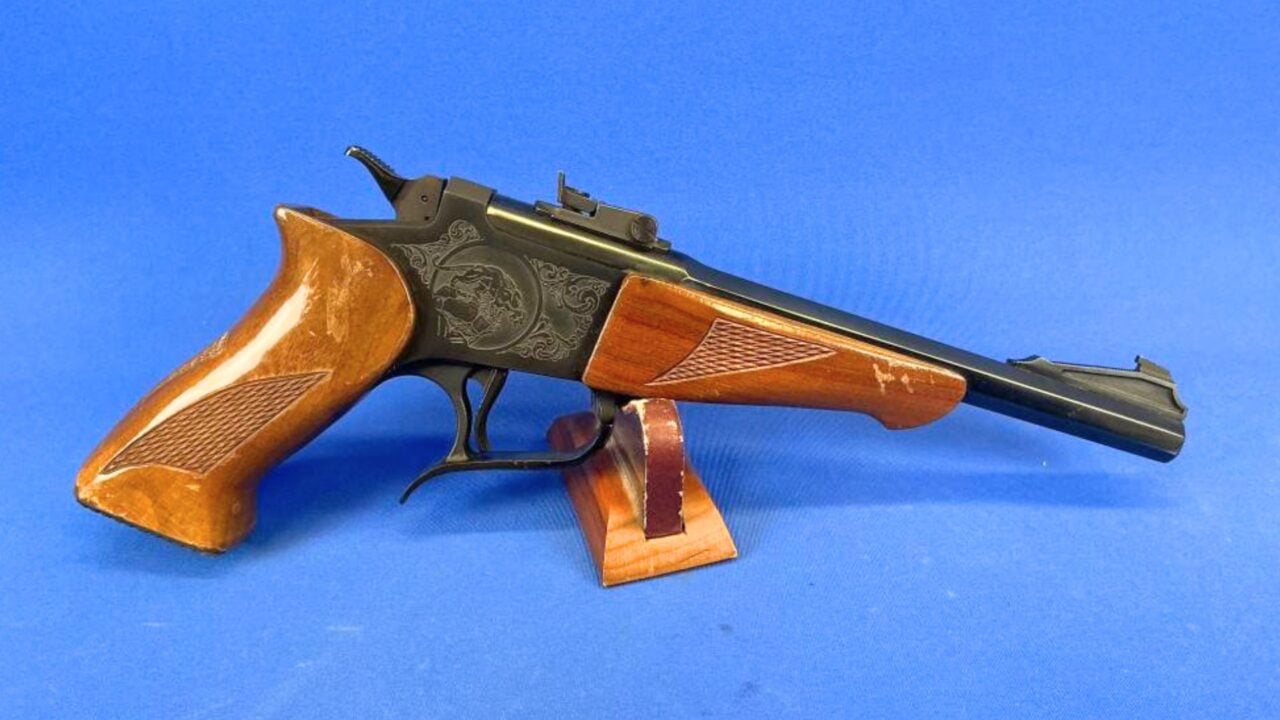
The Contender pistol chambered in .45-70 is one of the harshest experiences you can have at the range. This cartridge was designed for rifles, and stuffing it into a handgun platform guarantees punishing recoil. Every trigger press feels like setting off a small cannon, and it’s rare to see anyone shoot it without anticipating the blast by the second shot.
The recoil impulse is so extreme that flinching isn’t just common — it’s expected. Instead of smooth accuracy practice, shooters end up wincing before breaking the trigger. It’s more of a novelty piece than a practical handgun. If your goal is building skill without bad habits, this one will send you backward fast. It’s memorable, but for the wrong reasons.
*This article was developed with AI-powered tools and has been carefully reviewed by our editors.