Photo credit: Yamaha Whitetail Diaries/YouTube
Cold-barrel reliability is one of those things you only appreciate after a rifle lets you down. Everything looks good on paper until that first shot lands nowhere near where the following group settles. Some rifles shift because of thin barrels, stock pressure, or bedding issues. Others simply never settle into a predictable pattern.
When you carry one of these into the woods, you feel that tension build behind every squeeze of the trigger. If you’ve hunted long enough, you’ve met rifles that behave everywhere except the moment you need them most. These are the ones that can turn a clean opportunity into a long walk home.
Winchester XPR Sporter
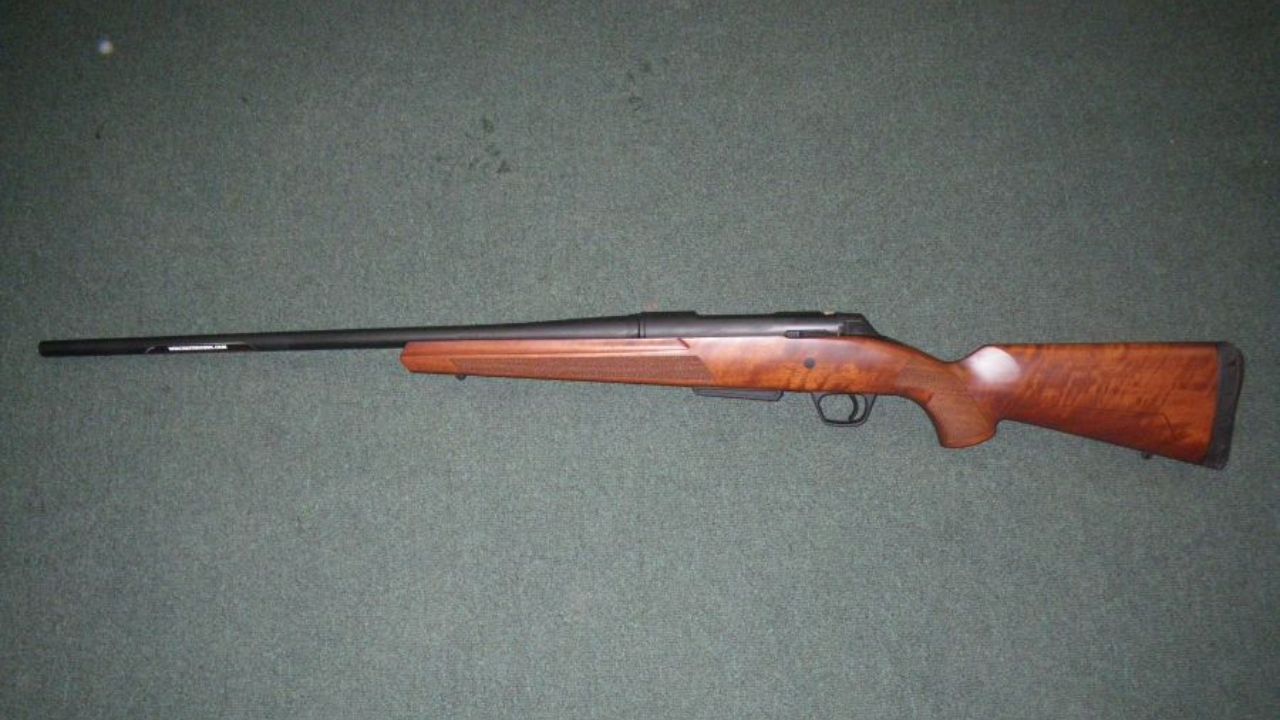
The Winchester XPR Sporter has a lot going for it, but its cold-bore behavior can give you trouble in real hunting weather. The wooden stock expands differently from the barrel during temperature swings, and that slight variation often shows up on the very first shot.
Once the rifle warms, groups settle in fine, and you can trust your point of aim. But when you’re sitting in a frosty blind at first light, that wandering initial round can make you think twice before relying on it for a one-shot opportunity.
CZ 557 Carbine
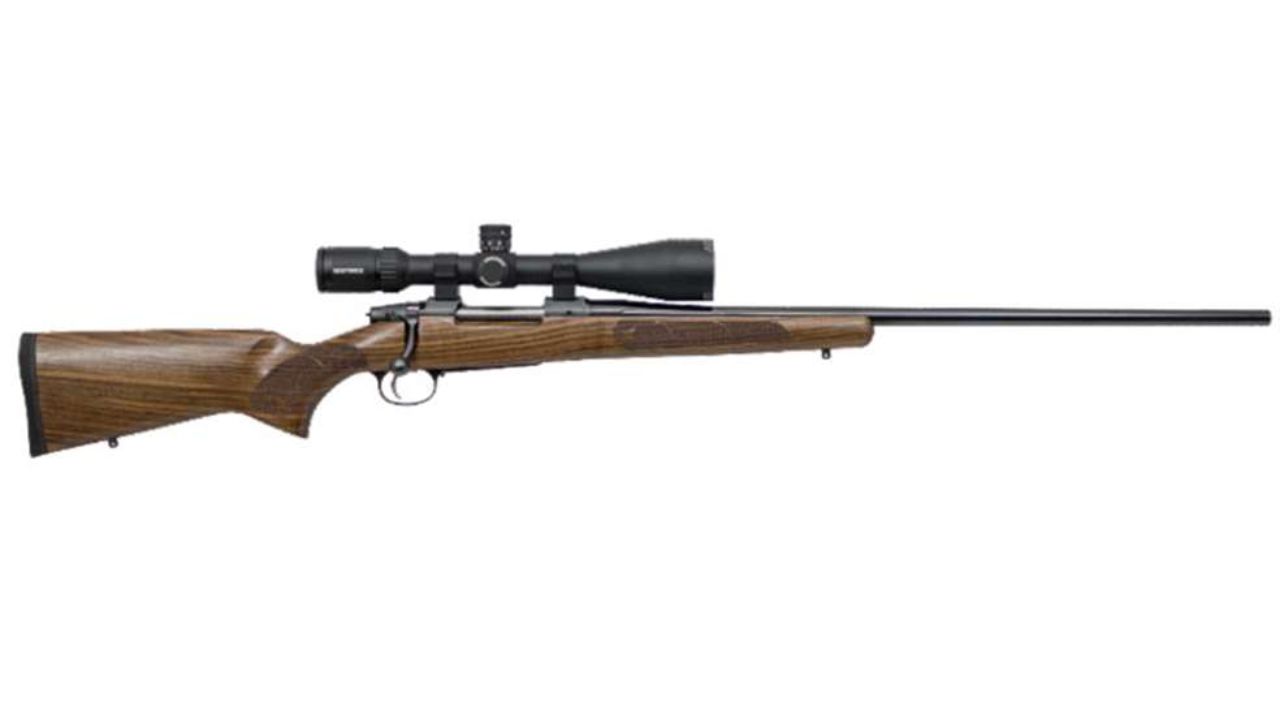
The CZ 557 Carbine balances nicely, but the shorter barrel and lighter profile can cause that first shot to drift before everything settles into its rhythm. Hunters often see the cold-bore round land outside the group by an inch or more, especially in colder conditions.
The rifle’s accuracy improves quickly once the steel warms, making follow-up shots much more predictable. Still, you don’t always get the luxury of warming things up when a buck steps out early, and that’s where this model can let you down.
Browning AB3 Hunter
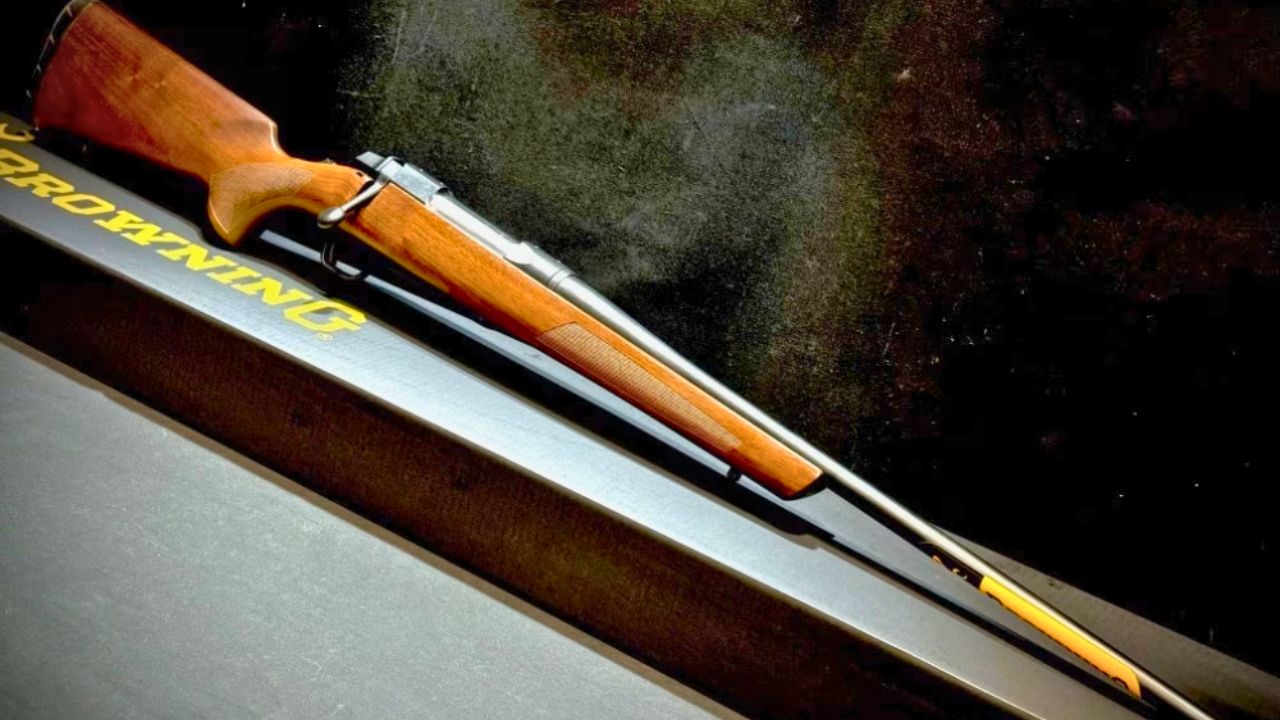
The Browning AB3 Hunter delivers respectable accuracy for the price, but the stiff recoil lug system has a tendency to shift slightly under tension. That change shows itself most clearly on the first round you fire.
Once you settle into a group, the rifle stays consistent. But you’re hunting with the cold barrel, not the warmed-up one. If the bedding or torque shifts even a hair, the first point of impact won’t match where your follow-up shots land, and that makes it tough to trust in the field.
Bergara B-14 Ridge (Early Runs)

Early runs of the Bergara B-14 Ridge were accurate rifles, but some showed slight stock-to-barrel inconsistencies that affected the cold-bore shot. In warm weather, you might not notice it. In freezing conditions, you definitely do.
The barrels are known to foul evenly and shoot tight groups once warm, but that first round can drift until everything expands uniformly. When you’re hunting in temperature swings, that unpredictability is noticeable and hard to ignore.
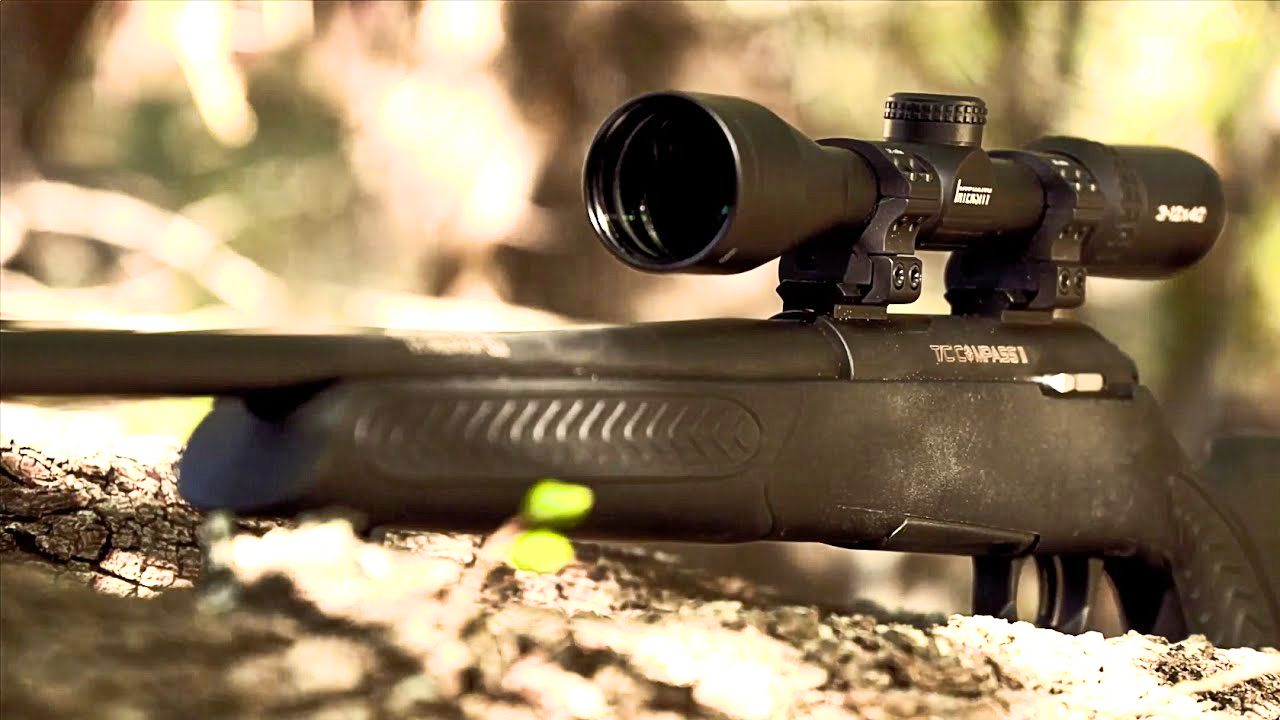
Thompson/Center Compass II

The T/C Compass II offers impressive value, but the extremely thin barrel profile doesn’t always throw the first round in line with the rest. You feel it most in windy or cold situations where the barrel cools unevenly.
After you send a couple of shots, things tighten and become reliable. But hunts don’t usually give you three chances to warm your barrel. That makes the Compass II a rifle you really need to learn intimately before trusting it with a one-shot morning.
Marlin XL7
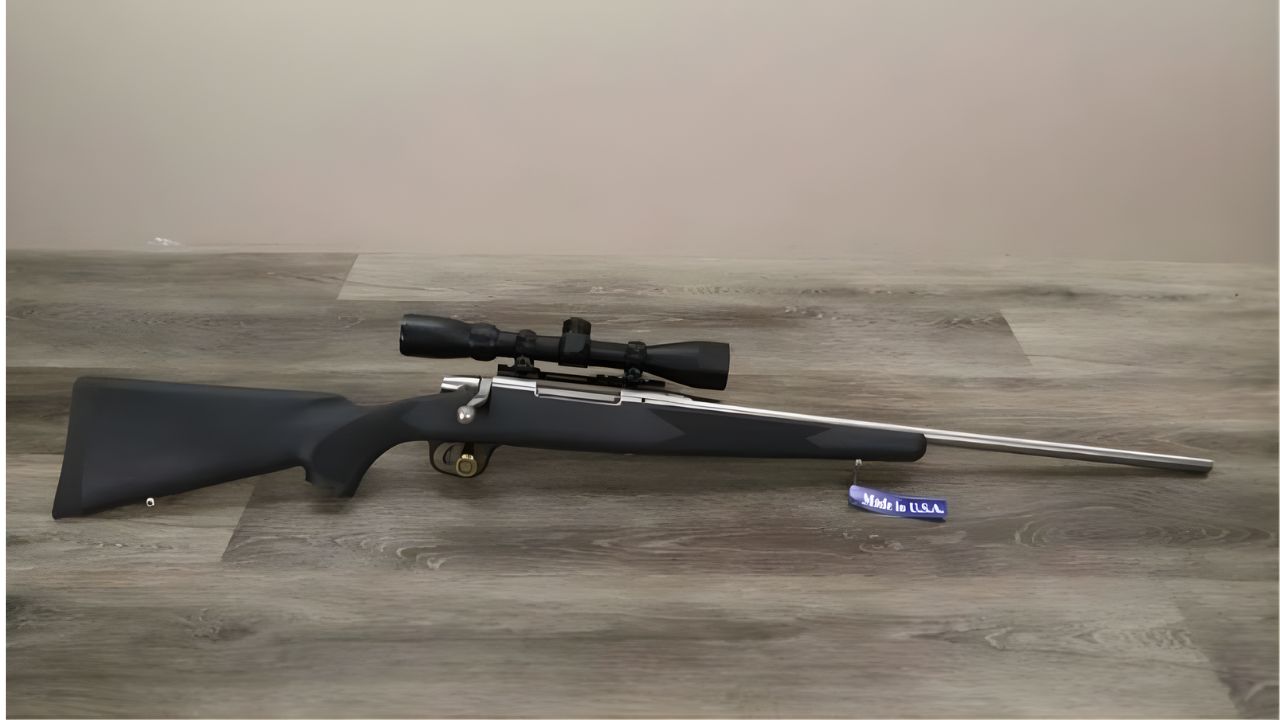
The Marlin XL7 is well-regarded for its smooth action, but the early synthetic stocks flex more than you’d expect. That subtle pressure difference against the barrel channel often appears on your very first shot.
Once the forearm settles from recoil, the next shots tend to fall in line. But cold-bore uncertainty creates hesitation, and that’s the last thing you want when you’re lining up on a deer that won’t stand still for a do-over.
Steyr ProHunter

The Steyr ProHunter brings European styling into a durable package, yet some hunters notice wandering first-round behavior. Its polymer stock reacts noticeably to temperature shifts, and the action bedding isn’t always perfectly uniform.
After the rifle warms, accuracy improves quickly. But early-season mornings and late-season freezes expose that inconsistency in a way you can’t ignore when the shot distance stretches past 150 yards.
Remington Model Seven Synthetic

The Remington Model Seven in synthetic trim is handy and lightweight, though that same lightweight design works against it. The short, slender barrel paired with a flexible forearm often sends the cold-bore shot wandering.
You’ll find that subsequent rounds group tightly once the barrel warms, but you rarely get the chance to fire a fouler during a hunt. The Model Seven remains a classic, but this particular trait is one seasoned hunters learn to work around.
Weatherby Mark V Ultra Lightweight

The Weatherby Mark V Ultra Lightweight carries easily, but the thin fluted barrel is extremely sensitive to temperature and harmonics. That creates noticeable variance on the first round until the steel reaches equilibrium.
Once warm, the rifle shows off its potential, but that doesn’t help when you’re making a single, cold-barrel shot at dawn. It’s a great mountain rifle, but one that takes practice to fully understand.
Remington SPS Tactical (16.5″ Barrel)

The Remington SPS Tactical with the short 16.5-inch barrel shoots well in tight clusters after a few rounds, but the abbreviated barrel length and heavy contour don’t always play nicely during the first shot. The shift isn’t dramatic, but it’s enough to miss a small vital zone.
If you like compact rifles, it still has merit. But for hunting, you want a rifle that keeps the first round in the exact same place as the rest, and this one doesn’t always do that.
Kimber Hunter

The Kimber Hunter’s controlled-round feed action is solid, yet the pencil-thin barrel profile and flexible composite stock introduce movement during the first trigger press. You might see an inch of deviation before follow-up shots settle in perfectly.
In warm weather, the issue is reduced, but cold seasons reveal everything. It’s a mountain-friendly setup, though one that demands you understand exactly where that first round tends to land.
Savage 110 Storm (Ultralight Configs)

The Savage 110 Storm is dependable, but the ultralight versions with skeletonized stocks can shift slightly under sling tension. That small amount of pressure often shows up only on the cold-bore shot.
After the first round, everything stabilizes and the rifle prints reliably. But if you’re hunting from field positions instead of a bench, that first-shot unpredictability is worth paying attention to.
Ruger Hawkeye Compact
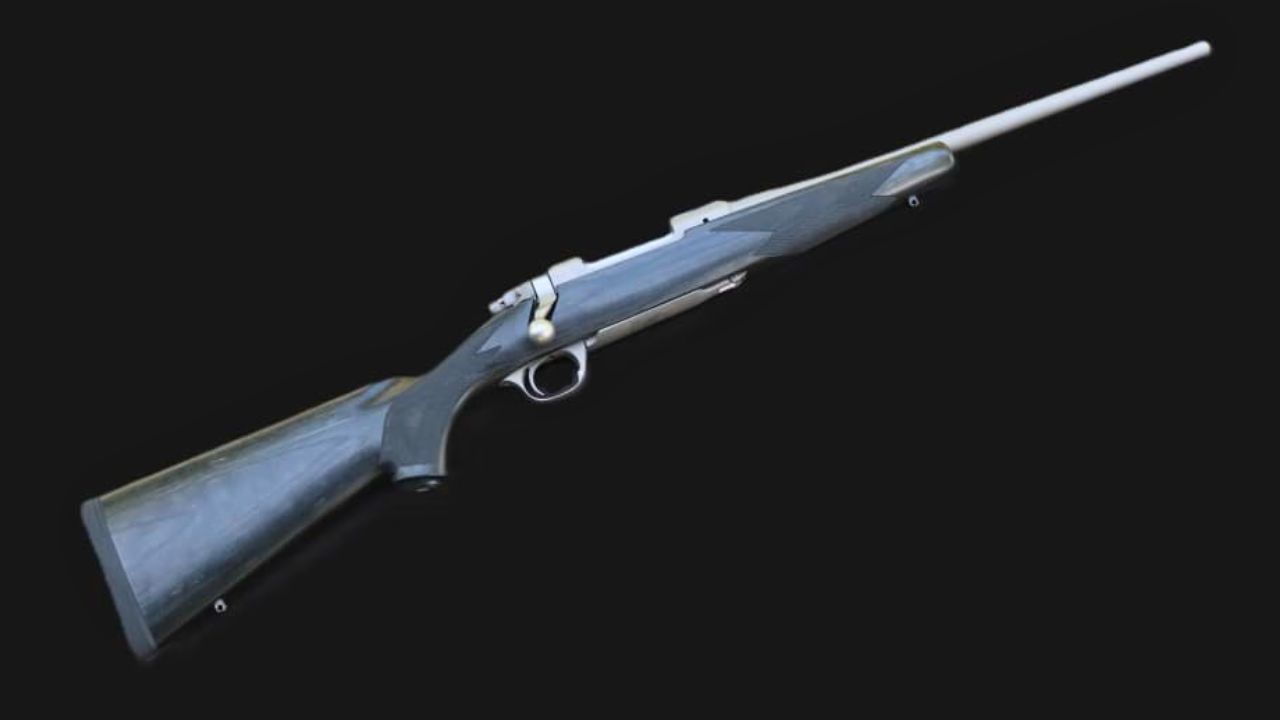
The Ruger Hawkeye Compact is rugged, though the short barrel and stiff recoil impulse can create a flyer on the first shot. The rifle settles quickly afterward, making accuracy reliable once warmed.
When you’re in tight cover and ranges are short, this isn’t a dealbreaker. But for open-country shots where precision is crucial, that wandering initial round can cause real frustration.
Sako A7 Roughtech
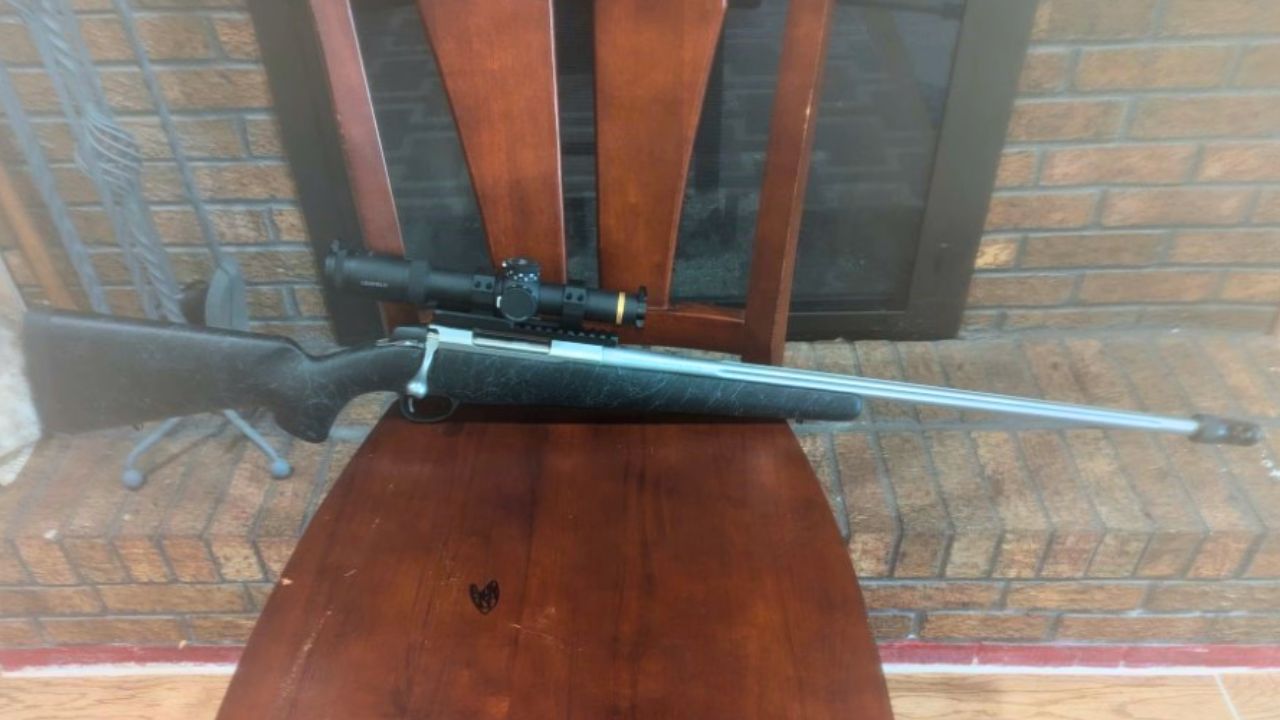
The Sako A7 Roughtech is a well-made rifle, but early Roughtech stocks weren’t perfectly free-floated. That slight pressure difference becomes most obvious during the first cold shot, especially with lightweight loads.
Once the barrel heats and harmonics normalize, consistency improves significantly. Still, it’s a trait that hunters notice when they rely on that first trigger pull to count.
Remington 783 Heavy Barrel
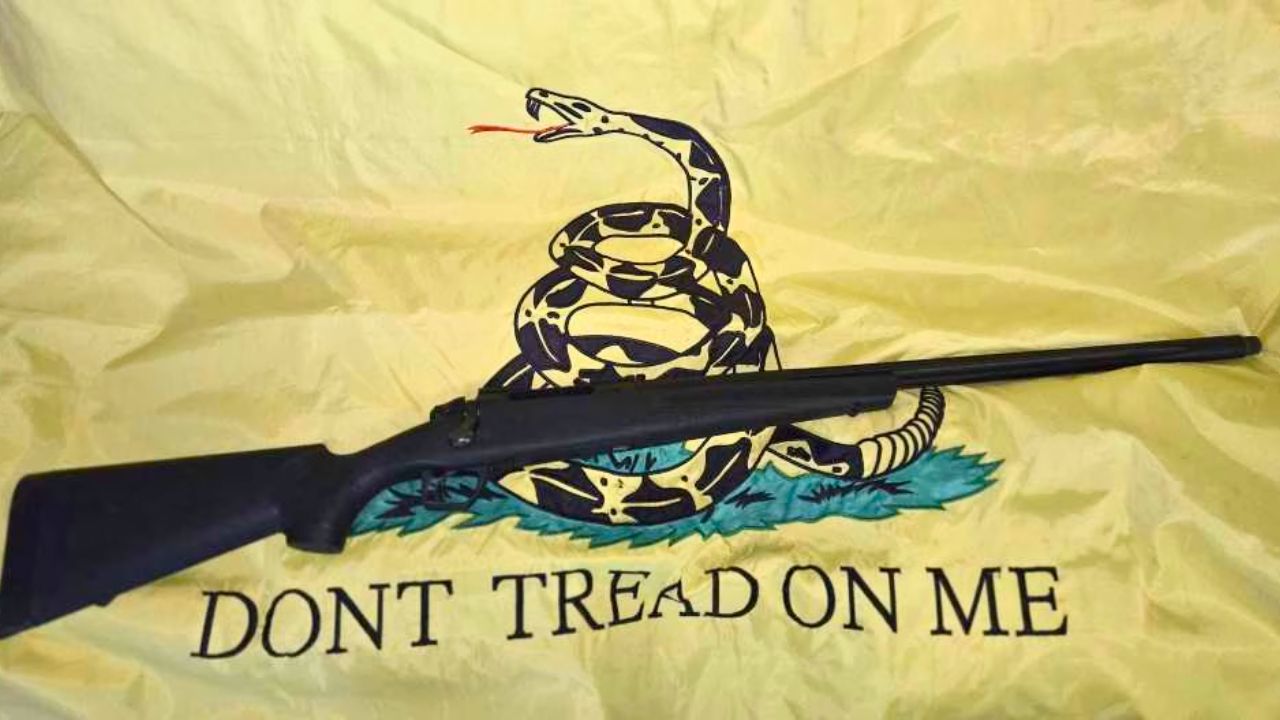
Even with the heavier barrel, the Remington 783 can throw its first shot if the bedding or action screws shift slightly between shooting sessions. It doesn’t take much movement to create a flyer before everything settles in.
The rifle performs better once warmed up, but cold-bore drift remains a known quirk. If you keep it torqued correctly and practice often, you can learn its habits, though it still isn’t ideal for a one-shot hunt.
Like The Avid Outdoorsman’s content? Subscribe to our newsletter so you never miss an article.
Here’s more from us: