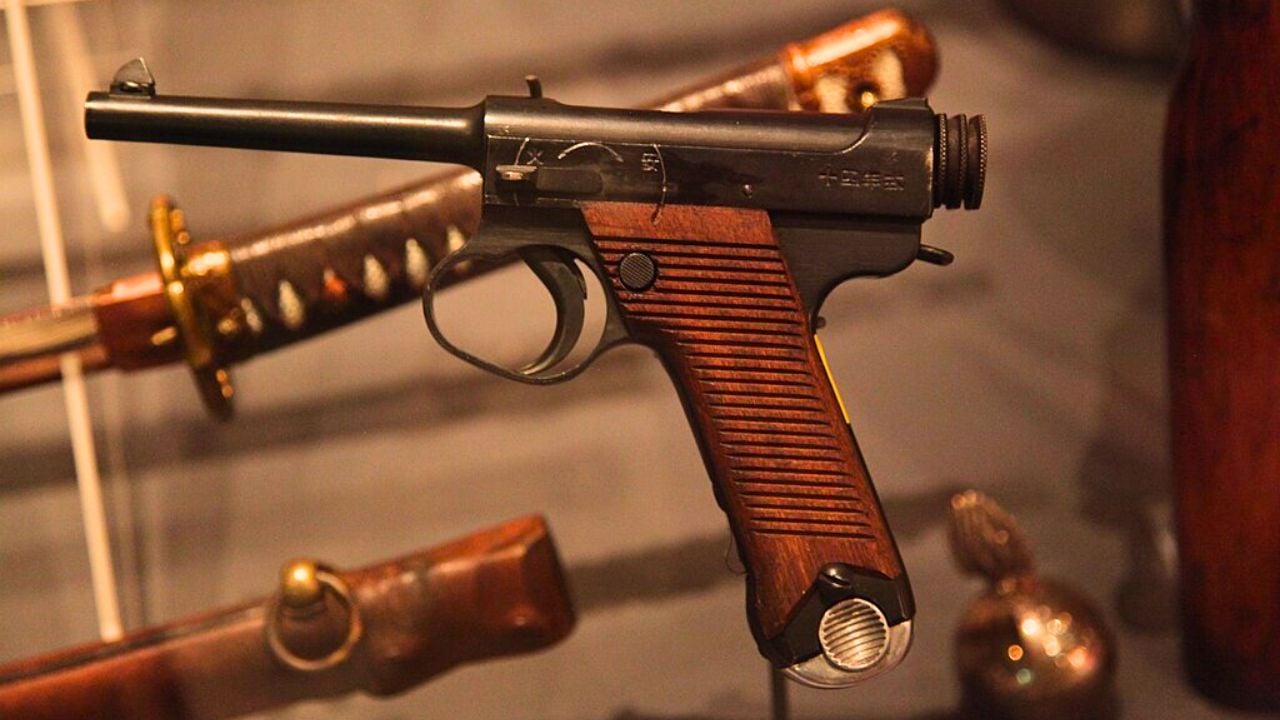
Photo credit: By Rama, CC BY-SA 3.0 fr, /Wikimedia Commons
World War II pistols carry a history that continues to draw collectors and shooters alike. These sidearms weren’t just tools of war; they were symbols of national identity, craftsmanship, and survival. Whether issued to infantry, tank crews, or officers, they saw action across Europe, the Pacific, and beyond. Today, their designs remain timeless, and demand among collectors hasn’t slowed. From the battle-proven American 1911 to highly engineered European pistols, these sidearms stand as reminders of a pivotal era where reliability and function mattered more than anything else.
Colt M1911A1
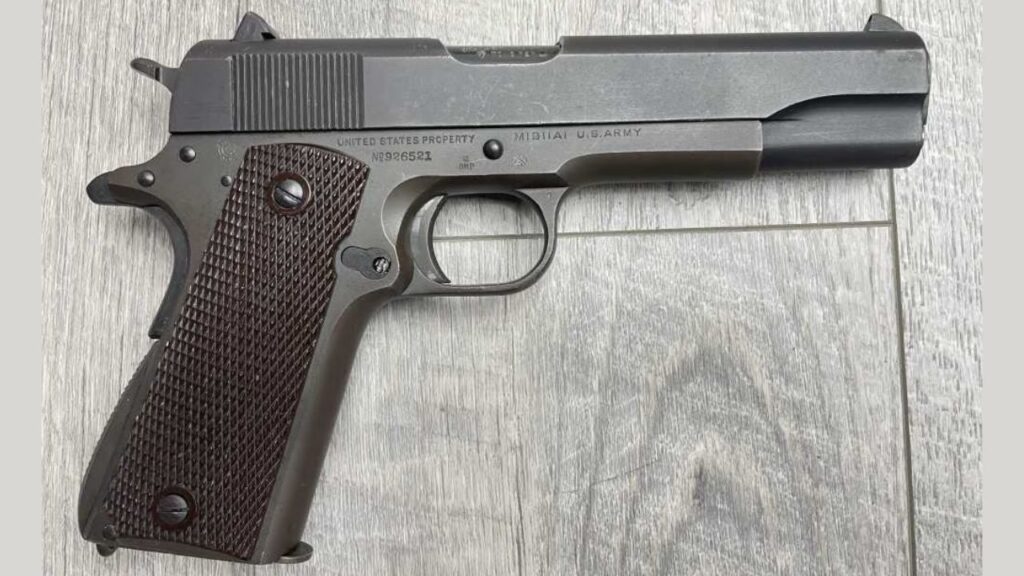
The M1911A1 was the backbone of the U.S. sidearm inventory during World War II and continues to dominate the collector’s market today. Its .45 ACP chambering delivered stopping power troops relied on in close combat across the Pacific and Europe. Known for its ruggedness and reliability, it earned trust on every battlefield it touched.
Collectors value WWII-issued Colts for their military markings, original parkerized finishes, and wartime serial numbers. With production numbers from multiple contractors, condition and manufacturer play a huge role in determining value for these highly sought-after sidearms.
Walther P38
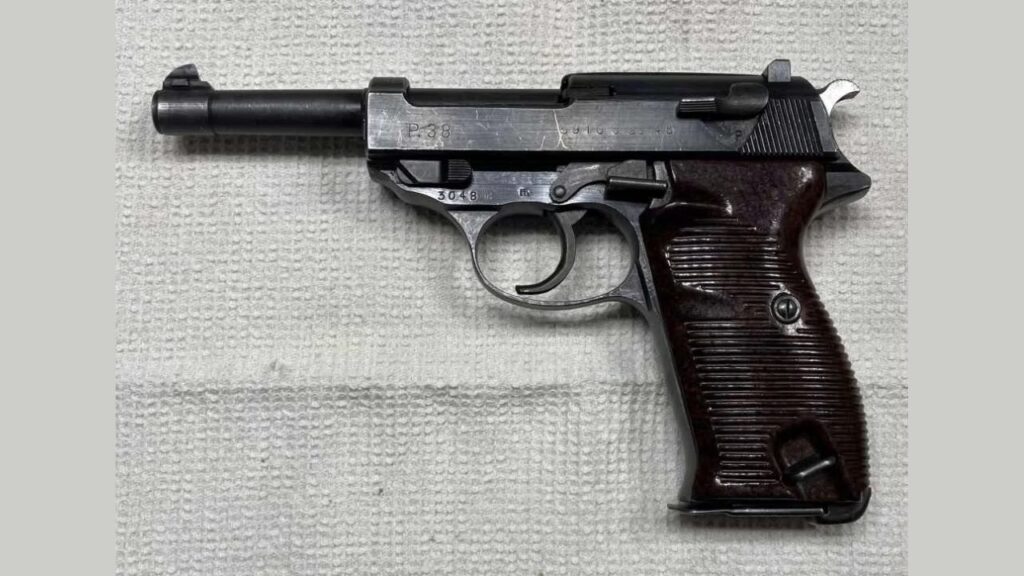
The German-made Walther P38 replaced the iconic Luger as the standard-issue Wehrmacht sidearm during WWII. Designed for 9mm, it introduced a double-action/single-action trigger system ahead of its time, giving soldiers faster first-shot capabilities. Its innovative locking block design made it durable and reliable, even under harsh field conditions.
Collectors prize original wartime P38s, especially those with matching serial numbers and intact Nazi-era markings. Because many variants were produced by different factories, subtle differences in design and stampings can make some models significantly more valuable than others today.
Luger P08
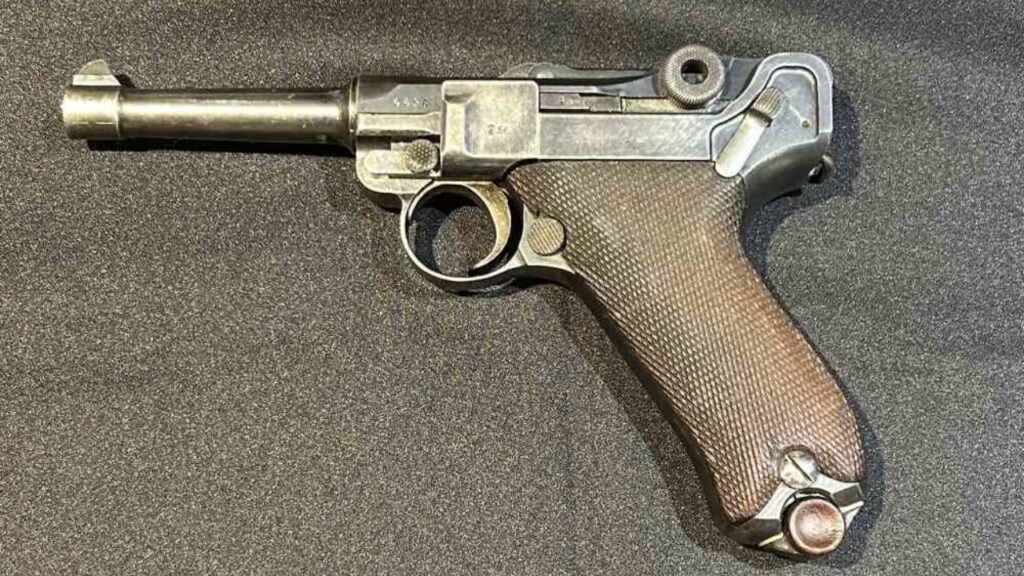
Before the Walther P38, the Luger P08 symbolized German military sidearms during both World Wars. Known for its distinctive toggle-lock mechanism, the 9mm Luger had exceptional ergonomics but was complex to produce and maintain in wartime conditions. While gradually phased out during WWII, many were still issued and saw heavy combat use.
Collectors often seek Lugers for their historical significance and unique engineering. Variants with specific unit markings or rare production runs bring high premiums, especially those produced in the early war years when machining standards were at their peak.
Tokarev TT-33
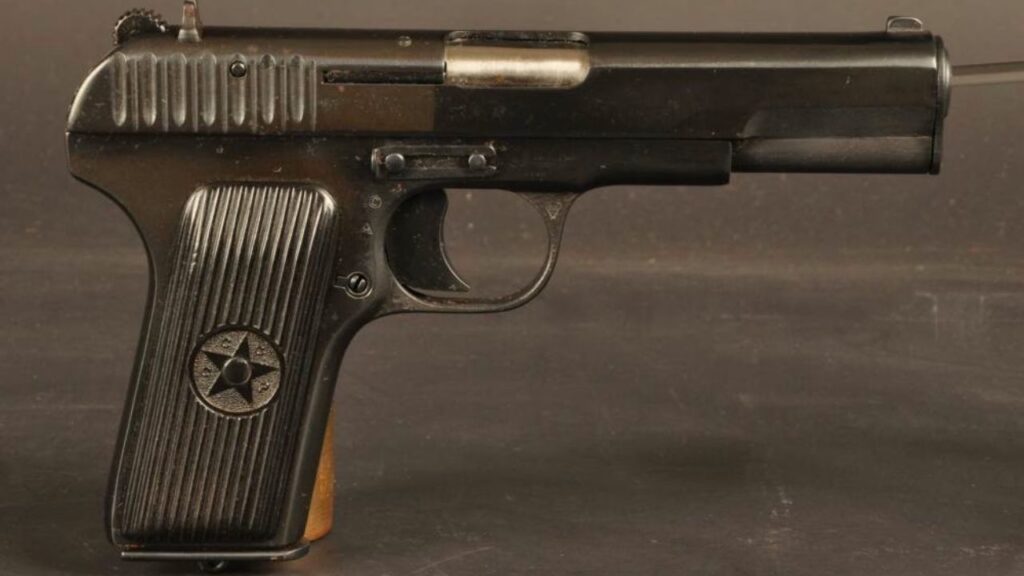
The Soviet TT-33 served as the standard Red Army sidearm during World War II, chambered in the fast-moving 7.62×25mm Tokarev round. Its simple design, inspired partly by Browning’s 1911, made it easy to produce in massive numbers and maintain under harsh Eastern Front conditions.
Collectors appreciate original TT-33 pistols for their wartime factory codes and Cyrillic markings. While millions were built, pistols with matching parts and intact finishes have grown increasingly rare. Its association with Soviet offensives on the Eastern Front keeps it popular among WWII enthusiasts.
Browning Hi-Power
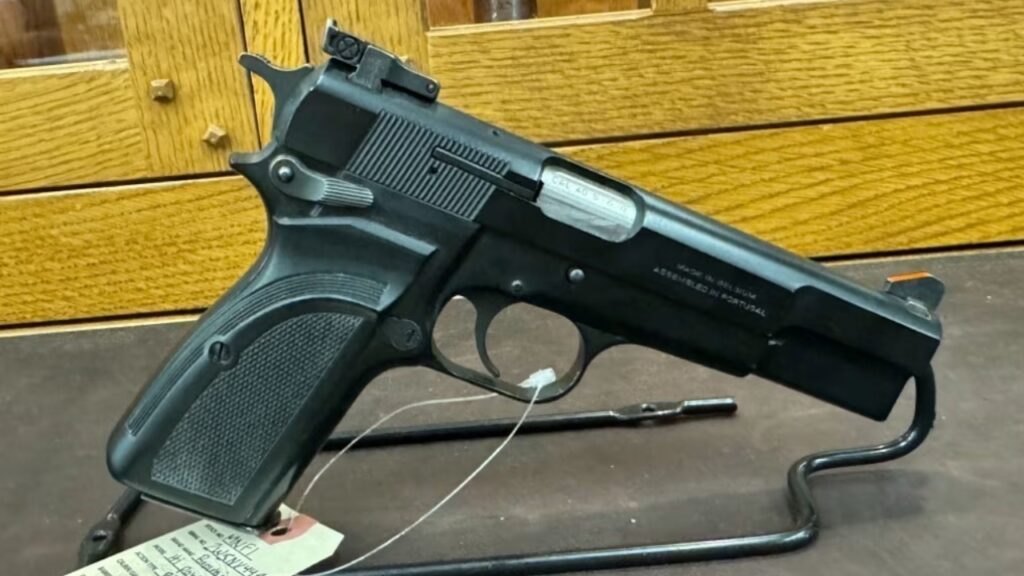
Designed by John Browning and completed by FN Herstal, the Browning Hi-Power became one of the most widely used pistols of World War II. Chambered in 9mm, its 13-round magazine gave soldiers unmatched firepower for its time. Both Axis and Allied forces used it, including German paratroopers and Canadian special units.
Collectors seek wartime Hi-Powers with original finishes and matching serials, especially early Belgian-made models with Waffenamt (German acceptance) stamps. Because production spanned multiple factories during the war, identifying rare examples makes this pistol especially appealing to serious collectors.
Smith & Wesson Victory Model
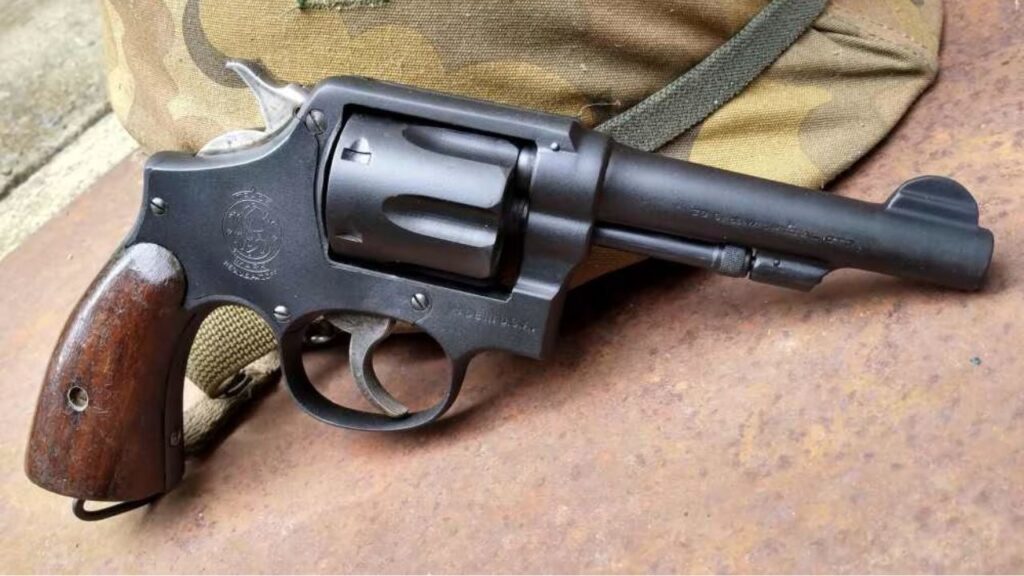
The Smith & Wesson Victory Model revolver was produced in massive quantities during WWII, chambered in both .38 Special and .38 S&W. Issued widely to U.S. Navy personnel and Allied forces, it gained a reputation for reliability in rough environments, from island jungles to European cities.
Collectors favor original U.S. Navy-marked models and those shipped under the Lend-Lease program to Allied nations. Wartime production included both parkerized and blued finishes, making some variants rarer and more collectible than others depending on condition and markings.
Beretta M1934
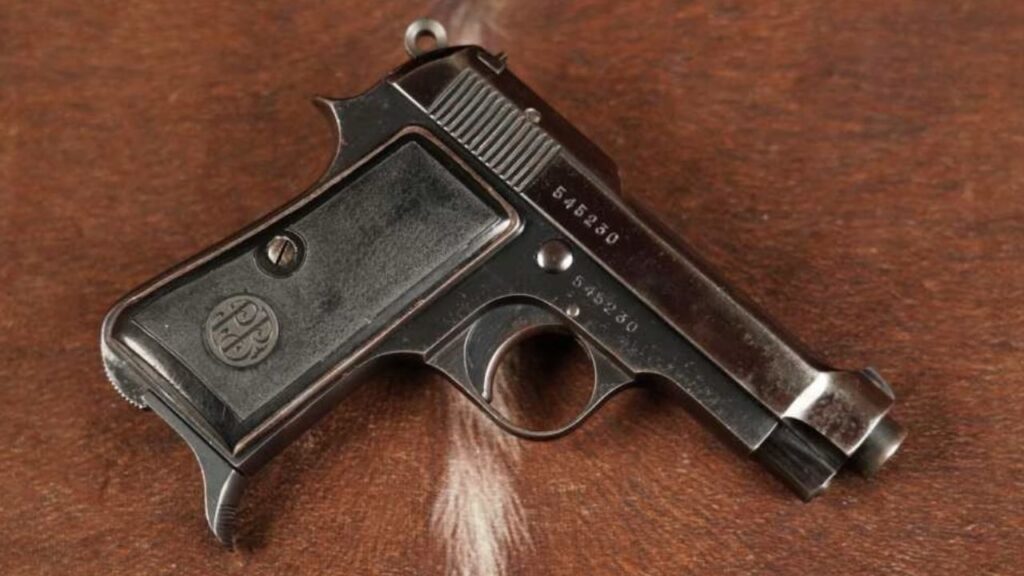
Italy’s Beretta M1934 served Axis forces throughout WWII and remains a sought-after collectible today. Chambered in .380 ACP (9mm Corto), it earned a reputation for durability and simplicity, making it a reliable choice even in harsh combat environments.
Collectors look for models with intact Fascist-era markings and matching serials, which increase value significantly. Many M1934s were captured and brought back to the U.S. as war trophies, so examples with verifiable provenance are highly prized among military handgun enthusiasts.
Nambu Type 14
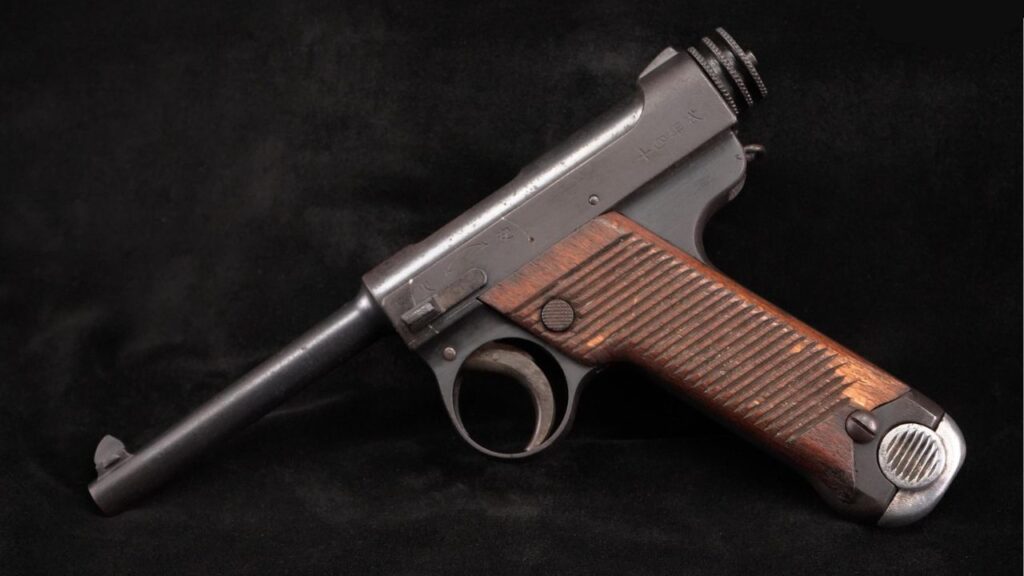
The Japanese Nambu Type 14 was the most common sidearm issued to Imperial Japanese forces during WWII. Chambered in 8mm Nambu, its unique striker-fired design and distinctive safety placement set it apart from Western designs of the time. While less powerful than other wartime pistols, it served thousands of soldiers across the Pacific.
Collectors value original, matching examples with intact holsters and bring-back paperwork. Early production models, built before Japan’s wartime resource shortages, tend to have better machining and command higher prices than late-war versions.
SIG P210 (Swiss Production Influence)

While Switzerland remained neutral during WWII, the SIG P210’s design roots trace directly to wartime German engineering. Developed from the same lineage as the Browning Hi-Power, it became one of the most precise pistols of its era. Its reputation for accuracy and craftsmanship has made it highly collectible today.
Collectors specifically seek early P210 prototypes and first-production examples with unique factory markings. While it wasn’t widely issued in WWII, its connection to the war’s influence on firearm engineering ensures its place among historically significant sidearms.
*This article was developed with AI-powered tools and has been carefully reviewed by our editors.