Photo credit: Boris Pralovszky/Shutterstock.com
Every hunter knows there are calibers that earn respect in the field—and there are others that get you laughed at once you walk away. Sometimes it’s because they’re underpowered, sometimes because they’re unnecessary, and sometimes because they only exist as marketing projects that never should’ve caught on. When you show up at deer camp or the range with one of these rounds, folks might nod politely to your face, but behind your back, they’re shaking their heads. The truth is, some calibers don’t hold up in real-world hunting. They’re either impractical, overpriced, or outright ineffective compared to proven workhorses. Here are the calibers hunters love to laugh at when no one’s listening.
.17 HMR for Big Game

The .17 HMR is a fun rimfire round, but when you bring it into big-game conversations, hunters start chuckling. It’s perfect for varmints and target shooting, but it has no business being anywhere near deer or hog hunting. The tiny bullet simply doesn’t have the weight or energy for ethical kills.
Every season, there’s someone who claims they’ve “dropped a deer with a .17.” Maybe they did, but the margin for error is so razor-thin that most hunters don’t take those stories seriously. Ammo manufacturers never designed it for anything larger than prairie dogs and squirrels, and that’s where it belongs. If you pull one of these rifles out at camp and talk about taking whitetail with it, you can bet someone will roll their eyes once you’re not looking. It’s a great round in its lane, but when misused, it becomes the punchline of every hunting story.
.22 LR on Deer
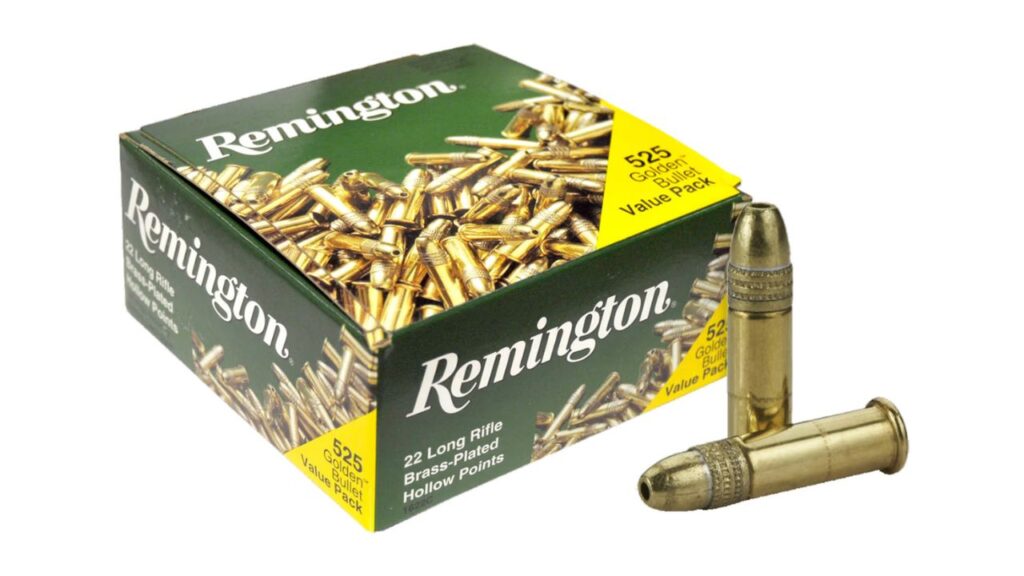
The .22 LR has probably killed more deer than anyone will admit, but that doesn’t mean it’s a deer rifle. Old-timers may have used it out of necessity, but today it’s seen as irresponsible. With tiny bullets, limited penetration, and unreliable expansion, it lacks the power for clean kills on larger animals.
Hunters who bring up taking deer with .22s usually get sideways glances. Everyone knows it can be done, but that doesn’t make it right. Most states even outlaw it for big game because of the suffering it can cause. It’s a round meant for small game, plinking, and teaching kids to shoot—not for filling your freezer. At camp, if you brag about deer hunting with a .22 LR, you’re not going to be respected—you’re going to be the guy they joke about later. There’s a difference between what’s possible and what’s ethical, and the .22 LR on deer proves that point every time.
.25 ACP in the Woods
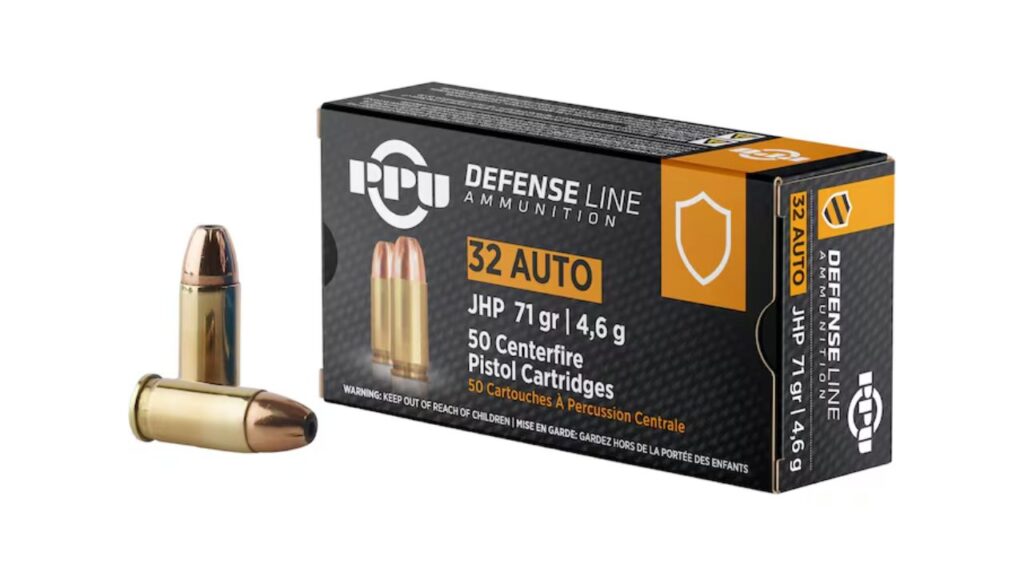
The .25 ACP is another cartridge that gets laughs when hunters hear someone mention it for field use. Designed for pocket pistols, it has no real application in the hunting world beyond novelty. With energy levels that barely outpace a high-velocity .22 LR, it’s ineffective and impractical.
Some people carry one as a backup sidearm, but in hunting circles, it’s seen as dead weight. Against predators or even wounded game, it offers little confidence. Hunters joke that it’s better for scaring squirrels than defending yourself. Ammo is expensive, the guns chambered for it are often unreliable, and nobody in serious hunting camps treats it as legitimate. If you tell others you’re carrying a .25 ACP “for protection” while out hunting, don’t be surprised when they laugh once you leave. It’s not a hunting caliber—it’s a relic of pocket pistols that should stay in town.
.30 Carbine on Big Game

The .30 Carbine round, fired from the classic M1 Carbine, has history, but it isn’t respected in hunting fields. It was designed as a step between pistols and full rifles, and that middle ground makes it awkward for big game. Hunters know it doesn’t have the velocity or bullet weight to reliably drop deer-sized animals.
Yes, there are stories of people taking deer with .30 Carbine, but they’re usually followed by long tracking jobs. The bullet lacks energy past short ranges, and expansion is unreliable. In the hunting world, that makes it a round to laugh at when someone brags about it. Most folks respect the rifle’s role in history, but not its performance in the woods. If you show up at deer camp with a .30 Carbine, you’ll probably hear polite curiosity in person, followed by jokes around the fire later. It’s a nostalgic round, not a hunting one.
.45 GAP
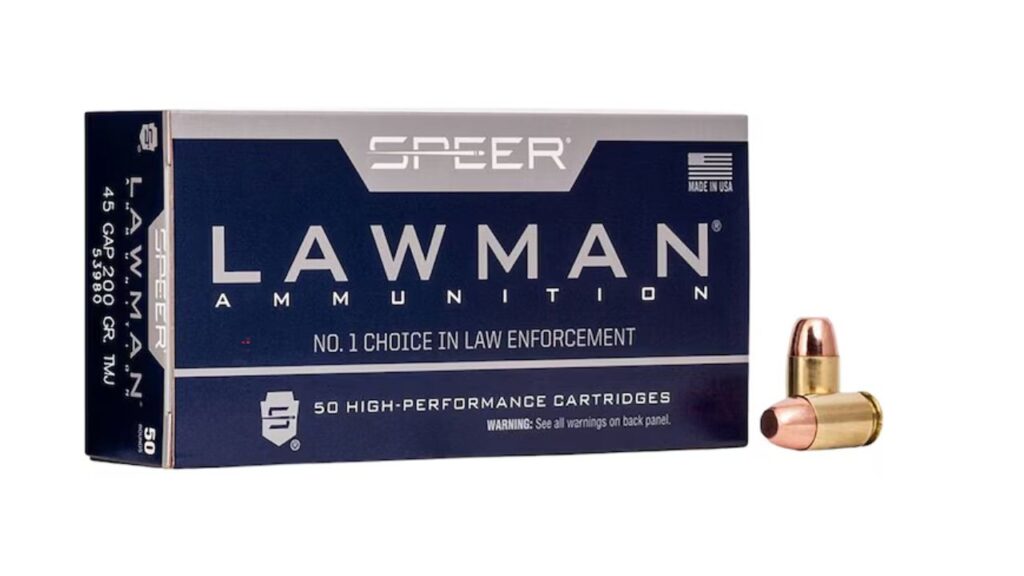
The .45 GAP was marketed as a modern alternative to .45 ACP, but it never caught on—and in hunting circles, it’s a running joke. It was supposed to give .45 ACP power in a smaller package, but the reality is it offered no real advantages and quickly fell into obscurity. Hunters especially see it as pointless.
Ammo is hard to find, expensive, and delivers nothing you can’t already get from .45 ACP or 10mm. If you tell hunters you’re carrying a .45 GAP sidearm in the woods, don’t expect them to take you seriously. It’s not just about performance—it’s about practicality, and this round offers none. Behind your back, they’ll be wondering why you wasted money on a cartridge nobody asked for. In the hunting world, practicality rules, and .45 GAP is the opposite. Its very mention is enough to spark laughter in most camps.
.17 Remington
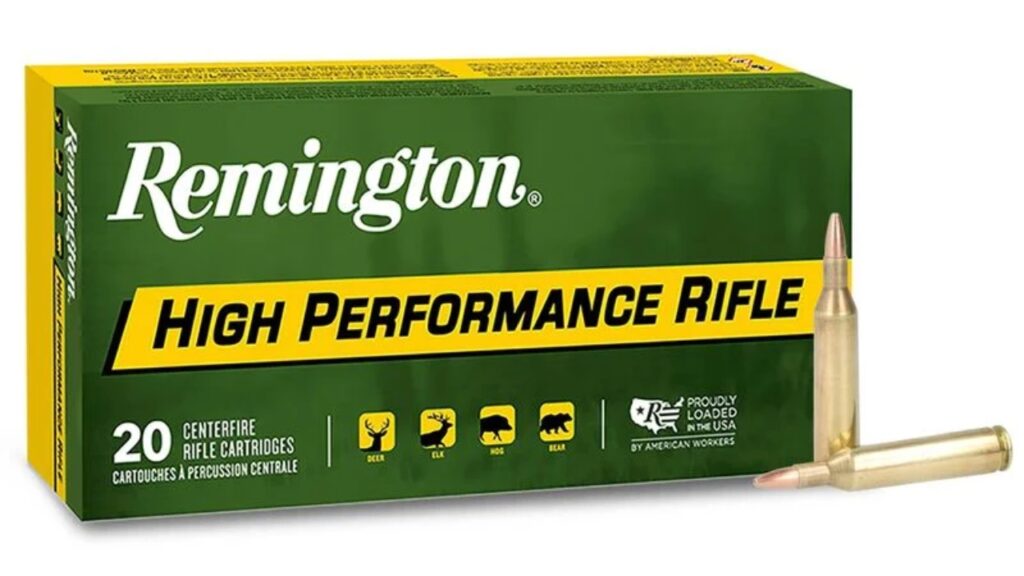
The .17 Remington was brought out to offer blazing velocity and flat trajectories, but hunters laugh about it for anything beyond varmints. The tiny bullets disintegrate at high speeds and lack penetration. On small critters, it works fine, but when someone talks about trying it on coyotes or deer, most hunters roll their eyes.
The cartridge fouls barrels quickly and burns through ammo budgets fast. Its niche is so small that most hunters see it as more of a curiosity than a practical tool. Those who bring it up at camp usually get teased for “overcomplicating a squirrel rifle.” In reality, the .223 Remington does everything the .17 Remington was supposed to do, but better, cheaper, and with less barrel wear. It might impress on paper, but in the woods, it’s the butt of a lot of jokes. Hunters respect effectiveness, and the .17 Remington never earned that respect.
.32 ACP in the Field
Bringing a .32 ACP into hunting territory will always earn a laugh. This cartridge was designed for early 20th-century pocket pistols, not for facing wildlife. It has low energy, questionable penetration, and no role in hunting beyond historical oddity. Hunters know that if you’re carrying one, you’re more likely to annoy a bear than stop it.
Even for small game, it’s not practical compared to a .22. Ammo is pricey, and the guns chambered for it are usually compact pistols that aren’t field-friendly. Hunters often joke that it’s the kind of round you carry if you’re planning to shoot yourself in the foot to get out of the woods early. It might have nostalgia value, but it’s not respected in any serious hunting camp. Mention it around experienced hunters, and you’ll hear chuckles once you turn your back.
.204 Ruger on Deer

The .204 Ruger has its place in varmint hunting, but when someone suggests it for deer, hunters can’t help but laugh. The round is lightning-fast, but its light bullets lack penetration and don’t provide ethical performance on bigger animals. Trying to stretch it beyond prairie dogs and coyotes is where ridicule begins.
At the range, it’s accurate and fun. But in the deer woods, it’s seen as irresponsible. Hunters respect cartridges that can anchor animals quickly, and the .204 Ruger isn’t built for that. If you bring one into camp and start talking about taking whitetails, the laughter won’t be far behind. People know there are far better options—.243, .270, .30-06—all proven for decades. The .204’s revival as a deer option never stuck for good reason. In hunting circles, it’s more of a novelty than a serious tool, and that makes it an easy target for jokes.
.25-20 Winchester

The .25-20 Winchester had its day in small game hunting, but when it comes up for deer, hunters laugh. The cartridge lacks the power and reach needed for clean kills on anything bigger than varmints. Back in the early 1900s, people used it out of necessity, but today, it’s seen as outdated and underpowered.
Ammo is scarce, expensive, and doesn’t perform better than .22 Magnum or .223. Modern hunters see no reason to keep it around, other than for nostalgia with old rifles. If you talk about taking deer with a .25-20, you’ll be the subject of jokes once you’re out of earshot. It’s the kind of round people respect for history but laugh at for modern use. Hunters value performance, and the .25-20 doesn’t deliver. Its name might sound interesting, but in practice, it gets chuckles more than admiration.
.30-40 Krag in Modern Hunts
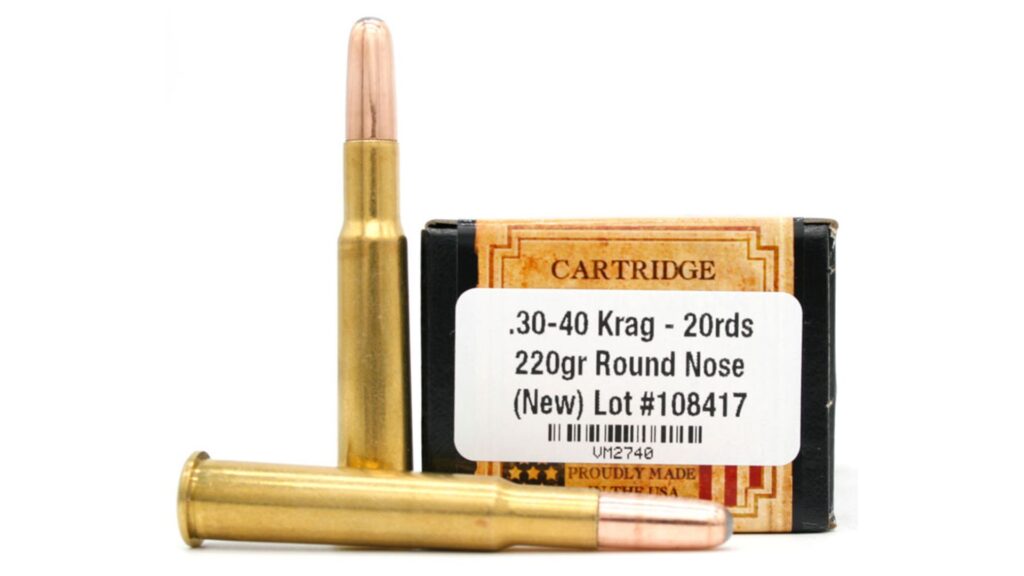
The .30-40 Krag was important historically, but when it shows up in modern hunting conversations, hunters grin behind your back. Compared to today’s cartridges, it’s slow, drops heavily at range, and has limited ammo choices. It worked fine in its day, but it’s long since been surpassed.
Ammo isn’t cheap, rifles chambered for it are limited, and ballistics don’t impress modern hunters. If you brag about bringing one to deer camp, most folks will politely nod, then joke later about how you’re trying to hunt with a relic. It’s not that it can’t take deer—it can—but when compared to modern rounds like .308 or .30-06, it feels outdated. The Krag deserves respect for history, but in hunting, it’s treated as a novelty. If you want to avoid being laughed at, leave it in the safe and bring something proven in today’s fields.
7.62×25 Tokarev Outdoors
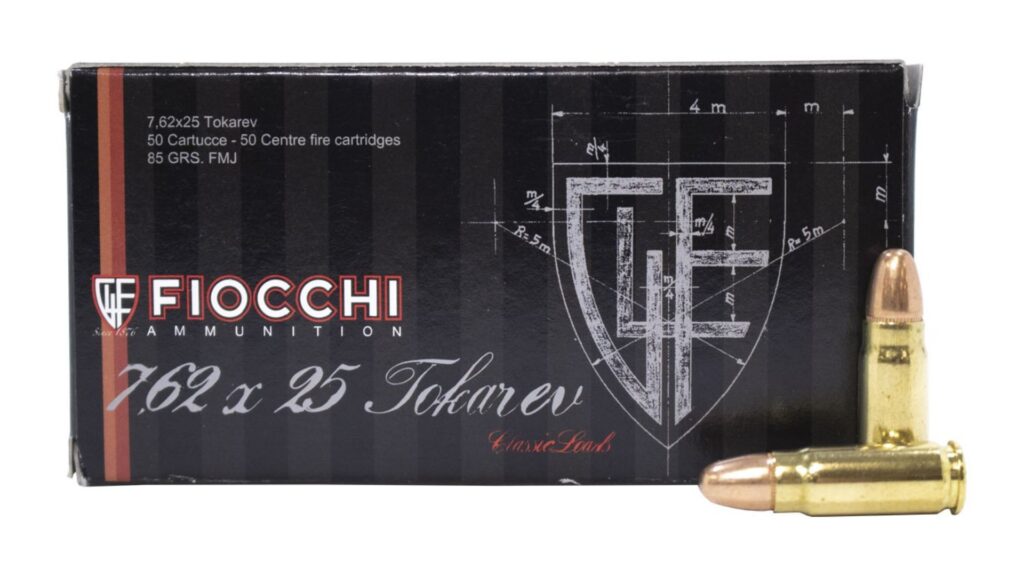
The 7.62×25 Tokarev is a hot little pistol round, but hunters find it laughable in the field. It was built for military pistols and subguns, not for dealing with wildlife. Its tiny, lightweight bullets don’t penetrate well enough for big game, and the noise far outweighs the results.
Collectors enjoy it, and surplus ammo makes for fun range days, but in hunting circles, it has no credibility. If you mention carrying one in the woods, expect chuckles and headshakes. Hunters want cartridges that put meat on the table or defend against predators. The 7.62×25 does neither effectively. It’s the sort of round that sounds impressive in theory because of its velocity, but in real life, it’s outclassed by almost everything. Hunters laugh at it because it doesn’t belong in the field—it belongs on the range or in a collection.
5.7×28mm
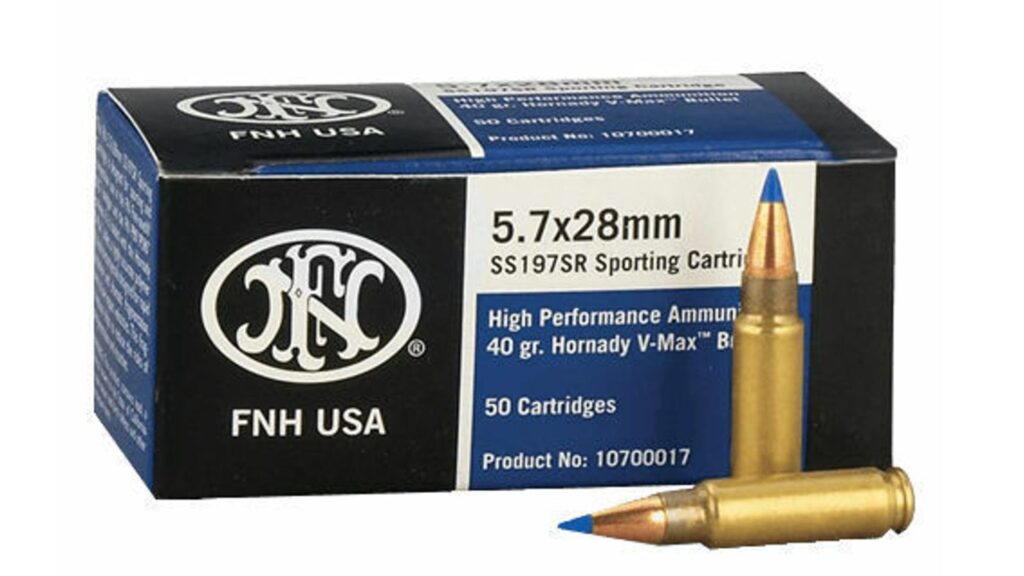
The 5.7×28mm gained attention thanks to certain pistols and carbines, but hunters don’t take it seriously. Its lightweight, high-velocity bullets look good on paper but lack the penetration and energy for ethical hunting beyond varmints. When someone brags about it as a deer option, it usually sparks laughter.
Ammo is expensive, not widely available, and doesn’t outperform more established small-caliber hunting rounds. Hunters see it as a marketing-driven cartridge with little field credibility. While it might have a role in certain tactical scenarios, in the hunting world, it’s often treated as a joke. If you pull one out at deer camp and start making big claims, you can bet there will be whispers and grins behind your back. The 5.7 looks flashy, but in the field, it doesn’t impress. Hunters respect rounds that anchor game—and this isn’t one of them.
*This article was developed with AI-powered tools and has been carefully reviewed by our editors.