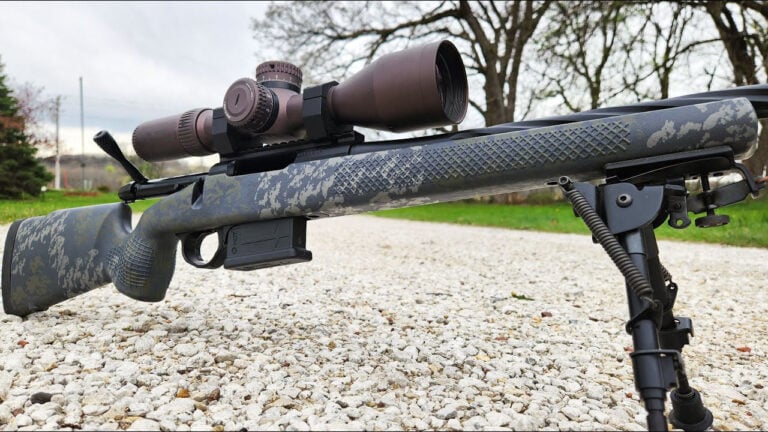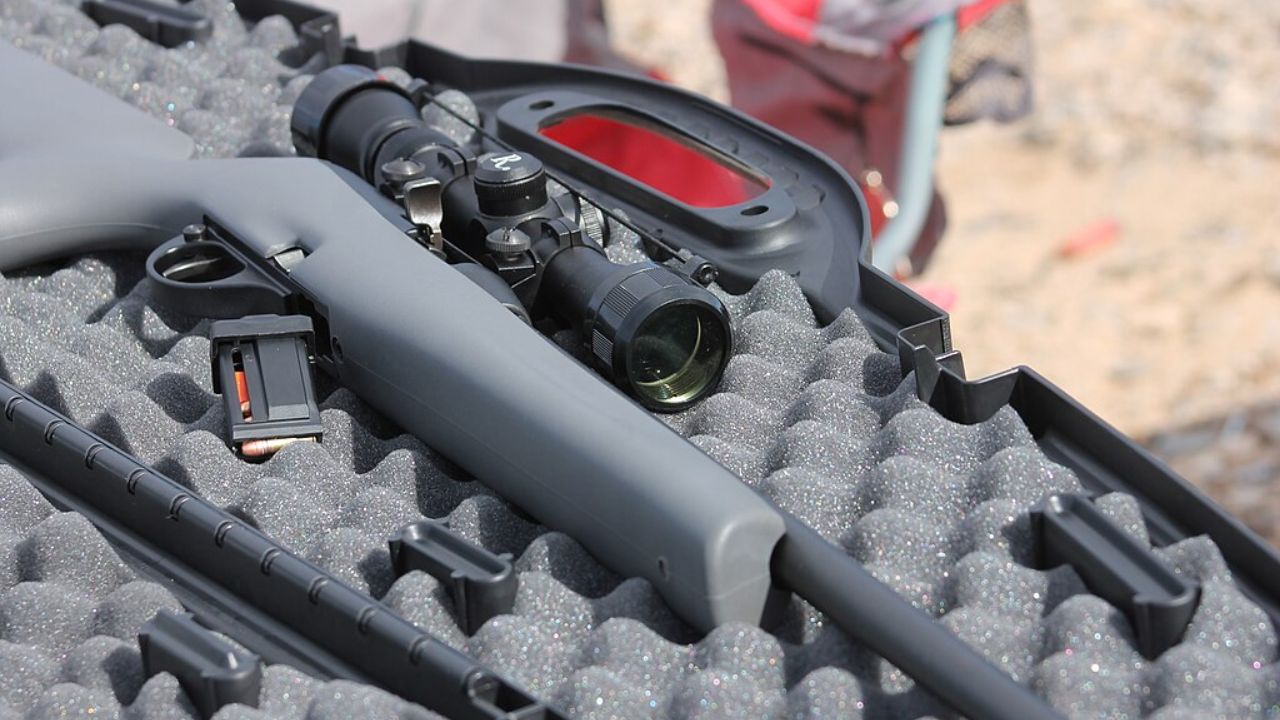
Photo credit: Noah Wulf – CC BY-SA 4.0, /Wikimedia Commons
I have a theory about why certain guns get recommended over and over: most recommendations happen in a gun shop aisle, on a phone call, or in a comment thread where nobody is actually running the thing hard. When you only shoot a couple boxes a year, almost anything can feel “just fine.” It’s later—when you start carrying it, cleaning it, patterning it, trying to make a cold first shot count, or hunting in bad weather—that the little flaws crawl out.
This isn’t a hit piece on anyone’s favorite. Some of these are genuinely good guns with one nagging issue that doesn’t show up on day one. Others are popular because they’re cheap, available, or the internet decided they were “the answer.” Here are 20 that get pushed constantly… right up until the owner finally meets the flaw.
1. Taurus G3C

The G3C gets pitched as the budget carry solution, and I understand why. It’s small, holds plenty of rounds, and the price tag makes it easy to say yes when you’re staring at the handgun case.
The flaw usually isn’t “it won’t run” so much as the long-term trust factor. The trigger feel varies a lot gun to gun, and the little stuff—finish wear, small parts, magazine quirks—shows up fast when it actually lives on a belt. If you shoot it a lot, you may find yourself wishing you’d just bought the boring mid-priced option in the first place.
2. Remington 783 (factory configuration)
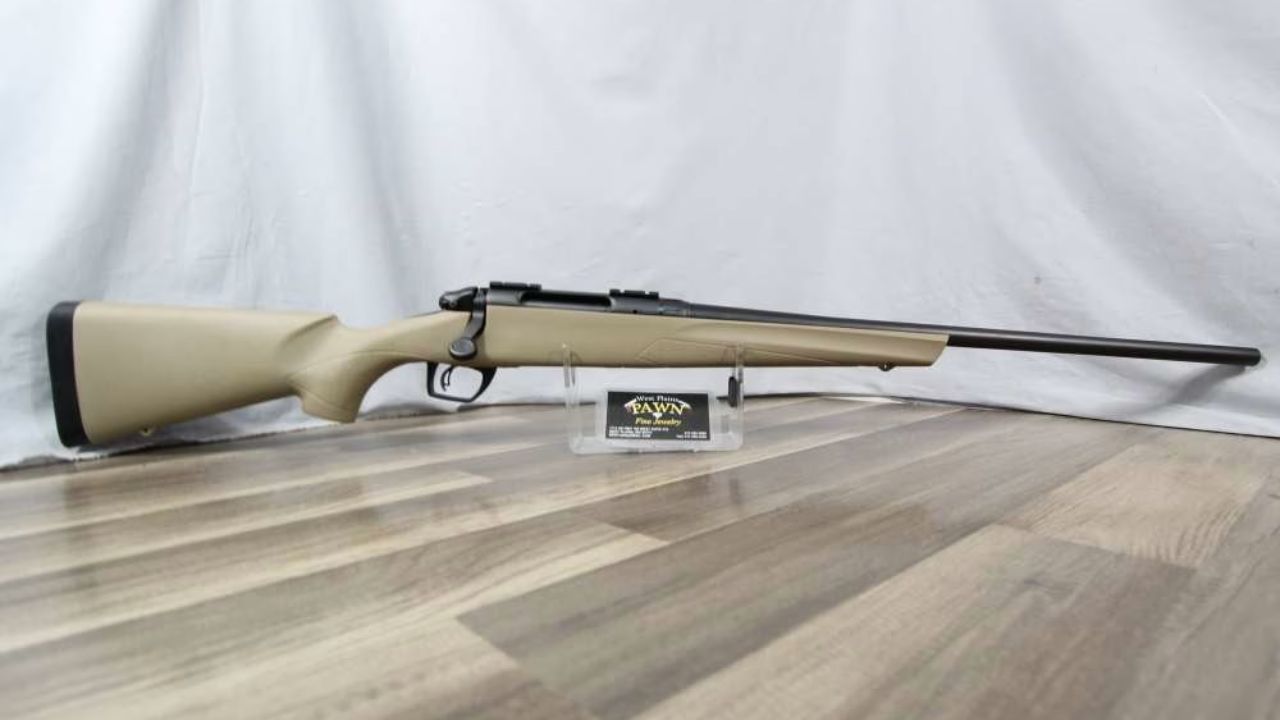
On paper, the 783 is the affordable deer rifle: decent accuracy, decent feel, and it wears the right name for guys who grew up around 700s. Plenty of them will shoot well enough for whitetails without drama.
The flaw is how “almost good” it can be. The factory stock and bedding can feel like an afterthought, and the magazine system is not everyone’s favorite when you’re loading cold fingers in the dark. It works, but it doesn’t feel like it wants to be run hard, and that matters when it’s your one rifle.
3. Remington 870 Express (later production)

Everybody recommends the 870 because the older ones earned it. The Express line, especially in later years, is where people find out that “an 870 is an 870” isn’t always true.
The rough chambers and finish issues show up at the worst times—like sticky extraction with cheap field loads or surface rust after one wet hunt. You can clean it up and make it right, but it’s irritating to pay for a legend and get a project.
4. Mossberg 500 (as a do-everything shotgun)

I’ve owned Mossbergs and I’m not above grabbing one for a truck gun or a spare. They’re reliable, simple, and there are parts everywhere.
The flaw is that the 500 gets recommended like it’s the same experience as a nicer pump, and it’s not. The action can feel loose, the fore-end wobble annoys some shooters, and the tang safety is great until your stock choice and grip style start fighting it. It’s a good tool, but it’s not automatically everybody’s best tool.
5. Kimber Solo

This one has broken more hearts than it should have because it checks all the boxes on the counter: small, slick, good-looking, “premium” name. It’s the kind of gun a guy recommends after holding it, not after living with it.
The flaw tends to be ammo sensitivity and finicky reliability. When a small 9mm gets picky, you either feed it exactly what it likes forever or you stop trusting it. A carry gun that makes you negotiate with it isn’t really a carry gun.
6. SIG Sauer P365 (early production reputation still lingers)

The P365 changed the carry world, and I carry one often enough that I’m not throwing rocks from a glass house. The reason it makes this list is because people recommend it like every version, every batch, every magazine is automatically problem-free.
The flaw is that small, high-capacity pistols run on tight tolerances and good magazines. If you’re the guy who neglects springs, cheap-outs on mags, and never checks function after swapping parts, you’re the guy who finds out. The P365 is great, but it’s not magic.
7. Springfield Armory Hellcat (for recoil-sensitive shooters)
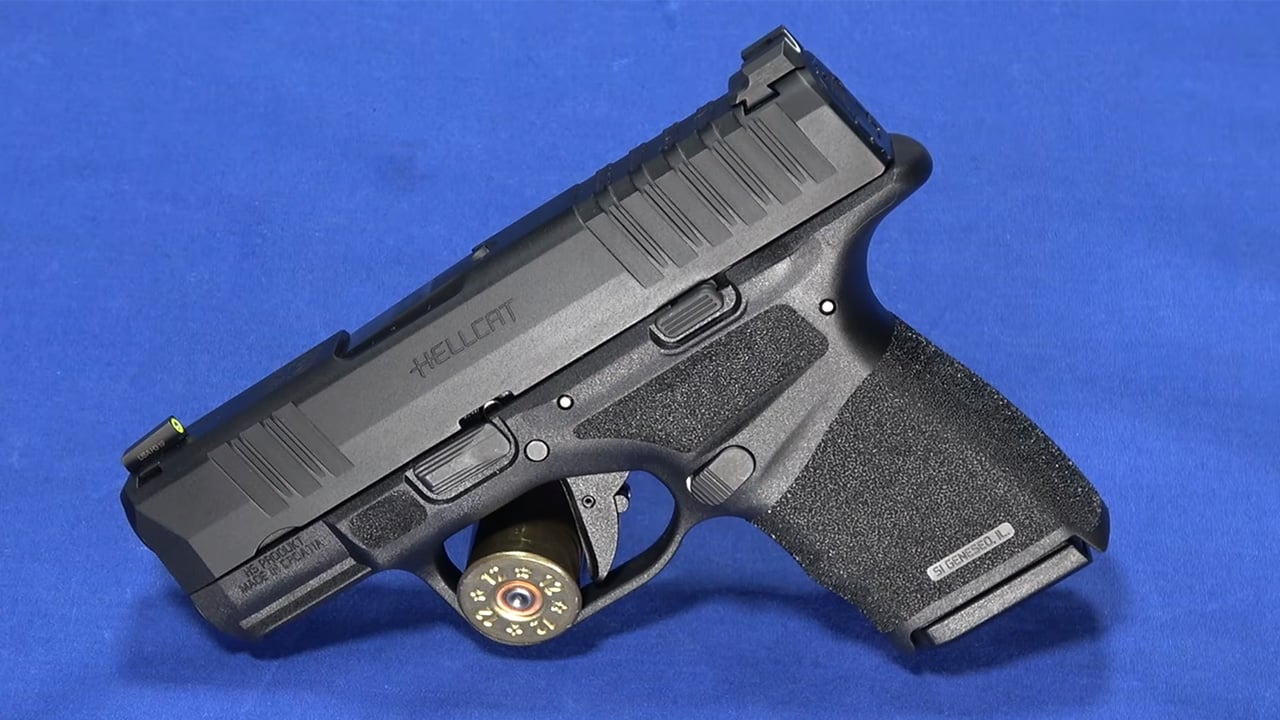
The Hellcat gets pitched constantly to new carriers because it’s compact and holds a lot. It’s a smart design and it usually runs.
The flaw is the way it shoots for some hands. It’s snappy, the grip texture can feel aggressive in summer carry, and new shooters sometimes struggle to keep it tracking flat. If someone is recoil sensitive or has smaller hands, this recommendation can turn into a discouraging first year of practice.
8. Glock 43X (without testing magazines and carry setup)
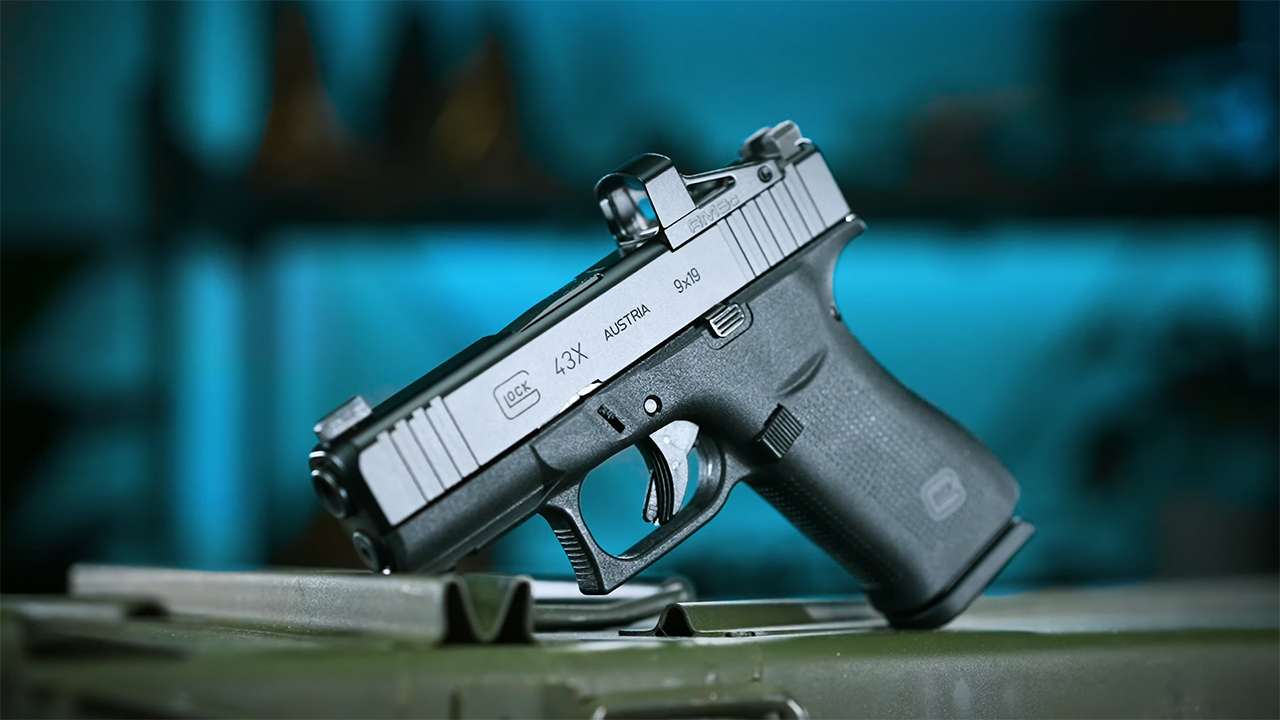
The 43X is the “easy button” recommendation because it feels familiar, it’s thin, and it carries well. For many folks, it’s exactly what they should own.
The flaw comes when people chase capacity with aftermarket magazines and don’t vet them. If you’re going to carry it, run the exact mags you’ll carry, with your carry ammo, enough to be boring. The gun isn’t the problem most of the time—it’s the assumptions people bolt onto it.
9. Ruger LCP (as a primary carry gun)
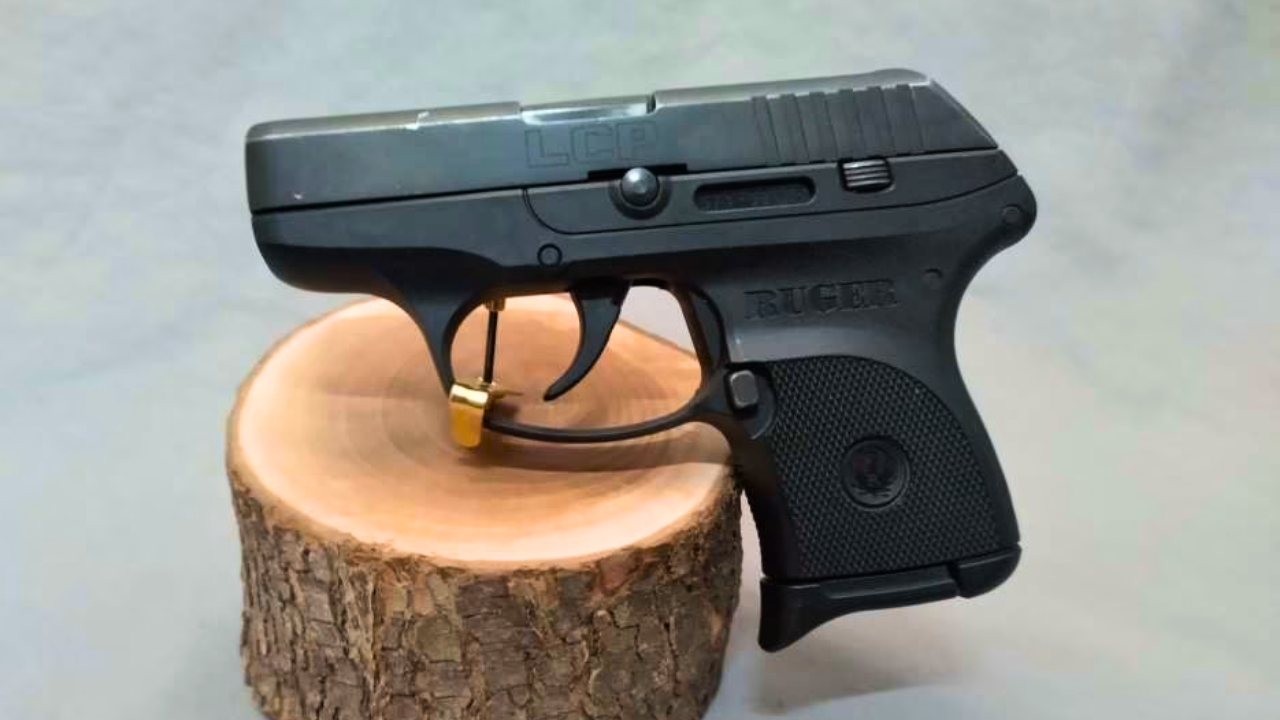
The LCP has saved plenty of days because it’s actually small enough to be with you. It’s the definition of “better than nothing,” and that’s not an insult.
The flaw is when it becomes the only answer. Tiny sights, tiny grip, tiny caliber—everything is compromised. Folks recommend it like it’s just a smaller version of a normal pistol, then the owner realizes they can’t hit worth a dime past belly-gun distance under stress. Ask me how I know.
10. Smith & Wesson M&P15 Sport II
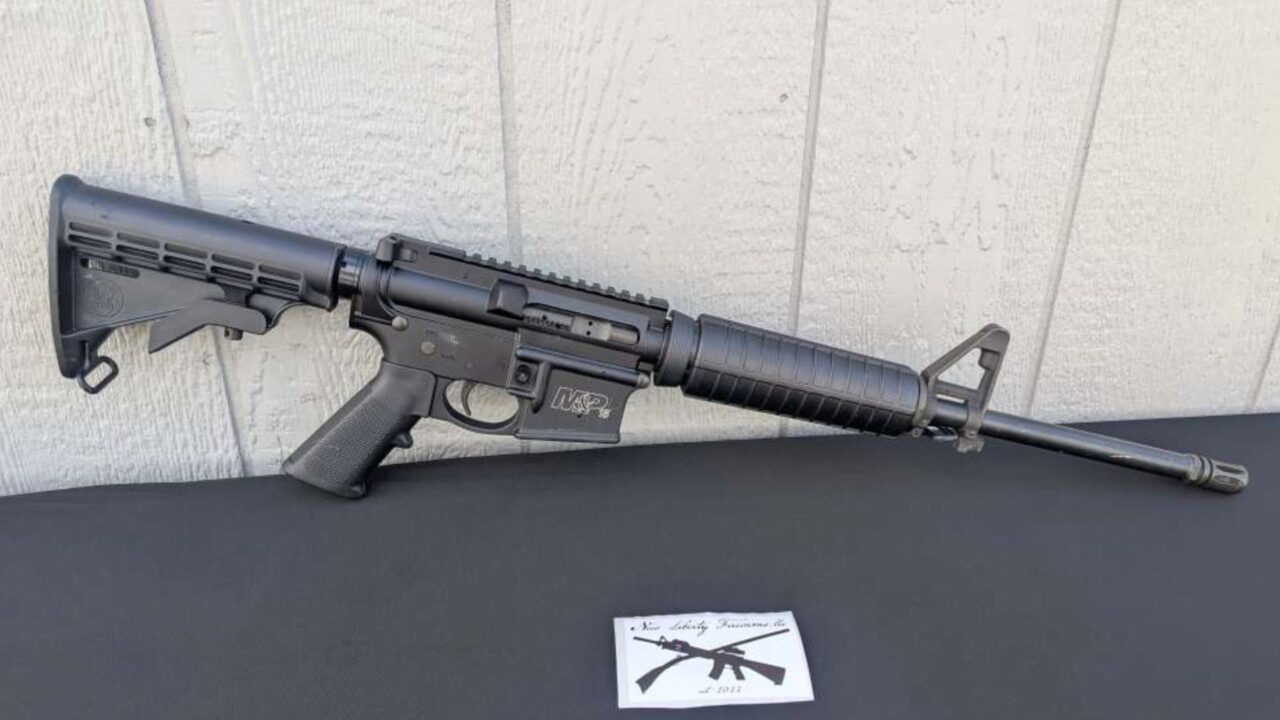
This rifle gets recommended as the starter AR because it’s affordable and, generally speaking, it works. For range days and basic home defense, it can be a solid entry point.
The flaw shows up when “starter” turns into “only.” As you add a light, optic, sling, and actually run it in heat and dirt, you may find the parts choices and durability aren’t on the same level as a duty-grade gun. Nothing wrong with starting here—just don’t pretend the ceiling isn’t real.
11. DPMS Oracle

The Oracle has been the budget AR answer for a long time, and it’s still floating around racks and classifieds. It’s recommended by guys who shot one on a sunny day and had a fine time.
The flaw is inconsistency. Some run great, some are gassy, some have accuracy that makes you question your optic, and the overall fit-and-finish can feel like a lottery ticket. If you’re buying an AR because you want predictable, the Oracle can be a frustrating roll of the dice.
12. Century Arms C39V2

AK recommendations get weird because people assume “AK equals indestructible.” The C39V2 got recommended hard in its heyday because it was American-made and available when imports were scarce.
The flaw is wear and long-term durability concerns that show up after real use. When AK geometry and heat treat aren’t right, you don’t just get a fussy rifle—you get one that can chew itself up. An AK should be boringly reliable for a long time, not a question mark.
13. Ruger American Rimfire (with the rotary magazine learning curve)

The Ruger American Rimfire is a handy little .22, and it’s an easy recommendation for kids, squirrels, and general plinking. It carries well and points naturally.
The flaw is that not everyone loves living with the rotary magazine system, especially if you’re used to straightforward stick mags. They’re reliable, but they’re also easy to mis-seat if you’re rushing, and they’re not as quick to top off in the field. It’s minor… until it annoys you every trip.
14. Savage Axis (factory trigger and stock reality)

The Axis gets recommended because it’s cheap and can shoot. Plenty of them group well enough to make a deer hunter smile, especially with the right ammo.
The flaw is that “it shoots” isn’t the same thing as “it feels good to hunt with.” The stock can feel flimsy, the trigger can be a turnoff depending on version, and the whole rifle sometimes has a hollow, disposable vibe. If you only hunt two mornings a year, you may never care. If you hunt hard, you might.
15. Marlin 336 (Remington-era production)
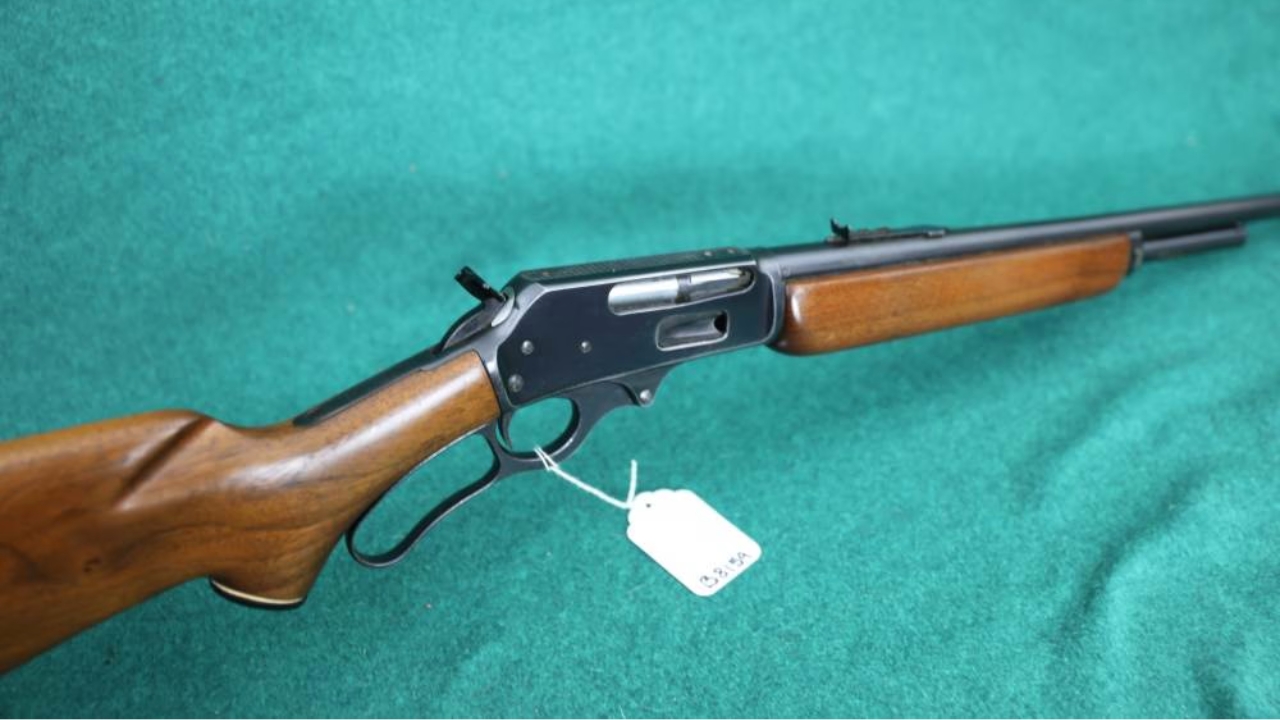
A 336 is an all-time woods rifle when it’s right. That’s why it keeps getting recommended—because guys remember the good ones.
The flaw is that not every “336” is the same story. Some of the Remington-era guns had rough fit, uneven wood-to-metal, and actions that didn’t feel like the slick leverguns people romanticize. You can find a great one, but you can also buy a legend and get disappointed.
16. Henry Big Boy (as an all-day carry rifle)
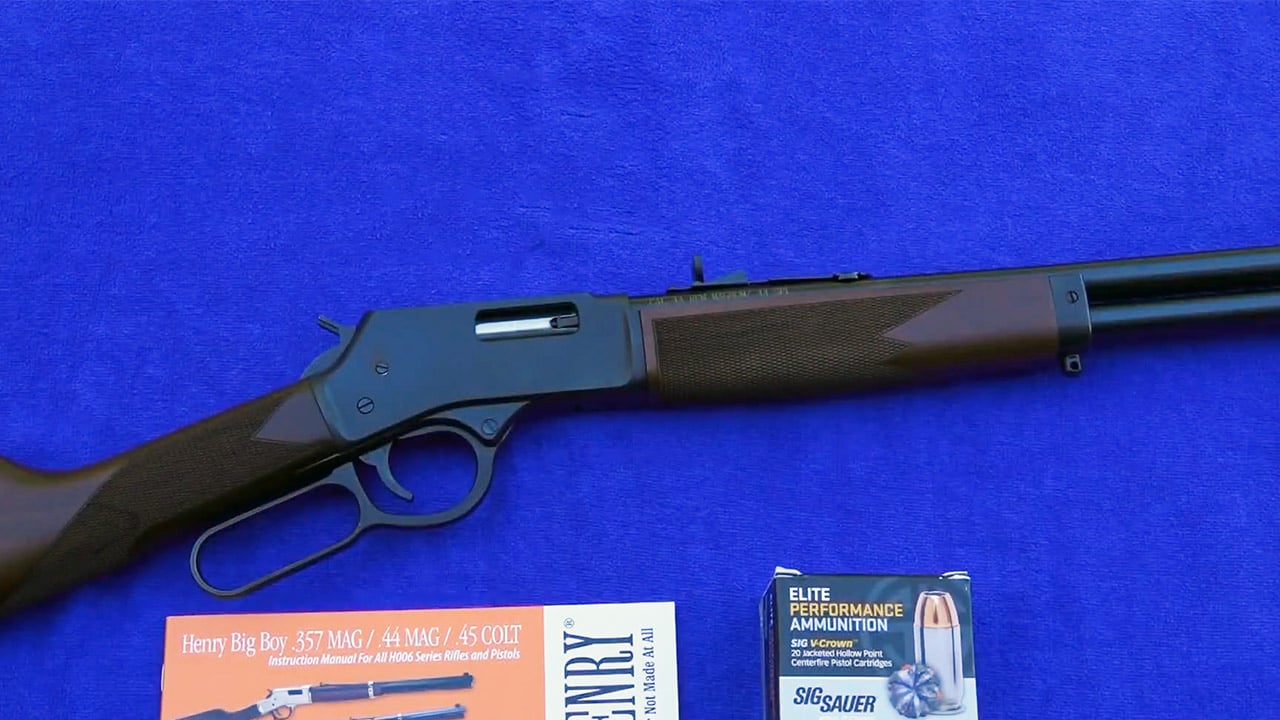
Henry makes good-looking rifles, and the Big Boy is pure eye candy. It’s recommended constantly to folks who want a lever action with modern machining and classic style.
The flaw is weight. A Big Boy in certain configurations can feel like you brought a fence post to the deer woods, and you notice it when you’re still-hunting or climbing in and out of a stand. On the range it’s a sweetheart. On mile three, not as much.
17. Remington 597
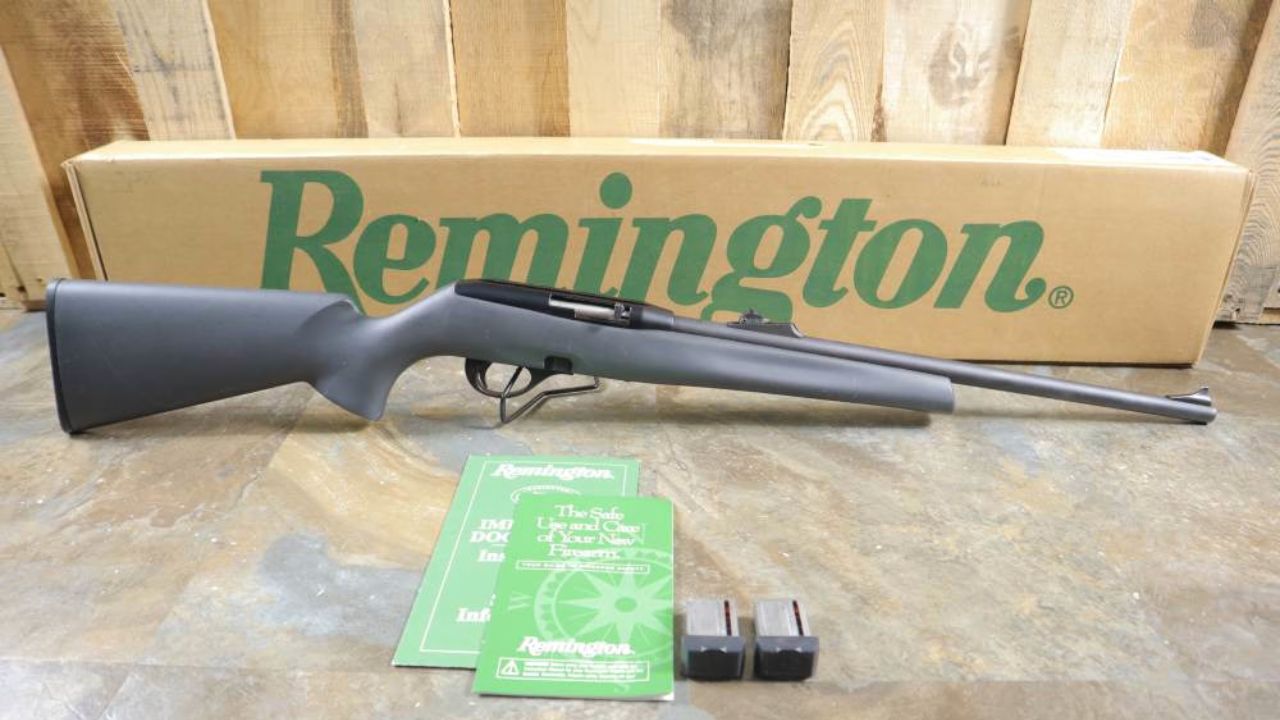
The 597 often gets recommended as the “cheap .22 that’s not a 10/22,” especially by someone who had one that ran well. When they’re sorted out, they can shoot nicely.
The flaw is magazine and feeding behavior that can sour the whole experience. A .22 is supposed to be fun and simple. When you’re fiddling with mags, chasing odd jams, and wondering if it’s ammo or the gun, it stops being fun fast.
18. Rossi Model 92 (out of the box expectations)
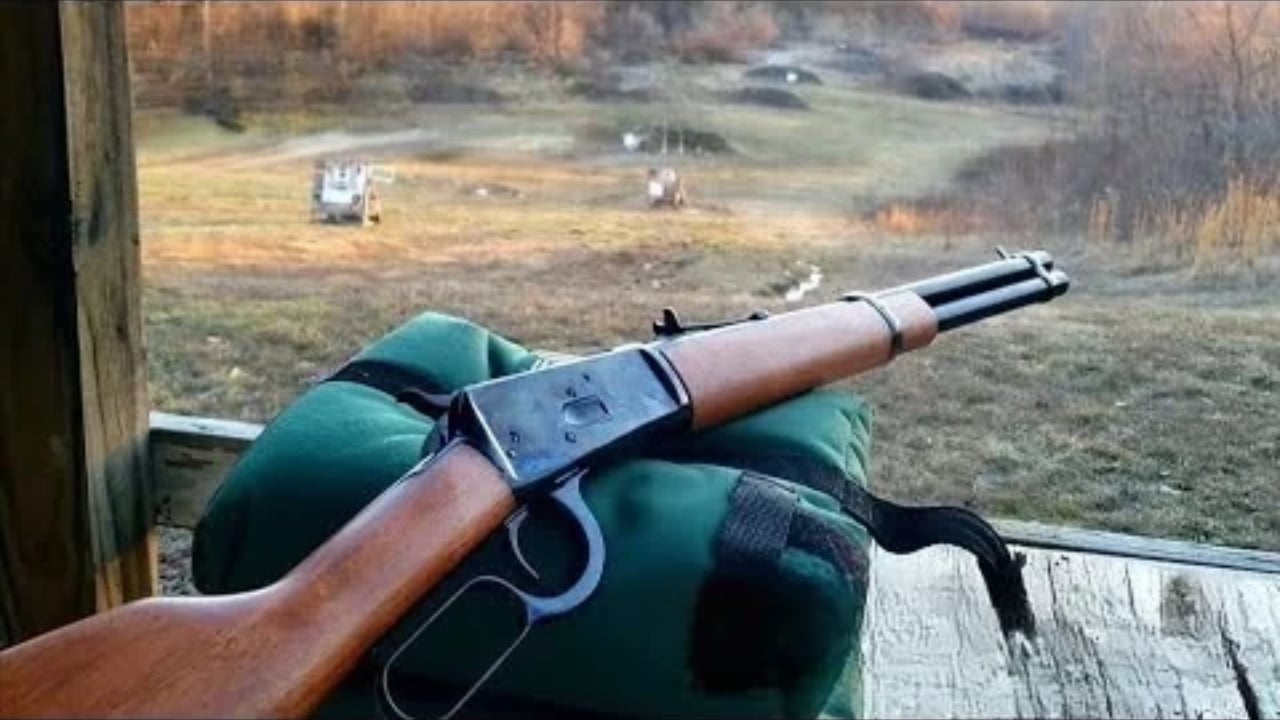
The Rossi 92 gets recommended as the budget way into a classic lever action. In .357 or .44, it’s a handy woods gun and a neat companion to a revolver.
The flaw is that they can feel rough when new, and some have little quirks that a more expensive lever gun doesn’t. Sharp edges, stiff loading, and a gritty action can make a new owner think they bought a mistake. They often smooth out with use, but not everybody wants to “wear in” a gun to like it.
19. Smith & Wesson Model 637 Airweight

Snub-nose revolvers get recommended because they’re simple, and the 637 is a classic. Drop it in a pocket holster and you’re armed, no questions asked.
The flaw is that light weight cuts both ways. +P out of an Airweight is not pleasant, and unpleasant guns don’t get practiced with. The other flaw is the long, heavy trigger—great for safety, not great for new shooters trying to shoot well. It’s a niche tool that gets recommended like it’s universal.
20. Stoeger P3000 (as a “just as good as” upgrade)
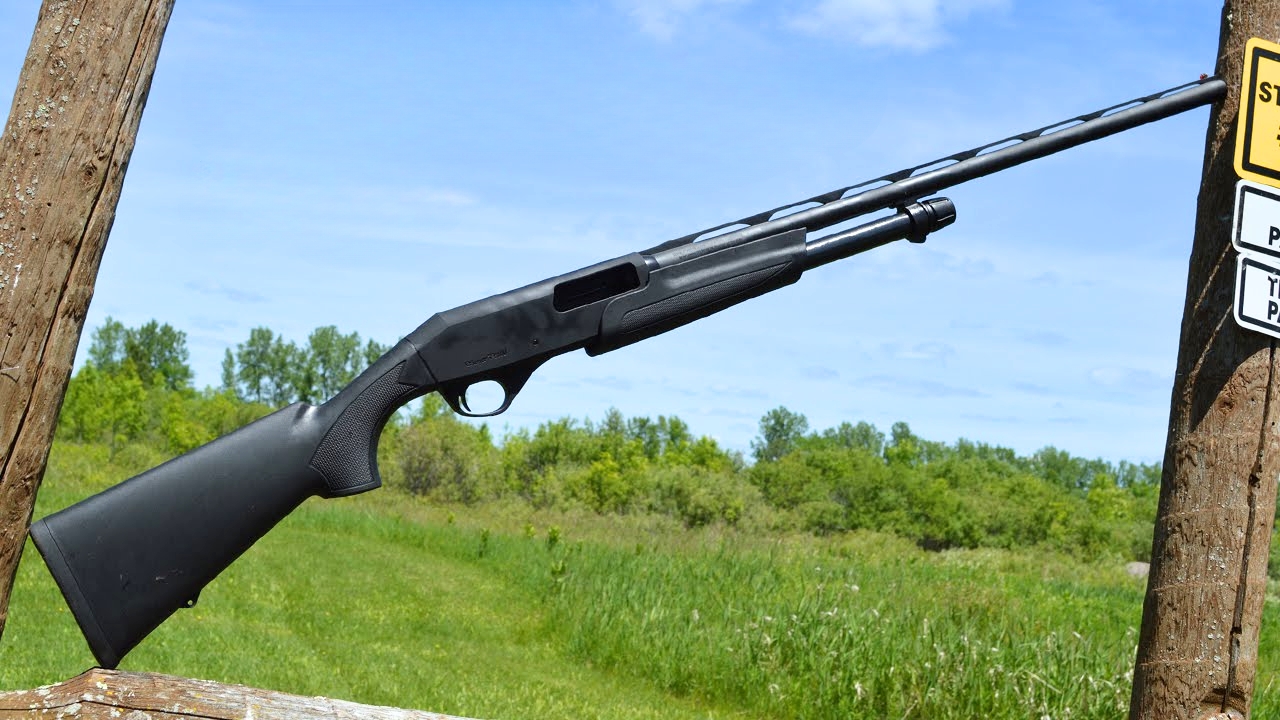
I’ve watched more than one guy buy a Stoeger pump because it looked like a deal and felt fine in the hands. It’s often recommended as the “affordable alternative” for a hunting or home-defense shotgun.
The flaw is that budget shotguns can be inconsistent in feel and finish, and little annoyances add up: stiff actions, rough loading, and controls that don’t feel as natural under stress. If it’s your backup gun, you might never care. If it’s your main shotgun, you will.
The common thread here isn’t that these guns are “bad.” It’s that recommendations are cheap, and range-day impressions don’t always survive a season of rain, sweat, dust, and real use. If you’re shopping, handle it, shoot it if you can, and pay attention to the boring stuff—how it carries, how it reloads, how it extracts, how it behaves when it’s dirty. That’s where the truth lives.
Like The Avid Outdoorsman’s content? Subscribe to our newsletter so you never miss an article.
Here’s more from us: