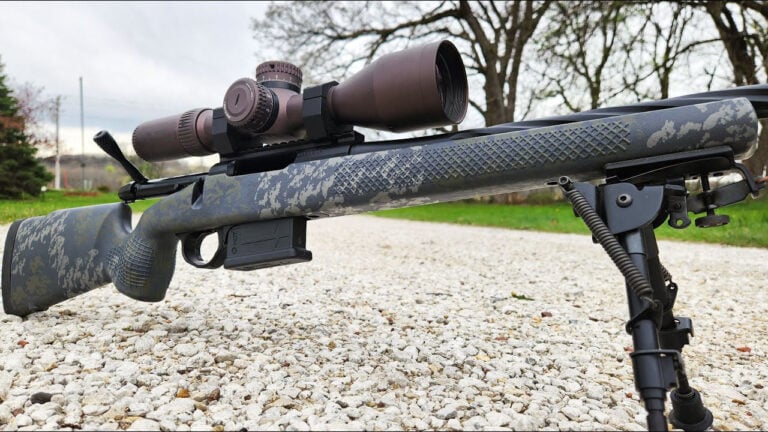
Photo credit: LeftThumbBreak/YouTube
If you’ve ever walked into an estate sale where the gun table looks like it was set up by somebody who doesn’t know what they’re looking at, you’ve seen it. There’s a handwritten tag that says “old cowboy rifle” or “old-fashioned deer gun,” and there’s a lever-action sitting there that’s still one of the handiest rifles ever made.
Lever guns get treated like wall-hangers because they’ve got walnut and bluing instead of rails and plastic. Meanwhile, they keep filling freezers, riding in scabbards, and putting venison down with boring consistency. Here are 20 specific lever-actions I see over and over at estate sales and consignment racks—often undervalued, often misunderstood, and usually a lot more capable than the tag suggests.
1. Marlin Model 336 (especially in .30-30)

The 336 is one of those rifles that feels like it was built for moving through timber. It carries flat against the body, comes up fast, and the balance is right where it should be. If you’ve hunted whitetails in thick stuff, you already know why .30-30 refuses to die.
Estate sale tags will call it “old deer rifle” like that’s an insult. What it really is: simple, reliable, accurate enough for real woods ranges, and easy to scope if you want. The only “old” part is that it doesn’t need excuses or internet marketing to work.
2. Winchester Model 94 (pre-’64 and later Angle Eject models)
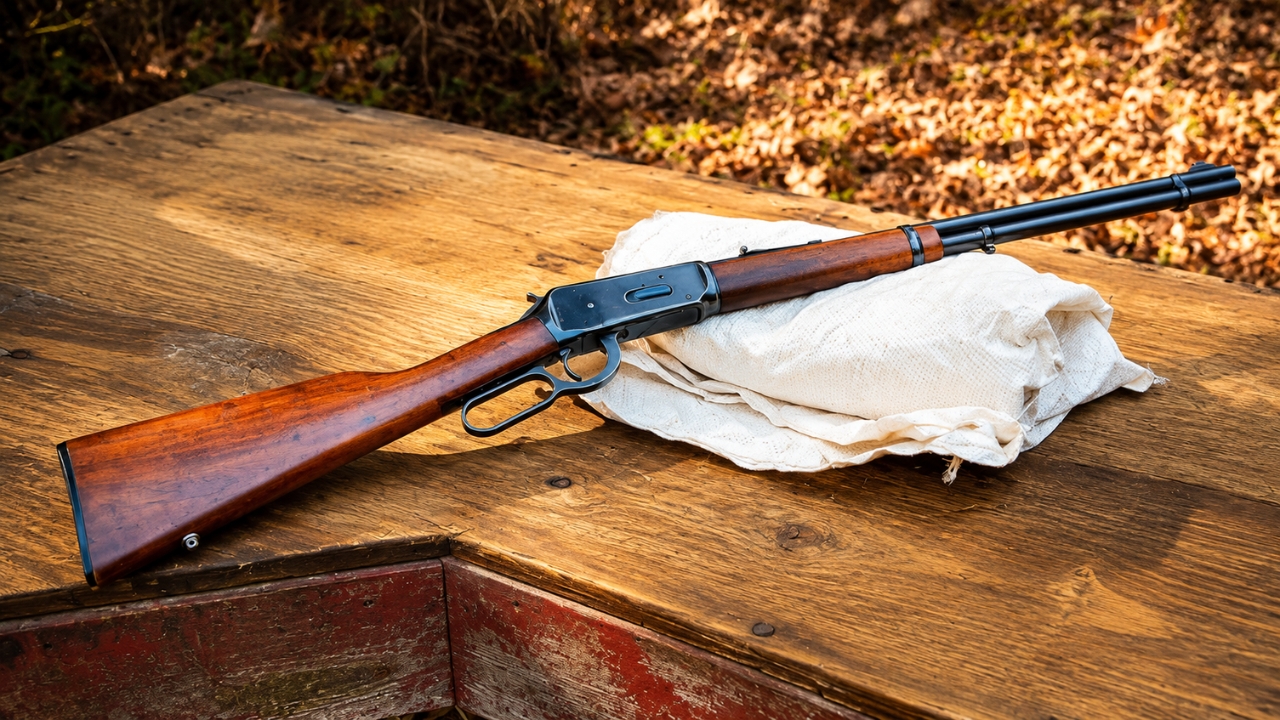
The Model 94 is the lever gun everybody recognizes, and somehow it still gets treated like décor. Pre-’64 rifles get attention, but even the later ones can be excellent field guns if the bore’s good and the action isn’t abused. They point like a bird gun when you’re slipping through brush.
The Angle Eject versions matter if you want a normal scope setup without weird side mounts. I’ve seen them priced like they’re interchangeable with a beat-up .22 when they’re a legitimate hunting rifle you can still carry all day without feeling it in your shoulders.
3. Henry Repeating Arms Big Boy (in .357 Magnum)
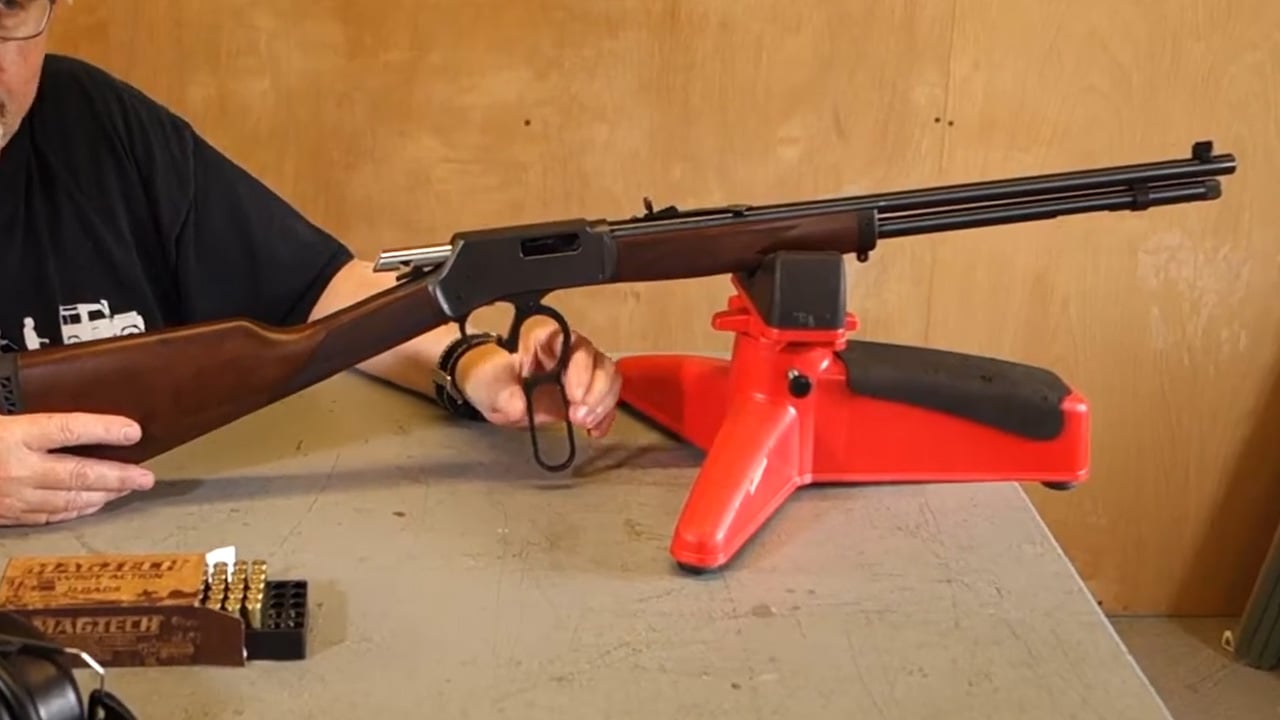
Somebody will pick up a Big Boy, work the action, and immediately call it “heavy.” They’re not wrong. But in .357, that weight turns into mild recoil and steady offhand shooting, and it eats cheap practice ammo while still being capable with the right loads.
The other thing is fit and finish. A clean Henry that’s been cared for doesn’t look or feel like a bargain rifle. Folks dismiss them because they’re “new” compared to grandpa’s Winchester, but they’re dependable and they flat-out run.
4. Marlin Model 1895 (Guide Gun and standard .45-70)
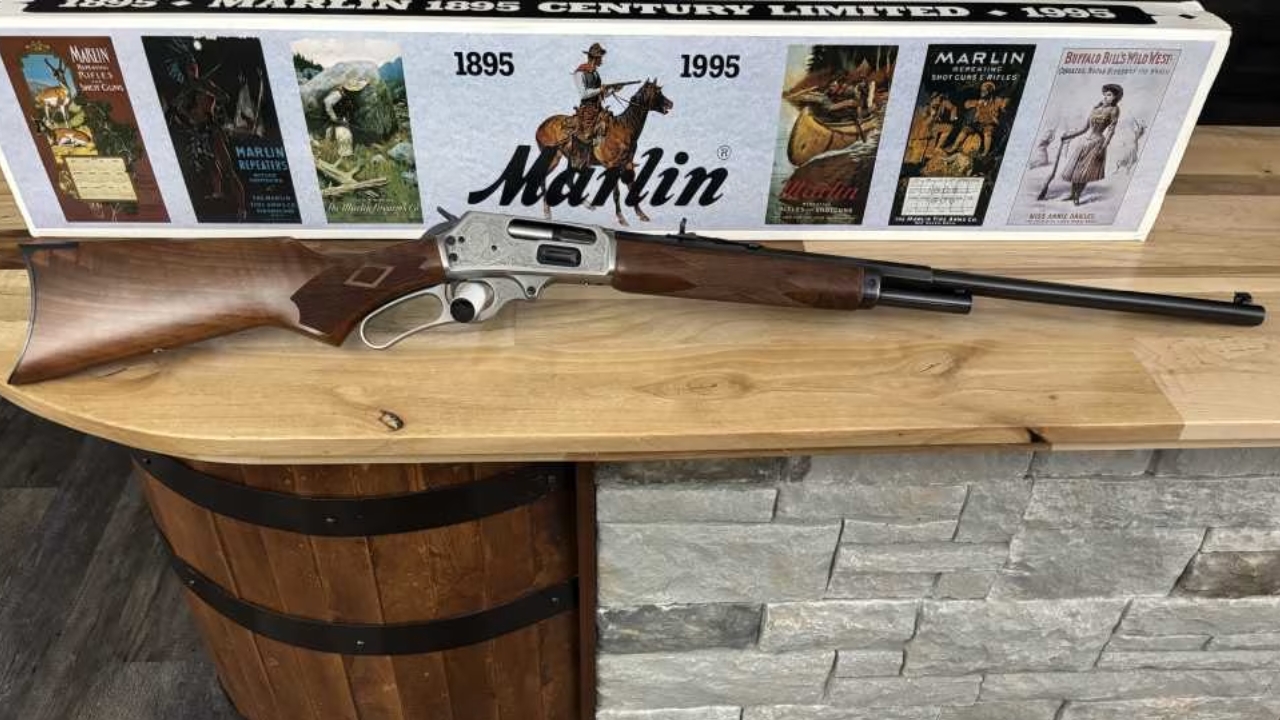
There’s always one on the table with a tag that says “bear gun” like it belongs in a museum. A .45-70 1895 is not a museum piece. It’s a working rifle that can do serious jobs in nasty country, and it’s still one of the best “walk around and be ready” rifles ever made.
Yes, recoil can be stout depending on the load. That’s why you don’t buy one to impress your buddies at the range. You buy it because it hits hard, cycles fast, and handles like a short, mean tool when the woods feel tight and close.
5. Winchester Model 1892 (originals and well-made reproductions)
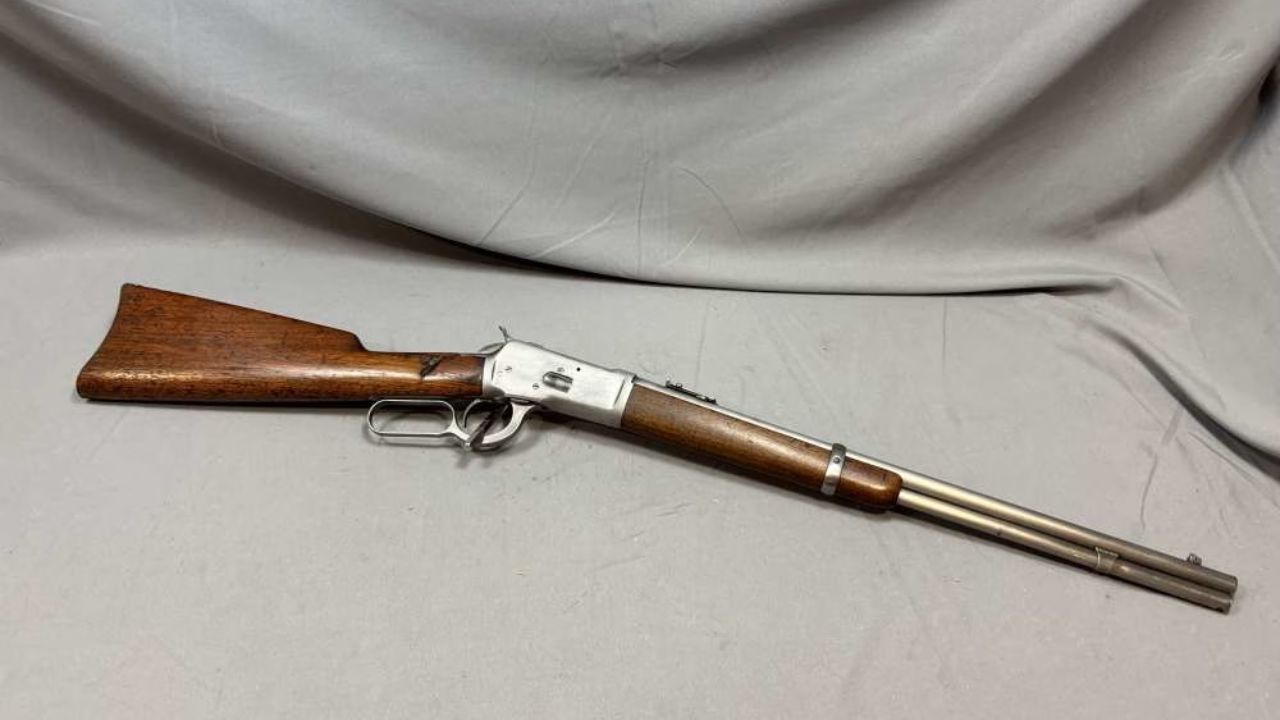
The ’92 is slick when it’s right. In pistol calibers it’s quick, light, and just plain fun, which matters because rifles you enjoy tend to get practiced with. Estate sales will sometimes lump it in with “old Western rifle” and miss the point.
A good ’92 in .44-40 or .357 is a practical small-game-to-deer rifle inside reasonable distances, and it’s a fantastic ranch companion. Originals can be pricey depending on condition, but even reproductions that are built correctly are not toys.
6. Rossi Model 92 (in .357 or .44 Magnum)
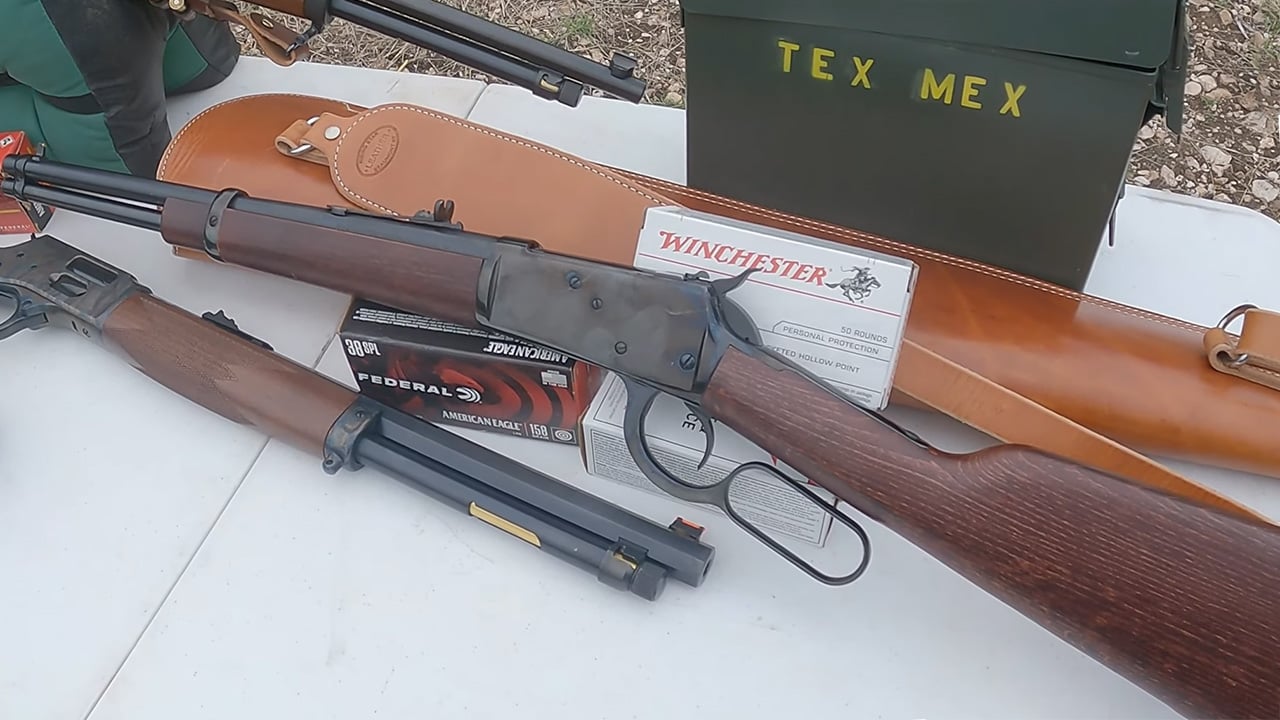
Rossi gets tagged as “budget” and left behind by guys chasing names. I get why—some examples are rough out of the box, and the action can feel stiff. But a solid Model 92 that’s been shot a little and kept clean can be a hard-working rifle.
These show up at estate sales because they were bought as truck guns and actually used. Check the crown, check the bore, cycle it slowly and then briskly. If it feeds right, you’ve got a lot of real-world utility for not a lot of money.
7. Browning BLR (in .308 Winchester)
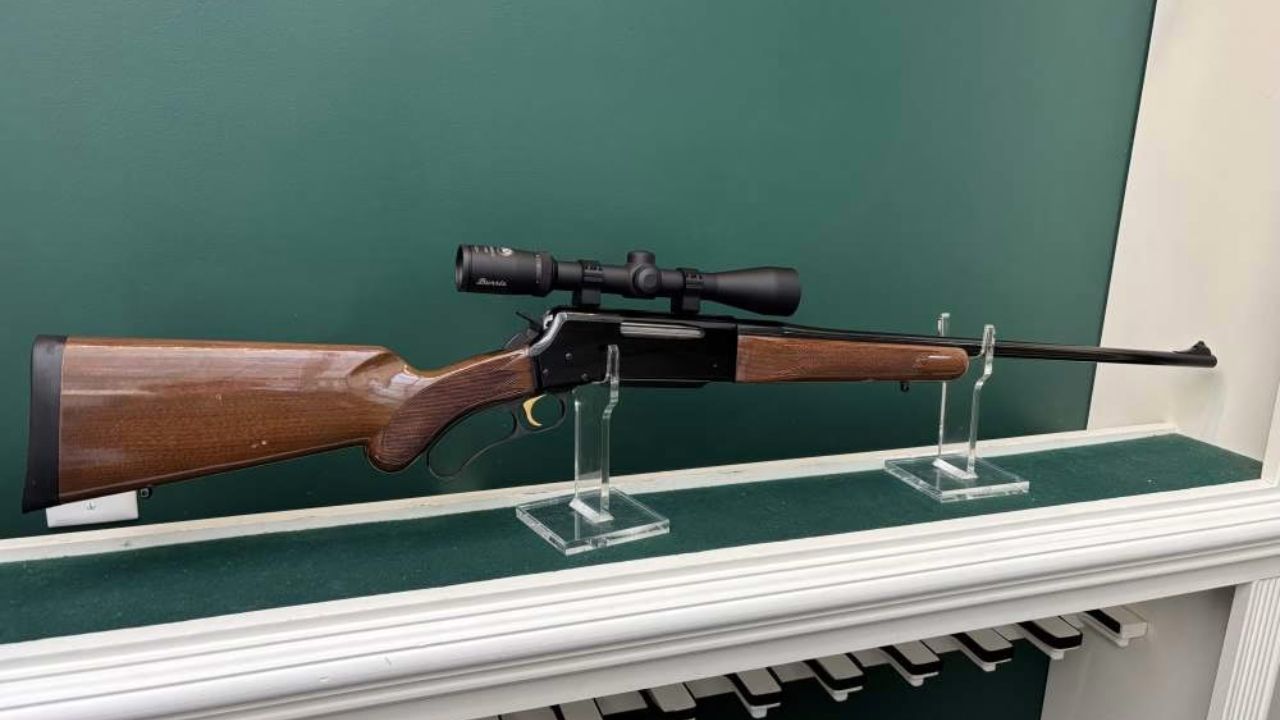
The BLR is one of the most “misunderstood” lever guns out there. Folks see a lever and assume it’s a tube-magazine, flat-nose-bullets-only situation. Not here. The BLR runs a box magazine, and that changes everything.
In .308, it’s a legitimate all-around deer-and-elk rifle with lever-gun handling. They’re not cheap new, which is exactly why it stings when one shows up underpriced because someone wrote “old lever rifle” on a tag.
8. Savage Model 99 (in .300 Savage or .308)
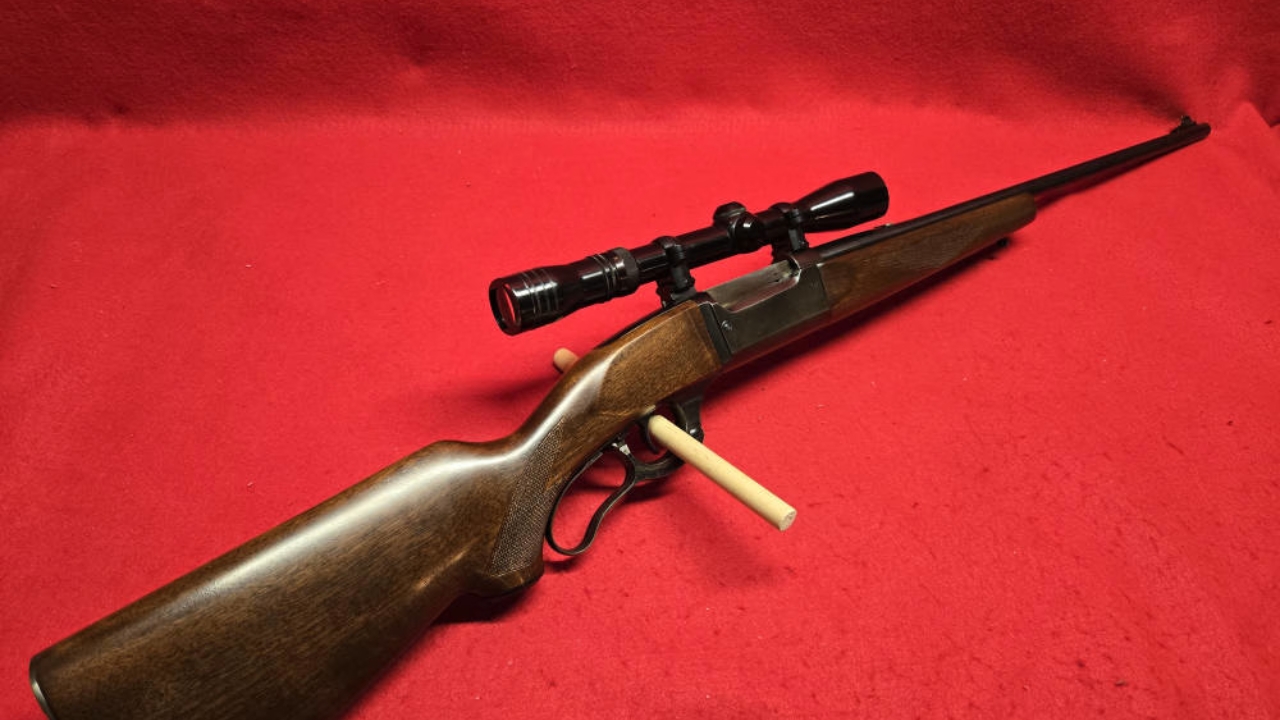
The Savage 99 is what happens when a company builds a lever-action for people who care about accuracy and better ballistics. The rotary magazine design is part of the charm, and the rifles have a different feel than your standard saddle gun.
Some of them wear honest hunting dings, and that’s fine. What you’re watching for is cracks in the stock around the tang and obvious neglect. A good 99 isn’t “old-fashioned.” It’s a serious hunting rifle with history and brains.
9. Marlin Model 1894 (in .44 Magnum)

The 1894 in .44 is a classic “walk the property” rifle. It’s short, quick, and hits harder than people expect, especially out of a carbine barrel. If you live where coyotes, feral dogs, or hogs are a real concern, this kind of rifle makes sense.
Estate sale pricing can be all over the map, mostly because non-gun folks don’t know the difference between an 1894 and a random .22. If the action is smooth and the sights aren’t mangled, it’s a rifle that still earns its keep.
10. Winchester Model 1895 (in .30-06 Springfield)
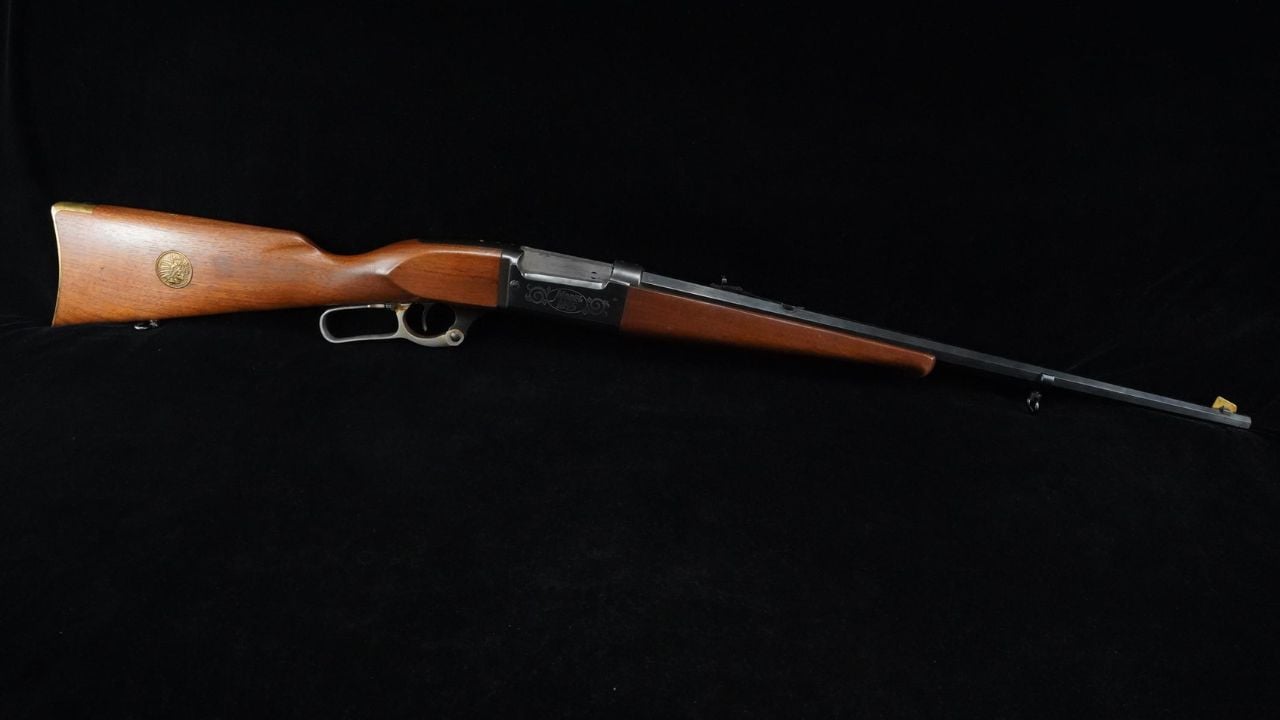
This one gets dismissed because it doesn’t match what people think a lever gun “should” be. The 1895 has a box magazine and a more rifle-like profile, and it’s tied to a different era of hunting and military history. It’s also a lever gun that can run full-power rifle cartridges.
If you find one that hasn’t been abused, don’t assume it’s just a collector oddity. It’s heavier and longer than a 94, sure, but it’s also capable in a way most lever guns aren’t.
11. Henry H001 .22 Lever Action (classic rimfire)

It’s easy to look at a .22 lever gun and think “kid’s rifle.” Then you run a brick of ammo through it and remember why they’re always empty on the used rack. They’re great for farm chores, pest control, and teaching safe gun handling without turning it into a miserable recoil session.
At estate sales, these get tagged “old plinker” and priced low because it’s “just a .22.” Meanwhile, a good lever .22 is one of the most-used rifles a person can own if they actually live outdoors.
12. Marlin Model 39A (the rimfire that hurts to sell)
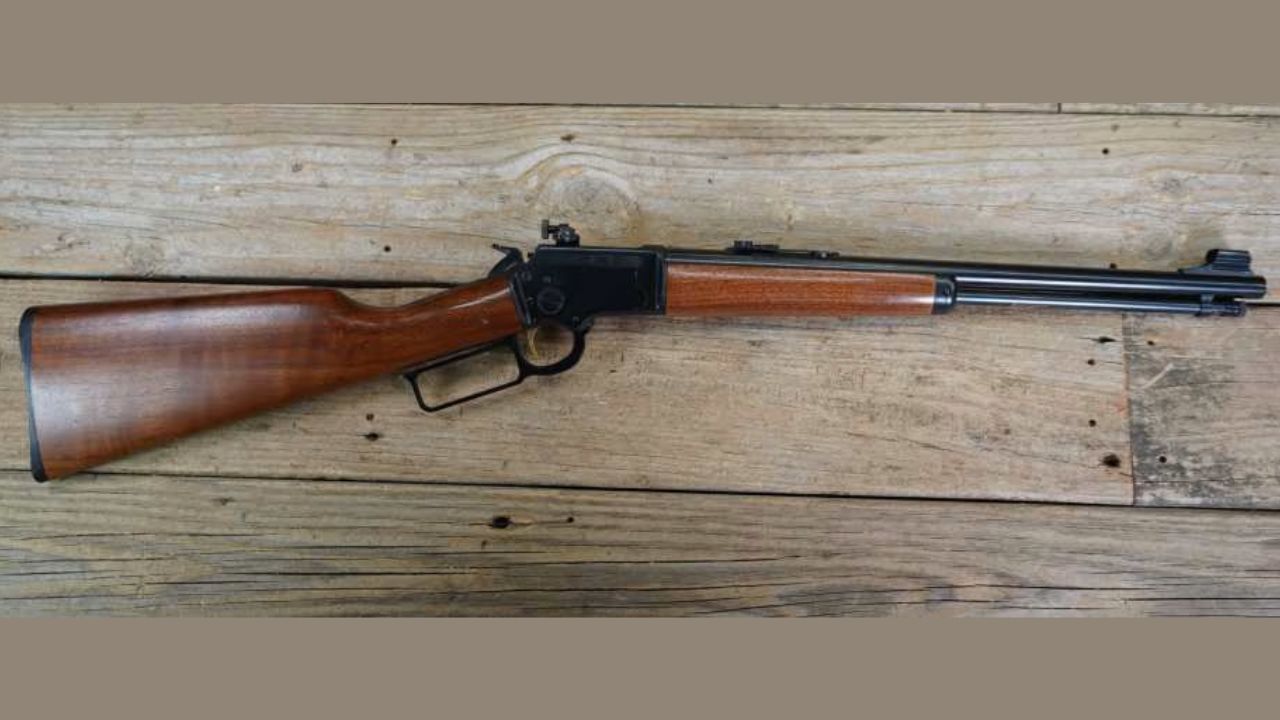
The 39A is one of those rifles that makes grown men pause when they see it, because they remember the one that got away. It’s accurate, smooth, and built like somebody expected it to be passed down instead of traded off.
They’re not light, and they’re not cheap anymore either. That’s why it’s wild to see them tagged as “old .22” when the reality is you’ll have a hard time replacing one in comparable condition without spending real money.
13. Winchester Model 9422 (in .22 LR or .22 WMR)
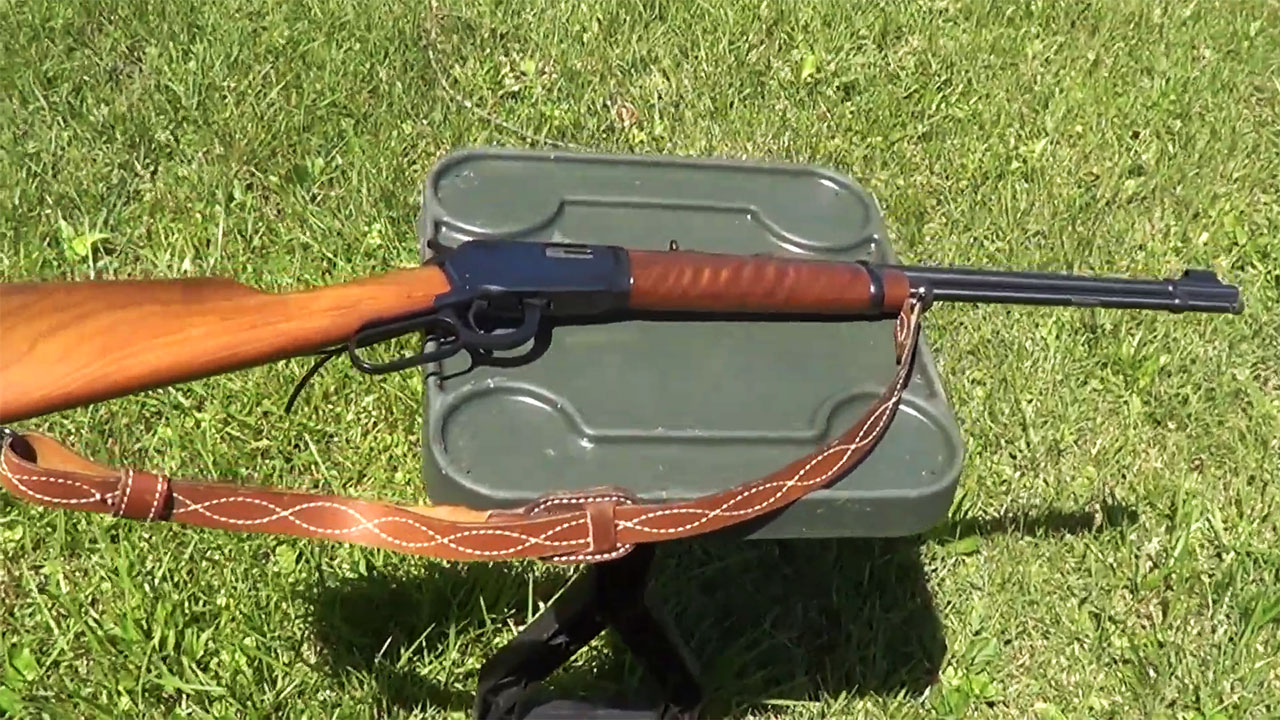
The 9422 is a slick little rimfire that feels like a centerfire lever gun shrunk down. They cycle smooth, they tend to shoot well, and they just have that “Winchester feel” that’s hard to explain until you handle one next to a cheaper .22.
Estate sales get them when the original owner bought it as a “nice .22” and then treated it nicely. If you want a lever .22 that’s more heirloom than disposable, the 9422 is it.
14. Marlin Model 1894C (in .357 Magnum)
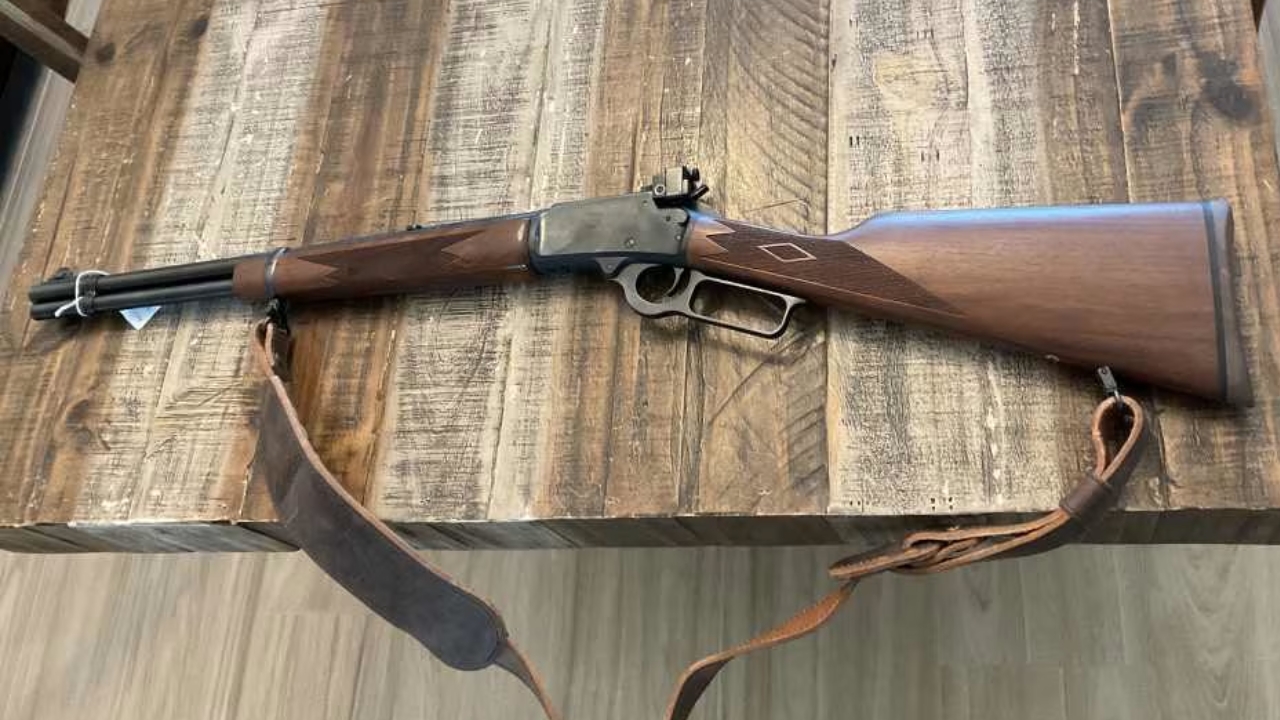
There’s a reason the .357 lever gun crowd is loyal. You can practice with .38s, hunt with .357, and the recoil stays friendly. The 1894C is handy, accurate enough for sane distances, and quick on follow-up shots.
It also makes a lot of sense for folks who want one cartridge to do multiple jobs across handgun and rifle. When these are tagged as “cowboy gun,” it usually means the seller didn’t understand how practical it really is.
15. Winchester Model 88 (in .308 or .358 Winchester)
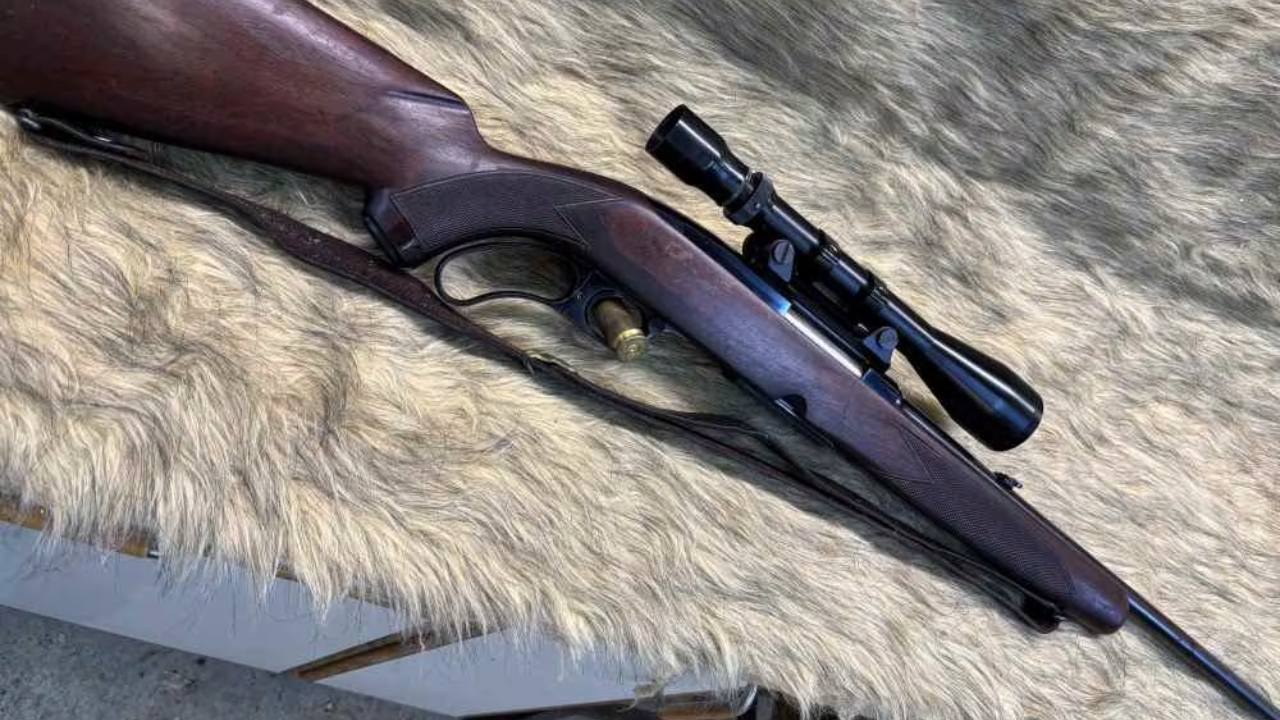
The Model 88 is a lever gun for people who like bolt-gun performance. It’s got a box magazine, a different feel, and it points more like a rifle than a saddle carbine. Some folks don’t like the trigger feel compared to traditional levers, and that’s fair.
But when you find one that’s mechanically sound, you’re looking at a hunting rifle that can absolutely hold its own. It’s not “old-timey.” It’s a lever rifle built for modern cartridges and modern expectations.
16. Ruger 96/44 (rotary-mag lever in .44 Magnum)

The Ruger 96/44 is one of those oddballs that gets ignored because it doesn’t have a long, romantic history. It’s also a very practical woods rifle with a rotary magazine and Ruger reliability. They’re light, quick, and easy to carry.
These show up at estate sales because the owner bought it as a working gun. If you’re the kind of person who values function over nostalgia, this is a lever-action worth a hard look.
17. Mossberg 464 (in .30-30)

Mossberg’s lever guns don’t get much love, and some of that is earned. Fit and finish can be hit-or-miss depending on the era, and they don’t have the same smoothness as an old Marlin that’s been cycled for 40 seasons.
Still, a good 464 is a straightforward .30-30 that does .30-30 things. If the sights are straight, the crown’s clean, and it feeds right, it’s a perfectly usable deer rifle that often gets priced like a bargain-bin curiosity.
18. Marlin Model 1893 (in .32-40 or .38-55)
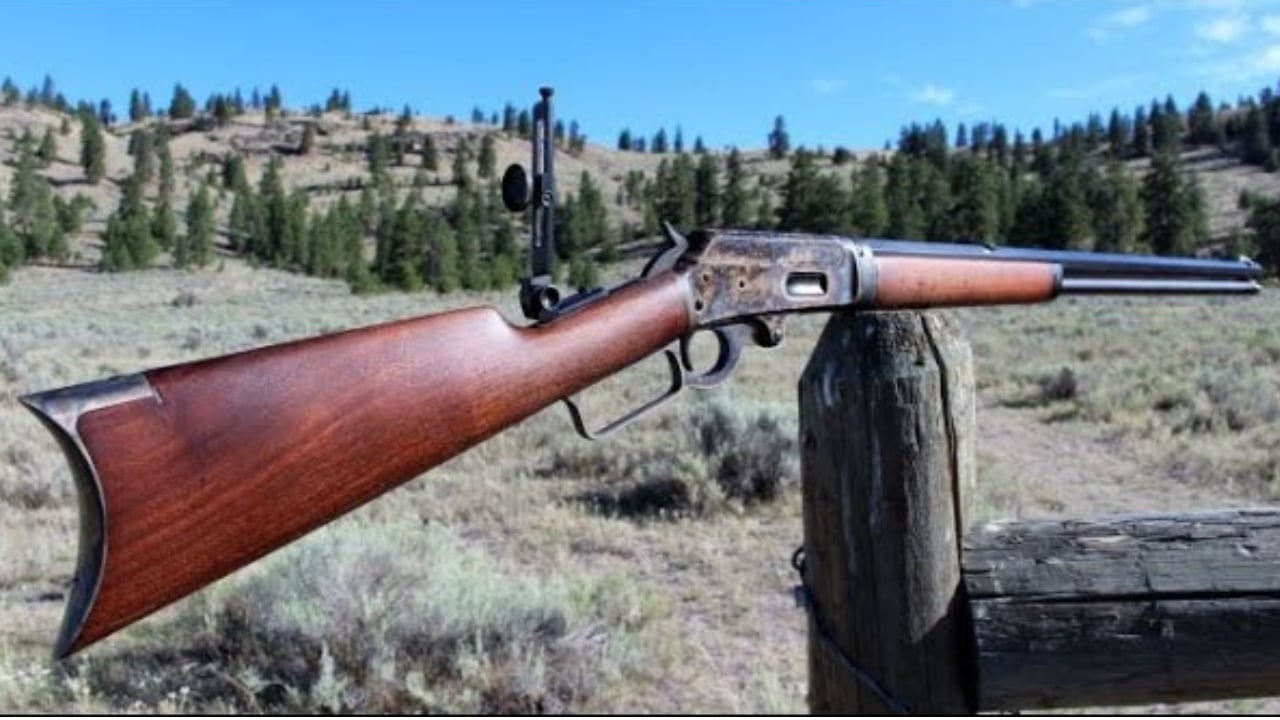
This is where “old-fashioned” gets used like a blindfold. Yes, these are older rifles, and yes, the chamberings can be more niche. But in good condition, they’re smooth, well-built, and still shootable with the right ammo and a little common sense.
The trick is not getting starry-eyed and ignoring safety. Have any older lever gun checked by someone competent before you feed it modern high-pressure loads. Treated right, an 1893 isn’t just a relic—it’s a connection to a time when rifles were built to be used.
19. Winchester Model 71 (in .348 Winchester)
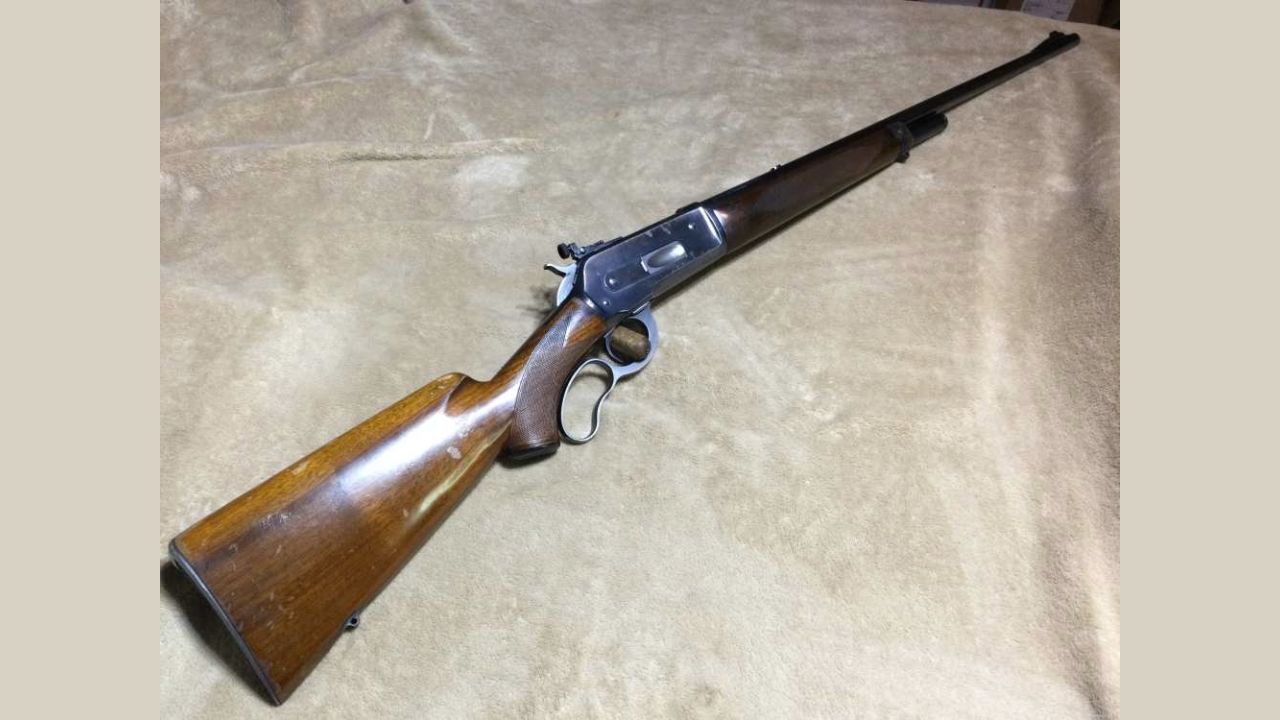
The Model 71 is not for everybody, mostly because ammo isn’t something you casually grab at a gas station. But as a rifle, it’s a powerhouse with classic lines and serious authority in the timber. When guys talk about “thumpers,” this is one of the originals.
I’ve seen them mislabeled as “old Winchester lever” with no mention of what it actually is. If you know, you know. If you don’t, you might walk right past a rifle that’s built like a bank vault and hits like a hammer.
20. Winchester Model 64 (in .30-30)

The Model 64 gets overlooked because it doesn’t have the same pop-culture shine as the 94, but it’s a sweet-handling rifle with a reputation for quality. The lines are clean, the stocks tend to fit well, and they carry like they belong in the woods.
When one shows up at an estate sale, it’s often because it was somebody’s “nice rifle,” the one that didn’t ride behind the truck seat. If you want a classic lever gun that still makes sense for real hunting, this is one worth slowing down for.
Estate sales are funny that way. One table will have polymer pistols priced like gold because they look “modern,” and right beside them will be a lever-action that’s been quietly doing its job for decades, tagged like it belongs over a fireplace. If you know what you’re holding, you can walk out with a rifle that’s still as useful this season as it was back when it first got sighted in.
Like The Avid Outdoorsman’s content? Subscribe to our newsletter so you never miss an article.
Here’s more from us: