Photo credit: Herrington Arms/YouTube
Some guns looked easy to replace because they sat around long enough to feel ordinary. They were not rare, not especially hyped, and not the kind of firearms buyers rushed toward when they first saw them. That is exactly why so many people let them go too easily or passed on them too casually. They assumed another one would be there next month, next gun show, or next time the budget felt better.
Then the market changed. Imports slowed, production ended, cleaner examples dried up, and suddenly the gun that once felt like background inventory became something buyers had to chase. These are the guns that got harder to replace.
Browning BDM

The Browning BDM spent years being treated like an interesting but nonessential 9mm. It looked sleek, carried a strong brand name, and had enough quality to earn respect, but it never felt like a must-buy gun when it was easy to find. A lot of people assumed it would always live in that soft spot of the used market where you could grab one later if curiosity ever turned into action.
That stopped being true once buyers started looking back at 1990s metal-frame pistols with more appreciation. The BDM became harder to replace because it was never just another old 9mm. It had style, real shootability, and a place in Browning’s lineup that now feels much more distinct than it did when people kept leaving them in the case.
Remington Model 600

The Remington Model 600 was easy to dismiss because it looked a little strange and a little too compact for some buyers to take seriously at first. It did not fit the clean, familiar bolt-rifle template that made instant sense at the counter. That meant a lot of people saw one, thought it was neat, and kept moving because surely another odd little 600 would come along later if they ever decided they wanted one.
Later got a lot more expensive. The Model 600 is harder to replace now because buyers finally caught on to how handy, distinctive, and historically interesting it really is. What once looked quirky now looks like a sharp, lightweight field rifle from a period when companies were still willing to try something different.
Beretta 81 Cheetah
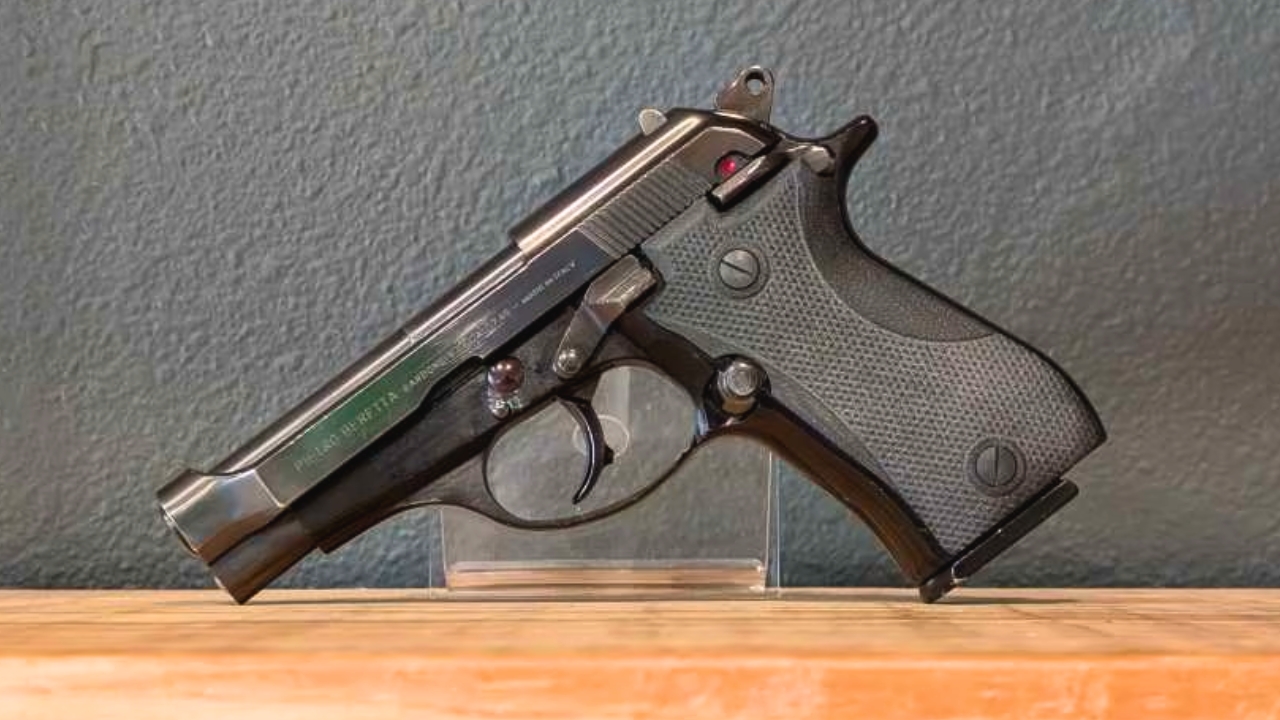
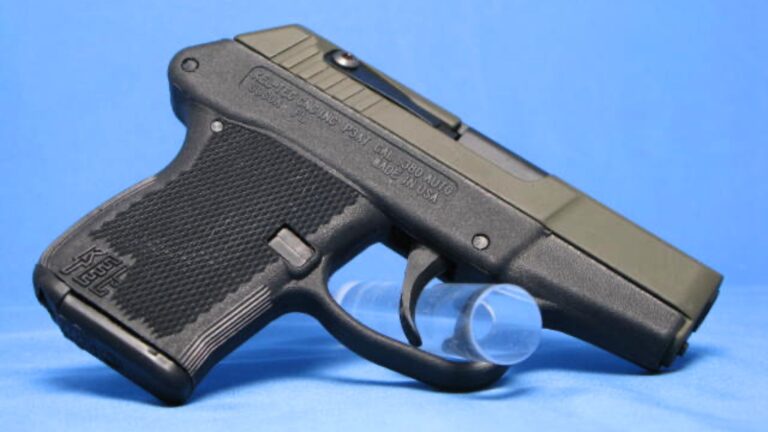
The Beretta 81 Cheetah used to feel like one of those pistols you could always come back for if you ever decided you wanted a compact metal-frame Beretta in .32 ACP. That sentence alone explains why so many people passed on them. They seemed too niche to get hot and too lightly regarded to become difficult. Buyers enjoyed the idea without feeling much urgency about the reality.
Now replacing one is much less simple. The 81 got harder to replace because people started appreciating older compact Berettas for what they really are: refined, enjoyable, practical carry-size pistols from an era when guns like this had much more personality. Once that clicked, the cheap-and-plentiful phase was over.
Winchester 190
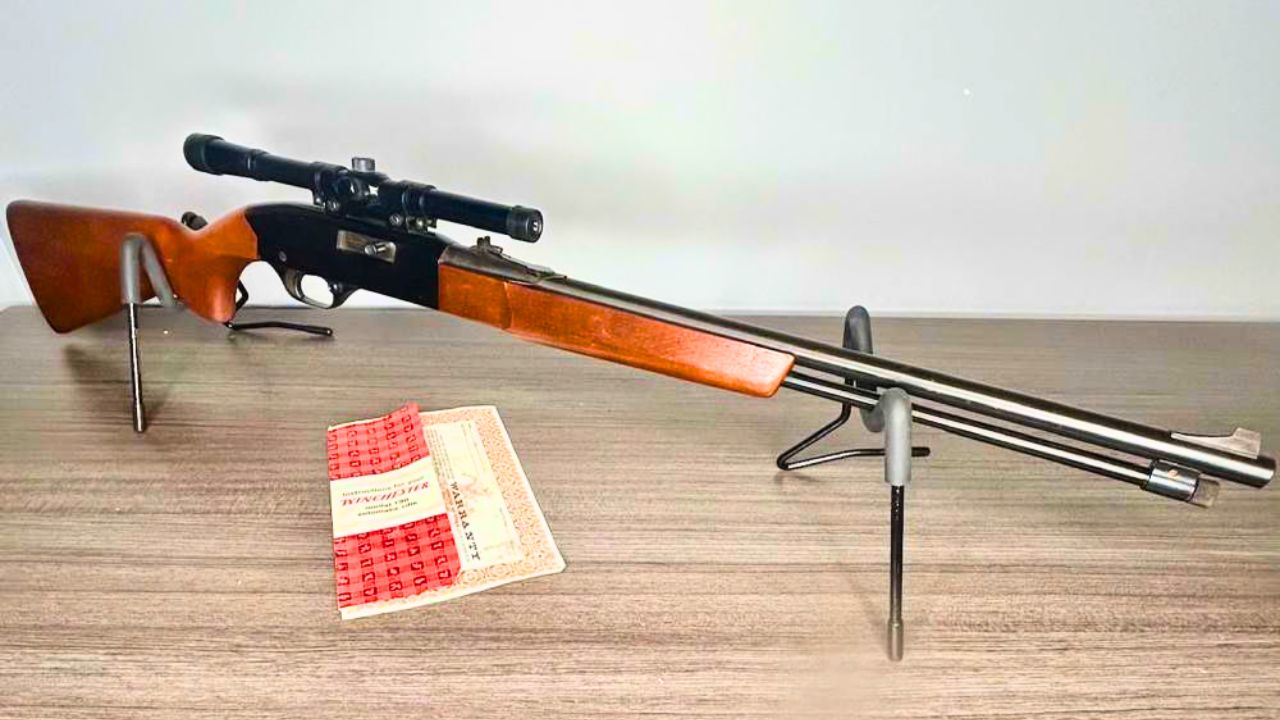
The Winchester 190 spent years being treated like a plain little semi-auto .22 that nobody needed to rush toward. It was not glamorous, not heavily collectible, and not the rifle people usually bragged about finding. That made it easy to overlook. Buyers assumed there would always be another one sitting around cheap if they ever wanted a simple old Winchester rimfire.
That confidence aged badly. The 190 got harder to replace not because it suddenly became magical, but because clean, honest examples stopped being throwaway shelf-fillers. Once buyers started wanting old rimfires with real utility and familiar names on them, even the unpretentious Winchester .22s stopped feeling so replaceable.
Smith & Wesson 4516

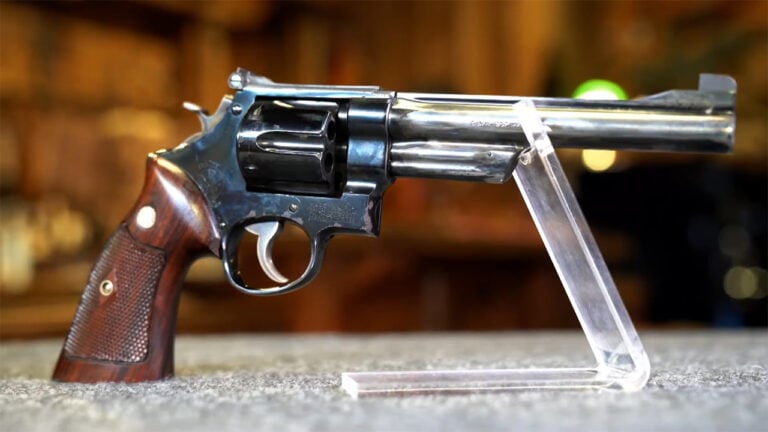
The Smith & Wesson 4516 looked like the sort of compact .45 buyers could always revisit later. It had real heft, real quality, and real purpose, but it also felt a little too plain and too duty-minded to become urgent when there were flashier .45s around. Plenty of people admired it, then spent their money elsewhere while telling themselves they would circle back.
Now the 4516 is much harder to replace in the kind of condition buyers actually want. It turns out a small, sturdy, all-metal .45 from Smith & Wesson was not the sort of thing that would stay cheap and casual forever. Once people realized how few pistols really fill that role anymore, the easy opportunities dried up.
Browning Auto-22

The Browning Auto-22 sat in that dangerous space where buyers liked it but treated it as optional. It was “just” a nice little rimfire to a lot of people, which is often how the best small guns get underestimated. They were charming, sure, but not urgent. A lot of buyers assumed they would always be floating around if they ever got in the mood for a quality takedown .22.
Now the replacement mood is much harsher. The Auto-22 got harder to replace because buyers finally remembered how good a well-made rimfire can feel. Once the market started valuing older quality .22s more seriously, the old Brownings stopped being casual purchases and started becoming the sort of rifles people wished they had grabbed when they were merely “nice.”
Colt Double Eagle

The Colt Double Eagle was easy to overlook because it never had the clean identity of the classic Colt 1911s or the widespread affection of some service pistols from the same era. That made it easy to treat like a curiosity rather than a priority. Buyers saw one, shrugged a little, and assumed it would always be the kind of Colt you could revisit later once you had bought the more obvious ones first.
That later has become much less forgiving. The Double Eagle got harder to replace because collectors and shooters alike started appreciating it as more than an odd detour. It is now one of those pistols people regret passing on when it still felt easy to dismiss as an oddball branch of the Colt family tree.
Ruger M96

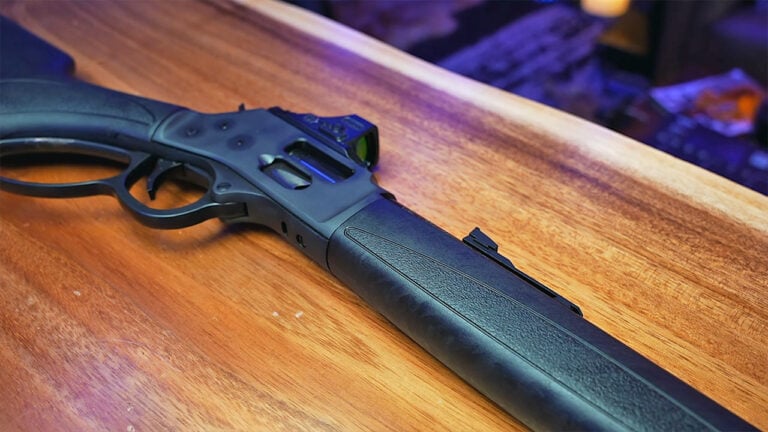
The Ruger M96 looked too niche to become a problem. It was a lever-action rimfire or pistol-caliber carbine depending on the version, and for a long time that kept it in the category of “interesting Ruger I might buy someday.” Buyers did not hate them. They just assumed they had endless time because the rifles never seemed to be at the center of the market’s attention.
Now the M96 is a lot harder to replace because its particular kind of handiness and weird Ruger practicality never really got duplicated cleanly. Once buyers started missing that, the rifles stopped feeling like leisurely future purchases and started feeling like missed chances with price tags attached.
SIG Sauer P225

The SIG Sauer P225 spent years in the shadow of other SIG pistols that felt easier to prioritize. That made it easy to pass on. Buyers respected it, sure, but many still kept telling themselves they would buy one later if they ever wanted a slimmer classic SIG with some real service history behind it. That sounded reasonable until the market got less generous.
Now the P225 is much harder to replace without paying more and choosing from slimmer pickings. The reason is simple: people figured out how good they feel. Once shooters started appreciating the balance, size, and old-school SIG quality of the P225, they stopped staying put in the bargain lane.
Marlin Model 62 Levermatic
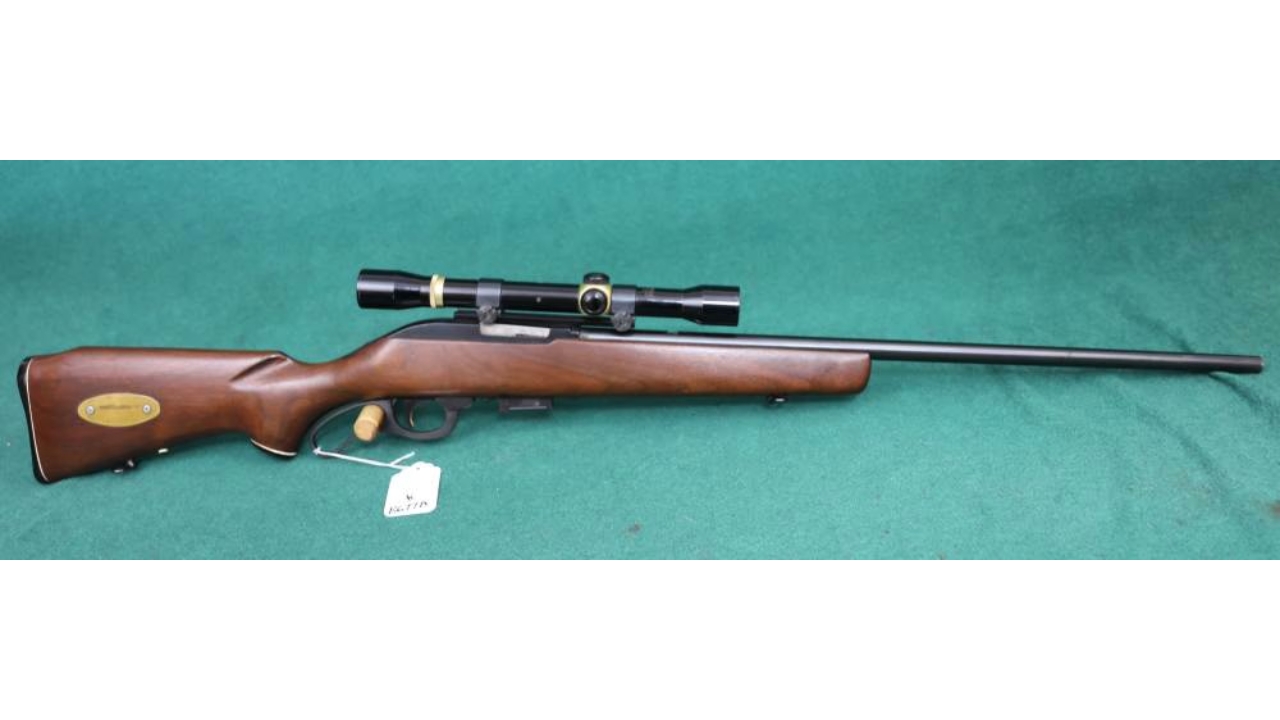
The Marlin Levermatic spent years looking too odd and too underknown to feel urgent. It did not have the easy familiarity of other Marlins, and that kept many buyers from acting when they had the chance. The rifle seemed like the sort of thing you could always circle back to after buying something more obvious, which is usually how unusual old guns become regrets.
The Levermatic got harder to replace because it never really had direct competition in terms of feel and function. Once people started recognizing how fun, fast, and genuinely distinctive those rifles are, the “I’ll get one later” crowd ran into much thinner supply and much firmer prices.
Smith & Wesson 4046
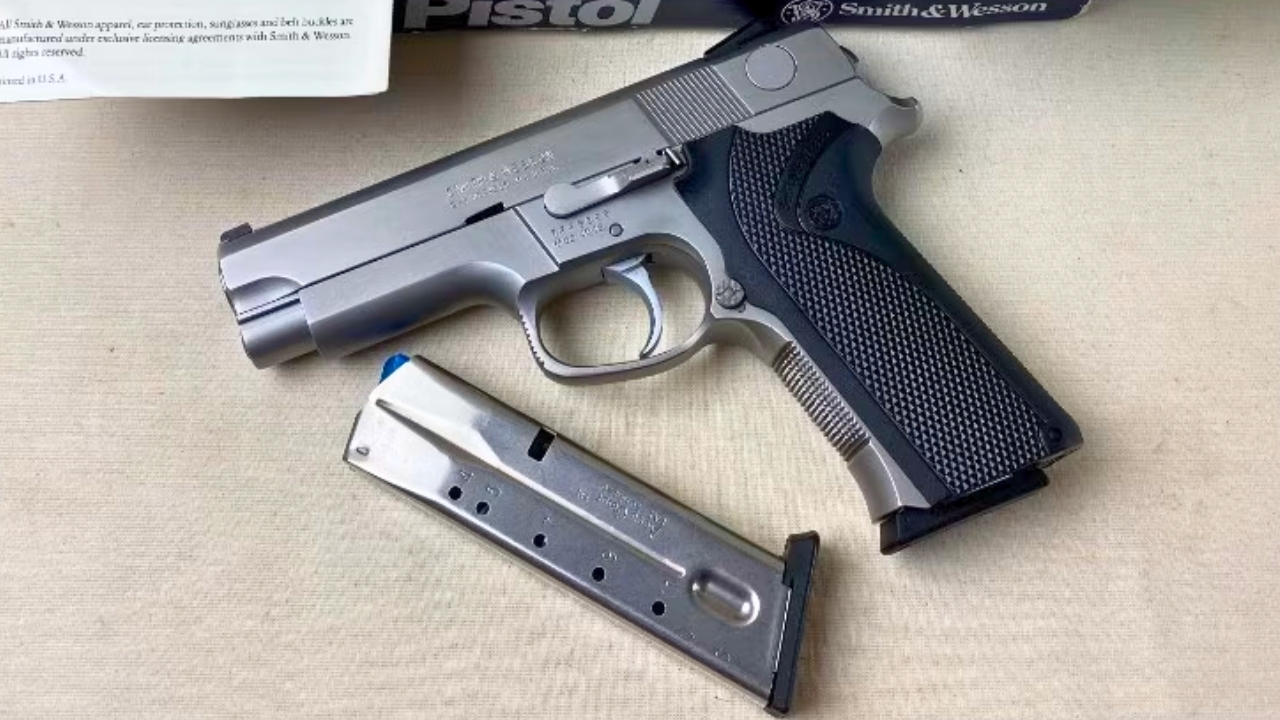
The Smith & Wesson 4046 used to seem like a big, plain old police pistol that would always be around if someone ever felt like owning one. That assumption made it very easy to pass on. It was too workmanlike to stir much urgency, and a lot of buyers assumed heavy old .40s would stay cheap forever because the market had emotionally moved on.
That turned out to be lazy thinking. The 4046 got harder to replace because old all-metal duty pistols stopped feeling so disposable once enough buyers looked back and realized how serious they really were. Replacing one now is less about grabbing a cheap old cop gun and more about finding a solid example from a class of pistols the market suddenly respects more.
Winchester 88 Carbine
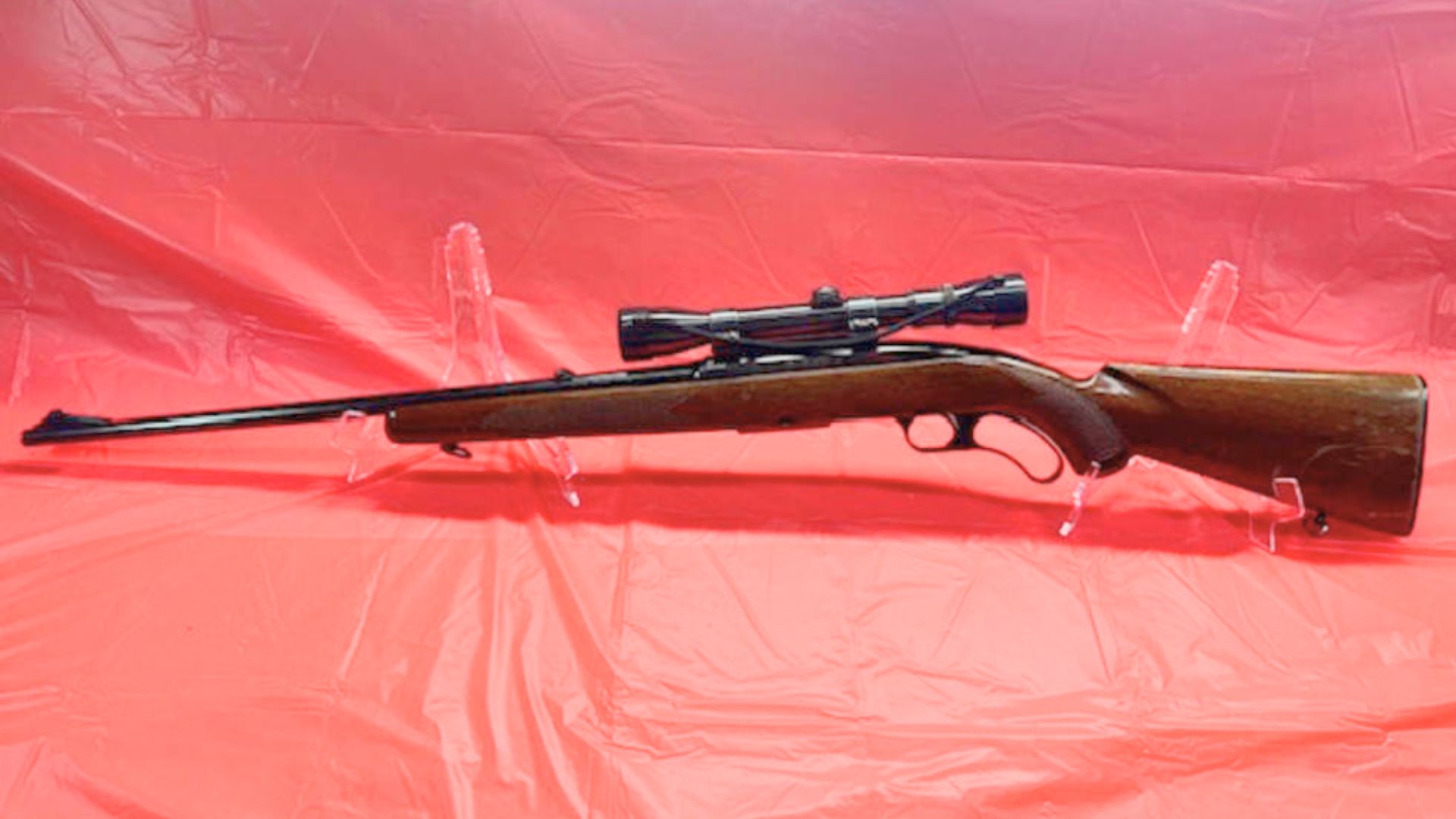
The Winchester 88 Carbine was easy to postpone because it felt like a variation of a rifle people already assumed they would someday buy. That is often worse than being ignored entirely. Buyers would tell themselves they wanted an 88, just not this one right now. Maybe later, maybe when the right one showed up, maybe after something more urgent.
Now the carbine version is much harder to replace because buyers realized too late how much handling appeal lived in that shorter configuration. Once field-minded Winchester fans started hunting for them more seriously, the old “I’ll just find another one later” logic stopped holding up.
HK P9S
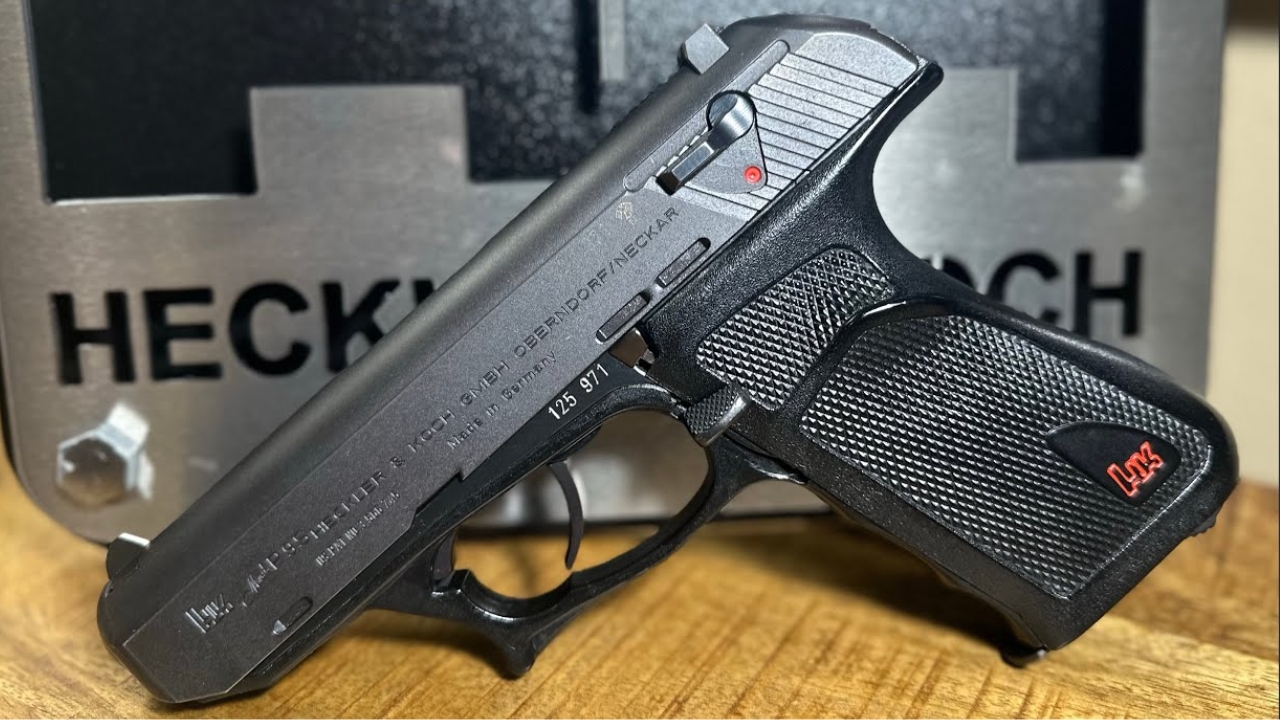
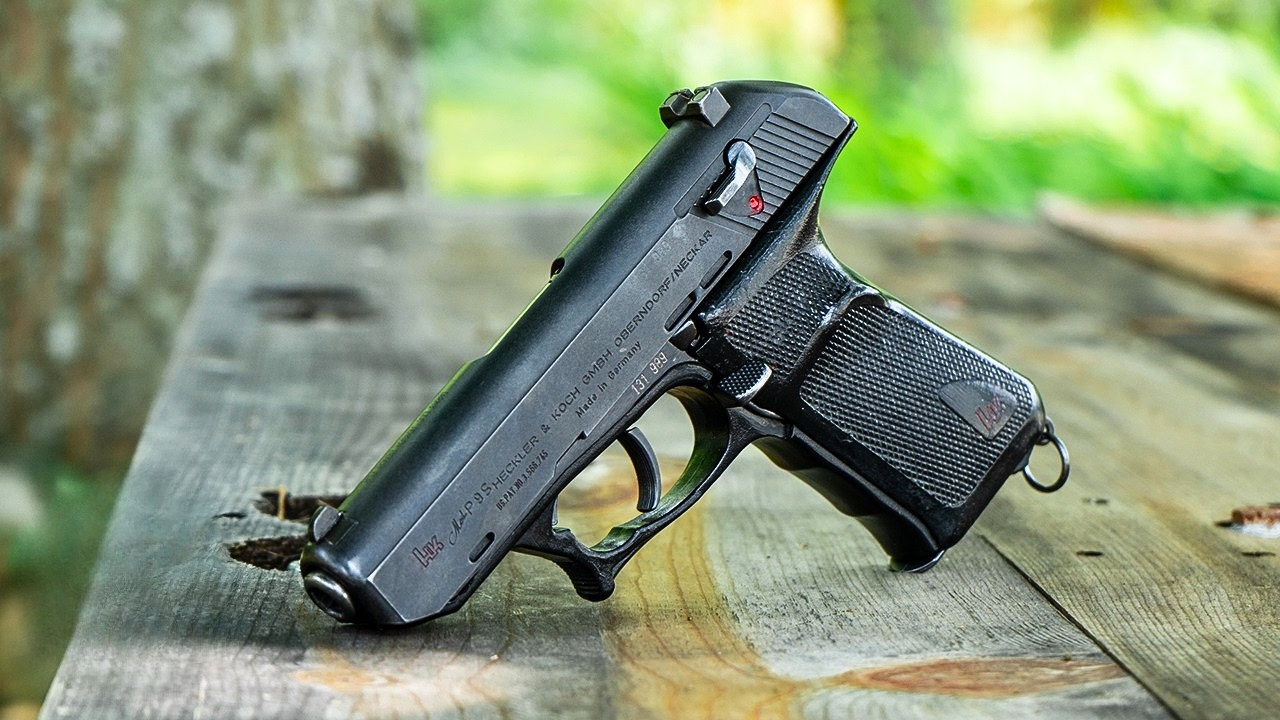
The HK P9S was never the easiest pistol to categorize, and that kept urgency low for years. Buyers respected the engineering, noticed the quality, and still often passed because it felt too specialized or too outside the mainstream to force a decision. It was easy to admire intellectually and then walk away from emotionally.
That changed once people started taking a harder look at older HK pistols with real mechanical distinction. The P9S got harder to replace because it is no longer just an interesting old HK. It is now one of those handguns people realize they should have bought when the market still treated it like a footnote instead of a destination piece.
Ithaca Mag-10
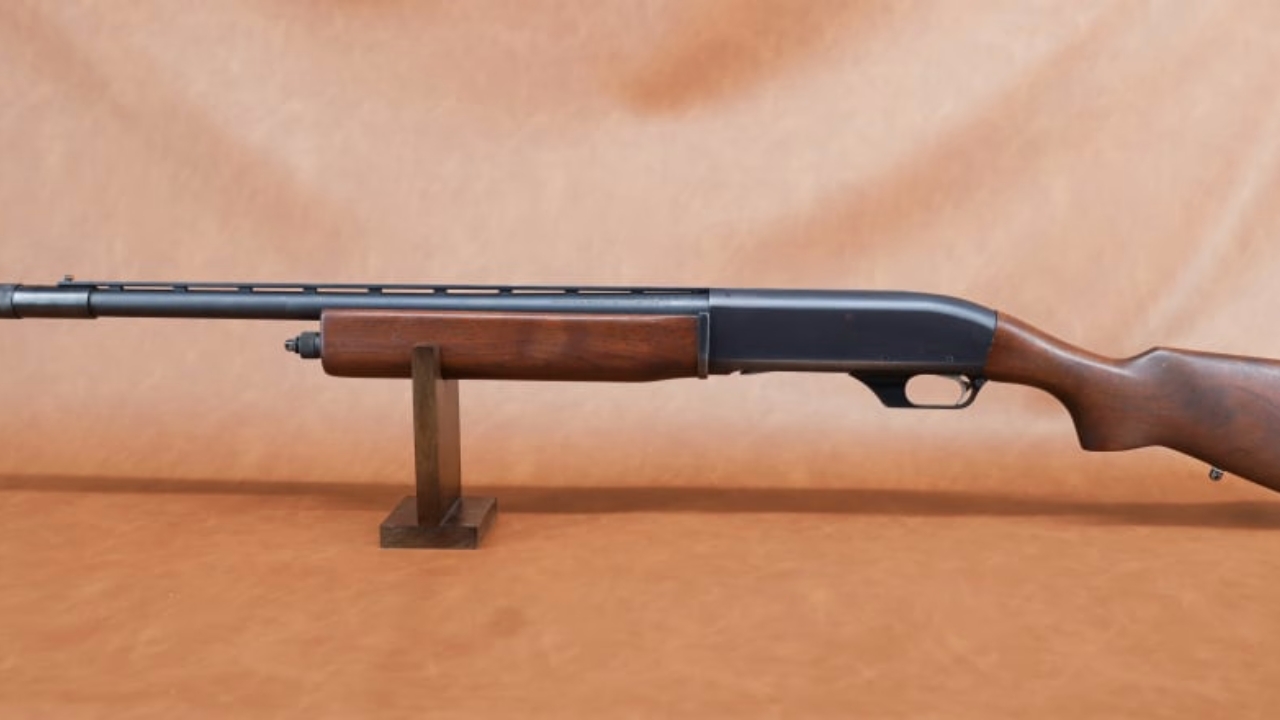
The Ithaca Mag-10 spent years being treated like a beast from another era, which made it easy to postpone unless a buyer already knew exactly why he wanted one. For everyone else, it was too specialized, too large, and too odd to feel urgent. That left a lot of them in the hands of people who simply kept them, while casual buyers assumed they could always come back later if the interest grew.
Now later is a lot tougher. The Mag-10 got harder to replace because the people who appreciate what it is do not tend to let them go casually, and the buyers who once ignored them now understand they were looking at one of the more distinctive heavy-waterfowl autoloaders ever made. That is a recipe for regret.
Like The Avid Outdoorsman’s content? Subscribe to our newsletter so you never miss an article.
Here’s more from us: