Photo credit: The Kentucky Patriot/YouTube
Some handguns just feel like a fight every time you pull the trigger. You expect a certain level of recoil, but a few models go way beyond reasonable. Whether it’s poor grip design, bad weight balance, or just too much cartridge in too small a frame, these handguns make shooting way less fun than it should be. If you’ve ever wondered why your wrist hurts after a range trip, these guns could be the reason. Here are thirteen handguns known for their uncomfortable recoil.
KelTec P3AT

The KelTec P3AT is known for being small, light, and easy to carry—but it comes with a price. It’s chambered in .380 ACP, but the ultra-light polymer frame offers no help in soaking up recoil. Each shot feels snappy, and the grip doesn’t give you much to hold onto. While it’s great for deep concealment, it’s not something you’ll enjoy shooting for long. It’s one of those guns you carry often but practice with sparingly.
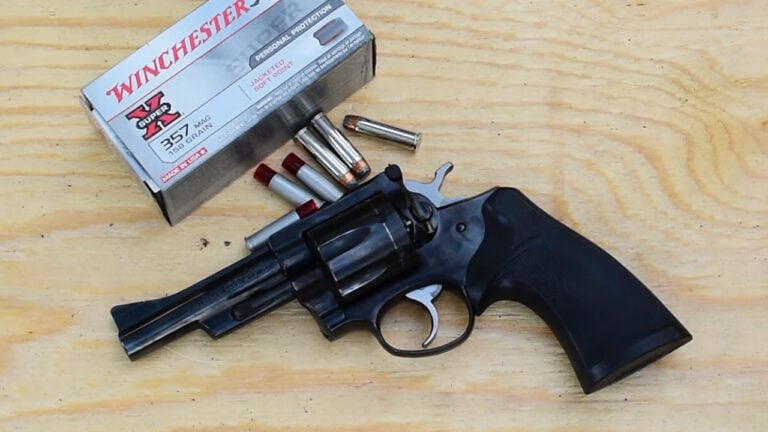
Smith & Wesson Airweight .357 Magnum

Squeezing full-power .357 Magnum into a featherweight revolver sounds good on paper—until you shoot it. The Airweight series is comfortable to carry, but the recoil is brutal with magnum rounds. Many folks end up shooting .38 Special instead just to keep their wrists intact. It’s a handy option for carry, but it punishes you at the range. Recoil-sensitive shooters will definitely notice the sting after just a few rounds.
Ruger LCP II (.380)

The Ruger LCP II is another tiny .380 that feels more aggressive than it should. The pistol is light and slim, but that also means there’s not much material to tame recoil. The grip is short, the slide is snappy, and it flips a lot more than you’d expect from a .380. It works great for concealment, but it’s not the most pleasant thing to shoot. You’ll definitely feel it after a few quick strings.
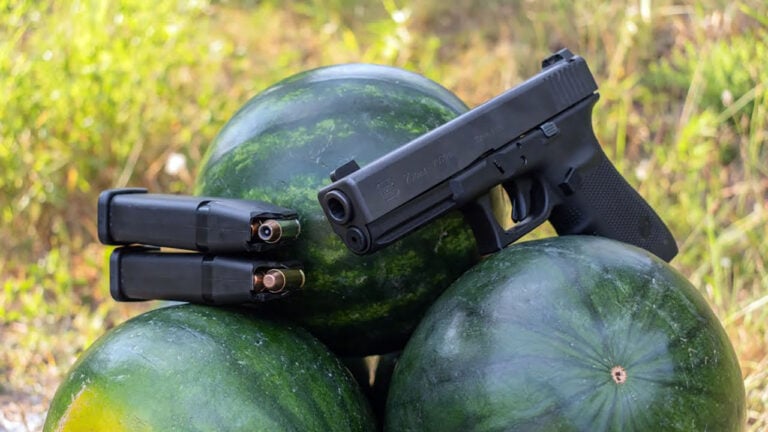
Glock 27 (.40 S&W)

The Glock 27 takes the already snappy .40 S&W round and crams it into a small, light frame. It holds a decent amount of rounds, but the recoil feels sharp and quick. Many shooters describe it as jumpy, especially compared to 9mm options. Even with Glock’s reputation for reliability, the 27 isn’t known for being enjoyable at the range. Most folks swap it out for something softer shooting after a few boxes of ammo.
Taurus PT709 Slim

The Taurus PT709 Slim is lightweight, compact, and chambered in 9mm—but it feels harsher than it should. Despite using a fairly moderate cartridge, the slim grip and light frame let recoil snap straight back into your hand. Follow-up shots can be a challenge, especially for newer shooters. It’s affordable and concealable, but you’ll feel every round. Plenty of folks carry it, but not many rush to take it on long range days.
Bond Arms Derringers (.45 Colt/.410)

Bond Arms Derringers are built like tanks, but that doesn’t make them easy to shoot. Firing big rounds like .45 Colt or .410 from such a tiny grip means all that energy goes straight into your hand. It’s meant for up-close defensive use, not comfort. Recoil is sharp, and the muzzle rise is dramatic. Most people shoot them for novelty or emergency defense—not because they’re fun to practice with regularly.
Kimber Micro 9

Kimber’s Micro 9 looks classy, but its small frame can make 9mm feel surprisingly punchy. The light weight and short barrel create noticeable muzzle flip, and the grip doesn’t offer much support. It’s accurate, but you have to work for it. People love how easy it is to conceal, but not everyone enjoys shooting more than a couple of magazines through it. It’s one of those carry guns you tolerate rather than love at the range.
Walther PPS M2 (.40 S&W)

The PPS M2 in .40 S&W is praised for its slim design, but it’s a rough shooter. That narrow grip translates to more felt recoil, and .40 already hits harder than 9mm. While the trigger is nice and it points well, the snap can get tiring quickly. People like it for carry because it disappears under clothing, but few describe it as pleasant to shoot. The 9mm version feels much more manageable by comparison.
Smith & Wesson Bodyguard (.380)

The Bodyguard .380 is one of those pistols that surprises people with its snappy feel. Despite using .380 ACP, the slim, tiny grip offers little recoil control. The trigger is heavy, and combined with the muzzle rise, it makes accurate follow-ups tricky. It’s great for deep concealment but a challenge at the range. It’s a gun you carry when you need something tiny, not one you bring along for an enjoyable shooting session.
Charter Arms Bulldog (.44 Special)

The Bulldog is compact and chambered in .44 Special, but it doesn’t soak up recoil well. The light frame combined with a fairly stout caliber means you’ll feel every shot. While .44 Special isn’t as intense as .44 Magnum, it still packs enough punch to make range sessions short. It’s popular for carry because of its size and caliber, but shooting it for extended periods isn’t something most folks look forward to.
Springfield XD-S 3.3 (.45 ACP)

The Springfield XD-S in .45 ACP packs a big round into a slim, compact package—and it shows. While it’s comfortable to carry, the recoil feels sharp, and the muzzle rise is noticeable. It’s not uncontrollable, but it takes effort to shoot well. People often swap out for the 9mm version just to make range days easier. If you insist on .45 in a small package, this is an option, but you’ll definitely feel it.
North American Arms Mini Revolvers (.22 Mag)

You wouldn’t expect much kick from .22 Magnum, but the NAA Mini Revolvers prove size matters. The ultra-small grip and featherweight frame make even .22 Mag rounds feel snappy. They’re quirky little guns, great for backup carry, but they aren’t easy to shoot well. Accuracy is tough, and the recoil, while not painful, is surprising. They serve a purpose but don’t expect them to be range-friendly.
Glock 36 (.45 ACP)

The Glock 36 crams .45 ACP power into a slim, single-stack frame. It’s lightweight and concealable, but many folks report the recoil feels sharper than with other Glock .45s. The grip doesn’t give you much to hold, and follow-up shots can be slow. It’s a solid option for those set on carrying .45, but you’ll trade comfort for size. If you’re recoil-sensitive, this probably isn’t the Glock you’ll want to train with regularly.
*This article was developed with AI-powered tools and has been carefully reviewed by our editors.