Photo credit: Duke's Sport Shop
Gun markets can change faster than the guns themselves. A design can be perfectly useful one year and suddenly look outdated a few years later because buyers want different features, different calibers, or an entirely different style of firearm. Optics cuts become expected. Polymer replaces aluminum and steel. Traditional sporting rifles lose ground to ARs, and compact pistols that once seemed tiny start looking oversized next to the newest micro-compact.
That does not mean the older guns stopped working. In many cases, the market simply moved in another direction before the firearm itself had become obsolete. Some of these guns were caught between generations, while others were built around ideas that fell out of fashion almost overnight. These 20 firearms deserve another look because being left behind by the market is not the same thing as being left behind by performance.
Marlin Camp 9
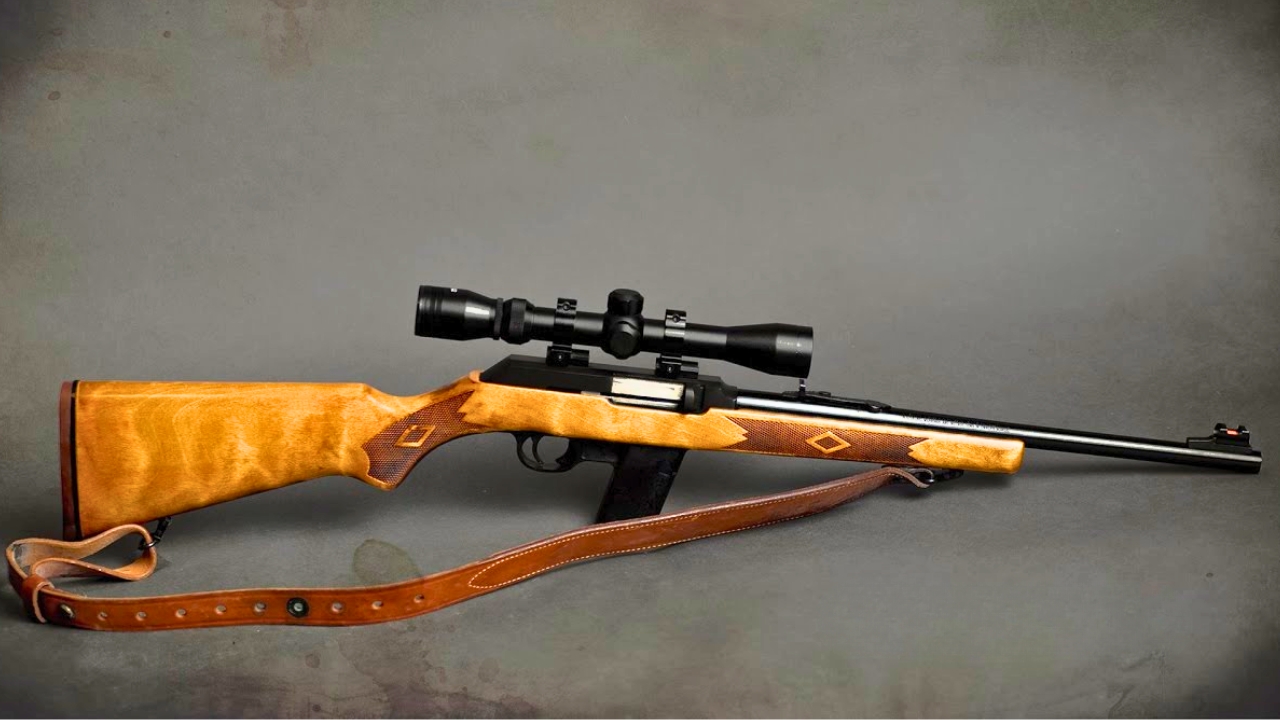
The Camp 9 arrived long before pistol-caliber carbines became one of the hottest categories in the firearms market. It gave shooters a compact semiautomatic 9mm carbine with traditional rifle styling, straightforward controls, and compatibility with common pistol magazines depending on the configuration. At the time, though, buyers were not nearly as interested in 9mm carbines as they would become decades later.
By the time the category exploded, the market wanted rails, threaded muzzles, folding stocks, and AR-style controls. The Camp 9 suddenly looked old even though the basic concept had become more relevant than ever. A clean example remains a soft-shooting, handy little carbine that is excellent for range use and general property duty. Marlin may have been early rather than wrong.
Ruger Police Carbine
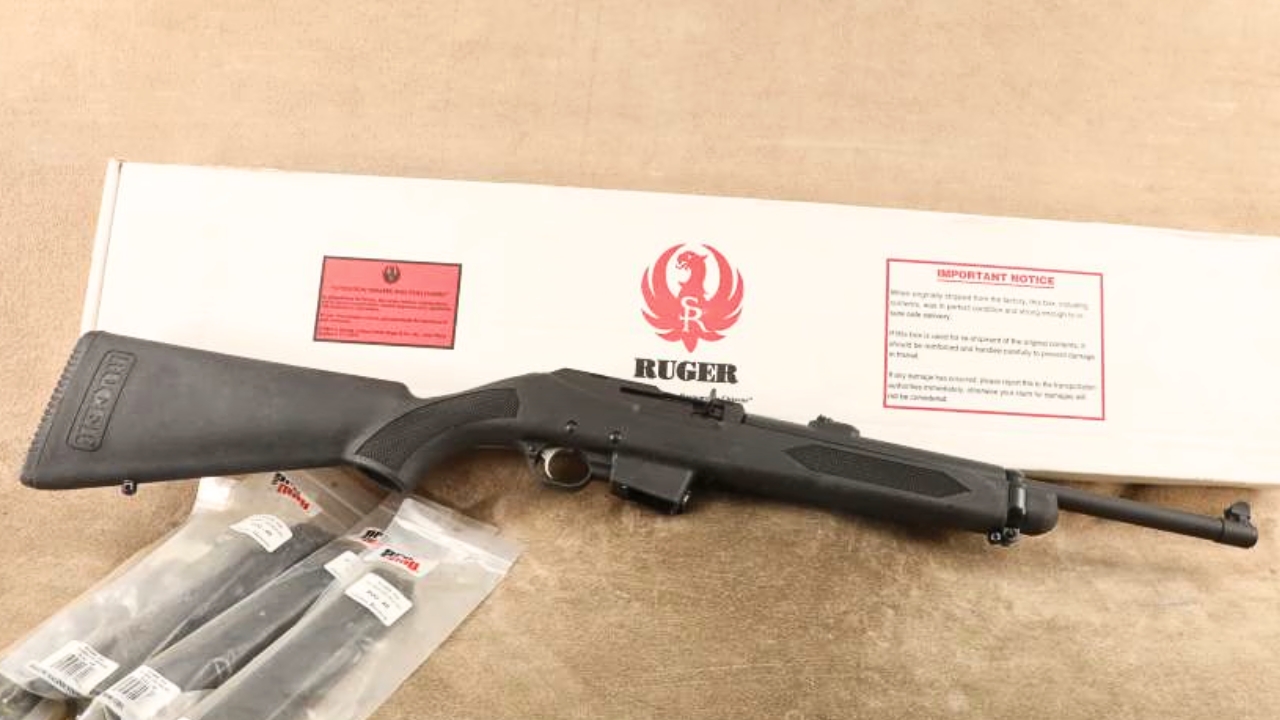
Ruger’s original Police Carbine was another pistol-caliber rifle that arrived before the market fully appreciated the category. Offered in service handgun cartridges and designed around rugged institutional use, it was a substantial blowback carbine rather than the lightweight, modular PCCs buyers expect today.
That weight makes it very pleasant to shoot. Recoil is mild, the rifle feels exceptionally solid, and the traditional stock gives it a completely different character from today’s tactical carbines. What killed its relevance was not necessarily poor performance. The AR platform became dominant, accessory mounting became essential, and buyers started expecting much more modularity. Used examples now feel like interesting relics from a category that eventually became hugely popular.
Remington 7400

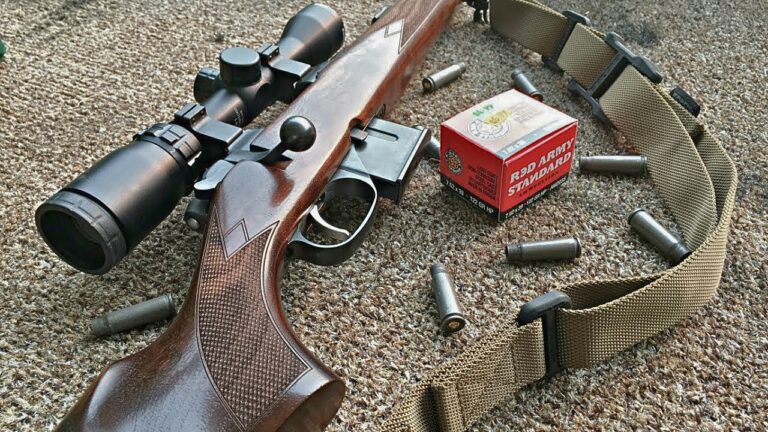
The 7400 was once exactly the kind of rifle many deer hunters wanted. It combined semiautomatic operation with traditional hunting-rifle styling and came chambered in cartridges that made sense for whitetail woods. In parts of the country where quick follow-up shots mattered, these rifles were extremely common.
Then hunting-rifle tastes changed. AR-pattern rifles became more accepted, lightweight bolt actions became cheaper and more accurate, and traditional semiautomatic hunting rifles started disappearing. The 7400 also developed a mixed reputation when poorly maintained examples began aging. A clean rifle that has been cared for can still be useful, but the entire category it represented has become much smaller than it once was.
Winchester Model 1400

The Model 1400 was once a common affordable semiautomatic shotgun. It gave hunters and casual clay shooters gas-operated cycling without requiring the money demanded by more prestigious sporting guns.
The problem was that the shotgun market kept improving around it. Newer gas systems became more reliable and easier to maintain, interchangeable choke systems became expected, and imported semiautomatics started delivering better features for similar money. The 1400 slowly became yesterday’s gun. Mechanically sound examples can still make perfectly usable field shotguns, especially for someone who does not need the newest features. It simply belongs to an era when a basic semiauto was enough.
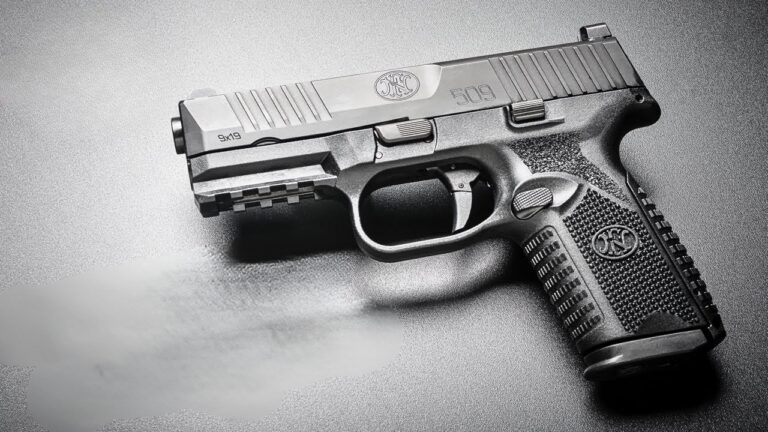
Smith & Wesson Model 4043
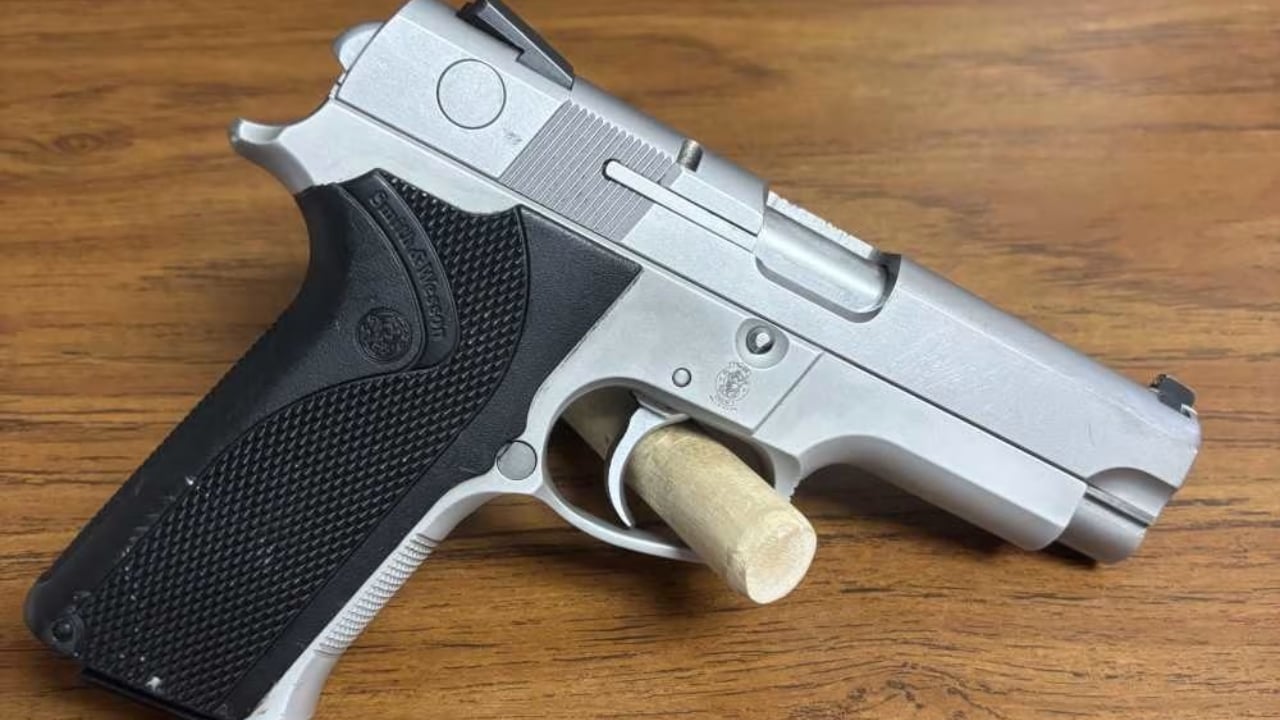
The 4043 is a perfect example of how dramatically the duty-pistol market changed. It is an aluminum-frame, double-action-only .40 S&W pistol built around the idea that a consistent long trigger pull and robust metal construction were ideal for police work.
Almost every part of that formula later fell out of fashion. Polymer frames took over, striker-fired triggers became standard, .40 S&W lost popularity, and agencies started prioritizing optics compatibility. None of that means the 4043 suddenly stopped being durable. It remains a solid, soft-shooting service pistol, especially compared with lightweight .40s. The market simply abandoned the entire philosophy the gun was built around.
Remington V3 Field Sport
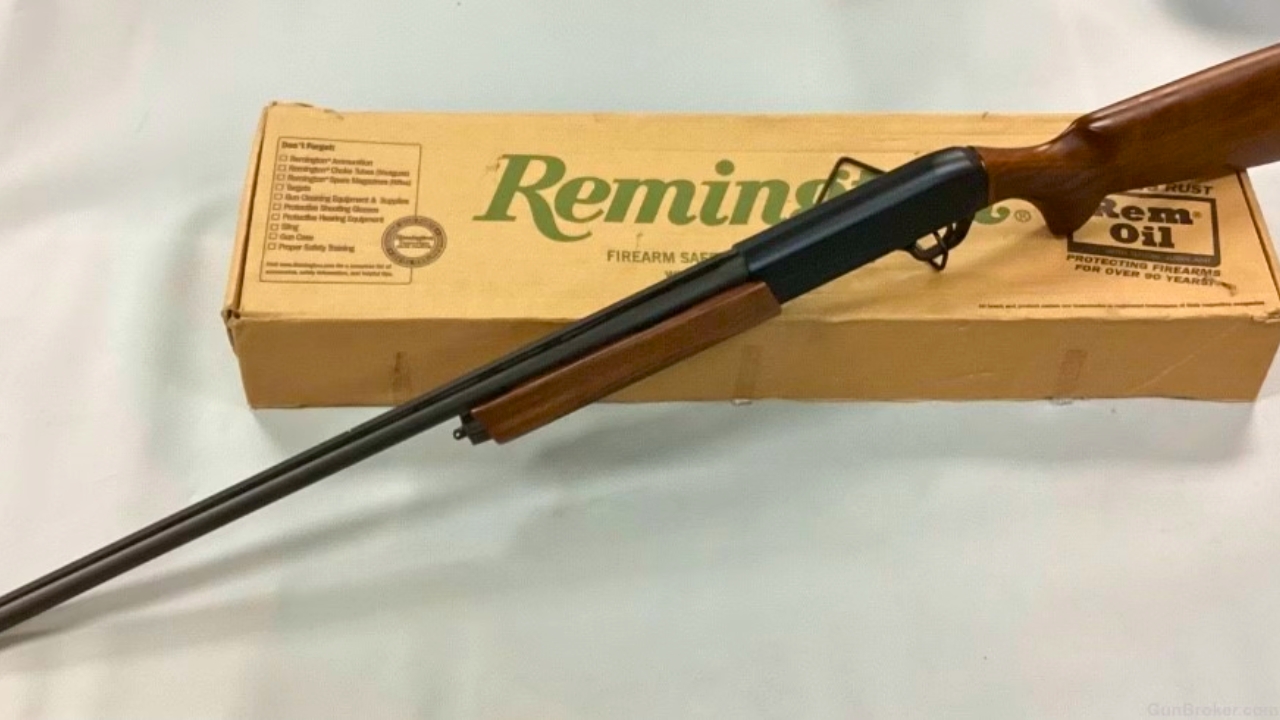
The V3 was one of Remington’s better modern shotgun ideas, using a gas system designed to regulate itself depending on shell length. The result was a soft-shooting semiautomatic that could handle a broad range of ammunition without requiring constant adjustment.
Unfortunately, the V3 arrived during a turbulent period for Remington. The company changed hands, production became uncertain, and competitors already had deeply established semiautomatic platforms. The gun never got enough time to build the kind of multigenerational reputation enjoyed by older Remington shotguns. It was not so much rejected by hunters as stranded by circumstances. Good examples remain genuinely pleasant field guns.
Glock 36

The Glock 36 made perfect sense when it launched. It offered .45 ACP in a relatively slim, lightweight package and gave Glock buyers something much easier to conceal than the company’s larger .45 pistols.
Then the market changed dramatically. Shooters became more willing to carry 9mm, high-capacity micro-compacts appeared, and six rounds of .45 ACP in a pistol that was no longer exceptionally small became a harder sell. The gun itself did not become worse. It remains slim, simple, and easy to carry for shooters who specifically want .45 ACP. What changed was everything surrounding it.
Browning BPR

The Browning Pump Rifle never became remotely as famous as the company’s BAR, despite offering an interesting alternative for hunters who wanted fast manual cycling. The BPR provided traditional sporting-rifle ergonomics with a pump action capable of handling serious centerfire hunting cartridges.
It entered a market where bolt actions were already dominant and semiautomatics appealed more strongly to hunters wanting quick follow-up shots. Pump rifles became increasingly regional rather than mainstream. That left the BPR in an awkward position despite its quality. Used examples remain interesting because the rifle offers fast cycling without giving up the look and balance of a traditional hunting rifle.
Beretta CX4 Storm

The CX4 Storm once looked like the future of pistol-caliber carbines. Its polymer shell, futuristic styling, reversible controls, and pistol-magazine compatibility made it wildly different from conventional rifles.
Then the PCC market exploded around AR-pattern designs. Buyers began expecting interchangeable grips, M-LOK handguards, threaded barrels, collapsible stocks, and endless accessory compatibility. The CX4 suddenly looked proprietary rather than futuristic. It is still light, soft shooting, reliable, and very easy to use. The market did not necessarily find something better in every way. It simply decided modularity mattered more than the CX4’s self-contained design.
Remington Model 11-48
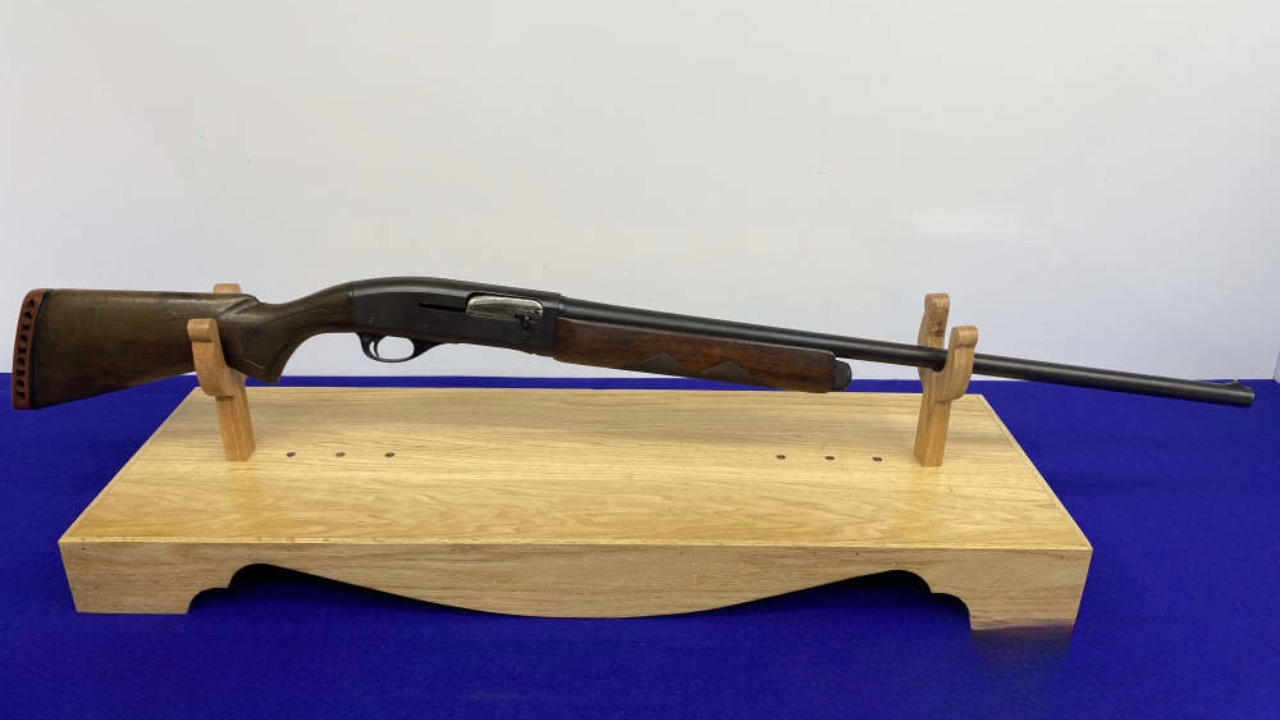
The 11-48 was an important transitional semiautomatic shotgun, carrying long-recoil operation into a sleeker postwar design. It was lighter and more streamlined than earlier autoloaders and served hunters well for years.
Gas-operated semiautomatics eventually made the long-recoil system feel old-fashioned. Shooters preferred softer recoil, simpler load adaptability, and more modern handling. By the time semiautos became dominant in waterfowl and clay shooting, the 11-48 already looked like a design from another age. That does not erase the fact that good examples can still run very well. It was simply overtaken by a technology shift.
Ruger Model 44 Carbine

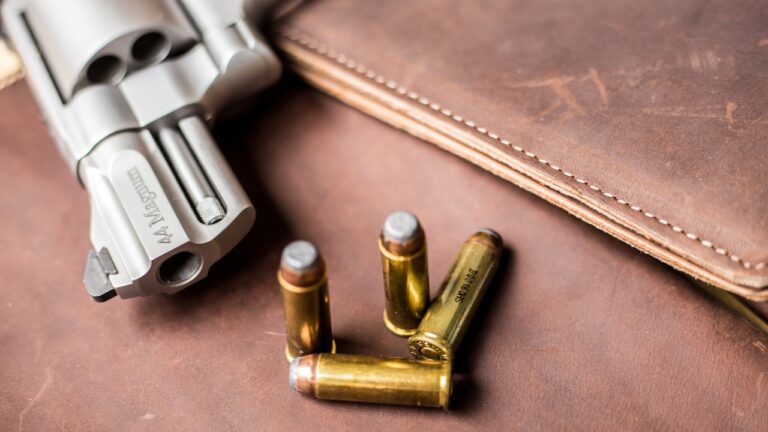
Ruger’s original .44 Magnum semiautomatic carbine was a wonderfully specialized woods rifle. It was compact, fast handling, and gave the .44 Magnum cartridge substantially more performance than a revolver barrel could provide.
The market eventually became less interested in traditional pistol-caliber hunting carbines. Lever guns retained their nostalgic appeal, while ARs took over the semiautomatic utility role. The Model 44 wound up caught between both worlds. Today, it is arguably more interesting than it was during its later production years. For thick-cover deer hunting or general woods use, the basic idea still makes plenty of sense.
Smith & Wesson Model 1000
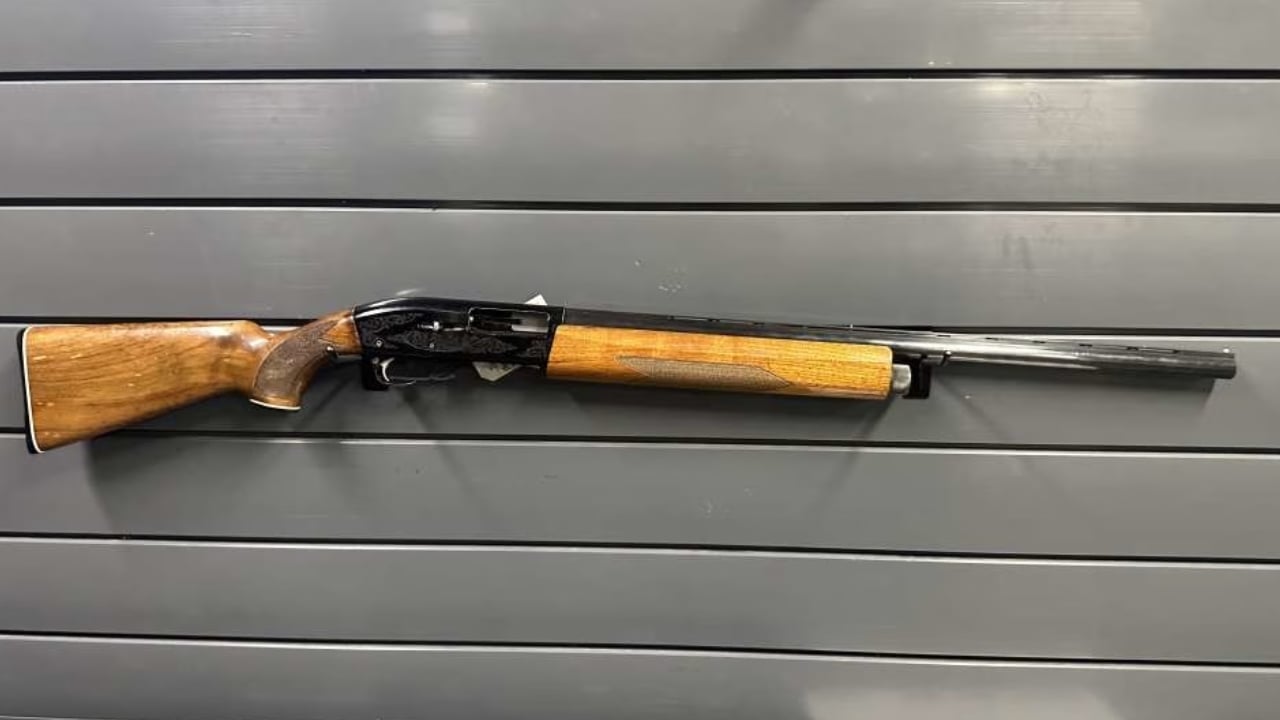
The Model 1000 came from an era when Smith & Wesson was much more willing to put its name on sporting shotguns. Built in Japan, these semiautomatics could be well made and pleasant to shoot, yet they never developed the recognition of competing Remington, Browning, or Beretta designs.
Once the model disappeared, parts support and brand familiarity started working against it. The market moved toward shotgun families that stayed in production for decades and built enormous ecosystems around them. A sound Model 1000 can still be a fine field gun. The problem is that modern buyers usually want something they know they can support indefinitely.
Ruger SR40

The SR40 arrived at exactly the wrong point in handgun history. It gave shooters a slim grip, useful capacity, and a striker-fired platform chambered in what was still one of the dominant law-enforcement cartridges.
Then .40 S&W collapsed in popularity. Agencies moved back toward 9mm, civilians followed them, and manufacturers turned their attention toward smaller 9mm pistols. The SR40 never had a chance to become a long-lived Ruger platform. It still shoots well, and the grip is remarkably thin for its capacity. Its biggest problem was being tied to a cartridge the market suddenly decided it no longer needed.
Ithaca Model 51
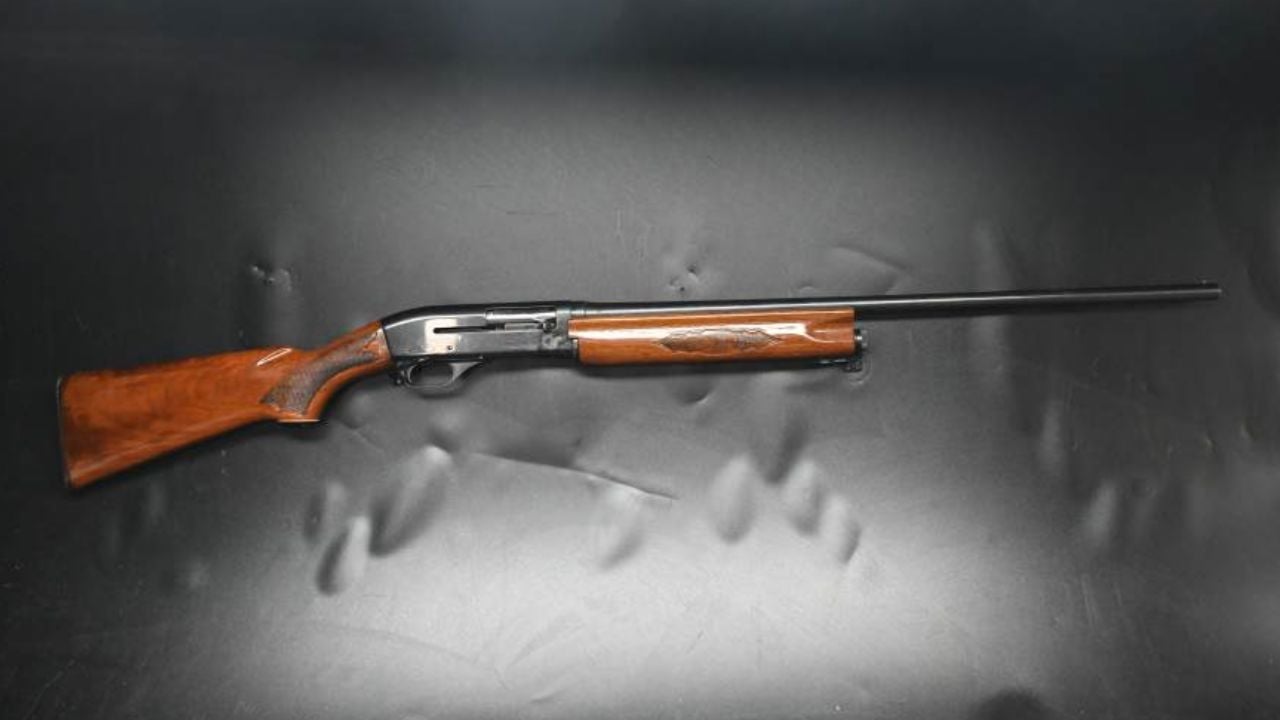
The Model 51 was a gas-operated semiautomatic shotgun with a loyal following among shooters who appreciated its soft recoil and smooth operation. For a time, it gave Ithaca a serious competitor in the autoloading shotgun market.
The long-term problem was support. The model disappeared, replacement parts became less convenient, and shooters gravitated toward semiautomatic platforms that remained in continuous production. Once a shotgun becomes difficult to repair, even a good design can disappear from regular use. Mechanically sound Model 51s can still be wonderful shooters, but the market has little patience for discontinued semiautos without strong parts pipelines.
Colt Light Rifle

The Colt Light Rifle was an interesting attempt to enter the affordable bolt-action hunting market. It was lightweight, modern for its time, and carried a name that should have attracted plenty of attention.
Instead, it arrived in a crowded category and never established a strong identity before production ended. Colt itself was much more closely associated with handguns and AR-pattern rifles, making the hunting bolt gun seem almost out of place in the company’s catalog. The rifle did not necessarily fail because the underlying idea was poor. It simply never gained enough momentum before the market forgot about it.
Mossberg 9200
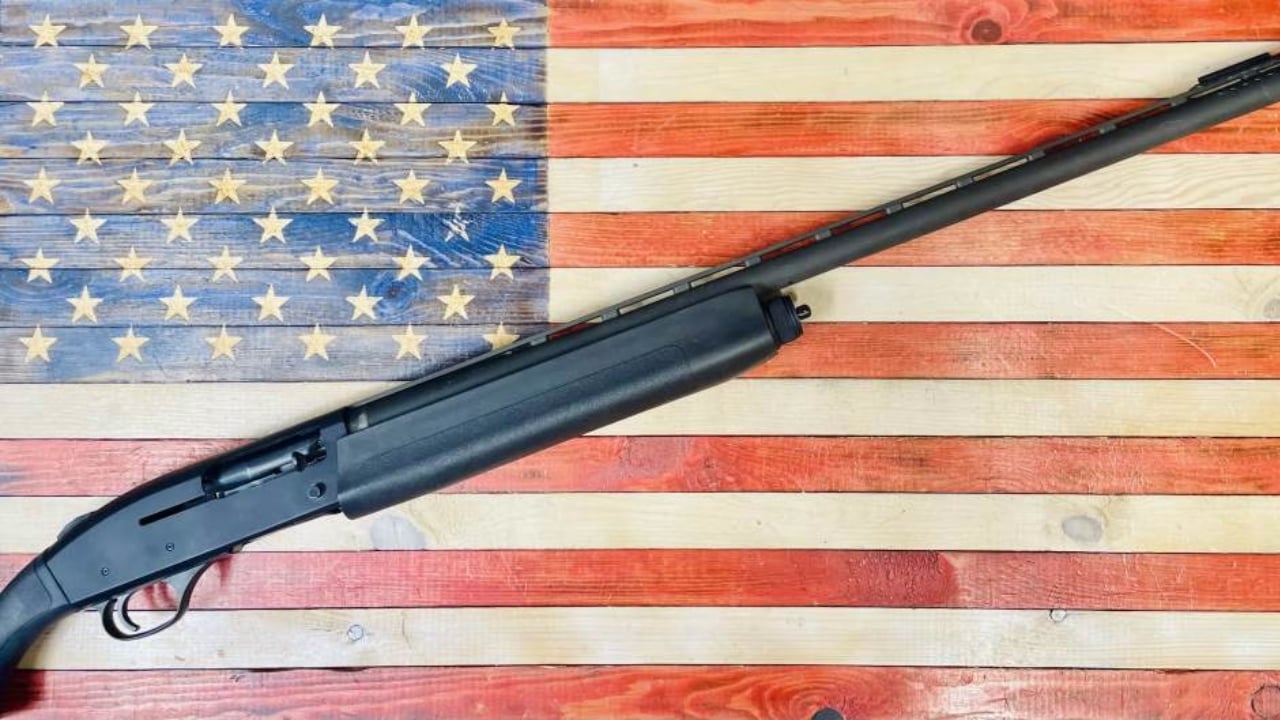
The 9200 represented Mossberg’s effort to compete in the gas-operated semiautomatic shotgun market long before the company developed its later autoloaders. It provided a softer-shooting alternative to a pump and was available in sporting and defensive configurations.
The shotgun never built the following of better-established competitors, and once production ended, the lack of an enormous support network pushed it farther into obscurity. Modern buyers generally gravitate toward current designs with easier parts availability and broader accessory support. A properly functioning 9200 can still shoot well, but the market moved on without leaving much reason for new buyers to seek one out.
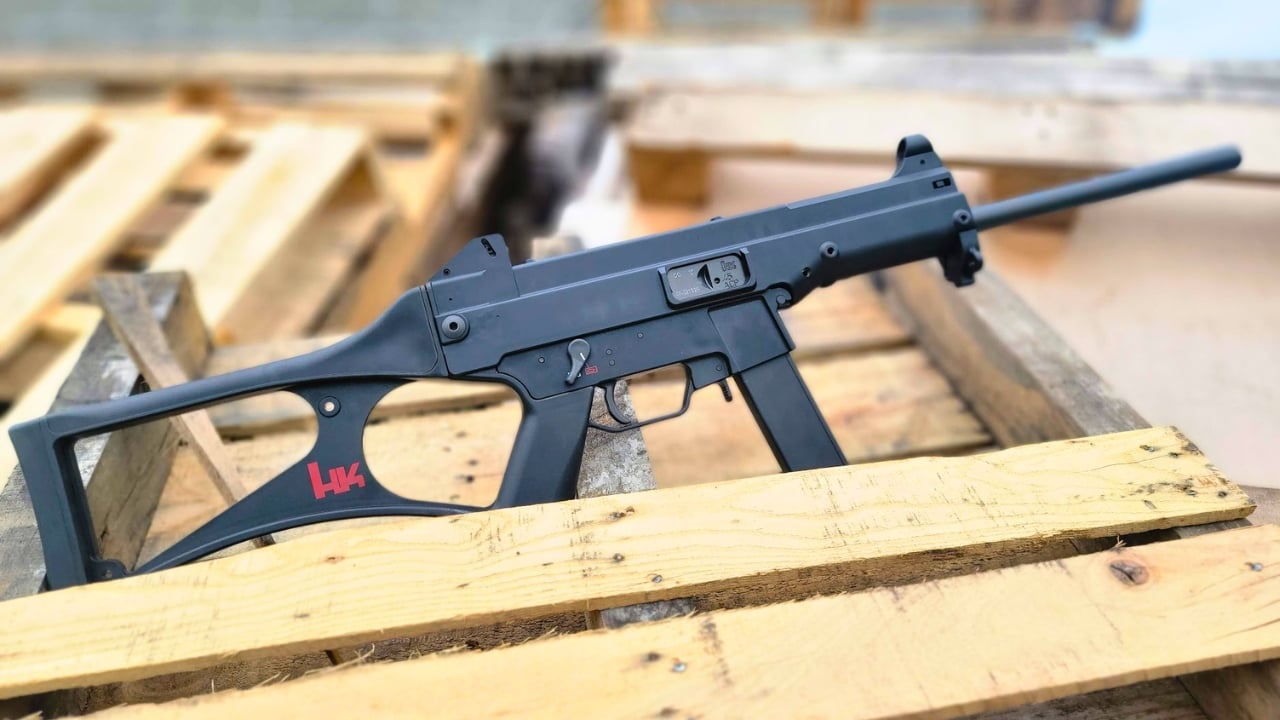
H&K USC

The USC offered civilian shooters a semiautomatic .45 ACP carbine from Heckler & Koch, which sounded extremely compelling when it appeared. It was light, distinctive, and mechanically tied to the broader UMP family.
The problem was that civilian configuration compromises made it awkward compared with what buyers really wanted. Then AR-style pistol-caliber carbines became commonplace, giving shooters more modularity, better ergonomics, and cheaper accessories. The USC became an expensive proprietary carbine in a market increasingly obsessed with interchangeability. It still has excellent HK build quality, but the market moved toward a completely different concept of what a PCC should be.
Winchester Model 1500 XTR
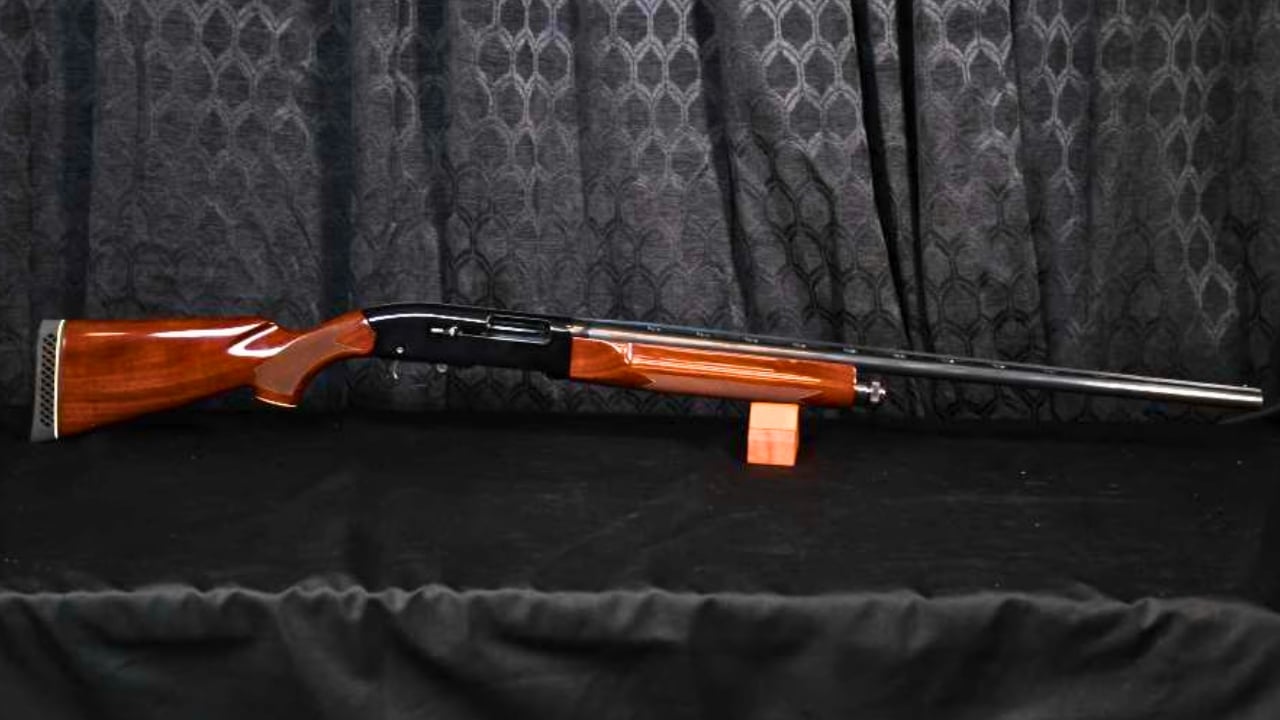
The 1500 XTR represented the nicer side of Winchester’s semiautomatic shotgun lineup, combining gas operation with more refined sporting furniture and finish. It was a perfectly sensible bird and clay gun in its era.
What left it behind was not one catastrophic weakness but the steady improvement of everything around it. Modern choke systems became expected, semiautomatic actions became cleaner and more adaptable, and newer guns delivered more features at similar real-world prices. The 1500 XTR became an older shotgun without enough collector demand to keep it visible. That can actually make a nice example an appealing bargain for someone who simply wants to shoot it.
Ruger Model 96/22
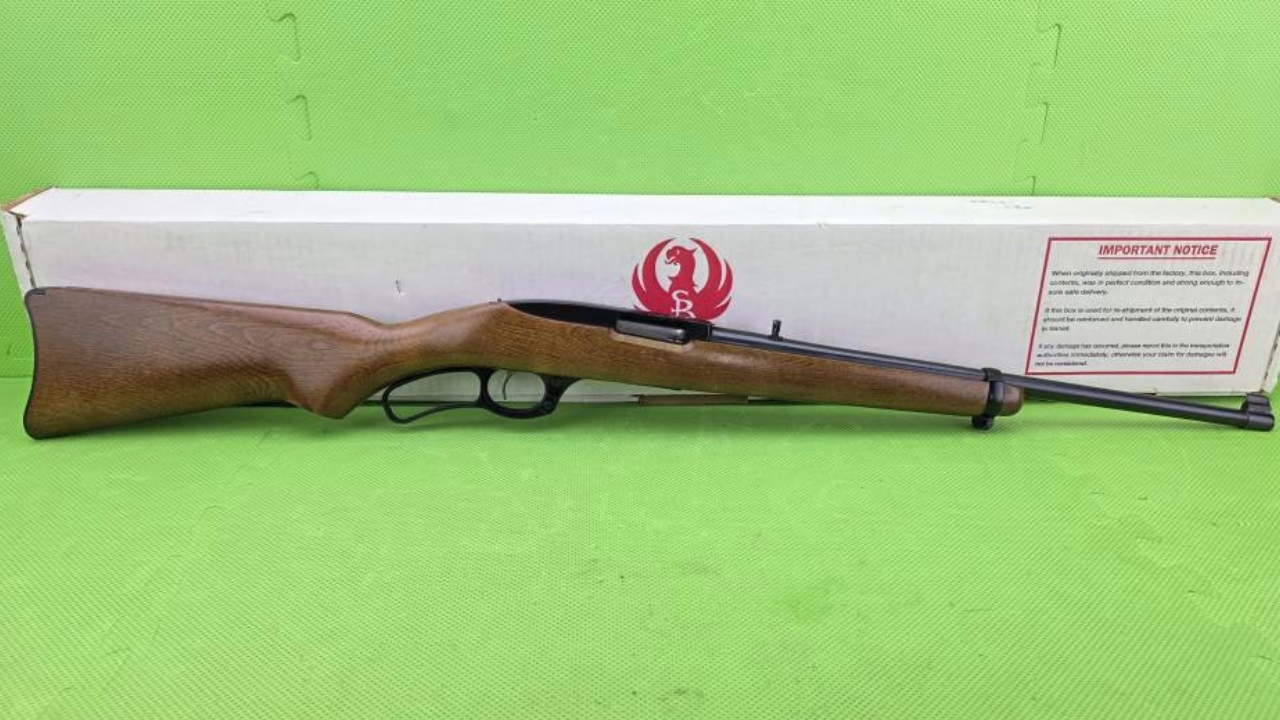
The Model 96/22 was Ruger’s attempt to combine lever-action operation with the company’s incredibly successful rotary-magazine rimfire system. On paper, that seems like a combination that should have been a permanent catalog fixture.
Instead, traditional lever buyers tended to want traditional-looking tube-fed rifles, while Ruger rimfire buyers overwhelmingly chose semiautomatic 10/22s or bolt actions. The 96 sat awkwardly between categories and eventually disappeared. That makes it more interesting today. It offers quick lever cycling, familiar magazines, and a compact package without simply copying an old Winchester design.
Beretta 1201FP

The 1201FP was a lightweight inertia-operated defensive shotgun that had many of the qualities shooters now pay serious money to get. It was fast cycling, mechanically straightforward, and shared operating principles associated with Benelli designs.
What it lacked was timing. Defensive semiautomatic shotguns were not nearly as dominant when the 1201FP was current, and accessory mounting was much more limited. By the time the tactical shotgun market exploded, newer designs offered rails, better stocks, optics mounting, and easier customization. The 1201FP was left behind even though its basic action remained excellent. Today it looks less obsolete and more like a good idea that arrived before the market was ready.
Like The Avid Outdoorsman’s content? Subscribe to our newsletter so you never miss an article.
Here’s more from us: