Photo credit: Tactical Fellowship/Youtube
A $1,000 gun can be excellent, but twice the price rarely gives you twice the performance. Once a firearm is reliable, accurate enough for its intended job, comfortable to use, and built to survive normal ownership, additional money increasingly goes toward refinement. Better finishes, lighter materials, more elaborate machining, and prestigious names are nice to have, but none automatically make the gun twice as useful.
That is why the middle of the market can be such a good place to shop. Around the $500 mark, especially when used guns are included, you can find serious hunting rifles, proven service pistols, dependable shotguns, revolvers, and rimfires that will do nearly everything the average owner actually asks of them. These 20 guns make a strong case for buying capability instead of chasing a four-figure price tag.
Smith & Wesson Model 4006
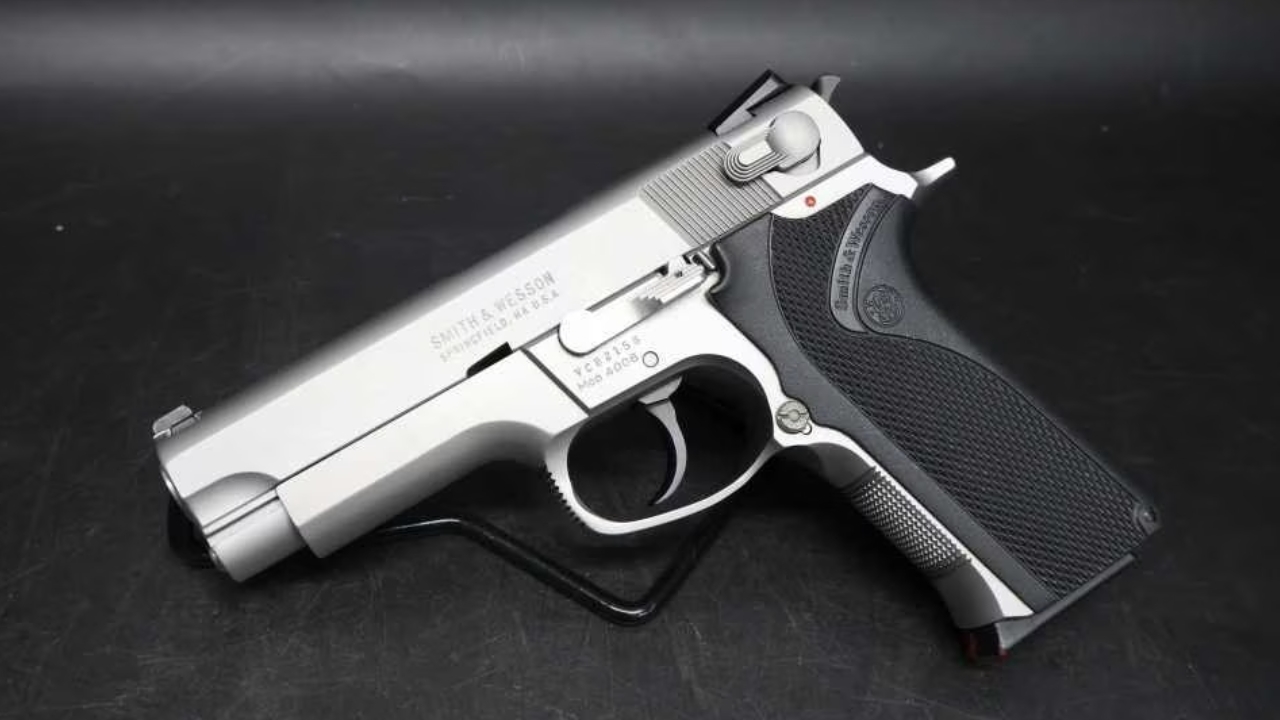
The Model 4006 is exactly the kind of used gun that can make modern premium pistols look a little excessive. It is an all-stainless-steel .40 S&W service pistol built during an era when weight savings apparently ranked somewhere below surviving decades of police use. The gun is heavy, substantial, and decidedly old-school, but that construction also gives you an extraordinarily stable shooting platform. Used law-enforcement examples can show plenty of holster wear while still having a huge amount of mechanical life remaining.
At the range, all that steel makes .40 S&W considerably easier to handle than it is in lightweight polymer compacts. The DA/SA trigger takes practice, but the pistol settles beautifully between shots. If you care about durability and shootability more than carrying minimum weight, a good used 4006 can feel like far more gun than its price suggests.
Winchester SXP Field
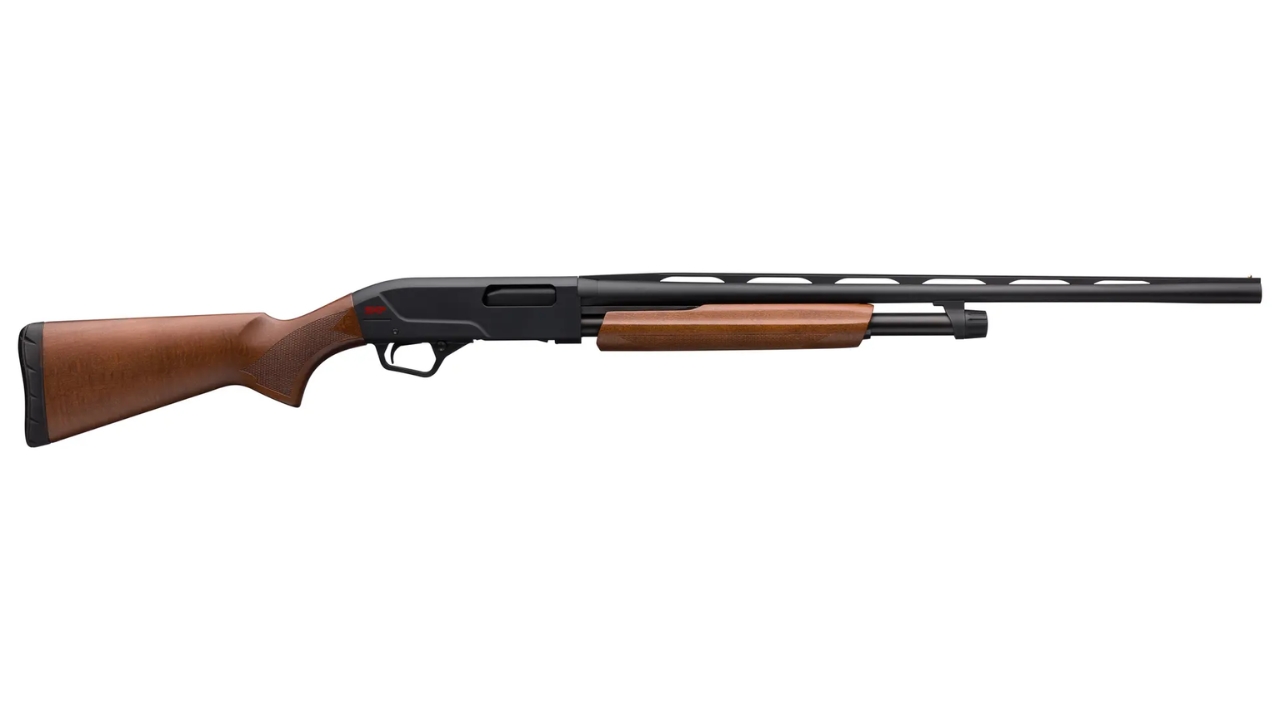
The SXP Field proves that a useful hunting shotgun does not need to climb anywhere near premium semiautomatic pricing. You get a conventional pump layout, interchangeable chokes, familiar sporting dimensions, and an action that can become remarkably quick once you learn to run it. It works for dove fields, turkey hunting, waterfowl, and casual clay shooting without forcing you into a specialized configuration.
A $1,000 shotgun may have prettier walnut, a gas system, or more refined fitting, but none of that changes the fundamental usefulness of the SXP. A pump also gives you broad ammunition flexibility without worrying about whether a light load will generate enough energy to cycle an action. For hunters who want one shotgun to get dirty, scratched, and used rather than admired, spending dramatically more can be difficult to justify.
Ruger Wrangler
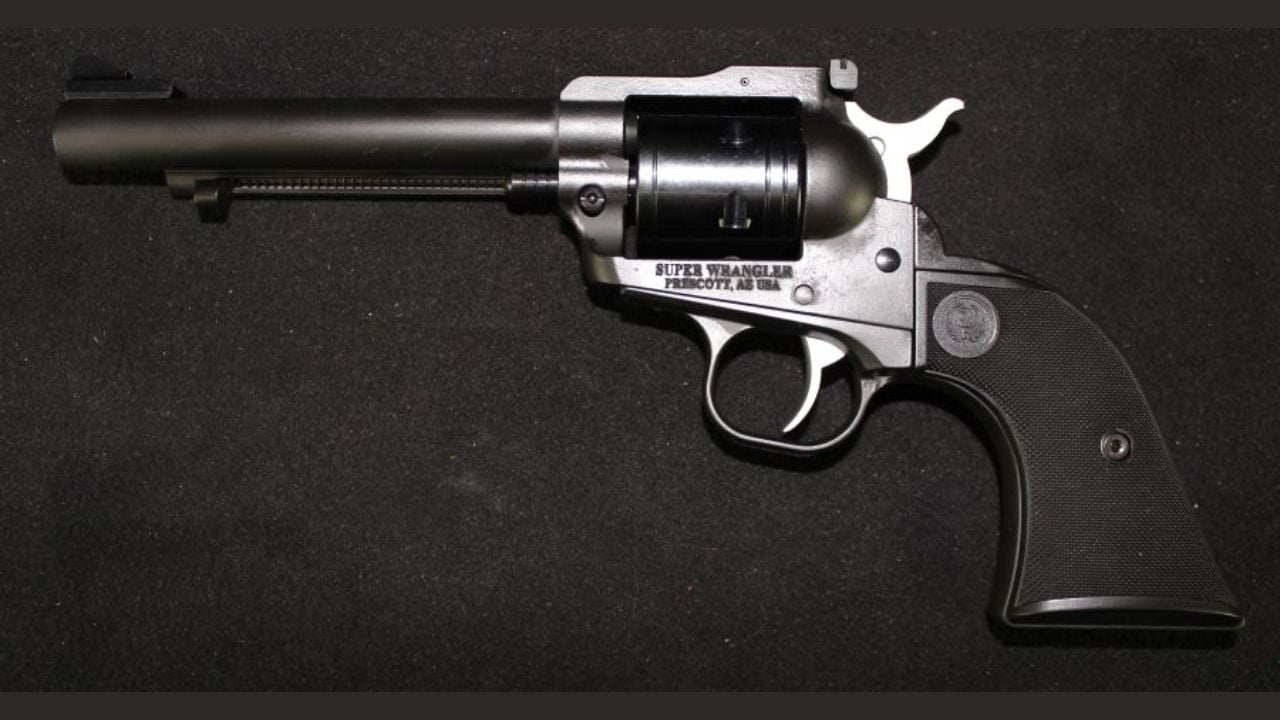
The Wrangler does not pretend to be an expensive single-action revolver. The finish is utilitarian, the sights are basic, and the construction was clearly designed around keeping the price approachable. What matters is that Ruger managed to preserve the basic single-action experience while bringing the cost down far enough that almost anyone can own one.
That makes the Wrangler an unusually sensible purchase. .22 LR keeps ammunition affordable, recoil is essentially nonexistent, and the slow loading process encourages deliberate shooting. It is useful for teaching new shooters, plinking around a property, or simply spending an afternoon knocking over cans. You could spend several times more on a beautifully finished rimfire single action, but the target will have a difficult time appreciating the difference.
Weatherby Element Synthetic
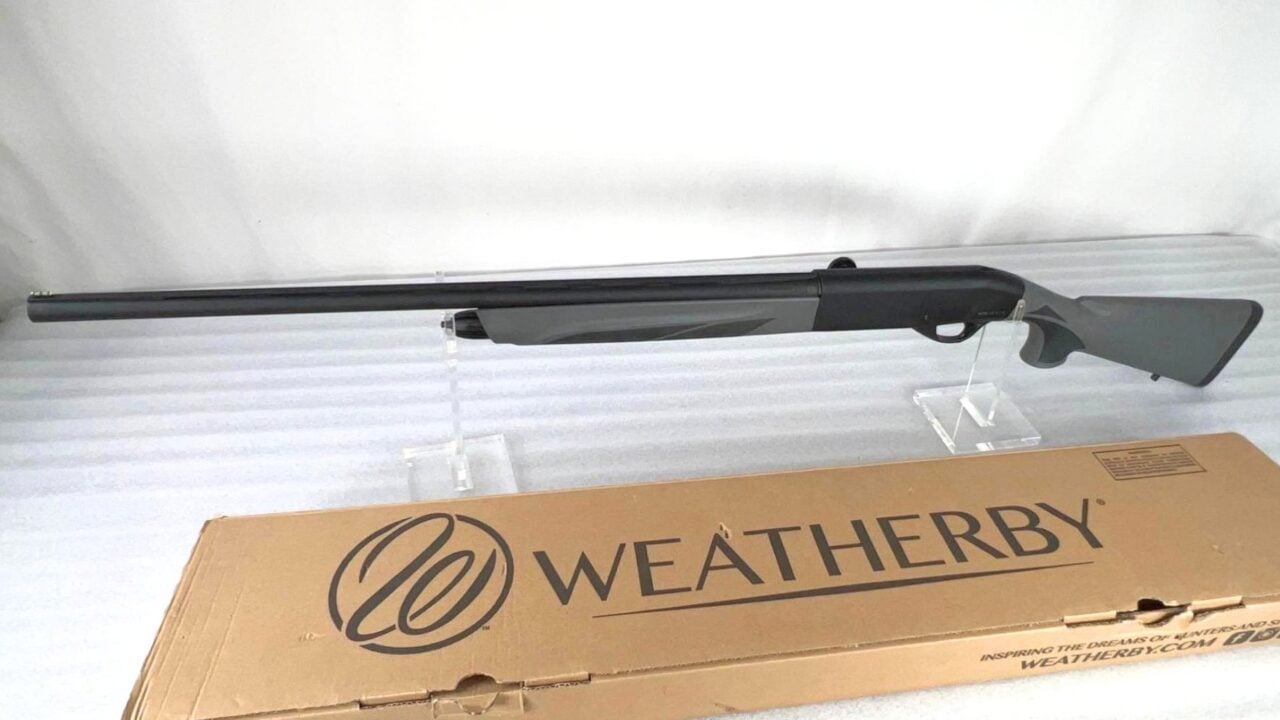
The Element Synthetic gives hunters an inertia-operated semiautomatic without requiring the pricing associated with the biggest names in that category. The action is mechanically straightforward, the synthetic furniture is appropriate for rough weather, and the overall gun stays light enough to carry comfortably through long hunts.
Its real strength is that it concentrates money on function rather than presentation. You do not get deeply figured walnut or elaborate engraving, but you do get fast follow-up shots and a system that stays relatively clean because it does not rely on a conventional gas piston. For someone who wants an upland or waterfowl semiauto that can actually be treated like a field gun, that makes far more sense than paying twice as much for something you are afraid to scratch.
Ruger 10/22 Sporter

There are cheaper .22 rifles, and there are far more expensive ones, but the Sporter version of the 10/22 sits in an especially useful middle ground. It gives you the proven rotary-magazine action and enormous parts support of the basic platform while adding a stock that feels more like a proper sporting rifle than the lightest entry-level versions.
That matters if you intend to keep the gun rather than treat it as a disposable plinker. The 10/22 can handle casual target shooting, small-game hunting, and endless inexpensive practice, while the aftermarket lets you change almost anything later if your interests evolve. Spending $1,000 on a custom rimfire can absolutely produce a nicer rifle, but for ordinary use, a modest 10/22 already covers an enormous amount of ground.
Mossberg 930 Field
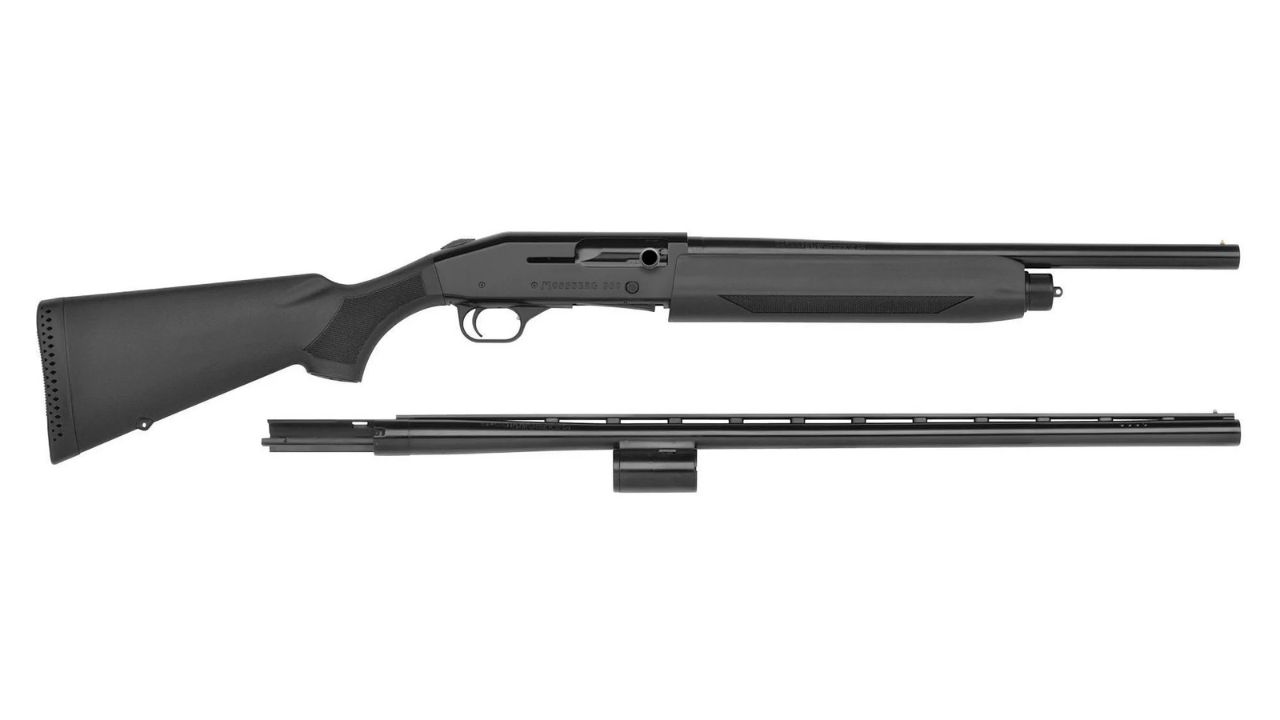
The 930 has largely been overshadowed by newer Mossberg semiautos, but clean used examples can offer a tremendous amount of shotgun for the money. Its gas-operated action makes recoil softer than a pump or many inertia guns, while the field configuration gives it enough versatility for birds, clays, and general hunting use.
Maintenance matters, as it does with most gas guns, but that should not automatically push buyers toward something costing twice as much. A properly maintained 930 can be a reliable, pleasant shotgun that handles long shooting sessions comfortably. For the buyer who finds a sound used example at the right price, the difference between it and a much more expensive semiauto may be far smaller on the shoulder than it is on the receipt.
Ruger P97
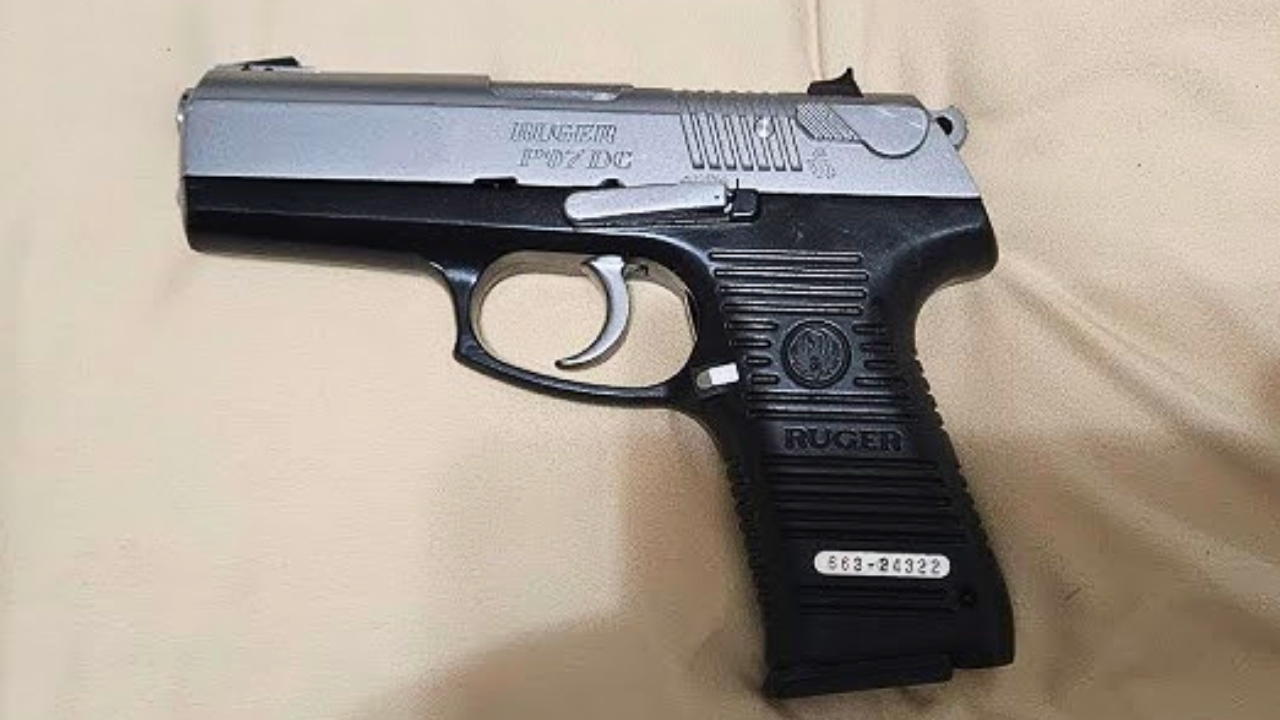
The P97 is one of those old Ruger semiautomatics that makes almost no attempt to impress anyone visually. It is a polymer-framed .45 ACP with chunky styling, traditional hammer-fired operation, and a reputation built much more around durability than elegance. That lack of glamour is exactly why used examples can be so interesting.
The pistol has enough size to make .45 ACP manageable, and the polymer frame cuts some of the excessive weight associated with Ruger’s earlier metal P-series guns. The trigger is not competition-grade, but the pistol is straightforward, rugged, and comfortable enough for long range sessions. If the goal is simply owning a dependable .45 that you can actually shoot regularly, a used P97 can make spending four figures on a premium service pistol feel unnecessary.
Savage 110E

The 110E was built as a relatively plain version of Savage’s long-running bolt-action platform, and that lack of decoration has helped keep many examples affordable. You get the basic strength of the Savage action, easy barrel interchangeability for anyone who eventually wants to modify the rifle, and a design with decades of hunting history behind it.
Older examples do not have the modern stocks or current AccuTrigger, but they can still shoot extremely well. A hunting rifle needs to put the first shot where it belongs far more than it needs carbon fiber or an adjustable cheekpiece. If you find a clean 110E in a useful chambering, a modest investment can buy a rifle that will still handle deer season perfectly well long after the novelty of a much more expensive gun has worn off.
Browning Buck Mark Camper UFX
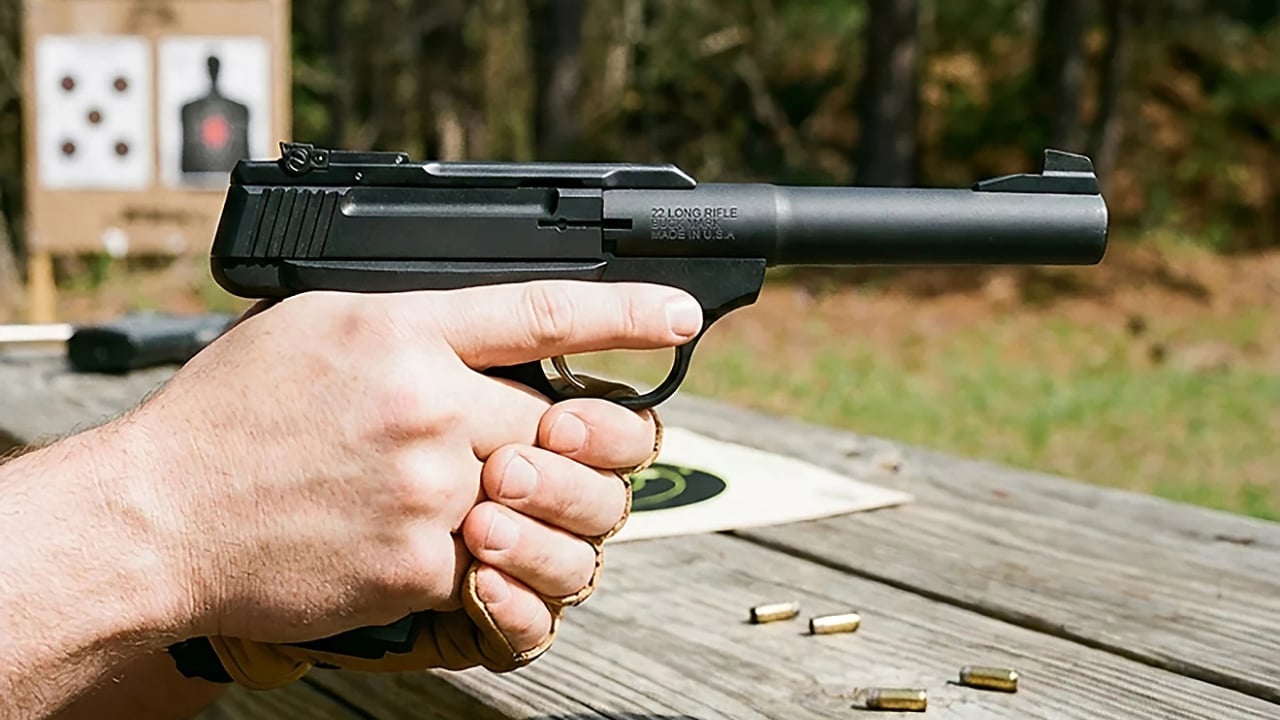
The Buck Mark Camper UFX sits in a price range where buyers sometimes assume they need to keep spending before they get a genuinely good target pistol. In reality, the Browning already gives you a comfortable grip, excellent balance, a fixed-barrel design, and a trigger that is more than capable of precise rimfire shooting.
That combination makes it exceptionally useful for practice. Recoil is almost nonexistent, ammunition costs remain manageable, and the pistol is accurate enough to expose mistakes in trigger control rather than hide them. A premium rimfire target pistol may have a finer trigger and more elaborate sights, but the Buck Mark gets you most of the recreational benefit for far less money. It is one of those guns where additional spending becomes increasingly difficult to justify.
Mossberg 500 Field/Security Combo
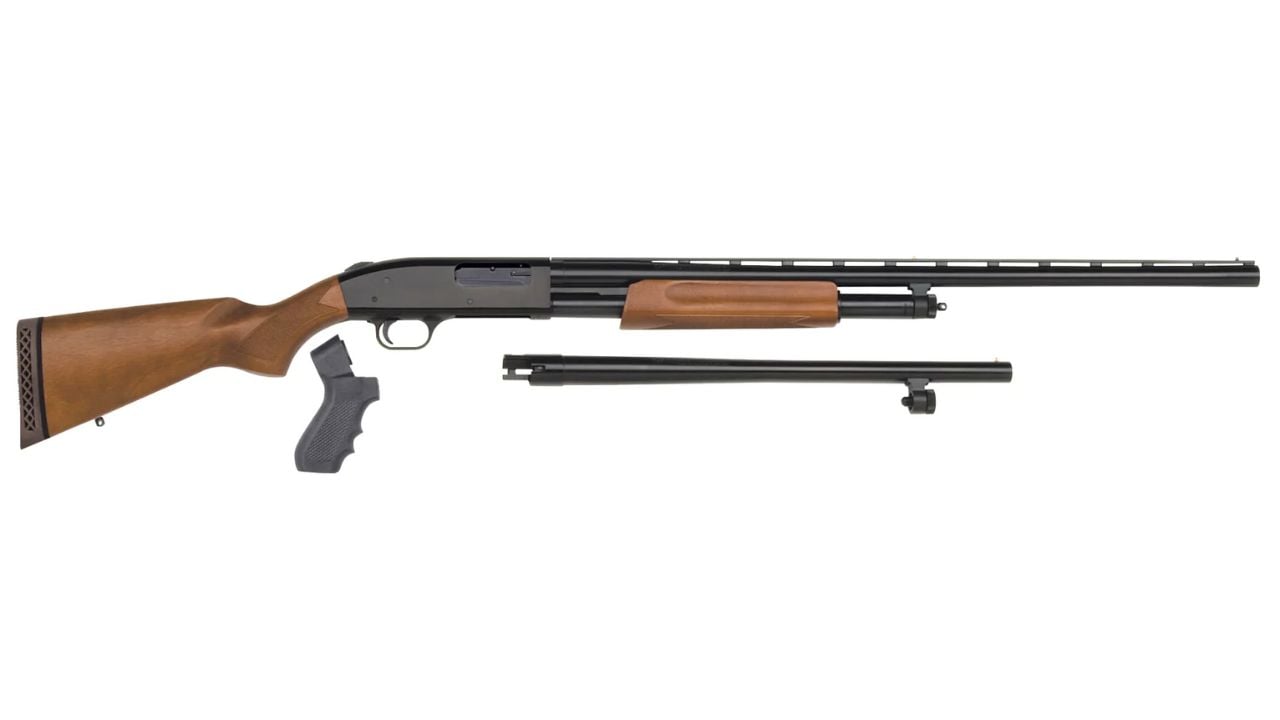
A combination-package Mossberg 500 is one of the clearest arguments for spending money on versatility rather than prestige. With sporting and shorter barrels available in the same package, the basic shotgun can move between hunting, property use, and defensive roles without requiring the purchase of an entirely different firearm.
The 500 action has been around long enough that there are few mysteries left. Parts are widely available, barrels and stocks are easy to find, and the manual safety is especially convenient for shooters who prefer a tang-mounted control. A $1,000 shotgun may cycle itself and feel smoother, but the Mossberg can cover more practical jobs for roughly half the money. For someone building a small firearm collection, that flexibility is extremely hard to beat.
CZ 457 Scout
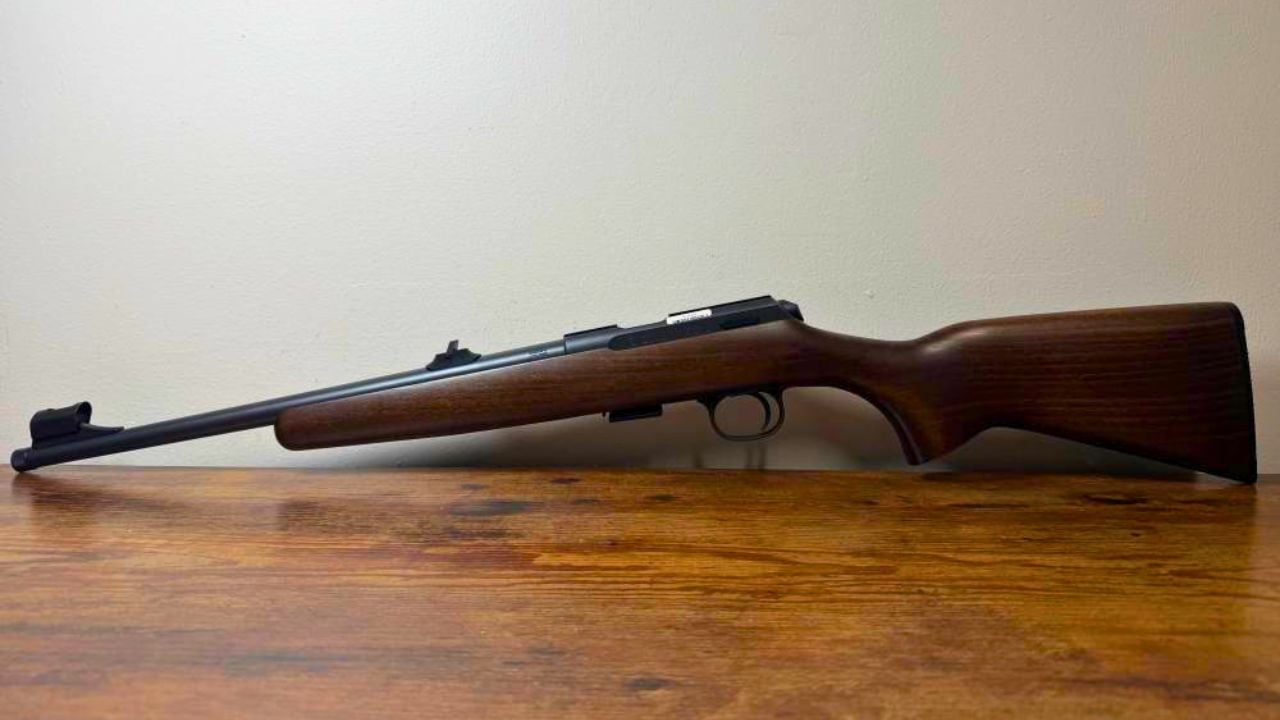
The 457 Scout is marketed toward smaller shooters, but its compact dimensions make it useful well beyond that audience. The short stock and barrel create an exceptionally handy bolt-action .22 that is easy to maneuver around a property, carry through woods, or use while teaching someone the fundamentals of rifle shooting.
The action and trigger are where it separates itself from true bargain rimfires. The bolt feels refined, the trigger is good enough for serious accuracy work, and the platform gives you room to grow if you later want a different stock or barrel configuration. You can spend significantly more on a premium rimfire, but the 457 Scout already has enough mechanical quality to make that difficult to justify for most shooters.
Tisas Regent BR9
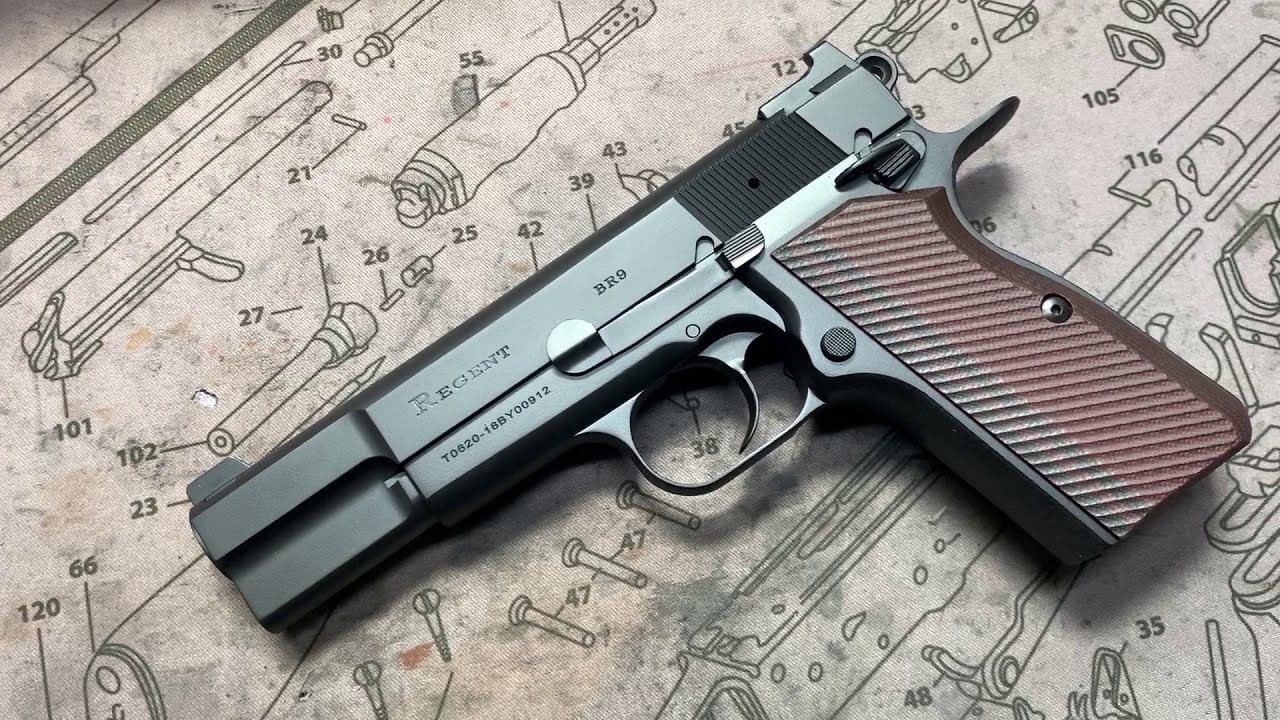
The Regent BR9 gave shooters a relatively affordable route into the traditional Hi-Power style without paying collector prices for older originals. The steel frame, narrow grip, and single-action trigger preserve most of what made the basic design so appealing in the first place.
Its biggest advantage is the range experience. The pistol has enough mass to keep recoil soft, the grip fits a wide variety of hands, and the low slide gives it a very natural point. Fit and finish are not going to rival an expensive custom reproduction, but the core feel is surprisingly close. If the objective is actually shooting a classic-style steel 9mm rather than owning a prestigious roll mark, the cheaper gun can make a lot more financial sense.
Ruger American Rimfire

The American Rimfire is a straightforward bolt-action .22 that benefits enormously from Ruger’s decision to use the company’s familiar rotary magazines. That immediately gives you easy magazine availability and avoids locking the rifle into some obscure proprietary system.
The rifle also has adjustable stock-fit features on many configurations, useful sights depending on the model, and an action accurate enough for small-game hunting and serious practice. There are more refined rimfire bolt guns available, but a premium rifle does not necessarily put squirrels or steel targets down any better at ordinary distances. For someone who wants a practical .22 instead of a benchrest project, the Ruger makes a great case for stopping well short of four figures.
Stoeger M3000

The M3000 gives you inertia-driven semiautomatic operation at a price that can sit dramatically below premium Italian alternatives. It is not as beautifully finished and the action may need some use before it feels fully broken in, but the underlying operating concept is proven and straightforward.
That makes it especially appealing for hunters. The gun stays relatively clean, handles normal field loads well, and can be configured for waterfowl, turkey, or general-purpose use. Spending another several hundred dollars can buy better fit, reduced weight, and a famous badge, but it may not buy dramatically more dead birds. For a working shotgun that is going to live around mud, brush, and wet blinds, the M3000 makes a very convincing financial argument.
Taurus Model 66

The Model 66 is a full-size .357 Magnum revolver that has often lived in the shadow of more prestigious Smith & Wesson, Ruger, and Colt models. That also means it can deliver a lot of revolver for comparatively little money. The larger frame gives it enough weight to make .38 Special exceptionally comfortable and full-power .357 Magnum more manageable than it would be in a compact gun.
You are not getting the refinement or resale value of a premium wheelgun, but for ordinary shooting, that distinction may matter less than expected. The adjustable sights, useful barrel lengths, and substantial frame give the Model 66 plenty of versatility. If you simply want a revolver to shoot rather than admire, spending twice as much may not improve the experience nearly as much as the price difference suggests.
Marlin Model 25N
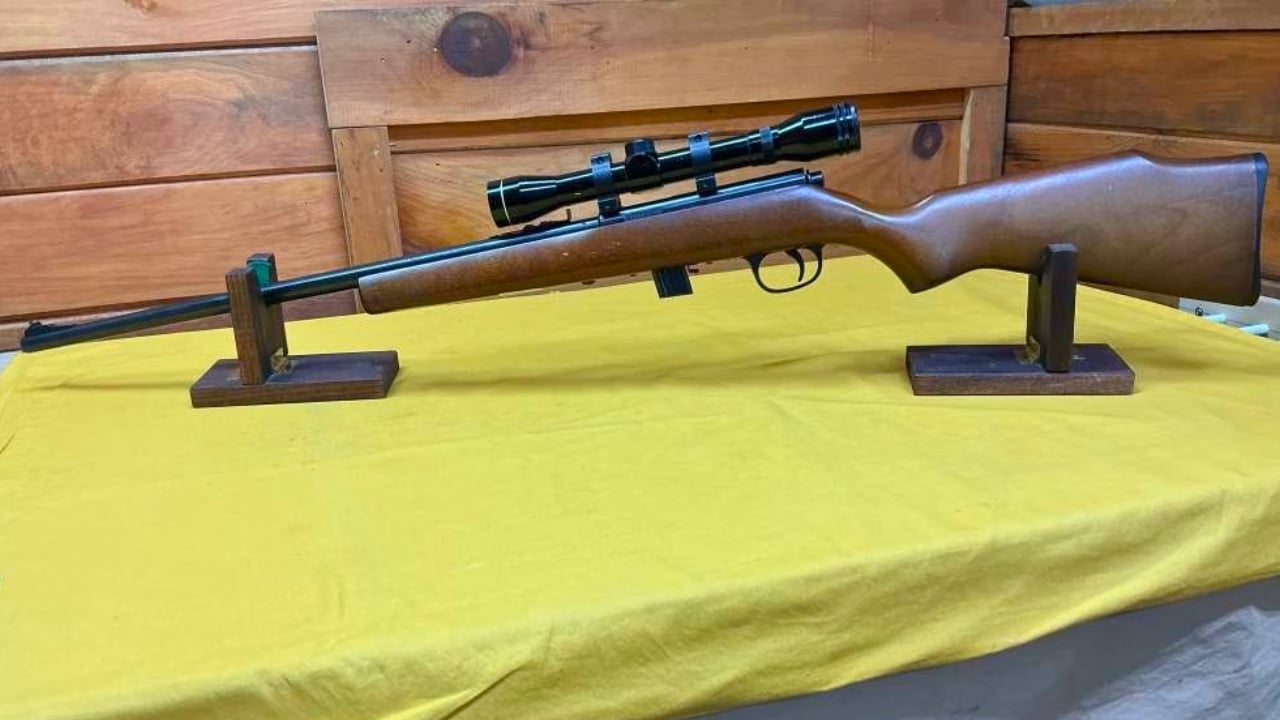
Older Model 25N rifles are a reminder that used .22 bolt actions can offer almost absurd value. The rifle is mechanically straightforward, light enough to carry anywhere, and accurate enough for small-game hunting and casual target use.
There is very little on the gun that exists to impress anyone. That is part of the charm. A clean example can spend decades behind a truck seat, around a farm, or leaning in a hunting cabin and still do exactly what a rimfire rifle is supposed to do. New premium rimfires may have adjustable stocks, threaded barrels, and match triggers, but the humble Marlin can still put inexpensive .22 ammunition exactly where most owners need it.
Stevens 301 Turkey

The 301 Turkey takes one of the cheapest possible shotgun actions and turns it into a very focused hunting tool. The break action is mechanically simple, the barrel is short and handy, and turkey-oriented configurations give hunters a practical platform without forcing them to spend semiautomatic money for a gun that may only fire a handful of shots each season.
That is where the financial logic becomes hard to ignore. Turkey hunting usually comes down to one carefully placed shot. A $1,000 shotgun may cycle faster and feel more refined, but it does not automatically make that first shot more effective. The 301 is specialized and recoil can be noticeable because of the low weight, yet for its intended job it offers an enormous amount of usefulness for surprisingly little money.
Walther P1
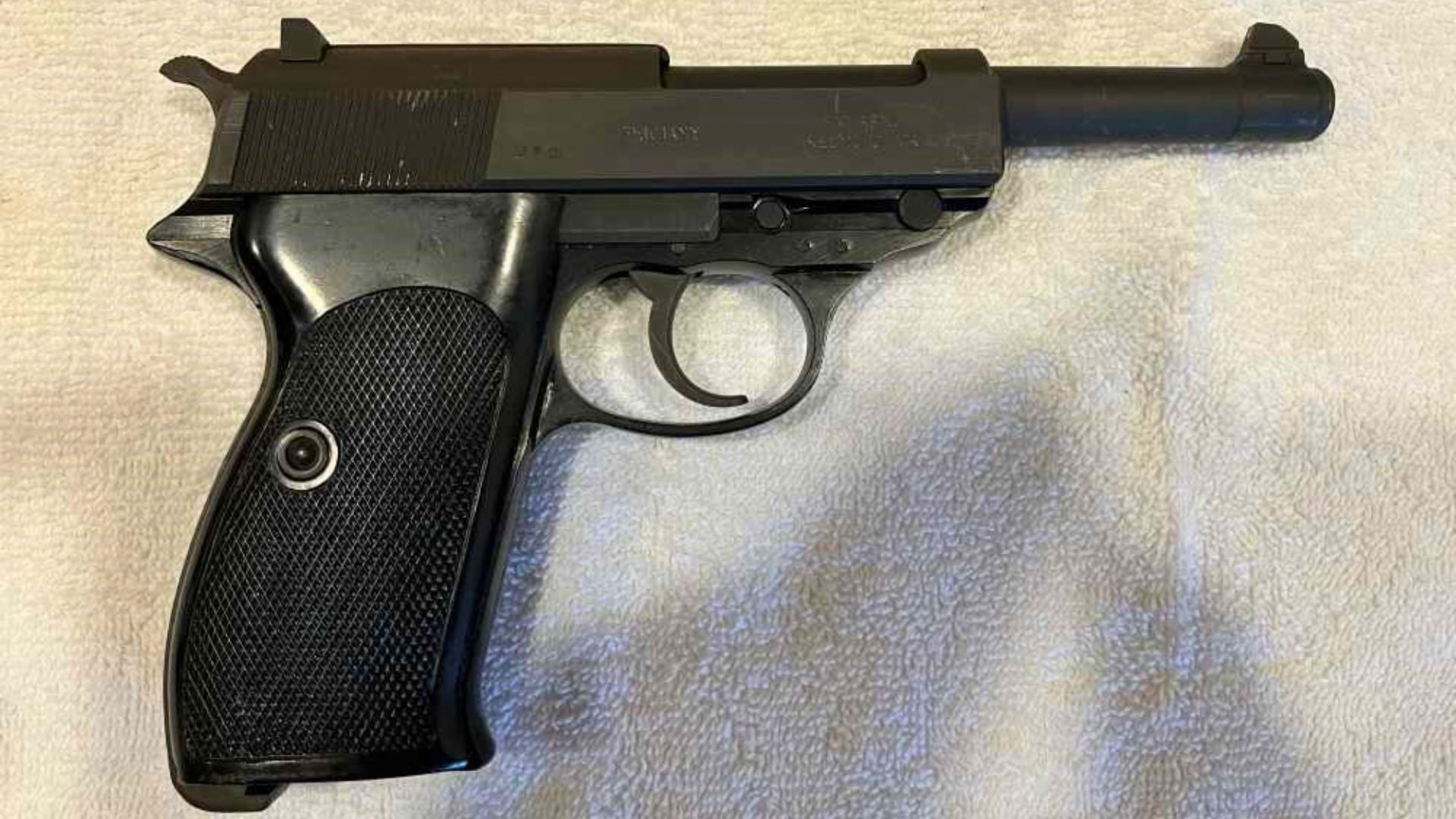
The P1 is essentially the postwar aluminum-frame evolution of the famous P38 design, and surplus examples can still offer an unusual amount of history and shooting enjoyment without requiring collector-level money. The DA/SA trigger and open-slide layout feel distinctly old-school, but the pistol remains comfortable and mechanically interesting.
At the range, 9mm recoil is mild and the grip angle is surprisingly natural. The sights are small compared with current duty pistols, yet the gun remains accurate enough for recreational shooting. Nobody should mistake it for a modern carry pistol, but that is not the point. For someone wanting a historic metal-framed handgun they can actually shoot, a P1 often delivers much more enjoyment per dollar than a pristine collectible that stays in the safe.
Franchi I-12
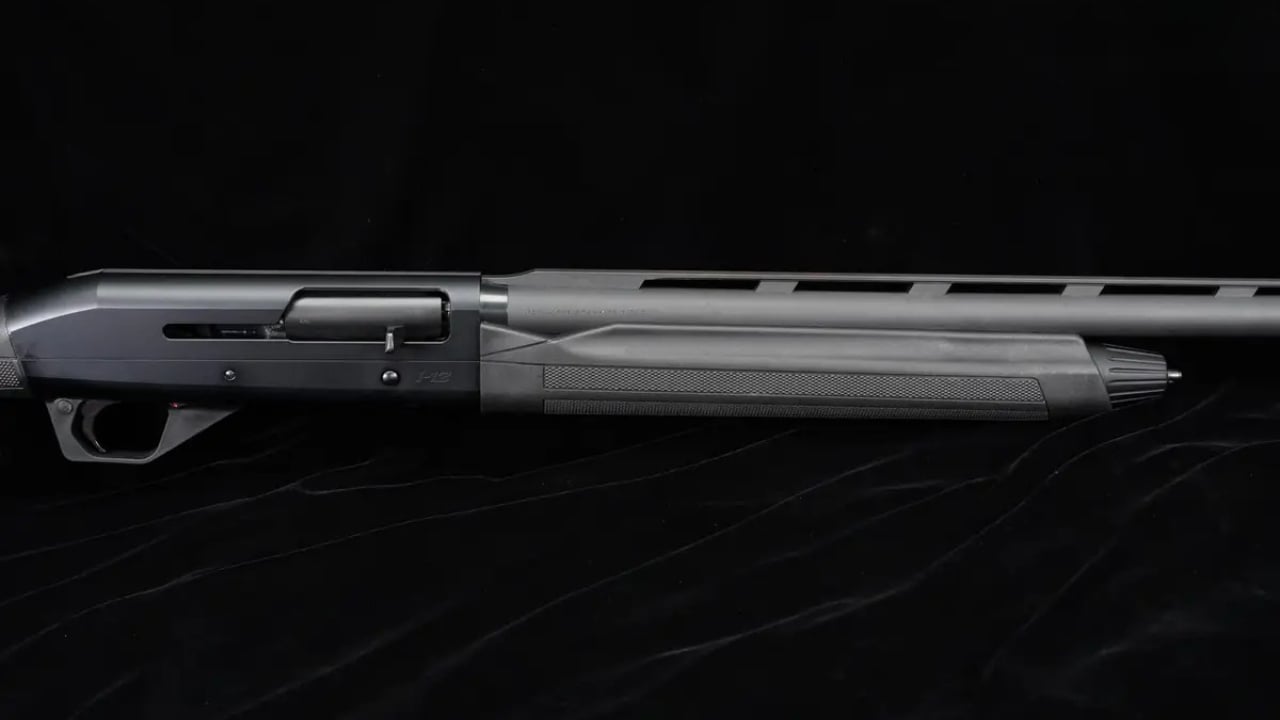
The I-12 is an overlooked inertia-operated Franchi that can become particularly attractive on the used market. It gives you a lightweight semiautomatic action without automatically charging the premium associated with more famous inertia guns, and the field-oriented configuration keeps the shotgun practical rather than overly specialized.
Hunters benefit most from the combination of light weight and straightforward operation. There is no conventional gas piston to foul heavily, and the gun carries comfortably during long upland hunts. It may lack some of the modern recoil treatments and styling of newer models, but the underlying function is still there. A clean used I-12 can make spending twice as much on a field semiautomatic feel like paying primarily for refinement.
NEF Pardner Pump
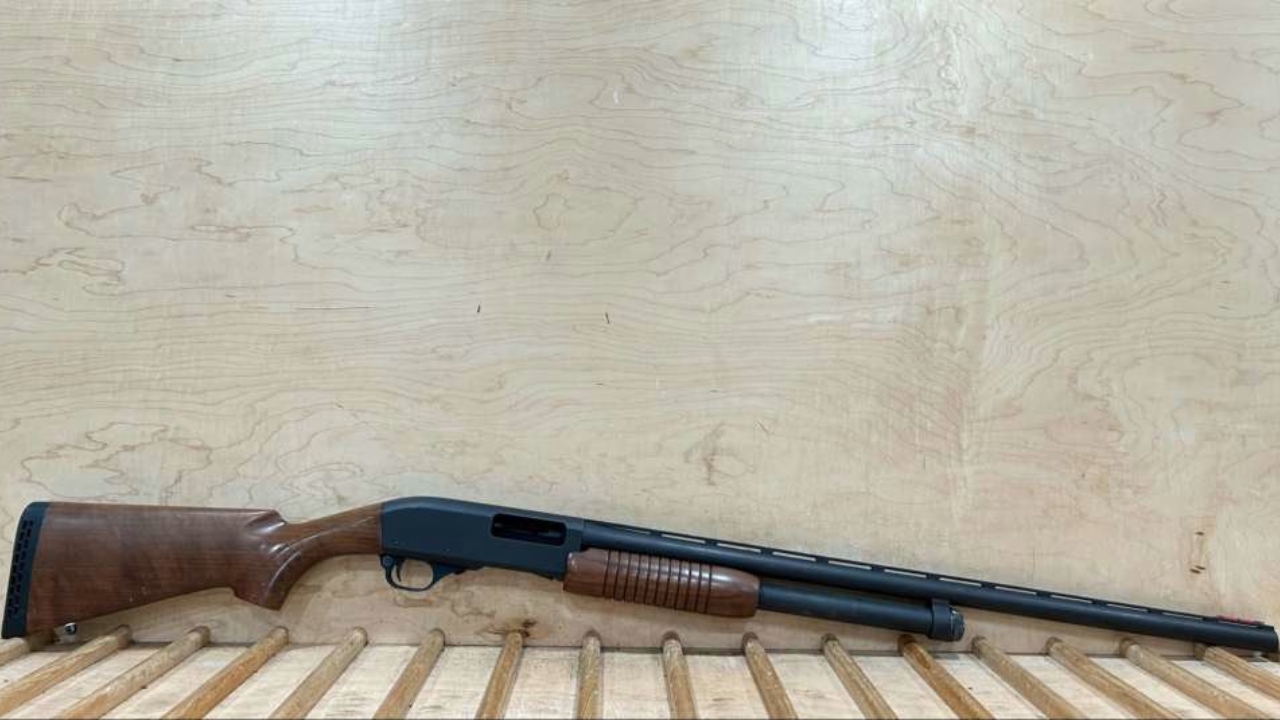
The Pardner Pump is heavy, basic, and about as far from a prestige shotgun as you can get. That is also why it can make so much sense. The design is straightforward, the steel receiver gives it an almost overbuilt feel, and used examples can cost very little compared with more fashionable defensive or field pumps.
The extra weight is noticeable when carrying it all day, but it helps soften recoil and gives the gun a substantial feel during shooting. Controls and finishing are basic, yet the shotgun can cover property use, hunting, or general utility without requiring a major investment. If a firearm is likely to live a rough life, spending four figures on something prettier may not actually improve the job it performs.
Like The Avid Outdoorsman’s content? Subscribe to our newsletter so you never miss an article.
Here’s more from us: