Photo credit: Makhh/Shutterstock.com
Carry caliber debates never really die. Some people defend their favorite round because it worked for their grandpa, because they already own the gun, or because one perfect example online convinced them it was “good enough.” Sometimes they are right that the caliber can work. That is not the same as saying it is a smart choice for most people.
A good carry caliber should be controllable, reliable, easy to practice with, easy to find, and capable with modern defensive ammunition. Some rounds miss too many of those marks. These are the carry calibers people still defend, even though most shooters would be better served by something more practical.
.25 ACP

The .25 ACP has defenders because the pistols chambered for it are tiny and easy to hide. That argument makes some sense. A little pistol in a pocket is more useful than a better pistol left at home. But that is about the only strong point this caliber has left.
The problem is performance. The bullets are small, light, and not especially confidence-inspiring. Many .25 ACP pistols also have poor sights, rough triggers, and questionable reliability because they were built as cheap pocket guns. It is better than nothing, but that is a weak standard for something you may have to trust with your life.
.32 ACP

The .32 ACP gets defended by people who appreciate low recoil and old European pocket pistols. It is pleasant to shoot compared with many tiny .380s, and that matters for people with hand-strength or recoil issues. In a well-made pistol, it can be surprisingly easy to control.
Still, it is hard to recommend as a main carry caliber today. It gives up too much power compared with 9mm and even many .380 options, while not always being much cheaper or easier to find. For collectors and recoil-sensitive shooters, it has a place. For most carriers, it is a compromise that people defend mostly because they like the guns.
.32 S&W Long
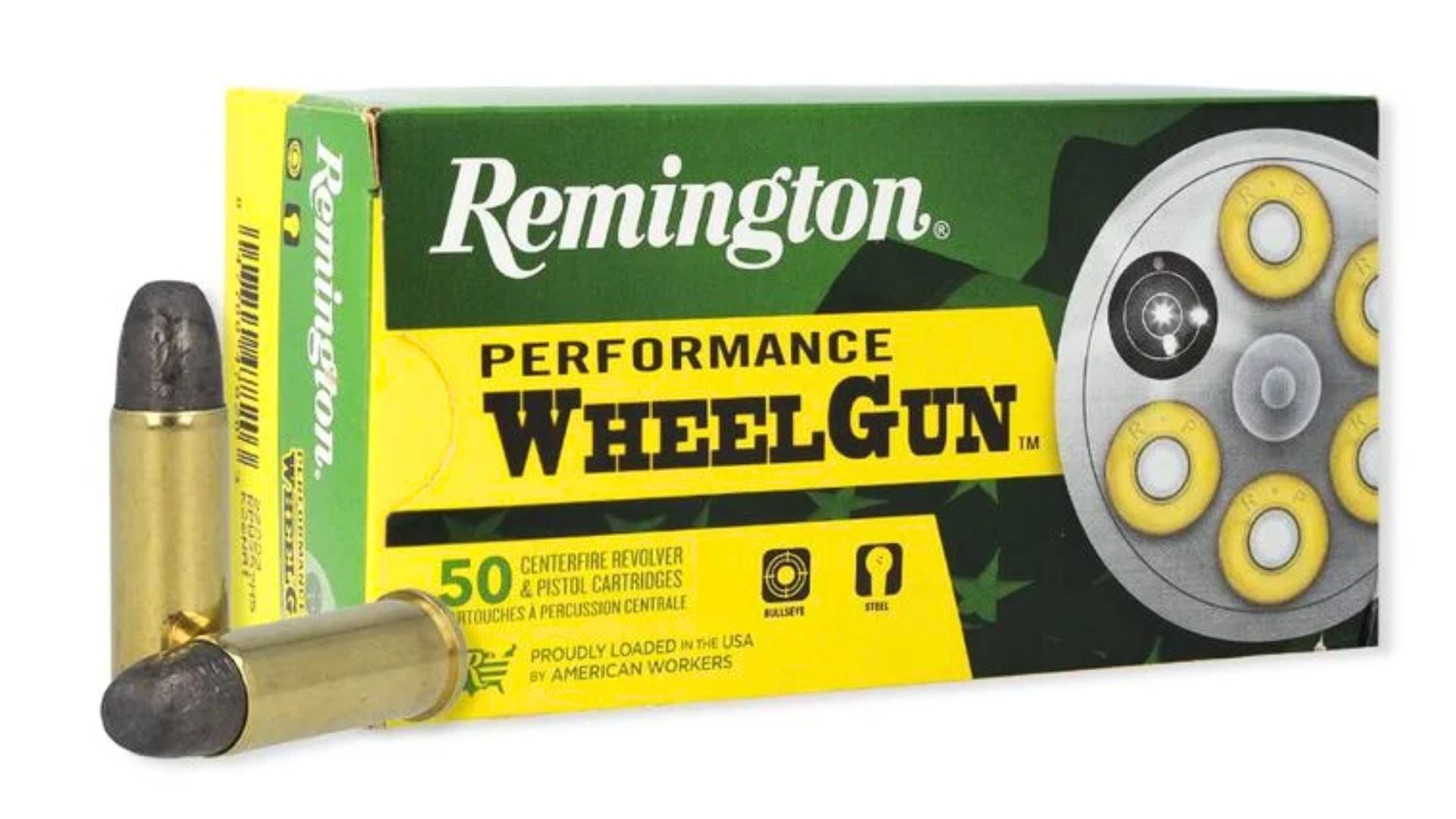
The .32 S&W Long is accurate, soft-shooting, and pleasant in old revolvers. That is why some revolver fans still speak well of it. For slow target work or casual shooting, it can be charming.
As a carry caliber, though, it is badly outdated. It does not bring the penetration, energy, or defensive ammo support most people should want. The guns are usually older, capacity is low, reloads are slow, and the cartridge does not offer enough advantage over modern choices. It is fun history, not a serious everyday carry answer.
.32 H&R Magnum

The .32 H&R Magnum is one of those calibers that sounds smarter than it really is. It offers low recoil and more power than the older .32 revolver rounds. In a small revolver, that can look like a nice middle ground.
The trouble is that .327 Federal Magnum mostly replaced its reason to exist. A .327 revolver can usually fire .32 H&R Magnum anyway, while giving more power when wanted. As a dedicated carry caliber, .32 H&R is supported by too few guns and too little ammo. It is not terrible, but it is hard to defend as a top choice.
.380 ACP from tiny pocket guns
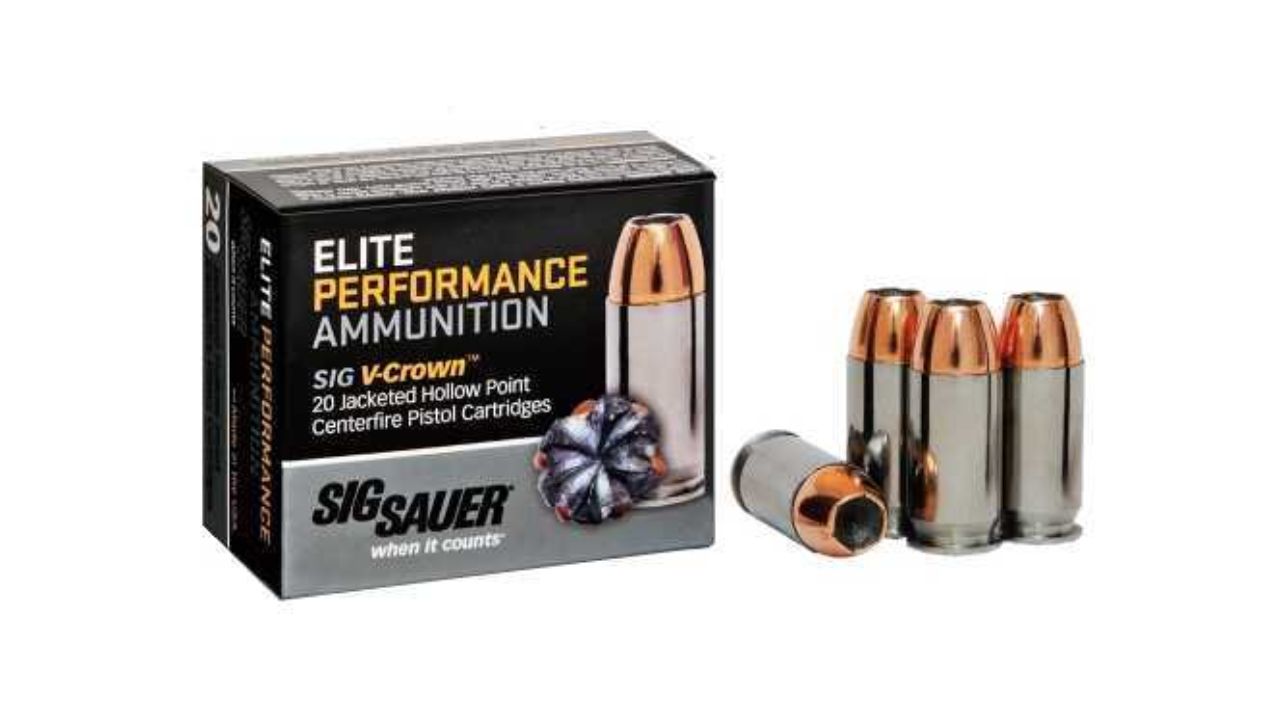
The .380 ACP is not automatically bad. In the right pistol with good ammunition, it can be a reasonable carry option. The problem is the tiny pocket .380s that people defend like they are just smaller 9mms. They are not.
Very small .380 pistols often have sharp recoil, tiny sights, short grips, and stiff triggers. They are easy to carry but harder to shoot well than people expect. The caliber already gives less margin than 9mm, and the smallest guns make that worse. A bigger, more shootable .380 is one thing. A miserable little pocket gun is another.
.22 LR

The .22 LR gets defended because almost everyone can shoot it. It is cheap, soft, and easy to practice with. For people with serious physical limitations, it may be the only handgun caliber they can control. That is a real point.
For everyone else, it is a poor carry choice. Rimfire ignition is not as reassuring as centerfire ignition, and the terminal performance is limited. A .22 can be deadly, but defensive shooting is not about whether something can eventually kill. It is about stopping a threat quickly. Most people should carry more gun if they can.
.22 WMR

The .22 Magnum sounds like a much better answer than .22 LR, and in some ways it is. It has more velocity, more energy, and can be useful in small revolvers for people who need very low recoil. That is why some people defend it hard.
But it still has rimfire ignition, limited bullet weight, and loud muzzle blast from short barrels. The performance people imagine often comes from rifle-length barrels, not tiny carry revolvers. It may be acceptable for a narrow group of shooters, but for most people, a small centerfire pistol makes more sense.
.22 TCM
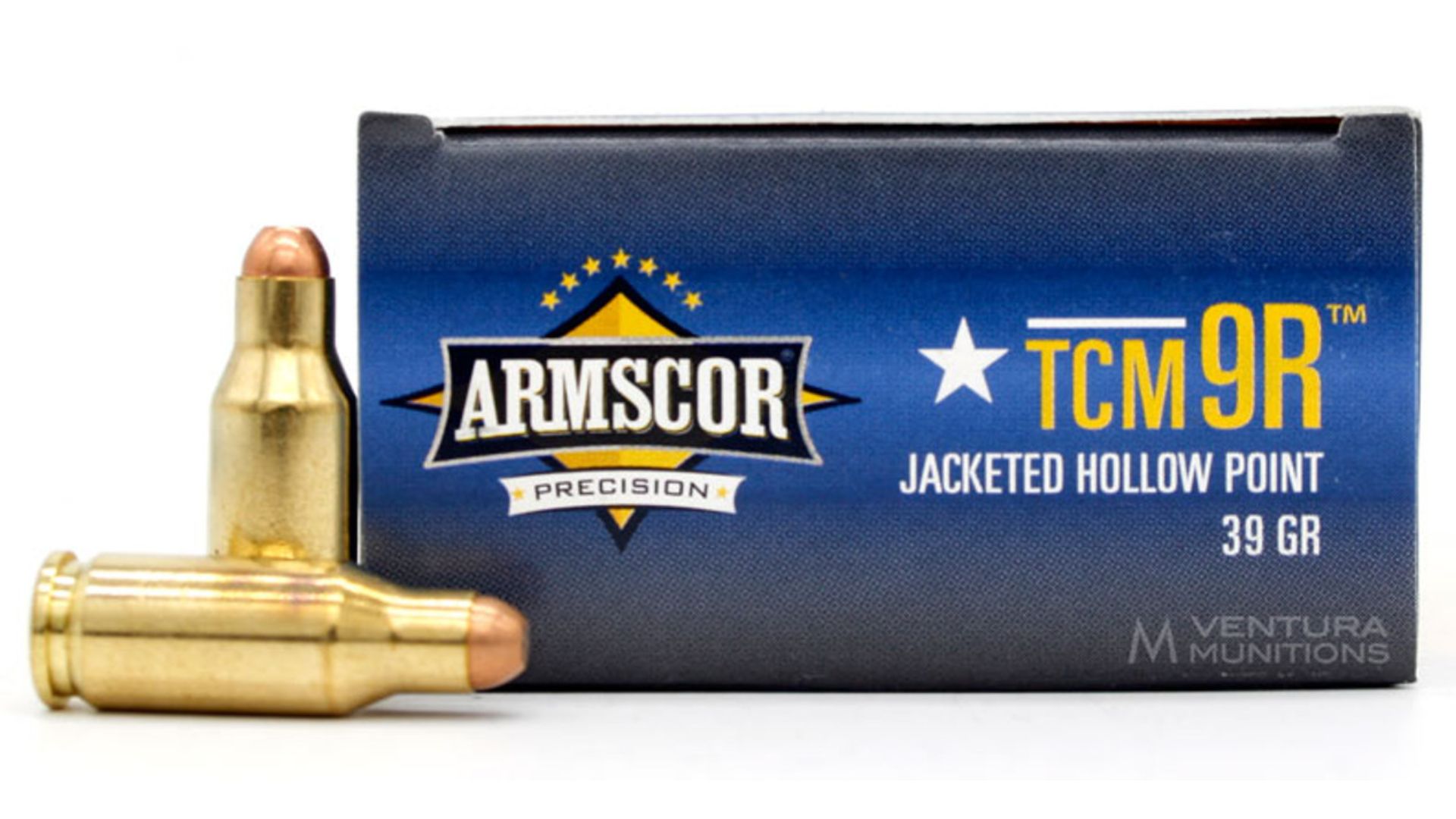
The .22 TCM has speed, flash, and a lot of novelty. People who like it will point to the velocity and low recoil, and they are not wrong that it is fun to shoot. On the range, it can feel like something special.
For carry, it is a hard sell. Ammo availability is thin, defensive load options are limited, and there are not many practical carry pistols built around it. A carry caliber needs more than interesting ballistics. It needs support, availability, and trust. The .22 TCM is more hobby cartridge than serious everyday carry choice.
5.7x28mm

The 5.7x28mm has plenty of defenders because it is light recoiling, flat shooting, and high capacity in the right pistol. It also feels modern and different, which gives it a loyal following. There are legitimate reasons people like it.
The issue is that it is not as simple as “more rounds and more speed.” Bullet selection matters a lot, ammunition is more expensive than 9mm, and many pistols chambered for it are larger than what most people want for concealed carry. It can work, but it is not the obvious defensive upgrade some fans make it out to be.
.30 Super Carry

The .30 Super Carry was built around a clever idea: more capacity than 9mm with better performance than smaller pocket calibers. On paper, that is worth discussing. The problem is that the market never embraced it the way a carry caliber needs.
People still defend it because the concept is sound. But a defensive caliber needs broad pistol support, wide ammo availability, proven loads, and easy practice. The .30 Super Carry is too niche for most people. If a carrier has to hunt for ammo and magazine support, the extra round or two stops feeling like a major advantage.
.38 Special standard pressure

The .38 Special has a long defensive history, and that history makes people defend it hard. A small revolver feels simple, safe, and familiar. For some shooters, especially those who understand revolvers well, it still has value.
The problem is standard-pressure .38 Special from a snubnose. Low capacity, slow reloads, tiny sights, heavy triggers, and modest ballistics all stack against the shooter. It can work, but it demands skill. A lot of people defend it because it feels simple, while ignoring that simple does not always mean easy.
.38 Special wadcutters
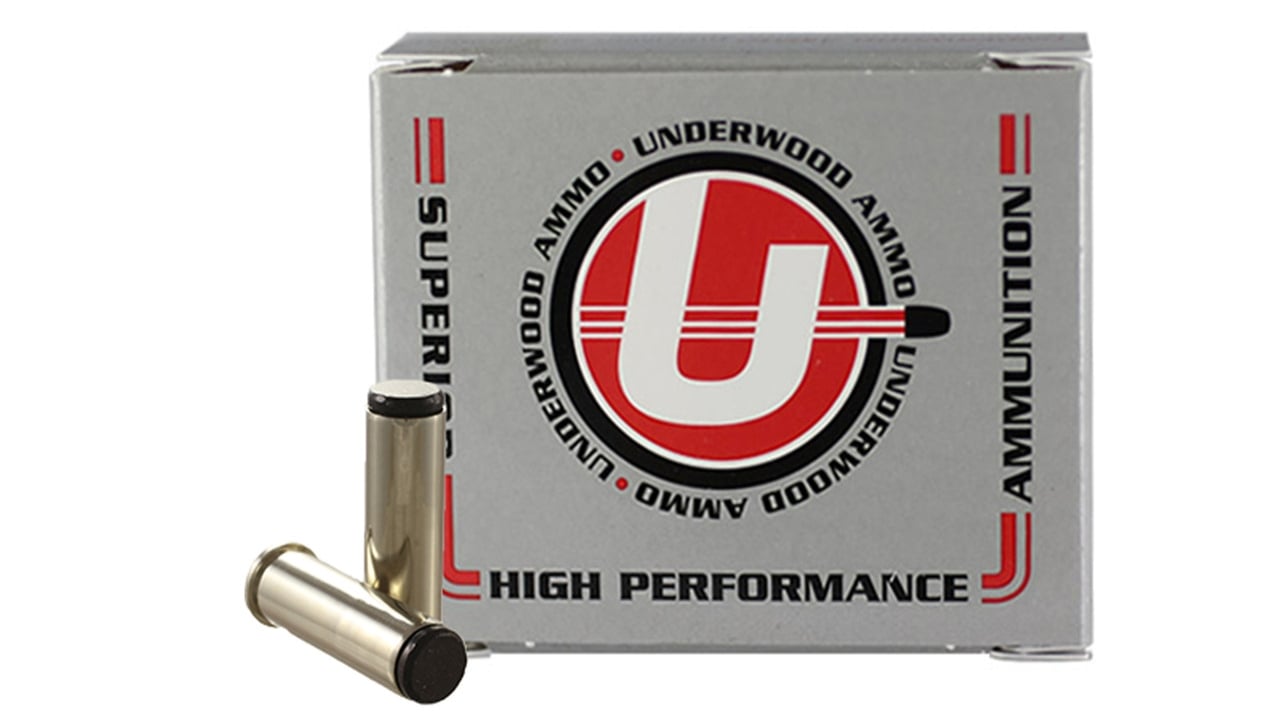
The .38 wadcutter has become a favorite among some smart revolver people, and there is a reason for that. It is soft-shooting, cuts a clean hole, and can penetrate better than some weak hollow points from snubnose revolvers. It is not a dumb choice in the right hands.
Still, it gets overdefended. A wadcutter does not fix low capacity, slow reloads, poor sights, or the difficulty of shooting a snubnose under stress. For a skilled revolver carrier, fine. For the average person looking for a carry setup, a modern compact 9mm is usually easier to defend.
.357 Magnum from lightweight snubs
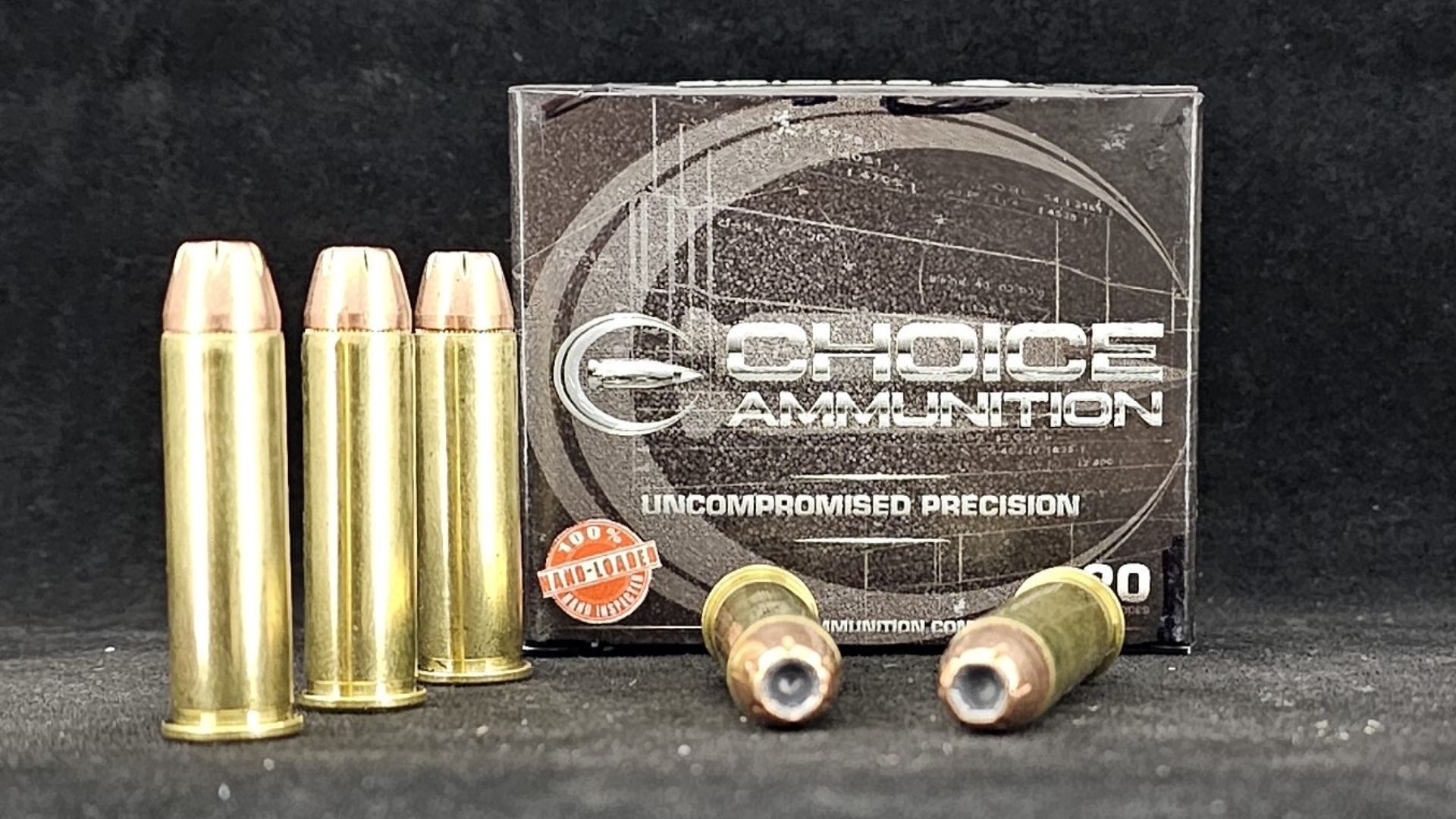
The .357 Magnum has an earned reputation for power, which is exactly why people defend it. In a service-size revolver, it can be excellent. In a lightweight snubnose, it often becomes a punishment machine.
The blast, recoil, flash, and slow follow-up shots are brutal for many shooters. Plenty of people buy lightweight .357s and then quietly load them with .38 Special because magnums are miserable. If the caliber makes you avoid practice, it is not helping you. Power means less when control disappears.
.357 SIG

The .357 SIG still has passionate defenders because it is fast, loud, and tied to law enforcement use. It can perform well with good loads, especially where barrier performance matters. It is not a weak cartridge.
But for everyday concealed carry, it asks a lot. Ammo costs more, recoil is sharper, muzzle blast is louder, and pistol options are more limited than 9mm. Modern 9mm defensive ammo has made the practical advantage harder to justify. People defend .357 SIG like it is a cheat code, but most shooters would be better off practicing more with 9mm.
.40 S&W

The .40 S&W may be the most defended “used to be king” caliber on this list. It had a huge law enforcement run and still hits harder than 9mm on paper. A lot of people built their defensive identity around it.
The problem is that most average shooters are faster and more accurate with 9mm. The .40 has sharper recoil, lower capacity than comparable 9mms, and usually costs more to practice with. It still works, but working is not enough to make it the better choice. In a modern carry gun, .40 often feels like recoil people no longer need.
.45 GAP

The .45 GAP is defended by a small group of people who liked the idea: .45-caliber performance in a shorter cartridge that fit smaller grips. That idea was not crazy when it appeared. It just did not age well.
The market moved on. Modern 9mm improved, .45 ACP stayed more common, and .45 GAP never built a strong enough ecosystem. Ammo is harder to find, pistol options are limited, and most people gain nothing practical by choosing it. It is a caliber kept alive by loyalty, not common sense.
.45 ACP in tiny pistols

The .45 ACP has an enormous reputation, and many people still trust it because of bullet size alone. In a full-size pistol, especially one that runs well, it can be a perfectly good defensive caliber. The trouble starts when it gets stuffed into tiny carry guns.
Small .45s often have heavy recoil, low capacity, and more reliability sensitivity than larger pistols. They may feel comforting in the holster, but they can be harder to shoot well under pressure. A big bullet does not make up for slow follow-ups or poor hits. Many people defend tiny .45s because they like the idea more than the reality.
10mm Auto for everyday carry

The 10mm Auto is powerful, useful, and legitimate in the right role. Woods carry, hunting backup, hog country, and animal defense are where it makes the most sense. The problem is people defending it as the best everyday concealed-carry option for normal defensive use.
For most carriers, it is too much. Full-power loads bring recoil and blast, pistols are usually larger, and practice costs more. Light loads often turn it into an expensive .40 S&W. If someone shoots it well and understands the tradeoffs, fine. But for most people, 10mm is more confidence than practicality.
.41 Magnum

The .41 Magnum has always had loyal defenders because it is powerful, interesting, and less common than .357 or .44 Magnum. In the field, it can be a great revolver cartridge. For hunting and woods use, it deserves respect.
As a carry caliber, though, it is hard to justify. Revolvers chambered for it are usually large, ammo is not common, recoil is real, and defensive load support is limited. People defend it because they love the cartridge, not because it makes sense for most concealed carriers.
.44 Special
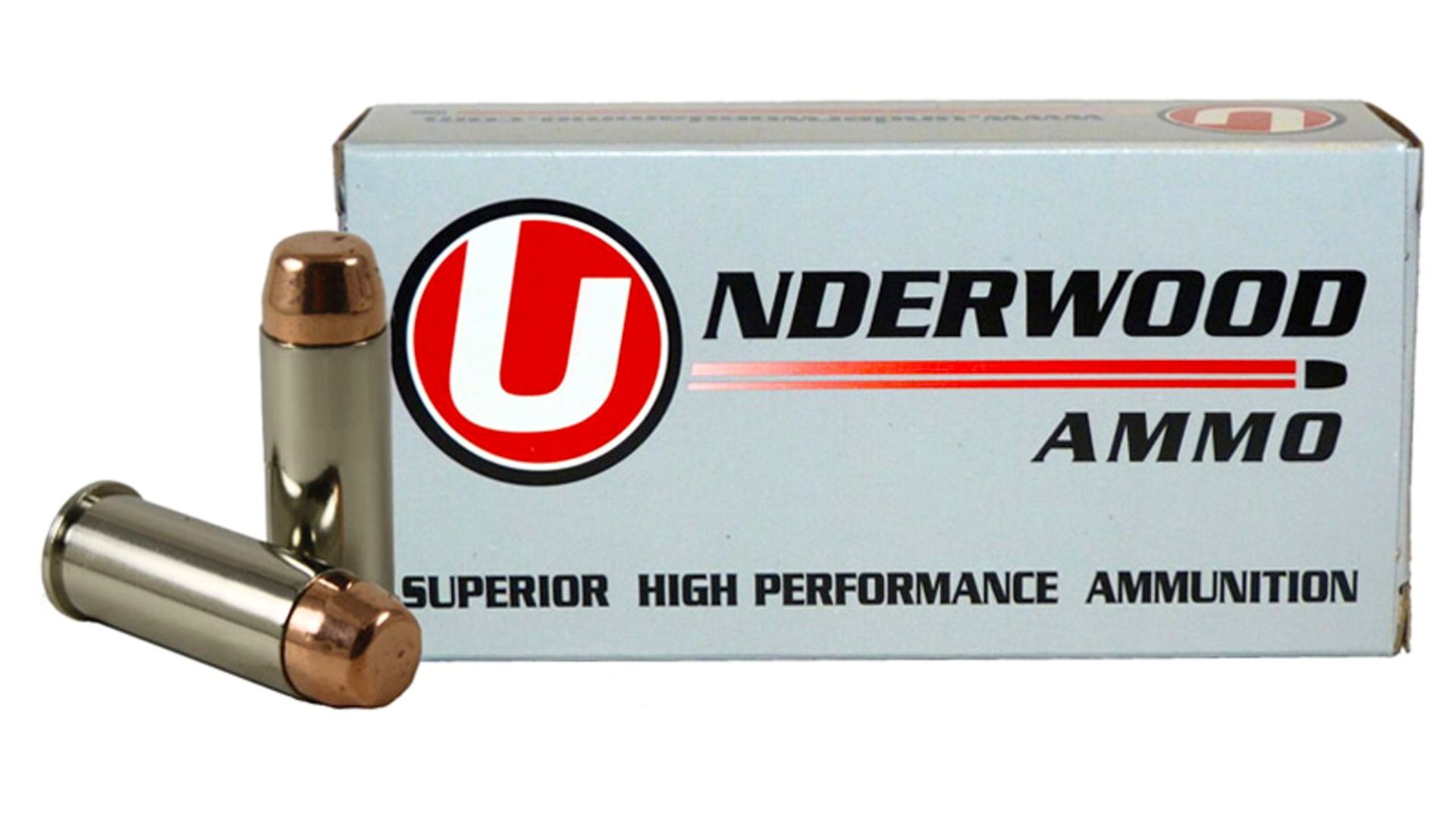
The .44 Special is loved by revolver fans who appreciate a big, slow bullet without .44 Magnum recoil. In the right gun, it is accurate and pleasant. It has old-school charm and enough power to make people feel well armed.
But it is still usually tied to larger revolvers with limited capacity and slow reloads. Ammo support is nowhere near 9mm, and modern defensive options are limited. A skilled revolver shooter may carry it well. For most people, it is a romantic choice more than a practical one.
.44 Magnum
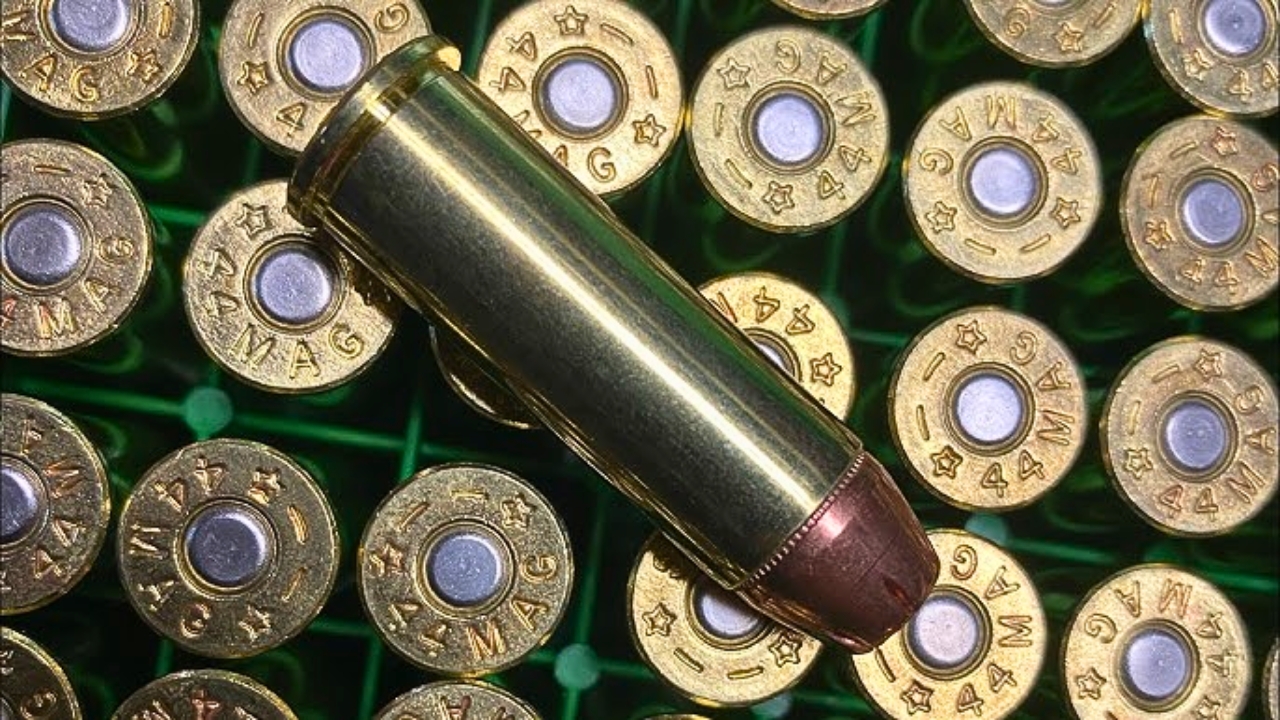
The .44 Magnum is powerful enough that people defend it almost automatically. Nobody wants to be the guy saying a .44 is not enough. The issue is not whether it is powerful. The issue is whether it is practical for carry.
For everyday personal defense, it is too large, too loud, too heavy-recoiling, and too slow for many shooters. It makes more sense in the woods than under a T-shirt. People defend it because power feels reassuring, but defensive shooting is about fast, accurate control. The .44 Magnum gives many people more blast than benefit.
.410 shotshell handguns
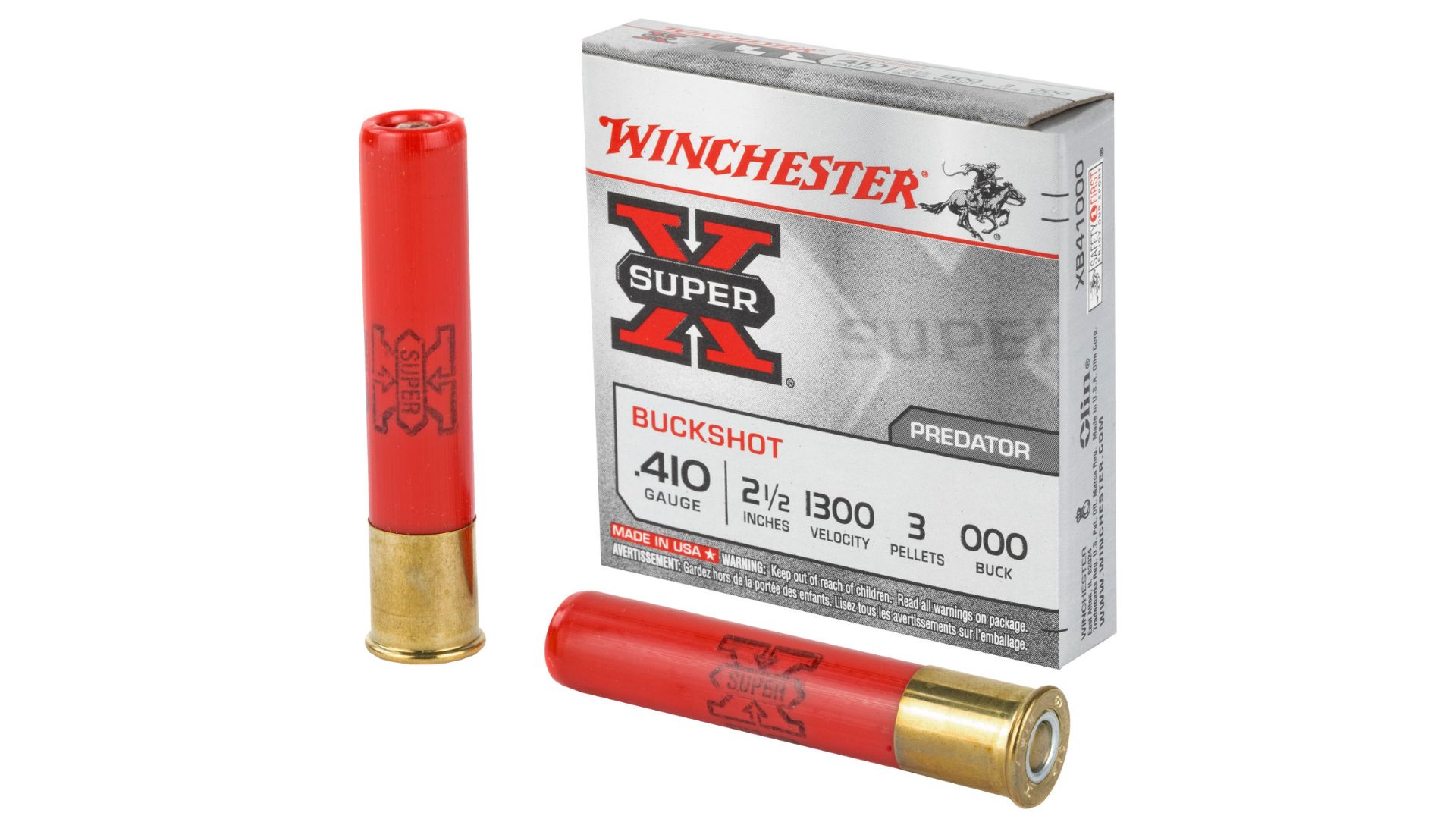
The .410 handgun idea may be the most stubbornly defended carry setup around. People like the thought of a mini shotgun in a revolver. It feels simple, intimidating, and forgiving. That is exactly why it sells.
The problem is that a short-barreled handgun does not turn .410 into real shotgun performance. Patterning can be unpredictable, penetration can disappoint, and the guns are often bulky for what they deliver. They look serious, but looking serious is not the same as being the best defensive choice.
Like The Avid Outdoorsman’s content? Subscribe to our newsletter so you never miss an article.
Here’s more from us: