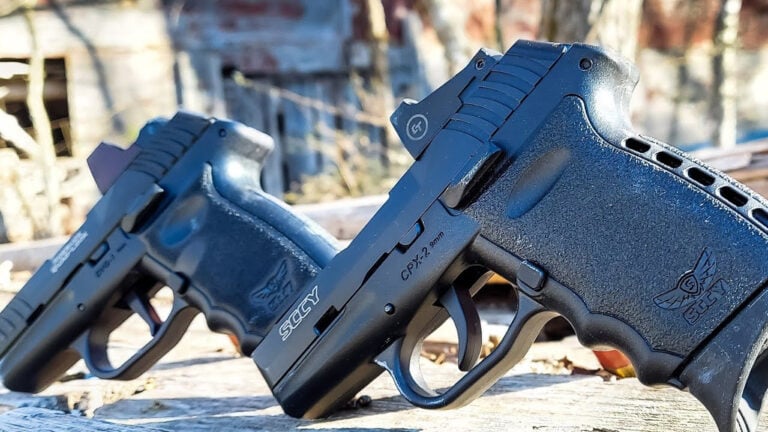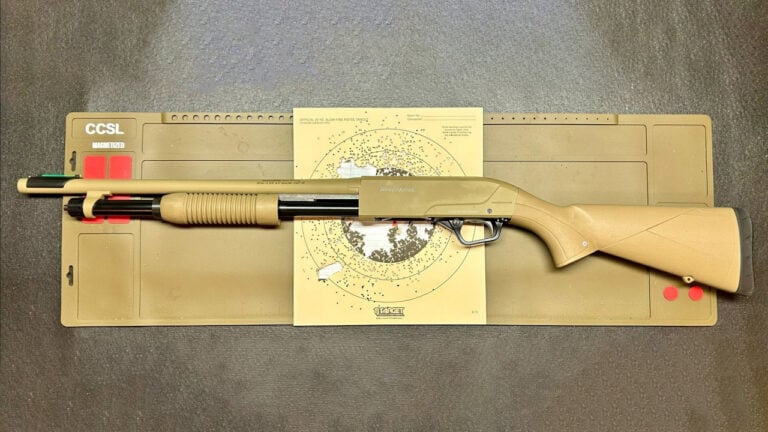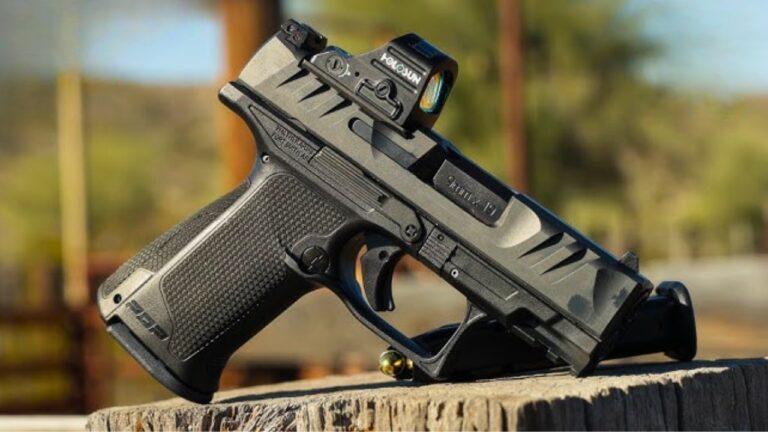
Photo credit: Mrgunsngear Channel/YouTube
When a gun handles like it was built for you, you start trusting it fast. It carries easy, comes to the shoulder without thinking, and makes you want to shoot more. The problem is that “handles great” and “holds zero” aren’t the same thing. Lightweight stocks flex. Takedown systems return close—but not always identical. Some platforms punish scope mounts and tiny screws. Add in humidity, sling tension, and a rushed mount job, and you can spend a whole range session chasing a wandering point of impact.
If your zero keeps moving, don’t assume you forgot how to shoot. Start with the boring stuff: base screws, ring torque, action screw torque, and anything that can shift under recoil. Then look at how the gun is built—barrel bands, two-piece stocks, takedown joints, and optic plates. These are the guns that feel great in the hands, but can make you work harder to keep them printing where you aimed.
Ruger 10/22 Takedown

A 10/22 Takedown carries like a little mountain rifle and points fast, which is why you end up grabbing it for truck duty and small-game walks. The zero drama usually shows up after you’ve pulled it apart a few times. The barrel-to-receiver joint returns very close, but tiny changes in tension or grit in the interface can shift point of impact.
If your optic sits on the receiver rail, you’re asking the barrel assembly to line up the exact same way every time. Keep the mating surfaces clean, set the takedown setting so lockup feels consistent, and mark your setting so it stays put. If you want the most repeatable results, a barrel-mounted optic setup or sticking with irons takes the joint out of the equation.
Ruger PC Carbine

The PC Carbine is a handy little 9mm that feels balanced, feeds well, and makes range days fun. It’s also a takedown, and that’s where “won’t hold zero” complaints often start—especially when you’re mounting an optic on the receiver and taking the gun apart for transport. The barrel assembly can return a hair differently when the collar tension changes.
The fix usually isn’t magical. Make sure the takedown collar is set for firm, repeatable lockup and that you aren’t over-greasing the interface where grit can live. Confirm your rail screws and ring torque, and avoid mounting anything that bridges receiver to handguard. Then shoot a group after reassembly to see what it does. If you keep it assembled most of the time, the PC tends to settle down and behave like any other carbine.
Norinco/Chinese SKS with receiver-cover optic mounts

An SKS is easy to carry, easy to run, and it shoulders well in the woods. The trouble starts when you try to turn it into a scoped rifle with a receiver-cover mount. Those dust covers were never meant to be precision mounting surfaces, and many aftermarket versions shift under recoil or after routine cleaning.
If you’re watching your zero walk, it’s usually the mount, not the rifle. The cover can move a hair side to side, the retaining pin fit varies, and the whole setup can change when you pop it off to clean the gun. The most honest setup is irons or a solid, purpose-built mount that doesn’t rely on a removable cover. Otherwise, you’ll keep re-zeroing instead of shooting.
Springfield Armory M1A
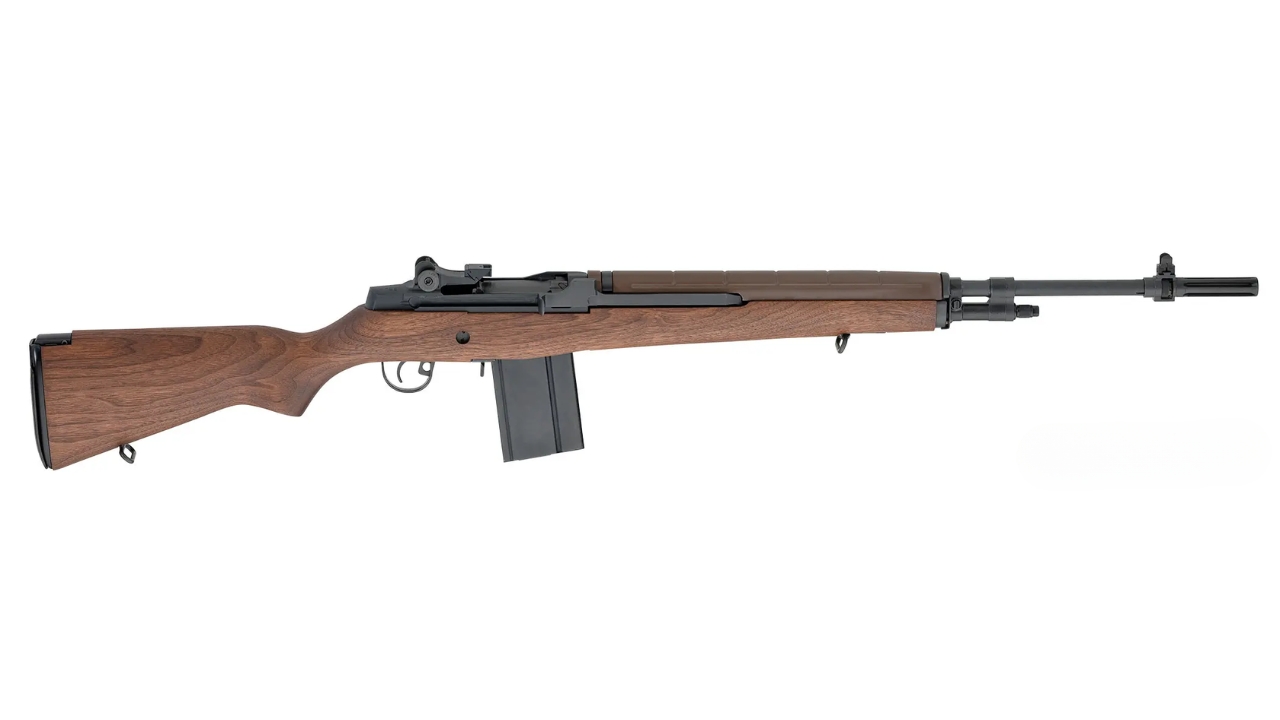
The M1A handles like a classic battle rifle and feels steady offhand, but optics can turn into a long-term project. The rifle’s recoil impulse, receiver geometry, and operating system all put stress on mounts, and “it was zeroed last trip” can turn into a mystery shift you didn’t earn. Even a small mount shift shows up fast at 100 yards.
Quality mounts help, but the real key is fit and torque. A mount that isn’t mated to the receiver, or screws that aren’t properly tightened, can loosen over time. Keep an eye on mount screws, check ring caps, and make sure nothing is contacting the op rod or messing with function. Paint-pen witness marks on screws make movement obvious. The M1A can run a scope well, but it demands better mounting habits than a typical bolt gun.
Marlin 336

A Marlin 336 carries like it was made for deer season. It’s short, lively, and fast on target. Where zero drift can creep in is the way the fore-end and magazine tube interact with the barrel. Barrel bands and wood pressure points can change with sling tension, temperature, and how you rest it on bags.
If your first cold group looks great and the next trip lands somewhere else, start by checking every screw—especially the fore-end cap or band screws and the scope base screws. Try shooting with a light grip on the fore-end and avoid hard pressure on a rest right at the band. A receiver peep sight often stays rock-solid on these rifles, and a properly mounted low-power optic can too, as long as the fore-end isn’t fighting the barrel.
Henry Big Boy X

The Big Boy X is a slick-handling lever gun that’s easy to live with and quick to shoulder. The “won’t hold zero” story usually isn’t about the barrel being bad—it’s about how everything hangs together. Like many lever guns, you’ve got fore-end hardware and barrel bands that can influence barrel harmonics and point of impact.
If you’re running an optic, verify the base screws and ring tension, then look at the fore-end and band screws. Tiny changes there can move impact more than you’d expect, especially with a tight sling or a hard rest. Keep your support hand and rest position consistent and don’t crank on the fore-end screws like you’re building a deck. Once the hardware is settled, these rifles can shoot predictably, but they don’t tolerate sloppy torque.
Winchester Model 70 Featherweight

A Model 70 Featherweight feels like the right kind of deer rifle—trim, balanced, and built to carry all day. If you see a wandering zero, it’s often the stock rather than the barreled action. Wood moves with seasons and humidity, and even some synthetic stocks can put uneven pressure on a thin sporter barrel.
The usual suspects are action screw torque changes, a pressure point that comes and goes, and scope base screws that weren’t properly seated. Keep your guard screws torqued consistently, and pay attention to whether the barrel is touching the stock in different weather. A light bedding job or at least stabilizing the recoil lug area can make a Featherweight behave. You still get the handling you bought it for, without guessing where the next group will land.
Remington 700 Mountain Rifle

A 700 Mountain Rifle carries like a dream and is easy to shoot from field positions. It’s also the kind of light, thin-barreled setup where small changes show up on paper. A flexible stock, shifting barrel contact, or guard screws that back off can make you think the scope went bad.
Start with the basics: bases, rings, and proper screw length so you aren’t bottoming out in the receiver. Then look at the stock. If the barrel isn’t consistently free of contact, your point of impact can move with temperature, rest position, or even how hard you pull it into your shoulder. These rifles often respond well to consistent torque and a little bedding work. Once that’s handled, the Mountain Rifle can stay honest trip after trip.
Tikka T3x Lite

A T3x Lite is one of those rifles you grab without thinking because it’s light, smooth, and it shoots well for most people. When zero doesn’t stay put, it’s usually because the rifle is so light that stock flex and support pressure matter more than they would on a heavier gun.
If you run a bipod or crank down hard on a sling, the fore-end can flex enough to change barrel pressure, especially if the barrel channel is tight. Keep your action screws torqued the same way every time, and watch how you rest the rifle on bags. On some setups, swapping to a stiffer stock or bedding the action tightens everything up. The rifle isn’t “inaccurate”—it’s sensitive, and it rewards steady technique.
Kimber 84M / 84L
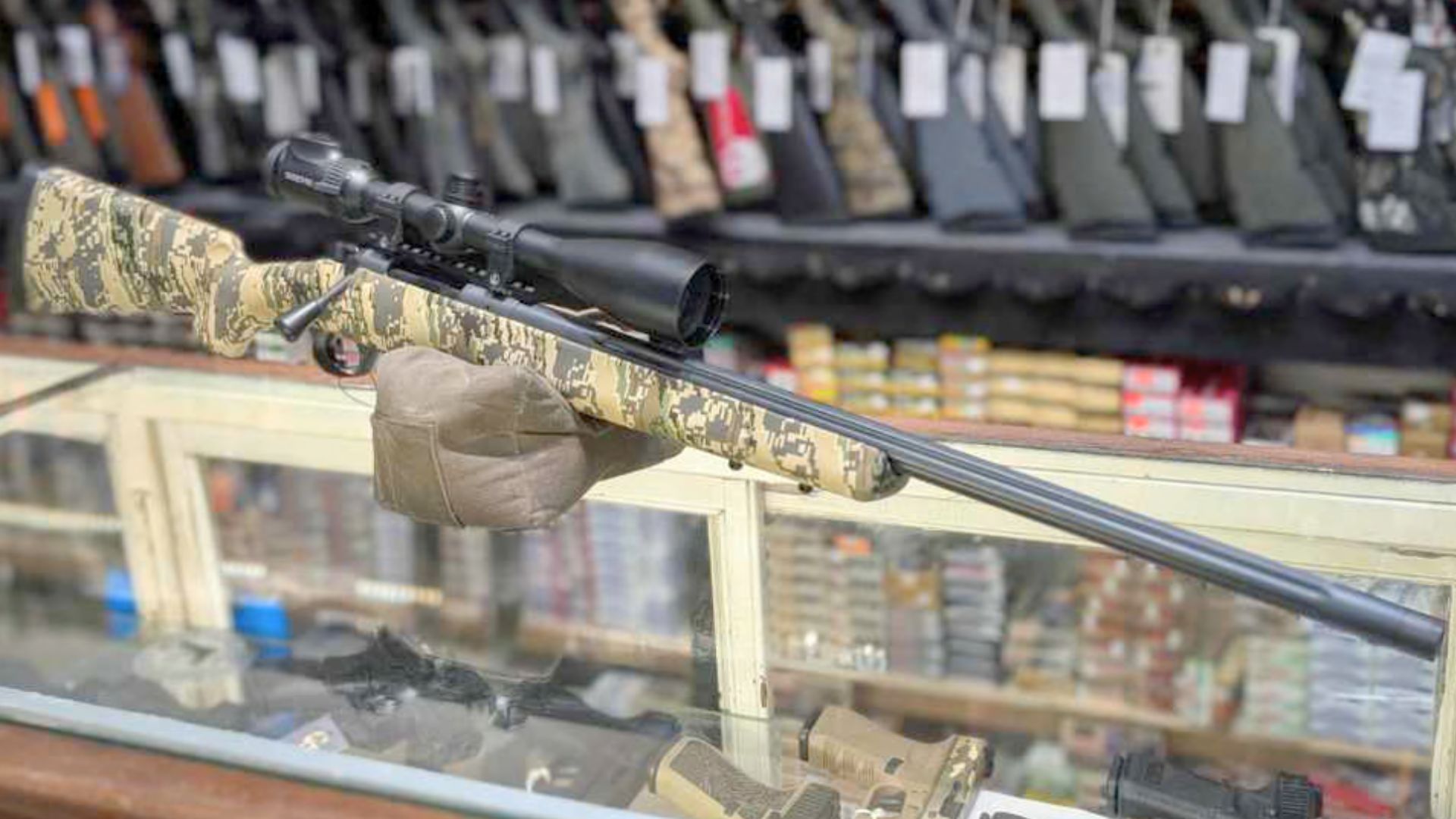
A Kimber 84 carries like a walking stick and feels built for steep country. That featherweight feel is also why they can be picky about how everything is tightened down. When you see a zero shift, it’s often a stock fit or torque issue, not a barrel that forgot how to shoot.
Light rifles don’t hide problems. If the action bedding isn’t perfect, or the guard screws aren’t torqued consistently, point of impact can move between trips. Add ultralight mounts and tiny scope rings, and you’ve got more places for things to slip. Use quality rings, torque them properly, and keep an eye on the action screws after a few boxes of ammo. When the bedding and hardware are squared away, these rifles can shoot far better than their weight suggests.
Savage 110 Ultralite

The 110 Ultralite is easy to carry and fast to settle behind, which is the whole reason you bought it. A rifle that light can also punish anything that isn’t tight. If your zero wanders, the first place to look is the connection points: rail screws, ring caps, and the action screws in that lightweight stock.
Carbon-wrapped barrels can shoot extremely well, but they still need a stable platform. If the stock flexes or the action shifts even a hair under recoil, your point of impact won’t be consistent. Make sure your base screws are properly torqued and not too long, and keep your rest position consistent. Many Ultralites settle down with a stiffer stock or bedding work, but even before that, good mounting habits solve a lot of the “won’t stay zeroed” reputation.
Ruger M77 Hawkeye Compact / Ultralight

The Hawkeye Compact and Ultralight models handle great, especially in thick woods. Ruger’s integral ring system is strong, but it still demands proper fit and torque. If your zero shifts, it’s often because the rings weren’t seated evenly or the action screws weren’t tightened consistently—especially with a light rifle that gets carried and bumped around.
Pay attention to ring alignment and clamp tension, then check the action screws after a few range trips. The M77-style angled front screw can change how the action beds in the stock if torque isn’t consistent, and that can move point of impact. Also watch for any stock contact that changes when you use a sling or rest it on a barricade. When you treat the hardware like part of the accuracy system, these little Rugers stay dependable.
Glock 19 MOS with a red dot

A Glock 19 MOS feels ready for work the moment you pick it up. Add a dot and you can shoot faster—until the zero starts drifting. The pistol usually isn’t the problem. The weak link is often the mounting stack: plate fit, screw length, and tiny fasteners taking a beating every cycle.
Use a quality plate that fits tight, confirm you have the correct screws for your optic, and torque them properly with thread locker where appropriate. If screws bottom out or the plate rocks, your dot can shift without you noticing until the target tells on you. Also keep an eye on your irons if they’re part of the plate system. With the mounting handled the right way, a 19 MOS will hold a dot zero well. With sloppy hardware, it will not.
SIG Sauer P320 M17 / M18

The M17/M18 points naturally and carries well, which is why so many people like it with an optic. The “can’t keep zero” complaints usually trace back to the optic plate and screws, not the barrel or slide. If the plate isn’t seated perfectly or the screws loosen, the dot can shift a little at a time.
Run the correct screw set for your optic and avoid over-torquing, which can strip threads or distort the plate. A dab of proper thread locker and a torque wrench go further than guesswork. After your first few hundred rounds, recheck everything, because that’s when the parts finish settling. Also watch for any interference from the rear sight plate setup, depending on how your gun is configured. The P320 can be solid with a dot, but it demands careful mounting.
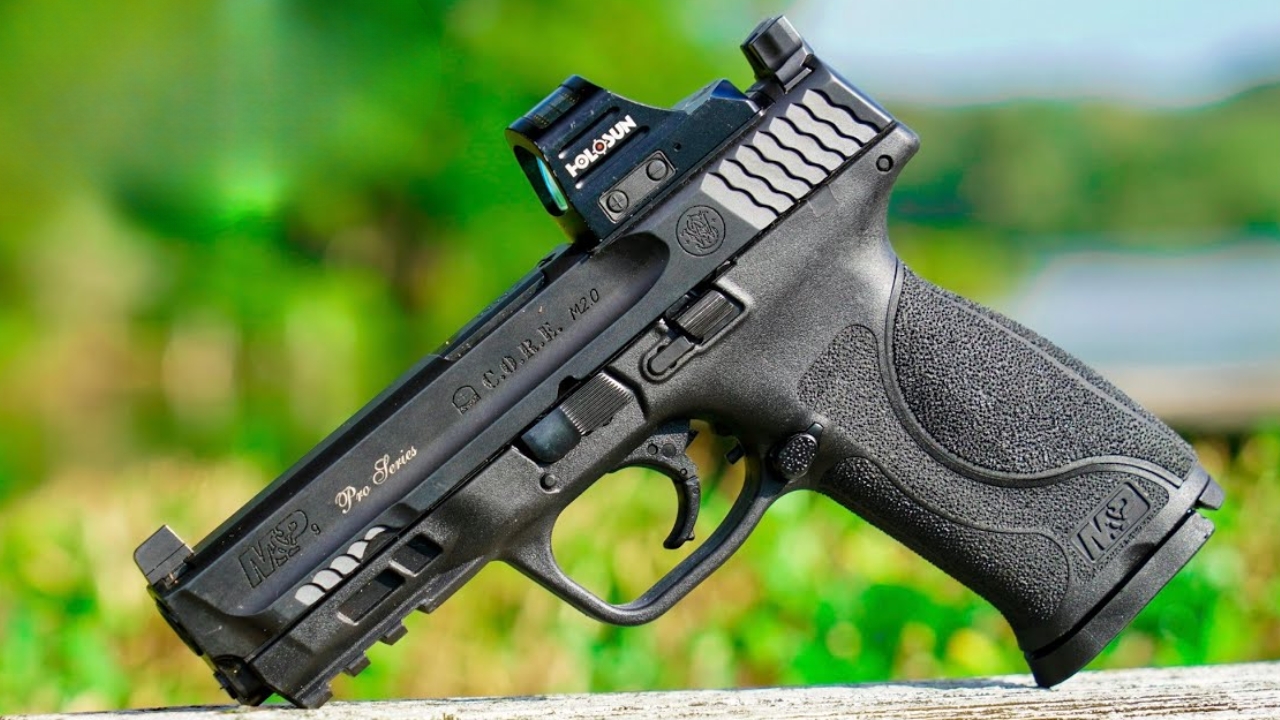
Smith & Wesson M&P9 M2.0 CORE

The M&P CORE guns feel great in the hand and shoot flat, which makes them easy to like as a duty-style pistol. When the dot won’t stay put, the culprit is often the same as every other optics-ready pistol: plate fit and thread bite. A plate that doesn’t sit flat, or screws that aren’t the right length, can let the optic shift under recoil.
The fix is detail work. Make sure the plate is seated cleanly with no debris underneath, confirm the correct screws for the optic and plate, and torque them correctly. If you’ve got movement, don’t keep sending rounds and hoping it fixes itself. Check the screw heads for peening and the plate for any rocking. Once the hardware is dialed in, the M&P holds zero well and lets you focus on shooting instead of chasing a wandering dot.
Like The Avid Outdoorsman’s content? Subscribe to our newsletter so you never miss an article.
Here’s more from us: