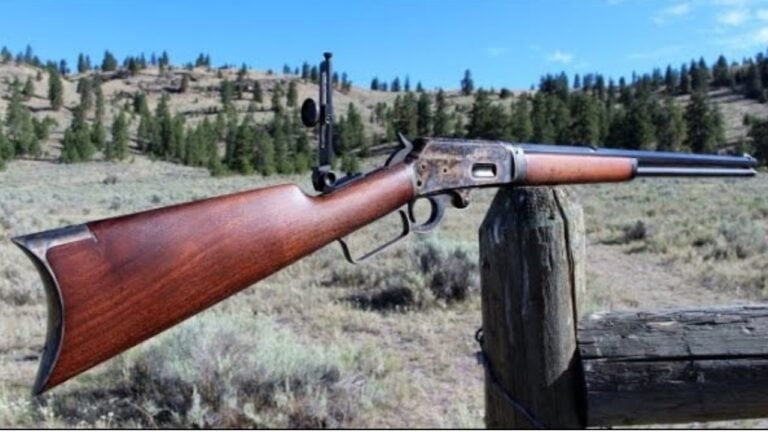
Photo credit: 1957Shep/YouTube
Every gun owner has brands they grew up respecting—names that stood for dependability, craftsmanship, and pride. But times change. Companies get bought out, production moves overseas, and quality starts slipping. A name that once meant something now gets side-eyed at the gun counter. Sometimes it’s a slow decline, other times a single bad run of rifles or pistols ruins decades of goodwill. These aren’t companies that never made good firearms—they did. But somewhere along the line, trust gave way to hesitation. You’ve probably owned a few of these, and maybe even still do, but deep down, you know they’re not what they used to be.
Remington

There was a time when “Remington” meant reliability. The 870, the 700, the 7600—those were rifles and shotguns you could hand down. But after corporate buyouts and cost-cutting, the quality started falling apart. Rough actions, uneven barrels, and inconsistent triggers turned loyal fans into skeptics.
The name’s been revived under new ownership, but that original confidence hasn’t come back for everyone. You still see flashes of what made Remington great, but the old pride in that green box is gone. These days, many shooters double-check serial numbers before trusting one again.
Winchester

Winchester was once the name that built American gun culture. Lever actions, bolt rifles, and shotguns—they had it all. But as production shifted and corners got cut, that sense of craftsmanship faded. Modern models often feel more mass-produced than heirloom-grade.
Collectors still chase the classics, but today’s rifles don’t inspire the same confidence. The name still carries weight, but mostly for nostalgia. When someone says they shoot a Winchester now, it usually means an older one—because the new ones don’t carry that same soul.
Colt
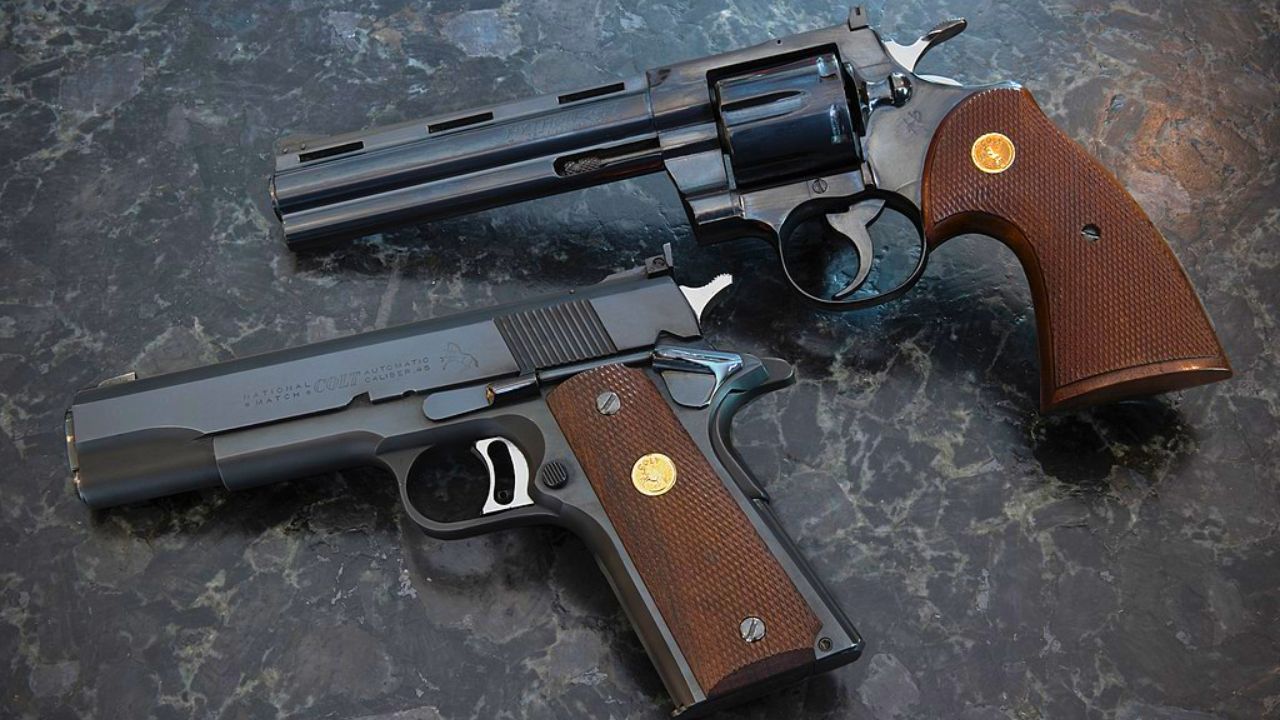
Colt used to be the standard for fighting pistols and fine revolvers. You could depend on them to last a lifetime. But in recent decades, Colt focused more on military contracts and let the civilian market slide. Fit, finish, and quality control all suffered.
The company’s made efforts to rebuild its reputation, but the damage lingers. Modern 1911s can be hit or miss, and the prices don’t always match the performance. Colt still has history on its side—but for many shooters, it’s no longer the automatic first choice it once was.
Marlin
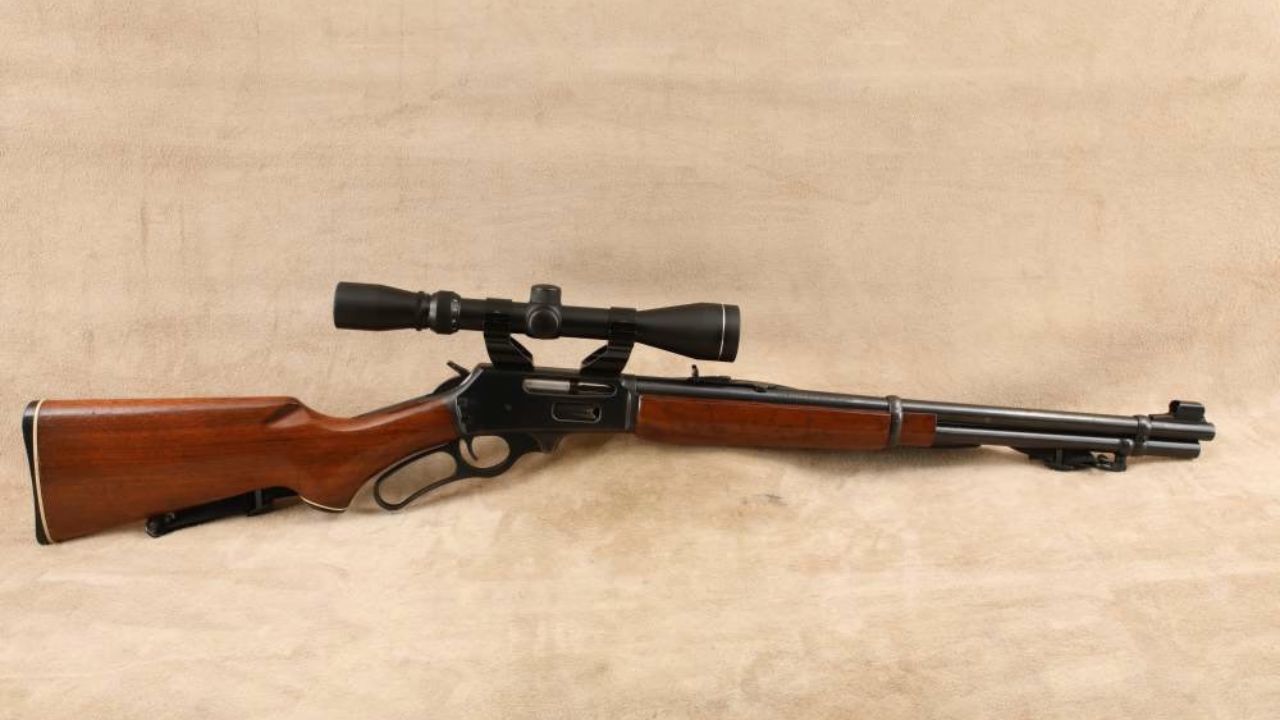
For generations, Marlin made lever guns that were smooth, accurate, and built like farm tools. Then came the Remington acquisition, and things went downhill fast. Poor machining, misaligned sights, and loose actions plagued rifles that once defined quality.
Ruger has since taken over the brand and is working hard to restore its reputation, and they’re doing a solid job. But there’s still hesitation in the air. The memory of those “Remlin” years sticks around. For many, it’ll take time—and more flawless rifles—to fully trust Marlin again.
Mossberg

Mossberg earned its place with tough, affordable shotguns like the 500 and 590. But in recent years, expansion into budget rifles and pistols has diluted that reputation. The newer products often feel cheap, with plastic-heavy builds and inconsistent accuracy.
You can still count on their core shotguns—they’re battle-tested and reliable. But that broader lineup feels like a gamble. What was once a brand known for dependable simplicity now has to fight against the perception of being “cheap” instead of “affordable.”
Smith & Wesson

Smith & Wesson is still a household name, but it’s not immune to criticism. Their revolvers were once flawless examples of American precision. Over time, however, mass production and political controversies have left some shooters wary.
Their modern polymer pistols and rifles perform well, but the charm of their older craftsmanship is gone. You can find good Smiths today, but the consistency that made them legends has faded. The name still sells guns, but it doesn’t carry the same pride it once did.
Ruger

Ruger built its name on strong, dependable firearms at fair prices. But in the last decade, the company’s expansion has led to hit-or-miss quality. Some rifles and handguns perform flawlessly; others show sloppy triggers or rough machining.
They’re still producing solid guns overall, especially in revolvers and precision rifles, but longtime shooters have noticed the shift. That tank-like feel Rugers were known for doesn’t always hold true anymore. The brand still has loyal fans, but trust isn’t as automatic as it used to be.
Browning

Browning used to be synonymous with craftsmanship and quality. The Citori, BAR, and A-Bolt defined the company’s standard for decades. But as manufacturing moved overseas and prices climbed, the performance-to-cost ratio started slipping.
Modern Browning rifles are still good, but not exceptional for what you pay. The quality is there—it’s just not the same kind of excellence that older models represented. Many hunters still love the brand, but fewer feel that deep trust they once had when they saw that Buckmark logo.
Savage Arms

Savage was once the go-to for accuracy at an honest price. The Model 110 and later Axis rifles delivered consistency that other budget guns couldn’t touch. But lately, Savage has been chasing too many new designs, and quality varies widely between models.
Their rifles still shoot straight, but they don’t always hold up well over time. Loose tolerances, inconsistent finishes, and stock issues have turned some loyal owners away. Savage still has potential, but it’s lost the confidence it used to inspire across the board.
Thompson/Center

T/C used to mean versatility and precision. The Encore and Contender systems were revolutionary, and their bolt rifles offered accuracy that rivaled much pricier guns. But after being acquired by Smith & Wesson, the brand faded fast.
Production stopped, innovation stalled, and T/C became a shadow of what it once was. Hunters who once swore by them now look elsewhere. The brand name still stirs nostalgia, but today, it mostly reminds shooters of a great company that lost its way.
Weatherby

Weatherby rifles used to represent power and precision wrapped in class. But the modern models, especially the budget Vanguard lines, haven’t maintained that old-world feel. They’re still functional and accurate, but not the pieces of art they used to be.
As production shifted and prices adjusted, some of the refinement disappeared. It’s not that Weatherby makes bad guns—they don’t—but the mystique that once surrounded the name has dulled. You respect them, but you don’t revere them anymore.
Kimber

Kimber came roaring onto the market with beautifully finished 1911s that were tight, accurate, and reliable. Then the company tried to expand too fast. The result? Inconsistent quality control, questionable reliability, and a growing number of disappointed buyers.
You still see their pistols in display cases with impressive prices, but the trust isn’t there anymore. For every flawless Kimber, there’s another that chokes halfway through a box of ammo. It’s a brand that went from elite to unpredictable.
Remington RP Series

This one deserves its own mention because it nearly tanked Remington’s handgun credibility. The RP9 and RP45 were meant to compete with modern polymer pistols but instead exposed everything wrong with the company’s direction at the time.
Poor ergonomics, feeding issues, and overall cheap construction made them hard to defend. The name “Remington” once sold handguns on its own. The RP series ended that era and left a lasting scar on the brand’s trust.
High Standard
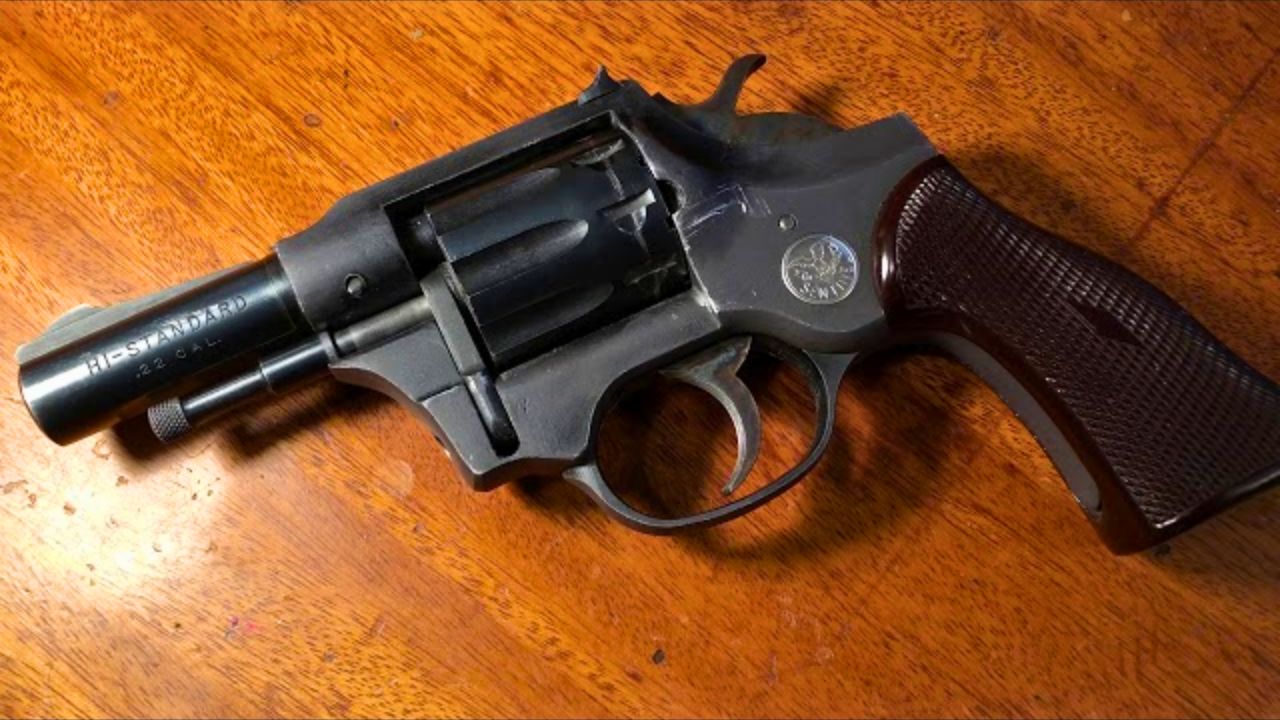
High Standard used to be a respected maker of .22 pistols—precision target guns that competed with the best. But years of mismanagement and inconsistent production doomed the name. What remains now are memories and secondhand models from a company that lost focus.
Their decline wasn’t sudden, but it was steady. The market moved on, and High Standard never adapted. What was once a respected American brand ended up fading quietly, leaving shooters with a reminder that quality reputation can only coast for so long.
H&R (Harrington & Richardson)

H&R rifles and shotguns were once dependable, blue-collar tools—single-shots that worked without fail. After being absorbed under Remington’s ownership, the quality slipped. Production ceased, and the brand faded away completely.
Many hunters still have old H&Rs tucked in their safes, and those guns continue to work. But the brand itself is gone, a casualty of consolidation and cost-cutting. It’s one more trusted name that deserved better than how it ended.
Like The Avid Outdoorsman’s content? Be sure to follow us.
Here’s more from us:
The worst deer rifles money can buy
Sidearms That Belong in the Safe — Not Your Belt
*This article was developed with AI-powered tools and has been carefully reviewed by our editors.