Photo credit: vzwer/Shutterstock.com
Carry pistols live and die by magazine geometry. Feed-lip shape, follower angle, spring rate, and even how the baseplate supports the mag in the frame all matter. On a full-size duty gun, you can sometimes get away with a “close enough” magazine. On a compact carry pistol with a shorter slide stroke and tighter timing window, “close enough” can turn into nose-dives, last-round failures, or a slide that won’t lock back when it should.
That’s why you’ll see the same pattern over and over: the gun runs like a sewing machine on factory mags, then starts acting strange the moment you try bargain aftermarket options. If you’re carrying the pistol to protect your life, you don’t want your reliability depending on which company cut corners on a spring or follower. These are carry pistols where sticking with one proven magazine brand—usually OEM—keeps the gun boring in the best way.
SIG Sauer P365

The P365 is a tight little system, and that’s part of why it carries so well. The downside is that it tends to reward magazines that match the factory feed-lip geometry and spring rate. When you stray from that, you’re more likely to see weird feed angles, sluggish top-round presentation, or last-round issues that make the gun feel temperamental.
If you want the P365 to stay predictable, factory mags are the safe lane. The gun was engineered around them, and the tolerances are not forgiving of “close enough.” You can train hard with OEM mags and build real confidence. Swap in off-brand mags and you may spend more time diagnosing stoppages than shooting. With a pistol this compact, reliability is a package deal, and the magazine is a big part of that package.
SIG Sauer P365 XL

The XL gives you a bit more slide and grip, but it still runs on the same core magazine concept. That means the same truth follows you: the gun is happiest when the magazine presents rounds at the angle it was designed for. When the feed lips or follower design drift, the pistol can start showing stoppages that feel random until you trace them back to the mag.
The smart play is to treat the XL like a serious carry tool and keep your magazine brands consistent. Factory mags tend to eliminate a lot of variables, especially once you add sweat, lint, and real training volume. The XL is capable of running hard, but it’s not a pistol that benefits from “budget experimentation” with magazines. You want your failures, if they happen, to come from you learning—not from a magazine that can’t keep up.
Springfield Armory Hellcat

The Hellcat is small, fast, and snappy enough that timing matters. The magazine has to keep up with slide speed, and it has to do it while the gun is moving in your hands under recoil. When the spring rate or follower shape is off, the Hellcat can start showing nose-dives and feed hiccups that disappear the moment you go back to factory mags.
That’s not a knock on the pistol. It’s the reality of compact, high-capacity designs. If you carry a Hellcat, you’re better off treating OEM magazines like part of the gun, not an accessory. Keep your carry mags factory, keep your training mags factory, and you’ll get a much clearer read on the gun and on your own shooting. Mix in random aftermarket mags and you’re chasing gremlins.
Smith & Wesson M&P Shield Plus

The Shield Plus packs a lot into a thin pistol, and that puts more responsibility on the magazine to present rounds consistently. When you run factory mags, the gun tends to be dependable and repeatable. When you introduce off-brand mags with slightly different feed lips or weaker springs, you can see failures that show up at the worst times—mid-string, on the last round, or when the gun is dirty.
If you want the Shield Plus to stay trustworthy, keep the magazine choice boring. Factory mags remove guesswork, especially when you’re training with higher round counts and faster strings. The Shield Plus is a carry pistol that benefits from consistency. You don’t need to learn three different “personalities” depending on which mag is inserted. Pick the magazine brand the pistol was built around and stick with it.
Glock 43X

The 43X is a classic example of a gun that can run flawlessly—until you start trying to “improve” it with magazines that change the whole feeding equation. The pistol is tuned around its factory magazine geometry and spring rate. When you alter that, you’re not tweaking a small part. You’re changing how every round gets handed to the feed ramp.
If you carry a 43X, the safest reliability play is factory magazines. They’re the known quantity. Once you start swapping magazine brands, you can introduce failures that look like the gun’s fault but really come from different feed-lip angles and inconsistent spring pressure. A carry gun should be predictable. The 43X can be, but it rewards you for keeping the magazine variable locked down.
Glock 48

The Glock 48 gives you a longer slide and a smoother recoil feel than the 43X, but it still lives in that slimline ecosystem where the magazine matters more than people want to admit. The gun is built around a specific stack geometry and feed presentation. Deviate from that, and you can see intermittent feeding issues that only show up under speed or when the gun is gritty.
Factory magazines keep the 48 boring and dependable, which is what you want. The moment you start mixing in mags that mimic the factory shape but miss the details, you can end up with a pistol that runs great on the bench and acts strange in real training. The 48 is a strong carry choice when you leave it alone. Keep OEM mags, keep your springs fresh, and you’ll spend your range time improving instead of troubleshooting.
Glock 26

The Glock 26 has a reputation for reliability, and it earns it—especially when you feed it with factory mags. The short grip and compact format mean the magazine is doing more work than it would in a full-size gun. A weak spring or slightly off feed lips can show up as stoppages when you’re shooting fast, one-handed, or from awkward positions.
The 26 also tempts people into mixing magazines: flush mags, extended mags, off-brand range mags. That’s where you can create your own problems. Stick with OEM mags and you’ll get the boring Glock performance you were paying for. The 26 is meant to be carried a lot and shot a lot, and factory magazines support that mission. If you want a compact that runs in ugly conditions, don’t handicap it with magazines that can’t match the factory spec.
CZ P-10 S
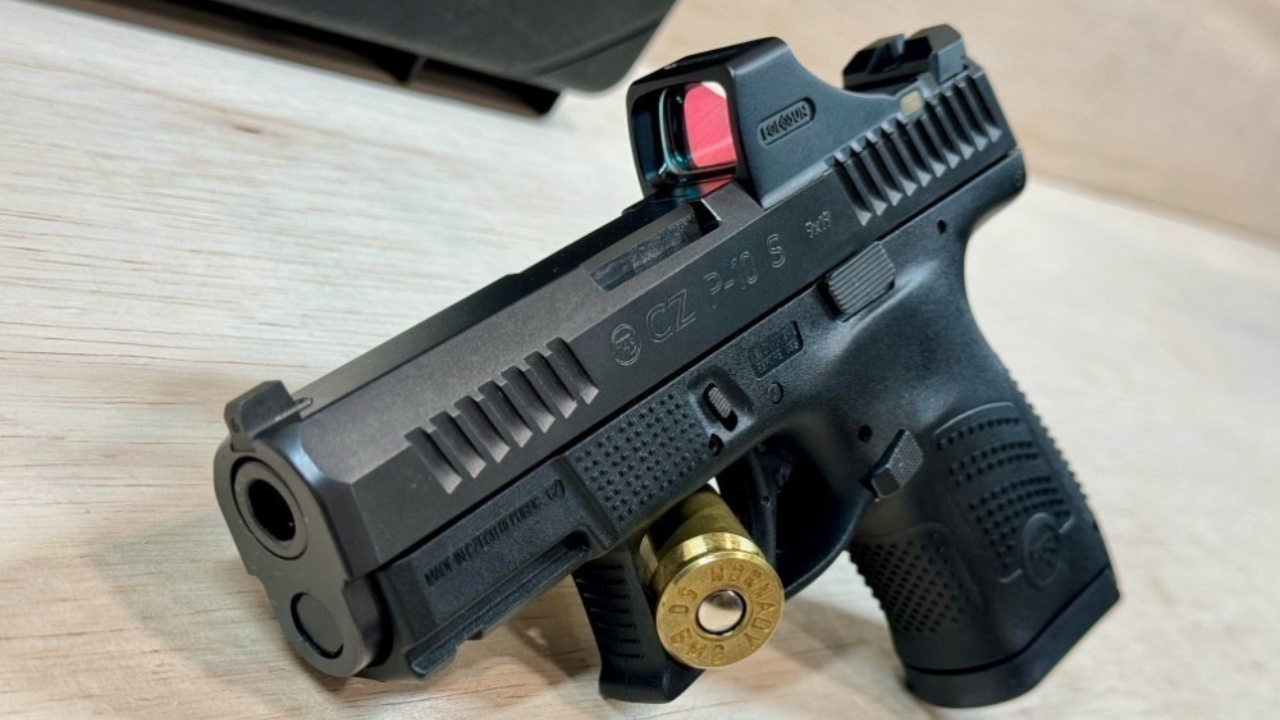
The P-10 S is a solid compact, but like many modern striker pistols, it’s designed around a particular magazine geometry and follower design. When you keep it on factory mags, the gun tends to feel steady and predictable. When you introduce off-brand mags with different springs or feed-lip angles, you can see failures that make the pistol feel inconsistent from session to session.
That’s especially frustrating because the P-10 S is otherwise easy to shoot well. The trigger and ergonomics invite you to push speed, and speed is where weak magazines get exposed. If you’re carrying it, commit to the magazine brand that’s proven in the gun—usually OEM. Your goal is to remove variables, not add them. The pistol can be extremely dependable, but it needs a magazine that matches its timing and feed path.
HK VP9SK

The VP9SK is built to a high standard, and part of that standard is a magazine system that’s meant to work as a unit with the pistol. You don’t see a huge sea of aftermarket mags for it for a reason. When you run OEM magazines, the gun tends to stay consistent across training, carry, and maintenance cycles.
Where people get into trouble is trying to cheap out on mags or mixing worn mags into the rotation without paying attention to spring fatigue. Compact pistols punish lazy magazine management. The VP9SK will usually treat you well if you treat the magazines like critical parts, not throwaway items. Keep your mags factory, keep them clean, and rotate springs if you’re training hard. It’s a carry gun that rewards you for doing the unglamorous stuff right.
FN 509 Compact

The 509 Compact is a duty-bloodline pistol in a carry-friendly size, and it’s typically dependable when you run the magazines it was built around. The magazine design, follower angle, and spring rate are part of how the gun stays smooth under recoil. Change those variables and you can create feeding issues that feel baffling because the pistol itself is otherwise sound.
If you carry a 509 Compact, the smart move is to keep magazine brands consistent and proven. Factory mags tend to provide the right balance of tension and presentation, especially when the gun is dirty or you’re running it fast. Off-brand mags can introduce problems that only show up under real stress—when your grip is compromised or you’re shooting on the move. A carry pistol should not be a science fair project, and consistent OEM mags keep it from becoming one.
Walther PPS M2

The PPS M2 is a slim pistol that carries well and shoots better than a lot of guns in its size class. That slimness also means the magazine is a bigger part of the reliability equation. When the magazine presents rounds correctly, the gun runs smoothly. When the spring rate is weak or the follower shape is off, you can see feeding issues that make the pistol feel picky.
The PPS M2 does best when you stick with factory magazines and keep them in good shape. This is not the kind of pistol that benefits from bargain mags that barely match the original design. If you’re carrying it, you want the gun to do the same thing every time you press the trigger. OEM mags help lock in that consistency. When you keep the magazine variable controlled, the PPS M2 can be a very steady, confidence-building carry gun.
Ruger Max-9

The Max-9 is a practical carry pistol, and it tends to run well when it’s fed with the magazines it was designed around. Compact, high-capacity pistols ask a lot from their mags, and small differences in feed lips or spring strength can show up as occasional nose-dives or failures that only appear when you push speed.
If you want the Max-9 to stay dependable, treat the factory magazine as part of the system, not an optional add-on. Keep your carry mags OEM. Keep your training mags OEM. That consistency matters when you’re diagnosing your own performance, too. When you remove magazine variables, you get a clearer picture of what the pistol is doing and what you’re doing. The Max-9 can be a solid everyday gun, but it benefits from one magazine standard you can trust.
Kahr PM9

Kahr pistols have their own rhythm, and the PM9 is a good example of why magazine consistency matters. The feed geometry and timing are not as forgiving as some larger, heavier pistols. When you run the right magazines—typically factory—you’ll often get smooth, predictable feeding. When you change magazine brands or run tired springs, the gun can start showing stoppages that make it feel moody.
This is also a pistol where maintenance and mag condition matter more than people expect. If you carry a PM9, keep your magazines factory and keep them clean. Pay attention to springs. Don’t mix random mags into the rotation and assume the gun will “figure it out.” The PM9 can be a very useful carry pistol when you respect its system. Treat the magazine like a critical component and it will usually treat you right.
Kimber Micro 9

The Micro 9 can be a great-feeling carry pistol, but small 1911-style 9mms often have tighter operating windows than people realize. Magazine design matters a lot—feed lips, follower shape, and spring tension all influence whether the gun feeds smoothly or starts choking at the worst moment.
If you want a Micro 9 to run consistently, you stick to proven, factory-spec magazines and resist the temptation to roll the dice on bargain options. With compact 1911-pattern guns, a magazine that’s slightly off can create repeated feed problems that look like an extractor issue or a “break-in” issue, when it’s really the mag. Keep the magazine brand consistent, keep springs healthy, and you’ll have a much better chance of the pistol staying reliable. This is a carry gun where cheap magazines can cost you real confidence fast.
Springfield Armory XD-S Mod.2 (9mm)

The XD-S Mod.2 is a slim carry pistol that can run well, but it’s another platform that tends to be happiest with factory magazines. When you run OEM mags, the feeding cycle usually stays consistent. When you introduce off-brand mags with different spring pressure or follower shape, you can see failures that pop up mid-string and disappear the moment you return to factory mags.
This matters because the XD-S is often carried in hard daily conditions—sweat, lint, pocket debris, and long stretches between cleanings. That environment demands more reliability, not less. If you carry one, keep your mags factory and keep them maintained. Rotate carry mags, test them, and don’t mix “range-only” bargain mags into the same pool. A carry pistol should behave the same way every day. With the XD-S, OEM magazines are the cleanest path to that consistency.
Like The Avid Outdoorsman’s content? Subscribe to our newsletter so you never miss an article.
Here’s more from us: