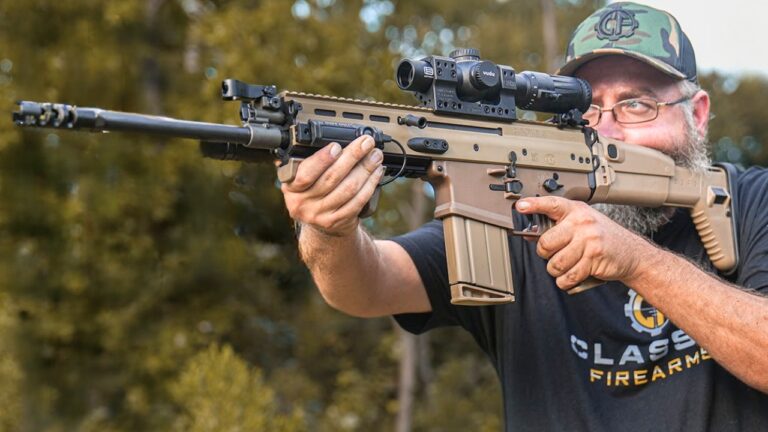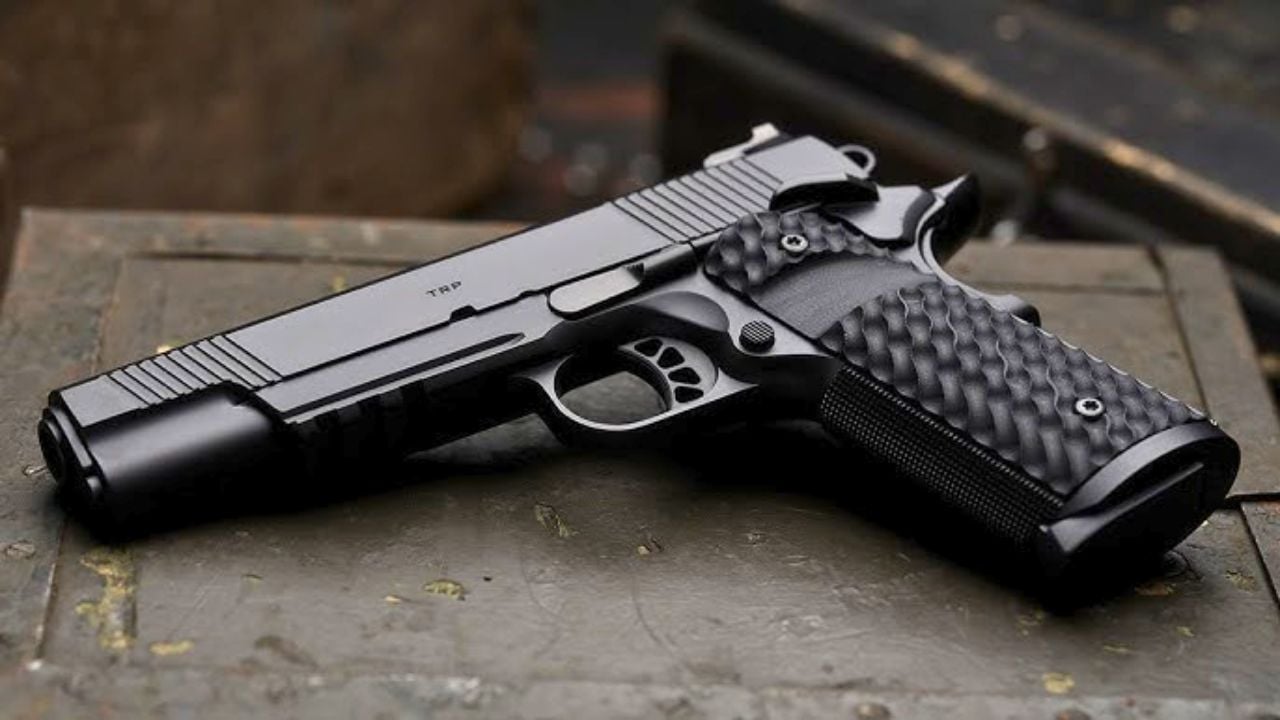
Photo credit: SPRINGFIELD ARMORY/YouTube
Every shooter knows a brand that used to mean quality without question. They earned trust the hard way—through decades of solid guns that worked when others didn’t. But somewhere along the line, something slipped. Maybe it was cost-cutting, bad leadership, or rushing new models out the door before they were ready. The name stayed the same, but the confidence behind it didn’t. These are the brands that built reputations strong enough to last generations—then managed to lose them anyway.
Remington
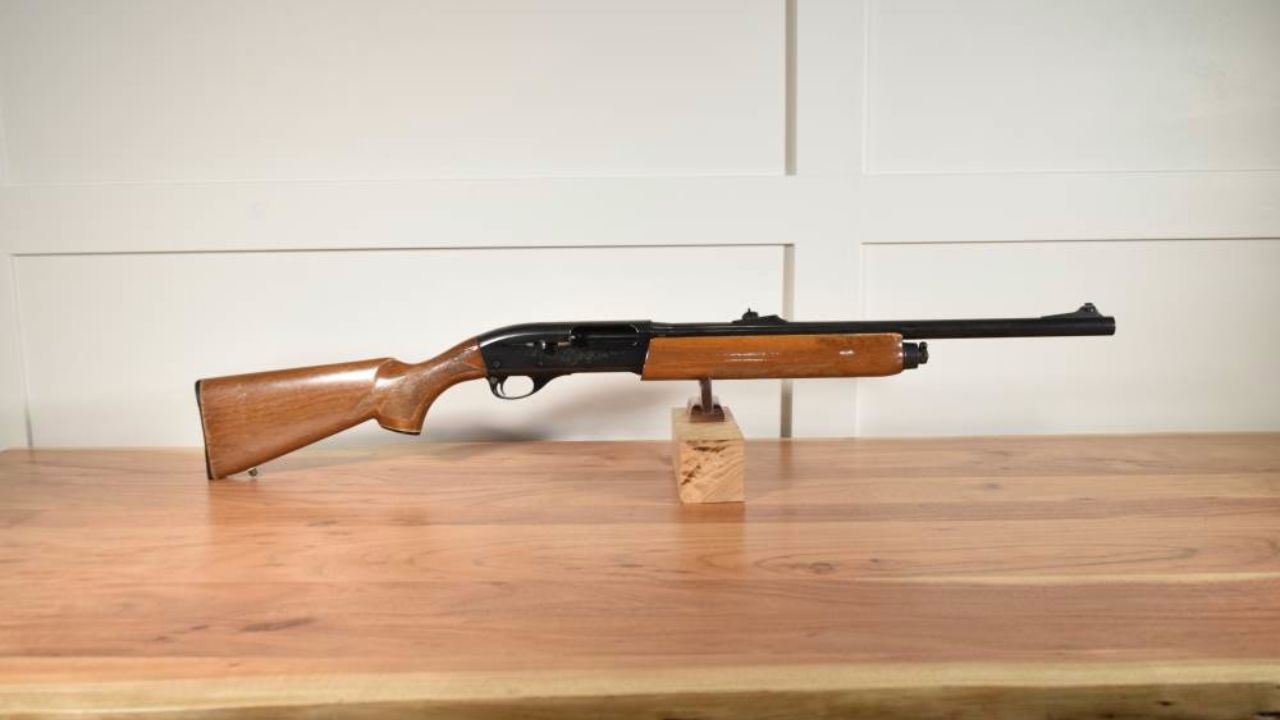
Remington was once the gold standard for American firearms. The Model 700, 870, and 1100 built a reputation for reliability and craftsmanship. But in the 2000s, quality control took a nosedive. Cheap materials, inconsistent triggers, and poor finishing turned proud rifles into problem children.
The bankruptcy didn’t help either. When a company once known for excellence starts recalling its flagship guns, trust disappears fast. Remington’s revival under new ownership shows promise, but that old respect isn’t automatic anymore. They’ll have to earn it back the same way they earned it the first time—one good rifle at a time.
Winchester

Winchester is as American as lever-actions get. The 94 changed the hunting world, and their ammo still fills shelves everywhere. But when U.S. production shut down in 2006 and shifted overseas, quality wavered. Collectors noticed the difference, and the name started to mean nostalgia instead of reliability.
Their newer rifles are solid, but that original Winchester magic—hand-fit steel and walnut built in New Haven—is gone. The brand’s still around, but it doesn’t carry the same authority it once did on the deer stand. These days, Winchester means history more than performance.
Marlin

Few names meant “dependable” like Marlin once did. The 336 and 1895 were working rifles—accurate, affordable, and built for the woods. But when Remington bought them, everything went downhill. Barrels canted, actions rough, and fit and finish became a running joke.
Shooters started calling them “Remlins,” and the damage was done. The good news is Ruger’s version of Marlin is fixing that reputation one rifle at a time. The bad news is, a lot of people still remember the years when Marlin quality wasn’t worth the stamp on the barrel.
Colt
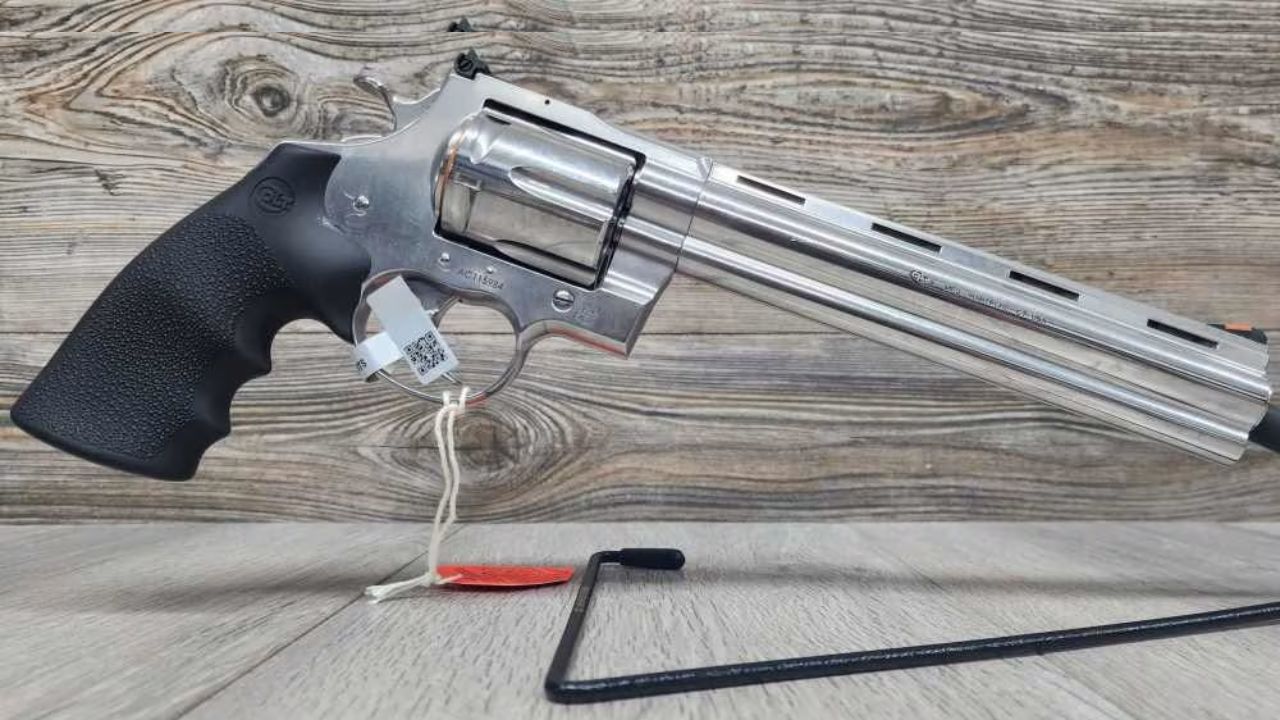
Colt practically wrote the book on revolvers and 1911s, but complacency caught up to them. When the AR-15 market exploded, Colt coasted on its military contracts and ignored civilians. Competitors innovated while Colt recycled the same designs and raised prices.
By the time they tried to catch up, shooters had moved on. The name still means something—but mostly as a reminder of what was. Colt’s slowly climbing back, but that decades-long aura of American reliability isn’t what it used to be.
Smith & Wesson

Smith & Wesson built its legend on craftsmanship and dependable revolvers. Then came the 1990s “agreement” with the Clinton administration, and gun owners turned on them overnight. Add in a few rough patches in quality control, and that long-standing trust took a beating.
They’ve mostly recovered, but not completely. The M&P line helped, yet some shooters still hesitate to buy from a company that once sided with regulation over reputation. It’s a lesson in how quickly a century of loyalty can evaporate when principle and performance falter.
Ruger
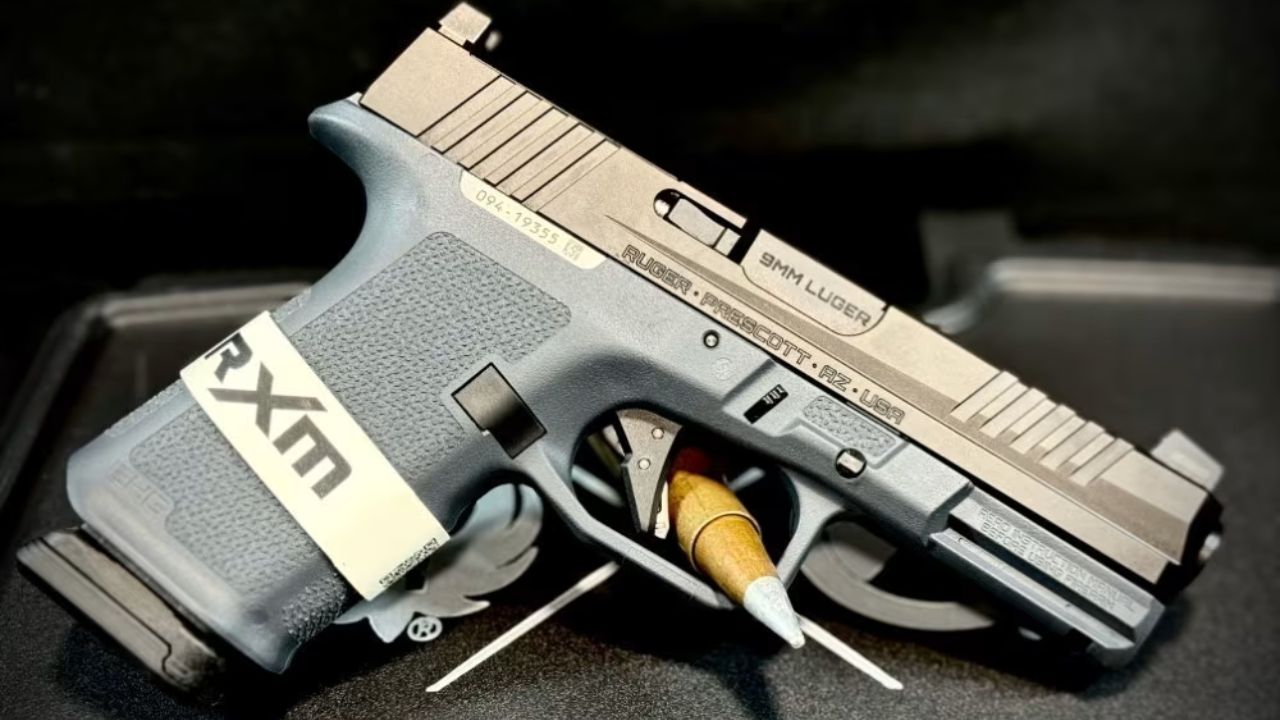
Ruger earned a following with sturdy, affordable firearms that worked. But for a while, they focused more on production volume than refinement. Heavy triggers, clunky actions, and spotty accuracy plagued models that used to be trusted out of the box.
Ruger’s newer rifles and handguns have improved dramatically, but the “good enough” era left scars. Shooters who remember rough M77 triggers or loose American stocks still hesitate. They’re making excellent guns again—but rebuilding that old confidence takes time and consistency.
Mossberg

Mossberg made its name on the 500—simple, durable, and inexpensive. Then came a flood of plastic parts, overseas manufacturing, and an explosion of budget variants that blurred the brand’s identity. Not every Mossberg is bad, but consistency took a hit.
Many hunters still swear by their older shotguns, but fewer trust the new ones to last like granddad’s did. The name Mossberg still sells, but it no longer guarantees the same dependability. Once you trade steel for savings, it’s hard to win that faith back.
Browning

Browning used to be synonymous with premium quality. The Auto-5, BAR, and Hi-Power were icons. But as production shifted overseas and prices climbed, the brand’s practicality slipped. What used to be heirloom-quality guns turned into high-priced imports with mixed quality.
The name still carries weight, but it doesn’t command the same respect among working hunters. Browning’s guns look good, shoot well, and cost plenty—but the value once tied to that buckmark logo has faded.
Taurus
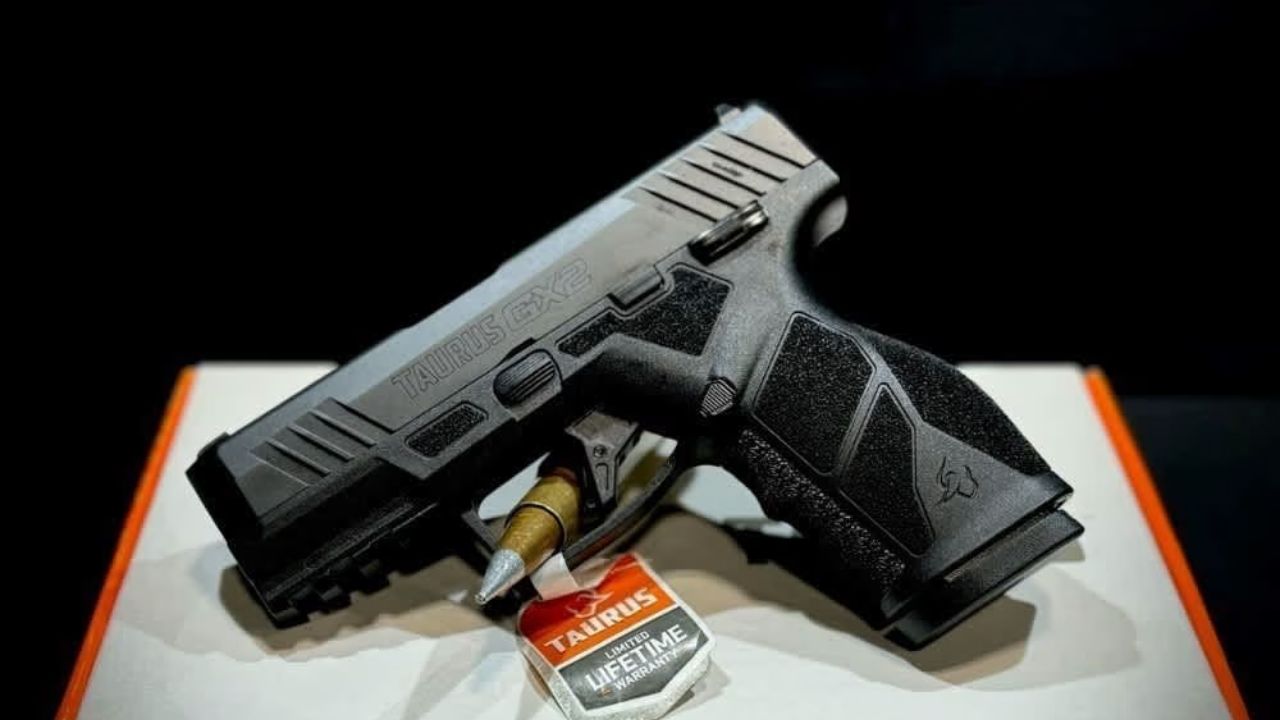
Taurus went from bargain option to unreliable punchline, and for years, their guns earned that reputation. Misfires, broken safeties, and poor machining were common. Even though they’ve made big strides lately, the shadow of those early models still lingers.
A few solid revolvers and the G3 line are helping repair things, but shooters remember. When a brand spends decades cutting corners, word spreads faster than recovery. Taurus is improving, but trust isn’t something you can buy back with marketing.
Remington Ammo
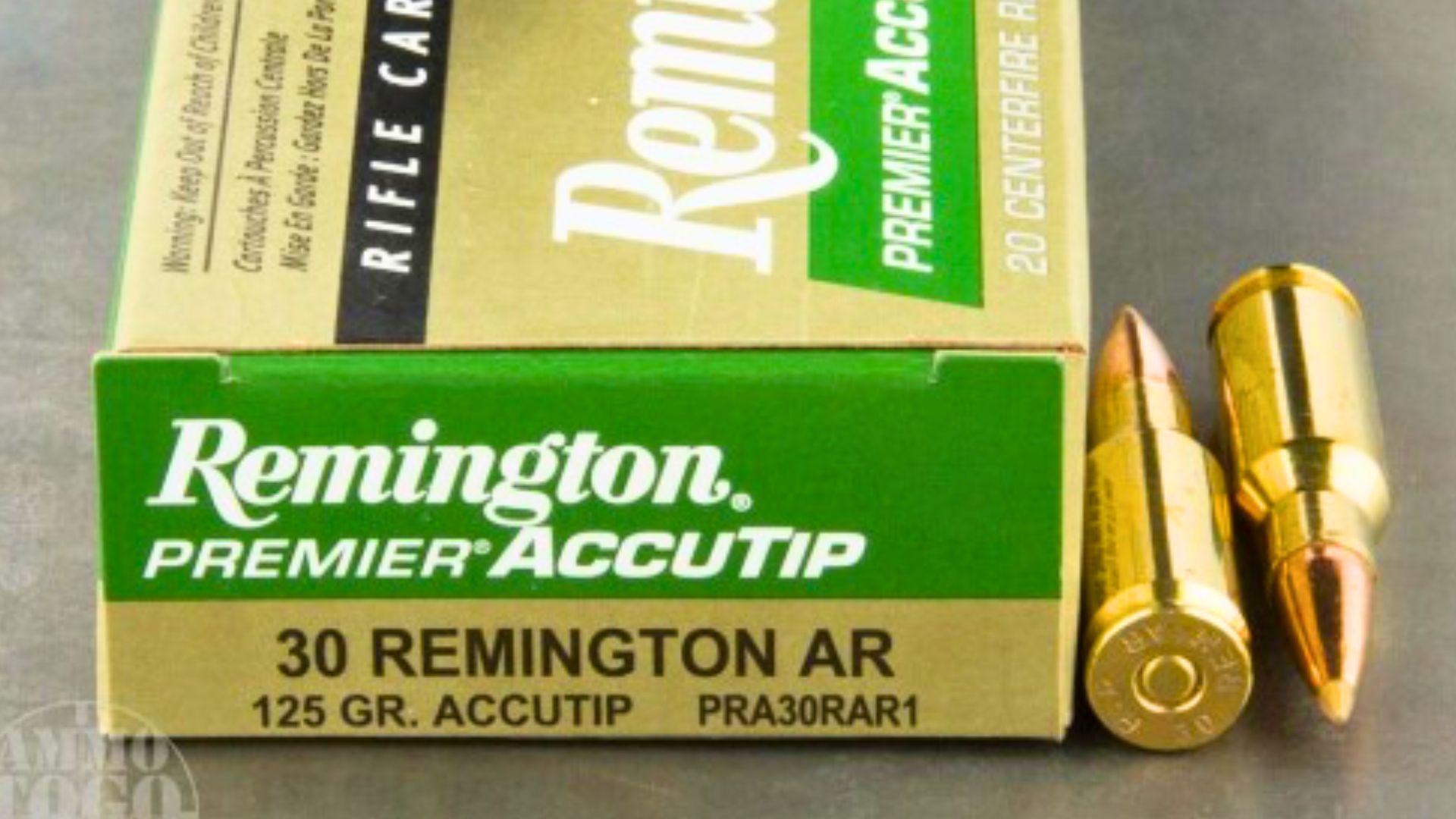
Even Remington’s ammunition division took a hit before the bankruptcy. Years of poor consistency and weak quality control made their once-great ammo unreliable. Misfires, inconsistent velocities, and tarnished cases were showing up far too often.
Federal’s new ownership is fixing it, and Big Green ammo is performing well again—but it’s a comeback story in progress. For many shooters, it’ll take thousands of reliable rounds before they stop flinching at that green box.
Savage Arms
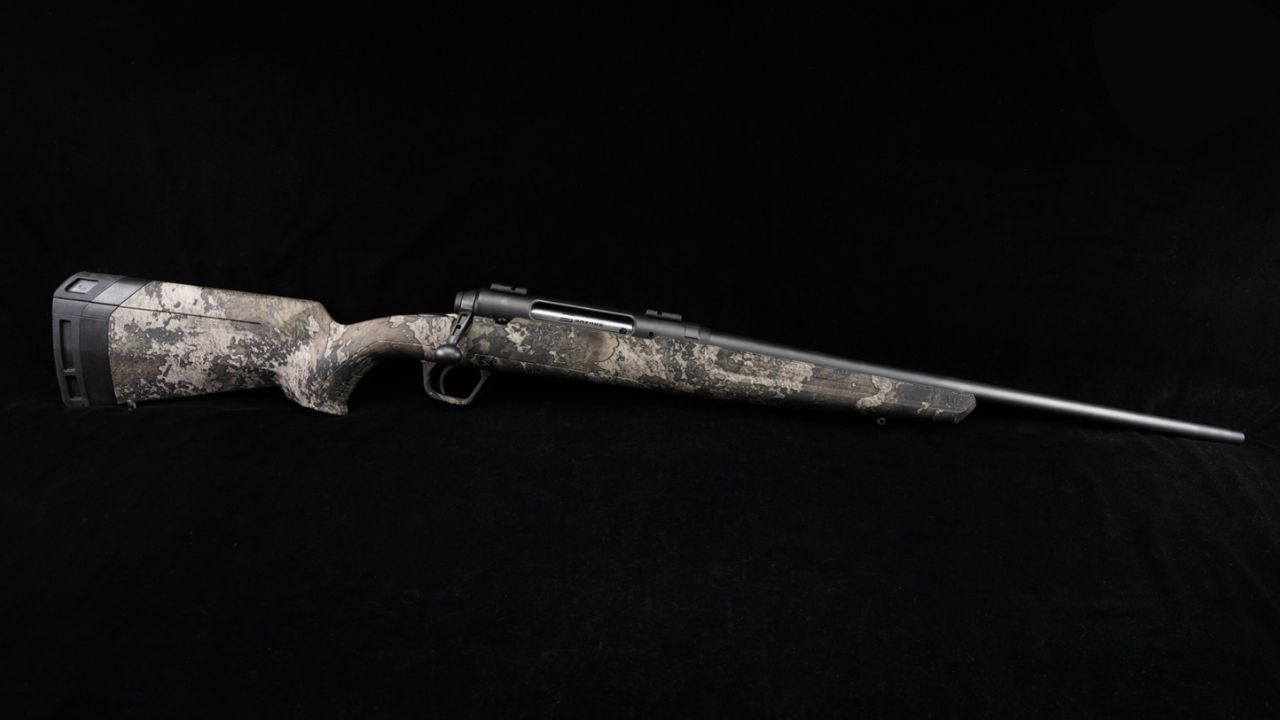
Savage built its modern reputation on accuracy per dollar, but recent years have shown growing pains. The AccuTrigger revolutionized affordable rifles, but some models started shipping with rough finishes, soft bolts, and inconsistent bedding.
They’re still a solid value, but that “tack-driver out of the box” reputation isn’t universal anymore. When your best selling point becomes hit-or-miss, you’ve got work to do. Savage hasn’t fallen far—but it’s lost the edge that once made it the underdog champ.
Thompson/Center

Thompson/Center earned loyal fans with its Contender and Encore systems—versatile, accurate, and built like tanks. Then the company was bought, neglected, and eventually abandoned. Smith & Wesson shuttered the brand entirely, leaving loyal shooters stranded without support.
It’s a shame because those break-action platforms were some of the smartest designs ever made for hunters. The T/C name should’ve been thriving; instead, it’s a ghost of what it once represented. Few brands lost their legacy more quietly.
Springfield Armory (Modern)

The original Springfield Armory was a government arsenal that built M1 Garands and M14s. The modern company simply bought the name—and while they’ve made solid guns like the Hellcat and Saint, they’ve also stumbled with political missteps.
When they supported Illinois gun dealer legislation that hurt small shops, shooters noticed. The backlash was swift and justified. They’ve recovered somewhat, but for many, the name Springfield carries more marketing than meaning now. The real Armory closed in 1968, and the new one’s still earning its place.
Ithaca Gun Company
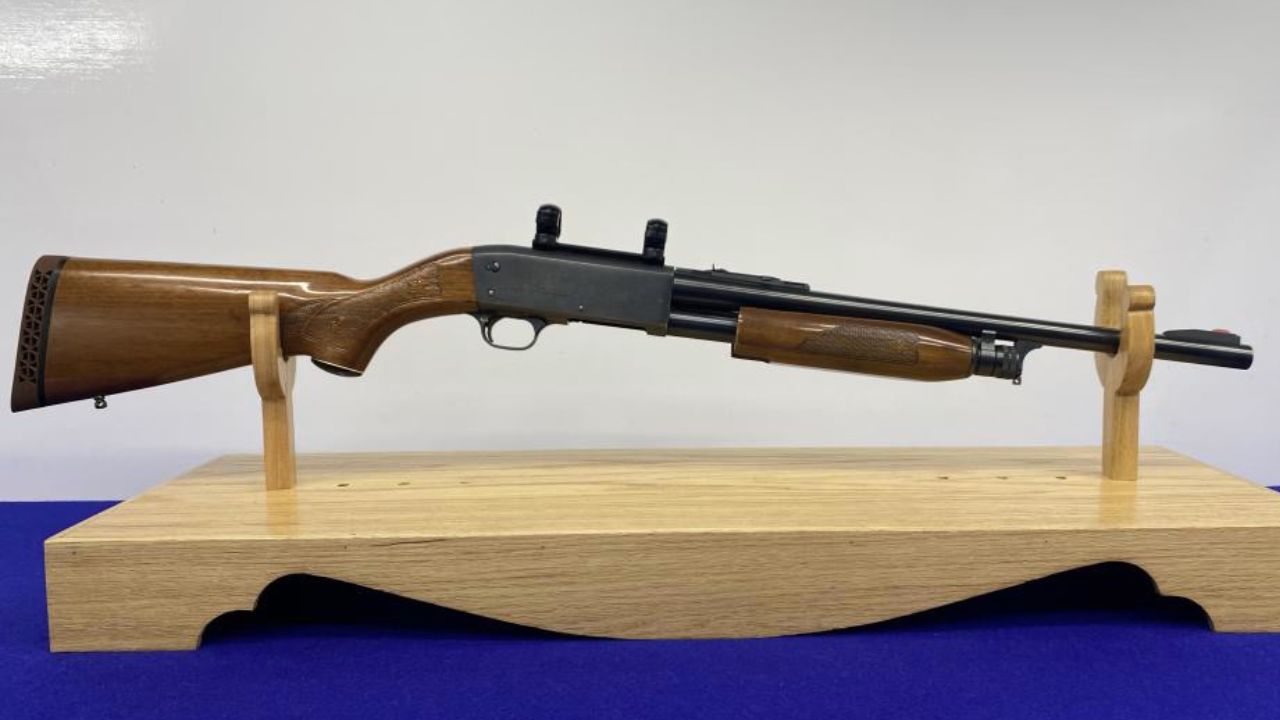
Ithaca shotguns were once among the finest ever built, especially the Model 37. But after financial troubles and ownership changes, production quality became uneven. The new guns are decent, but they don’t carry that same tight, hand-fit feel.
When a company that built its name on craftsmanship starts mass-producing, shooters notice. Ithaca’s reputation hasn’t vanished completely, but it’s faded into nostalgia. These days, the name means heritage more than high performance—and that’s a hard fall for a brand that once stood beside Winchester and Remington as the best in America.
Like The Avid Outdoorsman’s content? Be sure to follow us.
Here’s more from us:
The worst deer rifles money can buy
Sidearms That Belong in the Safe — Not Your Belt
*This article was developed with AI-powered tools and has been carefully reviewed by our editors.