Photo credit: Haus of Guns/YouTube
When you spend enough time at the range, you start spotting weak designs almost immediately. Some guns give up their flaws before you’ve even finished the first magazine. Others look fine on the counter but fall apart once you start pushing them with heat, recoil, or real shooting speed.
These aren’t guns that need exotic torture tests to reveal their issues. They show their problems fast—shaky ergonomics, poor parts fit, wandering zero, or cycling that falls apart the second conditions shift. If a firearm can’t make it through a basic training day without exposing shortcuts, seasoned shooters notice right away. These are the ones that stand out for the wrong reasons.
Remington 770
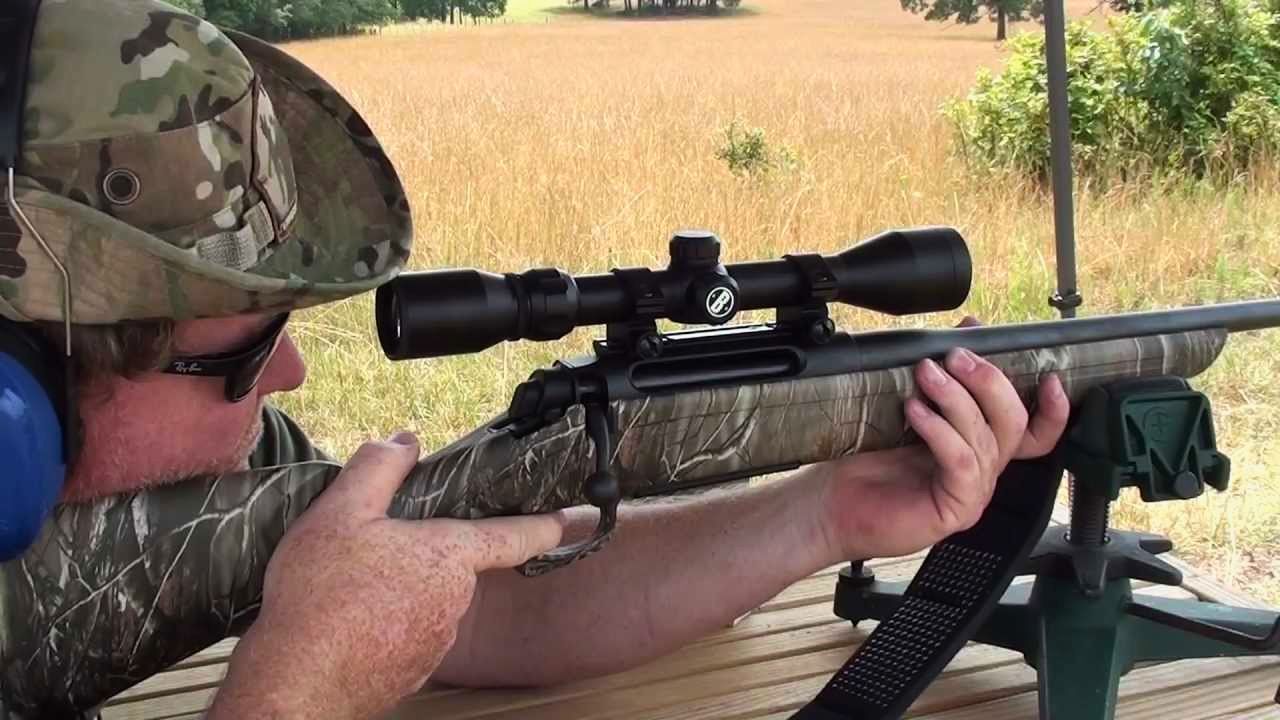
The Remington 770 shows its weaknesses the moment you start running the bolt with any urgency. The action feels rough, almost gritty, and that translates into sluggish cycling. Even new shooters can feel the lack of refinement. Accuracy is hit-or-miss because the budget stock and bedding don’t give the barrel consistent support.
On top of that, the trigger has a vague, mushy break that makes it tough to get clean shots. At the range, every flaw is obvious—sticky extraction, wandering groups, and a gun that feels like it’s fighting you. Experienced shooters move on quickly after seeing how inconsistent it is.
Mossberg Blaze
The Blaze is lightweight, but that comes with a lot of flex in the stock and overall frame. When you shoot it from a rest, the groups shift depending on how much pressure you apply, which immediately raises red flags. The polymer receiver also gives the gun a toy-like feel that many shooters don’t trust.
Its magazines can be finicky, leading to feeding issues that show up early in a range session. Even casual plinking reveals its limits, and anyone expecting precise or repeatable results walks away disappointed. The Blaze exposes its design shortcuts faster than most .22 rifles.
KelTec Sub-2000 (Gen 1)
The Sub-2000 Gen 1 looks clever on paper, but once you start shooting, the downsides show up fast. The sights are crude and uncomfortable to use, and the cheek weld on the metal tube is notoriously harsh. After a few magazines, you’re already adjusting your grip and posture to stay comfortable.
The charging handle slaps your hand under recoil if your support grip isn’t perfect, and the recoil impulse feels sharper than it should for a pistol-caliber carbine. Accuracy is serviceable, but not impressive. The range is where shooters realize the design favors compactness over shootability.
Winchester Wildcat (early production)
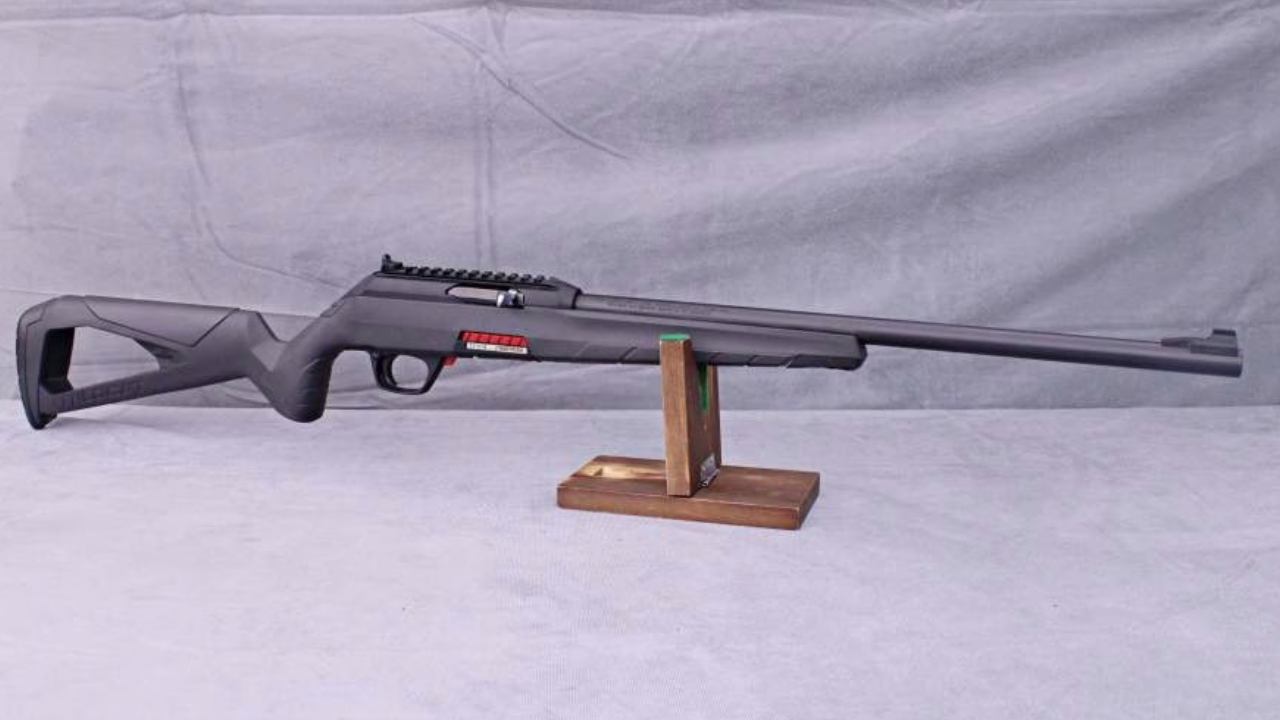
The Wildcat was meant to compete with established .22s, but early production models showed inconsistent triggers and occasional feeding hiccups. At the bench, you immediately notice how the lightweight stock amplifies wobble. The ergonomics feel better on the shelf than they do once you’re trying to hold steady.
Magazines sometimes required careful seating to lock properly, and that alone exposed the rushed design. While later revisions improved things, experienced shooters still remember how the early Wildcats revealed their flaws within a single session.
Hi-Point 995TS
The 995TS is reliable with certain ammunition, but once you start pushing speed or accuracy expectations, the shortcomings become obvious. The heavy slide creates a sluggish recoil feel, and the trigger is long and inconsistent. That makes tight groups difficult and tiring to chase.
The ergonomics are also awkward, especially the grip angle and stock shape. At the range, even new shooters can tell it was built to a price rather than performance. It runs, but it doesn’t run well under pressure—or with any finesse.
Ruger American Rimfire .22 WMR
The .22 WMR version exposes issues that the .22 LR model doesn’t. Recoil is snappier, and the lightweight stock has noticeable flex that affects consistency. Groups wander when you shift positions or load the bipod differently. At the range, you immediately feel the instability.
Magazine feeding is also more sensitive because of the longer cartridge. A few quirks are forgivable, but the WMR model highlights every design compromise right away. Most shooters come away feeling the gun needed more rigidity to handle the hotter rimfire round.
Remington R51 (Gen 1)

The R51’s troubles have been well documented, but even fresh out of the box, early models showed hesitation in feeding, odd recoil behavior, and inconsistent extraction. At the range, those issues surface within the first magazine.
The ergonomics feel promising until the gun starts moving under recoil, and then the awkward grip-to-bore relationship becomes clear. Accuracy suffered because the gun never settled in the hand. Many shooters abandoned it after a short session because its flaws were impossible to ignore.
Taurus PT709 Slim
The PT709 is lightweight and concealable, but range time exposes its limits. The trigger has stacking and a long reset, which slows down controlled pairs and makes accuracy inconsistent. You feel the gun fighting you on every break.
Feeding issues are common once you move past FMJ, and the small frame amplifies recoil more than expected. Experienced shooters typically decide within a few magazines that the pistol demands too much effort for what it offers.
Mossberg 464 Lever Action (early runs)
The idea of a modern lever rifle from Mossberg was exciting, but early runs had stiff actions, rough triggers, and feeding troubles. At the range, that stiff cycling shows up instantly. It doesn’t smooth out fast, and you’re constantly correcting your grip to keep it running.
Because the action isn’t as refined as older designs, accuracy also suffers. Groups open up quickly as the barrel warms, and the inconsistent trigger doesn’t help. Most shooters realized almost immediately that it didn’t match the claims on the box.
KelTec PMR-30

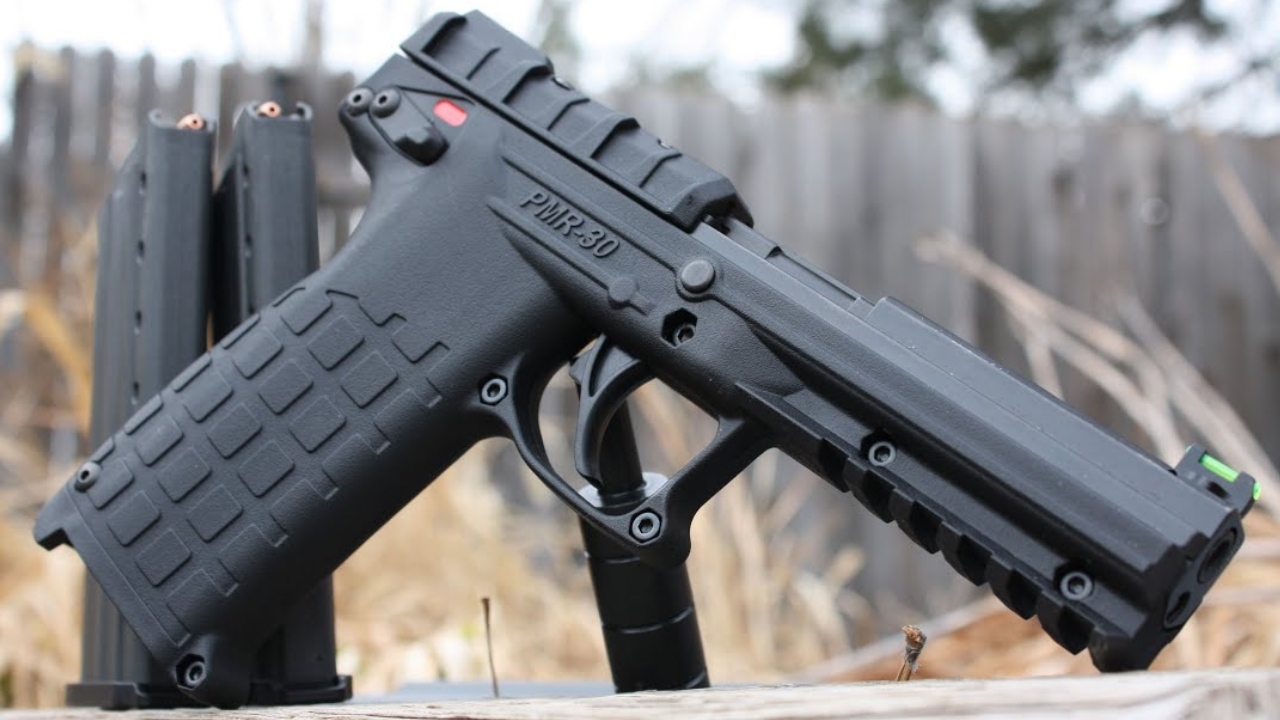
The PMR-30 is fun, but it exposes design weaknesses the moment you try to shoot it fast. The lightweight polymer frame and high-capacity magazine lead to sensitive feeding behavior. The gun feels lively—almost twitchy—and that makes accuracy at speed a challenge.
Extraction problems also surface when ammunition isn’t perfectly matched. Shooters quickly learn that it’s picky, and that alone keeps it from being a serious performer. Within one session, the novelty wears off and the issues become obvious.
Savage Axis (base model, early)
The Axis shoots accurately enough for hunting, but its flaws jump out under range conditions. The factory trigger is spongy, the stock is flexible, and the action has noticeable play. When you run quick groups, the gun shifts more than you expect.
On the bench, you can literally feel the stock flex during loading pressure. That affects consistency shot to shot. It’s affordable, but experienced shooters see its compromises immediately during practice.
Rossi RS22
The RS22 gained popularity for its price, but range sessions reveal its limits. The action can feel sluggish, and feeding issues show up more often than with higher-end .22s. Accuracy is serviceable but inconsistent, especially when the barrel heats.
The lightweight stock transmits every pulse of your heartbeat into the sights, and that makes precision harder than it needs to be. After a few magazines, most shooters recognize that it lacks refinement.
Century Arms C308

The C308 is built from surplus parts and stamped components, and that inconsistency shows up fast. The recoil impulse is harsh, and the charging handle requires strength to operate smoothly. At the range, new shooters instantly notice how clunky it feels.
Accuracy varies wildly between rifles, and the trigger is rough. The gun runs, but it doesn’t run smoothly, and that’s clear within minutes of shooting. Most people realize quickly that it’s more of a novelty than a serious shooting tool.
Ruger EC9s
The EC9s is reliable, but its design limits show up the second you start practicing defensive drills. The tiny sights are difficult to pick up quickly, and the heavy trigger slows down controlled pairs. You spend more time fighting the gun than shooting it.
Recoil feels sharper than expected for such a small pistol, and that leads to fatigue during longer sessions. Most experienced shooters outgrow it quickly once they realize how much effort it demands.
Henry Single Shot (centerfire)
The Henry Single Shot looks classic, but range time exposes its quirks. The trigger can be heavy, and the break-action lockup occasionally develops wiggle with use. That movement affects accuracy right away.
Recoil feels more pronounced because of the straight stock profile, and quick follow-up shots are out of the question. It’s fun for slow, deliberate shooting, but its limits appear fast when you try to push performance.
Like The Avid Outdoorsman’s content? Be sure to follow us.
Here’s more from us: