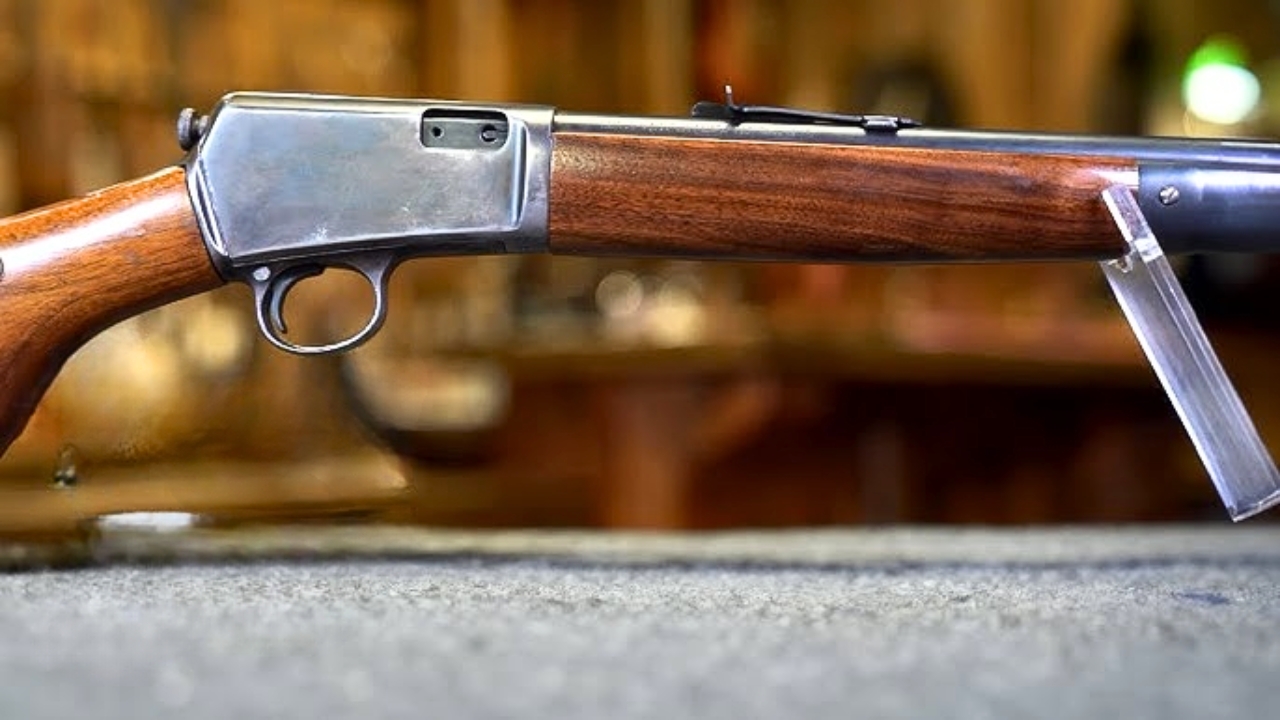
Photo credit: The Gunfather/YouTube
There are rifles people miss because they never saw the value coming, and then there are rifles that make people genuinely mad at themselves later. Those are the guns that used to sit there at prices that felt manageable, even a little boring, until the market lost its mind and turned a smart buy into an expensive argument. Owners of those rifles usually say the same thing in one form or another: they should have bought a second one when the getting was easy.
That usually happens with rifles that are practical first and collectible second. They were not always treated like trophies. They were just useful, well-made, or a little more distinctive than people realized at the time. Then supply tightened, interest got sharper, and the same rifles buyers once walked past started bringing numbers that feel ridiculous compared to what they used to cost. These are the rifles owners wish they had bought two of before prices went stupid.
Remington 788
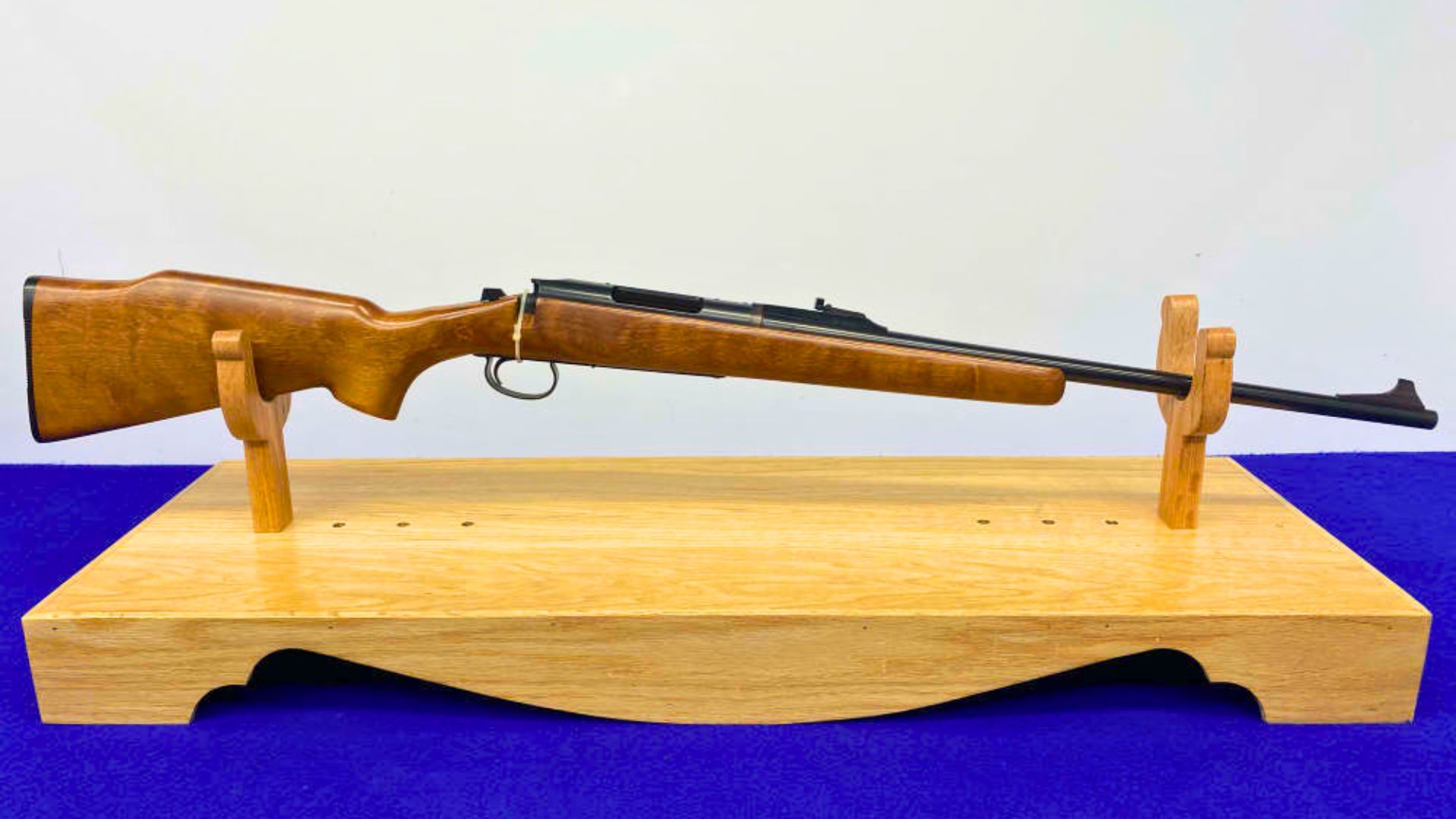
The 788 is exactly the kind of rifle people bought as the “smart cheap shooter” and then learned later that smart cheap shooters do not stay cheap forever. For years, it lived in that sweet spot where practical hunters and shooters knew it could flat-out shoot, but the broader market still treated it like a plain old budget Remington. That kept prices in the sort of range where buying one felt sensible and buying two felt a little excessive.
Now the old logic looks a lot different. Once more people caught on to how accurate these rifles could be, and once decent examples started thinning out, the 788 stopped feeling like a working-man’s secret and started feeling like one of those rifles you should have stacked when nobody else cared. Owners do not usually wish they had bought a second one because the first is inadequate. They wish they had because the market finally admitted what the rifle had been all along.
Winchester 9422
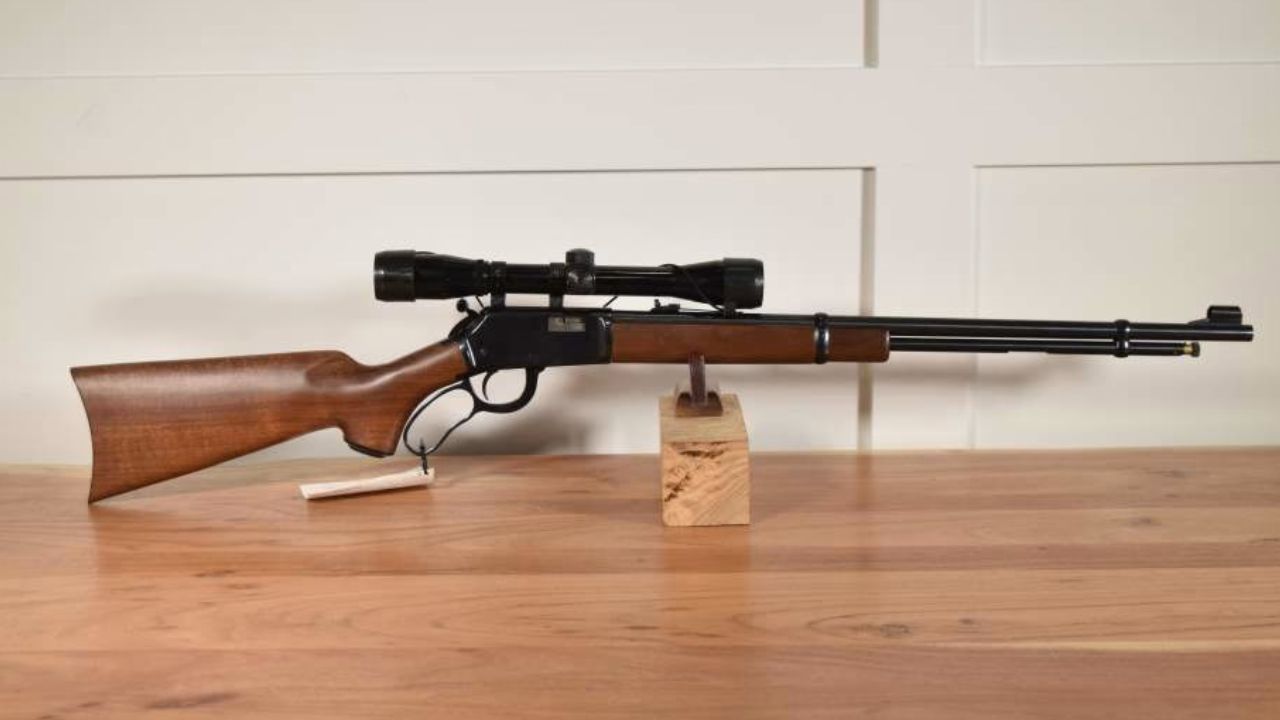
The 9422 used to be a rifle people liked in a comfortable way. It was a very nice lever-action rimfire, smooth, reliable, Winchester-marked, and easy to admire without feeling much urgency. That is usually the setup for long-term regret. Buyers kept telling themselves they would circle back when the time felt right, because rimfires rarely create panic when they are still sitting in plain sight.
Then the market woke up. Nice lever .22s always had more staying power than people gave them credit for, and once enough buyers started realizing just how good the 9422 really was, the old prices disappeared fast. That is why owners wish they had bought two. One to keep and use the way a great rimfire deserves, and one to sit there quietly while the market did what it always does to rifles that turn out to be much better than their old price tags suggested.
Browning BL-22

The BL-22 is another rimfire that made people too relaxed for too long. Buyers knew it was nice, knew it handled beautifully, and still treated it like something that would always be waiting for them down the road. It never had the kind of loud hype that forces fast decisions, which is exactly why so many shooters let them slide past while they spent money on more obvious buys.
That calm market tone did not last. Once more buyers started paying closer attention to quality rimfire lever guns, the BL-22 became one of those rifles that suddenly looked much more expensive than anyone remembered. Owners now look at theirs and wish they had bought a second one when the rifle still felt like a pleasant little luxury instead of a purchase that makes you stop and think. Good .22s do that. They look optional right up until they stop being affordable.
Savage 99

The Savage 99 spent years being the rifle thoughtful people respected without always treating it like a must-buy. It had the rotary magazine, the old deer-rifle pedigree, and enough design appeal to keep knowledgeable buyers interested, but many still figured there would always be another one later. That kind of confidence tends to disappear the moment the wider market starts catching up to what smarter buyers already knew.
That is what made the regret so sharp. Owners who bought one at a sane price and then watched values climb started realizing how badly they underestimated the model’s long-term appeal. The wish for a second rifle usually comes from the same place: one to hunt with or at least keep as a trusted classic, and one to have tucked away before the collector crowd and nostalgia crowd started colliding at the same time. The 99 stopped being an easy old deer rifle and became an expensive lesson.
CZ 527
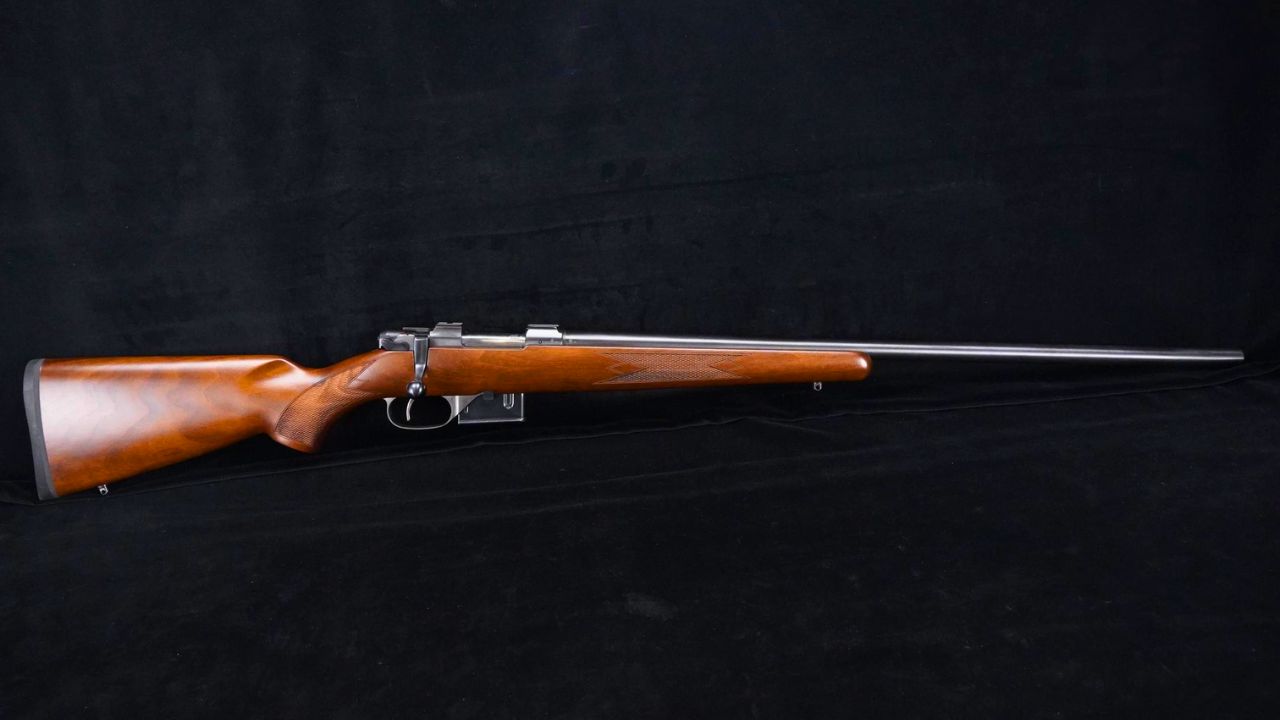
The CZ 527 was one of those rifles people admired for all the right reasons and still did not buy fast enough. It was compact, controlled-round-feed, charming without being silly, and often chambered in exactly the kinds of cartridges that made it feel different from the usual generic bolt guns. But because it felt like a smart shooter’s rifle instead of a hyped collector piece, a lot of buyers kept it on the someday list for too long.
Once production ended, the tone changed almost immediately. People suddenly realized there were not many little rifles that offered the same combination of handling, quality, and personality. That is why owners wish they had doubled up. A second 527 now feels like the kind of thing a person should have bought when they were still merely appreciated instead of increasingly hoarded. The rifle always made sense. Buyers just waited too long to admit how much sense it made.
Ruger Deerfield Carbine

The Deerfield Carbine used to feel like one of those neat Rugers you could always come back for when you finally got around to wanting one. It was handy, a little odd, and useful enough to keep a loyal following, but not loud enough to create mass panic. That made it easy for buyers to treat it like a future impulse buy rather than something worth grabbing while the market was still half asleep.
Then that market woke up. Once people started noticing how few truly handy autoloading hunting carbines there really were, the Deerfield started looking a lot smarter. Owners who bought one years ago now know exactly why they should have grabbed a second. The rifle occupies a lane that never had many clean replacements, and when guns like that rise, they rise in a way that feels much more personal than watching some random collectible get expensive.
Ruger Frontier Rifle
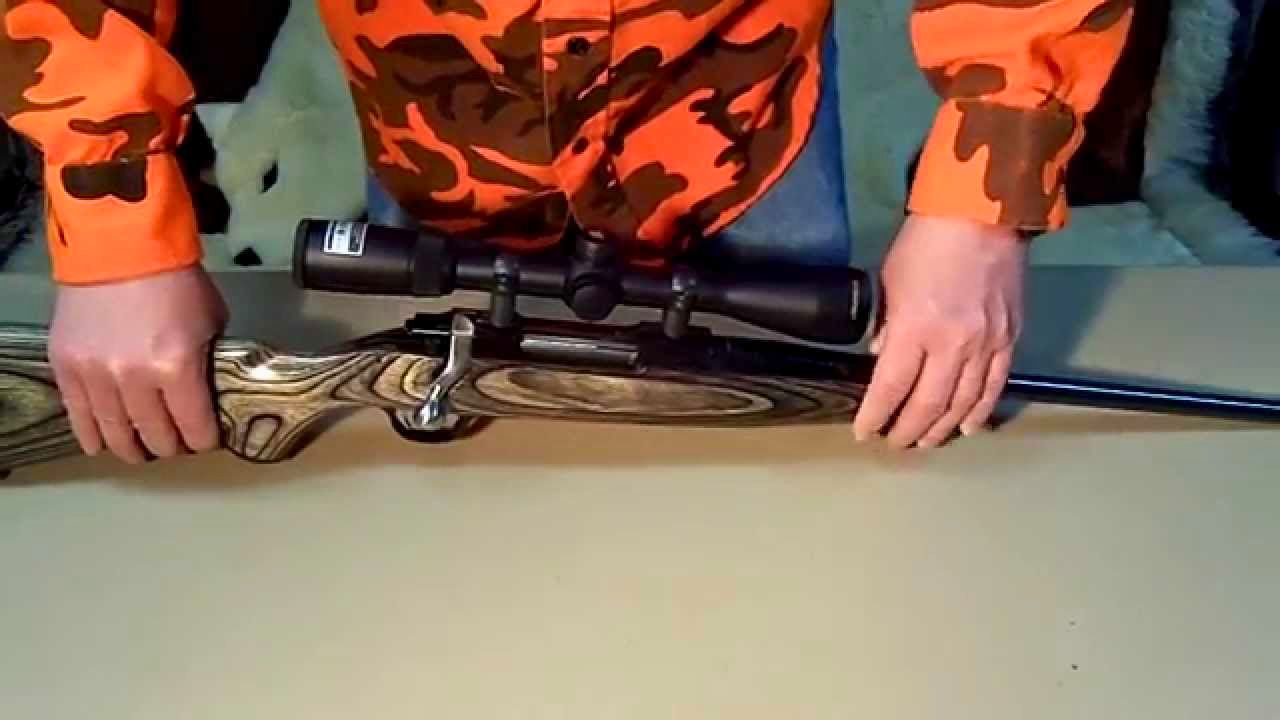
The Frontier Rifle always had the kind of personality buyers remember too late. It was short, practical, a little unconventional, and just interesting enough to make people think about it without always acting on it. A lot of shooters treated it like a concept rifle they might revisit down the line if the price was right or if their tastes shifted in that direction. That is usually how the market catches people sleeping.
Now the old hesitation feels expensive. The Frontier turned out to be one of those rifles that actually offered something real, not just an idea. It handled well, felt different without being useless, and occupied a spot the market never really bothered replacing properly. That is why owners wish they had bought a second when they had the chance. The first one proved the concept worked. The second one would have been the one they did not have to chase after everybody else finally figured out the same thing.
Winchester Model 100
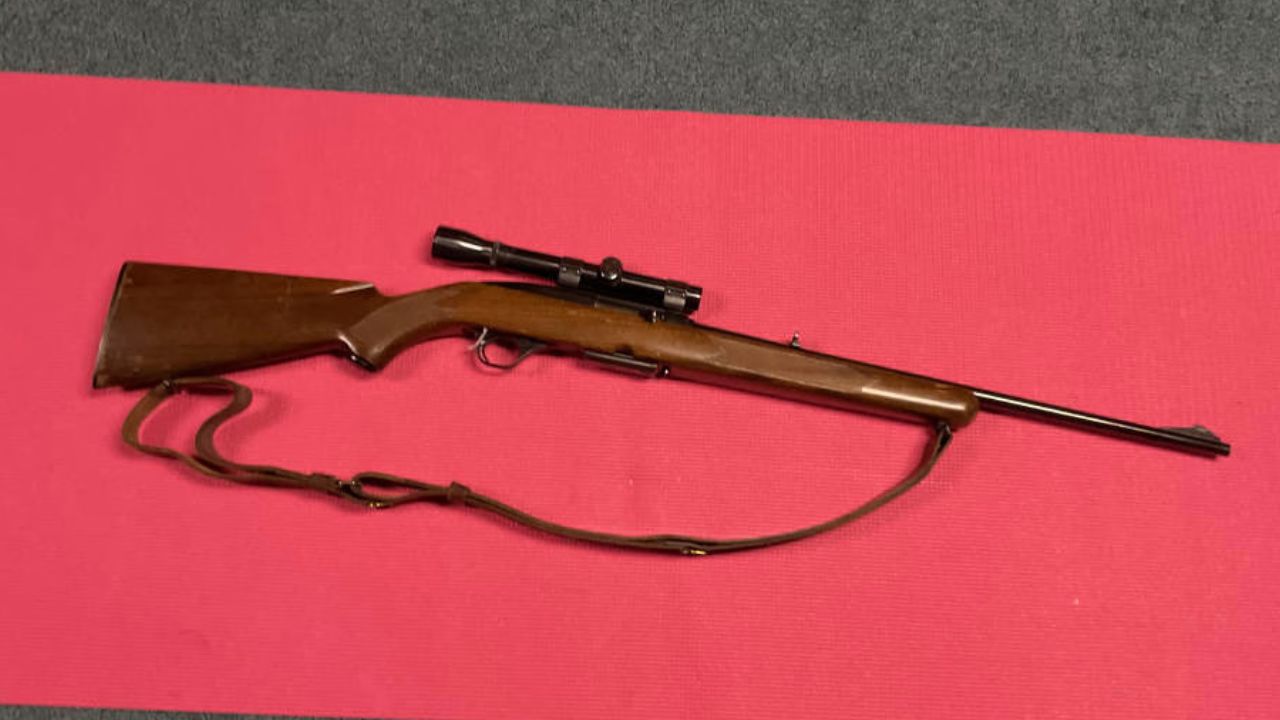
The Model 100 is one of those rifles people respected without urgency for a very long time. It had Winchester on the receiver, looked every bit like an old sporting rifle should, and still somehow stayed in the “I’ll buy one later” category for a lot of buyers. That usually means the model is headed for a painful correction once collectors and practical hunters start appreciating the same thing at the same time.
That is what happened here. The better rifles got harder to find, the prices got less casual, and buyers who once treated the Model 100 like a nice future project now wish they had bought a second when they still felt like background inventory. These are the rifles that sting the most because the regret is so visible. Owners remember when one seemed slightly indulgent. Now they look back and realize two would have been the smarter move.
Marlin 39A

The Marlin 39A was never a mystery rifle. People always knew it was good. The problem was that they treated “good” like it meant “can wait.” A lot of buyers looked at the 39A as a beautiful, useful rimfire lever gun they would eventually get around to after they finished spending money on centerfires, handguns, or louder collector pieces. That sounds harmless until the market decides it was not harmless at all.
Then the same rifle that once felt like a sensible, slightly premium .22 turned into something people now watch with sticker shock. That is why owners wish they had bought a second. A 39A is exactly the sort of rifle you want to keep forever and still shoot, but the current money around clean examples makes many people handle them more gingerly than they would like. Buying a second back when they were still just “nice rifles” would have felt like overkill at the time. Now it feels like foresight.
Remington Model Seven
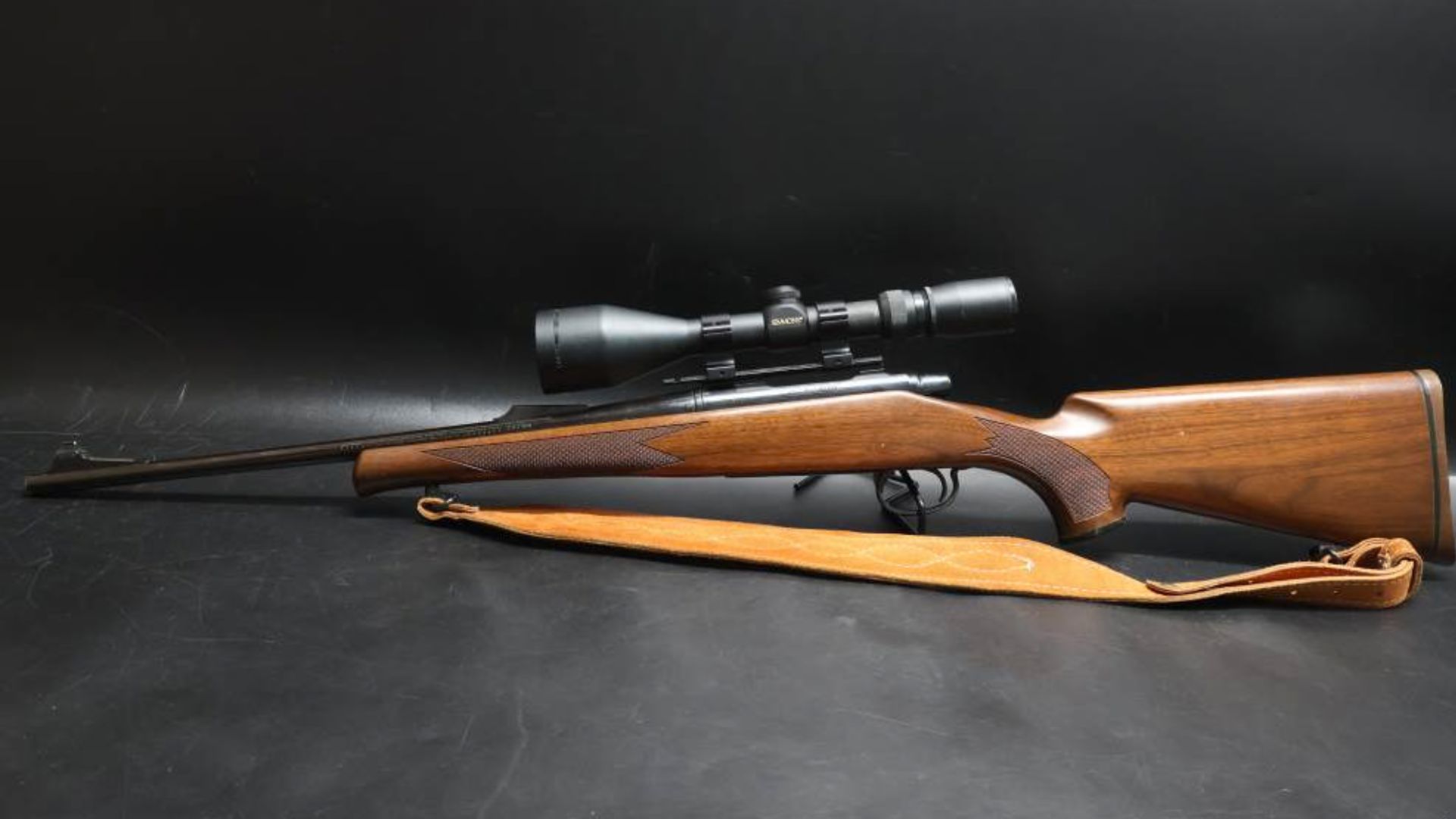
The Model Seven was too practical to trigger urgency. That is what trapped so many buyers. It was compact, field-friendly, and genuinely useful, but because it did not wear a lot of collector mystique, many people kept thinking there would always be another one. Handy hunting rifles tend to get treated that way until the market suddenly remembers how many hunters actually want rifles that carry well instead of simply sounding good on paper.
That is why the Model Seven now produces so much “should have bought two” talk. It stayed useful while the market chased heavier, louder, more feature-packed rifles. Then buyers circled back and realized how much they missed compact field rifles that still felt serious in the hands. Once that realization spread, the easy prices disappeared. Owners now know one Model Seven is a great rifle to have. They also know two would have looked genius.
Ruger 77/22

The 77/22 always looked like the kind of rifle a person could revisit later. It was a quality bolt-action rimfire, yes, but that category does not usually inspire panic. Buyers often compared it to cheaper .22s, shrugged, and moved on, telling themselves they would eventually buy one once they decided they wanted a nicer rimfire. That is how plenty of great guns end up becoming expensive annoyances later.
Once more shooters started appreciating just how enjoyable and solid a good rimfire bolt gun could be, the 77/22 stopped feeling so casual. Owners now look at theirs and understand exactly why they should have bought a second back when the market still thought of them as optional luxuries. Rifles like this always become more appreciated once people have already owned too many lesser .22s. By then, unfortunately, the prices are already reflecting the lesson.
Browning A-Bolt II

The A-Bolt II is one of those rifles buyers liked in a broad, comfortable way, which is exactly what kept them from acting fast enough. It was a polished, dependable, field-ready hunting rifle with Browning on the barrel, but a lot of people still assumed there would always be another one if they ever felt like getting more serious about owning one. That kind of easy confidence can last for years, right up until it suddenly doesn’t.
Now the old calm looks expensive. The A-Bolt II still makes practical sense, still has field credibility, and still feels like more rifle than many buyers first gave it credit for. That is why owners wish they had bought two. One would have remained the trusted hunting rifle. The other would have been the smart hedge against the day when everybody else finally remembered how much they liked older Browning bolt guns too.
Winchester 63

The Winchester 63 spent too long being treated like a nice old .22 instead of the future headache it was becoming. Quality old semiauto rimfires have a way of doing that. Buyers know they are appealing, but they still assume they can revisit them later because the market does not scream loudly enough to force action. That is the dangerous part. A gun can become expensive without ever putting on a big dramatic show in advance.
That is exactly why owners now wish they had bought a second one. A 63 is the sort of rifle people want to actually own and enjoy, not merely admire from a distance. But once the prices rise enough, the idea of a “shooter” and the idea of a “nice clean example” start pulling apart financially. That is always when the second-rifle fantasy begins. If they had bought two when the numbers were still sane, they would not be having that argument with themselves now.
Sako A7

The A7 always had the sort of quiet competence that gets people in trouble. Buyers respected it, saw the Sako connection, liked the practical hunting-rifle feel, and still often delayed because it never generated enough noise to feel urgent. It seemed like one of those rifles you could always return to once you had sorted through your other options. That is usually how buyers talk themselves into paying more later.
Now the same owners look back and wish they had doubled up when the line still felt easy to access. The A7 turned out to be exactly the kind of rifle people miss once it is not just sitting there on the shelf anymore. It handled well, shot well, and gave buyers a lot of what they wanted from a serious hunting rifle without the full premium bite of other names. That kind of rifle always gets more expensive after people stop treating it like background scenery.
Savage 340

The Savage 340 may be the most blue-collar example on this list, and that is part of what makes the regret feel so sharp. Buyers walked past them for years because they looked too plain to matter much. They were just old practical rifles, not the sort of thing people expected to become emotionally expensive later. That plainness kept them underappreciated right up until enough shooters started looking back and realizing these rifles had offered honest utility without much fuss.
That is usually when the market stops being kind. The 340 did not need glamour to become annoying to replace. It only needed enough people to decide that old practical rifles with real use value were worth more than the market had been admitting. Owners now wish they had bought two because the first one proved how competent the rifle was. The second would have been the one they would not now be trying to buy back at a much less friendly price.
Like The Avid Outdoorsman’s content? Subscribe to our newsletter so you never miss an article.
Here’s more from us: