Photo credit: GetZone/YouTube
A good shooter can look awful with the wrong caliber choice, and it’s usually not because they forgot fundamentals. It’s because the cartridge and the platform don’t match the job. Tiny guns in service calibers can be so snappy you start slapping the trigger. Light rifles in magnum chamberings can teach you to flinch in one range session. Hot loads can wreck your follow-through, and blast can make you rush everything even when recoil isn’t the main issue.
The tricky part is that these cartridges often “work” on paper. They have the energy, the speed, the reputation. But in the real world, the wrong pairing steals your confidence and turns solid shooting into scattered hits. These are specific gun-and-caliber combos that do exactly that to a lot of capable shooters.
Ruger LCP II in .380 ACP
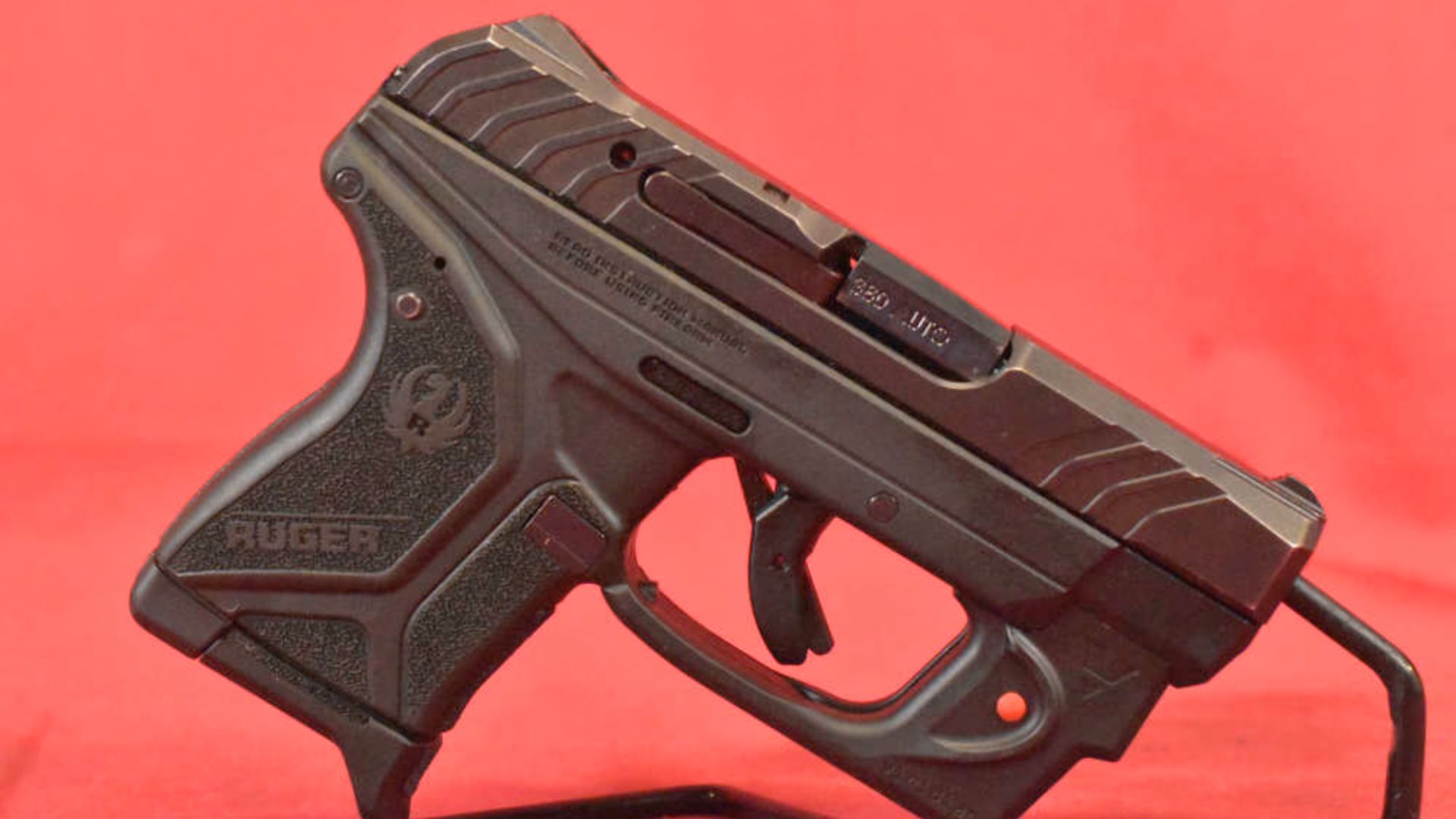
The LCP II looks like an easy carry gun, but .380 in a tiny, light pistol can make you shoot like you’ve never held a handgun before. The recoil isn’t huge, it’s sharp, and the gun moves so fast in your hands that your sight picture disappears right when you need it.
You end up trying to “catch” the gun on the way back down, and that’s where good shooters start snatching the trigger. The short grip and light weight make consistency harder, especially with sweaty hands or cold fingers. You can shoot it well, but it takes more discipline than most people expect. If you don’t practice with it regularly, it’ll make you look sloppy even at distances where you normally don’t miss.
Smith & Wesson 340PD in .357 Magnum

The 340PD is built to disappear in a pocket, and .357 Magnum is built to hit hard. Put those together and you get recoil that’s so abrupt it can knock the polish right off your fundamentals. The gun doesn’t “push” so much as it snaps, and the blast is violent enough that your eyes want to blink before the shot even breaks.
Good shooters start anticipating it because the penalty is immediate. Your grip tightens, your shoulders rise, and your trigger press turns into a jab. Even if you keep the gun running, follow-up shots slow way down because you’re recovering from the hit. The caliber does its job, but this pairing has a way of making capable people shoot like they’re new.
Ruger Super Redhawk Alaskan in .454 Casull

The Alaskan looks like a bear-stopper, and it can be, but .454 Casull in that short-barreled revolver is a clinic in how recoil ruins accuracy. The muzzle blast is massive, the recoil is hard, and the grip can feel like it’s trying to peel out of your hands under full-power loads.
A skilled shooter can manage it, but the margin for error is thin. If your grip shifts even slightly, your trigger finger position changes and the shot goes with it. The concussion alone can make you rush, and rushed revolver shooting gets ugly fast. This is one of those setups where you can watch a solid shooter start printing scattered hits simply because the gun is punishing enough to make you tense up.
Glock 27 in .40 S&W
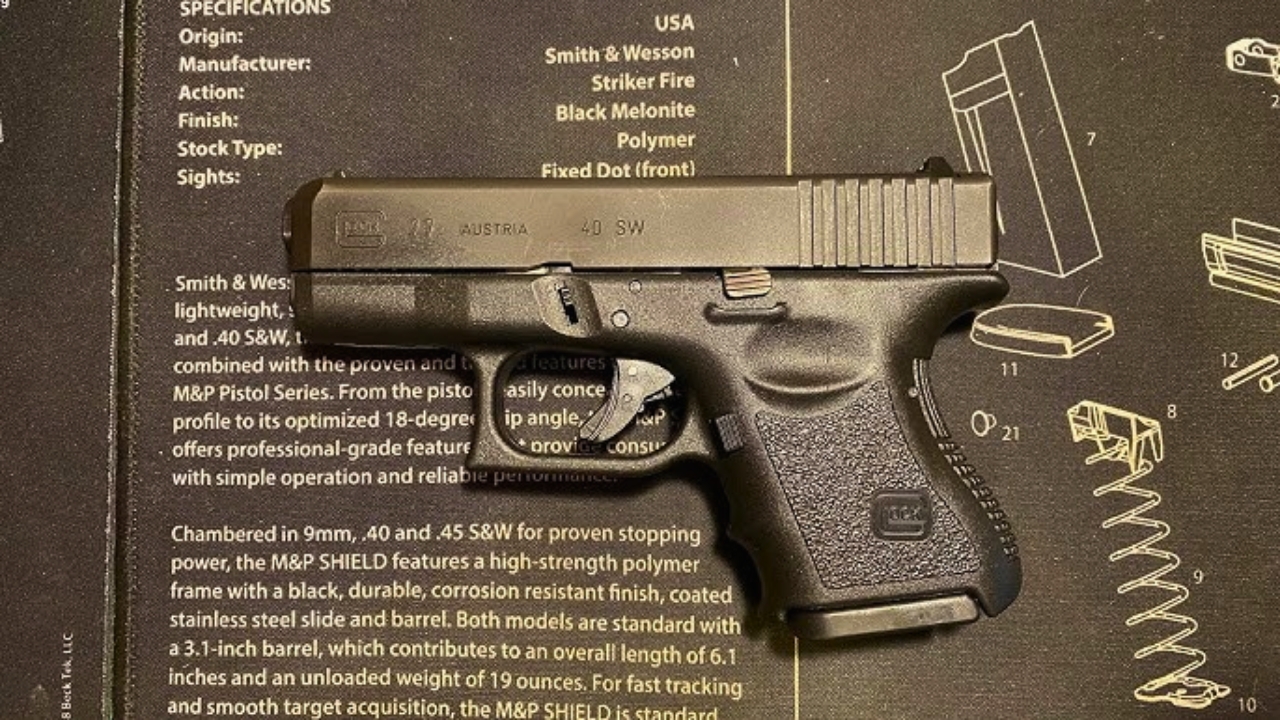
The Glock 27 has been humbling shooters for years because .40 S&W gets spicy in a subcompact frame. The recoil impulse is quick, the muzzle flips hard, and the short grip gives you less leverage to control it. You can be a very competent shooter and still find your groups opening up the moment you try to speed up.
What happens is predictable: you start chasing the sights instead of pressing the trigger clean. The gun snaps up, you drive it back down, and your trigger press gets rushed because you’re trying to keep pace. When you slow down, it looks fine. When you shoot it like a defensive pistol, it can make you look like you’ve got a flinch you didn’t know you had.
Glock 29 Gen4 in 10mm Auto

The Glock 29 is a lot of power in a small package, and full-strength 10mm loads can turn it into a handful fast. The recoil is not only stout, it’s fast, and the gun’s shorter grip can make it harder to keep your hands locked in the same place shot to shot.
Good shooters start missing for two reasons: they brace for the hit, and they lose consistency in the grip. When your support hand shifts, your trigger finger ends up doing a different job every time. That’s how you get “mystery flyers” that aren’t actually mysterious. The 10mm can earn its keep, but in this compact platform it demands real commitment. If you don’t practice enough, the gun will expose you.
Springfield Armory XD-S Mod.2 in .45 ACP

A thin, lightweight .45 sounds great until you start shooting it like you mean it. In the XD-S Mod.2, .45 ACP recoil comes through as a sharp snap with noticeable muzzle rise, and the slim grip gives you less surface area to clamp down on. It’s easy to shoot one careful magazine and think you’ve got it.
Then you try to shoot it at speed and your hits start climbing and spreading. The recoil isn’t unmanageable, but it’s demanding. A good shooter can keep it together, but it takes more concentration than the gun’s size suggests. If you’re coming from a service-size .45, this can make you look worse than you should because it punishes any lapse in grip and follow-through.
Taurus Judge Public Defender Poly in .410 Bore

The Judge looks like it belongs in rough work, but .410 out of a short revolver is a great way to make accurate shooters look scattered. Pattern spread and pellet performance vary a lot, and the short sight radius doesn’t give you much help. Even with good fundamentals, results can feel inconsistent.
With .45 Colt, you’re still dealing with a bulky frame and a trigger pull that can be harder to run cleanly under speed. The gun’s role is specialized, but plenty of people try to make it something it isn’t. When you mix that with the reality of .410 patterns and recoil impulse, you can end up with hits that look random. It’s not always the shooter—it’s the choice.
Kel-Tec PMR-30 in .22 WMR

The PMR-30 is fun, light, and high capacity, but .22 WMR brings rimfire quirks that can make you look like you can’t run a pistol. Rimfire ammo is more finicky by nature, and when you add a light slide, a big magazine, and the need for clean feeding, you can get stoppages that ruin your rhythm.
Even when it runs, you can see performance swing depending on ammo choice. A good shooter who’s used to centerfire reliability can end up distracted—clearing issues, regripping, restarting drills. That kills consistency and makes hits look worse than they should. When the gun is clean and fed what it likes, it can be a blast. When it’s not, it can turn a smooth shooter into someone constantly managing problems.
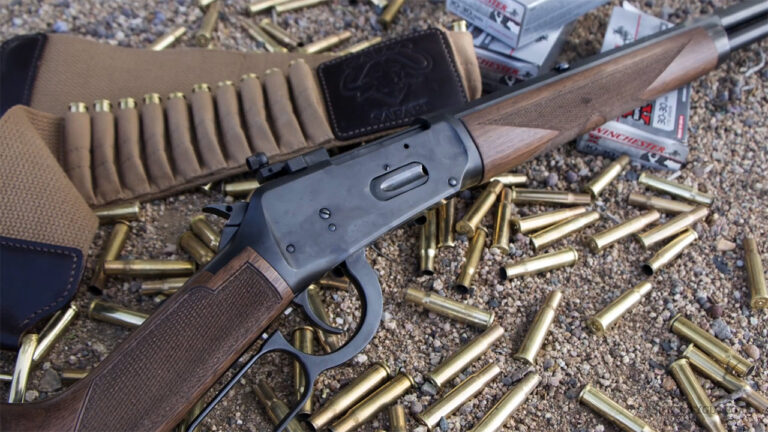
Marlin 1895 Guide Gun in .45-70 Government

The Guide Gun carries great and hits hard, but full-power .45-70 in a short, lighter lever gun can make even steady shooters start rushing. Recoil comes back with authority, and the stock shape can drive it into you in a way that makes follow-through harder than it should be.
The problem isn’t the cartridge—it’s the pairing and the pace. If you try to shoot it like a range rifle, your body starts preparing for recoil before the shot breaks. That’s when your trigger press turns into a shove and your groups open. A good shooter can keep it clean with sensible loads and a measured cadence. With hot loads and a fast tempo, this combo can make you look wild.
Ruger American Ranch in .450 Bushmaster

The .450 Bushmaster can be a solid straight-wall hunting choice, but in a light Ruger American Ranch, recoil can feel sharper than people expect. It’s a fast shove that moves the rifle off target and makes you work harder to stay disciplined behind the gun.
When recoil surprises you, it steals your follow-through. You start lifting your head, blinking, and breaking position early. That’s how good shooters start printing low-left or sending shots wide even though their fundamentals are usually tight. The cartridge does what it’s supposed to do, but it’s not a forgiving setup for long practice sessions. If you don’t build comfort with it, it’ll make you shoot like you’re guessing.
Tikka T3x Lite in .300 Winchester Magnum

The T3x Lite is a great rifle, and .300 Win Mag is a great cartridge. Together, they can be a flinch factory if you’re not careful. The rifle is light enough that recoil comes fast, and the muzzle rise can make it hard to stay in the scope and call your shot.
Good shooters start missing because they stop trusting the break. Your shoulder braces, your cheek weld changes, and your trigger press gets hurried to “get it over with.” That’s how you end up with groups that don’t reflect your skill. This combo can absolutely work for hunting, but it demands a smarter practice approach—good recoil management, a solid pad, and a pace that keeps you honest instead of beat up.
Winchester Model 70 Featherweight in .338 Winchester Magnum

A Featherweight Model 70 is built to carry, and .338 Win Mag is built to hit hard. Put them together and you get recoil that can feel disproportionate, especially off a bench. The rifle moves quickly, and if the stock doesn’t fit you well, it can drive recoil into your cheek in a way that makes you start flinching without realizing it.
A capable shooter can still shoot it well, but it’s not forgiving. If your shoulder position changes even a little, point of impact shifts because your body becomes part of the recoil system. When you’re uncomfortable, you rush. When you rush, accuracy falls apart. This is a classic “sounds perfect on paper” pairing that can make good shooters look worse than they are.
Christensen Arms Ridgeline in .300 PRC

The .300 PRC is a serious cartridge, and the Ridgeline is often a relatively light hunting rifle. That mix can punish you if you try to shoot long strings, especially with a brake that changes how the rifle behaves under recoil and blast. Even if recoil is manageable, the concussion can make you tense up and start breaking position early.
Good shooters look bad here because they lose their routine. They stop calling shots, stop watching trace, and stop staying in the gun. When a rifle makes you want to blink and lift your head, your groups tell on you. The cartridge can absolutely perform, but it wants a rifle weight and practice style that matches it. In a lighter hunting rig, it can be more demanding than people expect.
Springfield Armory SAINT Victor Pistol in 5.56 NATO (short barrel)

A short-barreled 5.56 looks aggressive, but it can make you shoot worse because blast and concussion mess with your timing. The recoil isn’t huge, yet the muzzle behavior, noise, and pressure wave can make you rush shots and lose your sight picture. You end up reacting instead of executing.
A good shooter can still run it, but it takes more focus than a longer carbine. The gun jumps, the dot bounces, and you start chasing it. Outdoors it’s manageable. Indoors or under a roof, it can feel like getting slapped in the face every shot. That sensory punishment can make even disciplined shooters speed up the trigger press and get sloppy. It’s not always recoil that makes you look bad—sometimes it’s everything around it.
Benelli Super Black Eagle 3 in 12 Gauge (3.5-inch loads)

The SBE3 is built for harsh waterfowl hunts, and 3.5-inch shells are built to hit like a truck. Run that combo at the range or in awkward field positions and you’ll watch good shooters start losing form. Heavy recoil makes you lift your head, loosen your grip, and break position early, especially when you’re trying to shoot fast.
The gun can handle it mechanically, but the shooter pays the price. If you pattern it with the heaviest loads and rush through the process, your results will look worse than your ability. You’ll blame the gun, the choke, the shell, anything except the fact that recoil changed how you mounted it. This setup can absolutely earn its keep in the marsh, but it can also make skilled people shoot like they’re guessing.
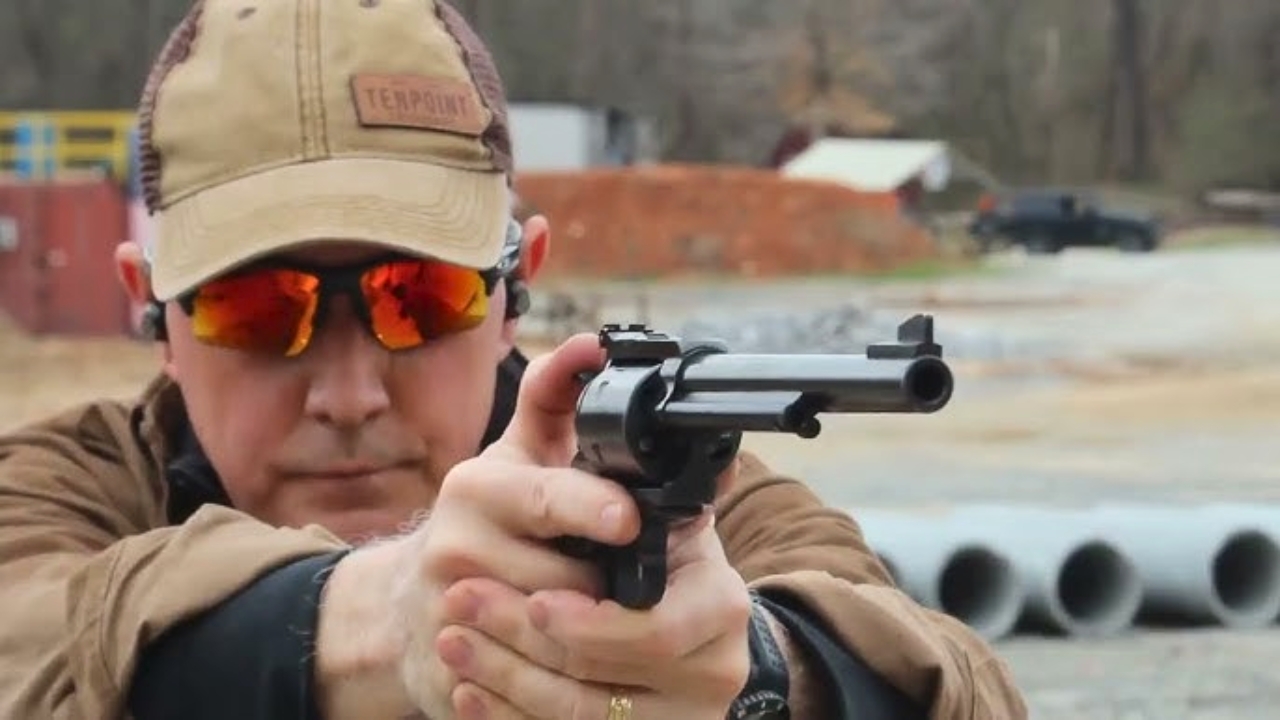
Ruger Super Blackhawk in .44 Magnum (heavy hunting loads)
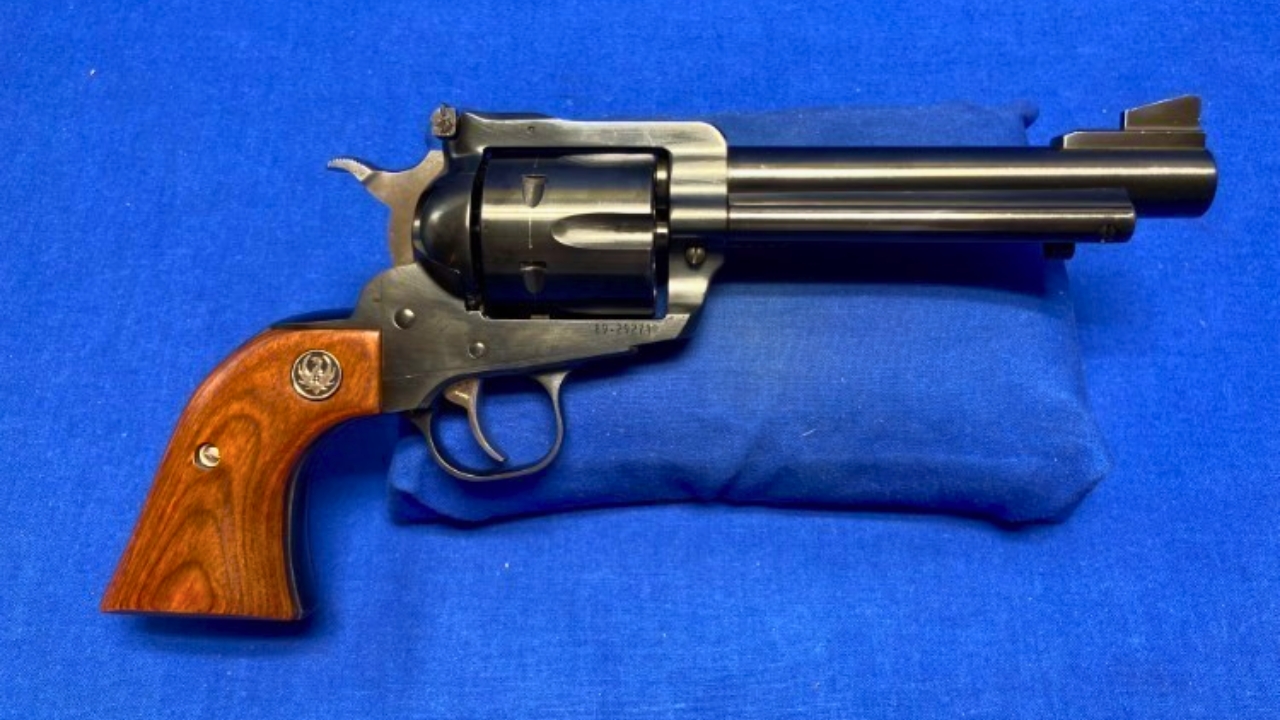
A Super Blackhawk looks like a powerhouse, and with heavy .44 Magnum loads it is. The problem is how quickly recoil and muzzle rise can start changing your trigger press. The revolver rolls, the front sight disappears, and your brain starts trying to “time” the shot instead of pressing clean.
Good shooters look bad because the gun teaches bad habits fast. You start gripping harder than you should, you start tightening fingers during the press, and the muzzle moves before the shot breaks. That turns into low hits, wide hits, and a group that looks like you forgot how to shoot a revolver. The .44 can be incredibly effective, but when you feed it the heaviest stuff all the time, it can steal the calm, repeatable shooting that makes you accurate.
Like The Avid Outdoorsman’s content? Subscribe to our newsletter so you never miss an article.
Here’s more from us: