Photo credit: All Outdoors/YouTube
Some guns lose their magic slowly. At first, the flaws feel forgivable because the brand is respected, the design has history, or the gun still carries enough reputation to make owners feel like they bought into something important. Then more range time happens. The trigger is not as good as people claimed. The recoil is more annoying than expected. The fit, finish, reliability, or real-world usefulness starts feeling less impressive once the honeymoon is over. Still, a lot of owners keep defending them.
That is what makes this category interesting. These are not always terrible guns. In many cases, they are decent firearms that simply stopped living up to the way people talk about them. But once a gun becomes part of somebody’s identity, admitting disappointment gets harder. So the excuses start. People defend the history, the concept, the brand, or the idea of the gun long after the shine has worn off and the shooting experience has become a lot less convincing.
Springfield XD

The Springfield XD built a loyal following by showing up as a dependable alternative when a lot of buyers wanted something polymer, striker-fired, and easy to understand without paying top-tier money. For a while, that made it easy to praise. It ran well enough for many people, felt reasonably comfortable in the hand, and came with a track record that gave owners plenty to talk up. Back then, the shine was real.
Over time, though, a lot of shooters started noticing that the XD often felt more respectable than exciting. The trigger rarely inspired much love, the bore axis conversation never really went away, and once newer options crowded the market, the gun started feeling more dated than defended owners wanted to admit. Still, people keep going to bat for it because it served them well enough once, and that first impression is hard to let go of.
Beretta PX4 Storm

The PX4 Storm always had defenders because it offered something a little different. The rotating barrel gave people a technical detail to brag about, the Beretta name carried weight, and the gun had a soft-shooting reputation that helped it stand apart from more generic polymer pistols. On paper, it looked smarter than a lot of its competition. That was enough to keep owners talking positively about it for years.
The problem is that owning something different is not always the same as truly loving it. For many shooters, the PX4 never felt as refined in the hand or as desirable over time as they expected. The controls, styling, and overall feel kept it from becoming a real favorite for a lot of people. Even so, owners still defend it hard, partly because they bought into the idea that it was misunderstood and partly because admitting it faded on them would feel like conceding the critics were right.
Ruger Mini-14

Few rifles get defended more stubbornly than the Mini-14. Owners love the classic profile, the Garand-style feel, and the fact that it avoids the black-rifle image some shooters never warmed up to. For a lot of buyers, that was enough to make it feel like the practical, sensible alternative. It looked handy, familiar, and easy to like, especially if you wanted .223 performance without buying into full AR culture.
Then real comparisons started creeping in. Accuracy conversations followed it for years, magazine quality became part of the debate, and the value equation got harder to ignore once AR-15s became easier to get, easier to customize, and often easier to shoot well. Still, people defend the Mini-14 because it scratches a certain itch and because many owners like what it represents more than what it consistently delivers. That loyalty survives even when the glow does not.
Kimber Ultra Carry II

The Ultra Carry II sold a lot of people on the idea of a compact 1911 that could serve as both a classy carry gun and a serious defensive pistol. That pitch had obvious appeal. It was slim, familiar, and carried the kind of 1911 romance buyers love. At first glance, it felt like getting everything people liked about the platform in a more convenient package, and that made it easy for owners to speak highly of it.
After the novelty wore off, a lot of shooters discovered the usual compact-1911 tradeoffs were still very real. Shorter guns can be less forgiving, maintenance and reliability expectations stay high, and some owners found themselves doing more explaining than enjoying. Even then, people keep defending guns like this because Kimber still carries recognition and because nobody likes admitting the gun they proudly bought for style and heritage ended up feeling fussier than it looked in the case.
FN Five-seveN

The Five-seveN always had built-in bragging rights. It looked futuristic, fired an unusual cartridge, and let owners feel like they were running something outside the normal handgun conversation. That alone gave it staying power among people who wanted a pistol that felt different from the usual 9mm crowd. The light recoil and high capacity added more talking points, and for a while, the shine stayed strong because the whole package felt unusual enough to excuse its quirks.
Later on, a lot of buyers started realizing that unusual does not always age into beloved. Ammo cost, the gun’s overall feel, and the way it fit into real-world shooting habits made some owners use it less than they expected. It remained interesting, which is not the same as remaining satisfying. Even so, plenty of people still defend it because it represents a smart-sounding, niche choice, and walking that back would mean admitting the idea of the pistol stayed stronger than the long-term ownership experience.
Remington R51
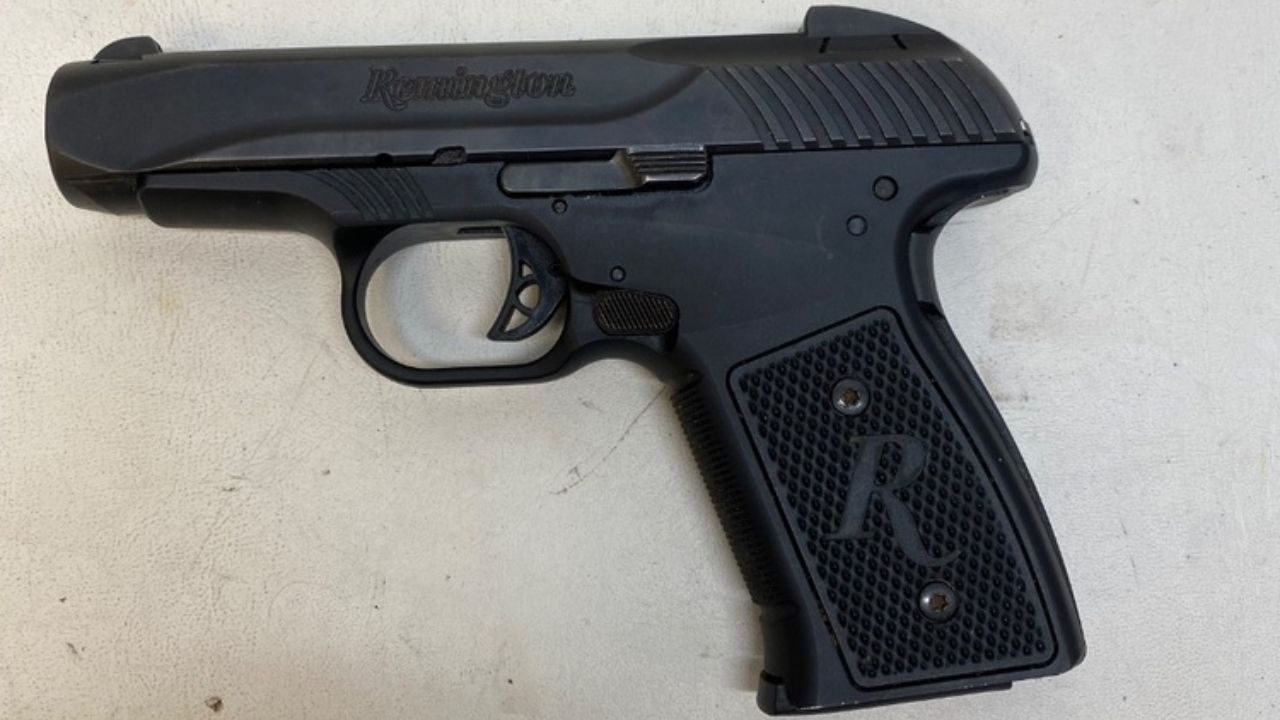
The R51 carried a lot of promise when people first started talking about it. It looked sleek, had historical roots to lean on, and offered a concept that sounded clever enough to convince buyers they were getting something more refined than the usual small carry pistol. Plenty of owners wanted it to succeed because it seemed like the kind of gun that could combine style, concealability, and engineering appeal in one package.
That shine wore off fast for many people once performance issues and general disappointment took over the conversation. A lot of owners still tried to defend it anyway, usually by pointing to the concept, the feel in the hand, or the belief that the gun deserved a fairer shake than it got. That is often how it goes. Once people buy into the story of a firearm, they keep defending the story long after the shooting experience stops backing it up in a meaningful way.
Colt King Cobra

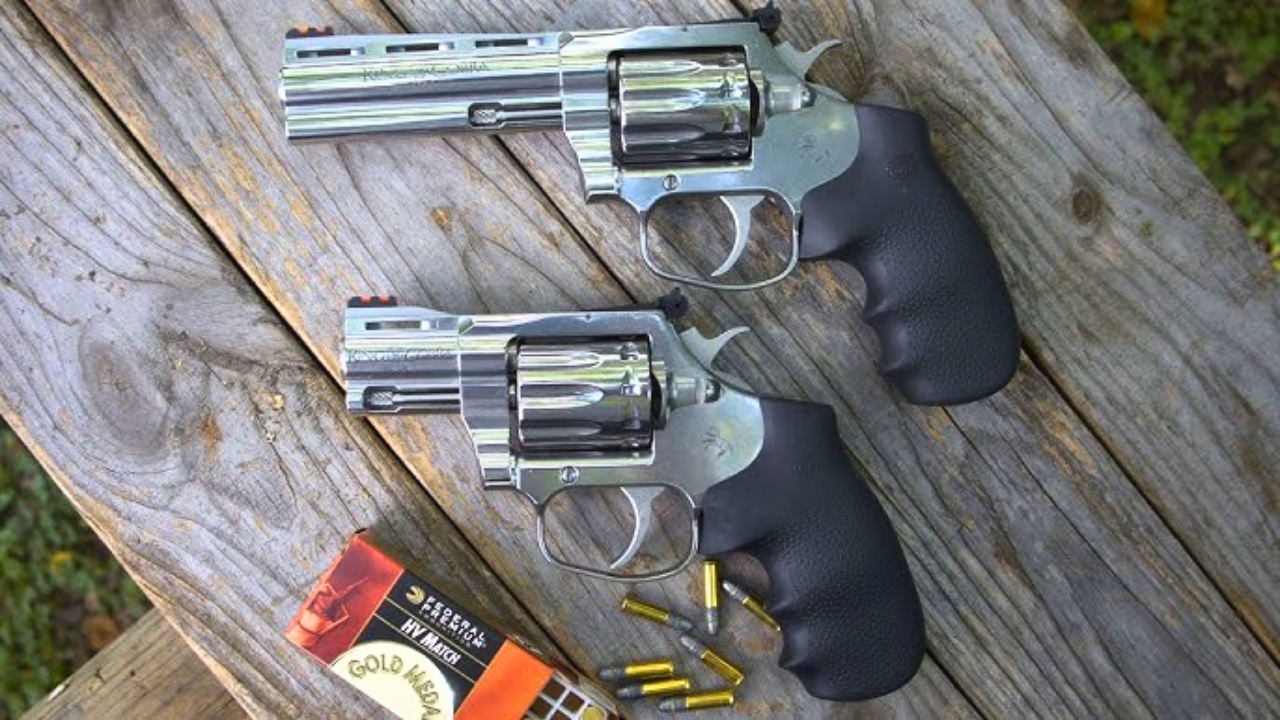
The King Cobra still gets defended because it has the Colt name and carries enough revolver prestige to make people want it to be better than it sometimes feels in actual use. On the surface, that makes sense. It looks good, it sounds right, and it gives owners a modern Colt revolver they can proudly mention in the same breath as older legends. That alone creates a lot of goodwill before the first serious shooting session is even done.
The issue is that once the excitement settles, many shooters start measuring it against what they expected from the badge and the price. That is not always a comfortable comparison. Some owners still defend it because the fit, the finish, and the overall idea mean more to them than the little disappointments that show up over time. Brand loyalty does a lot of heavy lifting here. The shine may wear off, but the urge to protect the name stays strong.
IWI Tavor SAR

The Tavor SAR came in with enormous appeal because it looked like the future to a lot of American buyers. It was compact, military-connected, and different enough from standard rifles to make owners feel like they had moved beyond the obvious choice. At first, that was exciting. The bullpup layout felt clever, the rifle looked serious, and the whole package gave people plenty to defend before they had even spent much time behind one.
After more range time, the tradeoffs became harder to ignore. Trigger quality, overall balance, reload feel, and plain familiarity all pushed some owners back toward rifles that were less exotic but easier to live with. Still, people defend the Tavor because it remains undeniably interesting and because its distinct identity makes it harder to judge by ordinary standards. That is often how these guns survive criticism. They stay cool enough that owners keep defending them even when simpler rifles start getting chosen more often.
Walther P22
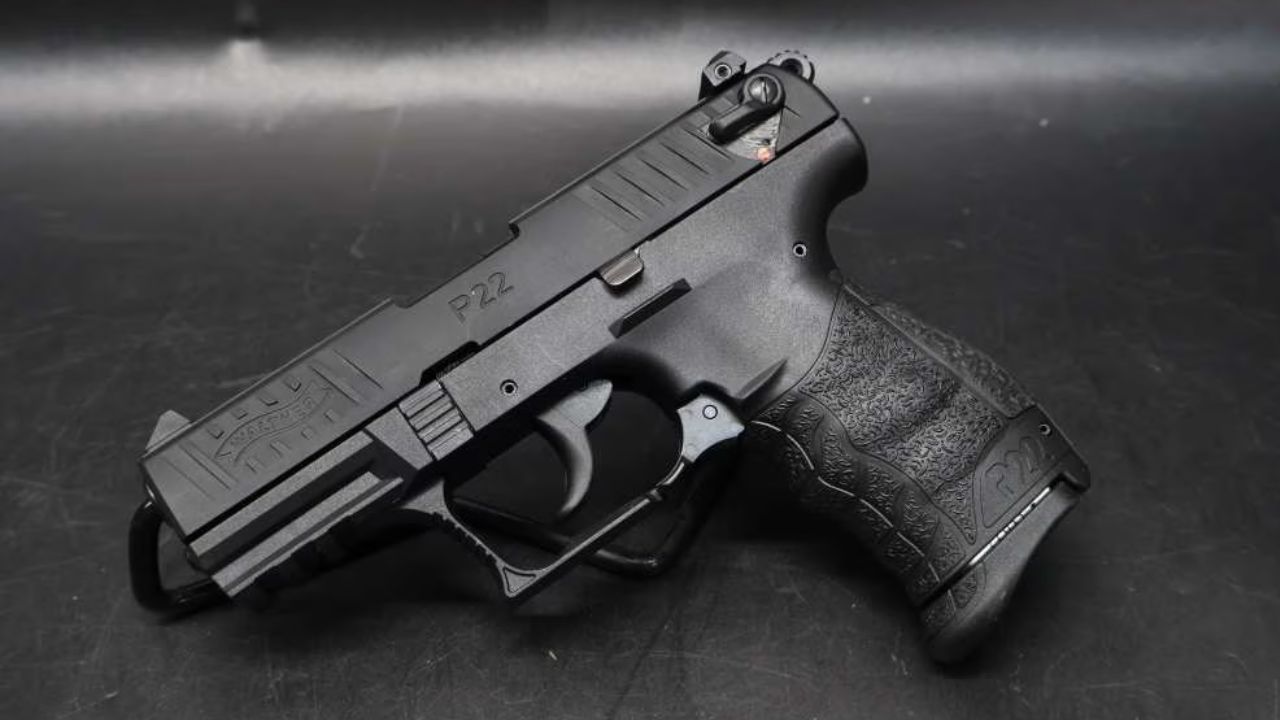
The P22 had early appeal because it felt fun, compact, and easy to recommend to shooters who wanted a small rimfire with a tactical look. It gave buyers a plinker that seemed more modern than the old-school .22 pistols people grew up with, and that made it easy to defend at first. It looked like a trainer, looked like a toy, and looked like something anybody could enjoy without much thought.
Then more people actually lived with them. Once durability complaints, ammo sensitivity, and the general reality of long-term ownership became part of the conversation, the shine dulled pretty quickly. But owners still defend the P22 because it often delivered enough fun early on to earn emotional loyalty. People remember the role it played, not always the frustration that followed. That is why firearms like this keep getting excuses made for them long after more dependable rimfires have proven easier to enjoy.
Smith & Wesson SD9 VE
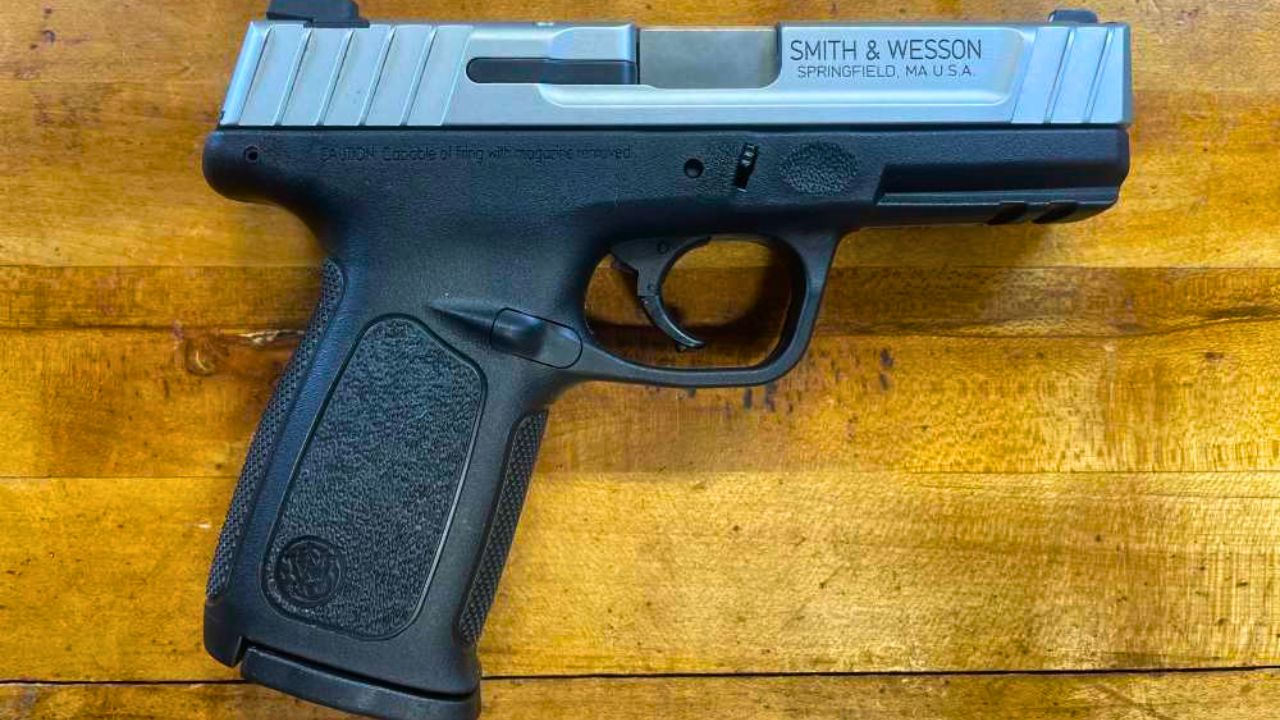
The SD9 VE got defended for years because it occupied an easy lane: affordable, familiar, and close enough in feel to more respected striker-fired pistols that buyers could convince themselves they were making a smart, practical decision. For budget-minded shooters, that argument carried real weight. It was a gun people could afford, train with, and point to as proof that you did not have to spend premium money to get something workable.
The problem was that workable only takes a gun so far once owners start noticing everything that feels merely okay instead of genuinely good. The trigger became part of the usual criticism, the finish rarely sparked much affection, and the overall experience often felt more tolerated than enjoyed. Even now, people still defend it because it stood in as a budget solution when they needed one. That kind of loyalty can stick hard, even after the gun itself stops feeling like something they truly enjoy shooting.
Taurus Judge
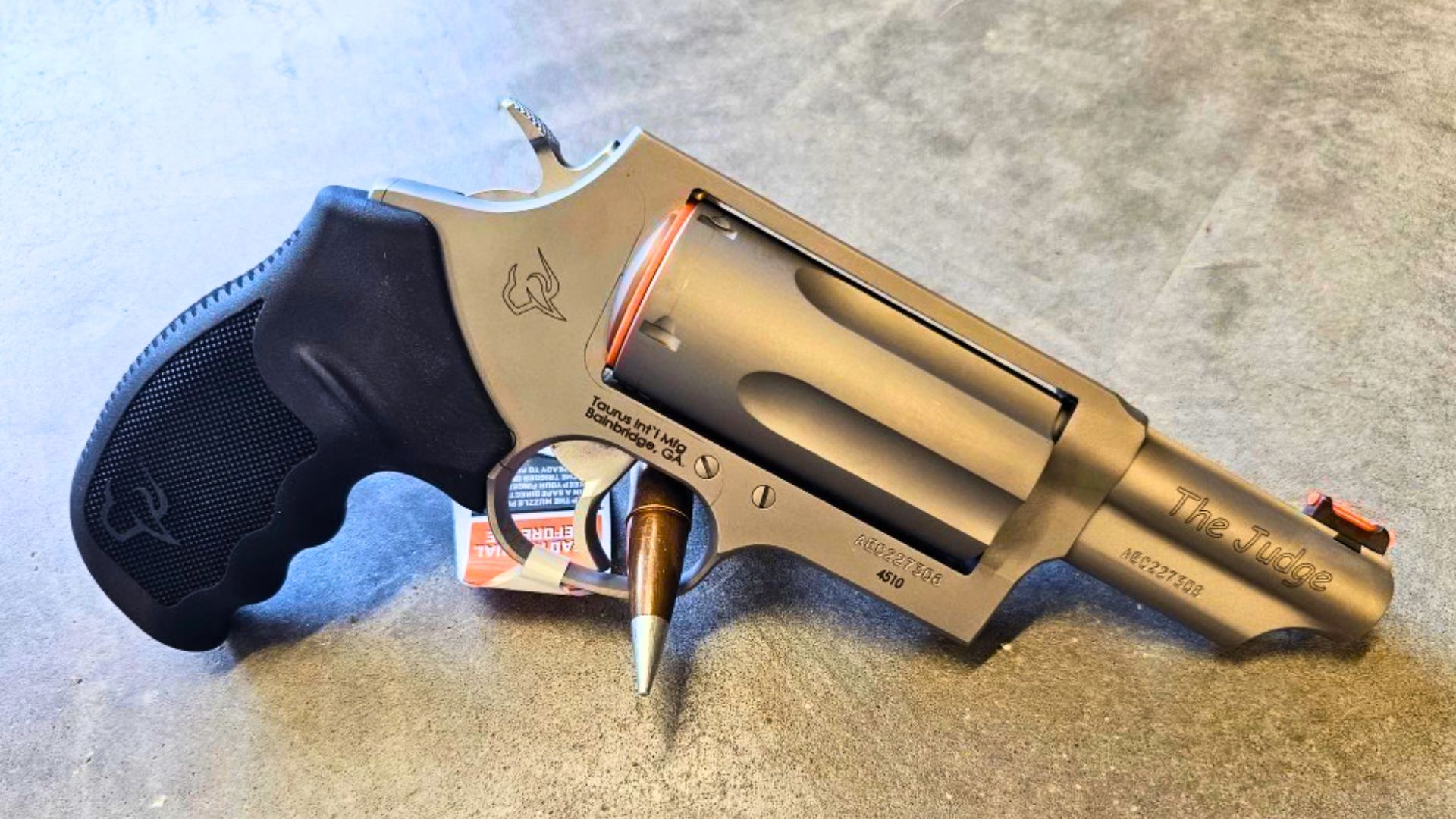
The Judge may be one of the best examples of a firearm people defend because the concept is fun to talk about. It gave owners a revolver that felt wild, different, and easy to describe in a way that instantly got attention. That helped it build a reputation far bigger than what most shooters actually needed from a handgun. The shine came from the idea of versatility and shock value as much as from real performance.
Over time, plenty of owners started realizing that novelty and practicality are not the same thing. The Judge remained memorable, but not always in a way that made people keep reaching for it. Accuracy expectations, size, and real-world usefulness made the gun harder to love once the first impression wore off. Still, people continue defending it because it made them feel like they owned something unique. Guns built around a bold idea often keep their defenders long after most of the real enthusiasm has cooled.
SIG Sauer Mosquito
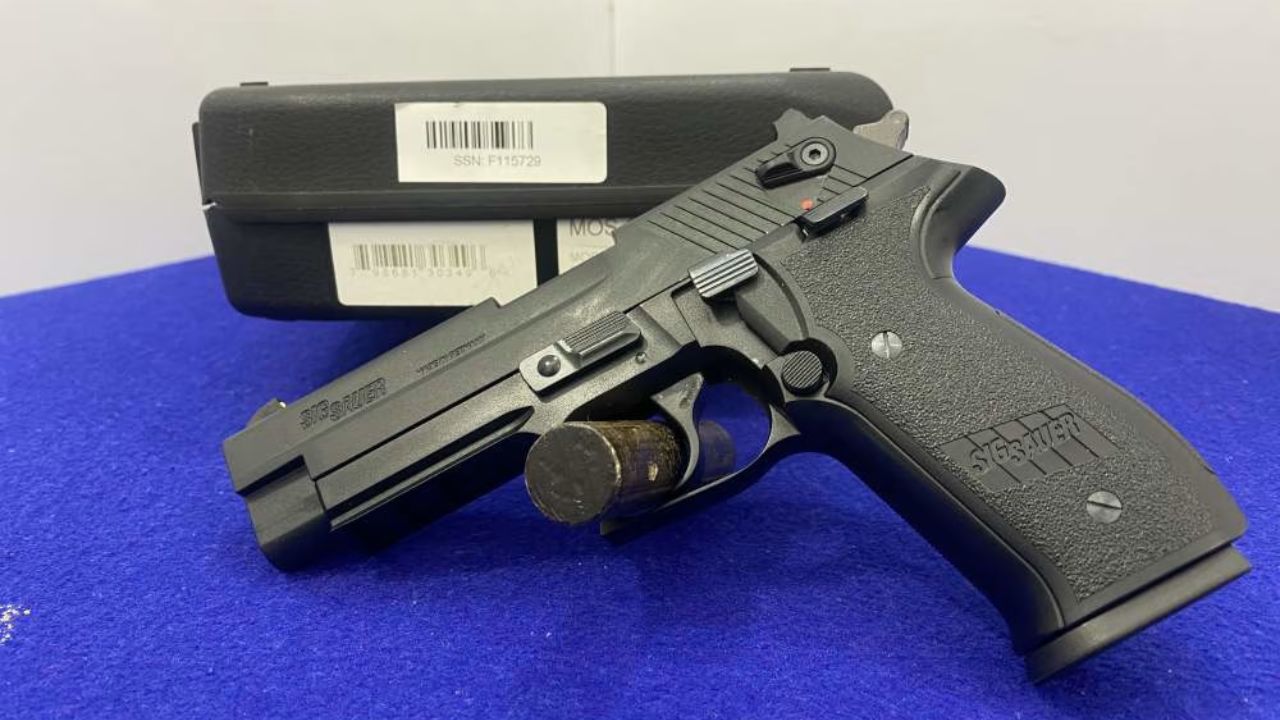
The Mosquito had an easy pitch when it first showed up. It looked like a SIG, felt like a trainer for a bigger centerfire pistol, and gave buyers a rimfire option from a name they trusted. That kind of branding mattered. Many owners wanted to believe they were getting a smart little practice pistol with premium DNA, and that belief kept the gun looking better on day one than it often looked after much real use.
As more people spent time with them, frustration started replacing excitement. Reliability complaints and picky behavior became too common to ignore, but even then, many owners kept defending the gun because it still wore the right logo and filled a role they wanted to believe in. That is the trap. A firearm does not need to stay impressive if the owner remains emotionally invested in the promise. The Mosquito kept its defenders because the idea stayed attractive long after the execution disappointed.
KelTec SU-16

The SU-16 appealed to people who liked practical-looking innovation and wanted something lighter, handier, and more distinctive than the standard rifle crowd. For a while, that was enough. It folded, carried easily, and seemed like the kind of clever rifle a forward-thinking owner could proudly defend as smarter than bulkier, more conventional choices. KelTec has always benefited from that kind of appeal. The company sells interesting ideas as much as finished experiences.
Eventually, though, the shine wore off for plenty of owners once comparison and real use entered the picture. The rifle still had a niche, but the deeper enthusiasm often faded once people remembered why more traditional rifles stay popular. Even so, people defend the SU-16 because it made sense to them at the time and because they still like the thought behind it. That is enough to keep a firearm in the conversation even when the real affection has cooled.
Chiappa Rhino
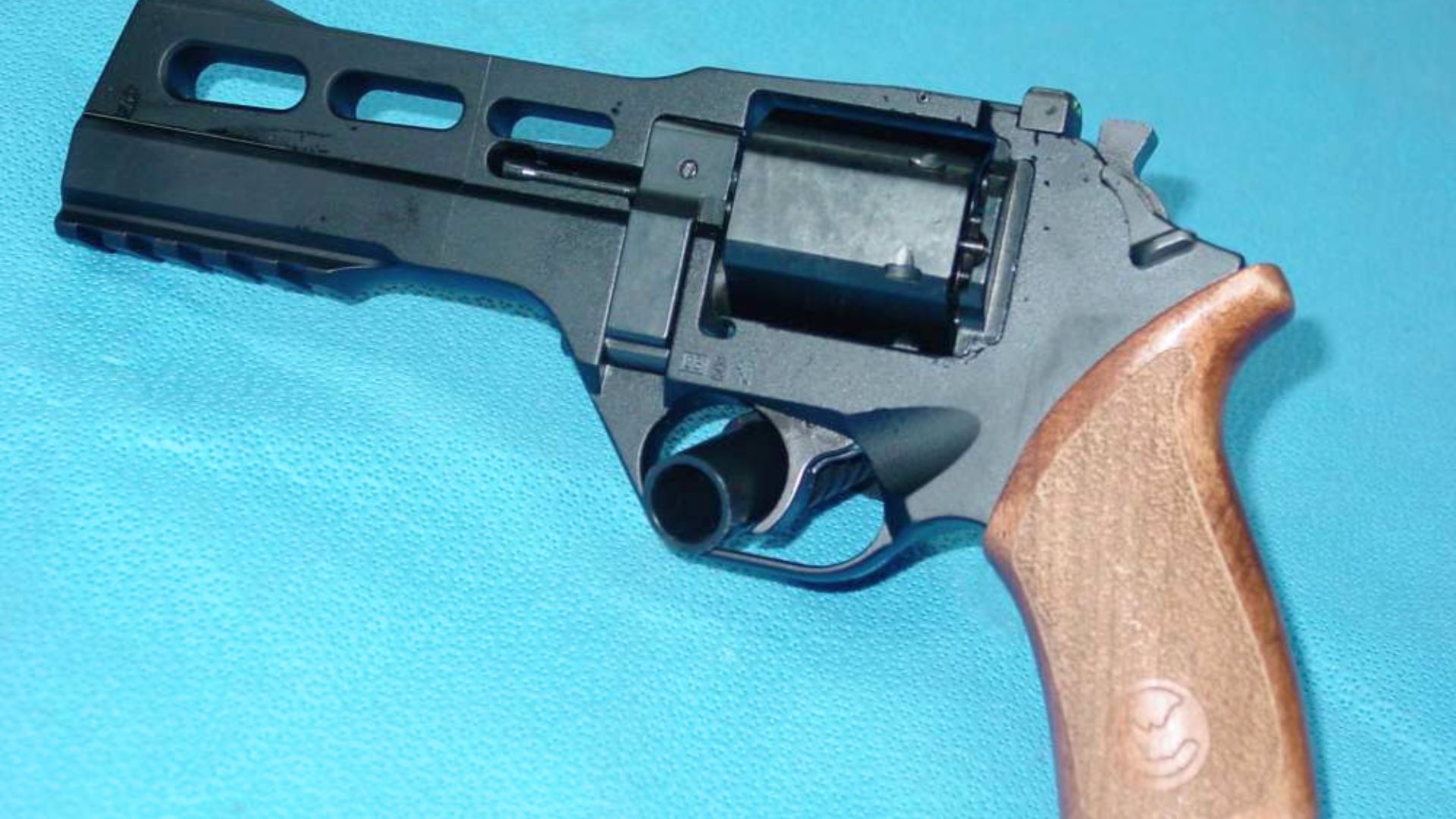
The Rhino earns fierce defense because it does not look like anything else. That gives owners instant talking points before they ever fire a round. The low bore axis, unusual profile, and mechanical novelty all make it easy to pitch as a smarter revolver for modern shooters. For a while, that distinctiveness creates real excitement. It feels like owning a gun that other people simply do not understand yet.
Then time and use start doing their usual work. Some shooters never warm up to the controls, the feel, or the way the gun balances in actual handling. Others still admire it more than they truly enjoy it. But the Rhino keeps its defenders because people do not buy a gun like that by accident. They buy it because they want to believe in the concept. Once they have made that choice, they tend to defend the idea long after the initial shine fades.
Springfield Hellcat

The Hellcat arrived with strong momentum because it hit the exact lane buyers were chasing: high capacity, small size, and a direct answer to the concealed-carry arms race. That made it easy to defend early. It looked like Springfield had delivered the kind of gun people wanted right then, and for many owners that first impression was enough to create instant loyalty. It felt like buying the right thing at the right moment.
After more use, some of that glow faded for shooters who found the experience a little harsher and less enjoyable than the capacity numbers made it seem. Small pistols can do that. They impress on paper and ask more from the shooter in reality. Still, people continue defending the Hellcat because it represented a smart buy in a hot category and because many owners do not want to admit the gun they praised for specs and convenience is not always the one they most enjoy shooting.
Winchester Model 94 Angle Eject

The Angle Eject Model 94 still gets defended because it preserved the identity of a beloved rifle while trying to make it more practical for scoped use. That sounded sensible to plenty of buyers, especially those who wanted the classic lever-gun feel without giving up modern hunting convenience. At first, that made it feel like the best of both worlds, and owners were quick to stand behind it for exactly that reason.
But once the novelty of practicality wore off, some shooters started feeling that the rifle was easier to justify than to get excited about. Purists never fully embraced it, and shooters without sentimental ties often found themselves less attached than they expected. Even then, people still defend it because it sits in the Winchester lineage and because it let them hold onto the old idea in a slightly more usable form. Sometimes that is enough to keep a gun defended long after the spark is gone.
Like The Avid Outdoorsman’s content? Subscribe to our newsletter so you never miss an article.
Here’s more from us: