Photo credit: GunBroker
Some guns give you warning signs before you ever fill out the paperwork. The trigger feels rough. The sights look cheap. The grip does not sit right. The price seems a little too good. The salesman has to explain away too many things. But when a gun checks one box a buyer cares about — cheap, powerful, small, unusual, tactical-looking, or tied to a familiar name — common sense can get quiet for a minute.
Then the gun comes home, and reality gets louder. Range trips get annoying. Malfunctions pile up. Ammo costs more than expected. The gun is unpleasant to shoot, hard to carry, hard to sell, or not nearly as useful as it seemed under the glass. These are the guns that can leave buyers wishing they had listened to that little voice and kept walking.
Remington R51
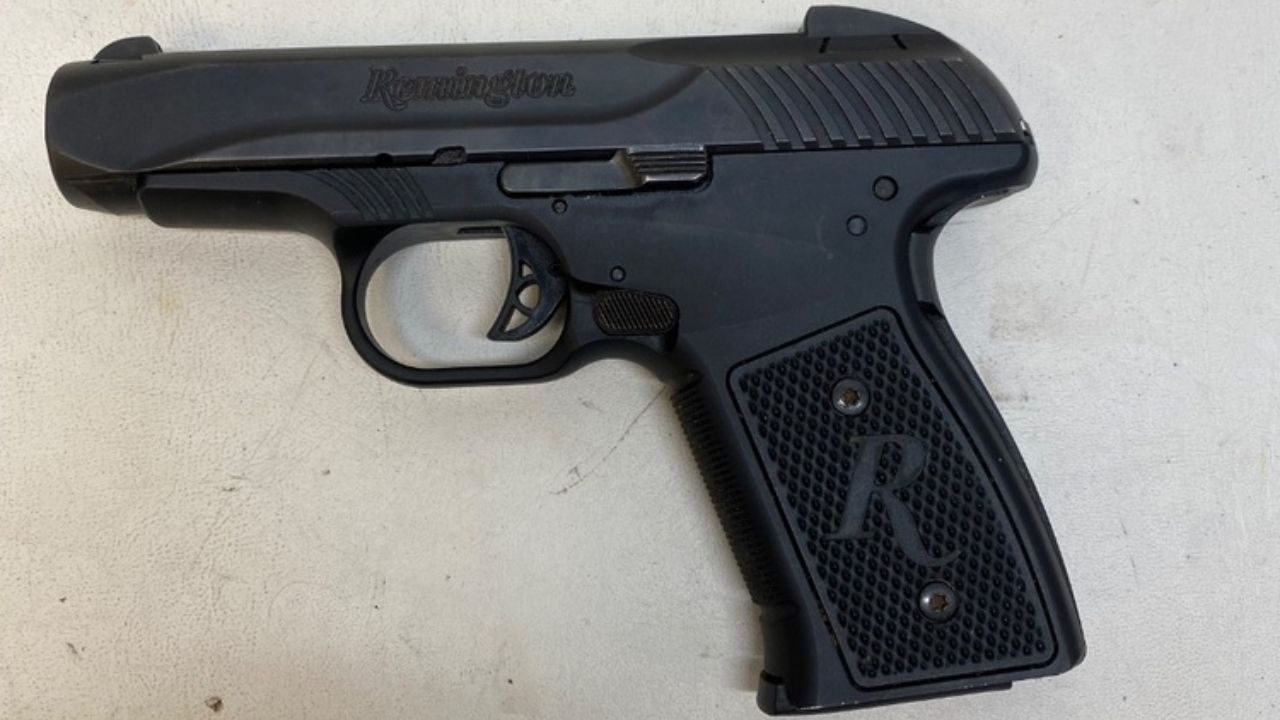
The Remington R51 had the kind of story that could pull buyers in fast. It was slim, different, and tied to a historic Remington design. For shooters tired of the same striker-fired 9mm choices, the R51 looked like it might be something clever. A compact pistol with an unusual action and a major American name behind it sounded like the kind of gun that could be worth taking a chance on.
That chance did not work out for a lot of buyers. Early R51 pistols built a rough reputation for reliability problems, poor fit, and frustrating range sessions. Even after Remington tried to correct the issues, the damage was hard to shake. A defensive handgun has to earn trust quickly, and the R51 did the opposite for many owners. It became one of those pistols people bought because it seemed interesting, then regretted because interesting does not matter when the gun will not run right.
SIG Sauer Mosquito
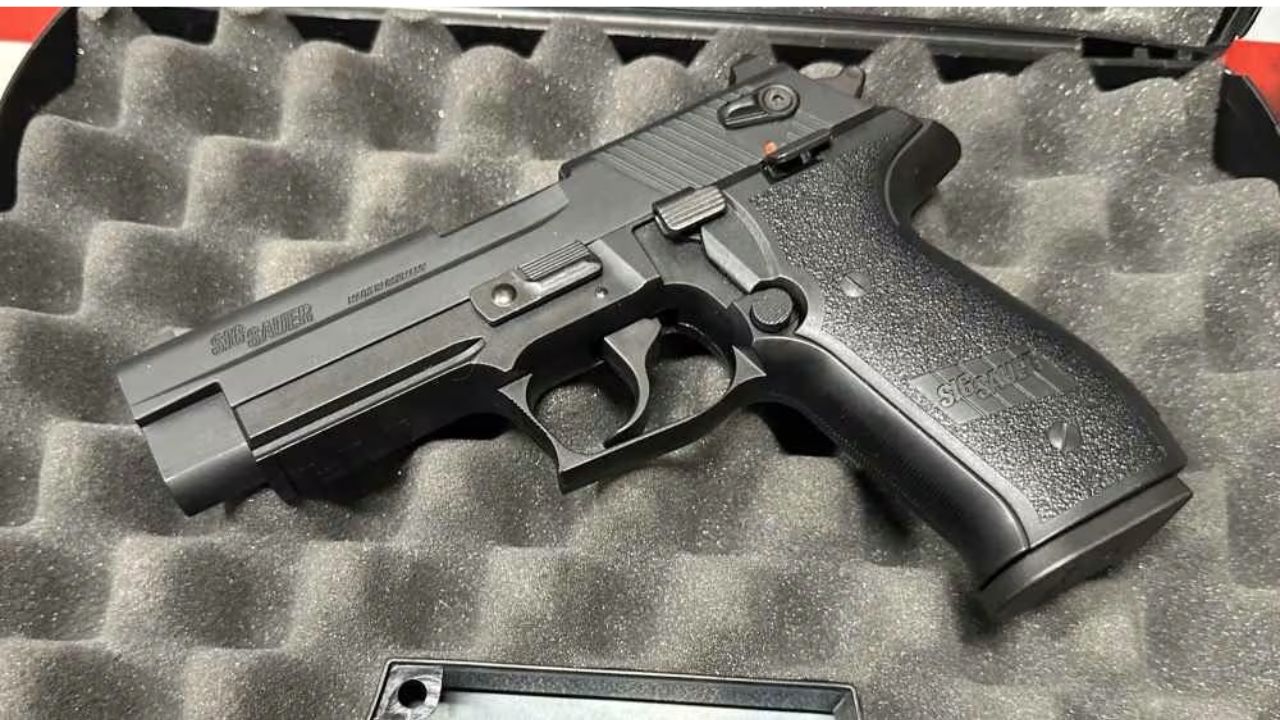
The SIG Sauer Mosquito looked like a smart rimfire trainer at first glance. It wore the SIG name, had familiar defensive-pistol styling, and promised cheap practice with .22 LR. For buyers who wanted to train more without burning through centerfire ammo, the idea made perfect sense. A SIG-branded .22 pistol should have been an easy win.
The problem was the shooting experience. The Mosquito developed a reputation for being picky with ammunition and less reliable than buyers expected from the logo on the slide. A .22 pistol can be ammo-sensitive, but when the whole point is cheap, frequent practice, constant malfunctions ruin the appeal fast. Many owners learned that a trainer is only useful if it actually trains good habits instead of malfunction-clearing patience. For a lot of people, the Mosquito became a reminder that the name on the gun does not always match the experience.
Taurus Spectrum

The Taurus Spectrum looked appealing because it was small, rounded, lightweight, and marketed as an easy-carry pocket pistol. It had a soft-looking exterior compared with sharper-edged little guns, and the color options gave it some shelf appeal. For buyers who wanted a simple .380 that did not look like every other pocket pistol, it seemed like a reasonable choice.
Range time made that harder to defend. The Spectrum was criticized by many shooters for a long, awkward trigger and reliability concerns that made it hard to trust. Tiny defensive pistols already demand compromise, but the Spectrum asked for too much from buyers who needed confidence. A pocket gun should be boring in the best way: easy to carry, easy enough to shoot, and reliable enough to forget about until practice day. When the trigger and function become the main conversation, regret usually follows.
SCCY CPX-2

The SCCY CPX-2 is tempting because the price is low and the purpose is obvious. It is a compact 9mm defensive pistol that gives budget-minded buyers a way into concealed carry without spending Glock, SIG, or Smith & Wesson money. For someone buying a first handgun on a tight budget, that can sound like a practical choice.
The range tends to expose the tradeoffs quickly. The long double-action trigger is hard for many shooters to manage well, and the pistol can feel snappy and unforgiving. Some owners get reliable examples and make them work, but the CPX-2 does not do new shooters many favors. When better-shooting budget pistols exist, a gun that is cheap but difficult to shoot starts losing its shine. A defensive pistol is not the place where “good enough because it was affordable” always feels good after the fact.
KelTec PF9
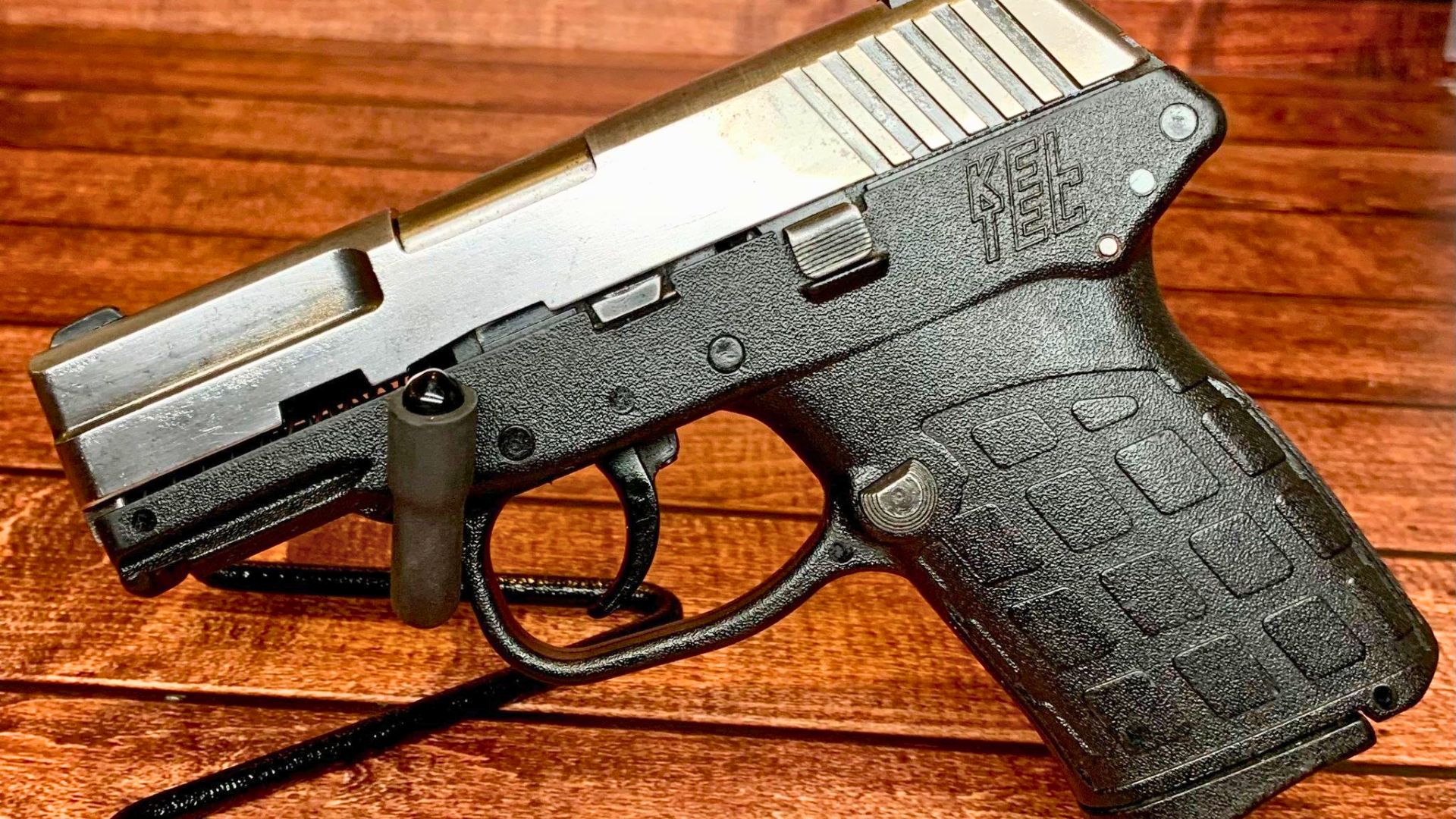
The KelTec PF9 made sense when slim 9mm carry pistols were harder to find. It was light, flat, inexpensive, and chambered in a cartridge people trusted. For buyers who wanted something easy to conceal without going down to .380, the PF9 seemed like a smart little pistol. It was the kind of gun that solved the carry problem before shooters thought too hard about the shooting problem.
That problem shows up fast. The PF9 is not pleasant for extended range sessions. The recoil feels sharp, the trigger is rough compared with newer options, and the gun can be hard to shoot well at speed. Some buyers accept that because it is meant to be carried more than shot. But that logic gets thin when practice starts feeling like punishment. A gun that is easy to carry but discourages training can leave owners wishing they had spent a little more on something they actually wanted to shoot.
Diamondback DB9

The Diamondback DB9 has one very obvious selling point: it is a tiny 9mm. That alone has pulled in plenty of buyers. A pistol that small, flat, and light seems perfect for deep concealment, backup use, or summer carry. It fits the fantasy of having real 9mm power in a gun that nearly disappears.
The reality is that physics does not care about marketing. A very small 9mm can be unpleasant, and the DB9 can feel harsh in the hand. The grip gives you little to control, the recoil is sharp, and fast follow-up shots take effort. Early versions also carried reliability complaints that made some buyers nervous. Even when one runs fine, it is not usually a pistol people enjoy practicing with. That is where regret starts. The gun may carry easily, but ownership does not stop at carrying.
Kimber Solo
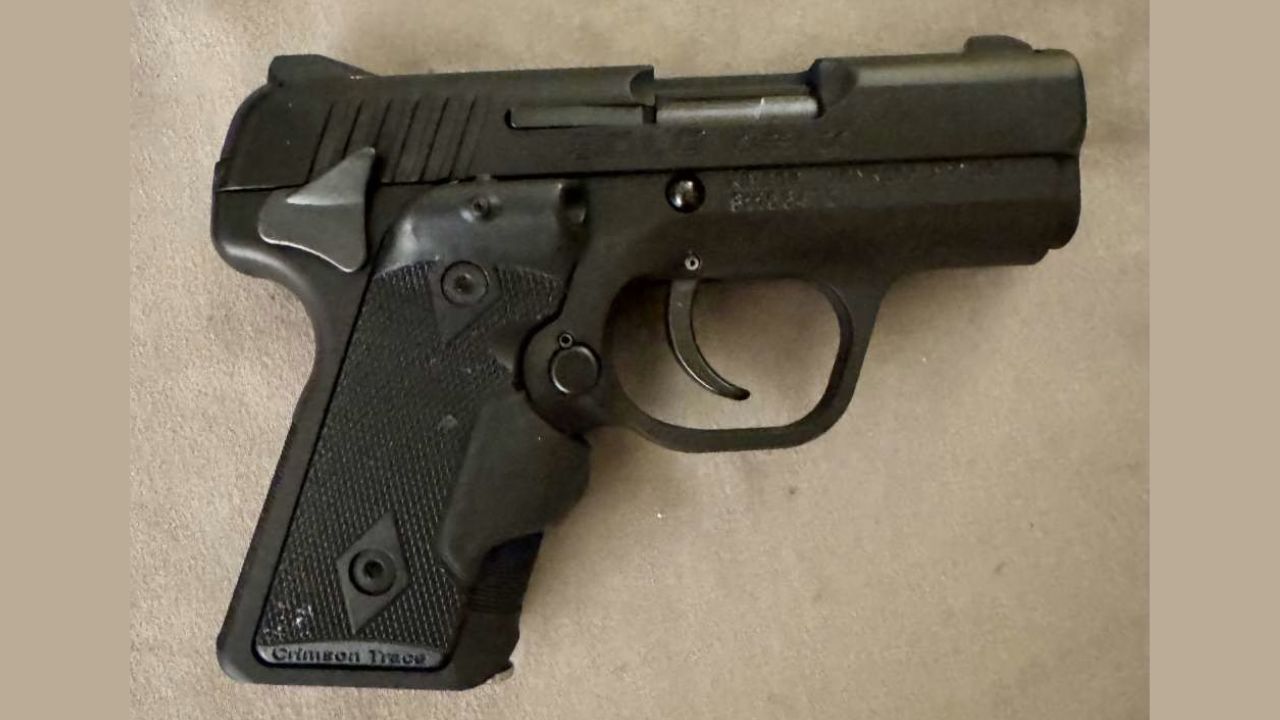
The Kimber Solo looked like a premium answer to the small 9mm carry market. It was sleek, handsome, and carried the kind of refined styling that Kimber buyers already liked. For someone who wanted a compact defensive pistol that felt more upscale than the usual polymer options, the Solo had real curb appeal.
Then owners started finding out how picky and sensitive the pistol could be. The Solo developed a reputation for preferring certain loads, needing careful maintenance, and being less forgiving than many buyers expected. That is a rough combination in a carry gun. A defensive pistol should not require the owner to tiptoe around it. When a small gun costs premium money and still makes the buyer question reliability, the disappointment hits harder. Plenty of people bought the Solo because it looked like the classy choice, then wished they had picked something less stylish and more dependable.
Remington RP9

The Remington RP9 sounded practical on paper. A full-size, striker-fired 9mm from Remington should have been a simple, affordable alternative in a category full of popular pistols. It offered capacity, familiar controls, and a brand name that still meant something to a lot of buyers. For someone wanting a basic range or home-defense pistol, it looked like it could make sense.
The problem was that the RP9 entered one of the toughest markets in handguns and did not bring enough to stand out. Many shooters found it bulky, awkward, and unimpressive compared with better-established options. The trigger did not help its case, and the overall feel made it hard to recommend over pistols from Glock, Smith & Wesson, Walther, CZ, SIG, or Canik. It was not enough to be another striker-fired 9mm. Buyers who took a chance often discovered they had bought the answer to a question nobody was really asking.
Colt All American 2000

The Colt All American 2000 should have been a big deal. Colt building a modern 9mm pistol for the changing handgun market sounded like the kind of move that could keep the company in the duty-pistol conversation. The name alone made buyers curious. A modern American service pistol from Colt had every reason to succeed on paper.
In practice, it became one of Colt’s most famous misfires. The All American 2000 developed a reputation for poor trigger feel, mediocre accuracy, and disappointing execution. Instead of becoming Colt’s answer to the future, it became a warning about relying too heavily on a famous rollmark. Today, collectors may find it interesting because of what it represents, but that is different from being a good buy. For the original buyer who expected a serious modern handgun, it was the kind of purchase that could turn excitement into regret fast.
SIG Sauer P250

The SIG Sauer P250 had a smart concept. Its modular fire-control unit allowed different grip frames, slide sizes, and calibers, giving buyers flexibility before modularity became the industry obsession it is now. On paper, it looked practical and forward-thinking. A shooter could buy into one system and configure it for multiple roles.
The issue was the trigger. The P250’s long double-action-only pull made it harder for many shooters to like, especially as striker-fired pistols got better and easier to shoot well. The modular idea was good, but the shooting experience did not win enough people over. SIG later proved the basic modular concept could work with the P320, which only made the P250 look like the rough draft. Buyers who thought they were getting the future sometimes ended up with a pistol that felt outdated almost immediately.
Beretta Nano

The Beretta Nano looked like a sensible concealed-carry pistol when slim single-stack 9mms were still a major part of the market. It was compact, snag-free, and backed by Beretta’s reputation. The minimalist design made it seem like a clean carry gun without unnecessary edges or controls. For buyers who wanted simple and serious, the Nano had appeal.
Living with it was not always as easy. The trigger was not especially loved, the grip shape did not fit everyone well, and the lack of an external slide stop bothered shooters who wanted more traditional handling. Then higher-capacity micro-compacts started taking over, and the Nano suddenly felt dated. It was not useless, but it became harder to justify. A gun can be reliable and still leave a buyer wishing they had waited for something better. The Nano landed in that spot for a lot of people.
Taurus Curve
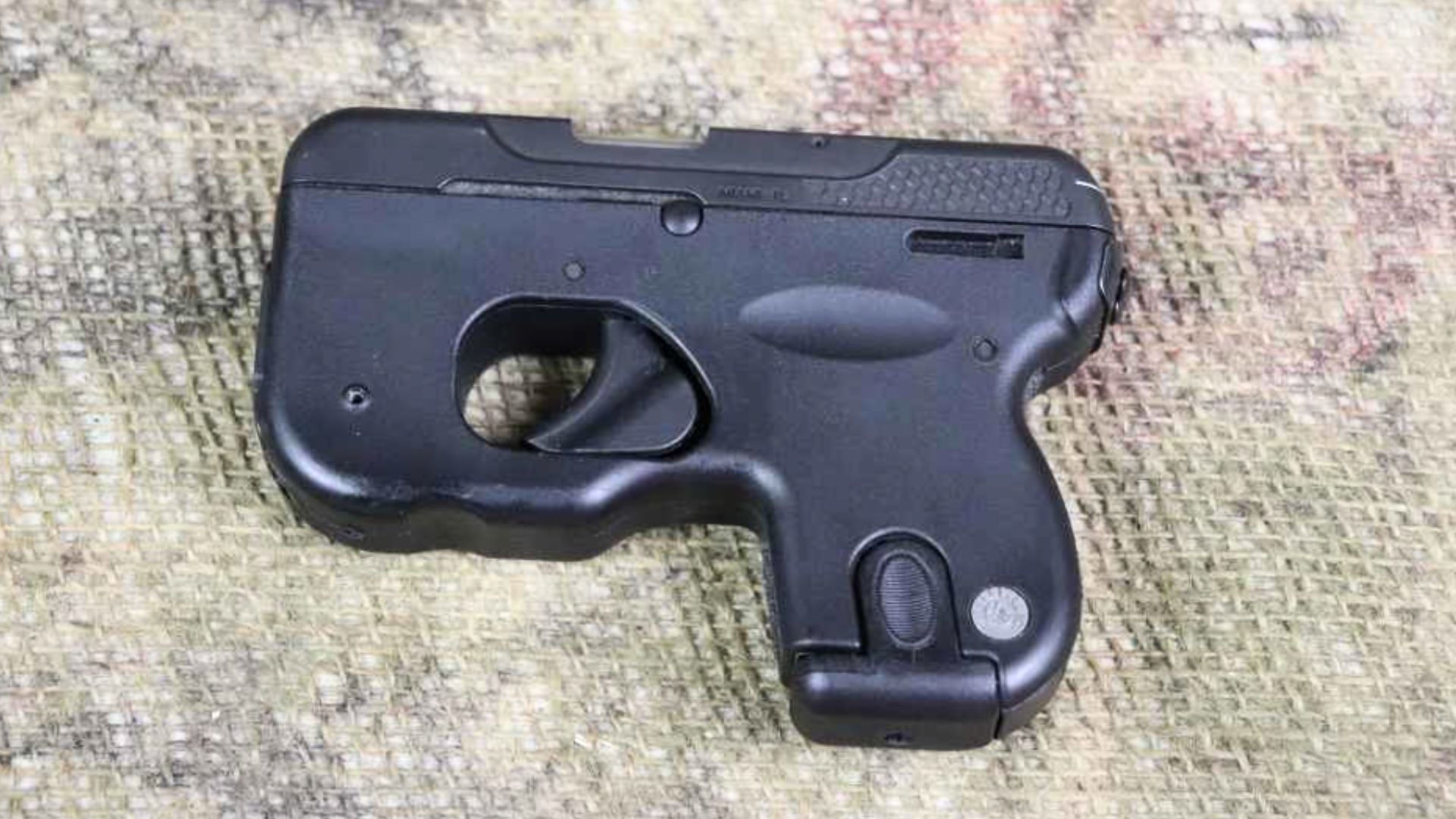
The Taurus Curve was one of those guns that grabbed attention because it looked like nothing else. The curved frame, built-in light and laser, and unusual profile made it seem like Taurus was trying to solve concealed carry in a completely different way. Some buyers saw it as clever. It was small, snag-resistant, and designed around carrying close to the body.
The problem is that different does not always mean better. The Curve’s unusual shape, lack of traditional sights, and limited practical appeal made it feel more like a concept than a gun most people wanted to train with. Defensive pistols need to be intuitive under stress, and the Curve asked shooters to accept too many odd choices at once. It became the kind of firearm that was interesting to talk about but harder to recommend. Buyers who wanted innovation often ended up with a reminder that proven basics matter.
Walther CCP M1

The Walther CCP M1 had a good pitch. It was a soft-shooting, easy-racking 9mm with a gas-delayed system meant to help recoil-sensitive shooters. For people who struggled with stiff slides or snappy compact pistols, it sounded like a smart carry option. Walther also had enough credibility that buyers expected a polished experience.
The CCP M1 ran into problems because the clever system came with baggage. Early models were tied to recalls, heat buildup complaints, and a takedown process that many owners disliked. The gun’s soft recoil was real, but that was not enough to overcome the frustration some buyers felt with maintenance and reliability concerns. A defensive pistol can have one great trait and still be a regret if the rest of ownership is annoying. For many, the CCP M1 was a gun that sounded better in theory than it felt in the long run.
Smith & Wesson SW9VE Sigma

The Smith & Wesson SW9VE Sigma appealed to buyers because it was affordable, simple, and tied to a respected American brand. For someone wanting a basic 9mm pistol without spending much, it looked like a practical choice. Plenty of them worked, and plenty of owners used them without major issues. The problem was not always function. It was everything around the shooting experience.
The Sigma’s heavy trigger became its biggest complaint. It made accurate shooting harder than it needed to be, especially for newer shooters who bought it as a first defensive pistol. The gun also lived in the shadow of better Smith & Wesson designs that came later, especially the M&P line. A cheap pistol can be worth owning if it shoots well enough to build confidence. The SW9VE often did the opposite. Many buyers eventually realized they should have saved a little longer and bought something with a better trigger from the start.
Zip 22

The Zip 22 looked wild enough to tempt buyers who like strange guns. It was compact, futuristic-looking, and built around the idea of a small .22 LR pistol that could also attach to other firearms in odd configurations. For collectors of unusual designs, that alone made it hard to ignore. It had the kind of weird factor that makes people stop at a gun counter.
Unfortunately, the shooting experience became the whole story. The Zip 22 earned a brutal reputation for poor reliability, awkward ergonomics, and questionable practical use. The charging rods sat close to the muzzle area, which made the design feel uncomfortable to many shooters even before reliability entered the conversation. Some guns are odd but lovable. The Zip 22 mostly became odd and regrettable. It is the kind of firearm buyers may keep as a conversation piece, but that is a rough consolation prize for something that was supposed to be fun to shoot.
Like The Avid Outdoorsman’s content? Subscribe to our newsletter so you never miss an article.
Here’s more from us: