Photo credit: Texas Gun Experience/YouTube
When you have been around handguns long enough, you stop confusing novelty with value. The guns that earn a permanent place are usually the ones that keep doing the same job the same way, without demanding special ammo, constant tinkering, or excuses every time something goes wrong. That is why so many of the most trusted handguns are not the flashiest ones. They are the proven service pistols, solid revolvers, and mature designs that stay steady when fussier guns start acting up. Current product pages still reflect that. Glock keeps the G17, G19, and G26 in the lineup, SIG still leans on the P226, Beretta still sells the 92FS, HK still keeps the USP alive, and Ruger, Smith & Wesson, Colt, Walther, and Canik all continue offering handguns built around established, dependable formats.
That is usually what “boringly consistent” really means. It means the gun feeds, shoots, and returns to the same place often enough that you stop thinking about the gun and start thinking about the shot. It means the controls stay familiar, the recoil stays predictable, and the platform never turns into a project. When other handguns get moody over wear, ammo, or small changes, these are the kinds of guns people keep trusting because they are built around steadiness more than excitement.
Glock 17

The Glock 17 stays on this list because it is one of the clearest examples of a pistol that keeps working without asking for much drama. Glock still places the G17 Gen6 at the front of its 9×19 lineup as a full-size standard model, and the company still leans on the same broad promise it has for years: safety, reliability, and quality. That is not a glamorous pitch, but it is exactly why the G17 keeps showing up in serious hands.
What makes it so easy to trust is that the gun rarely surprises you. The size is large enough to stay controllable, the parts ecosystem is endless, and the manual of arms is about as familiar as it gets. When other pistols start getting picky about maintenance, parts, or magazine behavior, the G17 keeps earning its reputation by being steady, predictable, and very hard to talk yourself out of carrying or training with.
Glock 19

The Glock 19 has the same core appeal, only in a size that fits more people and more roles. Glock still lists the G19 Gen6 as a compact 9×19 model right near the top of its commercial lineup, and that placement says a lot by itself. This is still one of the default pistols for people who want a handgun that can do almost everything without becoming specialized or fragile.
The reason it stays boringly consistent is that it gives you enough gun to shoot well without becoming cumbersome. It is easier to carry than a full-size duty pistol, but it is still large enough to avoid the twitchy feel that smaller guns can develop under speed. That middle-ground balance is why so many shooters keep returning to it after trying trendier options that looked clever at first and then proved less forgiving in real use.
Glock 26

The Glock 26 does not get praised for romance. It gets praised because it keeps doing ugly, practical work in a compact format. Glock still lists the G26 V as a subcompact 9×19 in the current lineup, and that matters because the company has had every chance to let the model fade away. It has not. A subcompact that survives this long usually does so because enough shooters still trust it.
The G26 stays steady because it keeps the same familiar Glock operating system in a smaller package without drifting into oddball territory. It may not be the softest-shooting handgun in the safe, but it tends to remain more dependable than many smaller pistols that chase thinness or extra features too hard. When you want a compact carry gun that still feels built around function first, the G26 keeps making practical sense.
SIG Sauer P226

The P226 has stayed relevant because SIG still treats it like a serious flagship, not a nostalgia piece. On its current product page, SIG calls it the legendary P226 and says it set the standard by which all other combat handguns are measured, citing its long service history, legacy of accuracy and reliability, and millions upon millions of rounds of proven performance. That is about as direct a reputation statement as a manufacturer can make.
What keeps the P226 so steady is that it still feels like a real service pistol in the old-school sense. The full-size metal frame, the predictable DA/SA rhythm, and the overall weight all help the gun settle into a repeatable shooting pattern. When lighter, newer pistols start feeling finicky or sharp, the P226 often reminds you why a mature duty gun with a long record still deserves real respect.
Beretta 92FS

The 92FS is still one of the easiest handguns to trust when you want consistency more than novelty. Beretta’s current page says the 92FS uses an open-slide, short-recoil delayed locking-block system that delivers exceptional accuracy and reliability, and it goes even further by saying the open-slide design helps eliminate stove-piping and supports flawless cycling and feeding even after thousands and thousands of rounds. That is a very strong claim, and it fits the pistol’s long-standing reputation.
That steadiness shows up in the way the gun behaves. The size, weight, and long sighting plane help keep it calm, while the operating system has a long track record of staying smooth when cheaper or tighter pistols start acting touchy. The 92FS is not trendy, and that is part of the appeal. It is a gun that keeps doing the same job without trying to become something else.
CZ 75 B
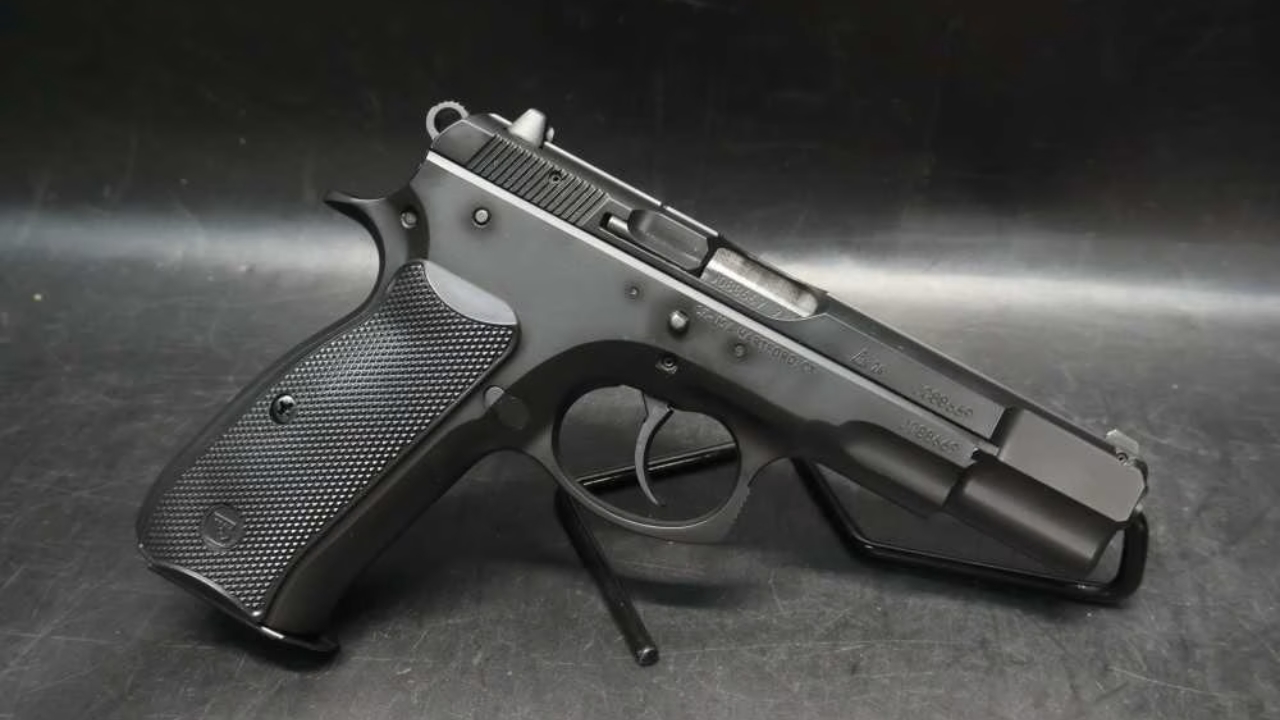
The CZ 75 B belongs here because the design has stayed respected for a reason. CZ’s current page highlights a precise DA/SA trigger, legendary ergonomics for optimum shooting comfort, and the fact that it is an all-steel pistol. It also notes that the CZ 75 pattern became the most copied handgun design second only to the 1911. Guns do not get copied that much unless the original got a lot right.
What makes the 75 B so dependable in feel is that it is built around balance and shootability more than flash. The all-steel construction helps it track calmly, the ergonomics are still excellent, and the DA/SA system rewards deliberate shooting without being complicated. When lighter pistols get snappy or start feeling inconsistent in the hand, the CZ 75 B keeps doing what it has always done: stay grounded and easy to trust.
HK USP

The USP is almost built around this exact headline. HK’s own page says the USP found international acclaim as an accurate and ultra-reliable handgun, and it specifically notes that the internal recoil buffering system helps the shooter shoot more accurately while also keeping the gun from beating itself up. HK goes even further and says it will keep shooting, accurately, long after other pistols quit. That is one of the strongest manufacturer descriptions in this whole category.
That is why the USP still holds such a strong reputation with experienced shooters. It feels overbuilt in a good way, and that extra substance pays off over time. When some handguns start feeling worn, ammo-sensitive, or simply less composed after hard use, the USP has a long-earned image as the pistol that keeps shrugging and doing the work anyway.
Ruger GP100
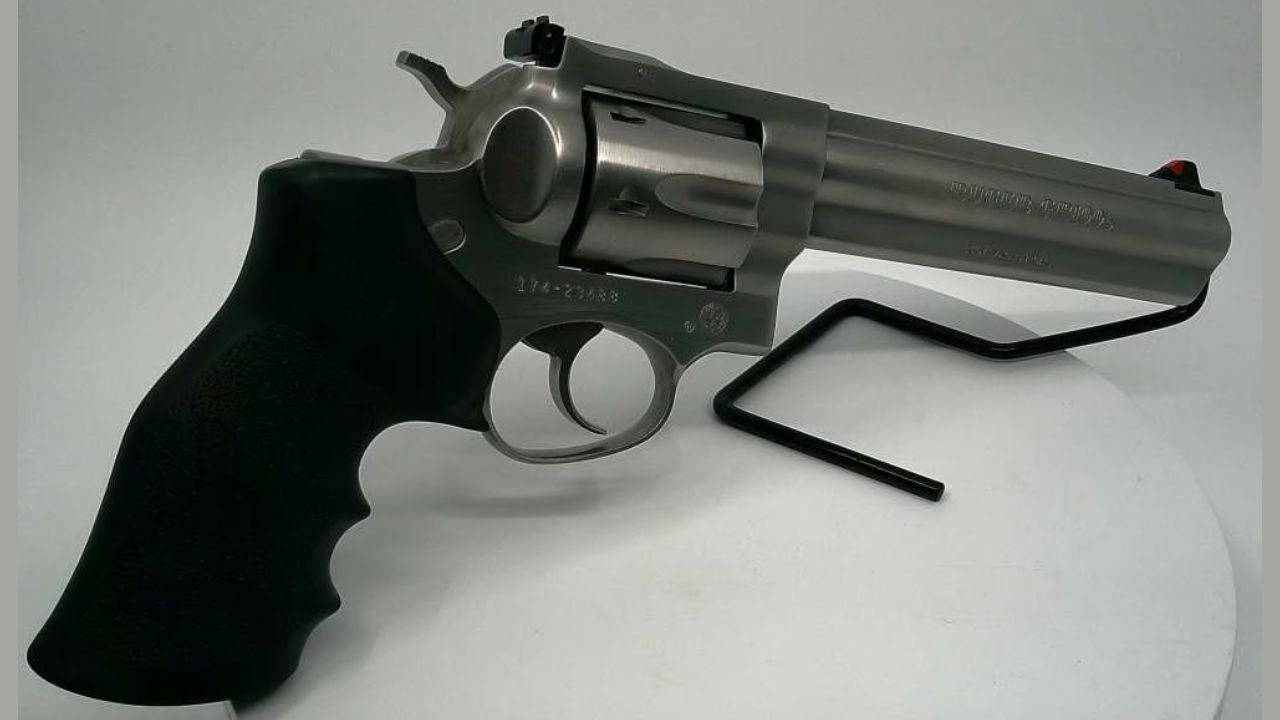
The GP100 remains one of the most trustworthy wheelguns because Ruger built it around durability first. On the current GP100 page, Ruger highlights the triple-locking cylinder, noting that it locks into the frame at the front, rear, and bottom for more positive alignment and dependable operation shot after shot. That is exactly the kind of feature revolver people pay attention to.
The GP100 stays boringly consistent because it was designed to be a working revolver, not a delicate one. It is strong, easy to maintain, and heavy enough to keep magnum shooting more manageable than lighter revolvers do. When semi-autos start getting temperamental over magazines, ammo, or timing issues, a sturdy double-action revolver like the GP100 can feel refreshingly straightforward. You load it, close it, and get on with the day.
Smith & Wesson 686 Plus
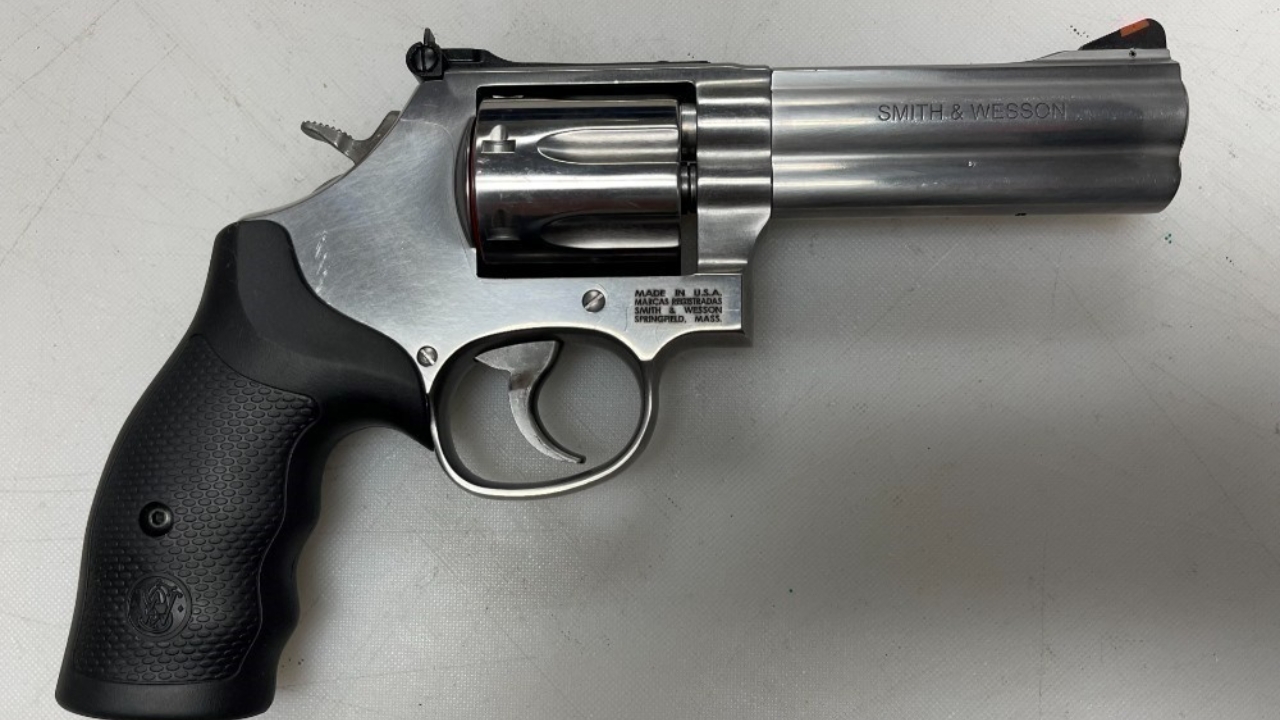
The 686 Plus belongs here because Smith & Wesson still keeps the line active, and that says plenty about how useful the format remains. A full-size L-frame .357 with the extra round is still a very practical answer for shooters who want a serious revolver without stepping into oversized hunting-gun territory. The fact that the 686 Plus still holds its own product family page tells you it remains a live, relevant handgun rather than a retired idea.
What keeps it so dependable is the same thing that has always made good L-frames easy to trust: enough size to handle real shooting, enough weight to calm the gun down, and a design that does not depend on magazines, slide velocity, or recoil tuning to stay functional. When other handguns start acting moody, the 686 Plus keeps offering the kind of plain reliability that does not need much explanation.
Colt Python

The Python still makes sense here because Colt is not treating it like a memory. Colt’s current revolvers page shows the Python family as an active part of the catalog, with dozens of .357 Magnum revolvers listed overall and multiple current Python offerings on the front pages of the product listings. That tells you the company still sees real demand for a full-size premium revolver built around the classic formula.
What keeps the Python in this conversation is that a well-built full-size .357 revolver still offers a kind of stability that many newer handguns do not. The weight, sight picture, and smooth overall handling make it easy to shoot with confidence. It is more refined than some other revolvers here, but the practical appeal is still the same: when you want a handgun that stays steady instead of temperamental, a serious .357 wheelgun still earns its place.
Staccato P
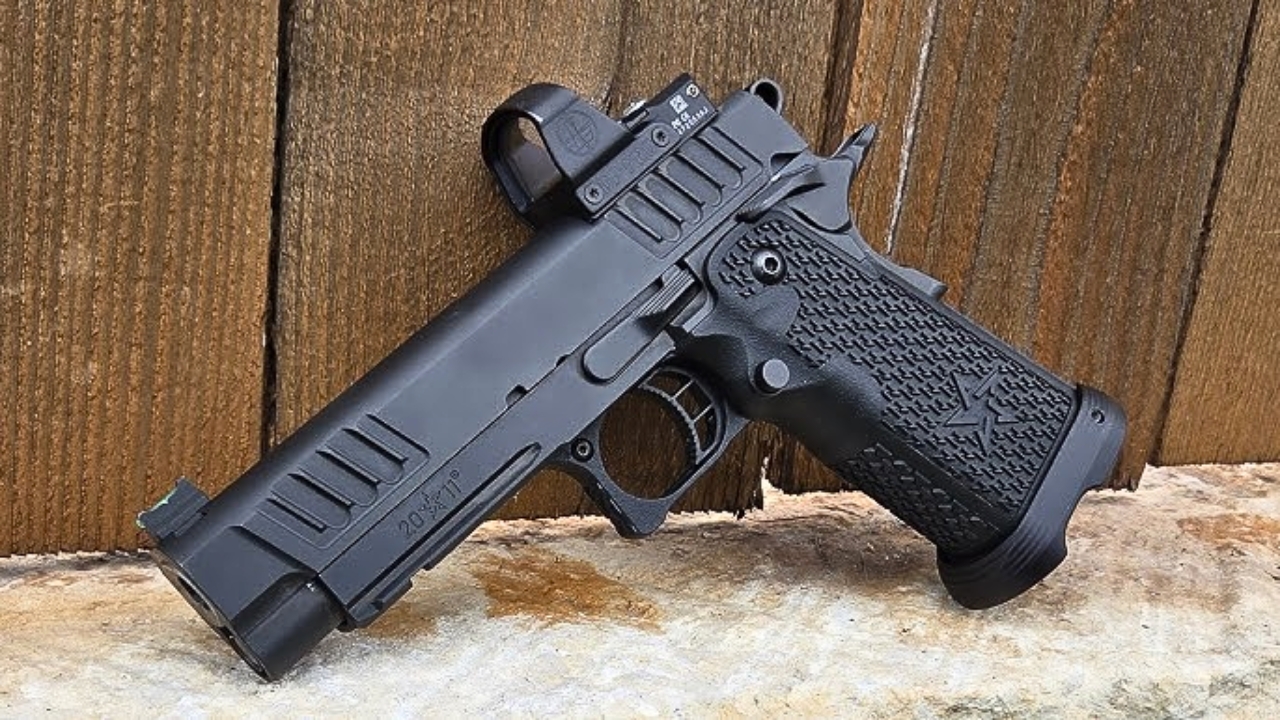
The Staccato P has earned its modern reputation by being treated like a duty gun, not only a range toy. Staccato’s current page says it is approved for duty by over 1,600 law-enforcement agencies and chosen for proven durability, reliability, accuracy, and performance. The same page also notes that its longer-stroke setup cycles softer, shows less muzzle rise, and gets back on target and into battery faster. Those are exactly the kinds of traits shooters notice over long-term use.
What makes the Staccato P so consistent is that it gives you the 2011-style shooting advantages without asking you to accept a fragile, competition-only personality. It is a steel-framed, duty-minded gun with enough weight and quality in the system to stay composed when things get dirty, fast, or repetitive. When lesser pistols start feeling picky, the Staccato P tends to feel like it was built to keep going.
Walther PDP Steel Frame Match

The PDP Steel Frame Match is a newer pistol, but it still fits because Walther built it around the exact qualities that make a gun feel repeatable. Walther’s current page says the robust steel frame and substantial weight significantly reduce recoil, delivering exceptionally smooth and accurate shots, and specifically says the pistol excels at providing rapid follow-up shots. That is a very clear design goal.
That matters because a handgun that stays calm under speed usually stays more trustworthy over time. The steel frame, full-size layout, and cleaner trigger give the gun a settled feel that many lighter striker pistols struggle to match once the pace increases. It is not “boring” in the visual sense, but it absolutely fits the kind of handgun you can run hard without the platform suddenly becoming the issue.
Canik SFx Rival-S

The SFx Rival-S makes this list because Canik built it around a very practical truth: weight helps. On the current product page, Canik says the steel-framed Rival-S uses the proven Rival design and adds the weight needed to manage even more recoil. That is one of the more straightforward descriptions you will find for why some handguns simply feel easier to trust over time.
What makes the Rival-S feel consistent is that it does not ask a light frame to do a heavy job. It gives you a steel platform, competition-minded controls, and enough mass to keep the gun from getting busy in the hand. When other striker guns start feeling sharp, jumpy, or less predictable under extended shooting, a steel-frame pistol like this tends to keep the experience flatter and more repeatable.
Ruger Mark IV
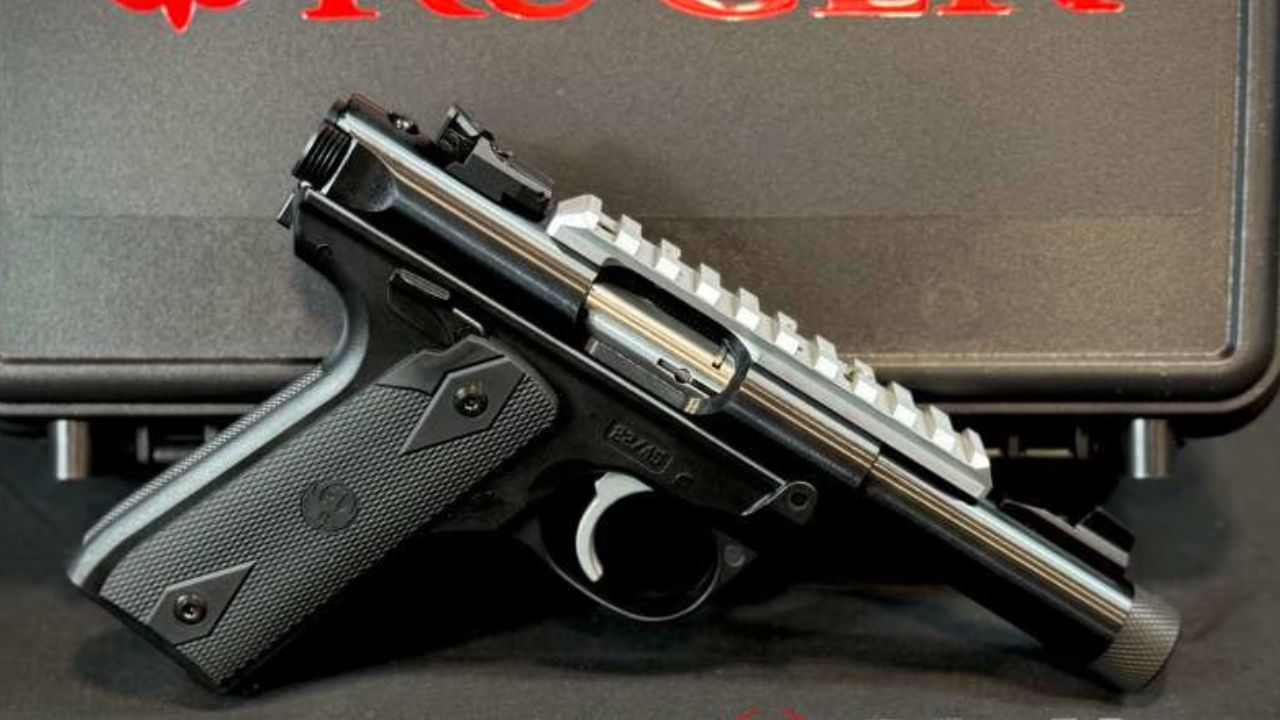
The Ruger Mark IV earns a place here because consistency is not only about centerfire defense guns. A rimfire pistol that keeps running, stays accurate, and remains easy to maintain can be one of the most useful “boringly dependable” handguns you own. Ruger’s current page highlights the one-button takedown for quick field-stripping and proper cleaning, along with the cold hammer-forged barrel for exceptional accuracy and longevity. Those are exactly the kinds of details that make a handgun stay useful year after year.
The Mark IV stays steady because it removes two of the things that make people neglect rimfires: tedious maintenance and inconsistent handling. It is easy to clean, easy to keep shooting, and easy to use for everything from practice to pure recreational work. When other handguns start becoming high-maintenance in one way or another, the Mark IV keeps looking smarter the longer you own it.
Browning Hi-Power

Even though Browning notes the Hi-Power is technically out of production, it still belongs here because the pistol’s reputation for steadiness never came from trends. Browning’s own page says it continues to have a loyal following, describes it as reliable, accurate, and easy to shoot as ever, and points to the forged steel frame and slide, narrow grip, and manageable recoil. That is a remarkable amount of praise for a pistol the company openly lists as discontinued.
That tells you exactly why the Hi-Power still matters. A mature all-steel 9mm with excellent pointability and a calm shooting feel does not stop making sense because newer guns arrive. When other handguns start chasing fashion or extra complexity, the Hi-Power remains a reminder that a balanced, proven design can stay relevant simply by continuing to do the basics very well.
Glock 42

The Glock 42 rounds this list out because “consistent” is not always about the biggest or heaviest gun. Glock still keeps the G42 in its commercial lineup as a subcompact .380 Auto, which tells you the company still sees a place for a small pistol built around milder recoil and simpler shootability than many micro 9mms offer. That matters more than some shooters want to admit.
The G42 stays boringly dependable in part because it does not ask a tiny pistol to manage a sharper cartridge than it needs to. For shooters who want a smaller handgun that remains easier to control and less punishing in practice, the G42 can stay more predictable than a lot of tiny 9mm carry guns that feel great until range time starts getting honest. It is not the loudest option. It is often one of the steadier ones.
Like The Avid Outdoorsman’s content? Be sure to follow us.
Here’s more from us: