Photo credit: Volodymyr TVERDOKHLIB/Shutterstock.com
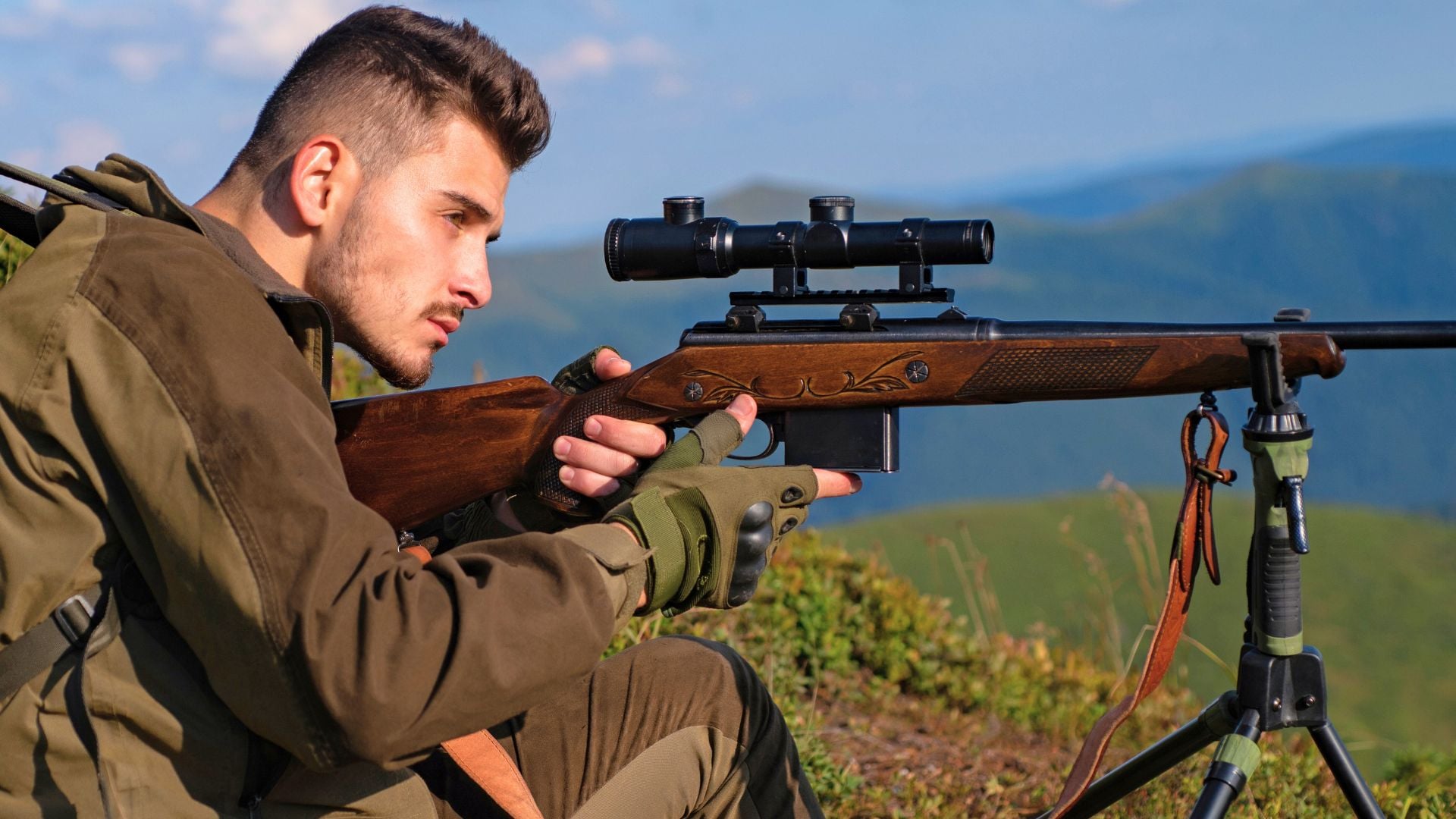
There’s a point where shaving ounces starts costing accuracy, control, and reliability. You feel it the second you squeeze the trigger on a rifle or pistol that’s been “lightened” into misery. A few ounces off the stock or slide sounds good in marketing copy, but in real conditions, those missing ounces mean sharper recoil, twitchier aim, and faster fatigue.
Some guns become so sensitive that heat, dirt, or even a loose grip turns them unpredictable. Lightweight is great if you’re hiking ten miles, but if your shot counts, a few extra pounds are worth carrying. These guns prove that the obsession with weight savings can ruin performance faster than it saves your back.
Kimber Mountain Ascent

The Kimber Mountain Ascent is as light as rifles come, but that weight reduction comes at a steep price — recoil and accuracy. In calibers like .300 Win Mag or .280 Ackley, the rifle feels like it’s trying to leave your shoulder with every shot. You can’t maintain a consistent hold or follow-through because the gun jumps so violently. That makes accurate follow-ups nearly impossible unless you’re shooting from a perfect bench rest.
Many hunters report that the rifle’s thin barrel heats fast and throws shots after just two or three rounds. It’s beautiful, and yes, it’s feather-light, but it punishes you for every ounce it saves. For a mountain hunter who shoots once a season, it’s fine. For anyone else, the Mountain Ascent is proof that too little mass makes for too much movement.
Christensen Arms Ridgeline FFT

The Christensen Ridgeline FFT is built with carbon-fiber everything — barrel, stock, bolt shroud — all in the name of weight savings. But that featherweight build can turn into a beast when you touch it off. In heavier calibers, the recoil impulse is abrupt and snappy, making it hard to stay on target.
Even more concerning, those carbon-fiber barrels tend to shift point of impact as they heat. That’s not catastrophic in a single-shot hunting context, but it means you can’t rely on the same zero once you’ve fired a few rounds. The rifle carries like a dream and looks high-end, but if you’re trying to maintain precision or comfort during an extended session, the FFT’s ultra-lightweight construction quickly becomes its own worst enemy.
Weatherby Mark V Backcountry Ti

The Mark V Backcountry Ti is the definition of minimalism — titanium receiver, slim barrel, skeletonized bolt — and it’s a punishing rifle to shoot. Even in mild calibers, it delivers a recoil snap that feels exaggerated by its lack of mass. The muzzle rise is severe, and staying on target is nearly impossible without a brake.
That might be fine on the bench, but in the field, under stress, the recoil slows your follow-ups and breaks your focus. Add in the thin barrel’s tendency to string shots when warm, and you’ve got a rifle that looks great on paper but feels wild in practice. The Backcountry Ti proves that there’s a limit to “ultralight” before control and accuracy start falling apart.
Savage 110 Ultralite

The Savage 110 Ultralite is one of the lightest factory rifles you can buy, and while it carries like a dream, it’s not known for forgiving recoil or repeatability. The Proof Research carbon barrel is accurate when cool, but it heats quickly, and that can cause wandering groups.
The biggest issue is the rifle’s weight-to-caliber ratio. In anything above 6.5 Creedmoor, the recoil feels disproportionate to the performance you gain. A lightweight build amplifies every tiny movement — even a heartbeat or uneven trigger pull shows up on paper. It’s a great rifle for mountain hunts, but if you expect stable accuracy from prone or off sticks after a few shots, you’ll find out why most serious shooters prefer a bit more heft.
Barrett Fieldcraft

The Barrett Fieldcraft was designed to be the ultimate backcountry bolt gun — and it delivered on weight. But that same lightness made it a nightmare for anyone trying to hold steady on target. The rifle’s pencil-thin barrel heats and flexes quickly, and even minor changes in pressure on the forend can shift point of impact.
Shooters love the handling, but most admit it takes far more effort to shoot consistently than a heavier rifle would. The Fieldcraft’s balance and build quality are solid, but the lack of stability makes it hard to extract its full potential. It’s one of those rifles that proves “carry easy, shoot hard” isn’t always a winning formula.
Nosler Model 21 Mountain Carbon

Nosler’s Model 21 Mountain Carbon feels like a work of art in your hands — until you fire it. That carbon-fiber stock and fluted barrel save serious weight, but they make the rifle incredibly lively under recoil. In cartridges like .28 Nosler or 7mm Rem Mag, it’s downright punishing.
Accuracy can be outstanding for the first few rounds, but once that barrel heats up, harmonics shift, and groups open fast. It’s ideal for the one-shot kill crowd, but impractical for extended range work. You gain ounces in the pack but lose confidence behind the trigger — a trade that’s hard to justify when consistency matters more than weight.
Remington Model Seven

The Remington Model Seven is a lightweight classic, but in magnum or even mid-power calibers, it’s twitchy and punishing. The short barrel and light build make it extremely handy, yet the recoil impulse is abrupt and hard to manage without a brake. It’s one of those rifles that looks perfect for deep woods hunting but feels like work after a few rounds.
Many hunters discovered that the Model Seven’s short sight radius and snappy recoil combo make accurate field shots harder than they should be. It’s still a good concept — light and portable — but in the real world, the reduced mass means more movement, more muzzle jump, and more frustration than heavier rifles in the same chambering.
Kimber Subalpine

The Kimber Subalpine was built for hunters counting ounces, but every bit of that weight savings shows up on your shoulder. The carbon-fiber stock, fluted bolt, and light contour barrel make it a dream to carry uphill, but once you fire it, the recoil impulse is fierce. That sharp snap makes follow-up shots slow and painful, especially with magnum calibers.
Accuracy can be fine for a cold, single shot, but if you’re doing any kind of range work or multi-shot test, groups open up dramatically. The rifle doesn’t handle heat well, and its featherweight design amplifies every shooter error. It’s a perfect example of a rifle that looks great on paper yet proves lighter doesn’t always mean better.
Ruger American Go Wild Ultralight

Ruger’s American line is known for practicality, but the Go Wild Ultralight pushes that practicality to its breaking point. The skeletonized stock and lightweight barrel make it ideal for long hikes, yet that weight reduction also makes it extremely sensitive to how you hold it.
Recoil is harsher, and groups often wander once the barrel heats. Some rifles shoot acceptably, but consistency is hard to maintain, especially in higher-pressure cartridges. Ruger fixed a lot of things in the later Americans, but this one shows how trimming too much weight can make even a solid design unpredictable. If you’ve ever tried to steady a rifle that feels like a broom handle, you know exactly how this one behaves.
Christensen Arms Mesa FFT

The Mesa FFT tries to combine mountain weight with precision-rifle looks, but the carbon stock and ultra-light design make it difficult to tame. Even moderate calibers feel punchy, and the thin barrel walks under heat. You can shoot it well if you’re disciplined and slow, but don’t expect repeatable groups after the third or fourth round.
It’s a beautiful rifle with excellent materials, but its feathery build limits its versatility. The Mesa FFT performs best when treated as a one-shot tool — great for that single mountain kill, less so for practice or follow-ups. It’s another carbon-fiber success story that proves less weight can mean more problems.
Weatherby Vanguard Wilderness

The Vanguard Wilderness trims every ounce it can, and the results are noticeable — both in the pack and in recoil. The thin barrel and hollow stock combine to make the rifle incredibly lively under fire. It’s accurate when cold, but once you fire a few quick shots, groups stretch and impact shifts.
It’s meant for high-altitude hunters where every ounce counts, but if you’re shooting from awkward positions or without perfect support, it becomes unpredictable fast. Many hunters love how it carries but admit it’s miserable on the bench. It’s one of those rifles that proves the old rule true — a few extra pounds make all the difference between manageable recoil and pure punishment.
Like The Avid Outdoorsman’s content? Be sure to follow us.
Here’s more from us:
The worst deer rifles money can buy
Sidearms That Belong in the Safe — Not Your Belt
*This article was developed with AI-powered tools and has been carefully reviewed by our editors.