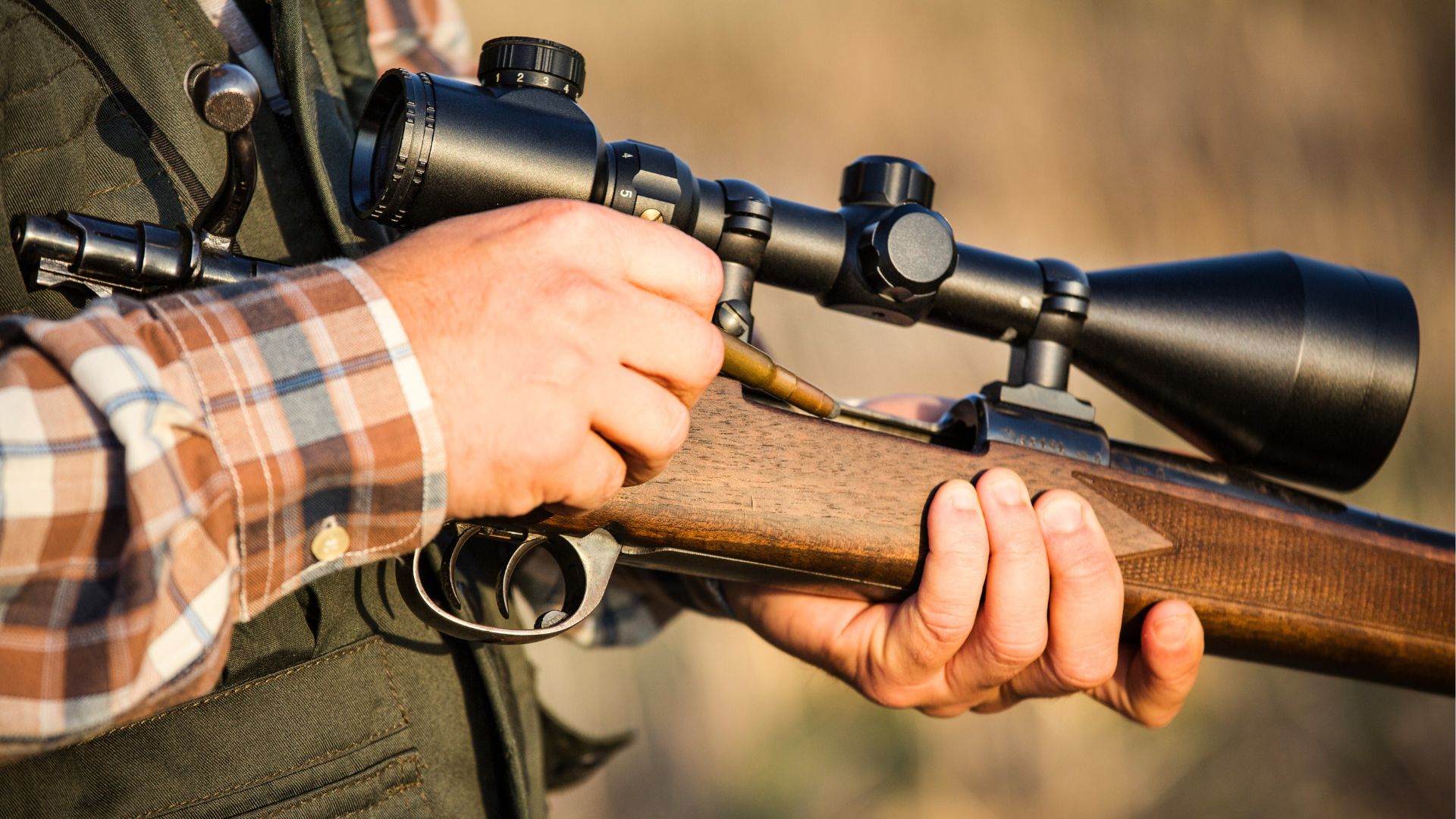
Photo credit: ZoranOrcik/Shutterstock.com
Every shooter has handled a gun that looks fine until you start running rounds through it. Then things start to wobble, rattle, or flat-out fail. That’s when you realize quality control isn’t just a marketing term — it’s the difference between a firearm you can trust and one that lets you down when it counts. Whether it’s poor machining, loose tolerances, or assembly shortcuts, bad QC can turn even a decent design into a nightmare.
Some guns develop issues right out of the box, while others fall apart after a few boxes of ammo. These are the models that remind you why testing, consistency, and craftsmanship still matter — and why saving a few bucks often costs more in the long run.
Remington R51

The Remington R51 is one of the clearest examples of what happens when a promising design skips proper quality control. The gun was meant to resurrect a classic concept — a compact 9mm with soft recoil — but production was rushed, and tolerances were all over the place. Early models suffered from feeding failures, out-of-battery discharges, and slides that bound up mid-cycle. Some owners even had trouble getting their magazines to seat correctly.
Remington eventually recalled the pistol, but the damage was done. Even after the redesign, shooters remained wary. The R51 shows how a great idea and good ergonomics can’t save a gun built with inconsistent parts and poor oversight. It should have been a winner, but bad QC made it one of the most infamous flops of its decade.
Taurus PT111 Millennium G2 (early runs)

The Taurus PT111 G2 eventually became a decent budget pistol, but the early runs were plagued by spotty quality control. Some shipped with rough feed ramps that jammed hollow points, others had triggers that felt like dragging gravel. You could buy two off the same shelf — one would run flawlessly, and the other would choke every third round.
Taurus improved their manufacturing later, but those early pistols earned the brand a reputation for inconsistency. You never knew if you were getting a reliable carry gun or a paperweight. The PT111 G2 reminded shooters that even an affordable pistol needs consistent fit and finish, or it risks becoming the next range frustration.
Ruger American Pistol

Ruger’s American Pistol had all the right intentions — modular, durable, made in the U.S. — but execution fell short. Some models had inconsistent slide-to-frame fit, while others left the factory with barrels that wouldn’t lock up tight, leading to erratic accuracy. A few users reported light primer strikes and trigger issues that Ruger later addressed quietly.
It’s not that Ruger forgot how to build a reliable firearm; it’s that the production line ran faster than the inspection process could keep up. The American Pistol still works for many, but it never earned the following Ruger hoped for because too many owners experienced small QC slip-ups that hurt confidence.
Remington 770
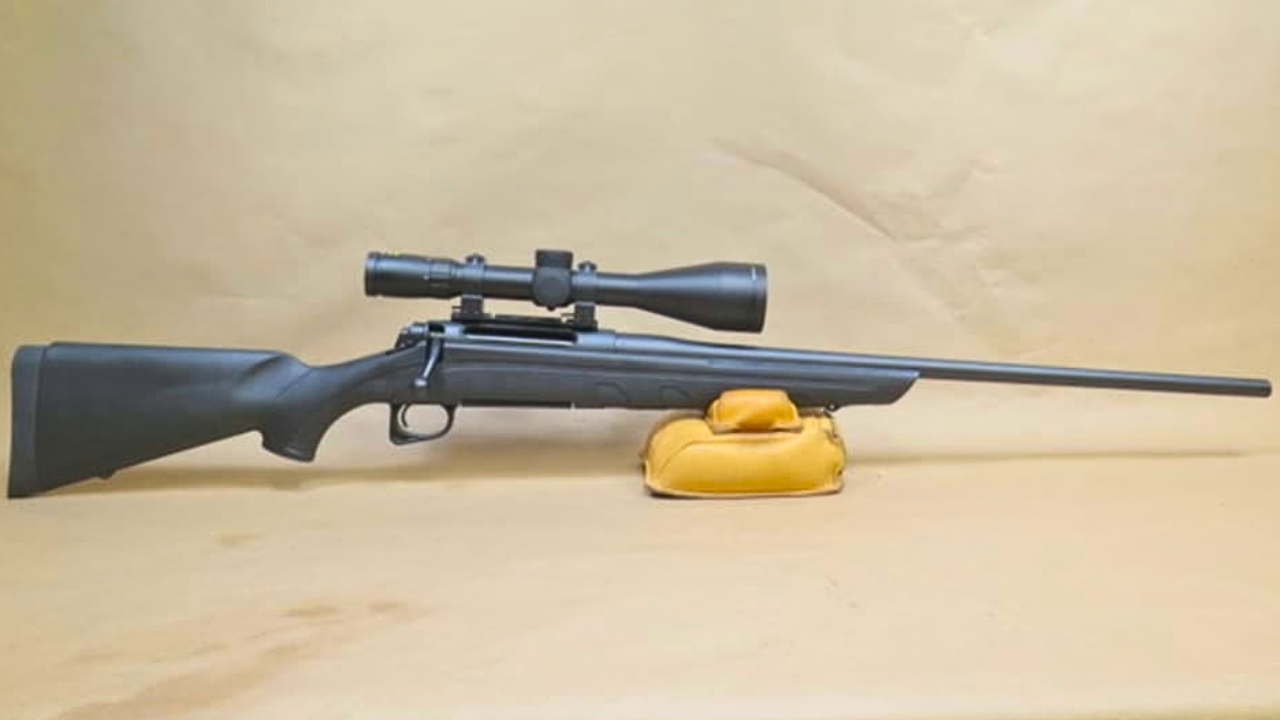
The Remington 770 was supposed to be an affordable hunting rifle for everyone, but quality control made it infamous. Many rifles shipped with rough bolts that felt like they were grinding over gravel. Barrel crowns were often uneven, and some rifles wouldn’t hold zero no matter what scope you mounted.
The 770 taught a hard lesson: there’s a big difference between “affordable” and “cheaply made.” Poor QC turned what could have been a solid entry-level rifle into one of the most complained-about models in Remington’s lineup. It’s hard to trust a gun when every example feels different out of the box — and that’s exactly what sank the 770.
Century Arms C308
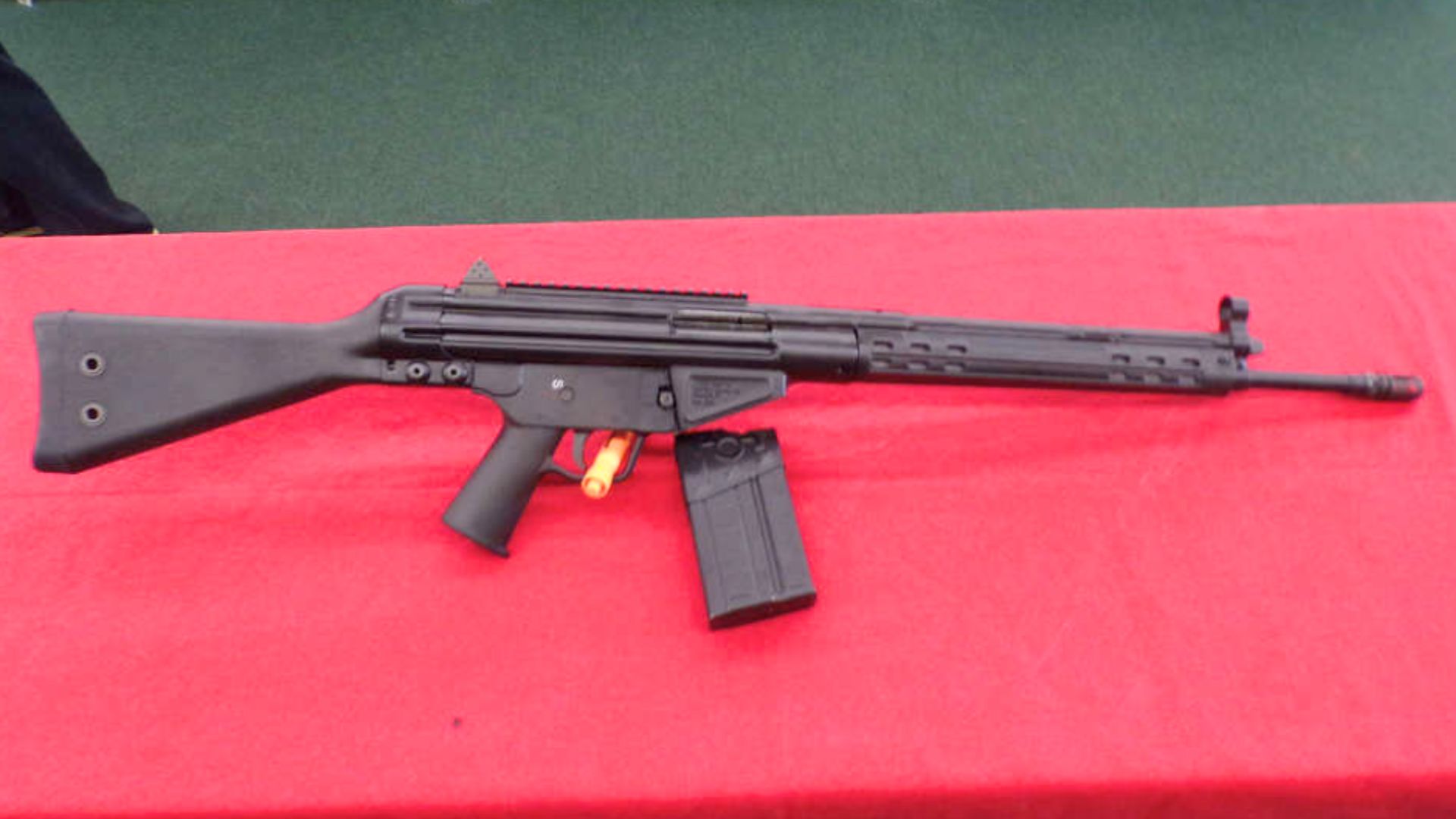
Century Arms has built a reputation for hit-or-miss imports, and the C308 is a perfect example. Modeled after the classic G3 pattern, it’s a rifle that can run great — or not at all — depending on which batch you got. Some rifles had crooked sights, rough chamber flutes, or improperly headspaced bolts. Others ran perfectly fine for thousands of rounds.
The problem wasn’t the design — it was the inconsistent assembly. You could buy two C308s from the same rack, and one would shoot tight groups while the other scattered patterns like a shotgun. The C308 is proof that even battle-proven platforms can fail when quality control is treated as optional.
KelTec Sub2000
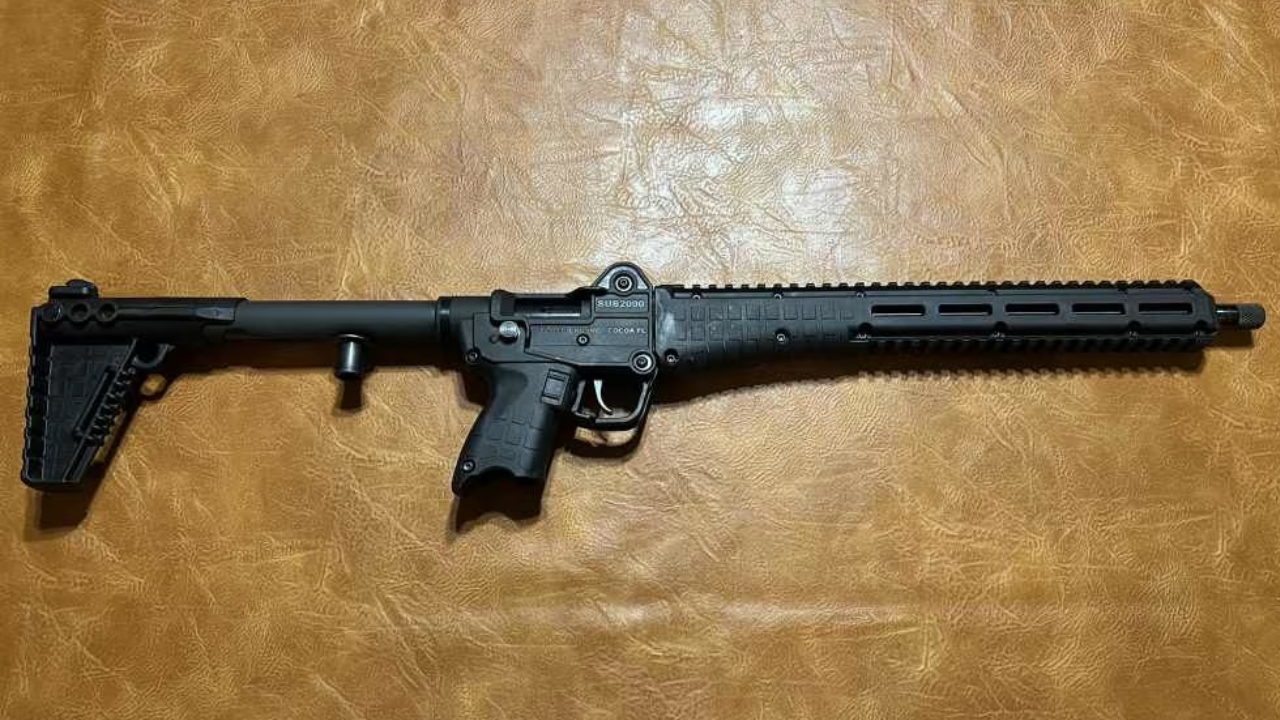
The KelTec Sub2000 is clever, compact, and fun — but it’s also infamous for inconsistent QC. Some owners love theirs; others have fought feeding issues, misaligned sights, or loose pivot points that made the folding design feel wobbly. You might get a reliable truck gun or a headache, depending on which day of the week it was built.
Most problems trace back to loose tolerances and spotty inspection. Some examples are flawless, while others need polishing and aftermarket parts just to run smoothly. KelTec’s creative designs deserve credit, but the Sub2000 proves that ingenuity can’t replace consistent build quality when reliability is on the line.
Marlin 336 (Remington-era production)

When Remington bought Marlin, the first few years of 336 production became a QC nightmare. Rifles left the factory with crooked sights, uneven wood-to-metal fit, and feeding issues caused by sloppy machining. Some rifles even shipped with barrel threads so misaligned the sights canted visibly.
The core design never changed — it was still the same reliable lever gun it had been for decades — but the rushed production under new management damaged Marlin’s hard-earned reputation. It wasn’t until Ruger took over the brand that consistency and craftsmanship returned. Those Remington-era rifles remind every hunter how quickly poor quality control can destroy trust in a legendary name.
Sig Sauer Mosquito

The Sig Mosquito looked like a scaled-down P226, but it performed more like a jam-o-matic. Poor QC and overly tight tolerances meant that most Mosquitos wouldn’t cycle standard ammo. Some ran fine on hyper-velocity loads, but others refused to feed no matter what you tried. The inconsistent chambers and finicky recoil springs didn’t help.
Sig eventually discontinued the pistol, and few shooters were sad to see it go. The Mosquito could have been a great trainer, but lack of consistent inspection meant buyers got wildly different results. It’s a textbook example of how cutting corners in rimfire manufacturing turns a good idea into an unreliable product.
Mossberg Blaze

The Mossberg Blaze was meant to compete with the Ruger 10/22 as a lightweight plinker, but quality control made it a gamble. The polymer receiver flexed under pressure, leading to inconsistent accuracy, and some rifles left the factory with crooked sights or loose stocks. Feeding issues were common, especially with certain magazines.
While Mossberg’s shotguns are known for durability, the Blaze felt like it came from a different company altogether. It’s one of those rifles that showed what happens when cost-cutting and mass production outpace inspection. For every Blaze that worked fine, there were others that sent shooters straight back to the store.
Springfield XD-E
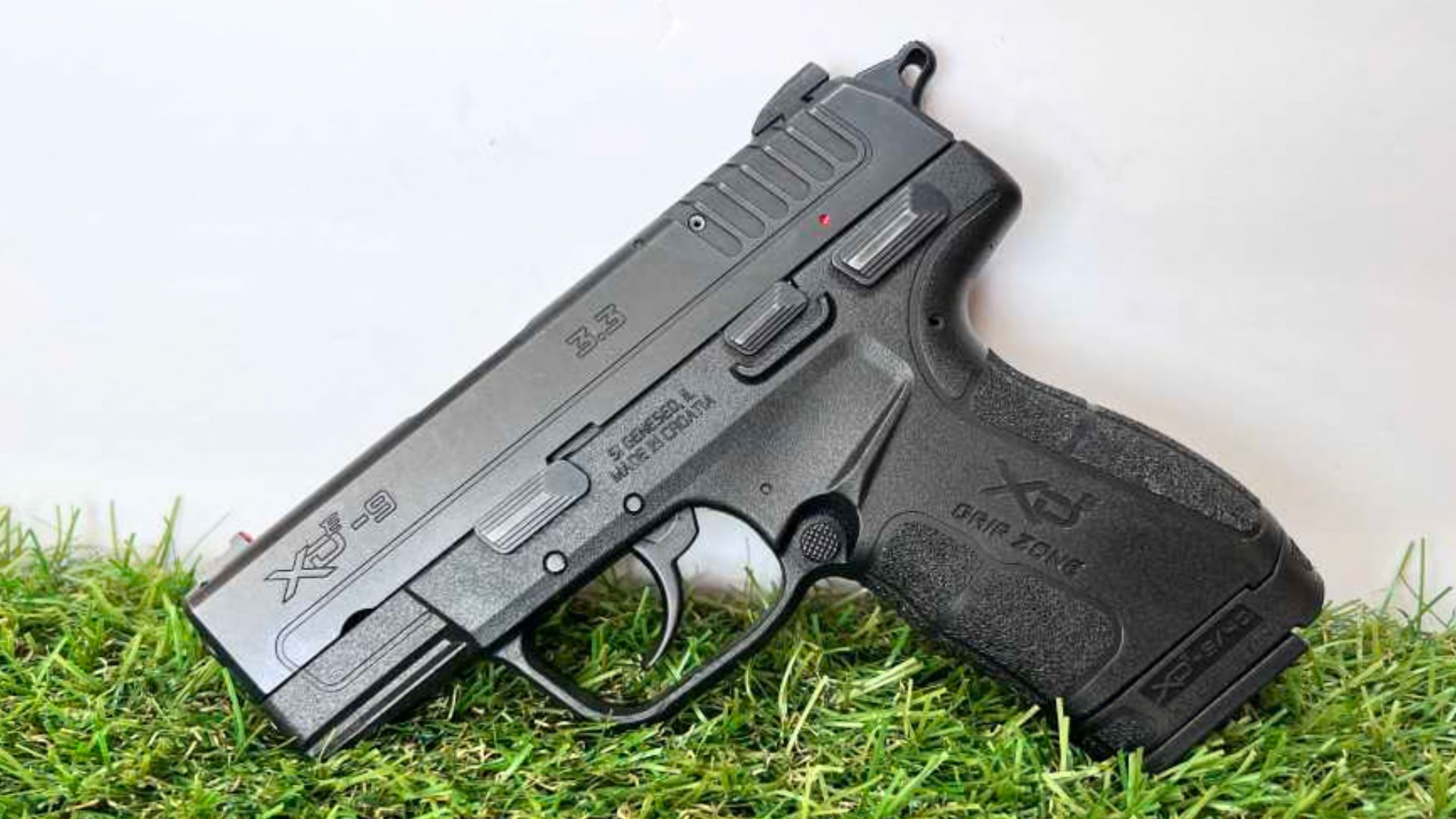
The Springfield XD-E was meant to fill a niche — a hammer-fired, compact 9mm carry pistol — but early examples revealed spotty QC. Some had triggers that stacked unevenly, others arrived with inconsistent slide finish or rough chambers that led to failures to extract. Shooters expecting Springfield’s usual consistency found themselves troubleshooting feeding issues and poor lockup.
The design itself was solid, but sloppy assembly let too many bad examples leave the line. It’s a reminder that even a trusted brand can stumble when inspection shortcuts are taken. Springfield eventually ironed out the bugs, but for early owners, the XD-E was a lesson in waiting for the second production run.
Rossi RS22
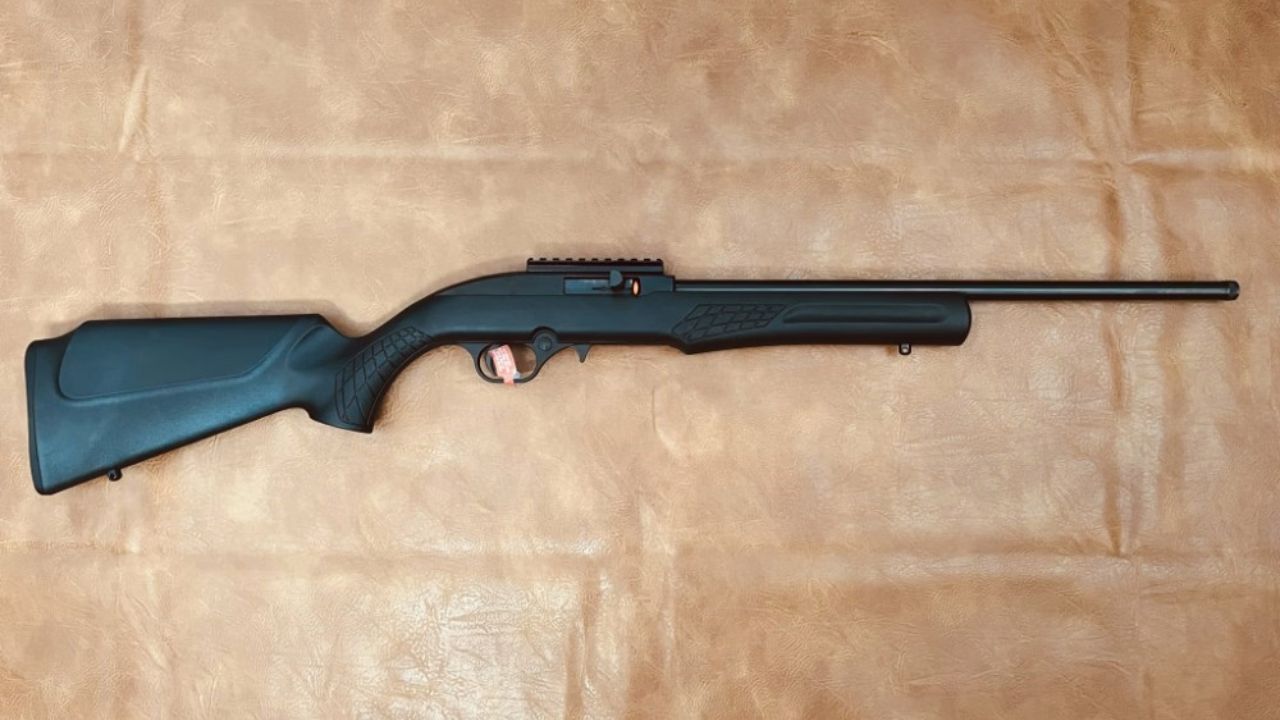
The Rossi RS22 is an affordable .22 rifle that can be accurate and fun — when you get a good one. Unfortunately, quality control varies so widely that you never know what you’re going to unpack. Some rifles arrive with smooth actions and good barrels, while others come with gritty triggers, loose bolts, or off-center sights.
At its price point, it’s understandable, but it still shows how inconsistent QC turns a promising design into a gamble. For new shooters, that first impression matters, and a rough, unreliable gun can sour them on the sport entirely. The RS22 proves that saving on production costs isn’t worth it when it comes at the expense of consistency.
Like The Avid Outdoorsman’s content? Be sure to follow us.
Here’s more from us:
The worst deer rifles money can buy
Sidearms That Belong in the Safe — Not Your Belt
*This article was developed with AI-powered tools and has been carefully reviewed by our editors.