Photo credit: Marko Aliaksandr/Shutterstock.com
Every fall you see the same pattern repeat itself. Hunters head into the woods with cartridges that can work in the right hands, but often get pushed far outside their limits. Some rounds get misused because folks misunderstand what they’re truly capable of. Others get misused because people try to make them into something they’re not—stretching them past reasonable distances, or expecting terminal performance they simply can’t deliver.
If you’ve spent enough time at deer camps, you’ve watched these cartridges turn clean opportunities into long tracking jobs. They aren’t useless rounds, but they get misapplied more than any others when the leaves start turning.
.243 Winchester

The .243 Winchester is one of the most misused cartridges every fall because people assume flat trajectory equals perfect performance. It’s a fine deer round when paired with controlled-expansion bullets and sensible shot placement, but too many hunters push light varmint bullets or take shots at questionable angles.
The issue isn’t the cartridge—it’s how people stretch it past what a 95–100 grain bullet can reliably do on bigger-bodied deer. When kept inside its comfort zone, the .243 works well. When it’s pushed to solve problems it wasn’t meant for, you start seeing wounded animals and long evenings spent following sparse blood trails.
.223 Remington
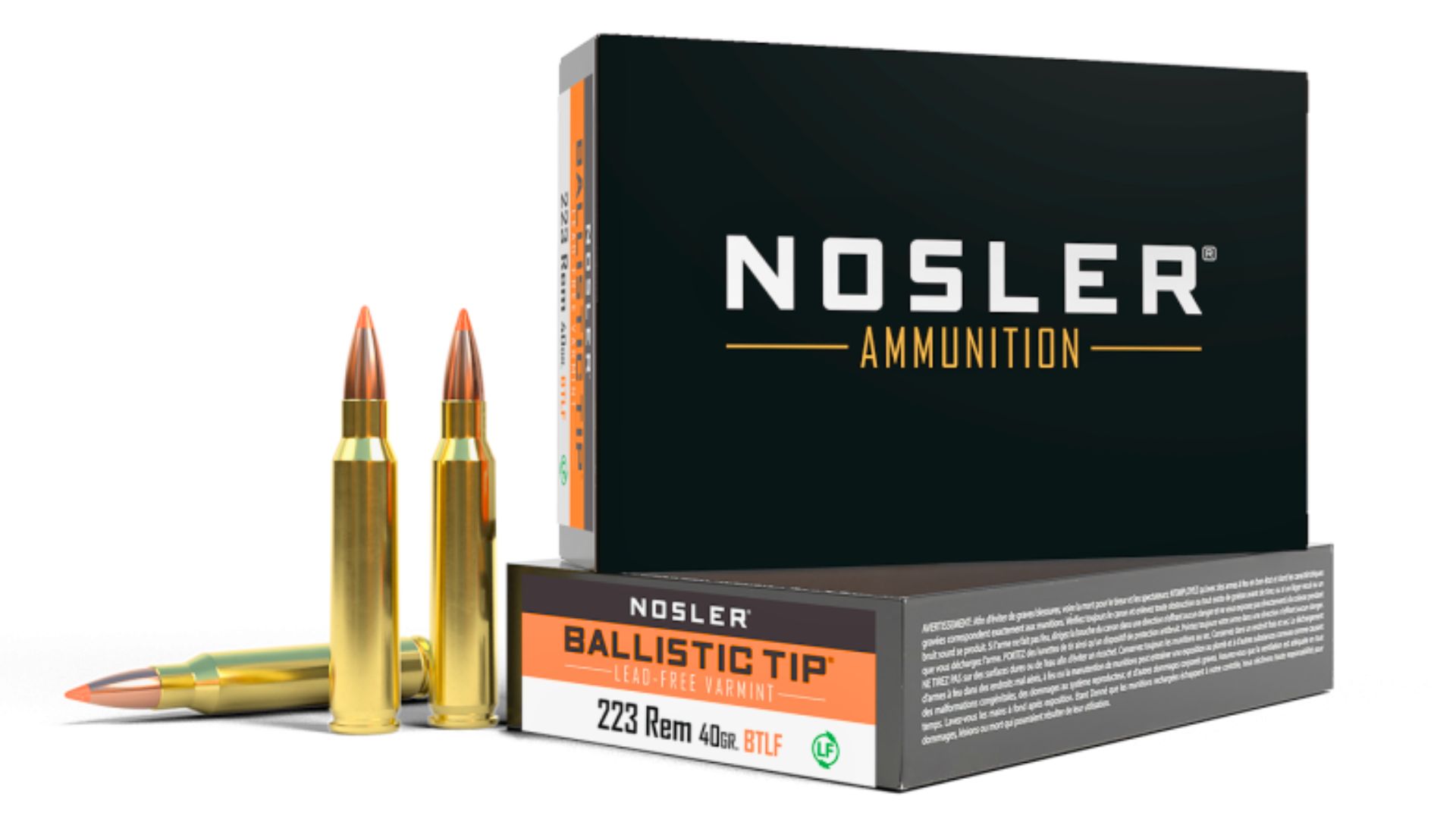
The .223 Remington gets misused because modern marketing and high-tech bullets make some hunters think it’s now “perfect” for deer. While it can work with proper loads, too many shooters still use FMJs or lightweight varmint bullets that aren’t designed for penetration.
Another problem is distance. Hunters see the .223 as a laser beam and forget how much energy it gives up past 200 yards. When shots stay close and bullets are chosen wisely, it performs well enough. But the moment someone stretches it into marginal scenarios, the shortcomings show up fast.
.22-250 Remington

The .22-250 has the speed to make people overconfident, and that leads to misuse every single fall. Varmint bullets explode on impact and rarely penetrate deep enough for deer-sized animals. Even with proper bullets, the round still lacks the mass needed for consistent performance on tough angles.
The velocity tricks hunters into thinking the cartridge hits harder than it really does. When ranges stay tight and shot angles are good, it can work. But most misuse comes from people assuming high speed compensates for everything else, and that’s where trouble starts.
.30-30 Winchester

The .30-30 gets misused in the opposite direction—hunters try to make it into a 300-yard rifle when it was never intended for that job. It shines inside 150 yards with controlled-velocity bullets that expand well at moderate speeds. Beyond that, it drops fast and loses energy quickly.
Most misuse happens when folks overestimate what a flat-nose or slow-moving round can do at distance. It’s a woods cartridge through and through. When you respect those limits, it’s dependable. Ignore them, and you’ll see misses, poor hits, and tracking jobs that shouldn’t have happened.
.350 Legend

The .350 Legend is legal in straight-wall states, but it gets misused because people treat it like a heavy hitter. It’s designed for moderate distances and doesn’t deliver deep penetration with all loads. Hunters who stretch it beyond 150 yards often find out the hard way that velocity falls fast.
The cartridge works well within its intended role, but problems arise when folks expect it to behave like a .308 or .30-06. With proper bullets and close-range shots, the Legend performs fine. Push it further and you’ll see why it makes this list.
.30 Carbine

The .30 Carbine has taken deer cleanly under the right conditions, but it’s misused far too often. Many hunters believe its mild recoil makes up for its limited energy and shallow penetration. In reality, it struggles with anything but perfect broadside shots at short distances.
Where misuse shows up most is when hunters assume soft-point loads turn it into a general-purpose deer round. It simply doesn’t deliver consistent terminal performance outside narrow conditions. When hunters try to stretch it beyond 50–75 yards, results suffer quickly.
7.62x39mm
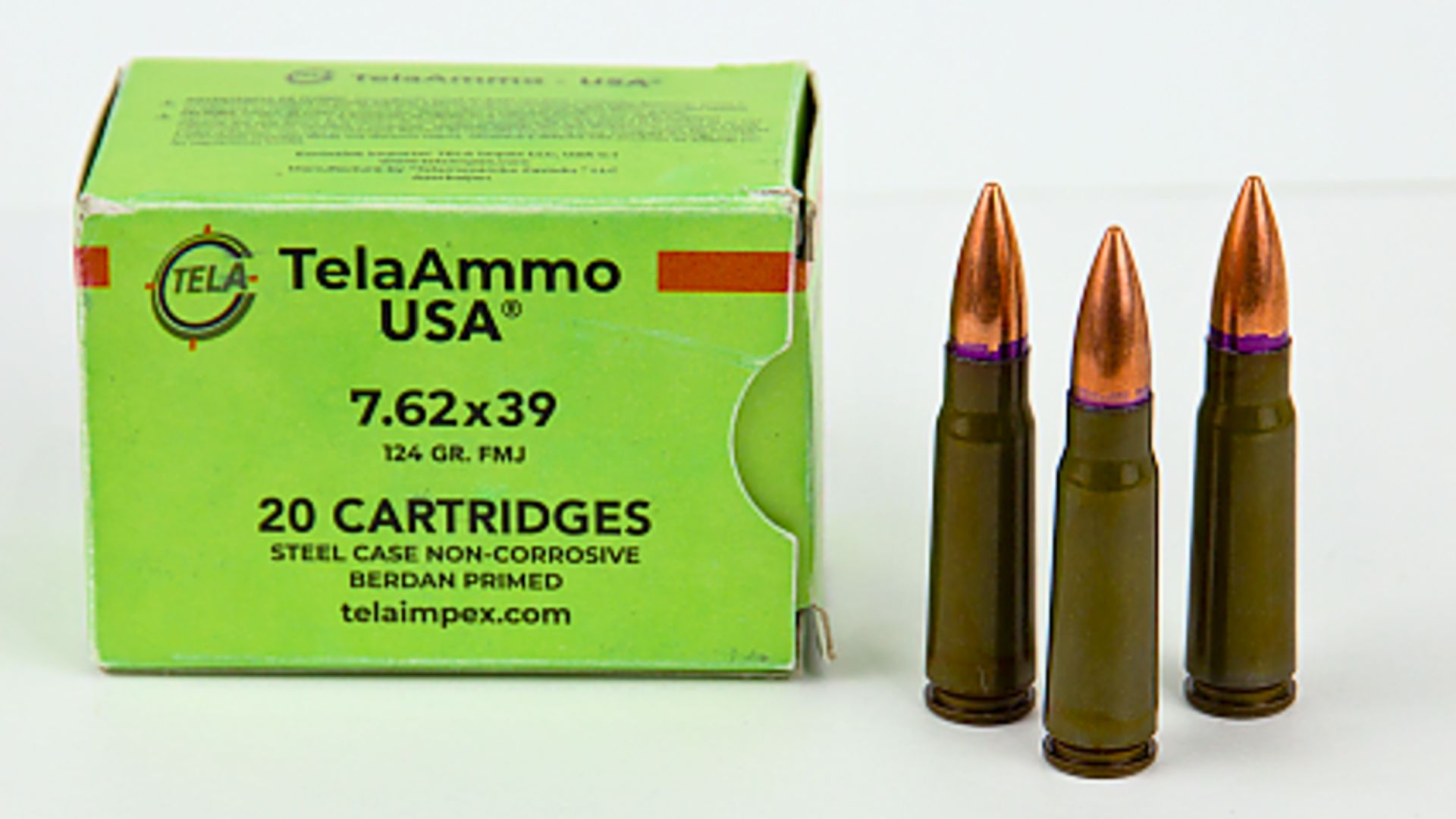
The 7.62x39mm gets misused because of familiarity. Folks who shoot it year-round often assume it’ll behave like a .30-30 in the woods, but ballistically it falls short. Most surplus-style soft points don’t expand well at longer distances, and the round sheds energy faster than many realize.
Inside 125 yards with good expanding bullets, it works just fine. But misuse happens when hunters stretch it further or rely on ammunition that wasn’t built for controlled expansion. The cartridge isn’t unreliable, but it gets pushed into tasks it’s not suited for.
.44 Magnum (from carbines)

The .44 Magnum from rifles creates overconfidence. Shooters see mild recoil and heavier bullets and assume it’ll punch through anything, but handgun bullets have limitations even when fired from longer barrels. Expansion can be inconsistent, and energy drops fast past 100 yards.
Most misuse happens when hunters stretch it toward rifle distances or attempt quartering shots. Keep it inside bow-range distances and it works great. Push it much further and it reveals why it becomes a problem cartridge in the fall.
.410 Bore Slugs
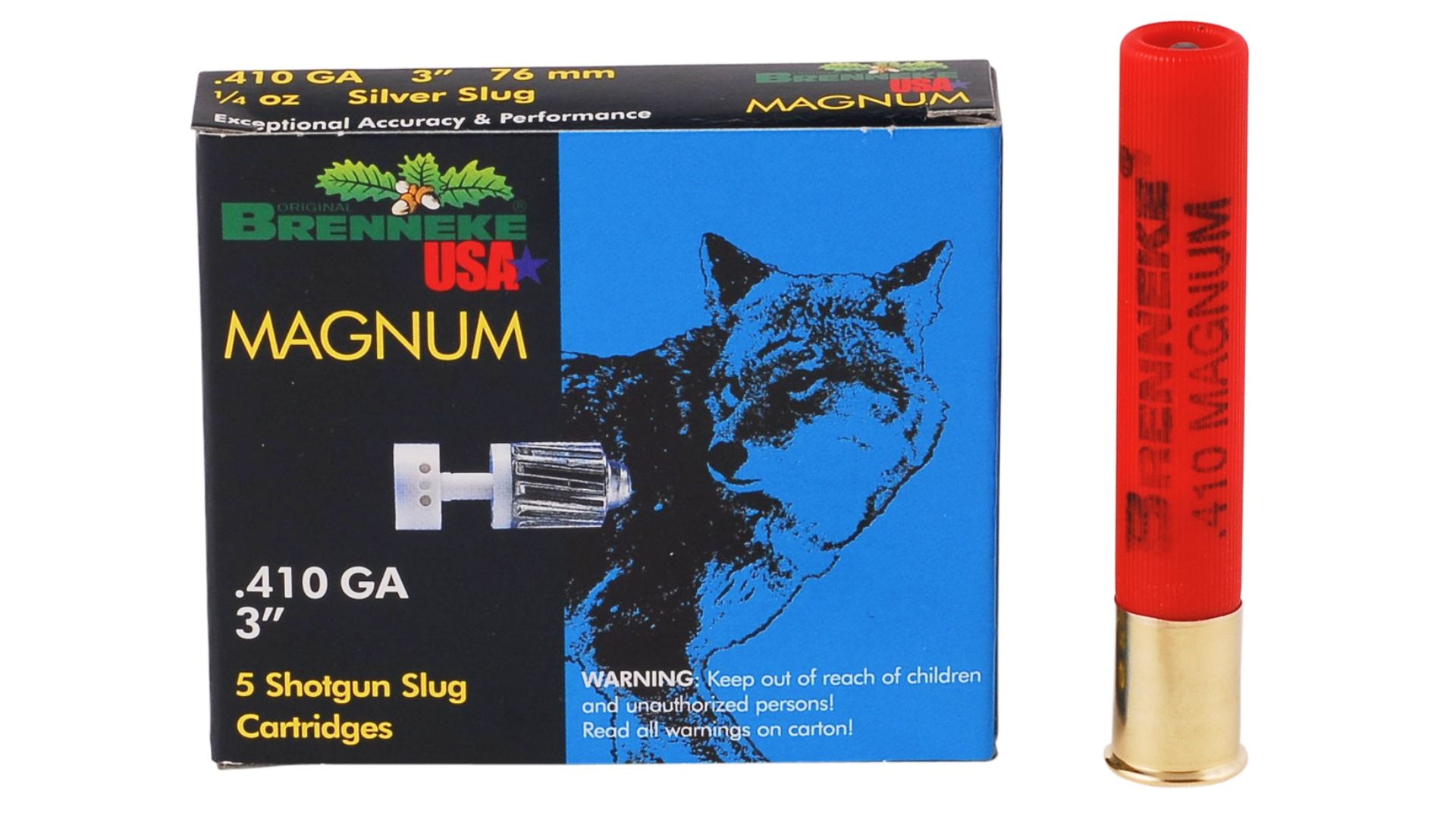
The .410 slug is the most misused deer option out there because people confuse legality with capability. Yes, it can kill deer, but the margin for error is tiny. Slugs are light, penetration is limited, and shot placement must be exact.
Misuse happens when hunters treat it like a 20 gauge or expect consistent performance past 50 yards. While it’s better than nothing, it’s not ideal for general deer hunting. It’s a specialty tool that gets misapplied every season.
.45 Colt (standard-pressure loads)

The .45 Colt can be effective, but many hunters unknowingly use standard-pressure loads designed for older revolvers. These rounds lack the velocity and penetration needed for deer unless everything lines up perfectly.
Where misuse shows up most is when hunters try to stretch the cartridge into rifle-like work. Without heavy, modern loads, the .45 Colt is limited. Hunters who don’t understand that difference end up relying on ammo that simply wasn’t designed for the task.
.32 Winchester Special

Many hunters grab an old .32 Special thinking it behaves like a hotter .30-30, but its performance is actually more temperamental. Bullet selection is limited, and older rifles often struggle with accuracy using modern loads.
Misuse happens when hunters expect it to deliver the same reliable expansion and range as other mid-size deer rounds. Inside 150 yards it works fine, but the moment people push it deeper into the timber or out across fields, its weaknesses show up.
.220 Swift
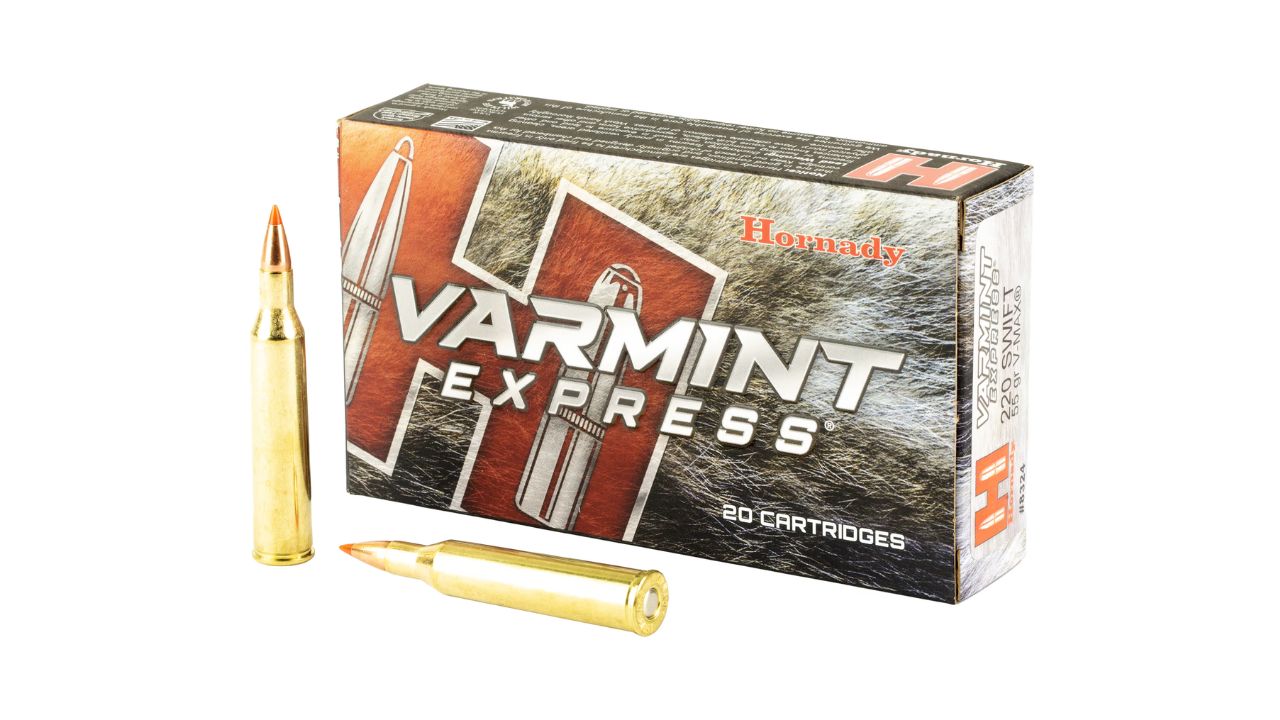
The .220 Swift is a blisteringly fast varmint cartridge that gets misused by hunters who think speed solves everything. Light bullets at high velocity can fragment too quickly on deer-sized animals, leading to inconsistent penetration.
Some heavier controlled-expansion options exist, but even then, misuse happens when hunters stretch shots too far or pick bullets not intended for medium game. The Swift excels at long-range varmint work, not deer hunting.
.260 Remington

The .260 Remington is capable, but it gets misused by hunters who assume any 6.5 round behaves like a Creedmoor. Many older rifles were built with slow-twist barrels that struggle with long, heavy bullets.
Misuse occurs when hunters select bullets their rifles can’t stabilize or stretch shots too far with lightweight hunting loads. When matched correctly, the .260 is excellent—but too many hunters mismatch rifle, bullet, and distance.
6.5 Grendel

The 6.5 Grendel often gets pushed into deer hunting roles it wasn’t meant for. While it works well inside moderate distances, its velocity and energy drop fast past 200 yards. Hunters familiar with larger 6.5 cartridges often assume similar performance.
Misuse happens when hunters expect deep penetration or attempt shots at angles better suited to larger rounds. The Grendel works within a narrow performance envelope, and ignoring that creates problems fast.
.410 Revolver Shotshell Loads
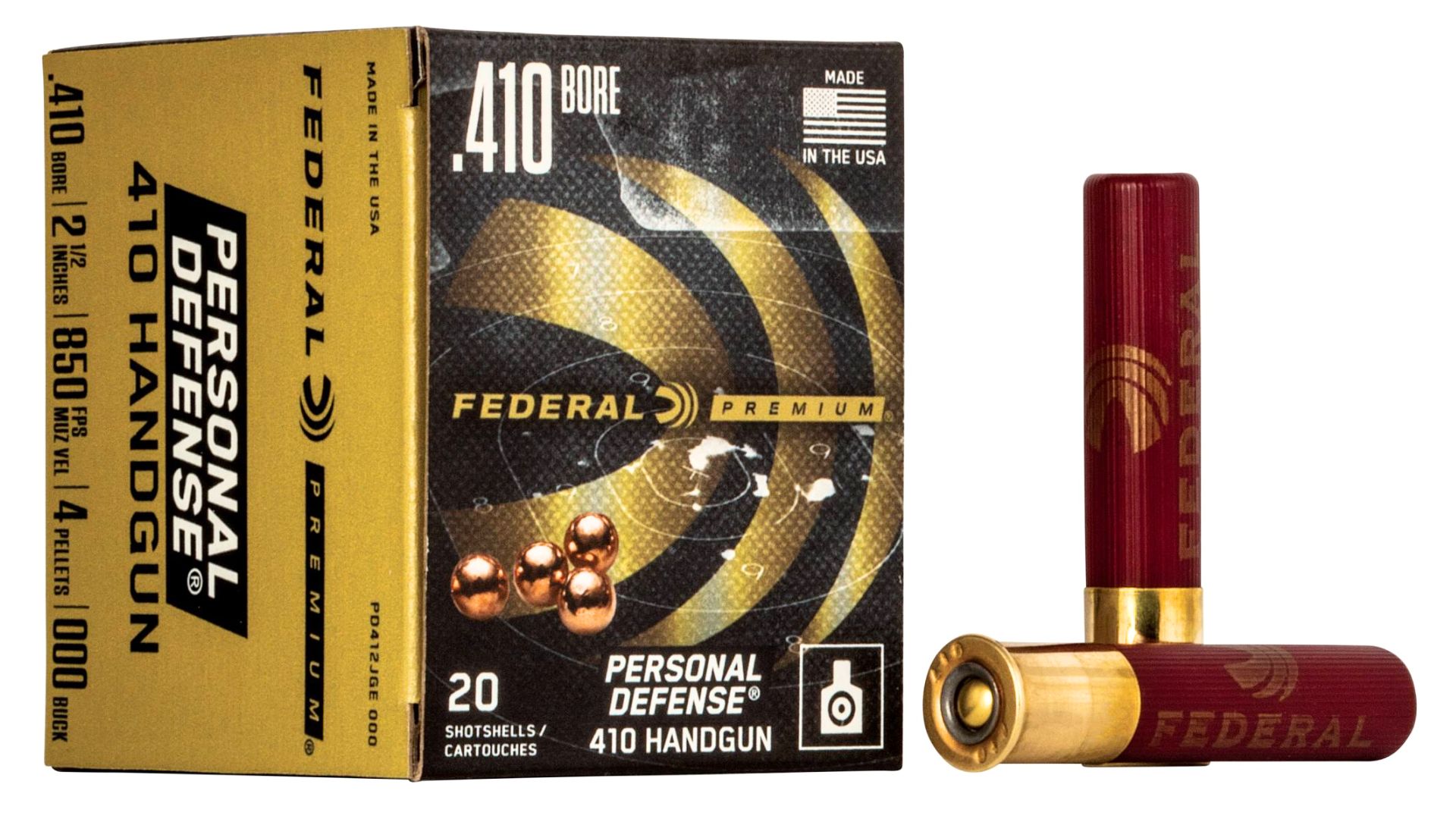
Some hunters mistakenly believe .410 revolver shotshells or mixed loads can handle deer at close range. This is a huge misuse issue every fall. These loads aren’t designed for penetration and don’t reliably deliver the energy needed for ethical performance.
While they may seem convenient, shotshell-based loads lack the terminal performance to produce clean kills. They’re better suited for pests, not deer-sized animals. Misuse here creates more wounded animals than clean recoveries.
Like The Avid Outdoorsman’s content? Subscribe to our newsletter so you never miss an article.
Here’s more from us: