Photo credit: ARTFULLY PHOTOGRAPHER/Shutterstock.com
When you handle enough firearms, you start spotting the shortcuts manufacturers take long before a round ever leaves the barrel. Loose slide-to-frame fit, gritty triggers, poorly cut chambers, and mystery-metal internals all show themselves quickly.
Some guns run fine despite humble construction, but others reveal their weaknesses the moment you rack the slide or seat a magazine. You don’t need to be a gunsmith to notice when a firearm was built to hit a price point instead of a standard. A few models have earned that reputation, and seasoned shooters can identify them almost instantly.
SCCY CPX-1
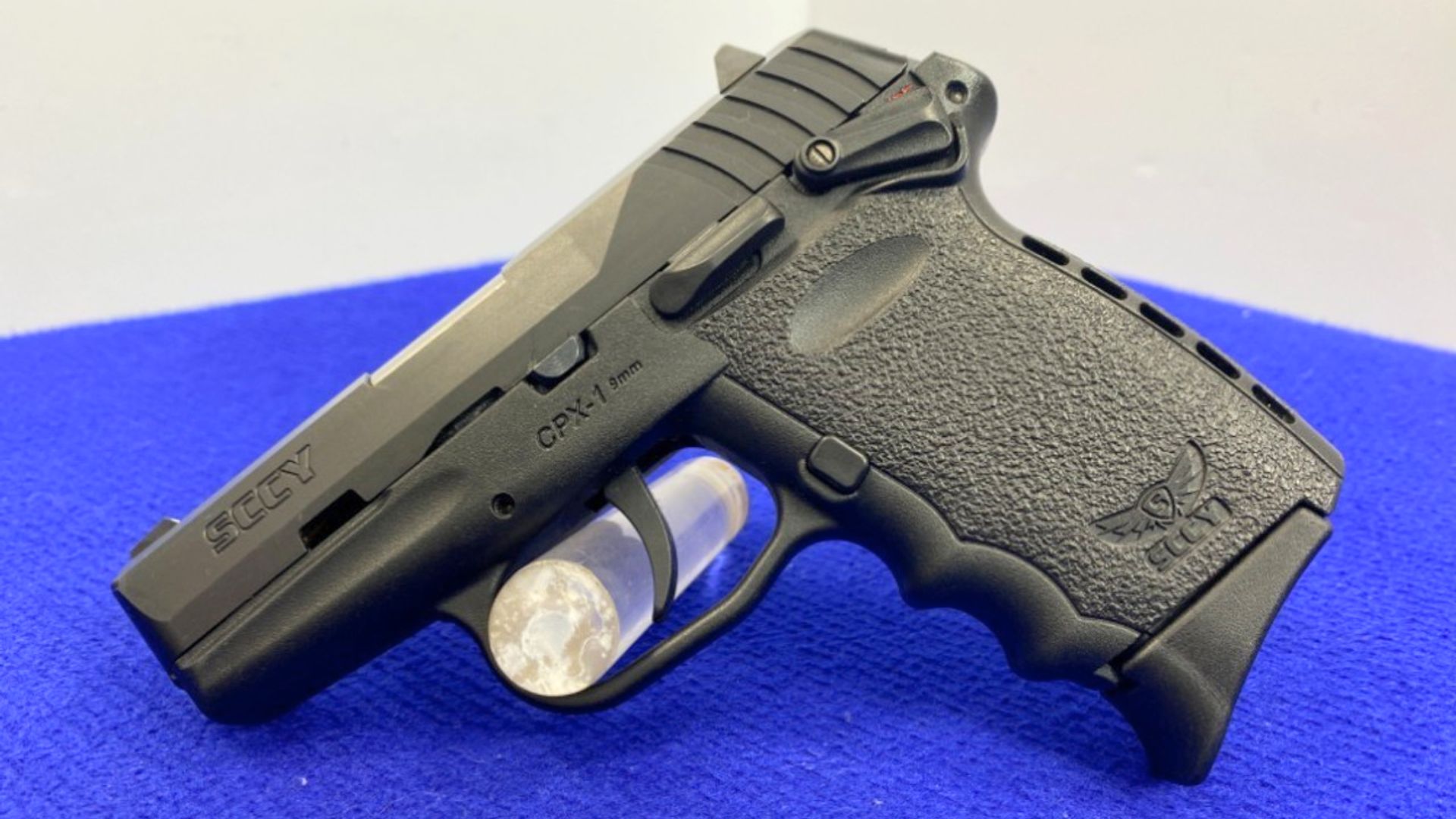
The CPX-1 is lightweight, compact, and budget-friendly, but it also shows its manufacturing shortcuts right away. The trigger has a long pull with noticeable stacking, and the polymer frame often exhibits slight flex under pressure. Many shooters also notice inconsistent slide feel, which hints at rough internal machining.
While the gun can function reliably with the right ammo, it never feels refined. Feed-ramp polish varies, and some magazines fit tighter than others. It’s a pistol that reveals its price point in the way it cycles, handles, and wears over time, especially during long training sessions.
Hi-Point C9

The Hi-Point C9 is known for being affordable and rugged in its own way, but you can tell immediately that it’s built with cost-saving materials. The zinc-alloy slide is heavy and rough-looking, and the blocky profile feels dated. The machining marks are visible, and the controls lack the crispness you get from mid-tier pistols.
Yet the C9 does run, which surprises newcomers. Still, the unconventional slide-to-frame fit, stiff magazine release, and heavy trigger all point to minimal finishing. It’s a gun that functions but never hides its budget-friendly construction, even in casual handling.
Jimenez JA380
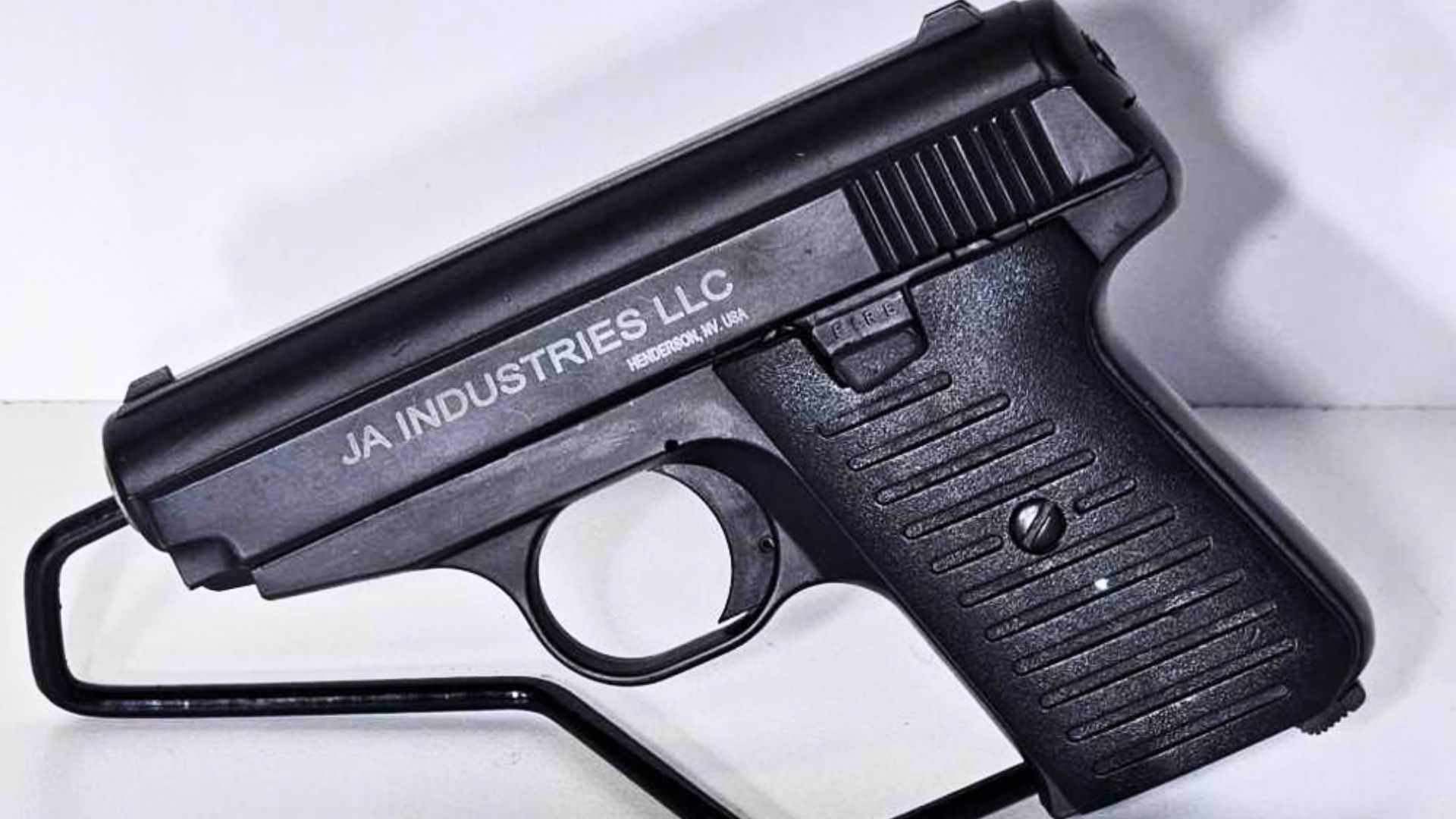
The JA380 feels light, but not in a confidence-inspiring way. The materials and machining give it a toy-like impression from the moment you pick it up. The slide movement is often uneven, and the feed ramp doesn’t always show consistent shaping.
Reliability varies widely, which reflects the inconsistent production quality. Many shooters notice that safeties feel loose and triggers lack predictable break points. The pistol’s finish also wears quickly, revealing how little emphasis was placed on durability. It’s a firearm where cutting corners becomes obvious before you fire the first shot.
Cobra Enterprises FS380
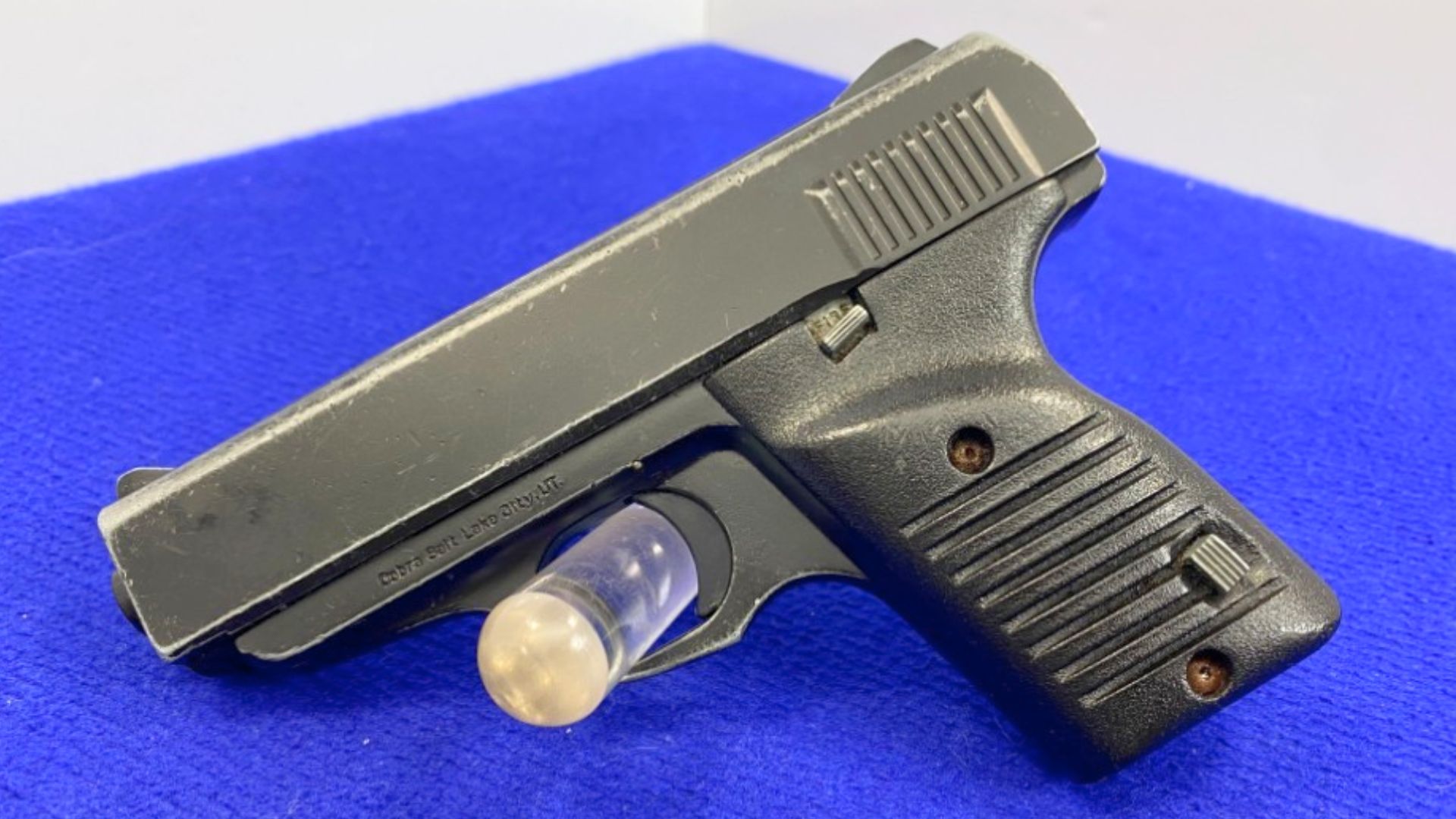
The FS380 is another low-cost .380 that shows its construction shortcuts immediately. The slide feels gritty when racked, and the hollow-feeling grips flex under pressure. Controls are basic and often require more force than expected.
Accuracy is limited, partly due to inconsistent barrel lockup. Magazines also vary in how smoothly they feed. While it may function, the weak finish, loose tolerances, and stiff trigger remind you that this pistol was never meant for heavy use. Its shortcomings are visible right out of the box.
Taurus Spectrum

The Spectrum was meant to be a modern, ergonomic .380, but its execution leaves room for improvement. Shooters notice soft polymer panels that shift slightly under grip pressure, and the trigger has a mushy, unpredictable feel. Those traits suggest cost-saving measures were prioritized.
Performance can be reliable, but the uneven slide feel and frequent stovepipes with certain ammo hint at rushed production. The gun looks sleek from a distance, yet the fit and finish reveal a very different story when you start using it. It’s a pistol that feels like it needed more refinement.
Jimenez J.A. Nine
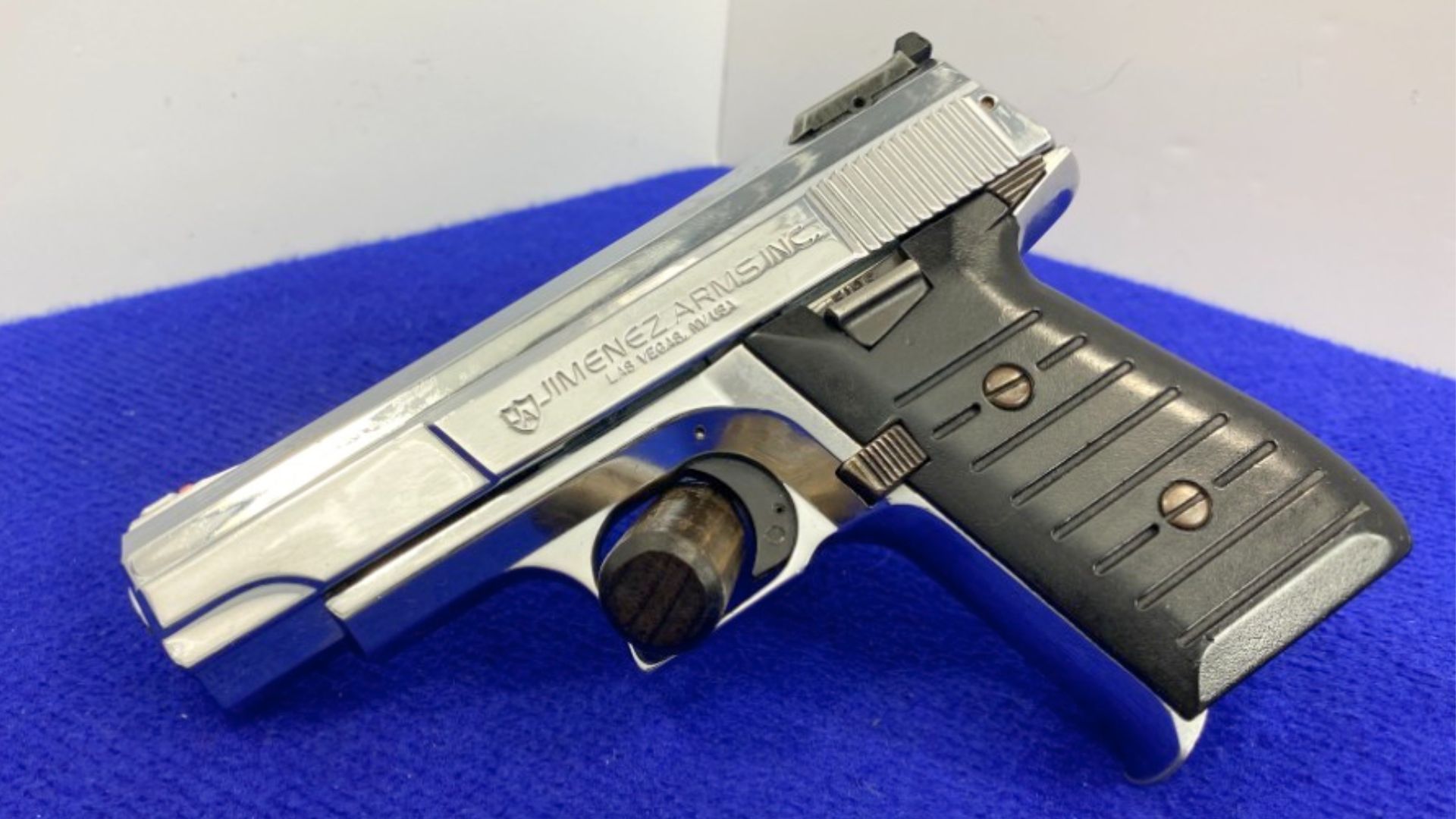
This pistol is known for its affordability, but the construction shows its limits quickly. The heavy slide and light frame create a strange balance that’s noticeable as soon as you raise it. Machining marks are common, and the controls lack clean movement.
While some examples run fine, others suffer frequent failures to feed or extract. The inconsistent reliability stems from loose tolerances and cost-cutting in materials. Even novice shooters can tell the gun wasn’t built for longevity or high round counts. Handling alone reveals its weaknesses.
Jennings J22

The J22 has a long history, and many shooters recognize its flaws instantly. The tiny frame feels delicate, and the slide-to-frame fit is loose enough to notice during simple manipulations. The pot-metal construction wears quickly, especially around stress points.
Firing the gun often reveals additional issues, but even dry handling shows corners were cut. Triggers are known for being gritty, and magazines don’t always seat cleanly. It’s a handgun that teaches you why materials matter, even in small calibers.
Heritage Rough Rider Small-Bore
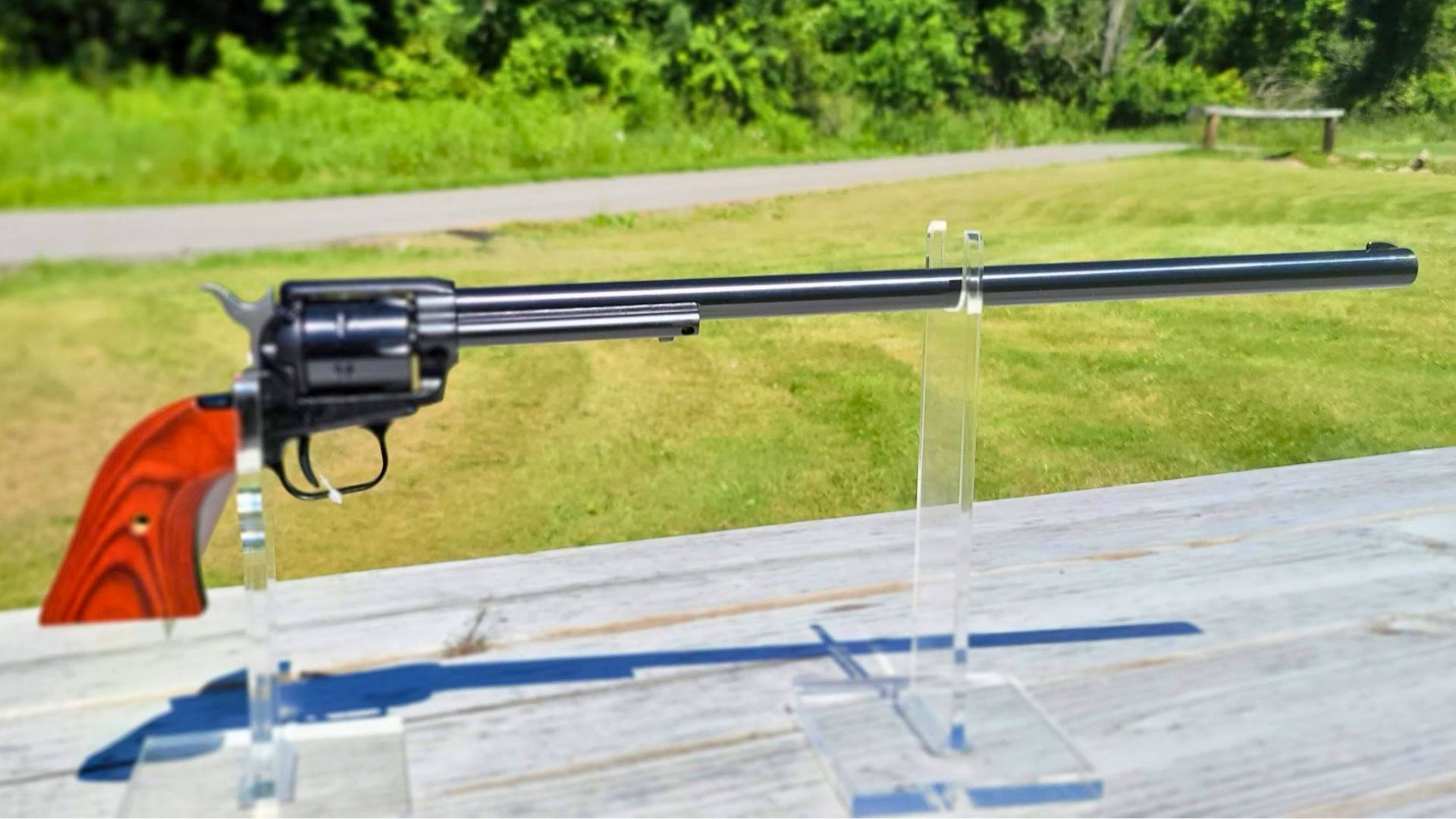
While the Rough Rider is generally reliable for casual plinking, it still shows its budget nature. The metal finish is thin, and the cylinder timing can feel inconsistent when you slowly cock the hammer. The trigger guard and small parts sometimes show visible mold or machining lines.
Despite those issues, it remains a fun revolver for the price. But compared to higher-quality rimfire options, the cost savings become obvious. The gun simply lacks the smoothness and durability expected from premium models. You can feel that instantly when operating it.
KelTec P11

The P11 has a strong following among budget carriers, but it also reveals its rough edges immediately. The trigger pull is extremely long and heavy, and the frame flexes more than many shooters expect. These traits make it clear that the design emphasizes affordability.
While the pistol functions adequately with practice, the overall construction feels unfinished. Magazine fit can vary, and the slide machining often shows visible tool marks. It’s a gun that works but never feels refined, which becomes clear as soon as you handle it.
Raven MP-25

The MP-25 is another inexpensive pocket pistol that looks and feels cheaply made. The pot-metal slide and frame give it a fragile impression from the start. Racking the slide feels uneven, and the small controls lack any sense of precision.
The finish wears rapidly, especially around the muzzle, and many examples show inconsistent cycling. Even hand-fitting the magazine can reveal loose tolerances. The firearm’s budget construction shows itself in every part of the handling experience.
Taurus G2C (Early Production)

While newer G2C models have improved significantly, early-production versions showed clear signs of cost-saving. Rough slide machining, inconsistent trigger feel, and magazine issues were common. Shooters often noticed these flaws simply by racking the slide or dry-firing.
Despite those shortcomings, many units still functioned well. But the wear patterns and finish quality showed that these pistols weren’t built with the same standards as higher-priced options. Handling one from those early runs made the limitations instantly obvious.
Bersa Thunder 380 CC
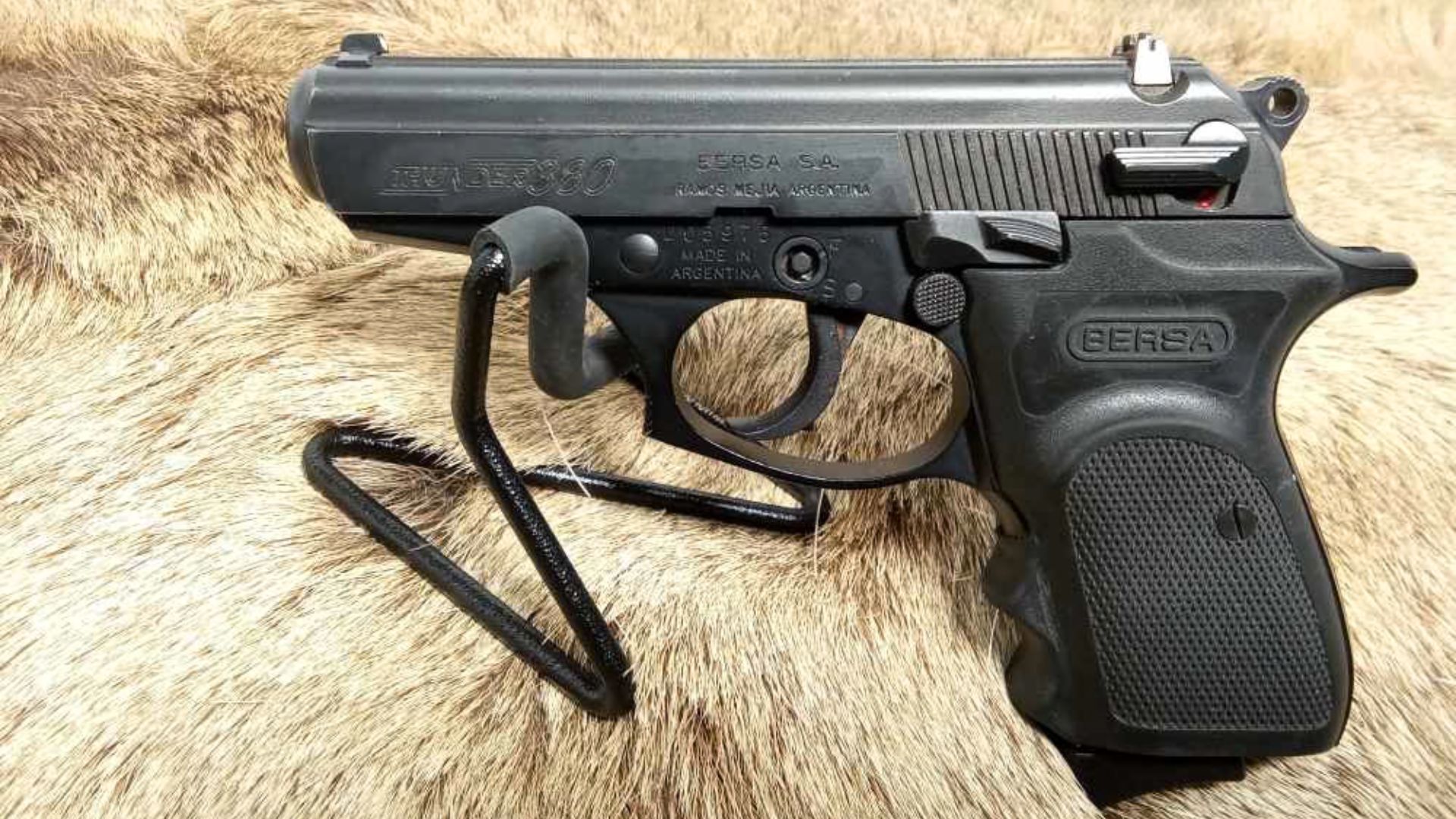
The Thunder 380 CC is light and compact, but its construction feels less robust than the original Thunder design. Shooters often notice frame flex and a looser slide fit. The thinner controls and reduced-metal design also give it a lighter-duty impression.
Performance is often reliable, but the build quality feels compromised. The finish wears faster, and the trigger isn’t as smooth as other models in the series. Although it’s serviceable, it’s easy to tell the gun was built to reduce costs.
Hi-Point JHP .45
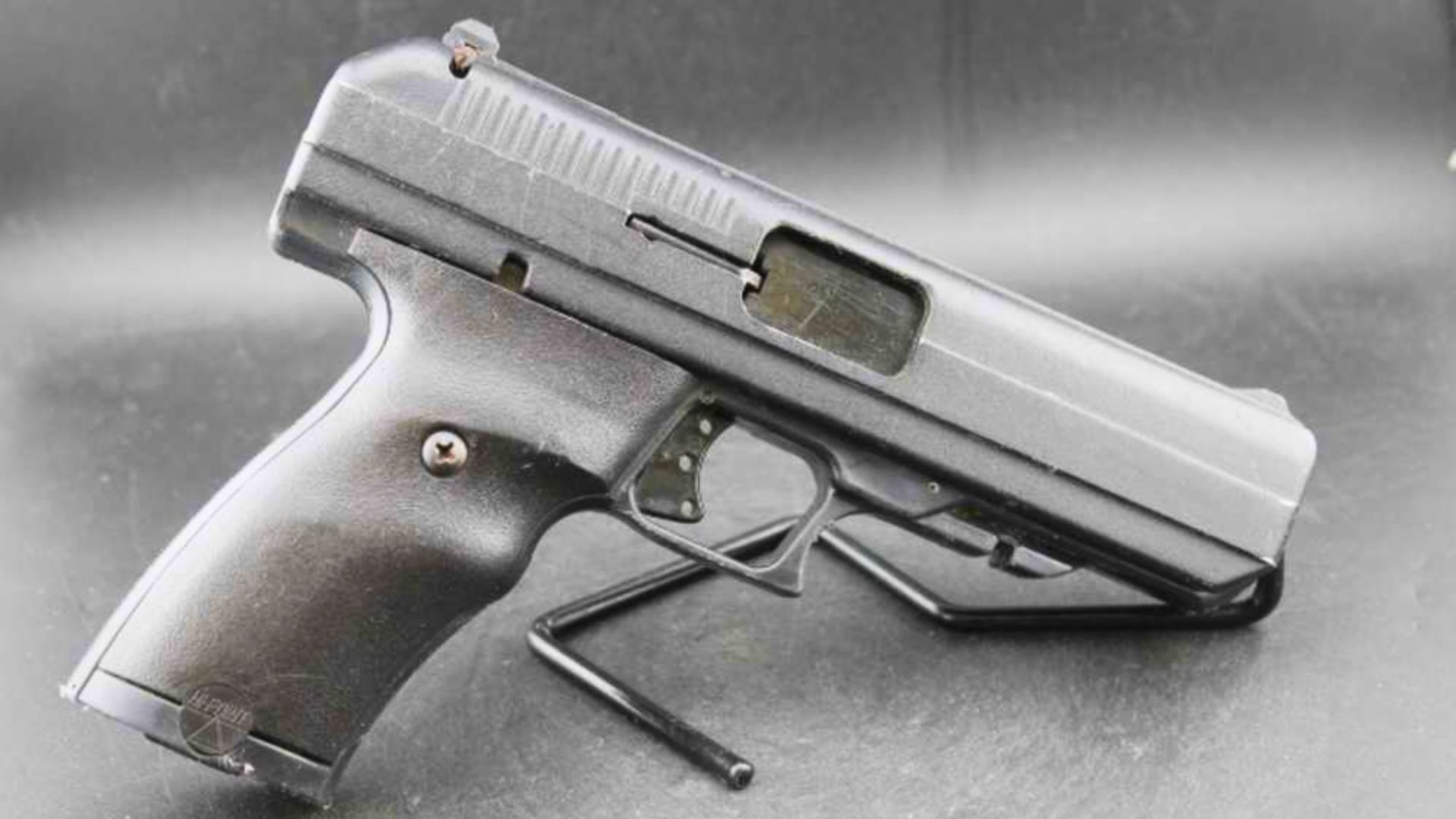
The JHP shares traits with the C9 but amplifies them due to its size. The oversized slide feels unbalanced, and the polymer frame flexes noticeably under pressure. Machining marks and simple, utilitarian controls make its budget-oriented construction obvious.
It’s surprisingly reliable for the cost, but it’s not refined. The heavy slide return and basic trigger remind shooters that this pistol is built for durability—not sophistication. Everything about the gun signals cost containment.
Cobra Big Bore Derringer
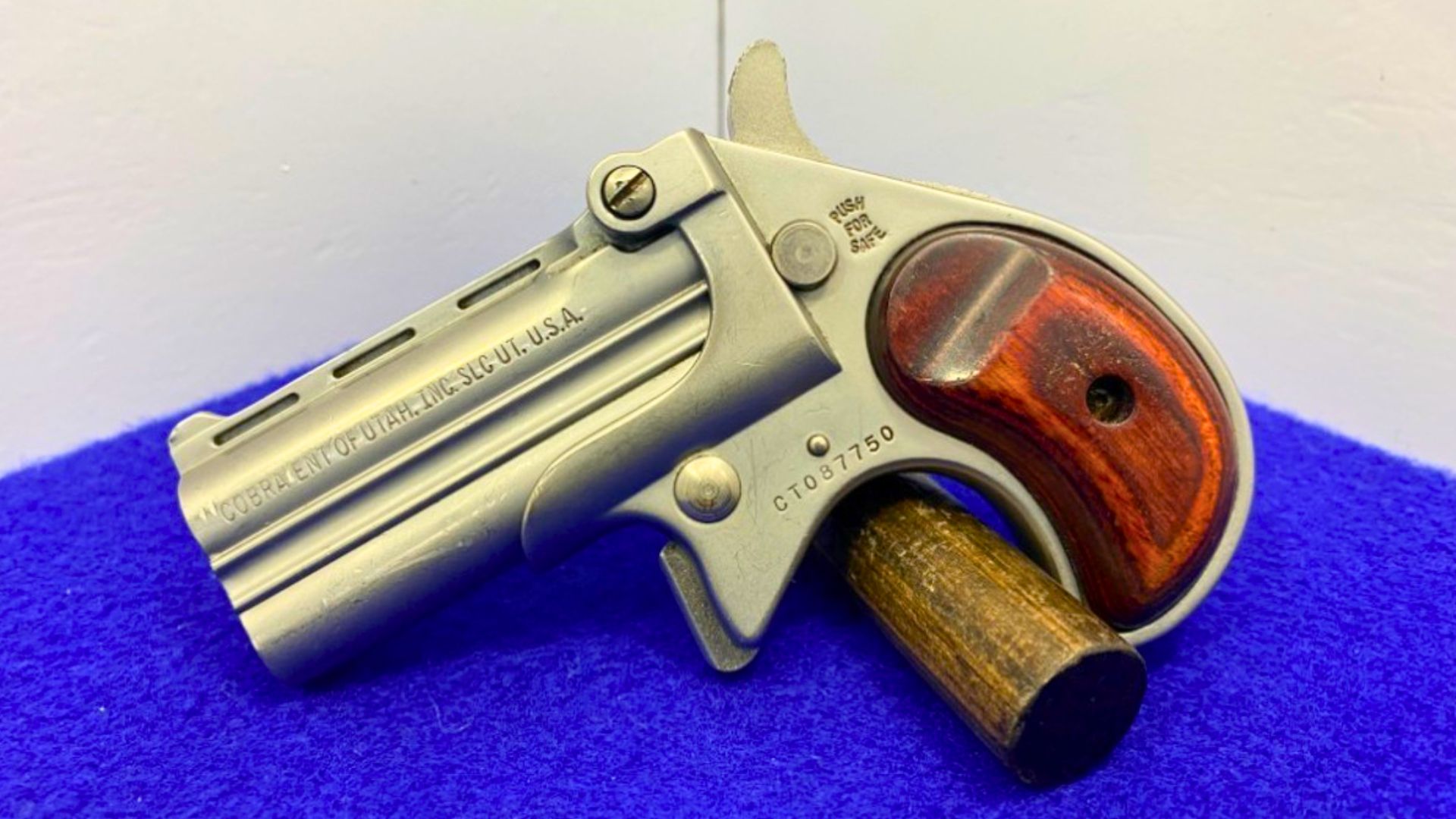
The Big Bore Derringer looks stylish, but once you handle it, the limitations show up quickly. The hinge feels loose on some units, and the barrels don’t always lock up tightly. The trigger pull is heavy and inconsistent.
These issues stem from visible shortcuts in materials and finishing. Even as a novelty firearm, the build quality leaves questions. It’s the kind of gun that feels like it needed a few more quality-control steps before reaching the shelf.
Phoenix Arms HP22A

The HP22A is a lightweight plinker that clearly reflects its budget design. The safety mechanisms feel fragile, and the slide movement is often gritty. The pot-metal construction wears quickly, especially around moving parts.
While the gun can be enjoyable to shoot, the production compromises are apparent from the moment you take it out of the box. The thin finish, inconsistent trigger, and delicate parts make it clear that it wasn’t built for heavy or long-term use.
Like The Avid Outdoorsman’s content? Be sure to follow us.
Here’s more from us: