Photo credit: Fred C./YouTube
When a rifle cycles cleanly, you hardly think about the action. But when it doesn’t—when the bolt feels gritty, hesitant, or reluctant to extract—you notice it immediately. Rough actions don’t matter much on a slow day at the bench, but they show their flaws the moment you need a quick second shot.
Hunters who’ve spent time in real country know which rifles fight you when the pressure’s on. Whether it’s machining shortcuts, awkward geometry, or poor material choices, these are rifles that make running the bolt feel like work instead of instinct.
Mossberg ATR
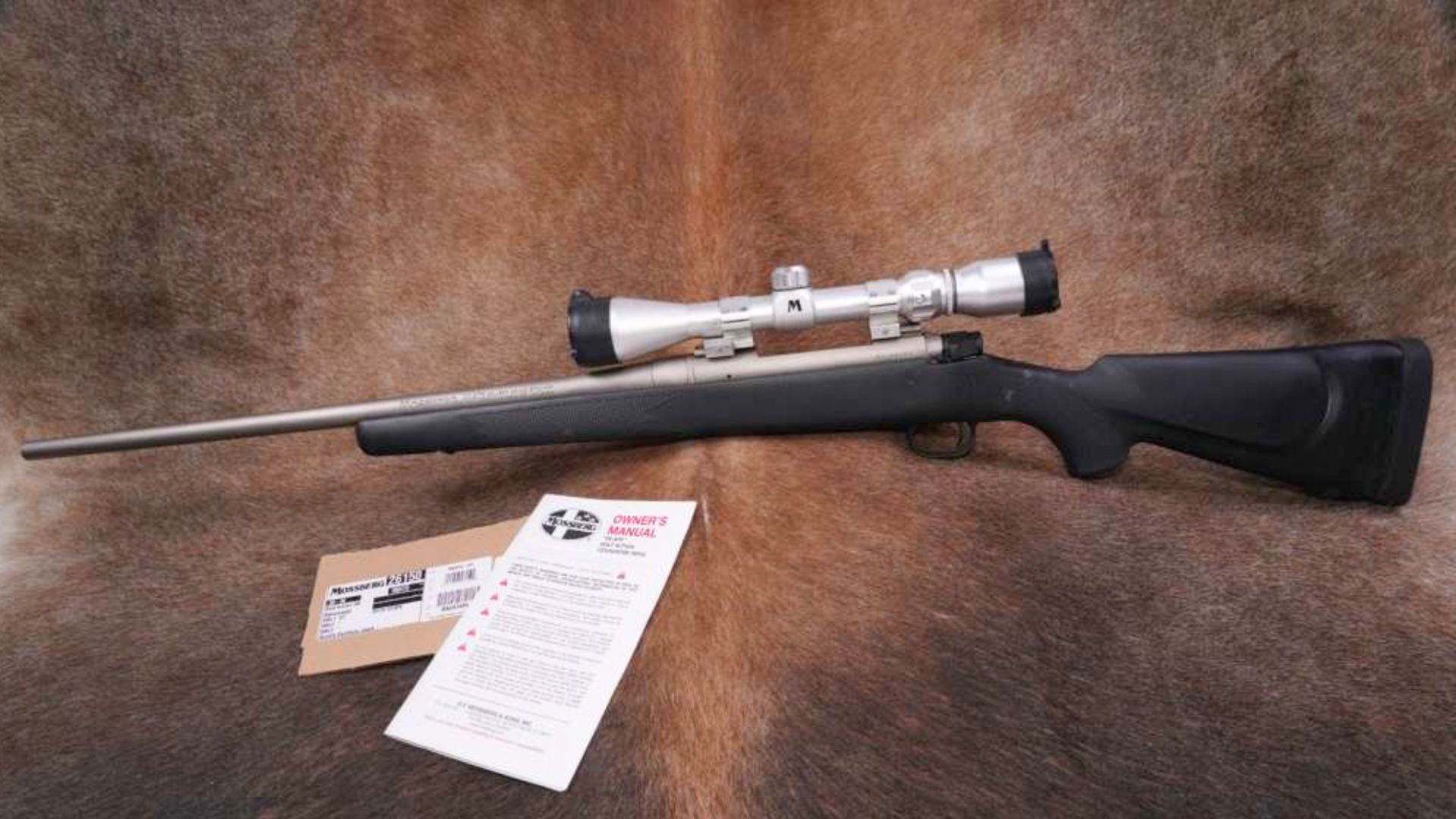
The ATR earned attention as an affordable hunting rifle, but many shooters found the bolt lift unusually heavy. The twin-lug action tends to bind under pressure, especially after a few boxes of ammo. Cycling it quickly can feel unpredictable, and the hesitation during extraction is easy to spot.
While the rifle can shoot accurately enough, that rough feeling doesn’t disappear with time. Add cold weather, gloves, or a hasty follow-up, and the action’s quirks become more noticeable. It’s a rifle you can make work, but it rarely delivers the smooth confidence hunters want in the field.
Howa Lightning
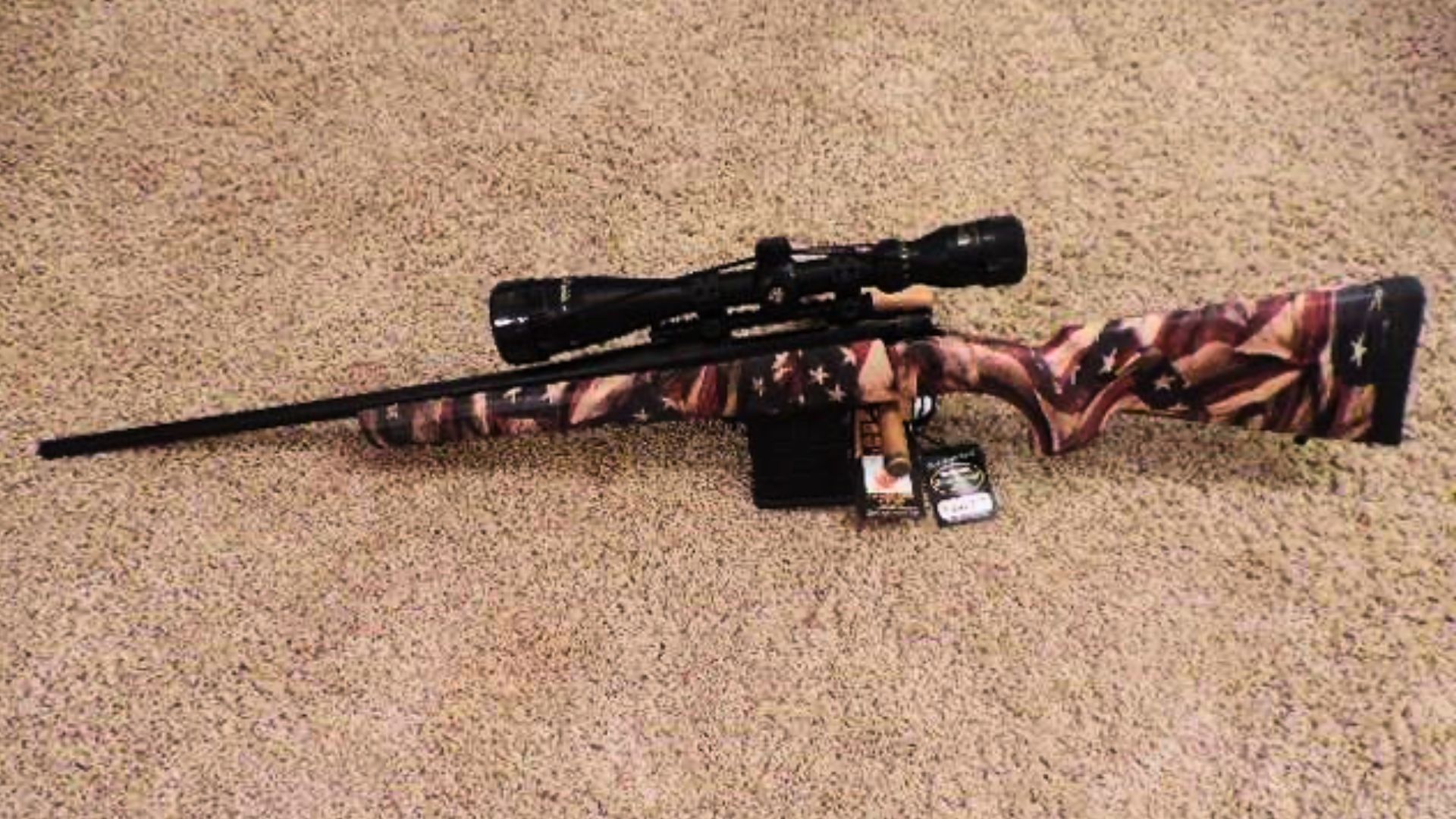
The Howa 1500 is known for smoothness, but the short-lived Lightning variant missed the mark. The bolt body often showed uneven resistance as it moved through the cycle, giving it a start-stop sensation. Follow-ups felt clunky compared to the standard model.
Extraction isn’t unreliable, but it never snaps brass free with the authority hunters expect. When pressure builds in the chamber, the Lightning’s action demands more force than ideal. It’s not disastrous—just a rifle that reminds you of every motion when speed should be instinctive.
Winchester Model 670
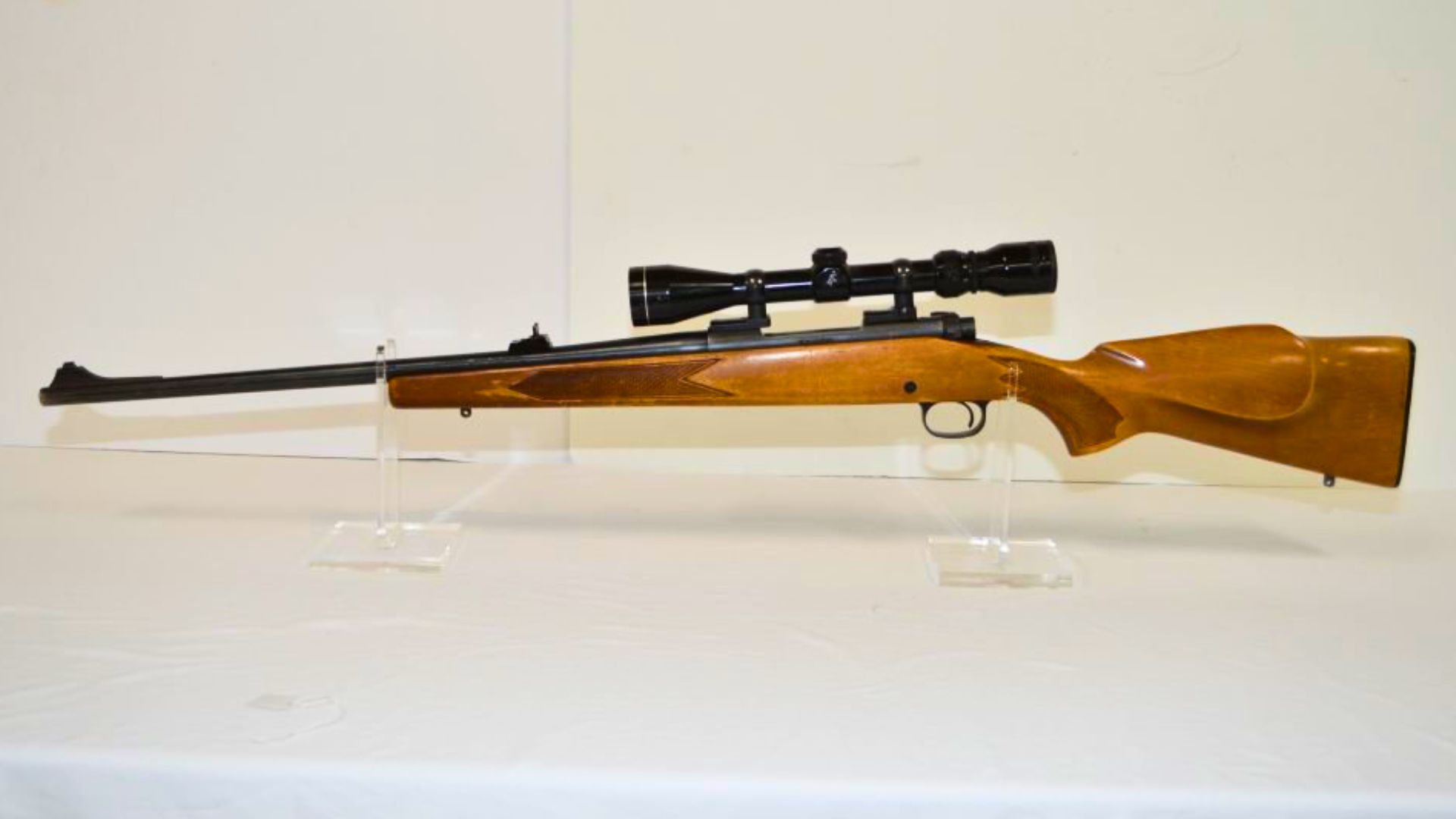
The 670 was meant to offer Model 70 performance at a friendlier price, but the cost cuts showed most clearly in the action. The bolt can feel coarse as it rides along the interior, and chambering a round isn’t the smooth sweep you get from a true Model 70.
In cold weather, the roughness becomes even more obvious, especially when you’re trying to get back on target quickly. The extractor works, but the movement lacks refinement. It’s a decent rifle for slow, deliberate use, yet its action isn’t built for fast cycling under pressure.
Smith & Wesson 1500
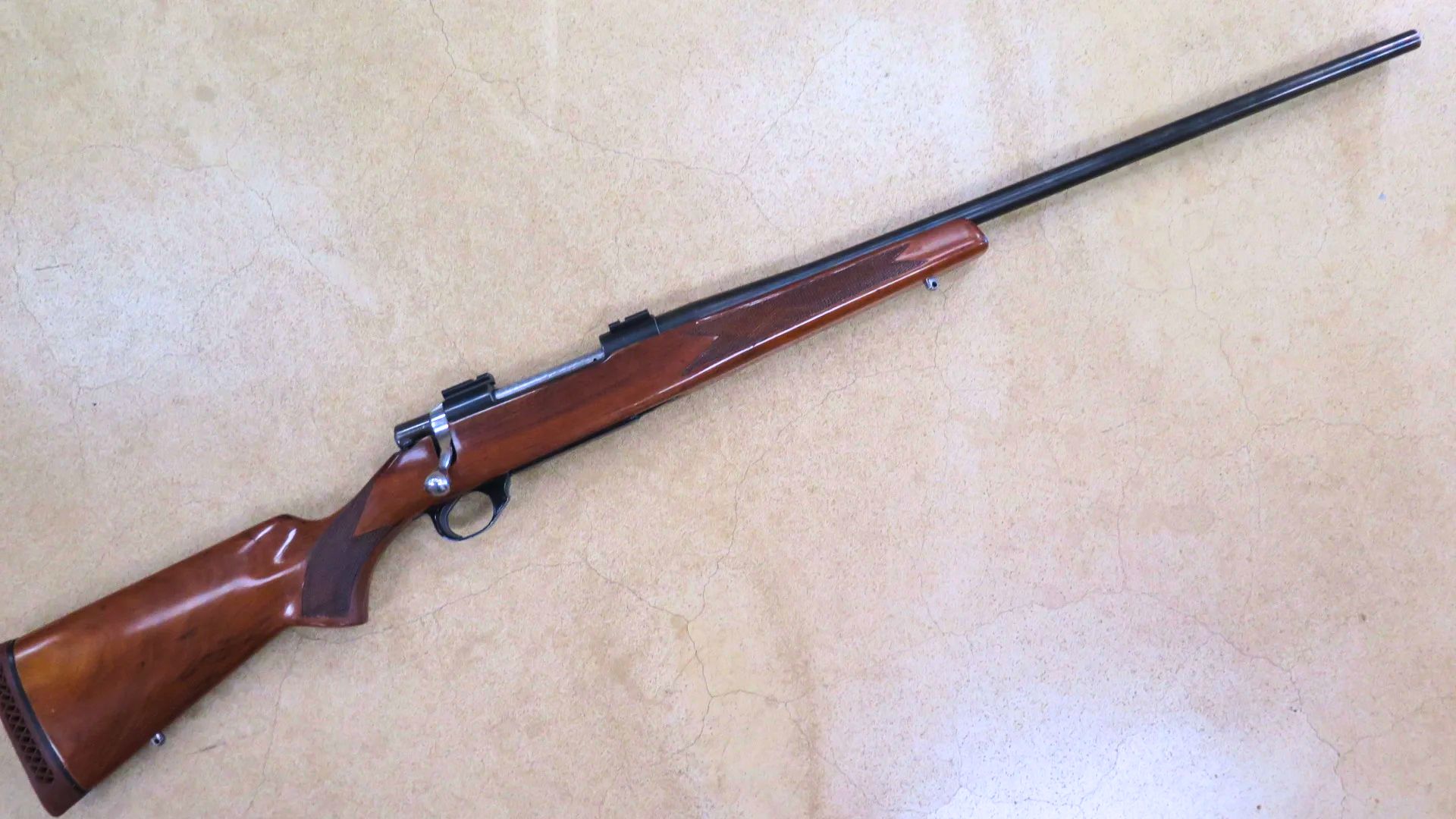
Though it shared lineage with Howa designs, the 1500 never matched their usual finish quality. Some rifles feel nearly smooth, but others drag noticeably at bolt lift. That inconsistency alone frustrates hunters who need predictable follow-up performance.
Under recoil, the bolt handle can lift slightly, increasing the resistance during the next cycle. Add a tight chamber or weather-worn ammo, and you’re working harder than you’d like. It’s not a rifle prone to failure, but its action doesn’t inspire the urgency hunters sometimes need.
Sears Model 53
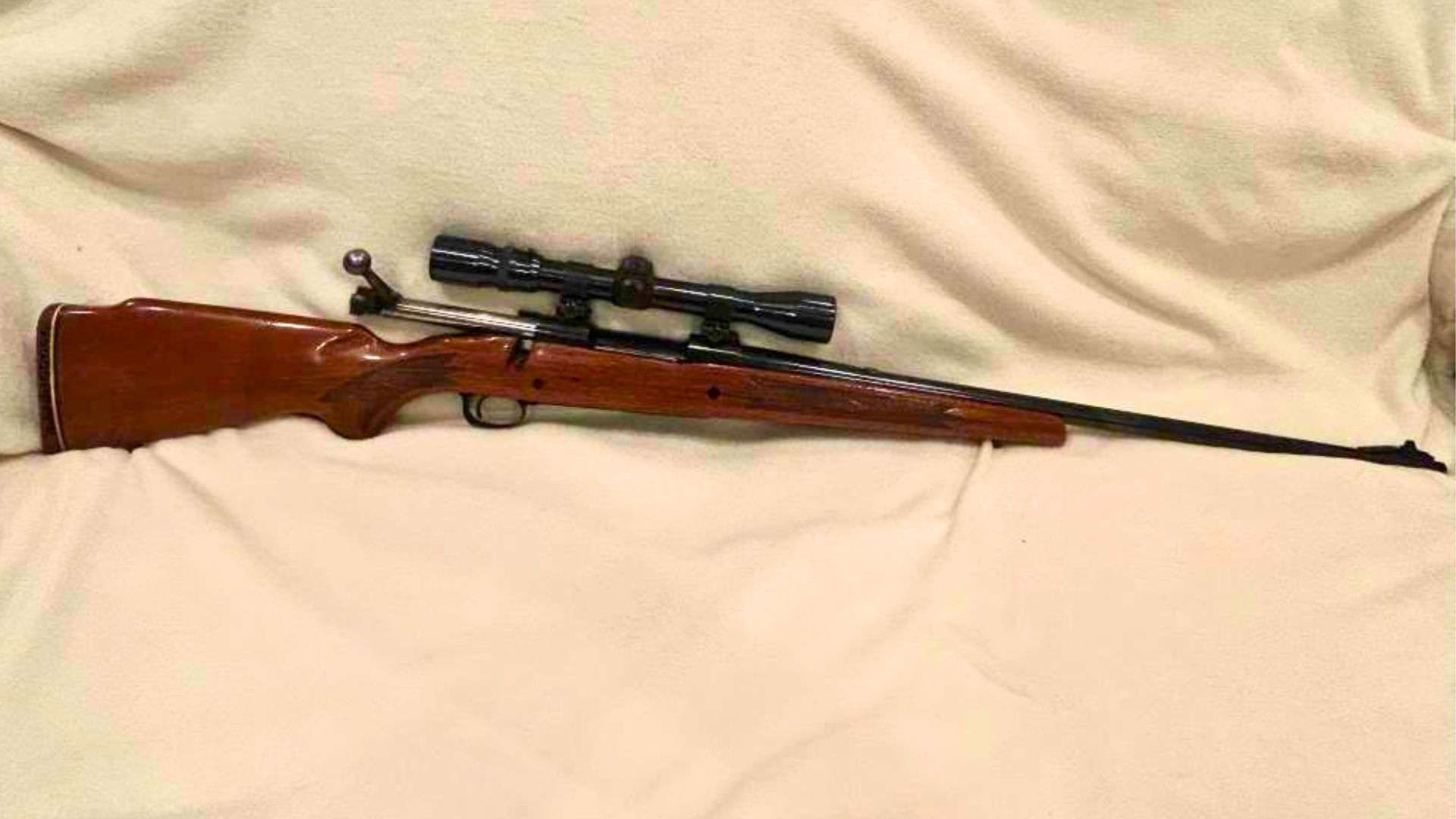
Like many department-store rifles of its era, the Model 53 delivered accuracy but lacked refinement in the action. The bolt travel feels dry and gritty, even when carefully lubricated. Cycling it with speed exposes the rough contact points inside the receiver.
Extraction is generally reliable, but the bolt lift can feel stubborn. When adrenaline is high, that resistance becomes more noticeable, and the shooter risks losing sight of the animal while wrestling the action. It’s serviceable—just not ideal for fast follow-ups.
Browning A-Bolt II Stainless Stalker (Early Runs)
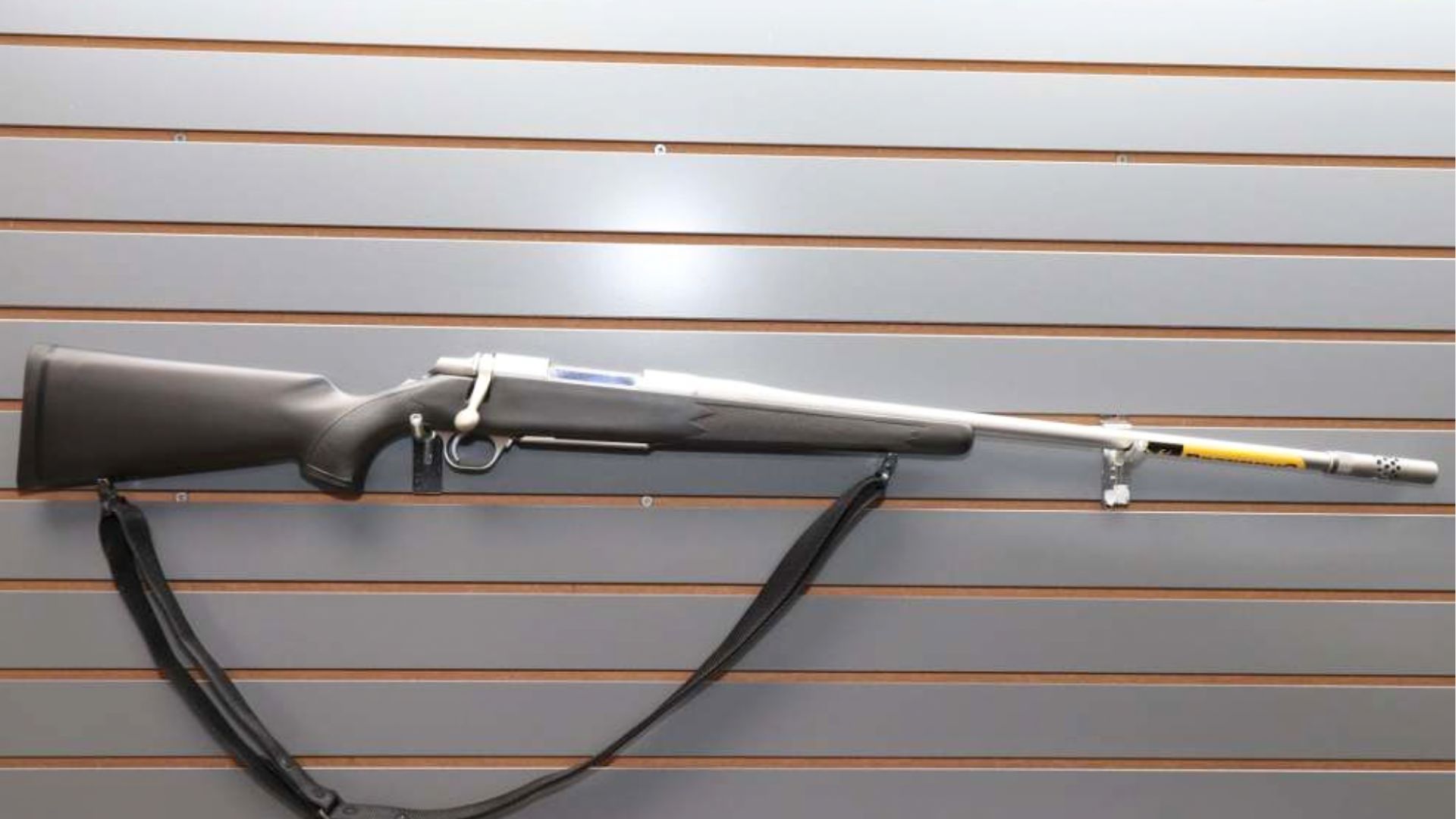
The A-Bolt II became smoother in later years, but early stainless versions sometimes had noticeable galling where the bolt body met the receiver rails. The friction wasn’t extreme, but it created a faint stutter during fast operation.
With gloves on, the short bolt throw can feel even more abrupt, making rushed shots harder to execute cleanly. Accuracy wasn’t an issue—just the sensation that the action needed more polishing. Hunters expecting Browning-level refinement sometimes found themselves surprised.
Remington Model 710

The 710’s action is one of the most discussed drawbacks of the rifle. The bolt lifts with more effort than expected, and the synthetic components can flex enough to introduce drag. Quick cycling is difficult unless you practice with deliberate force.
Extraction is functional but never crisp, and brass sometimes needs a firmer pull. In warm weather it’s manageable, but in cold conditions the stickiness becomes far more obvious. It’s a rifle that works—just not one that feels eager to run a follow-up.
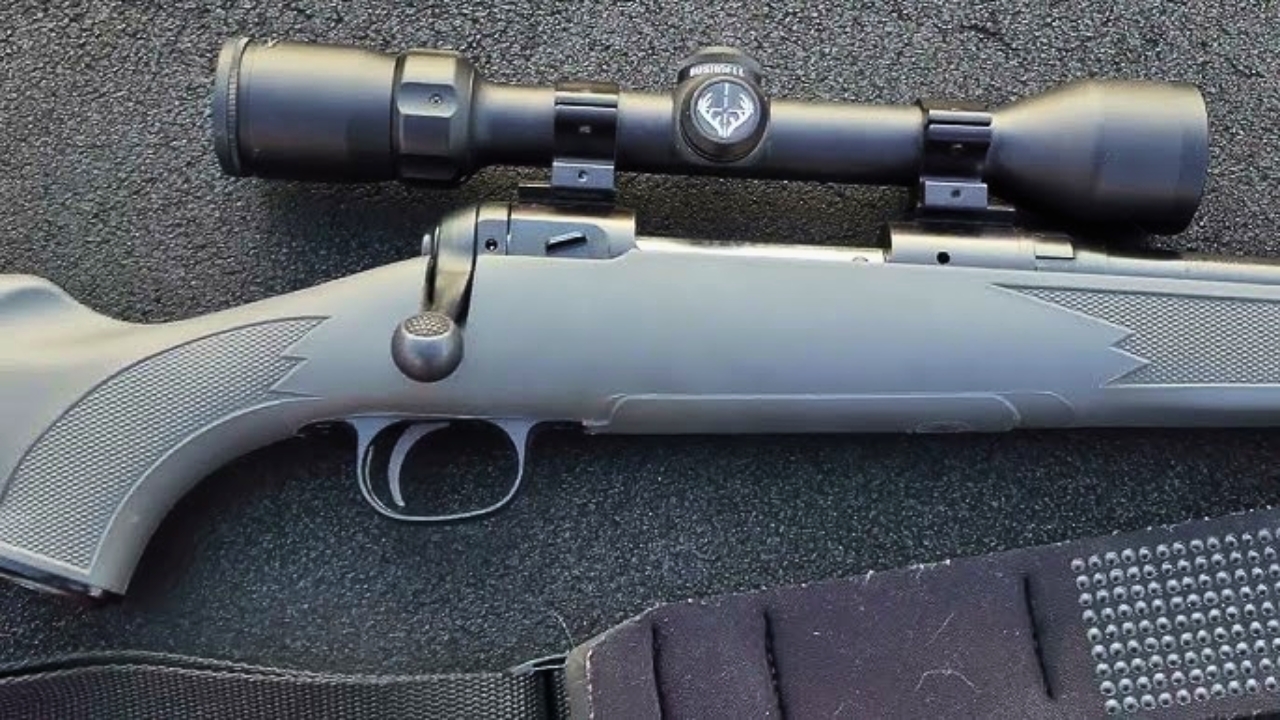
Savage 110 Package Guns (Older Budget Variants)
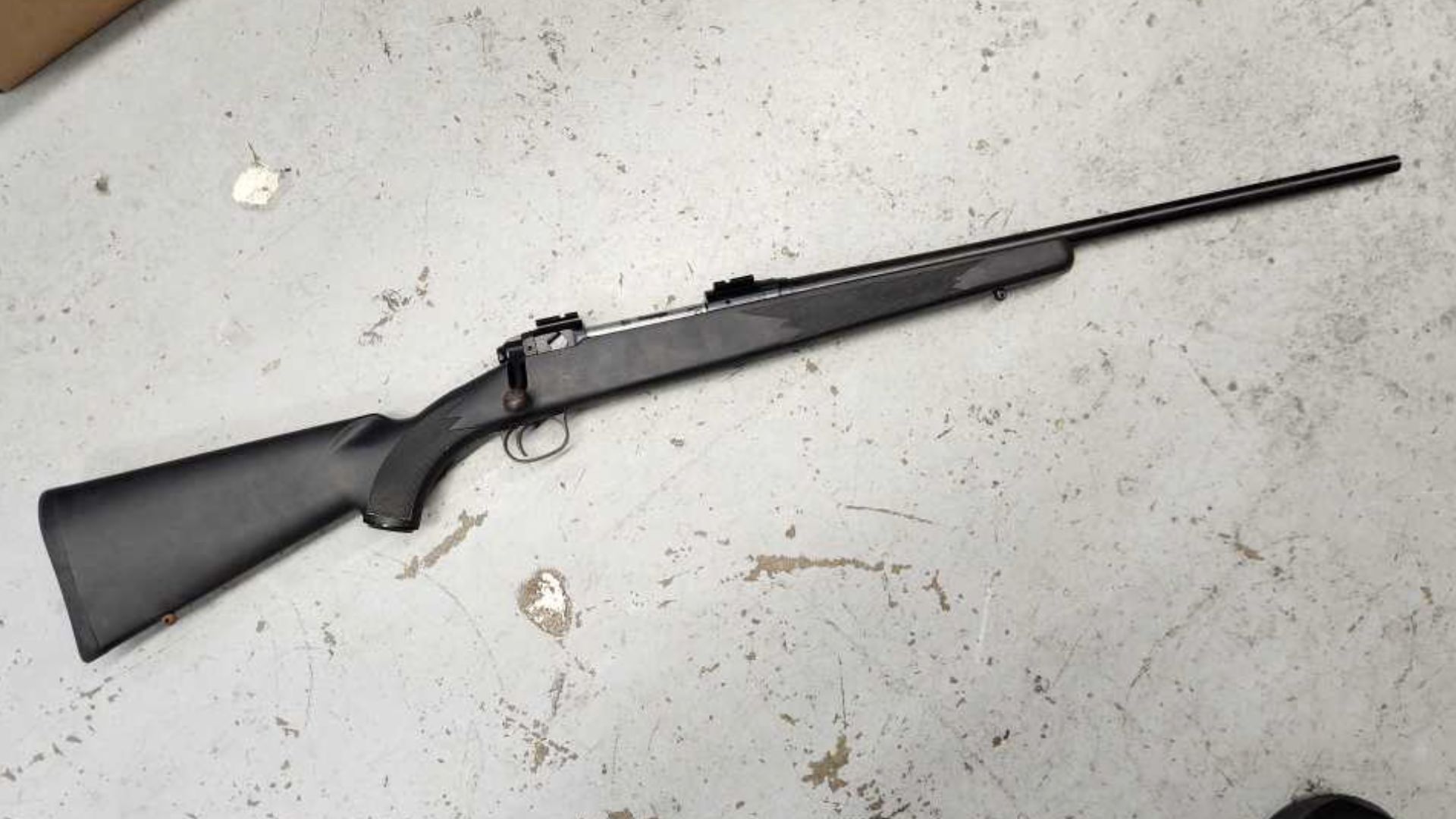
Not all 110s are equal. Some of the older package-deal rifles came with actions that felt less polished than the mainline models. The bolt lift can be harsh, and the forward stroke doesn’t glide the way modern Savages do.
Shooters often notice the binding most when trying to stay on target after the first shot. The action eventually smooths with use, but out of the box, these rifles require force rather than finesse. They’re accurate but rarely known for quick cycling.
Ruger M77 Tang Safety (Rough Chambers)

Most tang-safety M77s run smoothly, but some had chambers rough enough to slow extraction noticeably. When pressure rises, the bolt needs more muscle than ideal, and that extra effort can derail a quick follow-up.
The bolt throw is also steeper than modern designs, making the action feel heavier during rapid use. You can polish these rifles into solid performers, but in factory condition, some examples ask more of the shooter than they should.
Weatherby Vanguard Synthetic (First Edition)

Early budget Vanguards sometimes left the factory with bolt bodies that weren’t perfectly uniform. The result was an action that hesitated during forward travel, especially when feeding from a full magazine.
Racking it slowly hides most of the roughness, but speed magnifies every flaw. While accuracy was excellent, the action’s uneven feel made many hunters wish it matched the smoothness of Weatherby’s higher-end rifles. It’s reliable—just not refined.
Thompson/Center Venture

The Venture was accurate and lightweight, but its bolt lift could feel surprisingly heavy. The three-lug design offered strength, yet some rifles developed a sticky spot during lockup that slowed fast operation.
The action cycles fine at a bench, but when you need to work it quickly in the field, that resistance becomes noticeable. Cold weather and dust make it more pronounced. It’s a rifle that benefits from hand-polishing but rarely feels effortless from the factory.
Stevens 200

The Stevens 200 shared Savage DNA, but earlier runs lacked the finishing touches that define modern rifles. The action feels serviceable but never silky. Cycling quickly exposes the rough tooling marks beneath the surface.
When you’re steady and deliberate, it works fine. But in hunting conditions—gloves on, heart pounding—the bolt drags enough to slow you down. It’s durable and consistent, but not the rifle you choose for rapid follow-up shots.
Marlin XL7

The XL7 offered tremendous value, but its action occasionally felt sticky near the end of the stroke. The bolt design was simple and strong, yet not always polished to a level that encourages fast cycling.
Extraction is usually reliable, though sometimes abrupt, which throws off your rhythm when working the bolt. It’s a rifle that rewards patience but punishes speed, especially in wet or freezing conditions.
Remington Sportsman 78
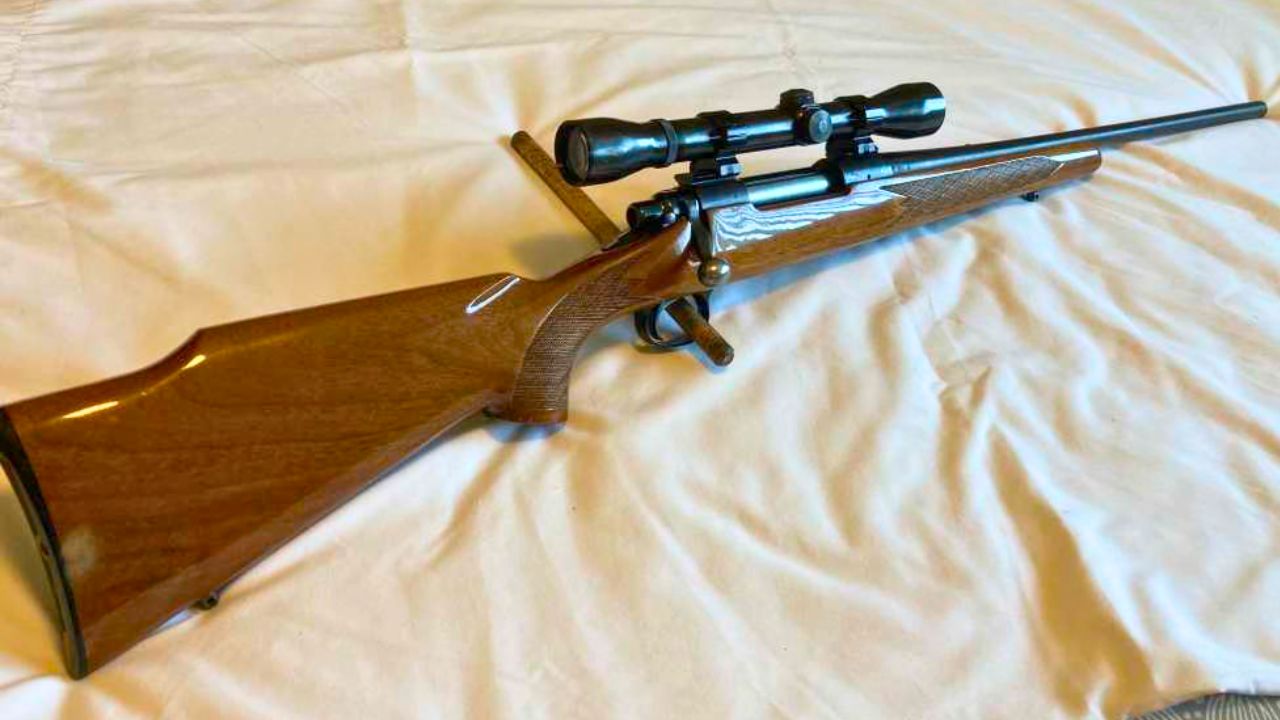
As a budget version of the 700, the Sportsman 78 didn’t receive the same attention to detail. Many rifles cycle well enough, but others feel stiff during bolt lift. The differences between individual rifles were wide.
On a calm range day, the shortfalls aren’t obvious. But when you try to chamber a second shot quickly, that stiffness becomes clear. Hunters who need fluid movement often look elsewhere for a smoother-running bolt.
Like The Avid Outdoorsman’s content? Subscribe to our newsletter so you never miss an article.
Here’s more from us: