Photo credit: Dmitri T/Shutterstock.com
Cartridges get sold on numbers and vibes. Big velocity. Big energy. Big reputation. Then you take them into the field or start running them hard on the range and realize the “power” you pictured isn’t always what shows up on target. Sometimes it’s because the cartridge depends on barrel length. Sometimes it’s bullet construction. Sometimes it’s the platform you’re shooting it from. And sometimes it’s the way we all talk about cartridges like they’re magic spells instead of a mix of pressure, velocity, and shot placement.
If you’ve ever bought a round because it sounded like a hammer and then felt underwhelmed, you’re not crazy. You were sold an expectation. Here are cartridges that often surprise people—not because they’re useless, but because the real-world results don’t always match the legend.
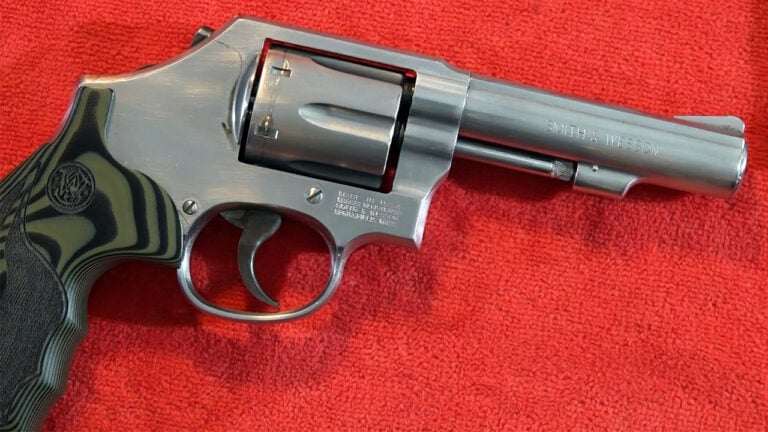
.357 Magnum (short barrels)

Out of a 4–6 inch revolver, .357 Magnum earns its reputation. Out of a snub, the story changes fast. You still get blast and recoil, but you give up a lot of velocity, which can flatten the advantage you thought you were buying.
What catches you off guard is how “power” turns into noise. The muzzle flash is huge, the concussion is nasty, and follow-up shots get harder, especially with lightweight revolvers. Terminal performance also leans heavily on bullet choice and what the load was designed around. If you expected a snub .357 to behave like a full-size duty revolver, you end up disappointed. It can work, but it doesn’t feel like the powerhouse you imagined.
10mm Auto (in compact pistols)

10mm sounds like the answer to everything. Then you put it in a compact pistol and discover the tradeoffs. Full-power loads can be hard to control, and even when you can manage them, you’re often not getting the velocity you pictured out of a shorter barrel.
A lot of shooters end up running milder loads because they want speed and accuracy more than bragging rights. That isn’t a failure, it’s reality. The cartridge has real potential, but it asks more from your grip, your recoil control, and your practice time. If you expected “more power” with no additional cost, 10mm will humble you. It shines in the right setup, but it doesn’t automatically turn a compact carry gun into a bear-stopper.
.40 S&W
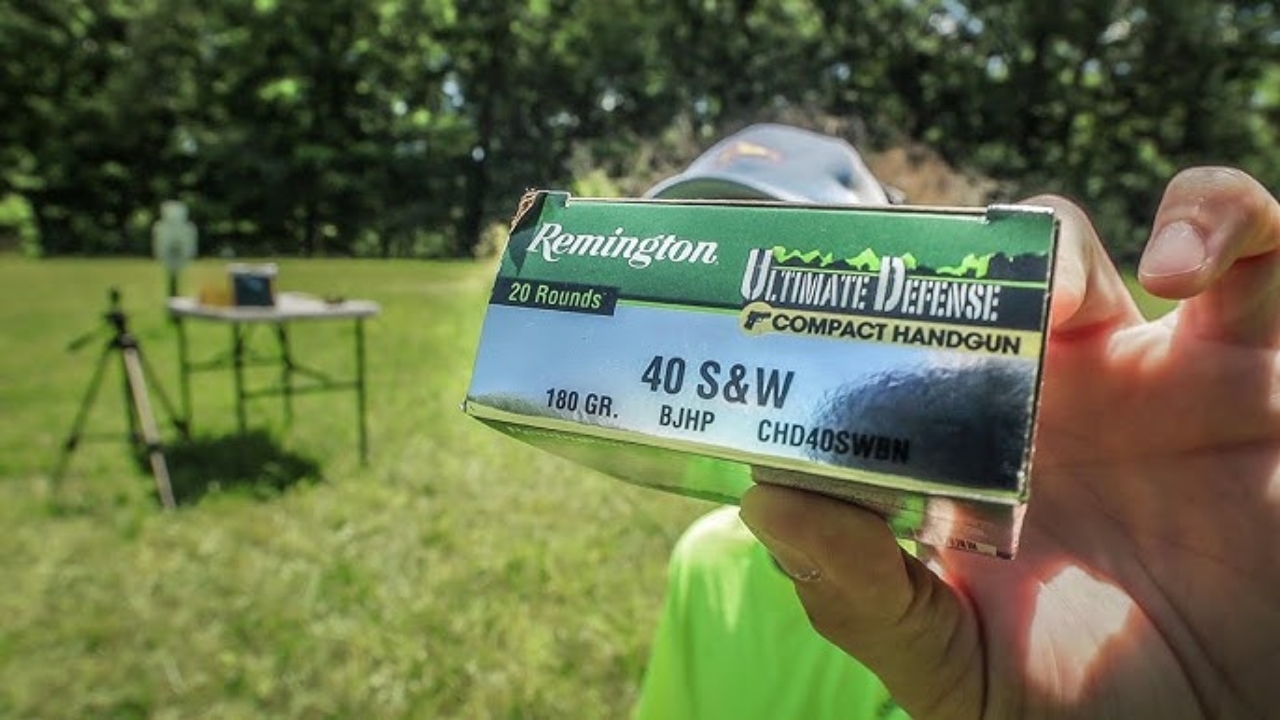
.40 S&W still hits with authority, but it often disappoints people who expect it to be a clean step above 9mm in every meaningful way. In practice, the recoil impulse can feel snappy, especially in lighter pistols, and that can slow your follow-ups more than you planned.
The other surprise is that modern bullet design has narrowed the gap a lot. You can get excellent performance out of 9mm and .40, but .40 tends to ask you to work harder to shoot it fast and clean. If your expectation was “more stopping power with basically the same shootability,” this is where reality steps in. .40 can do good work, but it’s not a free upgrade, and for many shooters the cost shows up in control and confidence.
.45 ACP (in tiny pistols)

.45 ACP has a great track record in service-size pistols, where you have weight and grip to help you manage it. Put it into a tiny carry gun and it can feel like the cartridge is running the show. Recoil becomes abrupt, muzzle flip gets dramatic, and your hands take a beating during long practice sessions.
That’s where expectations break. People buy small .45s thinking they’re getting big-bore authority in a pocketable package. What they often get is slower splits, more flinch, and less practice because the gun is unpleasant to run. You still have a capable cartridge, but the platform can sabotage your performance. If the goal is fast, accurate hits under pressure, a tiny .45 can leave you feeling like you bought power you can’t fully use.
.44 Magnum

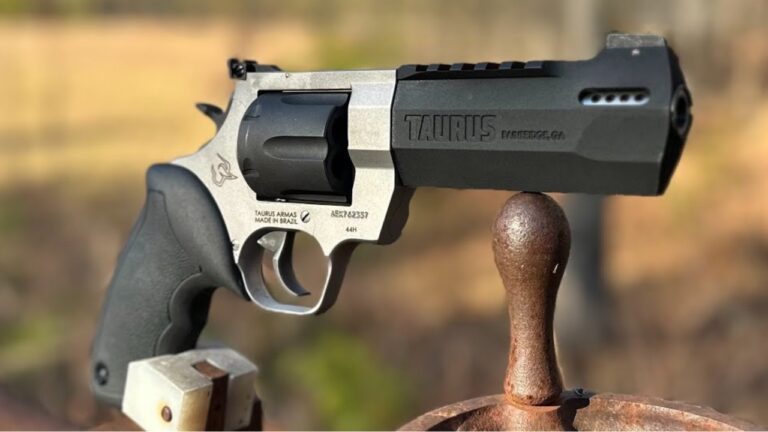
.44 Magnum is legendary, and that’s exactly why it can disappoint. Many shooters expect it to drop everything like a movie scene. What they find is heavy recoil, brutal blast, and accuracy that takes real work. It’s powerful, but it’s not forgiving.
The other reality is load and platform. A heavy hunting revolver makes it manageable. A light revolver makes it punishing. In the field, bullet construction matters more than the headstamp, and bad shots with .44 still turn into problems. If your expectation was that the cartridge fixes sloppy shooting or poor angles, you’re in for a lesson. .44 Magnum can be outstanding, but it demands respect, practice, and realistic distance limits.
.45 Colt (modern expectations, old platforms)
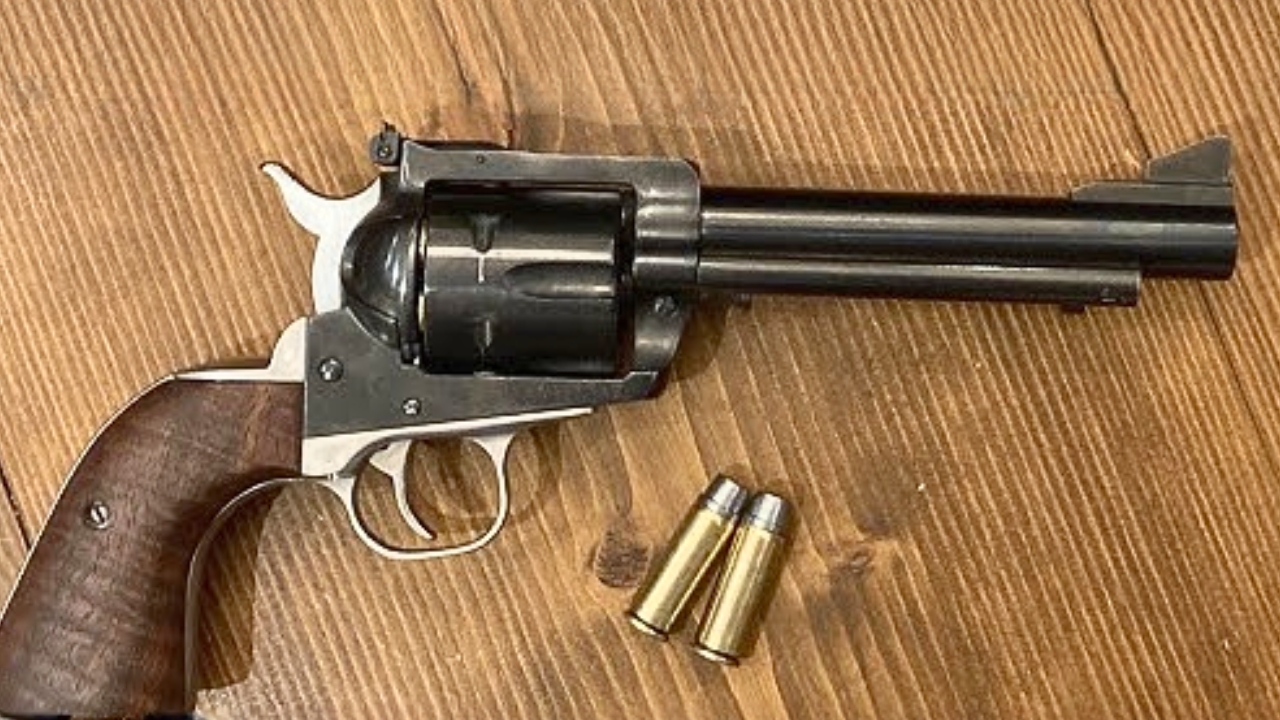
.45 Colt has two reputations living in the same name. In strong modern revolvers, it can be loaded to serious levels. In classic-style revolvers and many older guns, it lives in a much milder pressure range. That gap creates disappointment when you expect “hand-cannon” results from ammo that’s built to be safe in a wide variety of guns.
You also see confusion in recoil and performance. Mild .45 Colt loads can feel soft and pleasant, but they won’t deliver the dramatic energy many people imagine. Heavy .45 Colt loads exist, but you need the right revolver for them, and you need the skill to shoot them well. If you expected every .45 Colt box to be a sledgehammer, you end up underwhelmed—or you end up chasing loads your gun was never meant to handle.
.50 AE

.50 AE sounds like it should rewrite the laws of physics. Then you shoot it and realize the cartridge is more about spectacle than practical performance. The recoil is heavy, the gun is huge, and the blast is intense. It’s undeniably powerful, but that doesn’t always translate into real-world usefulness.
A lot of people buy it expecting it to be the ultimate defensive tool. In reality, the platform is bulky, the capacity is limited, and shooting it fast and accurately takes real effort. It also isn’t a cartridge you practice with casually, because cost and fatigue add up. If you expected “instant fight stopper” energy in a package you’d actually carry and train with, .50 AE tends to disappoint. It’s fun, it’s impressive, and it’s not a practical answer for most problems.
5.7x28mm

5.7x28mm gets talked about like a laser beam that hits harder than it should. What surprises people is that the cartridge is highly load-dependent and context-dependent. In many civilian loads, you’re not getting the performance you imagine from the reputation alone.
You often end up with a fast, flat-shooting round that’s easy to control and carries a lot of rounds, which is a real advantage. The disappointment comes when you expect it to behave like a rifle round or to deliver dramatic terminal effects across the board. It’s more complicated than that. Bullet design and velocity matter, and results can vary widely by load. If you buy 5.7 expecting guaranteed “rifle-like” power, reality can feel anticlimactic.
.357 SIG

.357 SIG sounds like it should be a hammer: high velocity, loud report, serious energy. In practice, many shooters find it brings a lot of blast and snap without giving them a clear advantage they can feel on demand. It can also be harder on guns than milder service cartridges, depending on the platform.
Another surprise is how much it depends on specifics. The cartridge can perform very well, but the benefits over modern 9mm loads aren’t always obvious in real shooting. You may end up with more muzzle blast, higher ammo cost, and less trigger time, which is a rough trade if your goal is skill. If you expected a night-and-day jump in effectiveness, .357 SIG can feel like you bought noise and speed more than practical improvement.
.22-250 Remington

.22-250 Remington has a reputation for screaming velocity and impressive numbers. It’s fantastic at what it was built for: varmints and predators at distance. The disappointment shows up when people try to force it into roles that don’t fit, especially deer-sized game, because “fast” sounds like “power.”
High velocity doesn’t automatically mean deep, reliable penetration, especially with bullets designed to explode on impact. That’s the trap. If you choose the wrong bullet, the cartridge can create dramatic surface damage without the performance you expected in the vitals. When you keep it in its lane, it’s excellent. When you expect it to be a do-it-all big-game round because the numbers look hot, it can let you down in a hurry.
.300 Blackout (supers vs real distance)

.300 Blackout sounds like a powerhouse because it’s .30 caliber and it’s often shot from compact rifles. The surprise is that supersonic .300 Blackout doesn’t carry velocity like many people assume, especially compared to classic .30-caliber rifle cartridges. Past a certain distance, it starts bleeding steam faster than your expectations.
A lot of folks buy it thinking they’re getting .30-30 vibes out of a short barrel with modern convenience. You can get solid performance, but you have to be honest about range and bullet selection. It’s also easy to mix up goals: subsonic ammo is a different world than supersonic. If you expected one cartridge to cover quiet shooting, close-range authority, and long-range punch all at once, .300 Blackout can feel like it’s always falling short somewhere.
6.5 Creedmoor (as a “big-game hammer”)

6.5 Creedmoor gets called a long-range killer, and it can be extremely effective with the right bullets and good shot placement. The disappointment shows up when people expect it to hit like a heavier .30-caliber on large animals at tough angles. It’s not built around heavy frontal-area impact, it’s built around efficiency and accuracy.
That means you have to be disciplined. On deer and similar game, it can be outstanding. On larger animals, it can still work very well, but it doesn’t erase bad angles or rushed shots. If you expected it to deliver dramatic knockdown with marginal hits, you’ll be underwhelmed. The cartridge performs the way physics says it should. It rewards precision more than raw smash, and that’s not what some people picture when they hear the hype.
.224 Valkyrie

.224 Valkyrie was marketed like it would give you impressive long-range performance from an AR platform, and on paper it can look great. The surprise is that real-world results depend heavily on the rifle setup, the load, and what you’re trying to do with it. Many shooters expected an easy button for long range and ended up with a cartridge that takes tinkering.
You can run into inconsistent accuracy across different barrels and loads, and the practical advantage over other options isn’t always as clear as the marketing made it sound. If you expected to slap a scope on a basic AR and start ringing steel at distance with no fuss, you might feel let down. It can perform well, but it isn’t automatically better than simpler, more established choices unless you’re willing to chase the right combination.
.450 Bushmaster
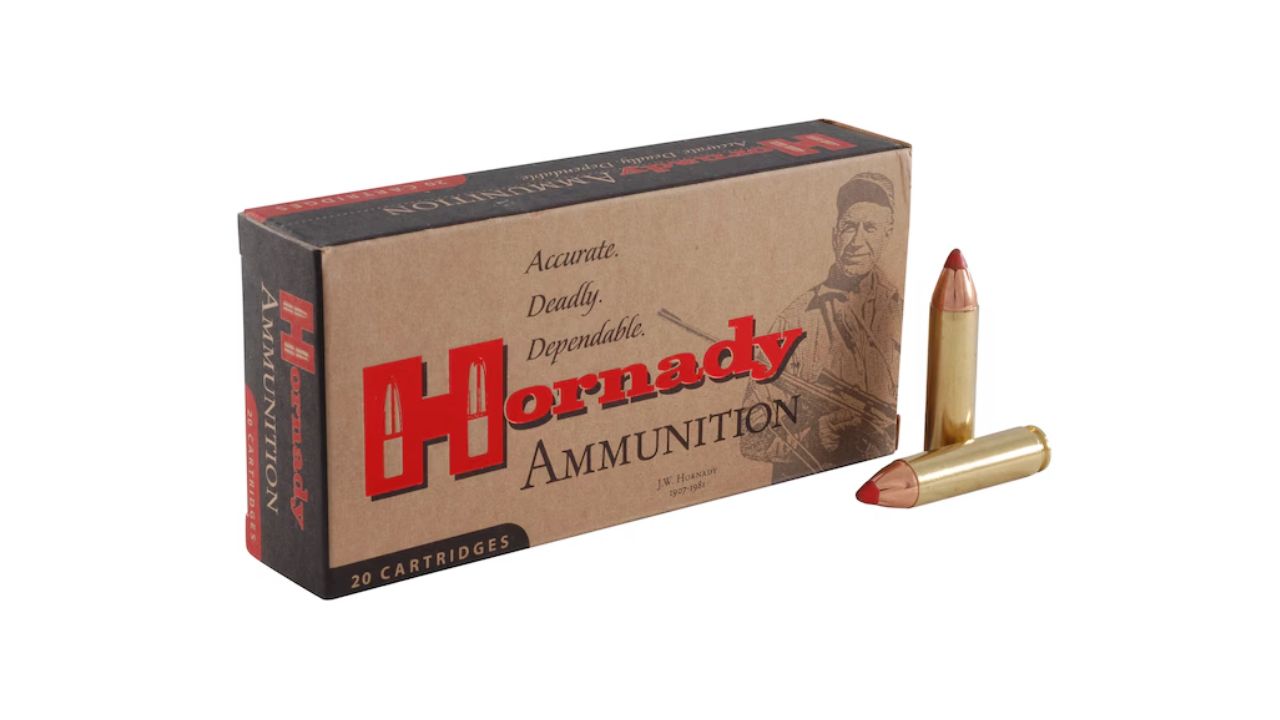
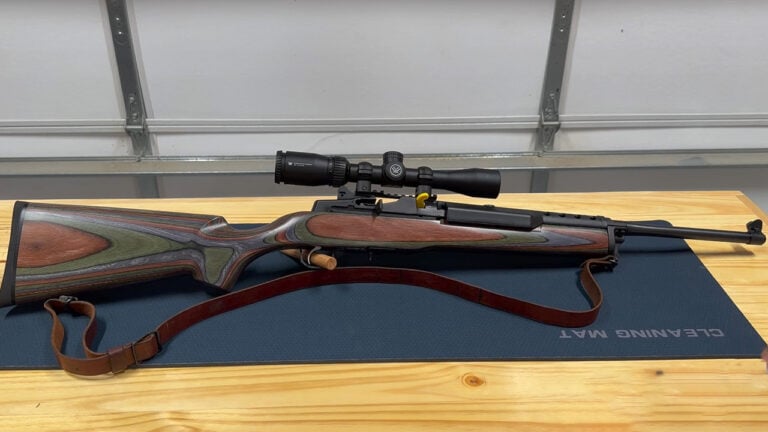
.450 Bushmaster sounds like it should hit like a wrecking ball, and at close range it can do serious work. The disappointment comes when you expect that big bullet to stay flat and carry energy the way a traditional rifle cartridge does. Trajectory drops fast, and recoil can wear you out if you’re trying to practice a lot.
It’s also a cartridge that magnifies mistakes. If you don’t know your distances and holds, you can miss or hit poorly quicker than you expect because the arc is real. People hear “.45-caliber rifle” and assume it’s easy power at any range they feel like shooting. In reality, it’s a purpose-built tool for specific distances and scenarios. If you keep it inside its comfort zone, it shines. If you expect it to behave like a flat shooter, it disappoints.
.17 HMR
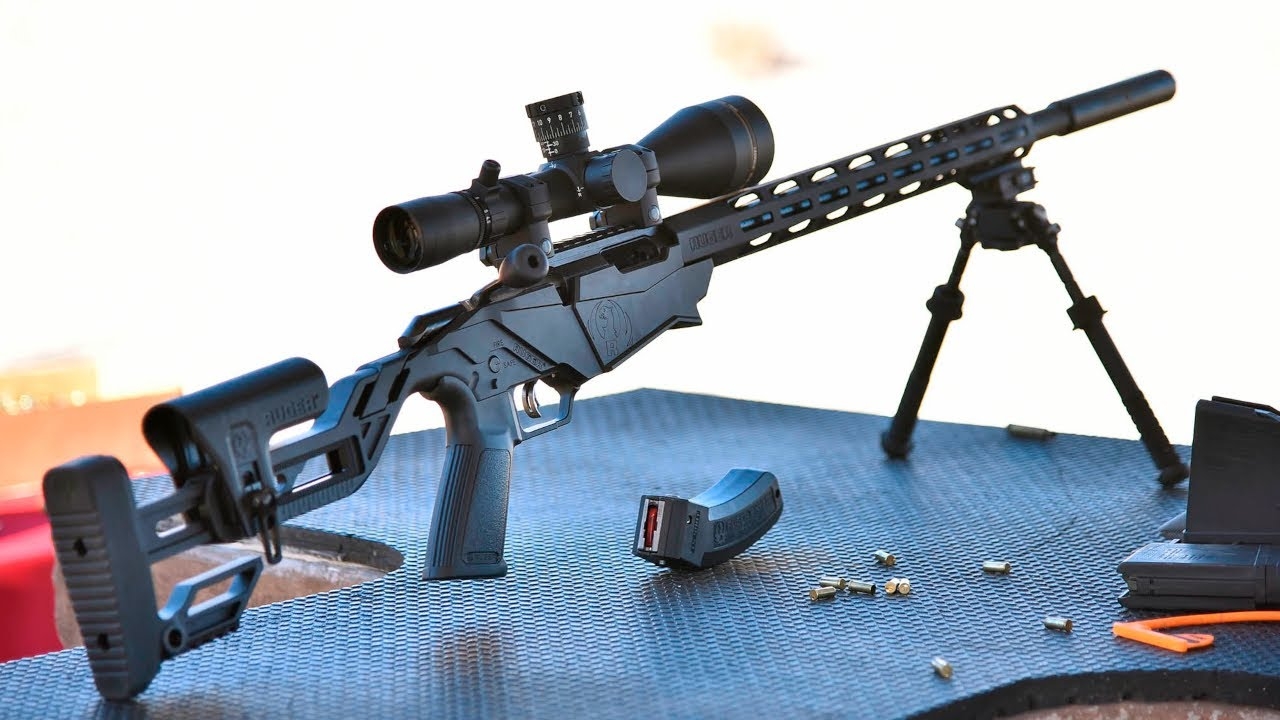
.17 HMR sounds spicy and fast, and it’s an absolute riot on small targets. The disappointment shows up when people treat it like a miniature powerhouse instead of a rimfire designed for precision on small game. Wind moves it more than many new shooters expect, and terminal performance is tied closely to fragile bullet construction.
If you expected it to be a reliable “bigger than .22” option for anything beyond its lane, it can feel underwhelming. It’s not a deep-penetrating cartridge, and it’s not built for tough animals. What it does well is clean hits on small game at sensible distances with impressive accuracy. If your expectation was a rimfire that hits like a centerfire, reality will correct you quickly. It’s excellent, but it’s not the kind of “power” the name and velocity make you picture.
Like The Avid Outdoorsman’s content? Subscribe to our newsletter so you never miss an article.
Here’s more from us: