Photo credit: Militarist/ShutterStock.com
Some guns will shrug off rain, sweat, and grime like they were dipped in Teflon. Others seem to corrode if you breathe near them. You know the type—guns that flash orange by the end of a humid afternoon or start pitting after one trip through the woods. Some of it comes down to finish, some to metal composition, and some to poor design choices that let moisture collect in all the wrong places. These are the firearms that demand obsessive care, a rag always within reach, and a coat of oil thicker than you’d ever think necessary. If you don’t baby them, they’ll remind you the hard way that not all steel is created equal.
Winchester Model 94 (Pre-’64 Blue Steel)

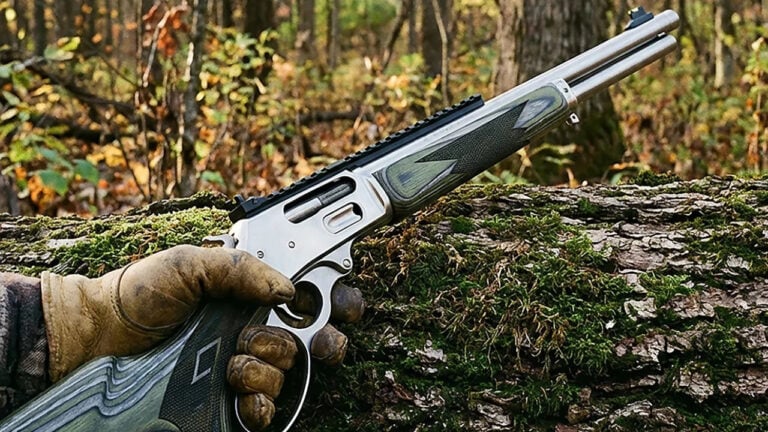
Few rifles have a finish that ages faster than an old blued Winchester 94 left unprotected. The pre-’64 models had beautiful deep-blue finishes, but that traditional polish offers little real rust resistance. One walk through the rain or a sweaty saddle scabbard, and you’ll see orange freckles by the next morning.
The exposed lever and receiver edges collect moisture fast, and the thin bluing wears through easily where your hands rest. These rifles were made for the field, but they demand discipline. A wipe with an oily rag after every use isn’t optional—it’s survival. Treat it right, and the 94 will last generations. Skip maintenance, and rust will eat through its history in months.
Colt Python (Older Nickel Models)
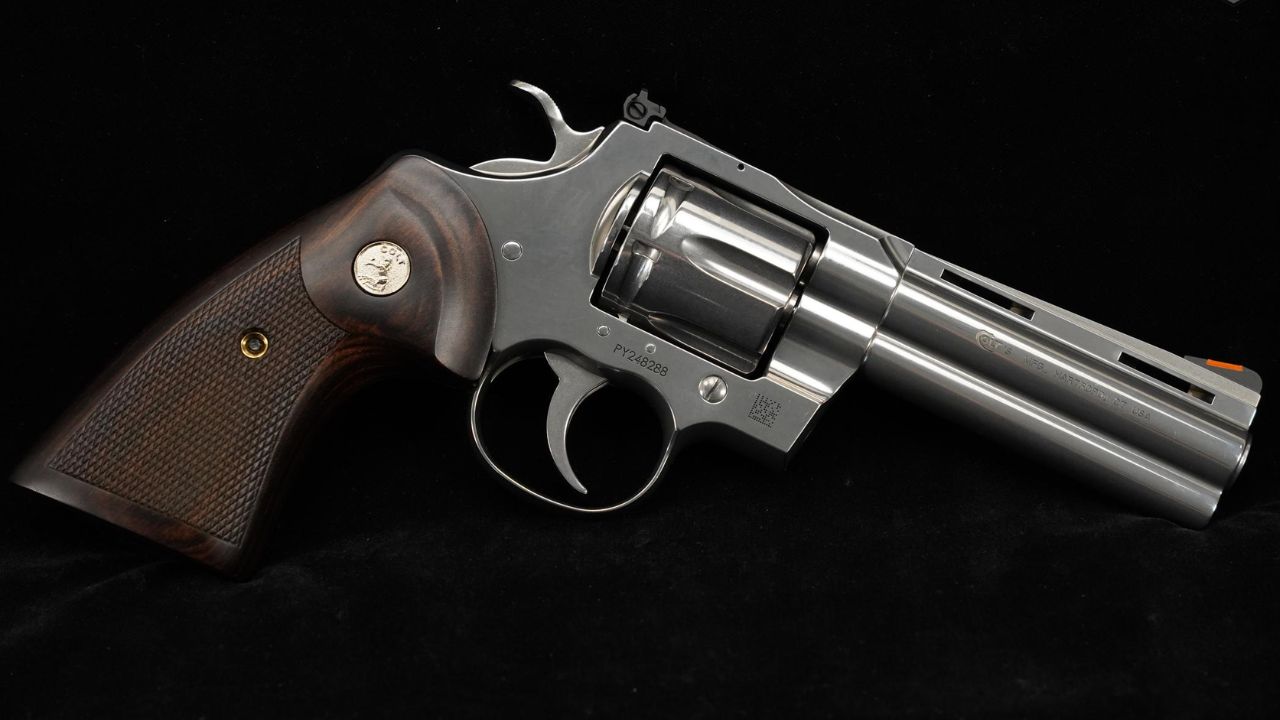
The older nickel-finished Colt Pythons are stunning, but their beauty comes with a curse. The thin nickel layer, while flashy, doesn’t seal moisture well. Once the plating cracks or wears, rust creeps in underneath and spreads like wildfire. Handling them with bare hands and leaving prints can start the corrosion clock in humid conditions.
Collectors keep gloves handy for a reason. These revolvers demand gentle cleaning and regular oiling, even when they never see a holster. Leave one in a safe without a dehumidifier, and you’ll find tiny rust spots forming along the seams in no time. They’re gorgeous shooters—but they’ll punish you if you treat them like stainless steel.
Remington 870 Express

The 870 Express earned its budget reputation for reliability, but its matte finish is notorious for flash rust. It’s basically a phosphate coating with minimal corrosion protection. In damp weather, it starts showing orange within hours—especially around the receiver edges and magazine tube.
Hunters who take these into the field quickly learn to wipe them constantly. The internal parts don’t fare much better, with rust forming inside the barrel extension and bolt carrier if left damp. The Express shoots fine and lasts forever mechanically, but cosmetically, it demands constant care. A little oil and a rag are as essential as the shells themselves.
Marlin Model 60
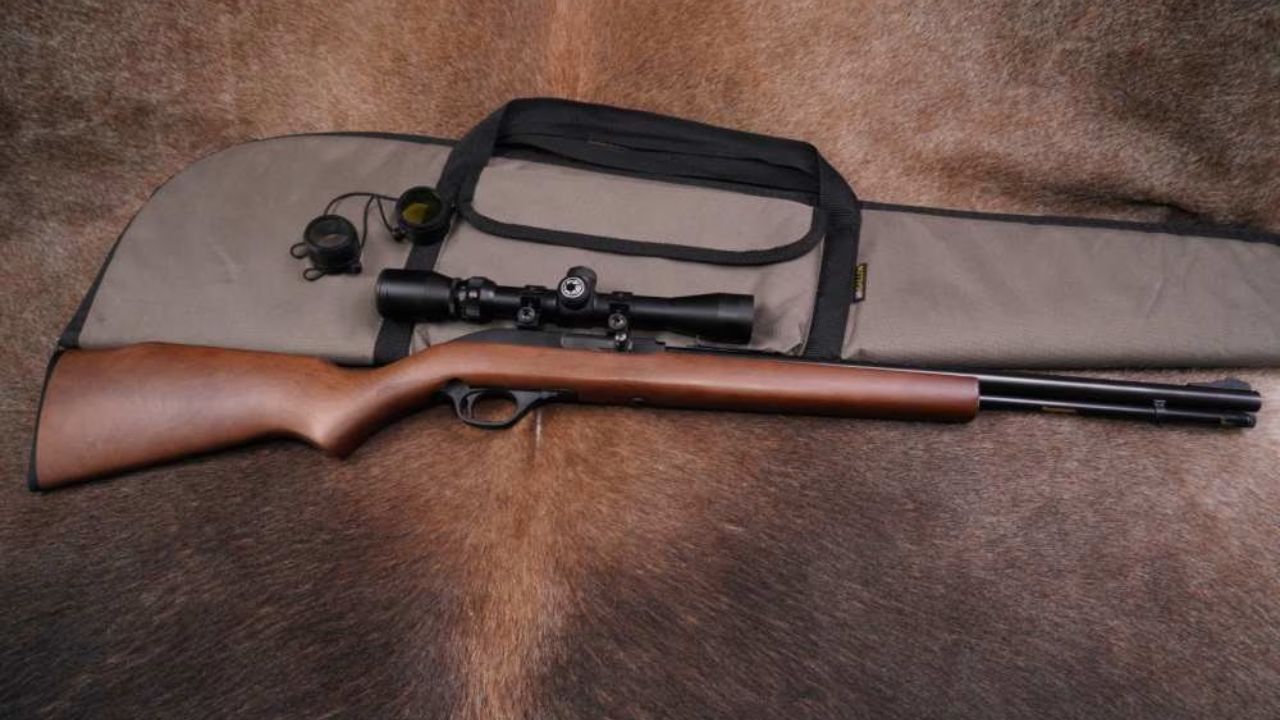
The Marlin Model 60 is a fantastic plinker, but it doesn’t forgive humidity or sweaty hands. Its plain carbon-steel barrel and action rust quickly, especially where the bluing wears thin around the loading port and barrel band. Leave it in a garage or damp basement, and it’ll start to spot before you find the gun oil.
Because most Model 60s were affordable, they rarely saw meticulous maintenance—and it shows. Many are covered in freckles of rust long before they stop shooting straight. It’s a reminder that even small-bore rifles need care. A silicone cloth after every outing keeps this .22 from turning brown before its time.
Norinco SKS
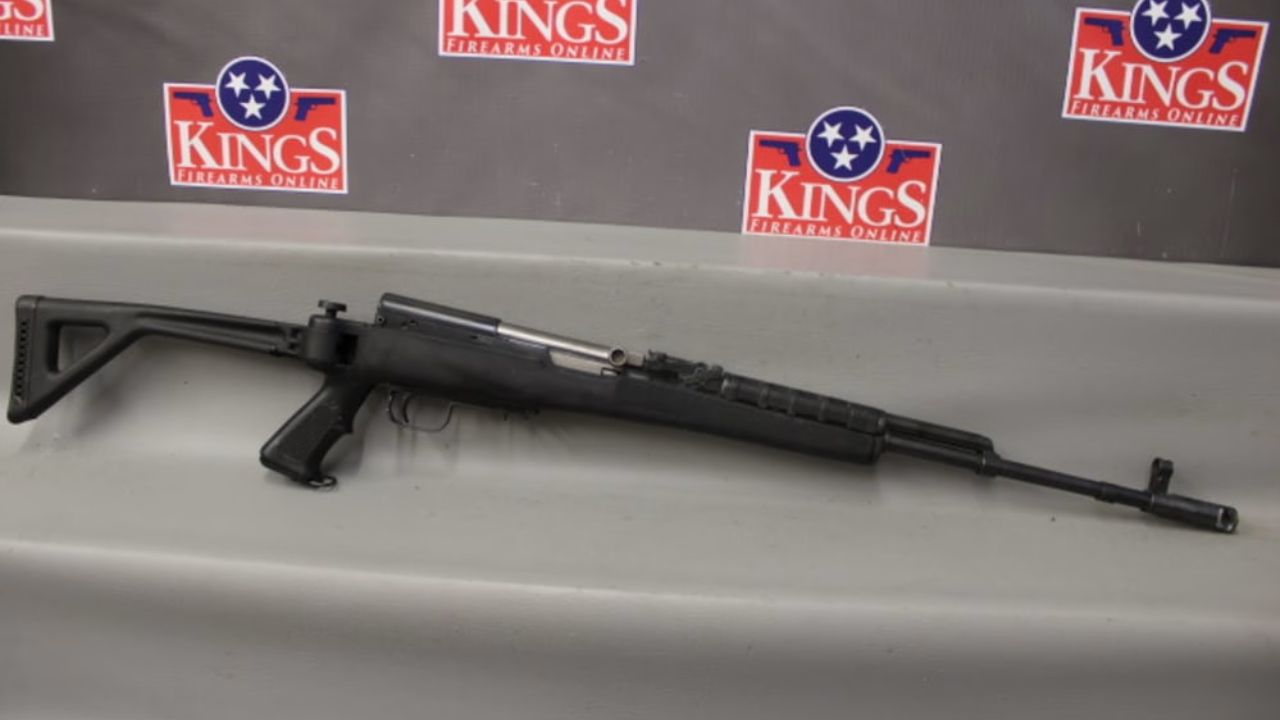
The Norinco SKS is built tough, but its steel finish was never meant to impress. The bluing is thin and uneven, offering minimal protection against moisture. If you take it out in the rain or leave fingerprints on the metal, rust starts forming fast, especially on the gas tube and front sight block.
Even stored indoors, SKSs can sweat inside their wood stocks in humid climates. Once that happens, the receiver cover and trigger guard start showing orange highlights in no time. Wiping one down after shooting isn’t enough—you need to strip it, dry it, and oil it properly. Otherwise, you’ll spend more time sanding spots than shooting.
Mossberg 500 (Early Blued Versions)

Older Mossberg 500s with standard blued finishes don’t take moisture well. The bluing wears thin along the pump rails and around the ejection port, and any moisture trapped there breeds rust overnight. Even light rain during a hunt can leave pitting behind if you don’t act fast.
Many hunters learned the hard way that an 870 Express isn’t the only shotgun that needs constant oiling. The newer Marinecote or parkerized versions solved much of this, but early models are as temperamental as bare steel. The action may keep running, but the exterior will corrode unless you keep it clean and slicked up after every trip.
M1 Garand
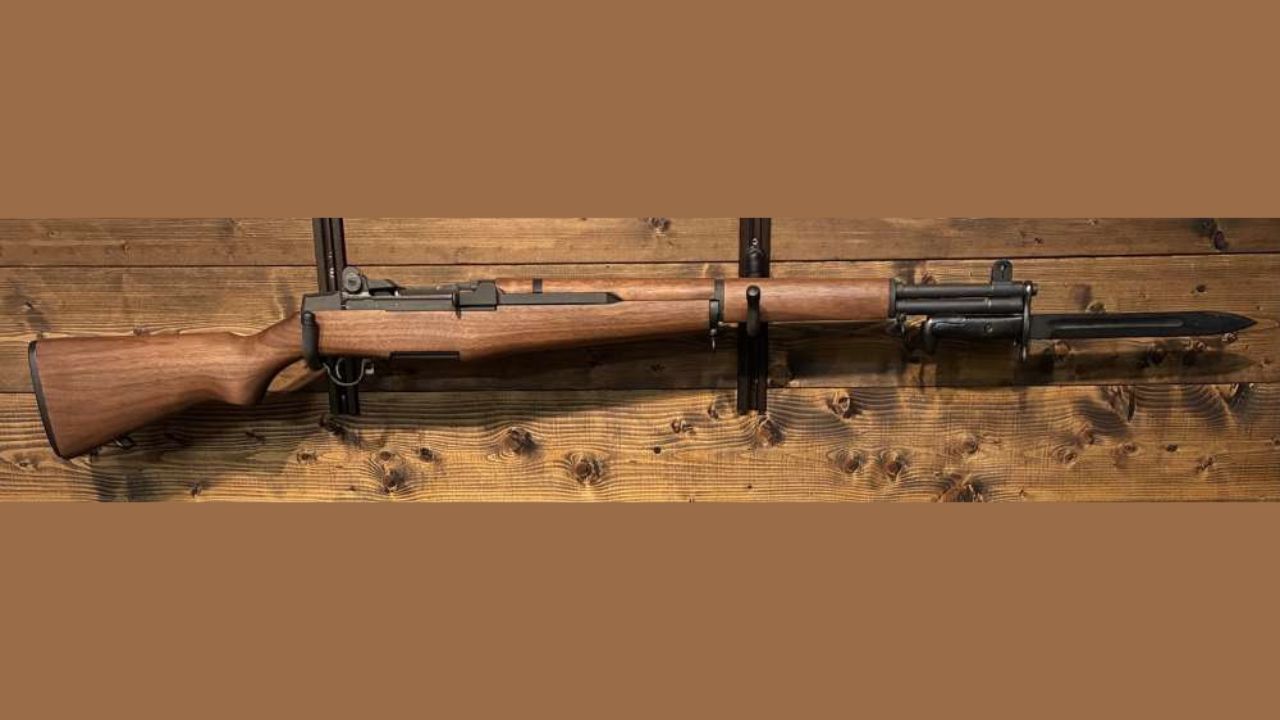
The M1 Garand may have earned its legend in battle, but it doesn’t handle moisture well. Its parkerized finish helps somewhat, but any wear spots—especially around the gas cylinder or op-rod—will start rusting fast if ignored. The internals are full of tight spaces that trap condensation, especially under the wood.
If you shoot one on a humid day and rack it in the safe dirty, you’ll smell rust the next morning. The Garand’s steel demands the same level of discipline it required from soldiers—clean, dry, and oiled. It’s one of those rifles that rewards attention and punishes neglect, no matter how tough it looks on the outside.
SIG Sauer P226 (Early Carbon-Steel Slides)

Early SIG P226s used carbon-steel slides before the switch to stainless, and those early versions were magnets for rust. Carried close to the body, they’d pick up sweat and start spotting around the serrations and ejection port within a day or two. Holster wear made it even worse.
Operators and cops who carried them learned to field-strip and oil them daily, especially in hot or coastal environments. The newer stainless versions solved the issue, but those older carbon slides need babying. They still shoot beautifully, but they’ll turn orange if you so much as leave them in a leather holster overnight.
Winchester Model 12

The Winchester Model 12 remains one of the smoothest pump shotguns ever made—but its high-polish bluing offers little rust resistance. The steel is incredibly fine-grained, which means it’s also eager to oxidize. Hunters who take them duck hunting or store them in damp basements find corrosion forming inside the receiver and barrel lugs almost immediately.
The action will run for generations, but only if you treat it like fine furniture. That means oiling every exposed surface and drying it completely before storage. Leave it dirty after a wet hunt, and the next time you rack the slide, it’ll feel gritty instead of glassy.
Springfield 1903 (Early Carbon-Steel Receivers)

The early Springfield 1903 rifles were beautifully machined, but the blued carbon steel they used was never designed for humidity. Once exposed to sweat, fingerprints, or rain, the receiver and barrel start showing rust faster than most rifles of the era.
Collectors know how quickly oxidation creeps in around the sight bases and barrel bands. The rifle’s tight tolerances make it worse—moisture seeps into seams you can’t easily reach. Regular cleaning and an oiled rag are the only way to keep these historical rifles looking decent. Otherwise, even in a safe, they’ll turn from collectible to corroded before long.
Tokarev TT-33
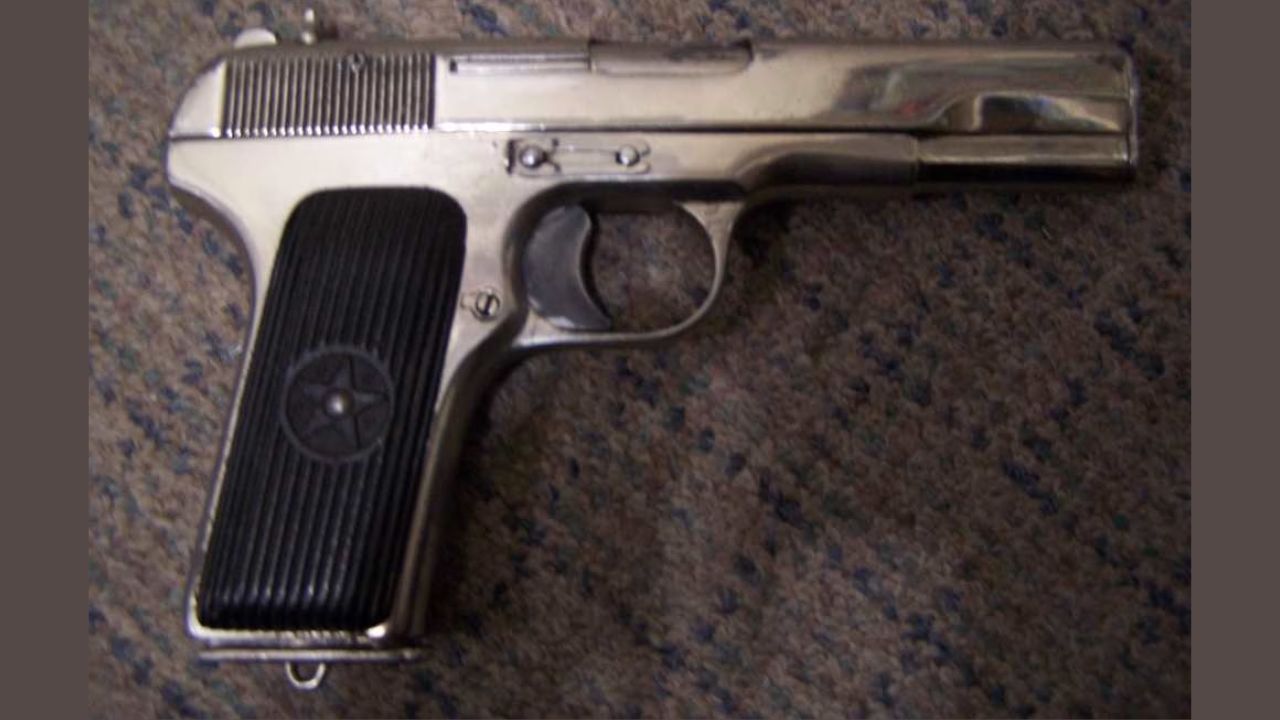
The TT-33’s steel finish is thin, uneven, and prone to surface rust, especially on surplus examples. The combination of wartime metallurgy and minimal oiling during storage means they start corroding the moment you touch them. Even fresh out of cosmoline, you’ll see rust bloom on the slide and frame if you don’t clean and protect them immediately.
The exposed hammer, slide serrations, and barrel hood are all moisture traps. Shooters who own one quickly learn to keep them dry and coated in oil. They may be rugged in function, but cosmetically, they’re among the fastest rusting pistols ever made.
Remington 700 ADL (Older Models)

The older Remington 700 ADL rifles were accurate and dependable, but the blued finish on early versions offered little real protection. Any exposure to moisture—especially in the barrel flutes or bolt handle—quickly led to surface rust. The action was tight and precise, but it also trapped condensation in the lug recesses.
Hunters who carried these rifles through wet seasons learned to strip the bolt and clean it regularly. Left unchecked, rust formed around the bolt shroud and inside the locking recesses. A light coat of oil kept them running fine, but skip it once and you’d be reminded how unforgiving blued carbon steel can be.
Makarov PM
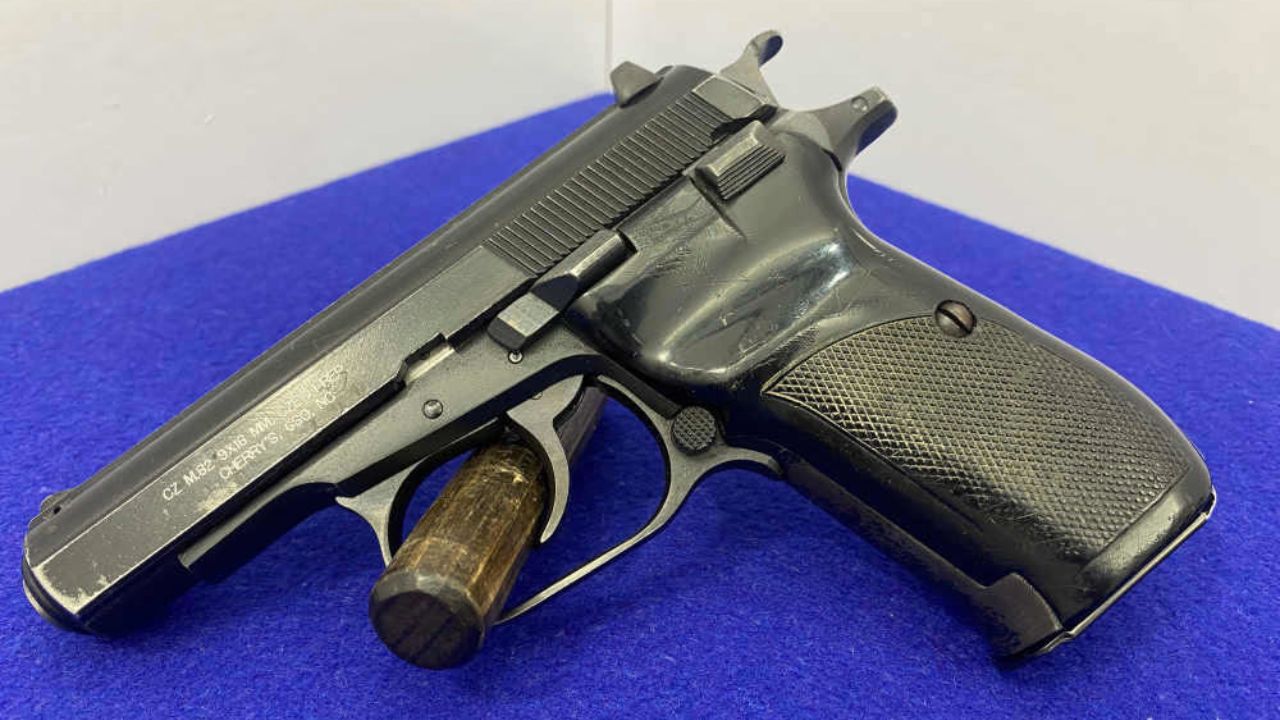
The Makarov PM’s steel finish looks tough, but it’s as rust-prone as any surplus pistol you’ll find. Its compact design means your hands constantly touch the slide and frame, and that oil-free Soviet bluing doesn’t handle sweat well. Carry it on a hot day without wiping it down, and you’ll see orange by sunset.
Many surplus Mak owners discovered rust under the grips and around the slide serrations after only a few days in storage. The gun itself is famously reliable—but it’s a maintenance nightmare in humid climates. Regular oiling and a silicone cloth are mandatory if you want it to stay black instead of brown.
Like The Avid Outdoorsman’s content? Be sure to follow us.
Here’s more from us:
The worst deer rifles money can buy
Sidearms That Belong in the Safe — Not Your Belt
*This article was developed with AI-powered tools and has been carefully reviewed by our editors.